

Revised. 3.26
“Black Moon” (1975) is a surreal fantasy-drama directed by Louis Malle, featuring performances by Cathryn Harrison, Therese Giehse, Alexandra Stewart, and Joe Dallesandro. Loosely inspired by the dream logic found in “Alice in Wonderland,” the film is one of Malle’s most experimental works. It presents an allegorical and often disorienting exploration of themes such as war, gender conflict, and psychological transformation.
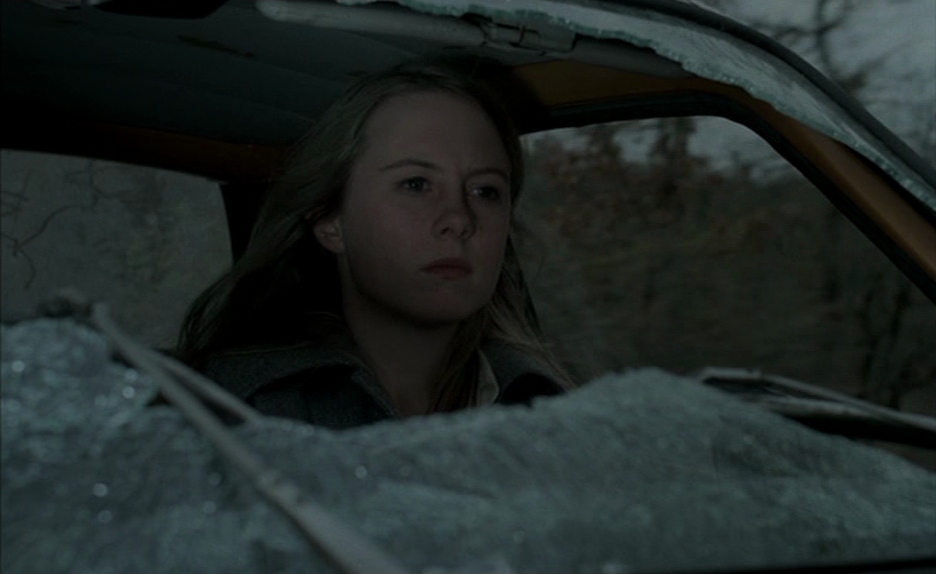
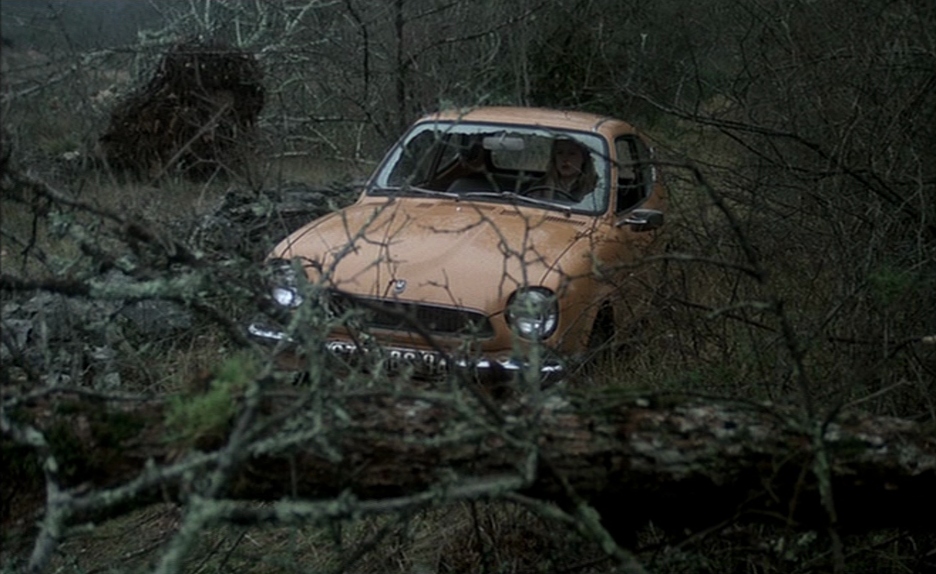
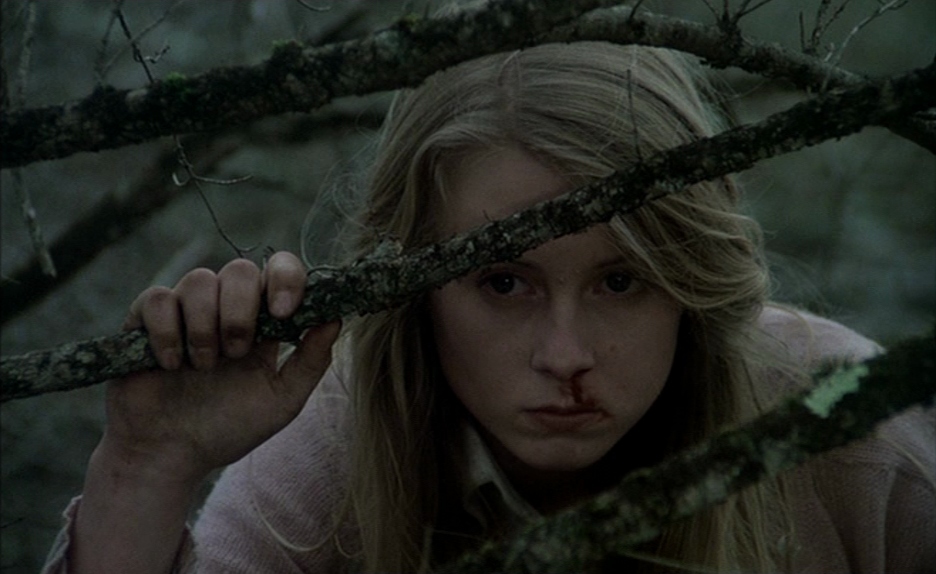
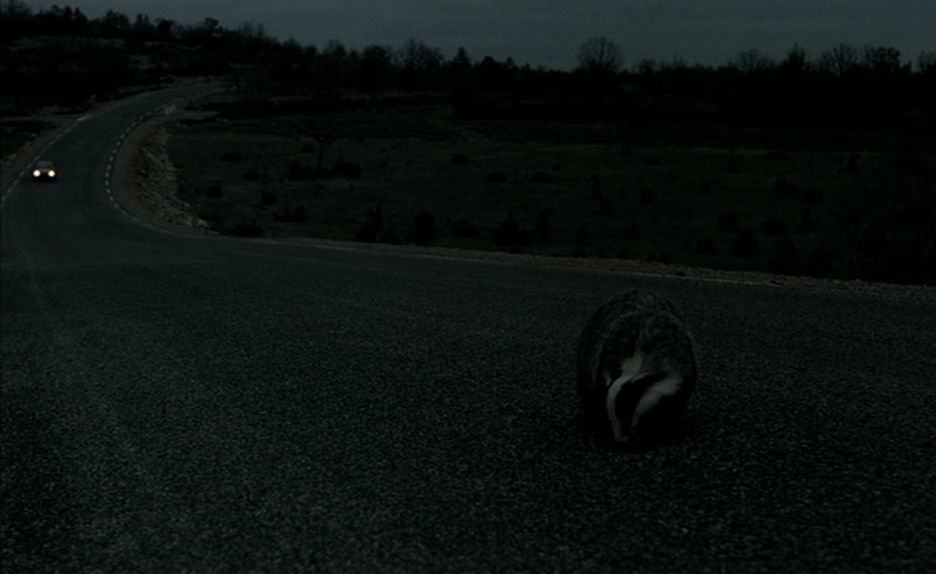
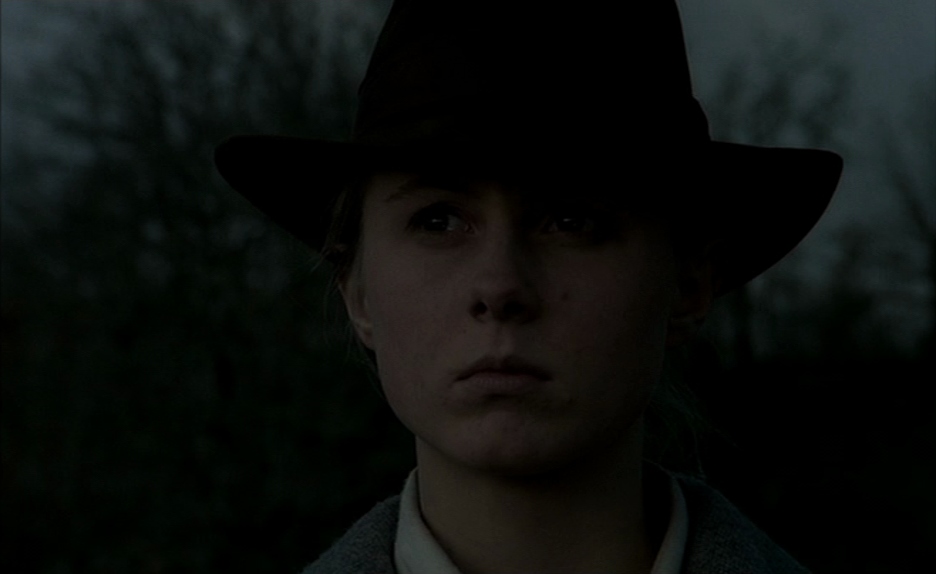
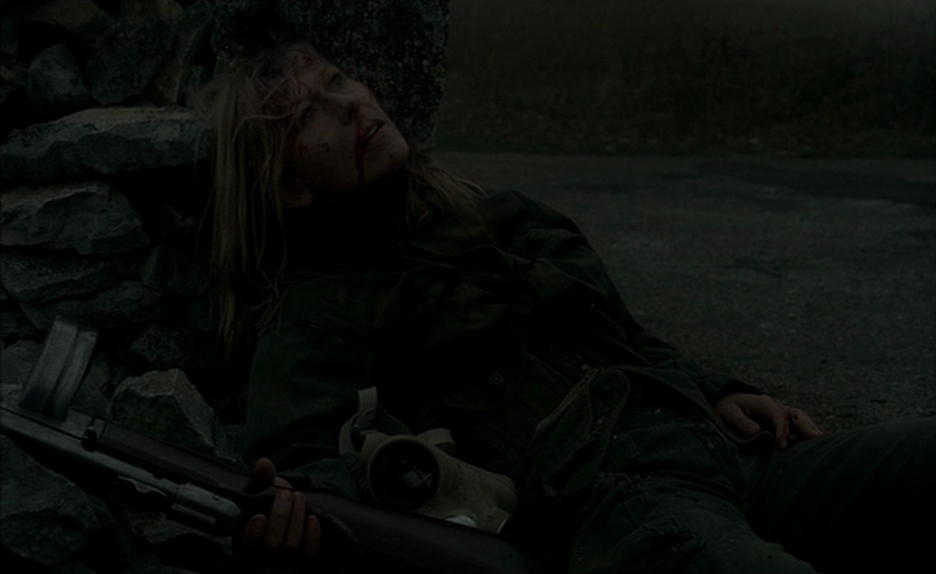
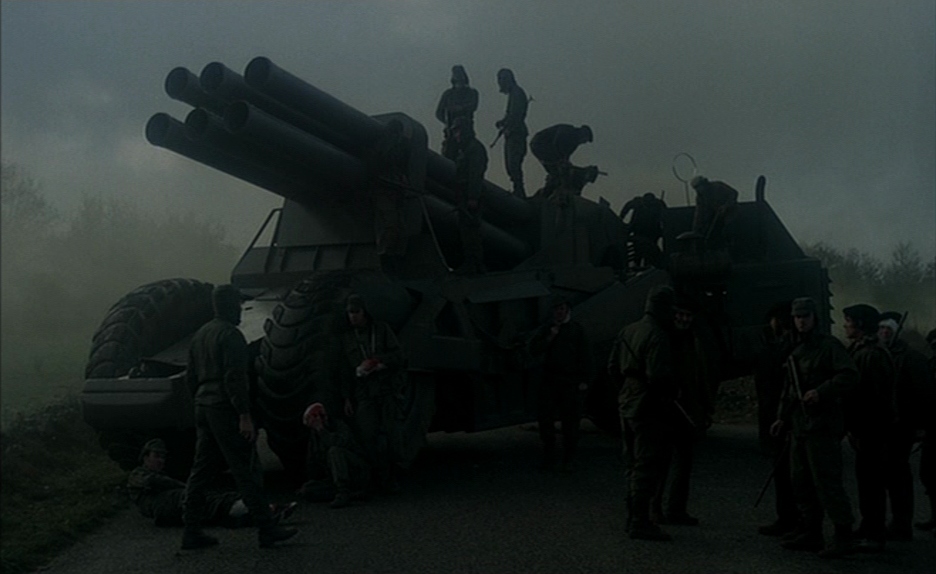
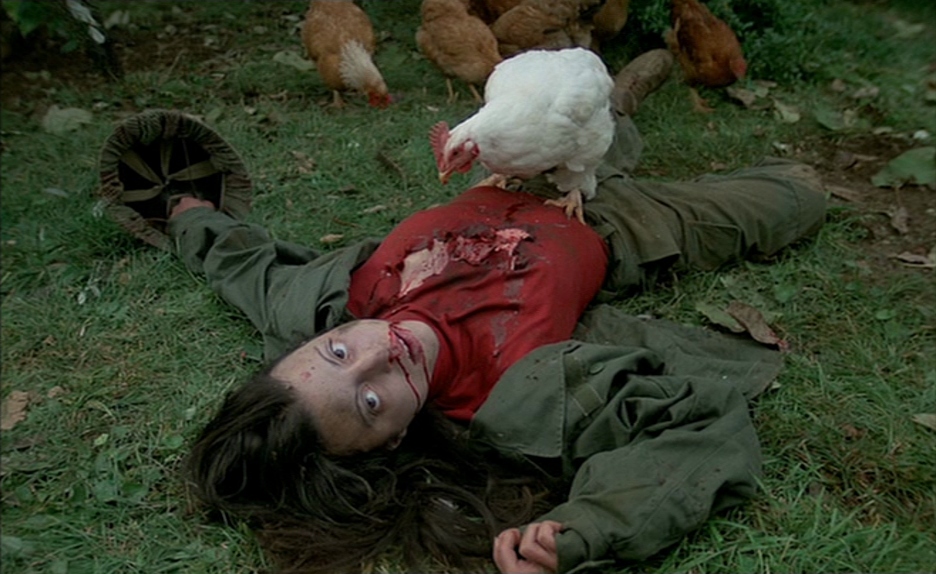
The film begins in a rural landscape where a violent, inexplicable war rages between men and women. Armed groups from both sides roam the countryside, broadcasting propaganda over loudspeakers and attacking each other with ruthless intensity. Amid this chaos, a young woman named Lily (played by Cathryn Harrison) drives along a country road, trying to escape the conflict. She narrowly avoids being caught in the fighting and flees into the forest, abandoning her car.
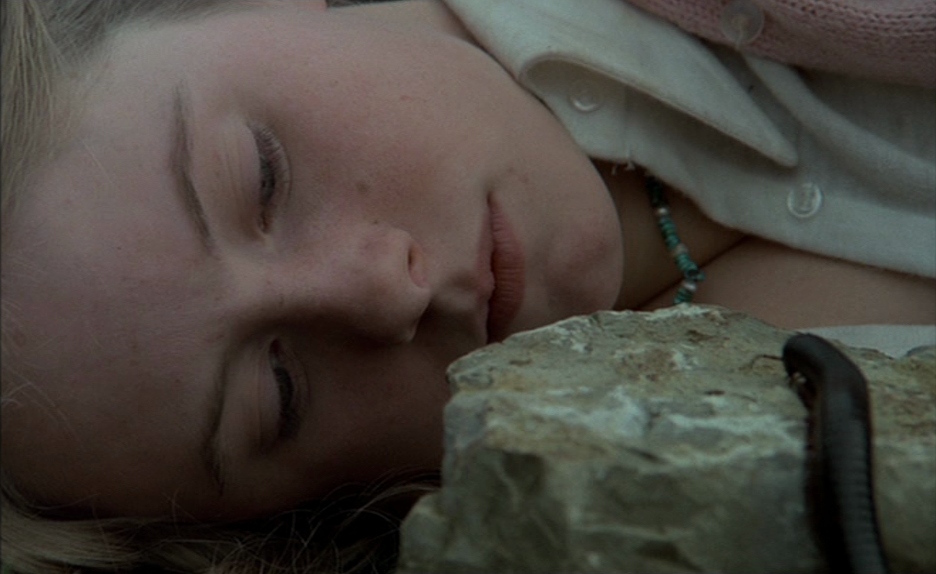
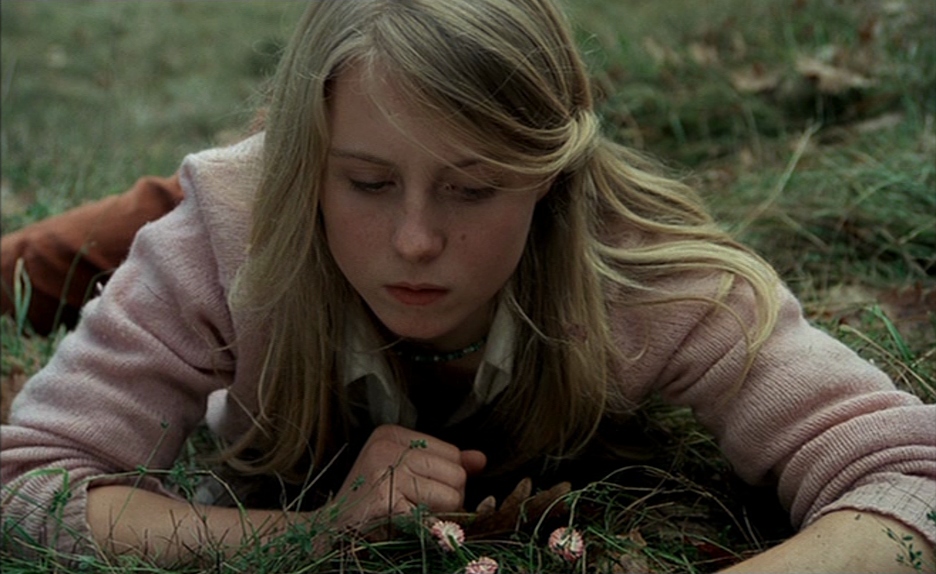
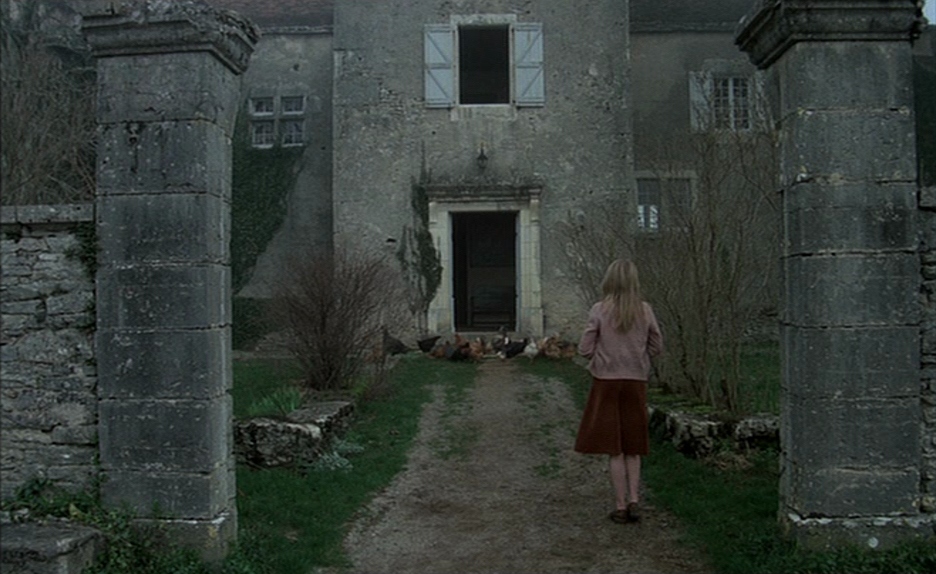
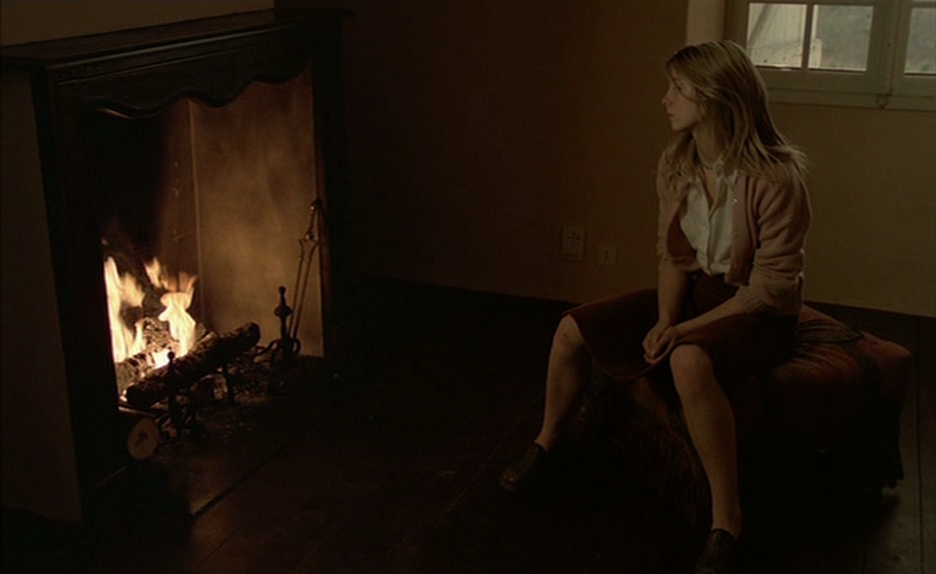
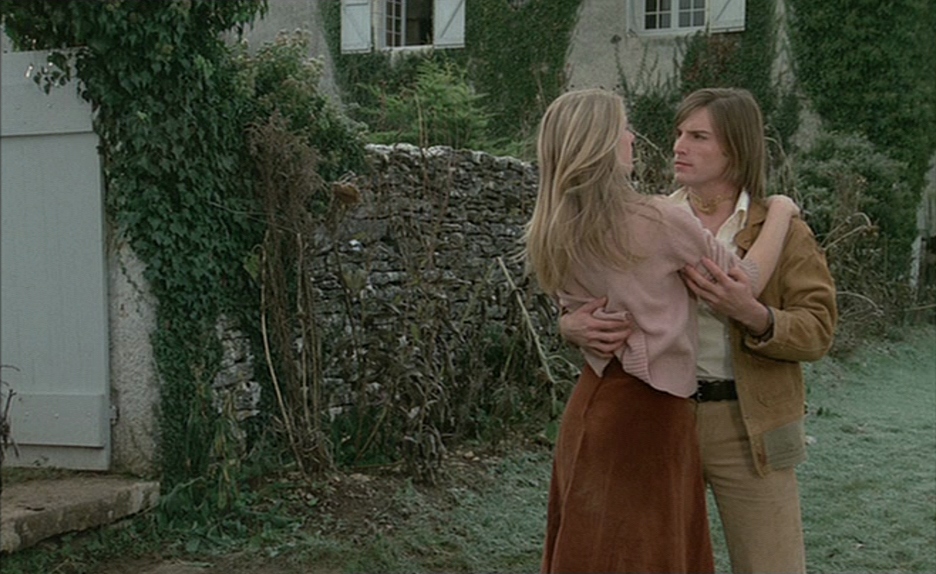
Lily seeks refuge at an isolated country estate, where she encounters a strange household that seems detached from the war raging outside, yet operates under its own surreal logic. The manor is overseen by an eccentric, bedridden old woman (Therese Giehse) who rarely leaves her room and communicates through enigmatic pronouncements. Attending to her is a mysterious young woman (Alexandra Stewart), who appears to be both a caretaker and a daughter, though their relationship remains ambiguous and often unsettling.
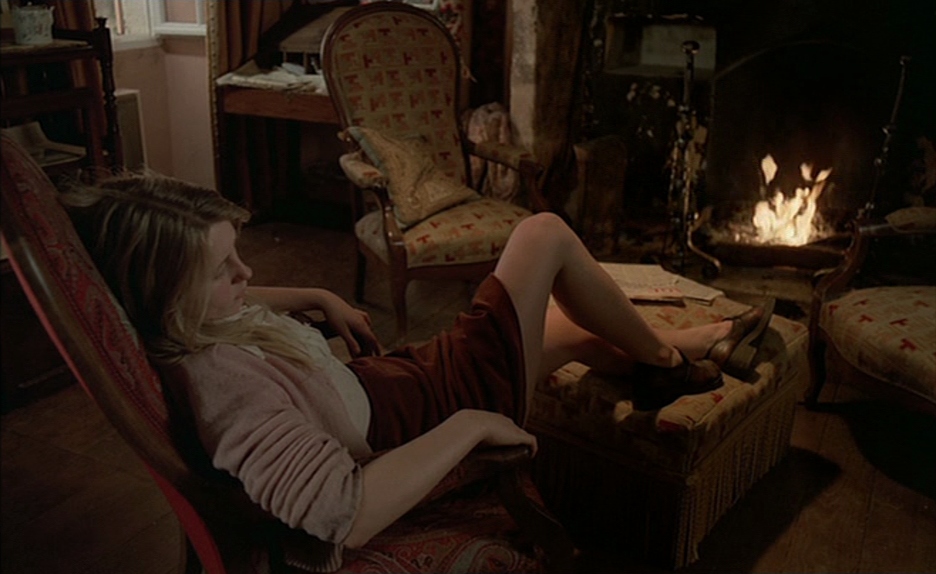
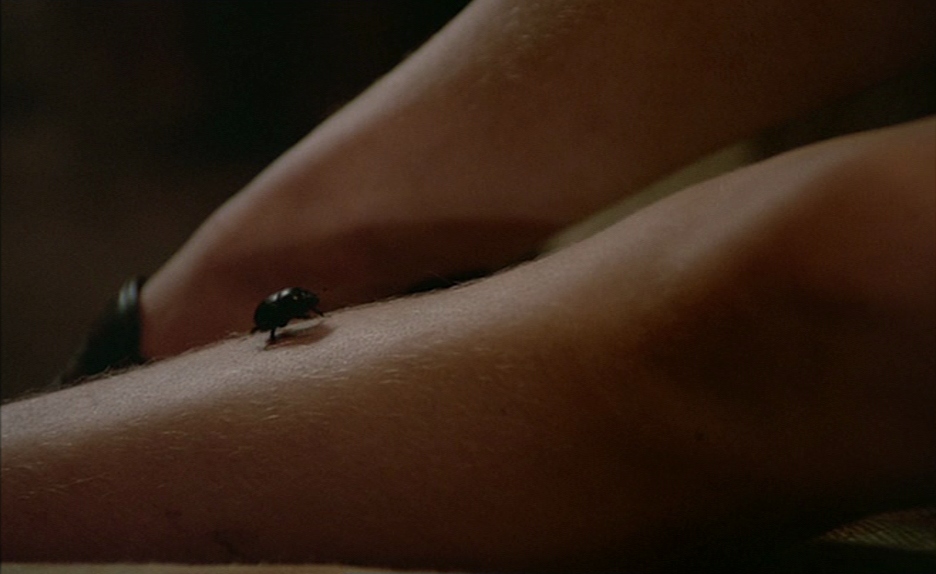
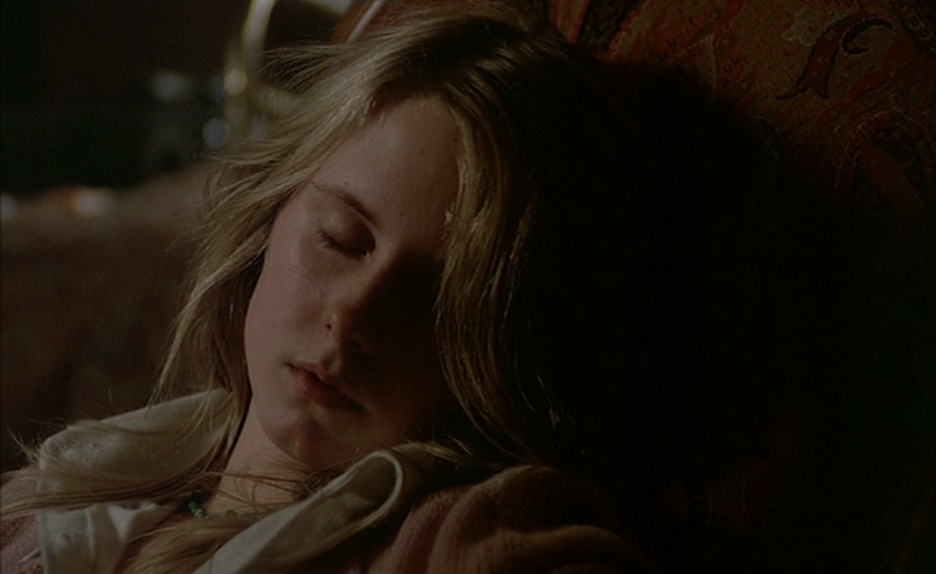
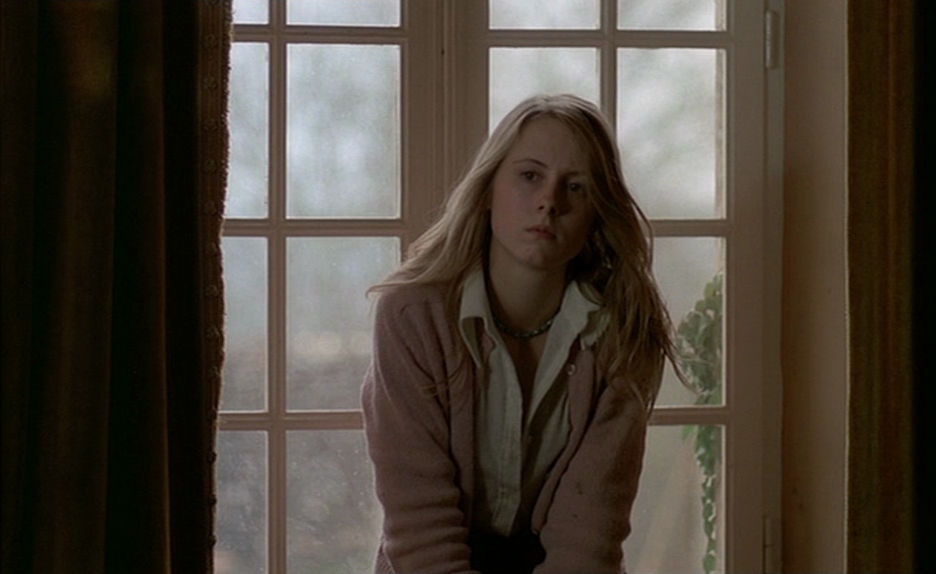
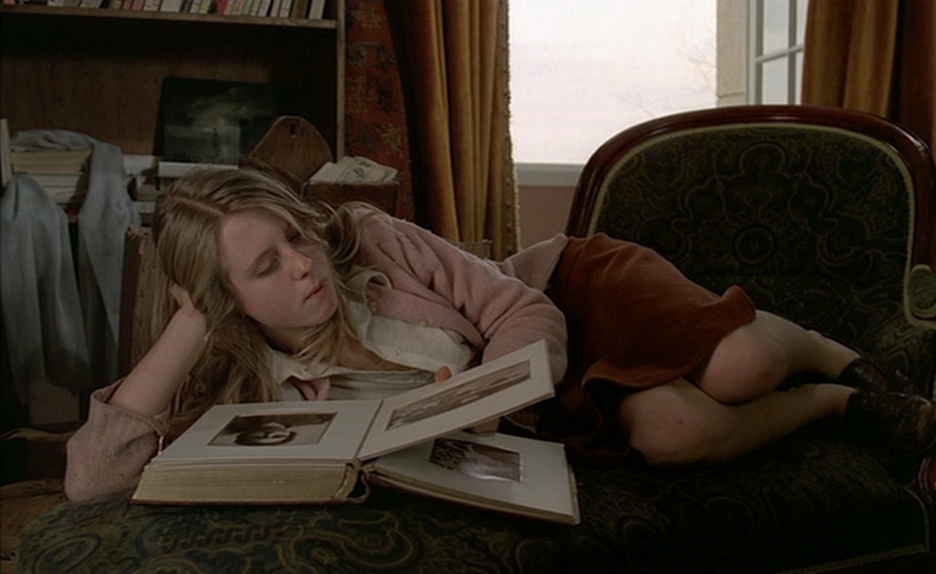
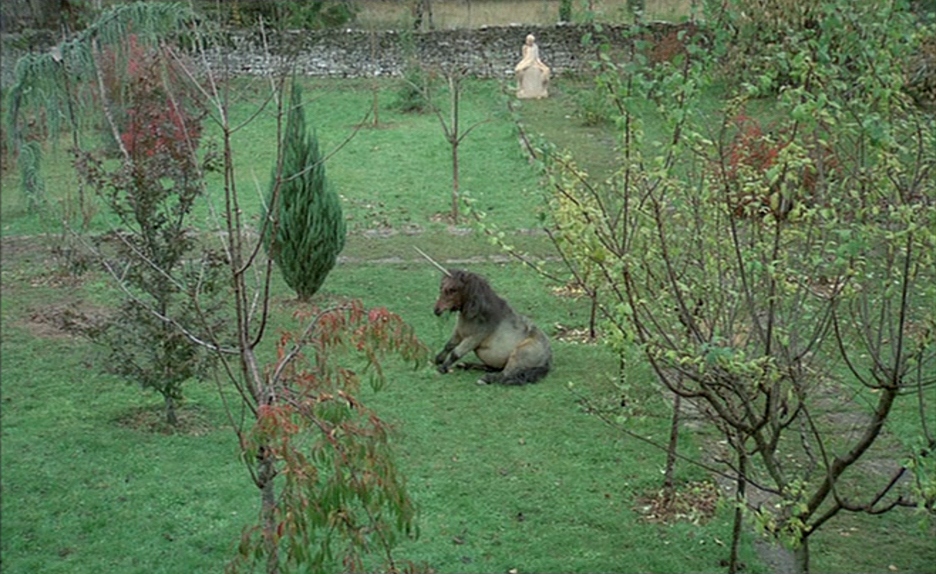
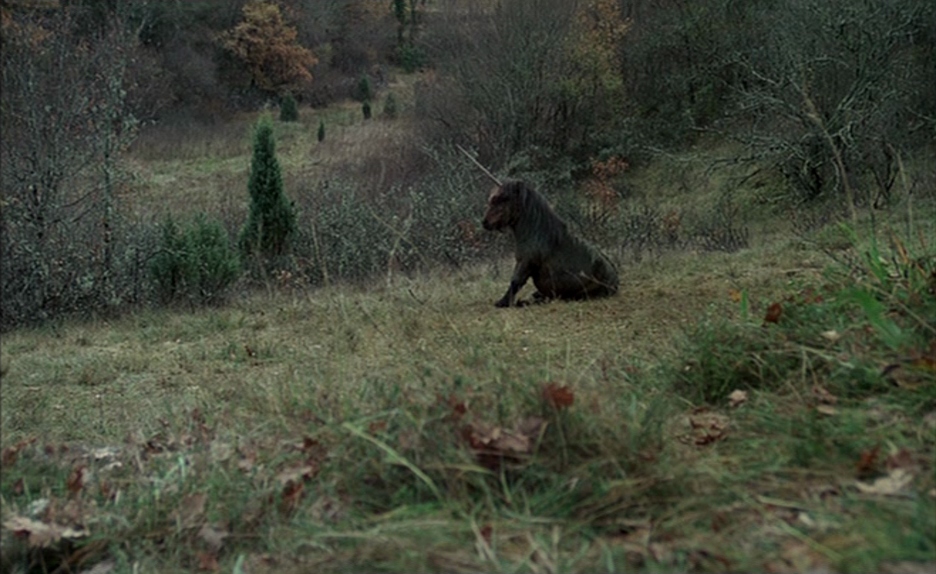
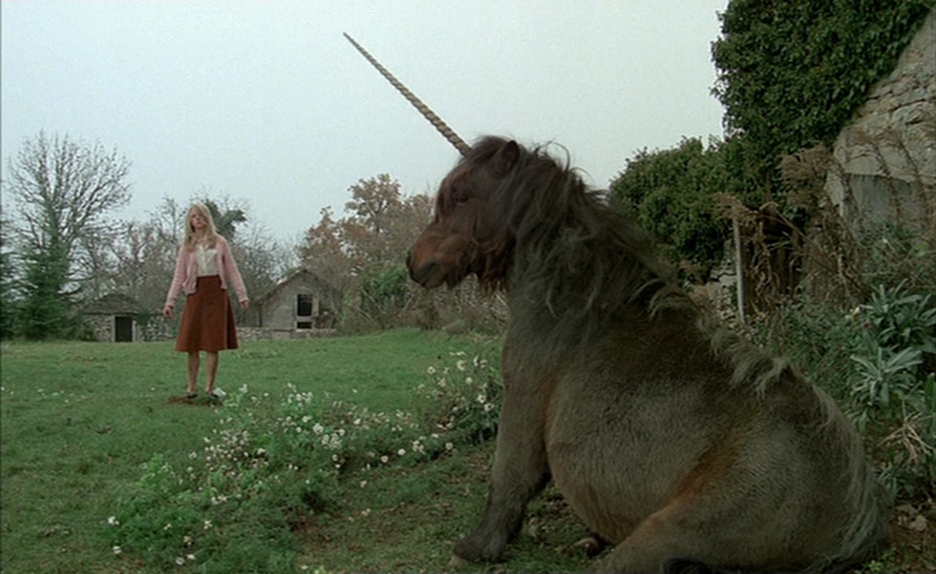
Inside the estate, Lily becomes increasingly drawn into strange, dreamlike events. The house is inhabited by animals and objects that seem to possess consciousness. A unicorn roams the grounds, while rats move silently through the house like watchful observers. Voices echo from radios and other unseen sources. Lily often struggles to determine whether she is awake or dreaming.
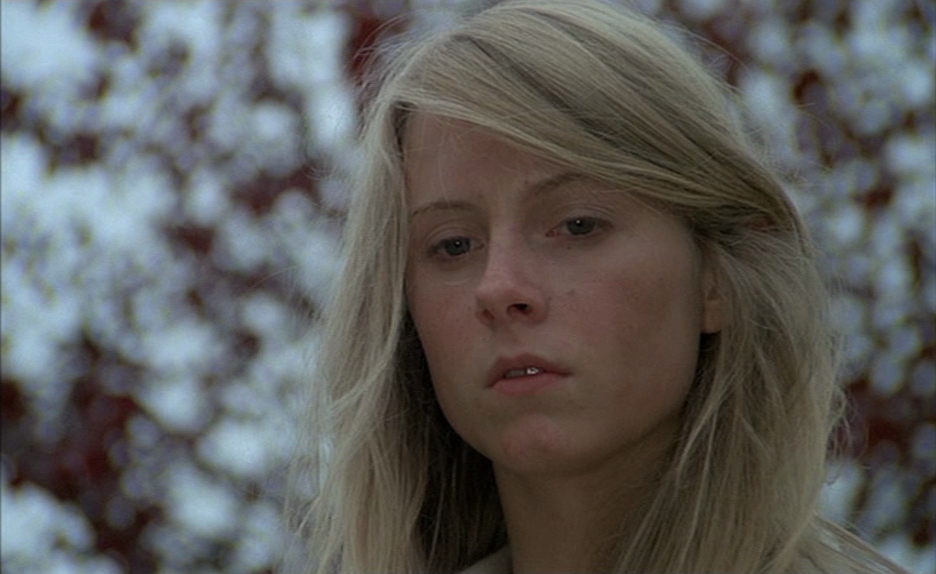
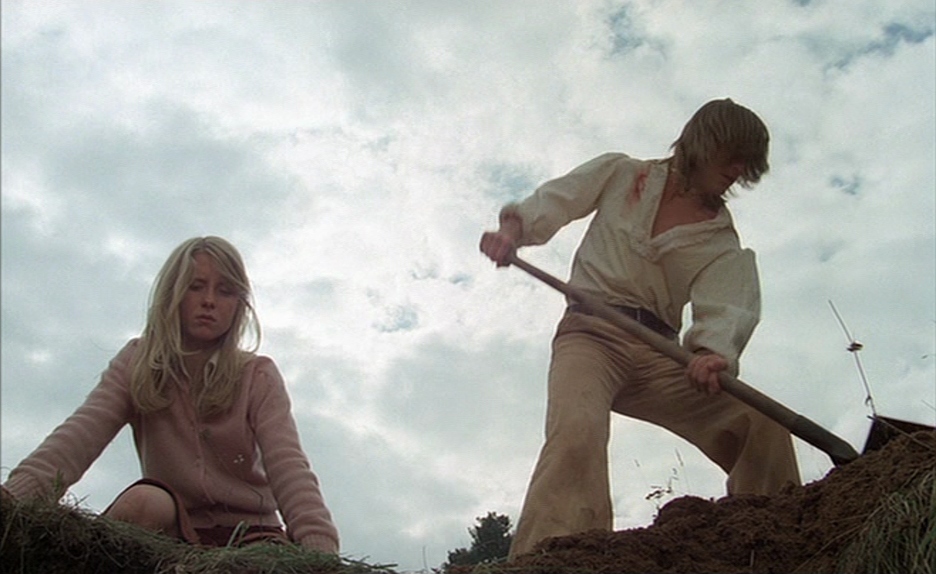
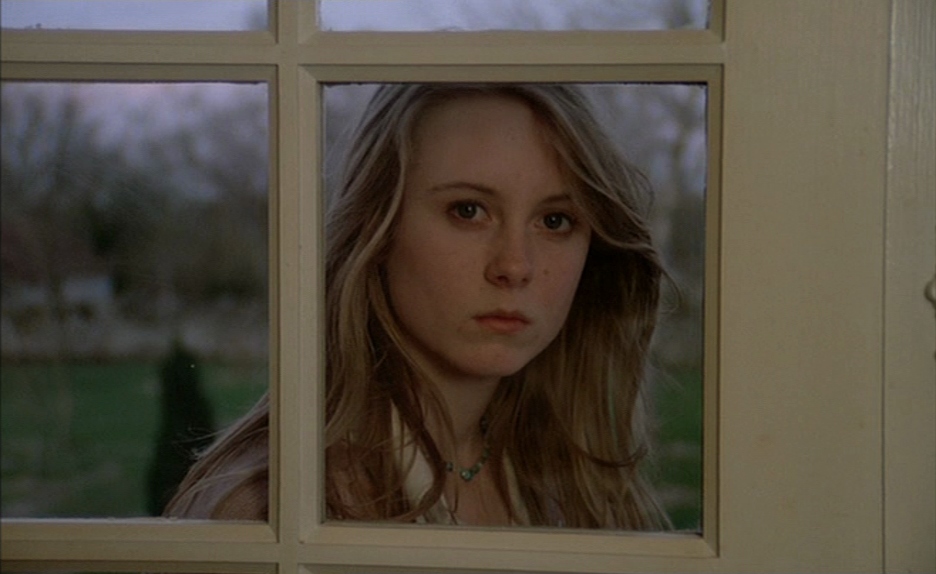
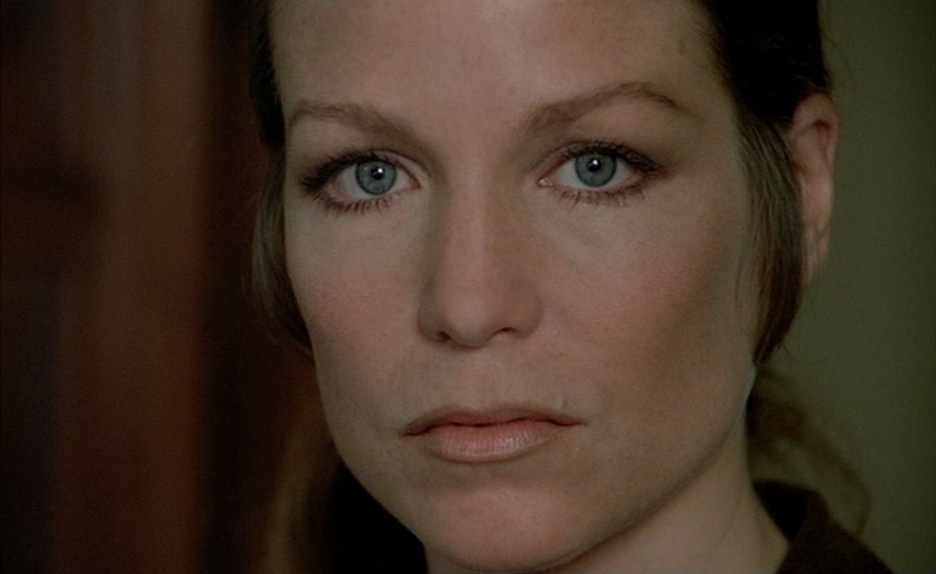
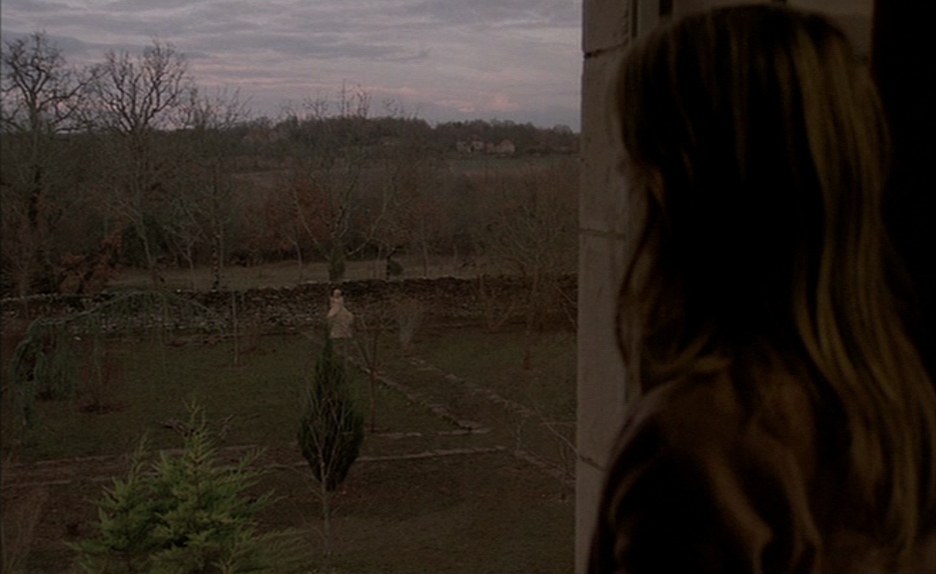
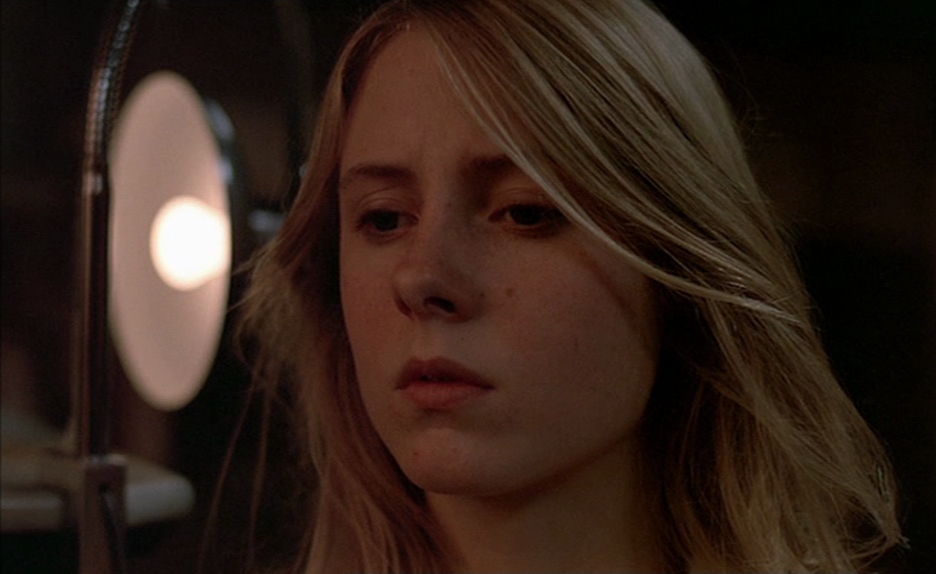
The old woman speaks in riddles about Lily’s purpose, hinting that she must find her place within the house’s bizarre ecosystem. The caretaker exhibits a mix of seductive, hostile, and maternal behaviors toward Lily, mirroring the estate’s unstable emotional climate. Meanwhile, a silent male figure, Joe Dallesandro, occasionally wanders the property, appearing wounded and helpless, which suggests he is a remnant of the violent world outside.
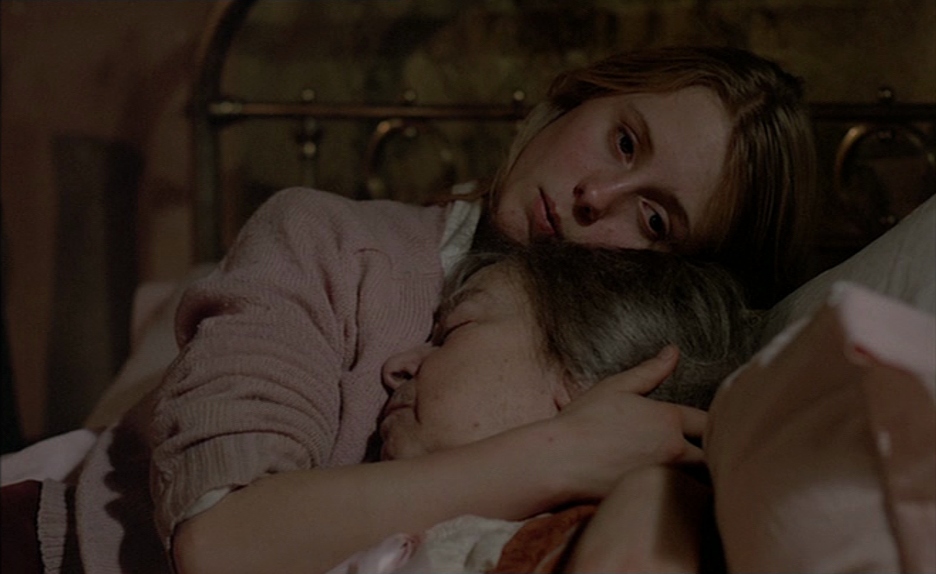
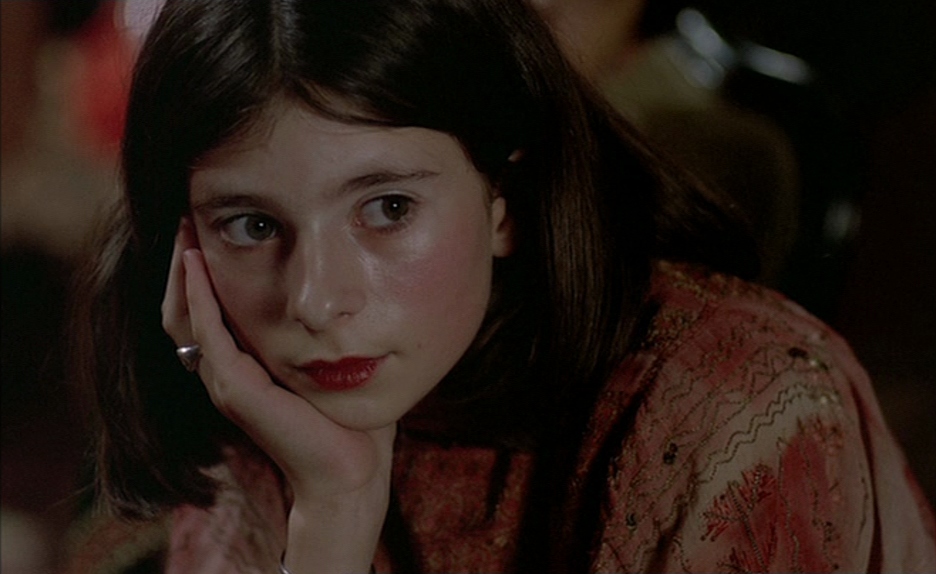
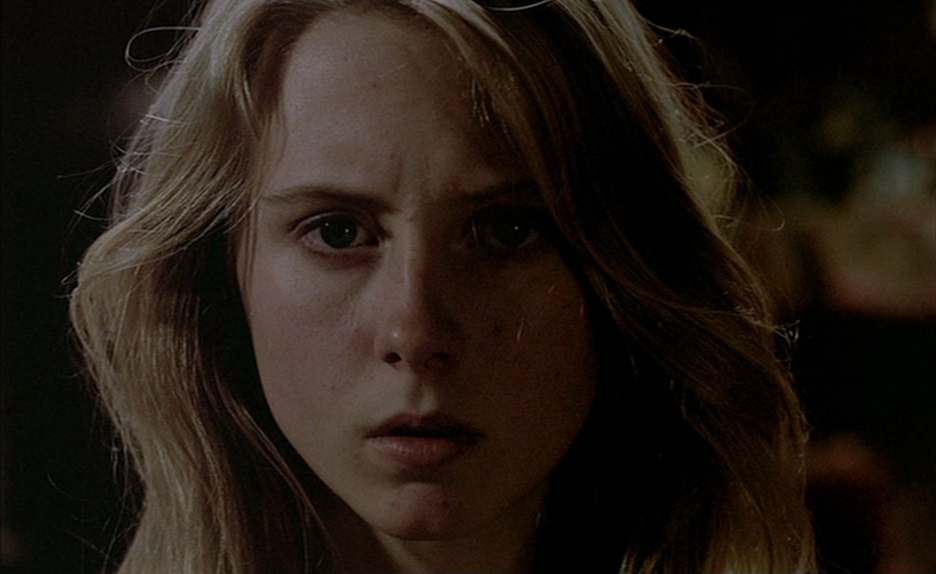
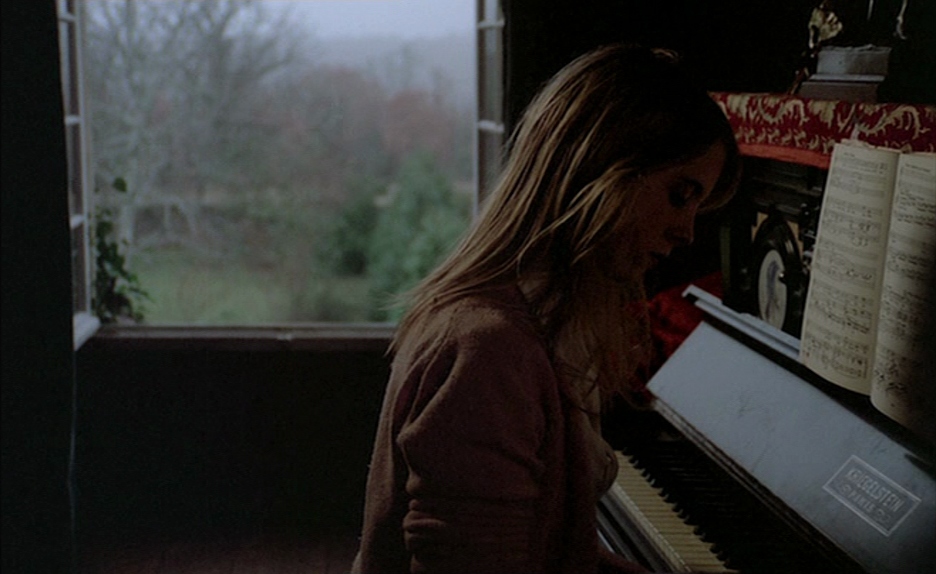
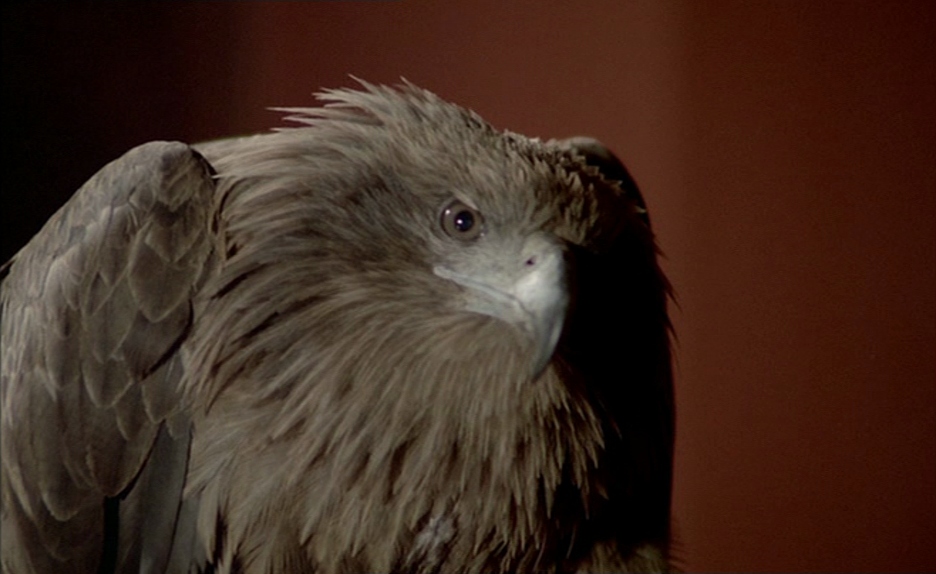
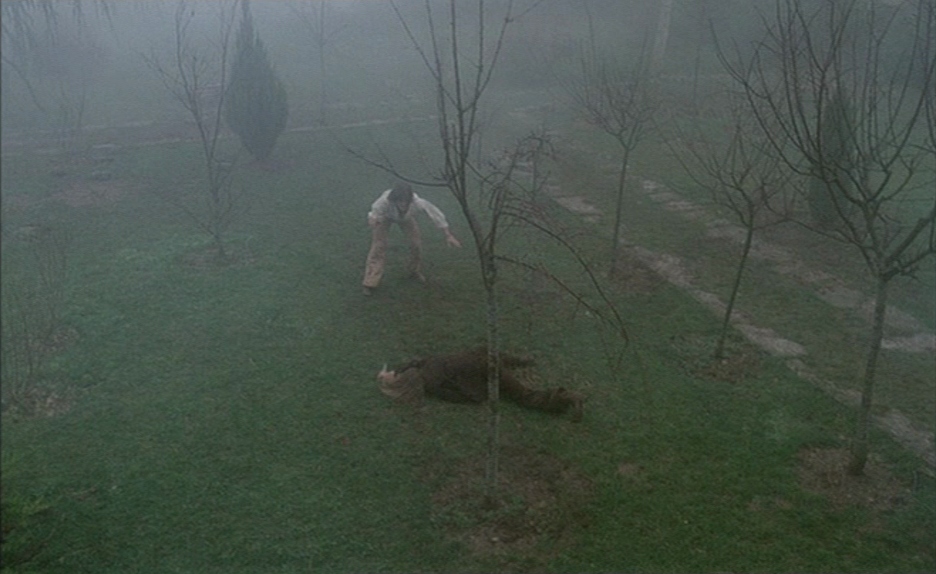
As Lily spends more time in the house, the lines between reality, dreams, and symbolism begin to blur. She experiences visions and fragmented memories, and the conflict between men and women transforms into a deeper allegory about sexuality, power, and identity. Lily’s encounters with the house’s inhabitants gradually lead her toward a strange rite of passage. The old woman insists that Lily must eventually take her place, suggesting a cyclical transfer of authority and identity.
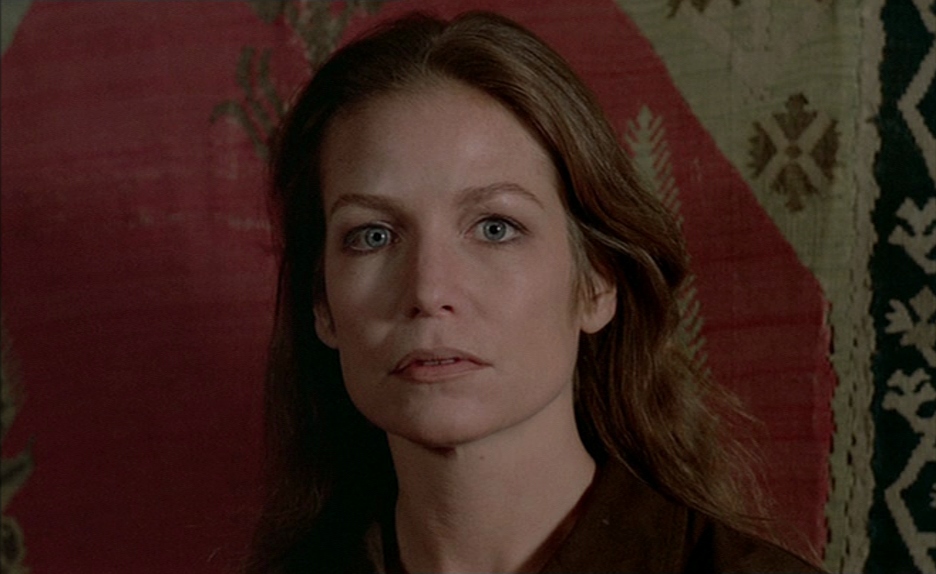
In the film’s final sequences, Lily undergoes a symbolic transformation that merges innocence with maturity. The estate becomes a space where time and logic collapse, and Lily seems to accept her role within the house’s surreal order. The ending implies that the chaotic conflict of the outside world has been internalized into a mythic, psychological landscape.
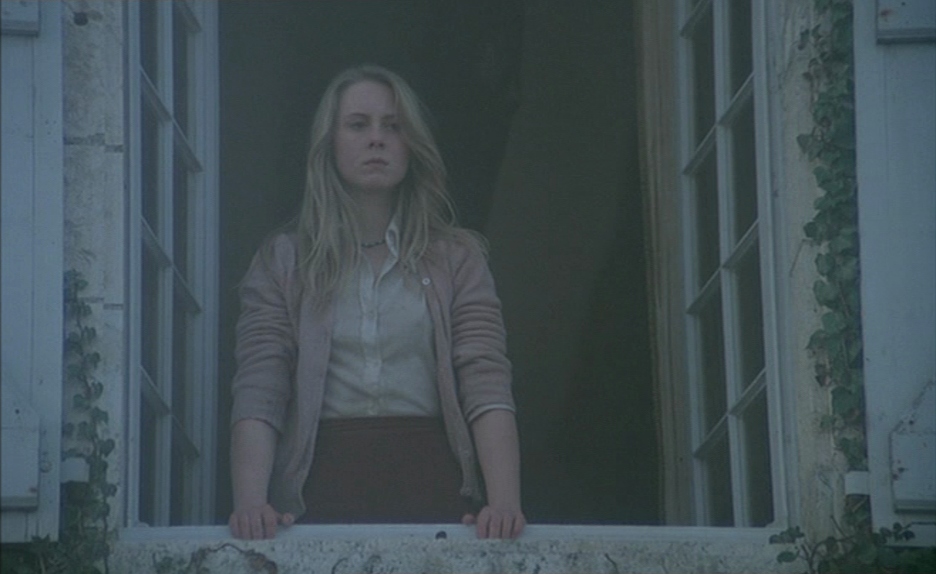
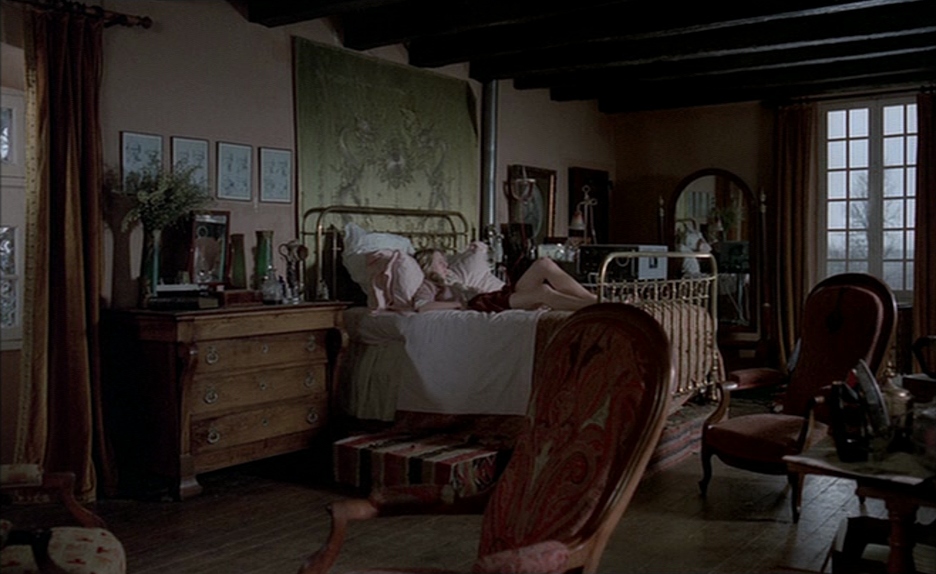
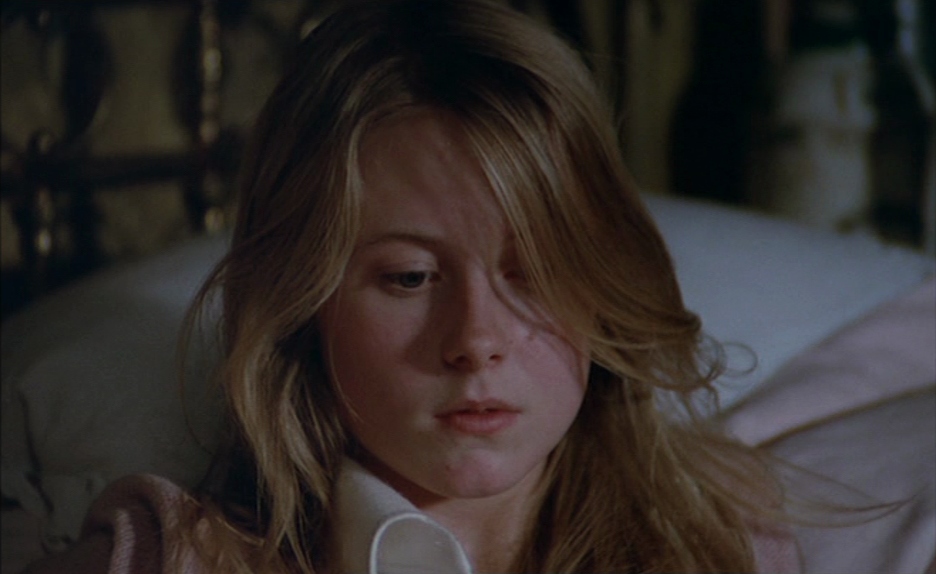
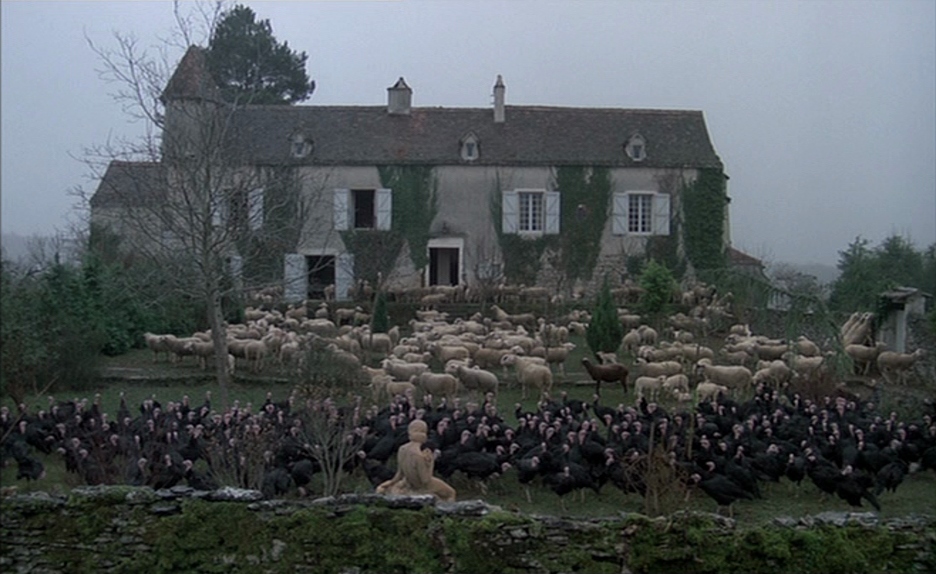
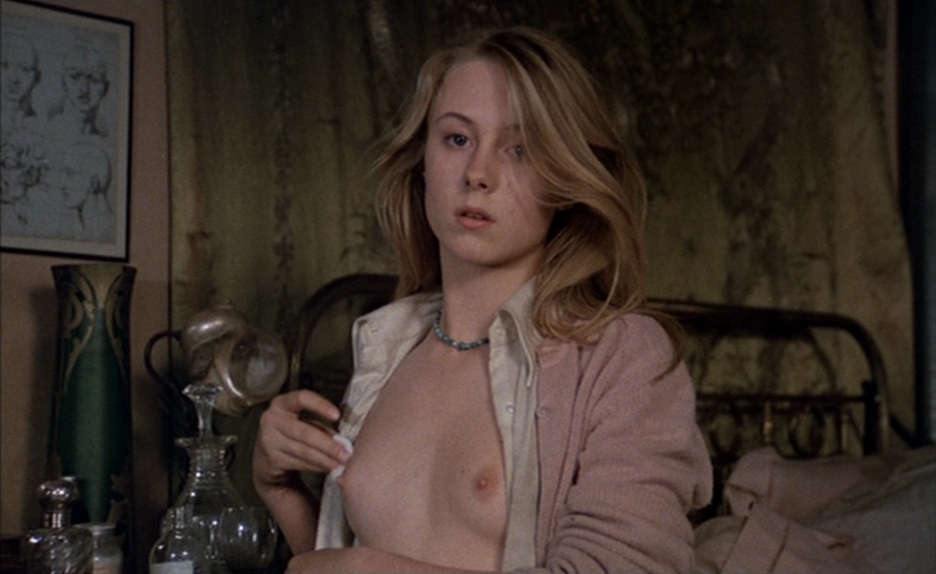
“Black Moon” eschews conventional storytelling in favor of dreamlike imagery and symbolic scenes. The dialogue is minimal and often cryptic, with the film relying heavily on visual metaphors, animal imagery, and surreal scenarios. The outcome is a haunting and frequently unsettling experience that distinguishes itself in Malle’s filmography as an experimental exploration of chaos, identity, and transformation.
The film is available via the Criterion Collection. https://www.criterion.com/films/27627-black-moon
 The Other Cinema