

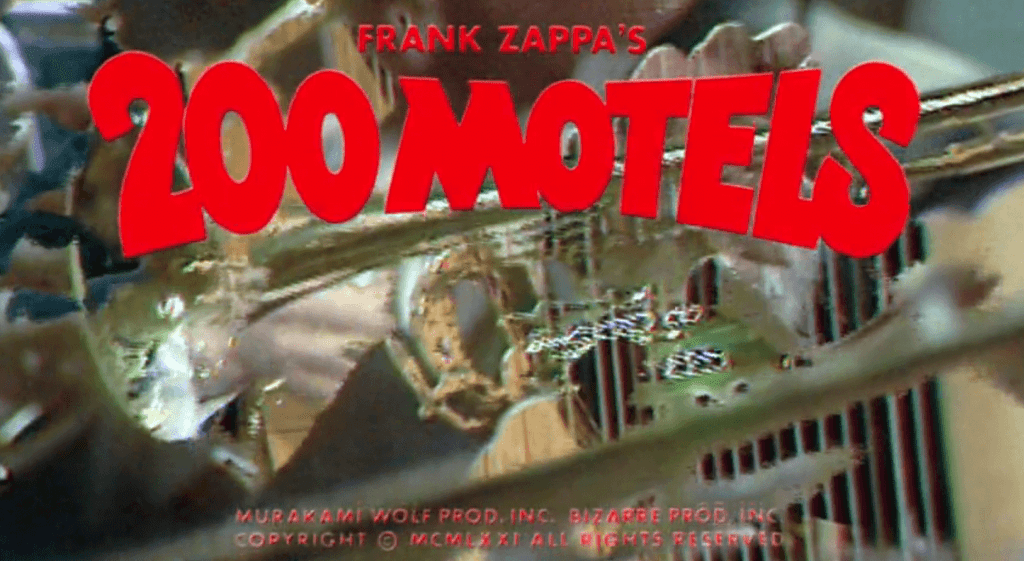


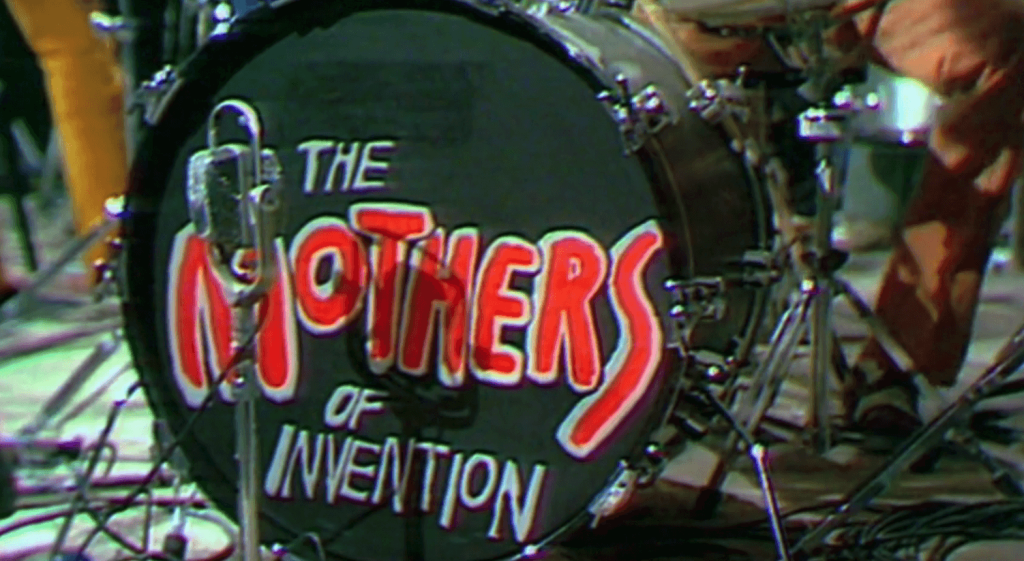
“200 Motels” is a surreal and avant-garde musical film released in 1971, directed by Tony Palmer and featuring the rock band The Mothers of Invention, led by Frank Zappa. Like many bands of this era, making a strange, weird film was a natural extension of their musical output, with some being much better than others. Mostly this film is just that, a peculiar musical extension that is disjointed and comprises a series of nonsensical skits in-between live musical performances.
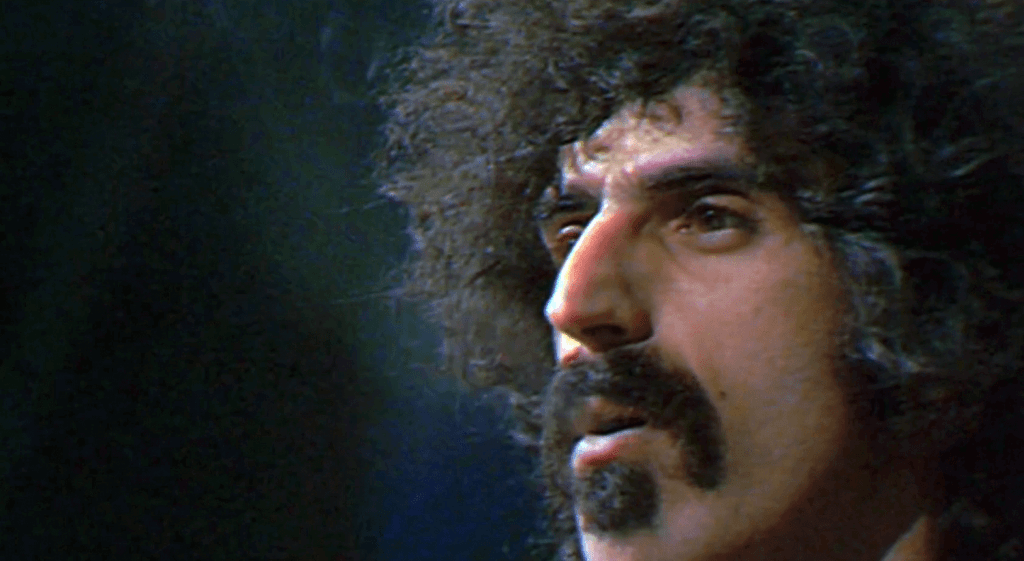





The film delves into the chaotic and hallucinatory experiences of life on the road as a touring musician, blurring the lines between reality and imagination.
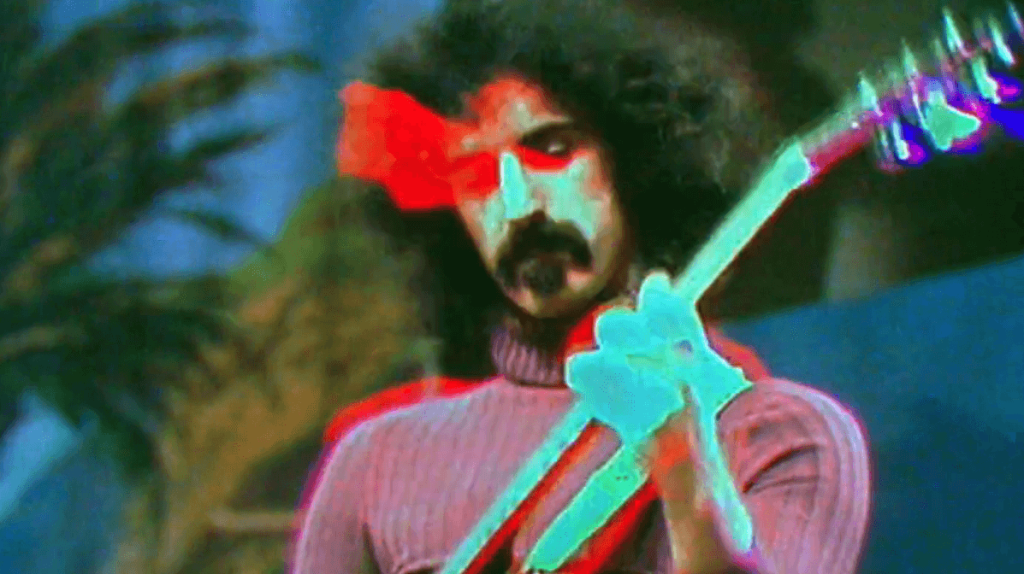



The story attempts to follow a rock band, portrayed by The Mothers of Invention members, as they embark on a whirlwind concert tour. As they travel from one city to another, the band members find themselves trapped in bizarre and absurd situations within the confines of various motel rooms. These motels become surreal landscapes where reality is distorted, and the mundane turns into the extraordinary.


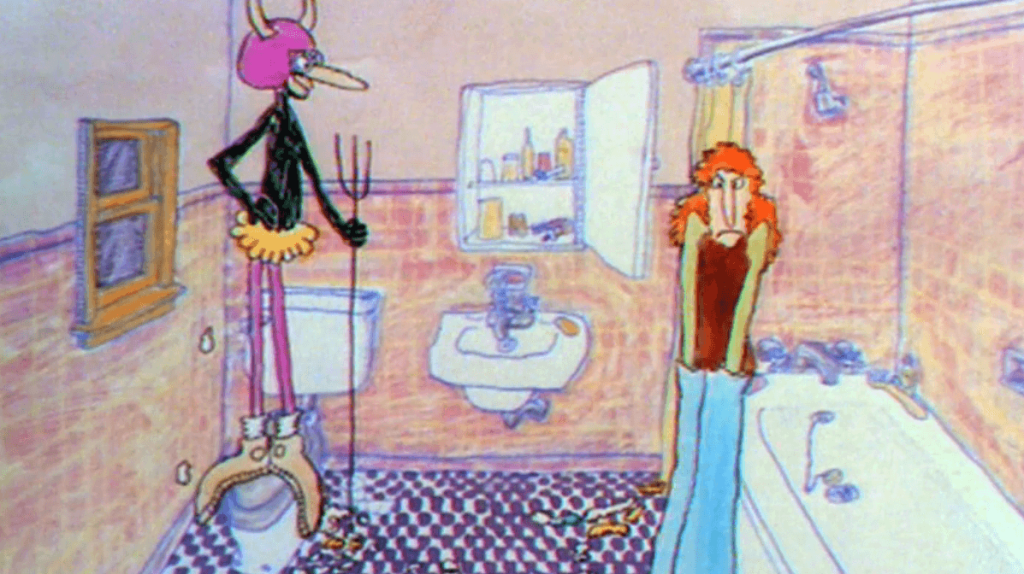


The characters encounter eccentric and enigmatic individuals throughout their journey, including a group of nuns, a preoccupied groupie, a demented dentist, and other colorful figures. The film attempts to explore themes of artistic expression, the toll of fame, the struggles of creative minds, and the blurred boundaries between dreams and reality.
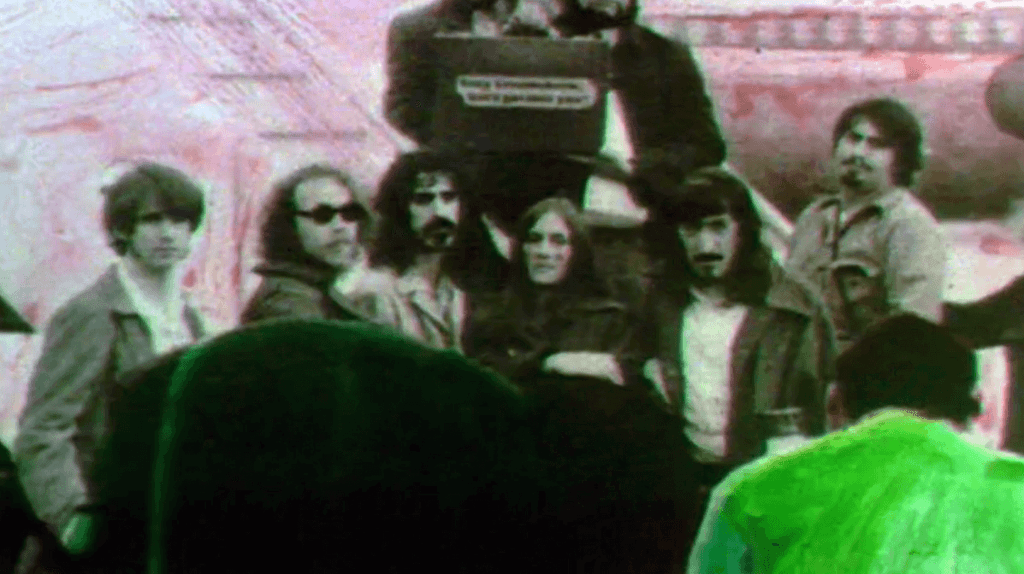
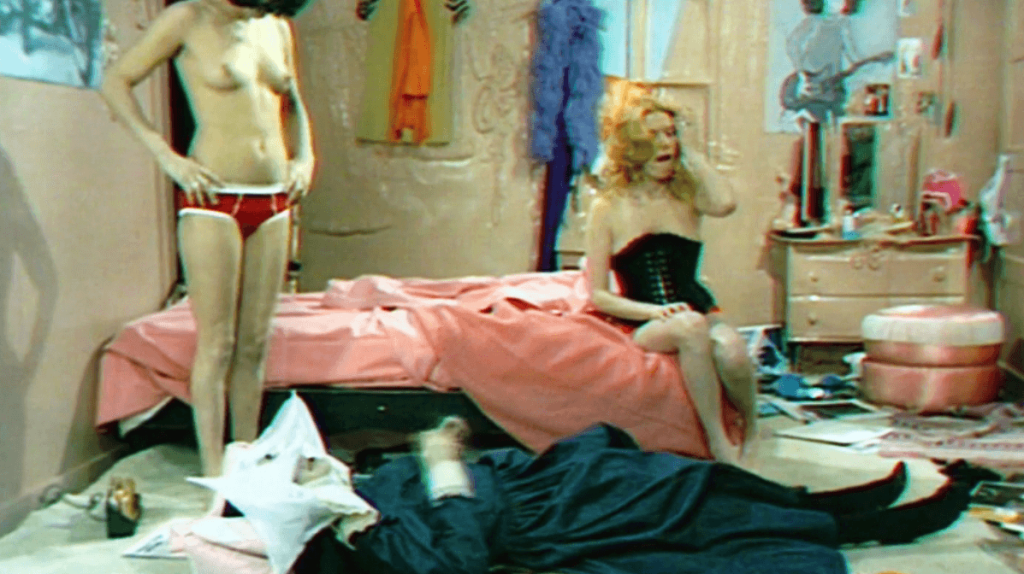

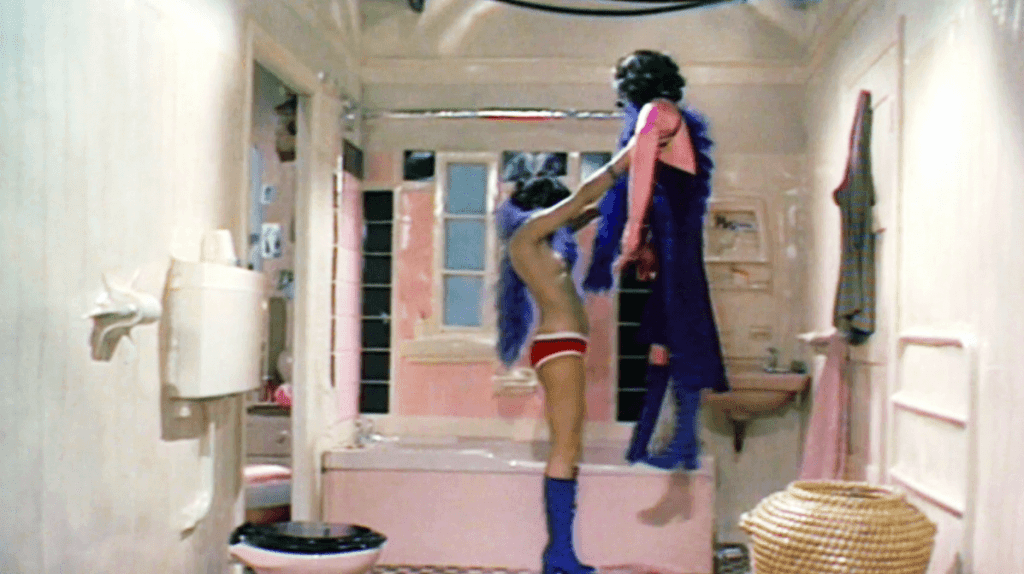
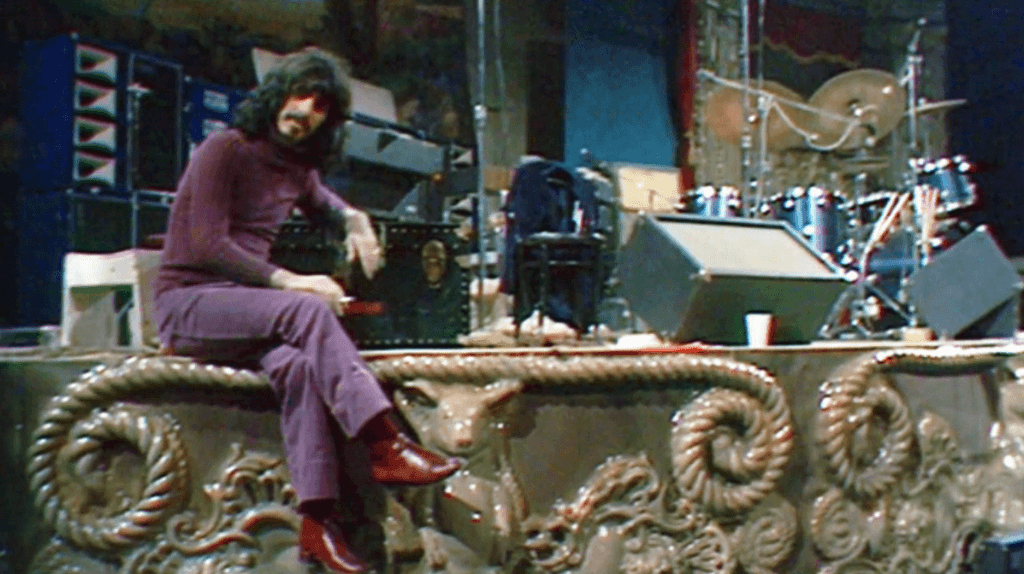
“200 Motels” is characterized by its unconventional narrative structure, combining live-action sequences with animated segments and experimental visuals. The film’s visual and auditory elements are deeply intertwined, featuring musical performances by The Mothers of Invention that complement and enhance the thematic exploration.

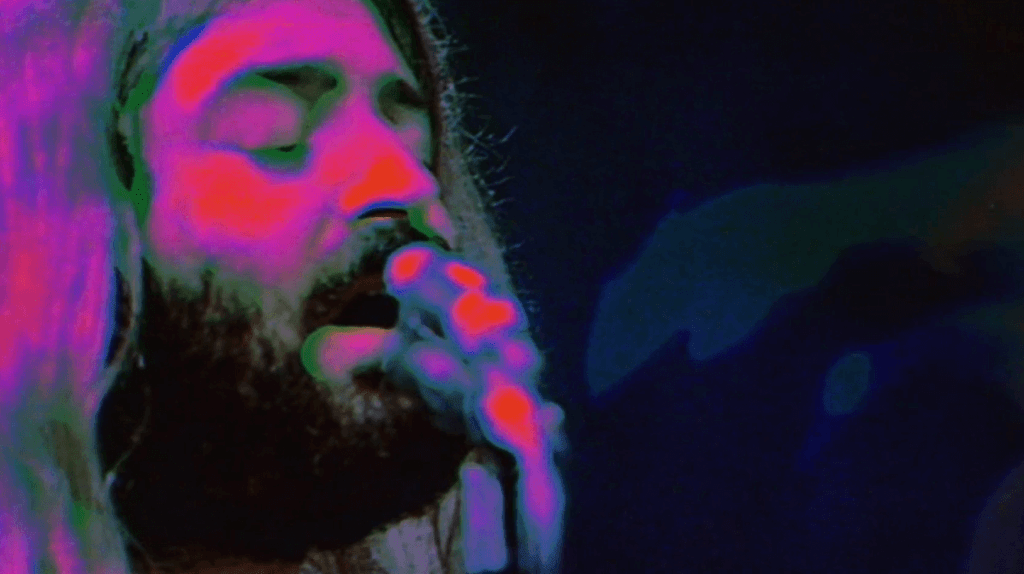

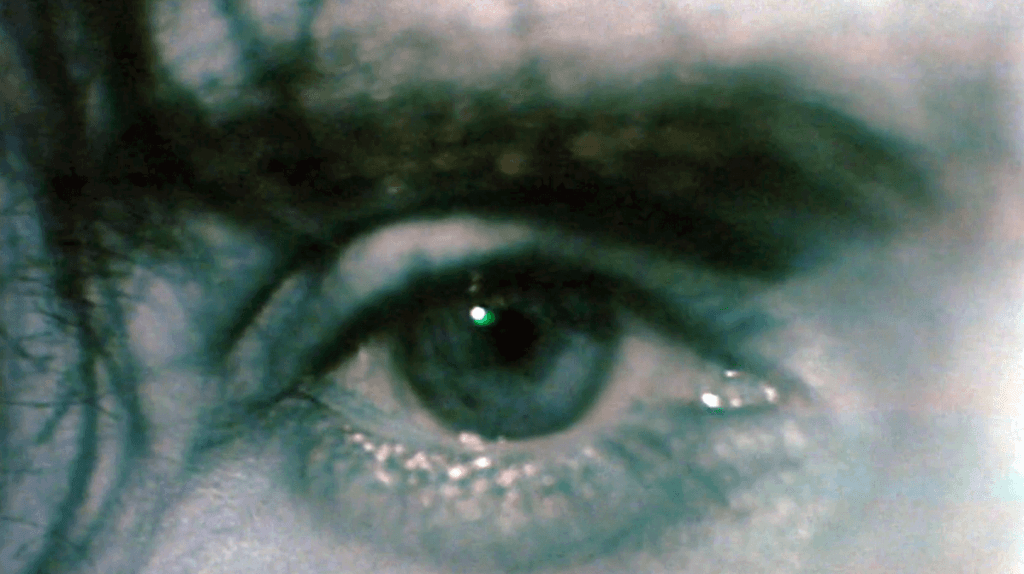
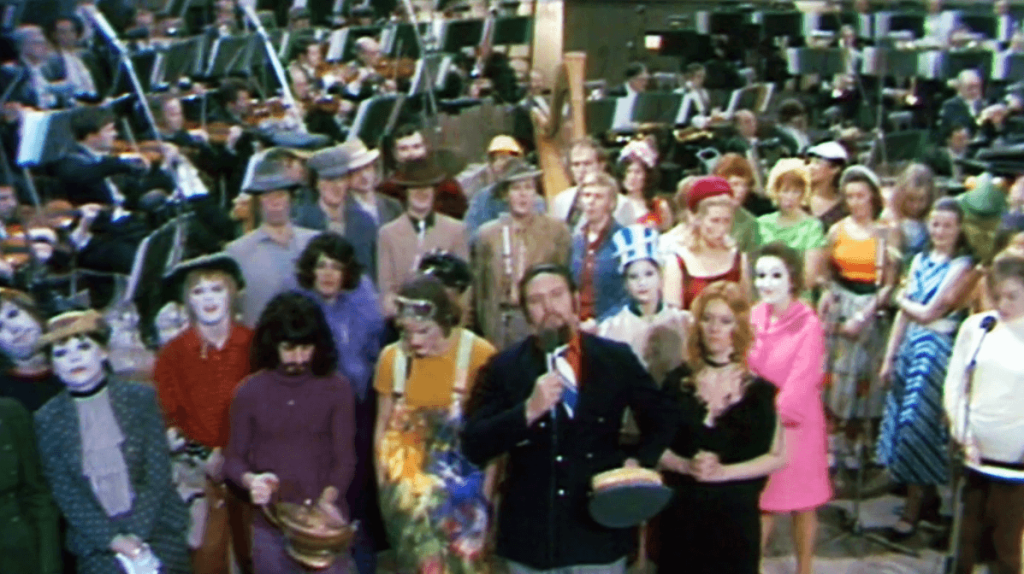
I noted this film also because it was the first feature film to be shot on videotape and transferred to 35mm film using a Technicolor printer owned by the BBC, and because of its cameos which included Ringo Starr (as Frank Zappa), Keith Moon as a Hot Nun and Pamela Des Barres as the interviewer.

 The Other Cinema