


“Sacred Houses Series”
This month, we would like to pay homage to the historic Electric Cinema in London, England, as we continue to celebrate and honor notable movie theaters around the globe.
The Electric Cinema opened on Portobello Road in the Notting Hill Gate area of West London on February 24, 1910. It was created solely for showing films to the public, making it one of the first buildings in the UK with this purpose. The cinema was also one of the earliest structures in the area that had access to electricity, which is how it got its name. Its first screening was of the movie Henry VIII on February 23, 1911.

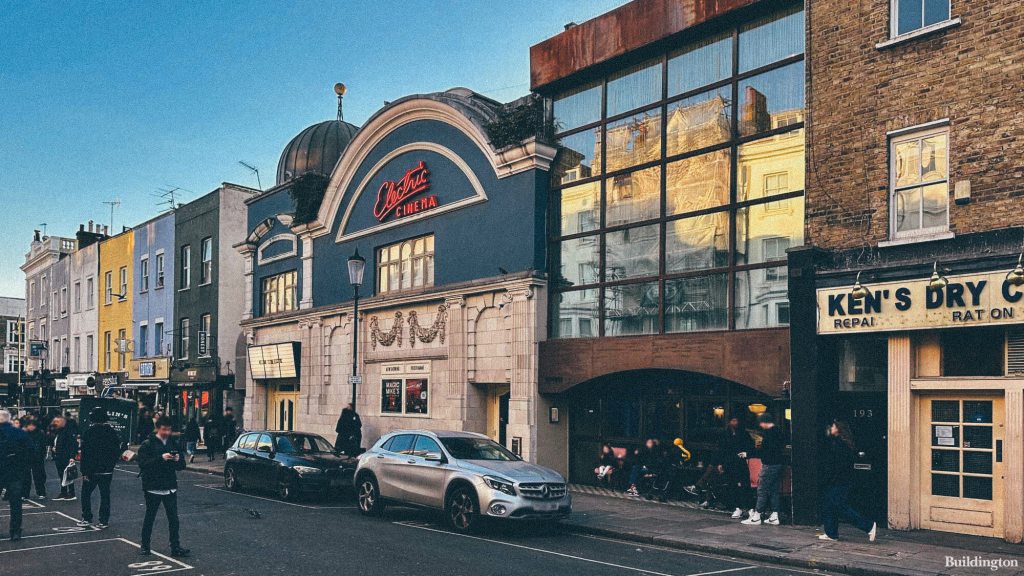

The cinema was opened 18 years before “talkies” became the norm, requiring significant upgrades to enable sound.
The cinema was once a popular spot, but it was soon overshadowed by the rise of larger picture palaces in the 1930s. Despite some temporary closures, it has remained in use up to today. The Electric Cinema Theatre, originally designed by architect Gerald Seymour Valentin in the Edwardian Baroque style, had a seating capacity of 600. It was later renamed the Imperial Playhouse cinema in 1932, at a time when the Portobello Road area and Notting Hill had seen better days. Locals often referred to the venue as “The Bughole.”
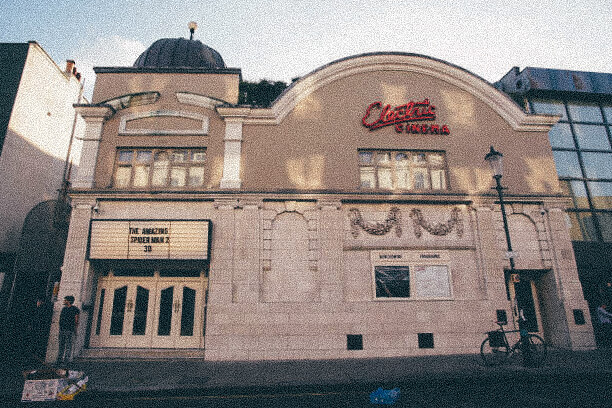
Even amidst the nighttime bombing raids by the Luftwaffe, up to 4000 people per week still attended the venue during WWII.
During the late 1960s, the venue became the Electric Cinema Club, screening various independent and avant-garde films. However, in 1984, the owners at the time, Mainline Pictures, suggested converting the space into an antique market. This proposal was met with opposition, resulting in a petition that garnered over 10,000 signatures.

The cinema underwent several unsuccessful attempts at operating before going into voluntary receivership in 1992. In an effort to sell the building, a consortium led by Paul Bucknor, which included Choice FM and The Voice, stepped in to promote black film. This move effectively made it the first black-owned cinema in the UK. The consortium invested nearly £1 million to prepare the building for the Notting Hill Carnival in August 1993.


The site’s current owner acquired it in 2000, and he is a retail entrepreneur named Peter Simon. At the start of his career, Simon traded from a market stall outside. To restore the Edwardian façade and interior, Simon invested £5m before leasing the site to Soho House.

Check them out HERE
If you think a theater deserves recognition in our “Sacred Houses” series, kindly contact us with details of its name, location, and significance to either you or your community. We’re enthusiastic about backing local theaters and feel they should be celebrated alongside the more renowned historic venues.
 The Other Cinema
Leave a comment