
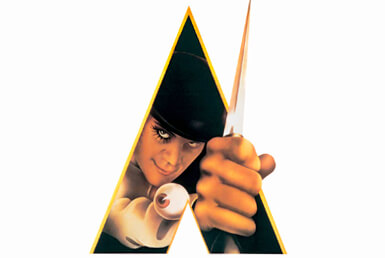
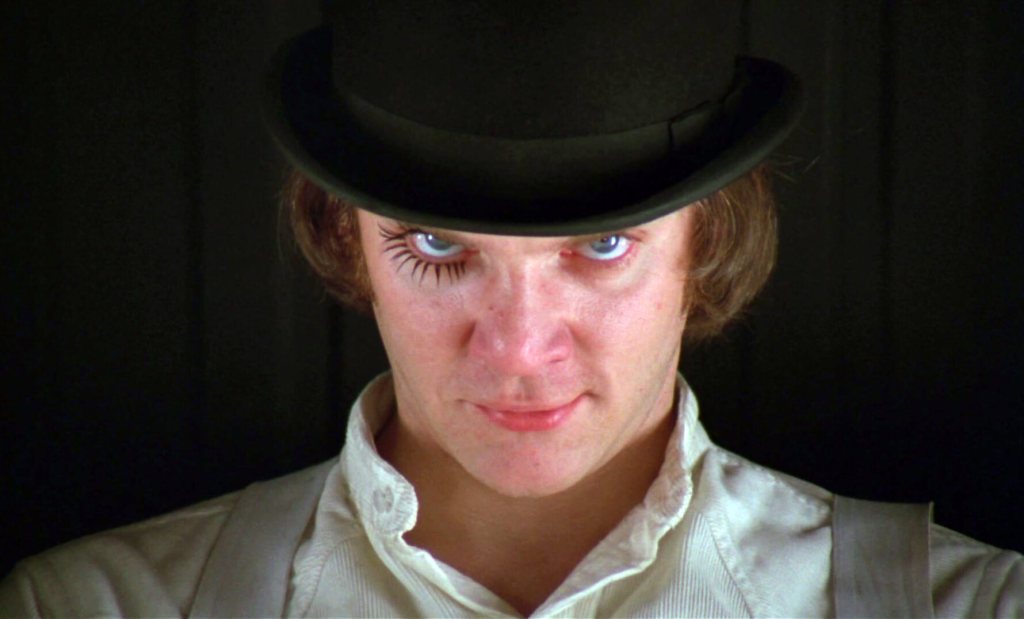
“A Clockwork Orange,” directed by Stanley Kubrick, is a 1971 dystopian crime film set in a near-future society. Based on Anthony Burgess’s novel of the same name, the film delves into the dark and twisted world of Alex DeLarge, a charismatic and violent young man.
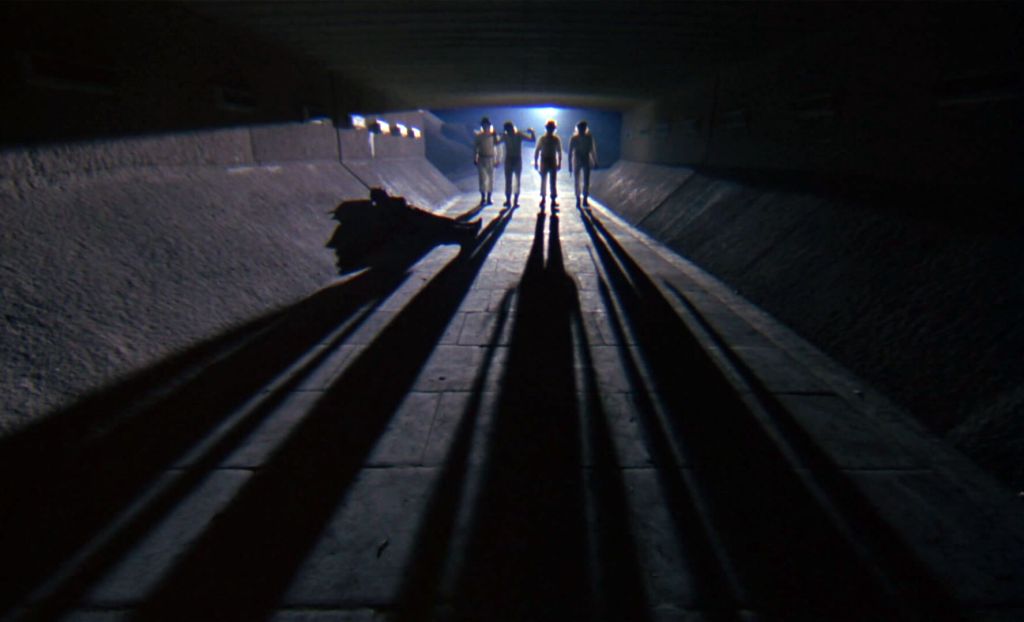
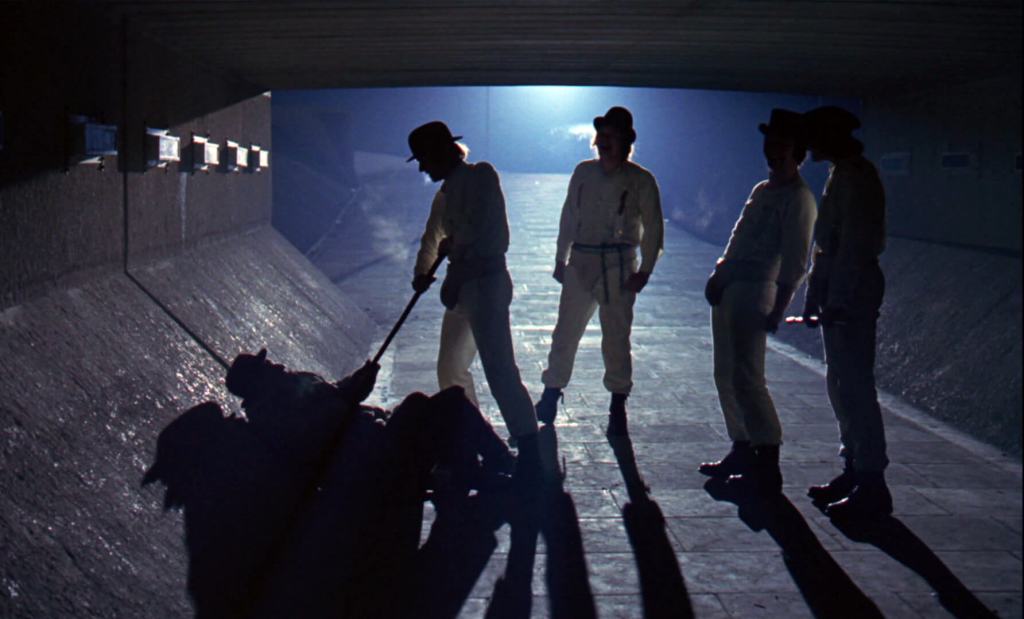

The story occurs in a futuristic British city where rampant societal decay and youth rebellion are rampant. Alex DeLarge (portrayed by Malcolm McDowell) is the leader of a gang of delinquents who engage in a series of heinous acts, including violence, rape, and destruction. Alex and his “droogs” (gang members) revel in their lawless behavior, enjoying the chaos they create.
After a botched robbery, Alex is arrested and sentenced to serve time in prison. Desperate to shorten his sentence, he agrees to participate in an experimental behavior modification program called the Ludovico Technique. This controversial procedure aims to “cure” individuals of their criminal tendencies by subjecting them to violent imagery and conditioning them to associate violence with extreme physical discomfort.
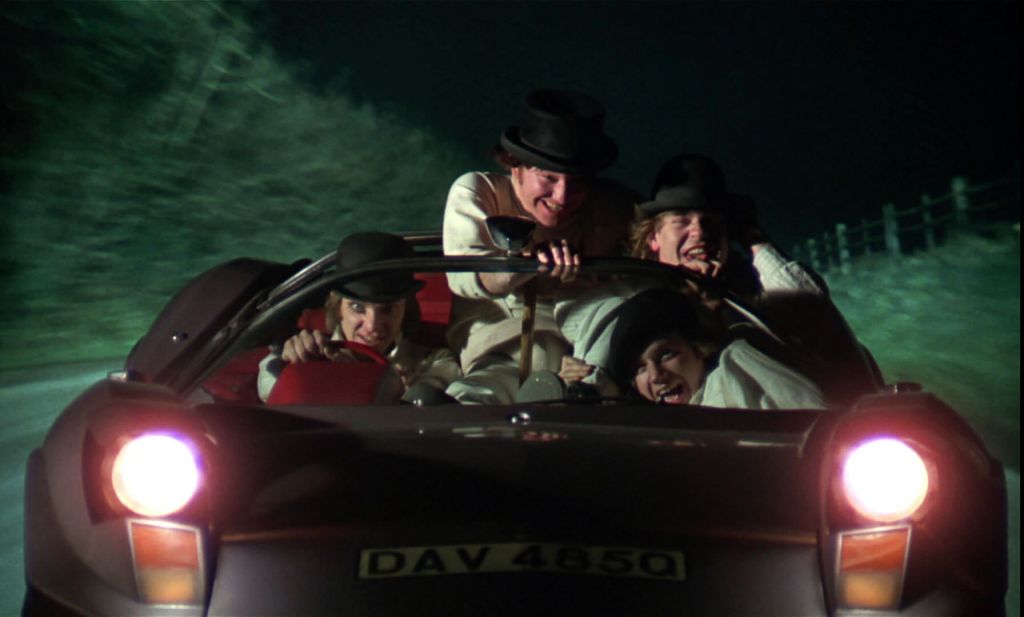

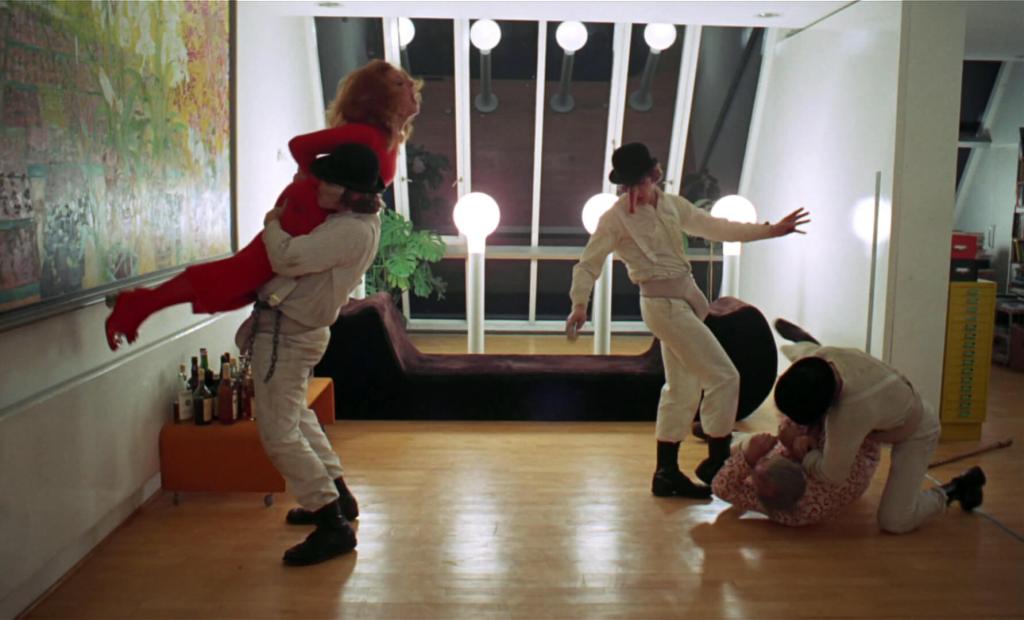

As the treatment progresses, Alex becomes a mere pawn in the hands of those who seek to control him. Stripped of his free will, he is rendered unable to defend himself against any form of violence, even when subjected to it. The film delves into questions of morality, ethics, and the nature of humanity as Alex’s capacity for evil clashes with the limits imposed upon him.
The narrative also explores the conflict between individual freedom and societal control. Alex’s journey sparks debates about the price society pays when it curtails personal autonomy and whether the suppression of evil impulses can genuinely lead to a better society.
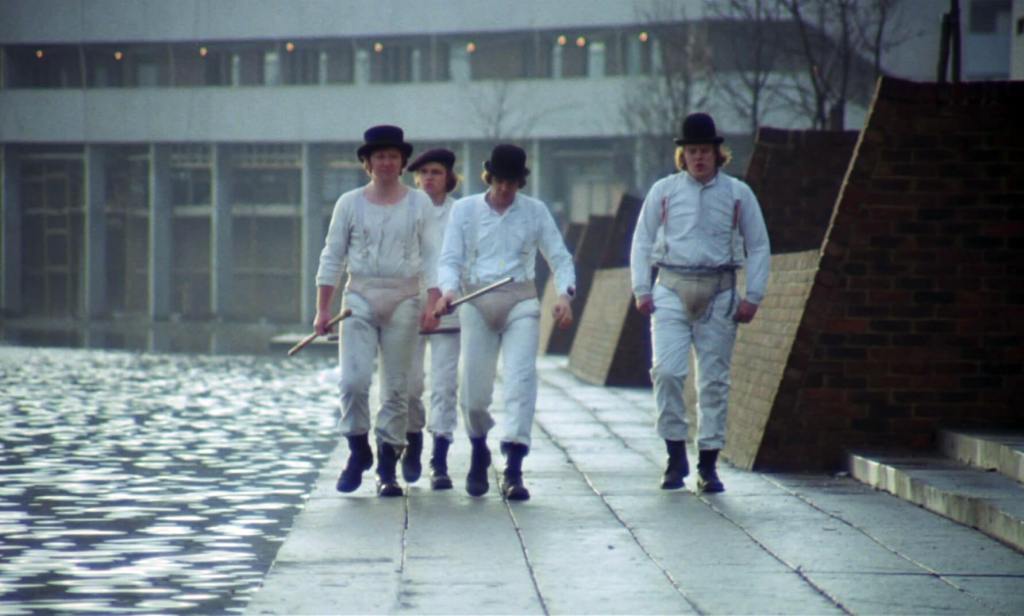
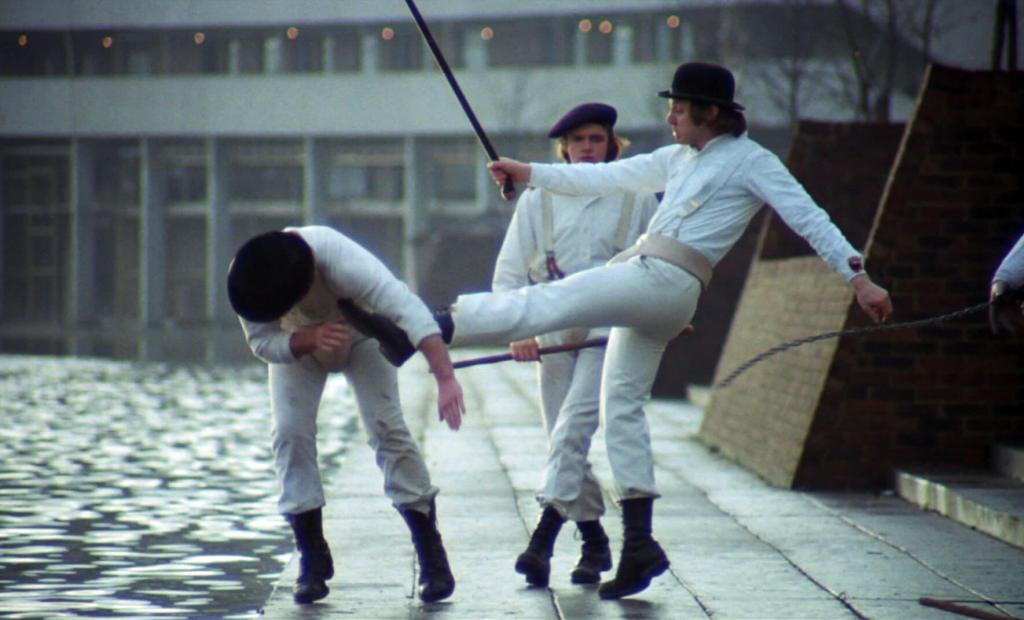
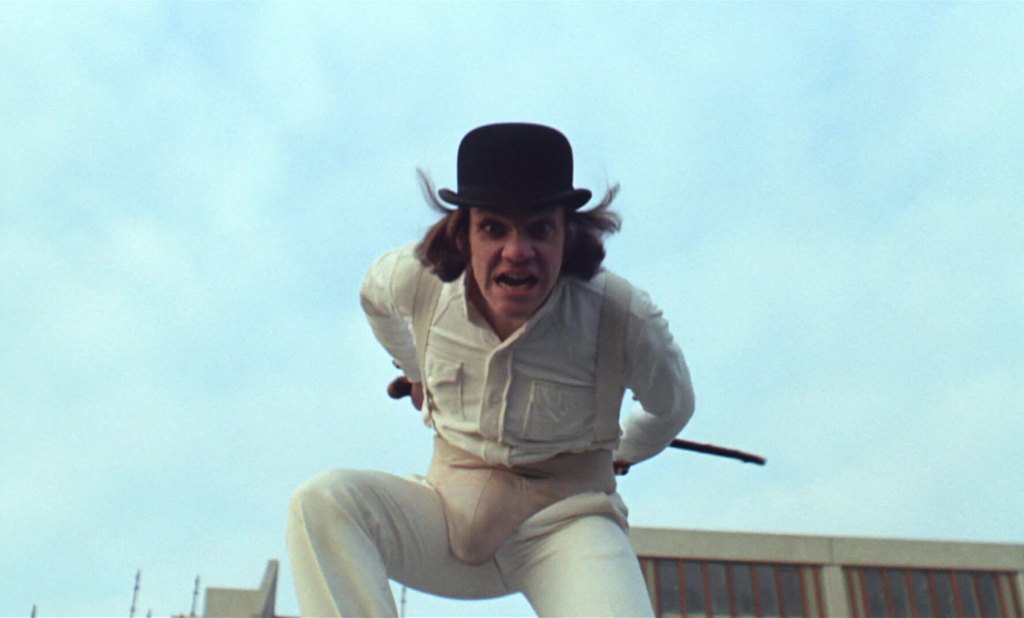

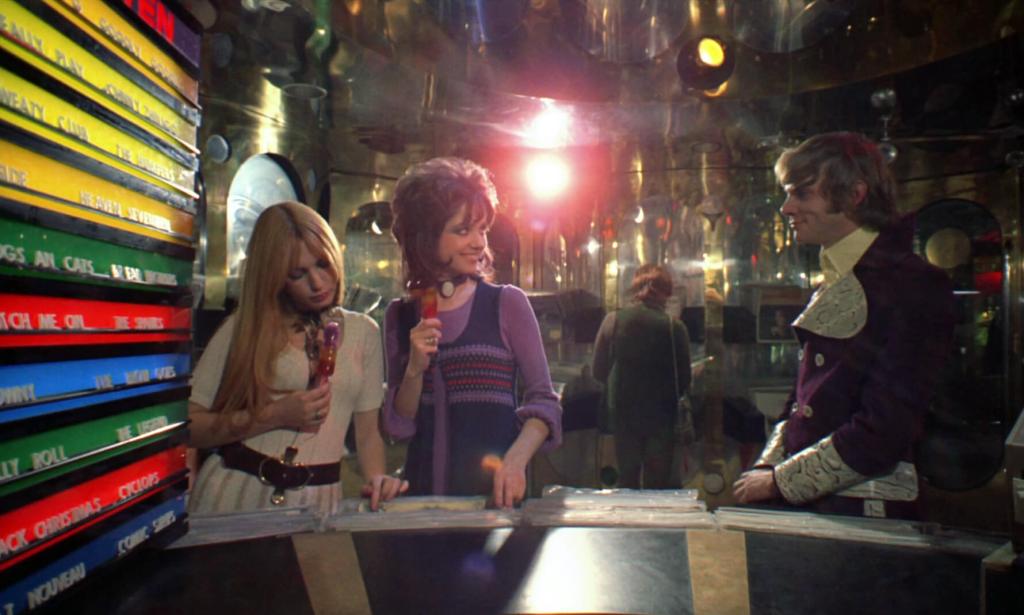
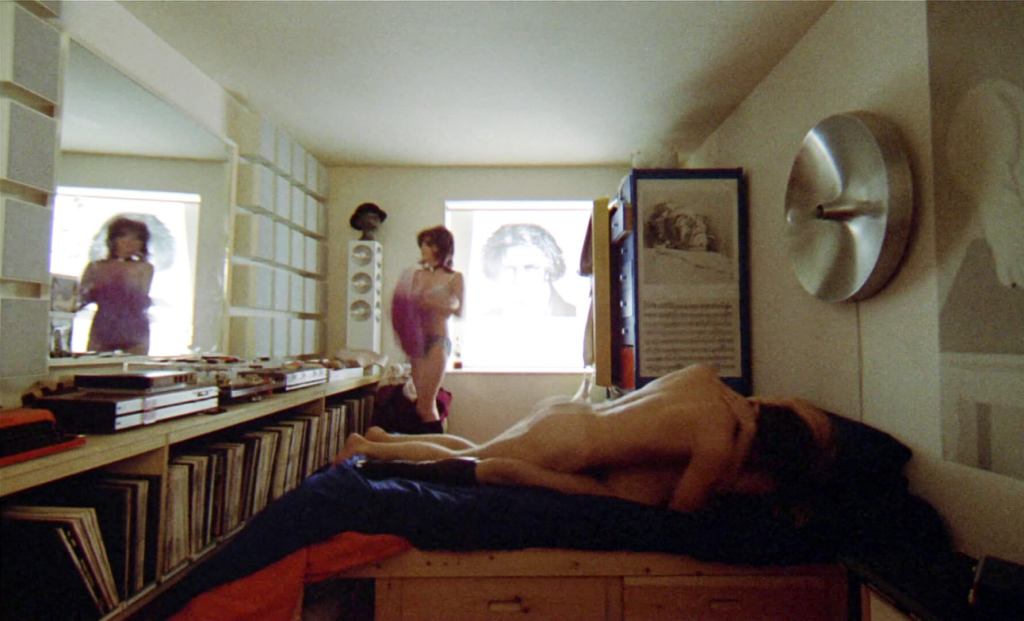
A Clockwork Orange is renowned for its distinctive visual style, Kubrick’s meticulous direction, and its thought-provoking themes. Malcolm McDowell delivers a captivating performance as Alex, portraying the character’s menacing charm, psychological transformation, and internal struggles with remarkable depth.


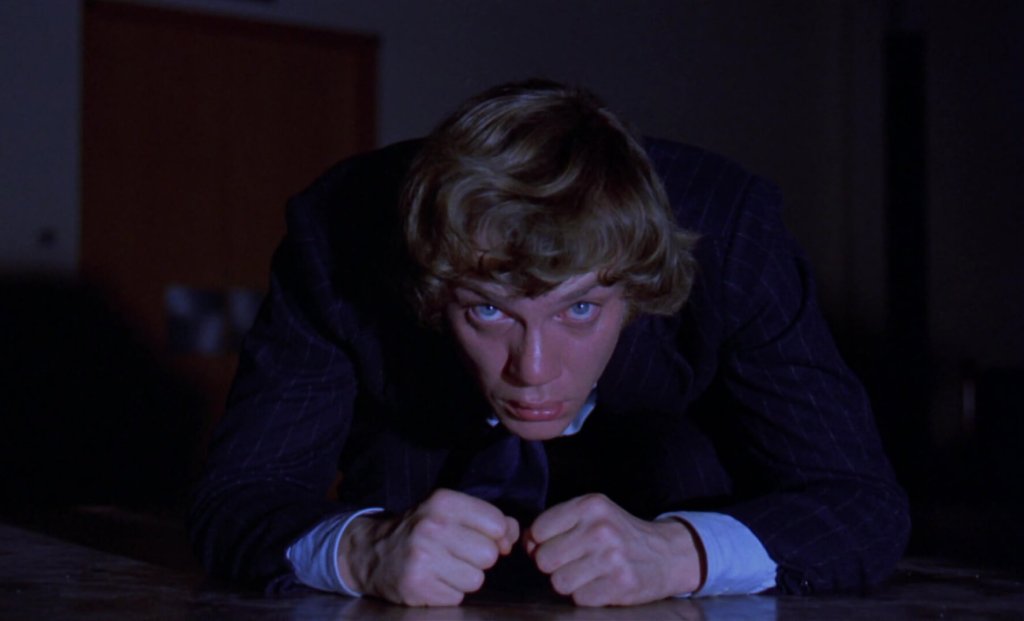
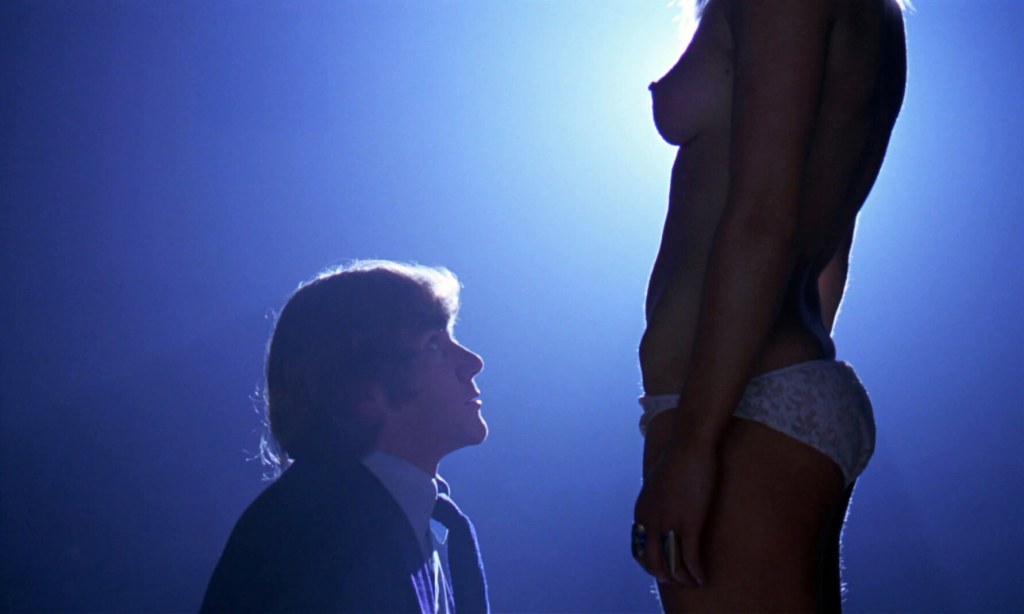
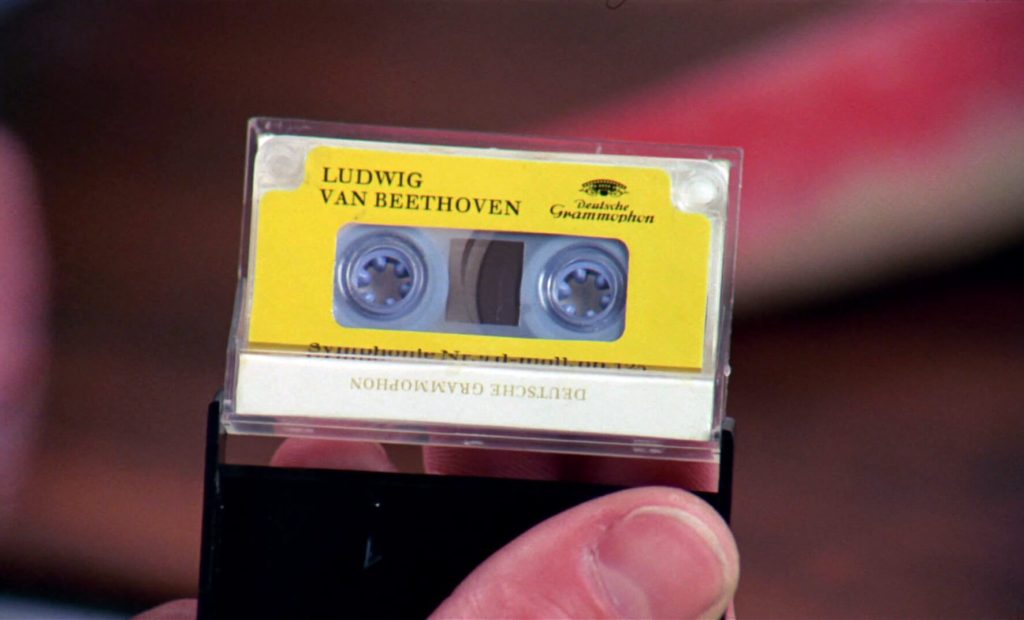
The film’s use of classical music, especially Beethoven’s Ninth Symphony, juxtaposed with scenes of brutality, creates a surreal and unsettling soundtrack. John Alcott’s skillful cinematography and the film’s striking production design (John Barry of Star Wars fame) contribute to the dystopian ambiance, effectively immersing the audience in the disturbing world of A Clockwork Orange.
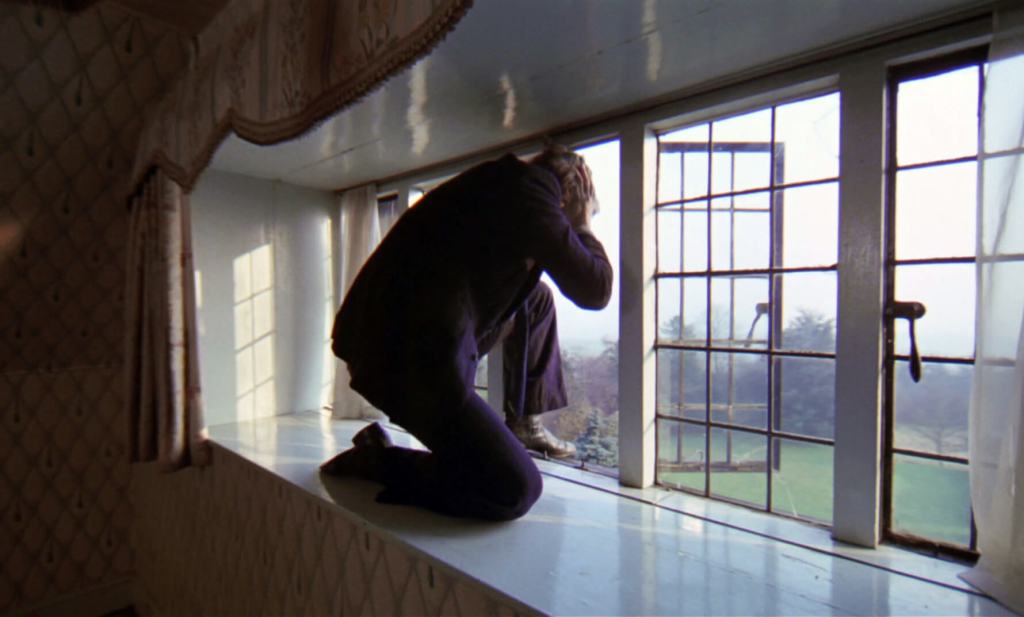
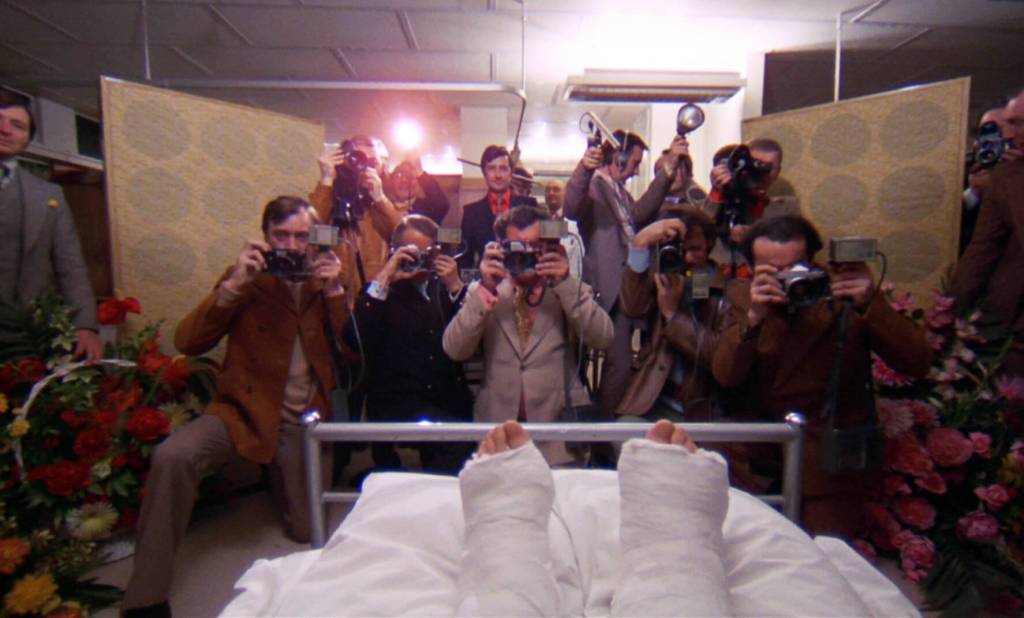
A provocative and controversial work, A Clockwork Orange challenges viewers to confront their notions of morality, free will, and the boundaries of a just society. Kubrick’s adaptation remains a landmark in cinema, leaving an indelible impact on audiences and continuing to provoke discussions and debates about the nature of good and evil, the power of choice, and the consequences of attempting to control human behavior. The film was withdrawn from release in Britain in 1973 at the request of Kubrick. This was in response that the movie was responsible for inspiring copycat violent attacks and rape incidents in the country. The film was unavailable in the UK for 27 years until Kubrick’s death. It was only released on DVD in 2001.
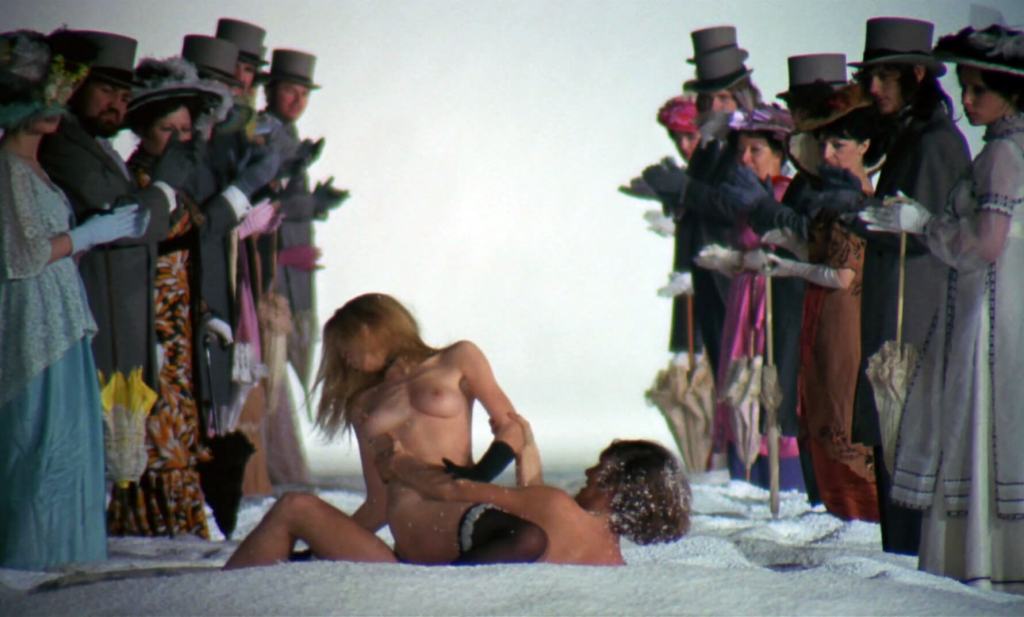
*Personal note. I first saw it on a duplicated VHS. It was a German version with German subtitles and terrible image quality.
Available on Prime

 The Other Cinema