

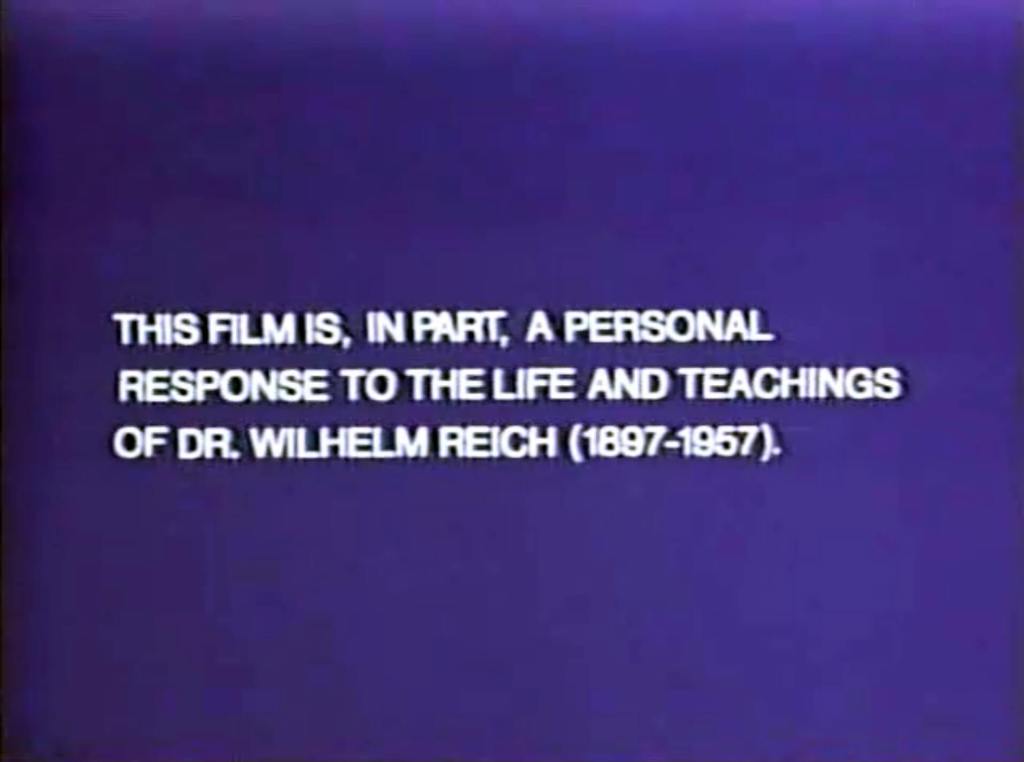
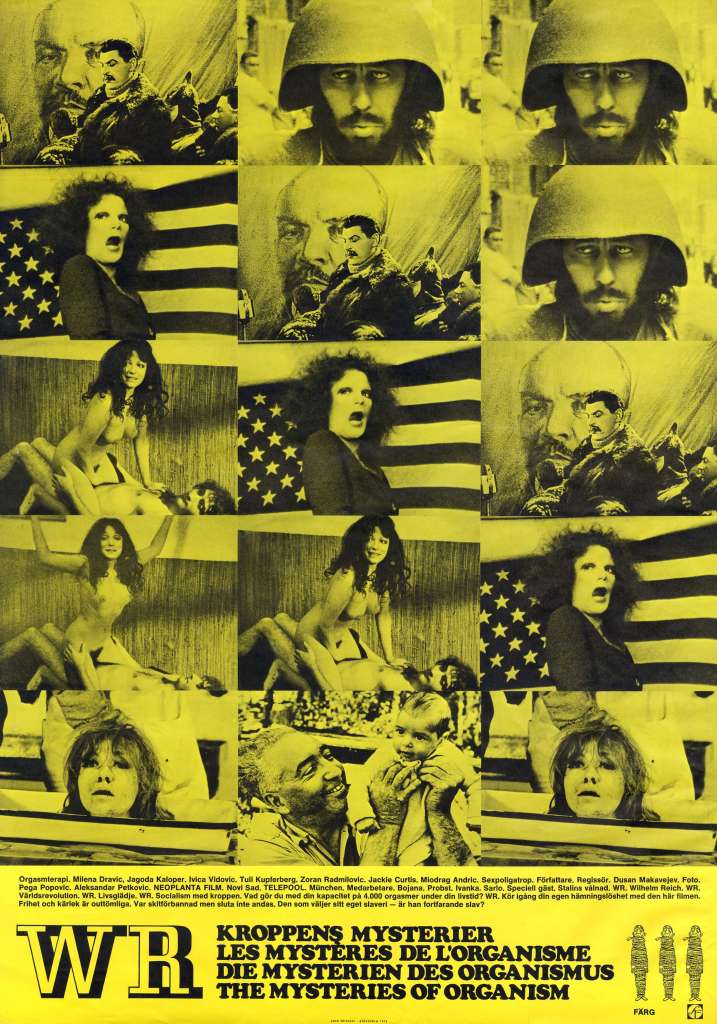
“WR: Mysteries of the Organism” is a provocative and daring 1971 film directed by Dušan Makavejev that explores the complex interplay between politics, sexuality, and human psychology. Set against the backdrop of the Cold War and the sexual revolution of the 1960s, the film weaves together multiple narratives and elements to create a pretty surreal cinematic experience.
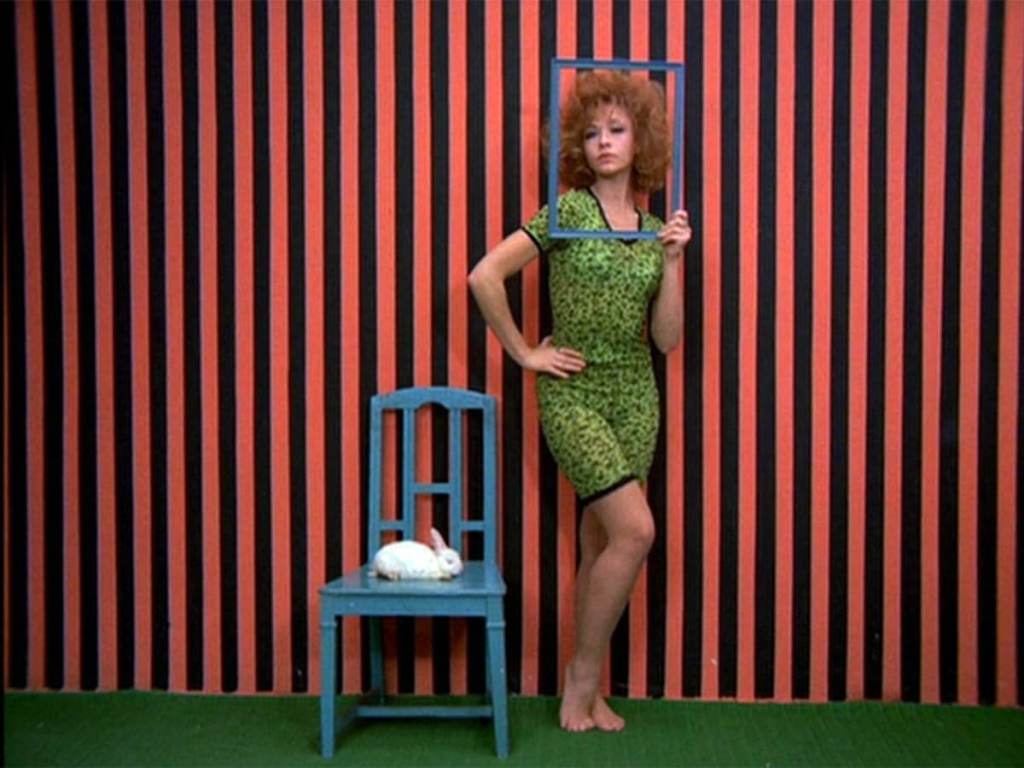
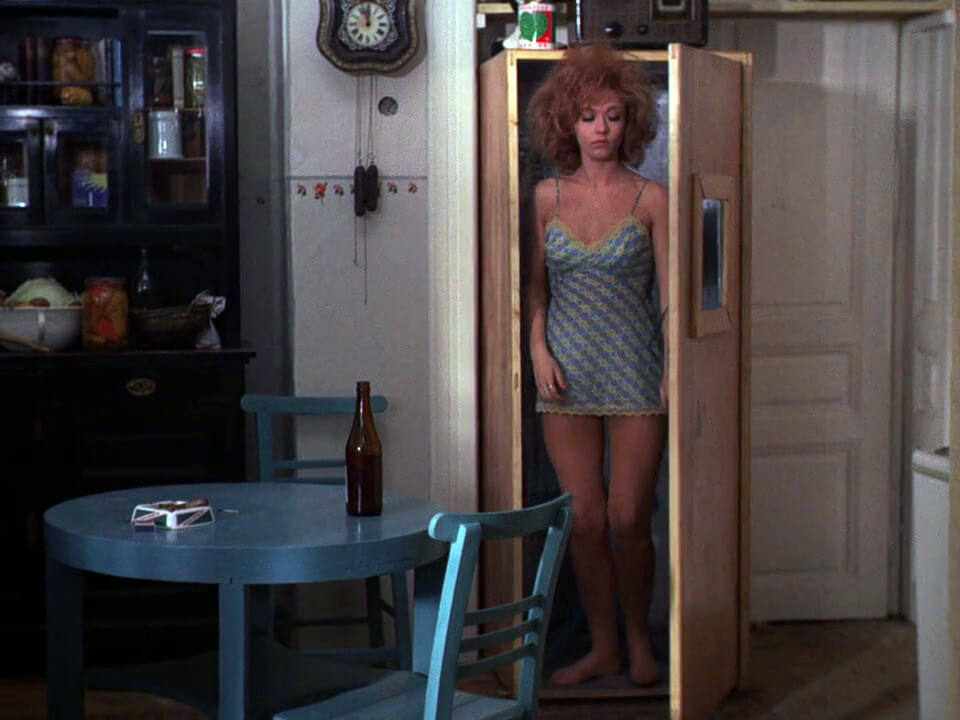
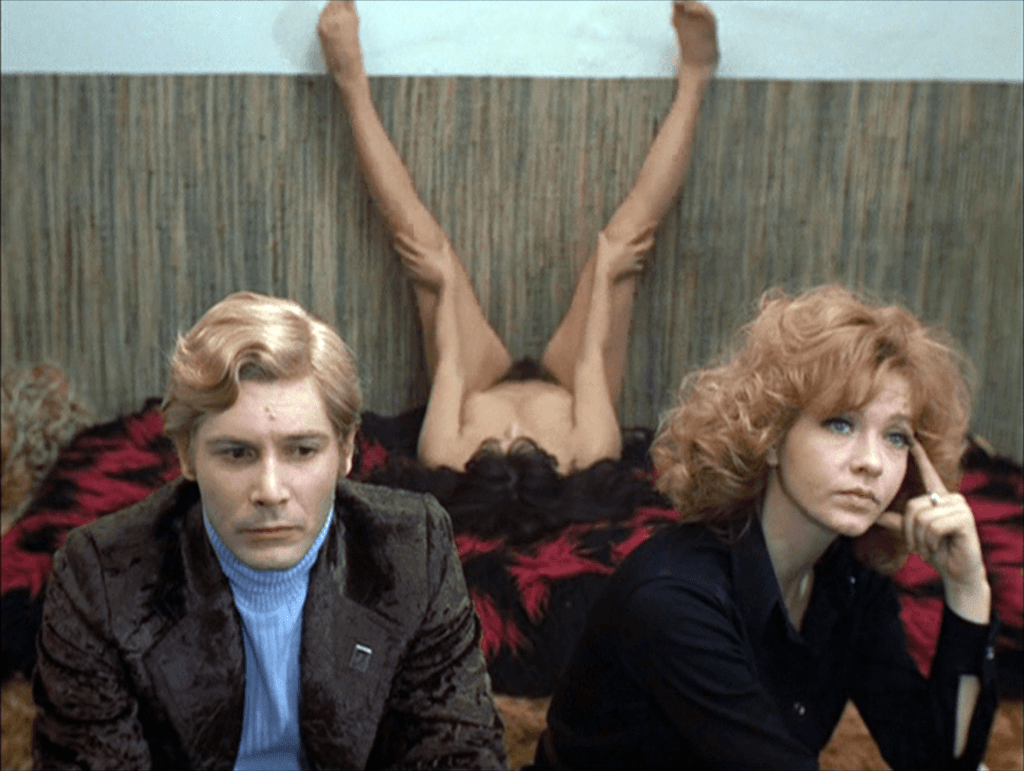
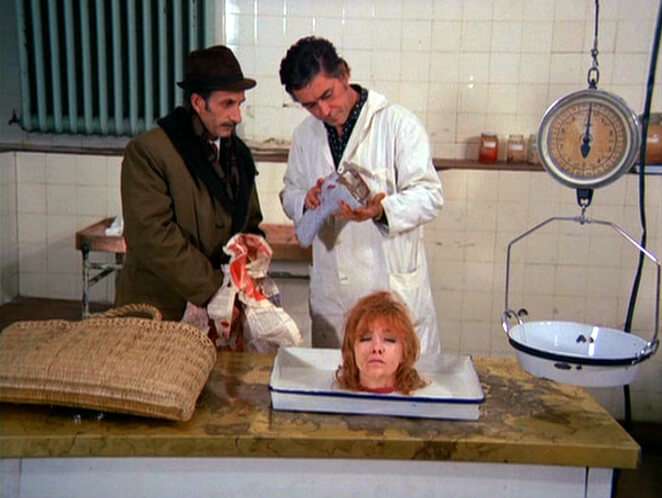
At its core, the film follows the life and ideas of Wilhelm Reich, an Austrian psychoanalyst and advocate of sexual liberation, whose theories about the connection between sexual repression and political oppression are at the center of the narrative. Through interviews, archival footage, and fictionalized reenactments, Makavejev explores Reich’s controversial work and his clash with authoritarian regimes, particularly the Stalinist regime in the Soviet Union.


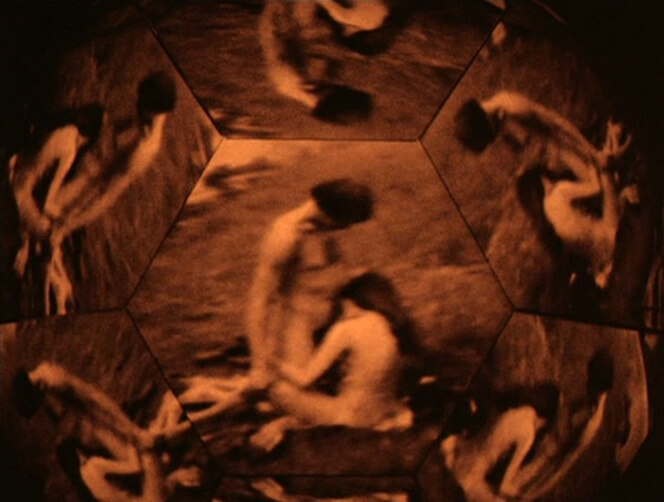
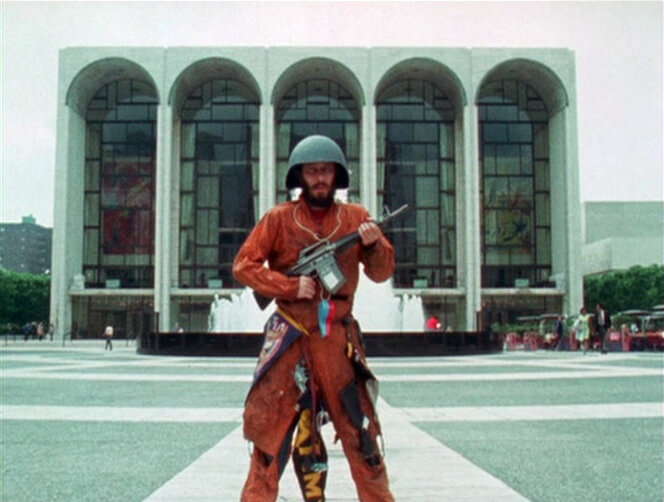
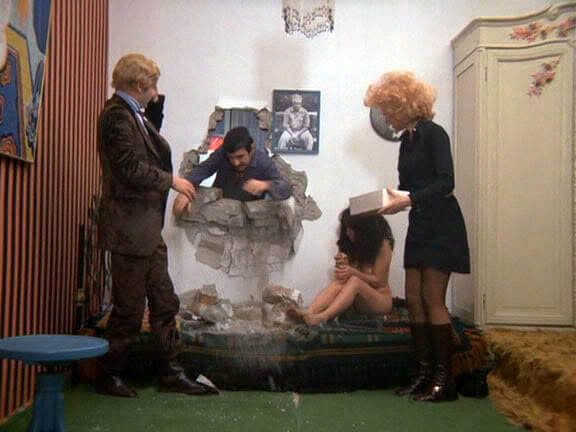

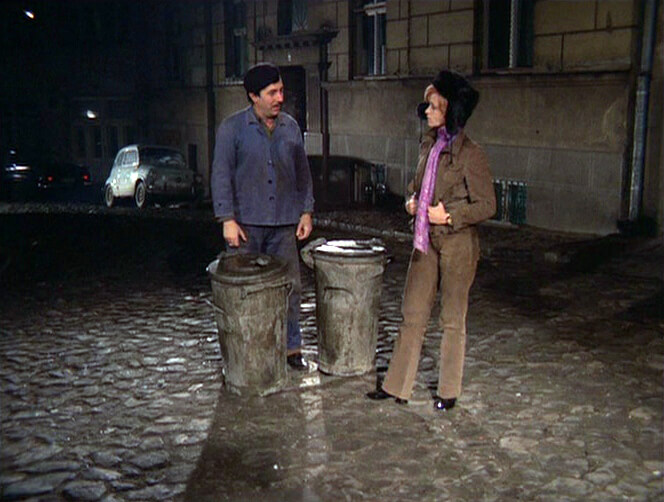
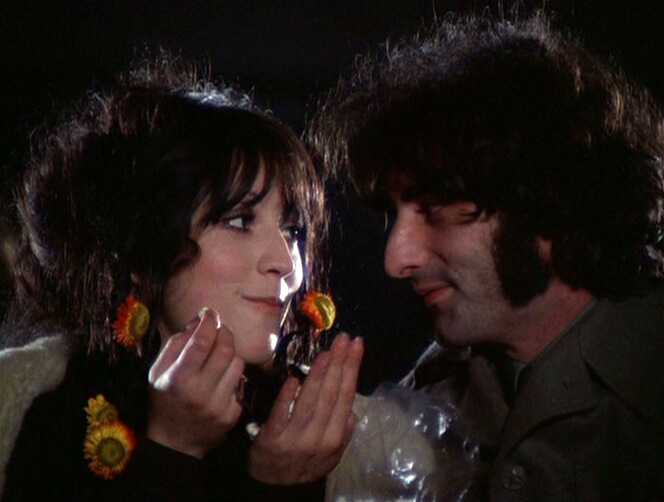
Interwoven with Reich’s story is a parallel narrative set in New York City, where a young Yugoslavian woman named Milena becomes infatuated with a politically radical and sexually liberated American man named Joseph. Their unconventional love story becomes a microcosm of the broader themes of sexual freedom and political activism explored in the film.
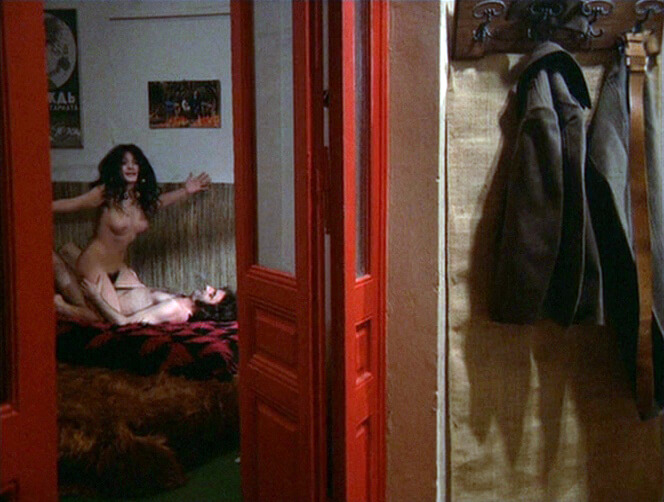


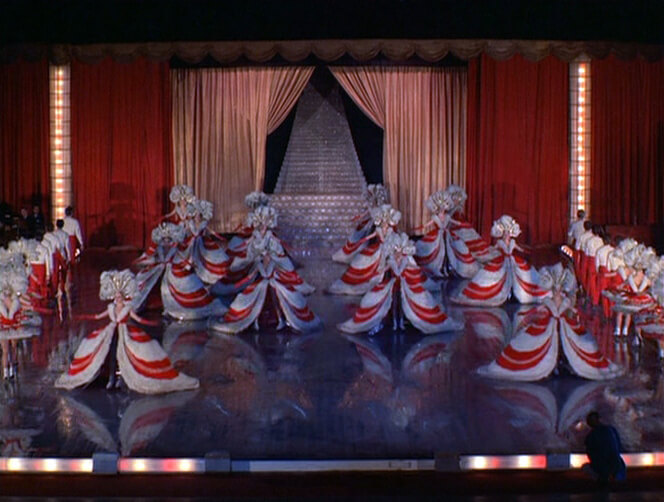
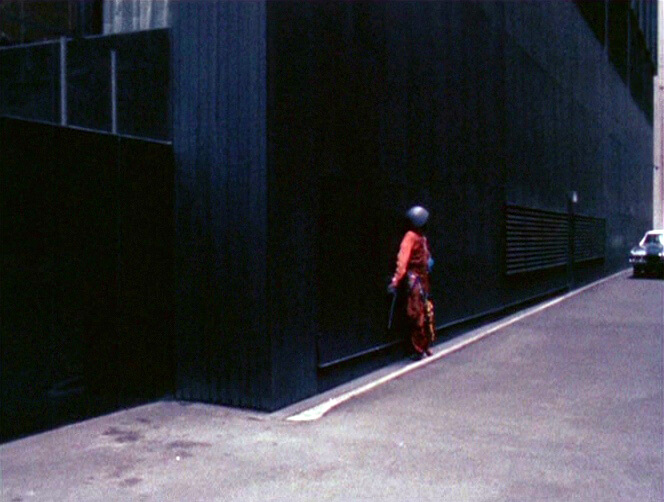
As “WR: Mysteries of the Organism” unfolds, it delves into the lives of various characters, blending documentary and fiction to examine how sexual and political repression affect individuals and society. The film is known for its bold and avant-garde style, incorporating surrealistic sequences, absurd humor, and explicit sexual imagery that challenges conventional cinematic norms.


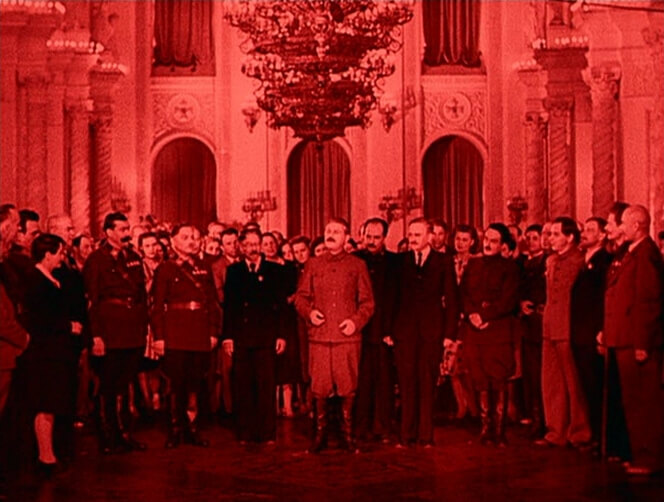

Ultimately, “WR: Mysteries of the Organism” explores human desire, political ideology, and the complex relationship between the two. Through its unconventional storytelling and provocative visuals, the film challenges viewers to question societal norms and consider how personal and political liberation intersect and collide.

 The Other Cinema