

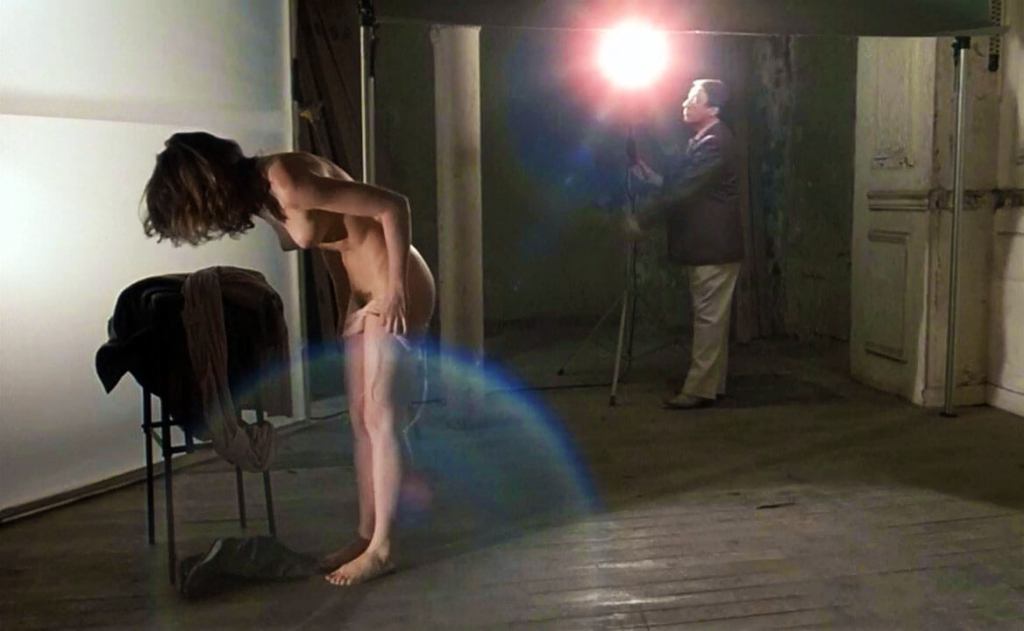
“La Femme Publique” is a 1984 film directed by the acclaimed filmmaker Andrzej Żuławski. It is a visually striking and psychologically intense exploration of art, desire, and the complexities of the human psyche.


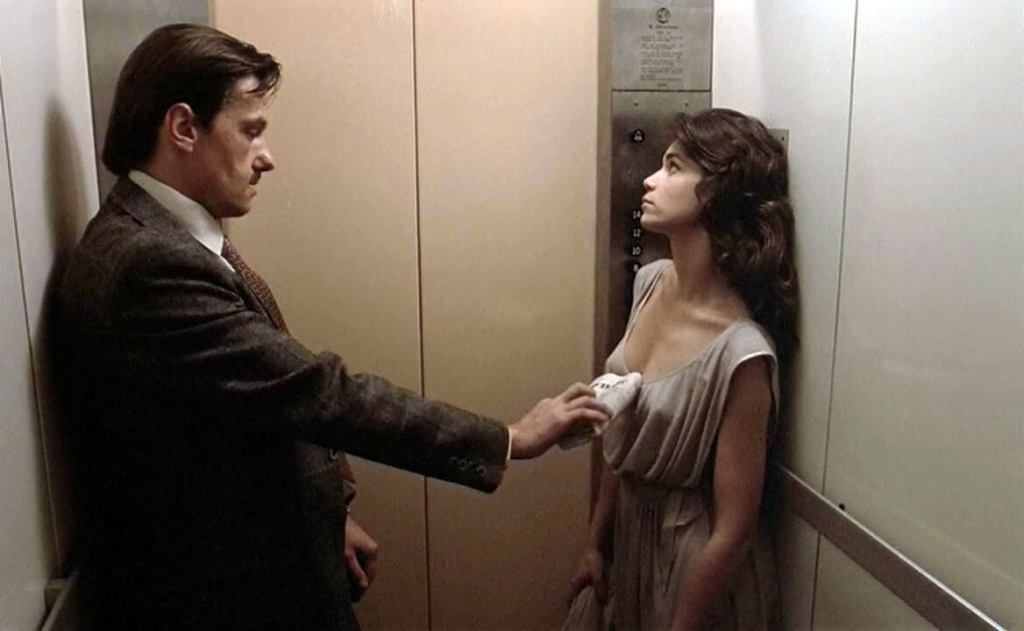

The film revolves around Ethel (played by Valérie Kaprisky), a young and aspiring actress drawn into a world of eroticism, manipulation, and political intrigue. Ethel’s journey begins when she auditions for a role in a controversial film adaptation of Dostoevsky’s “The Possessed” directed by Lucas Kesling (played by Francis Huster). Her performance during the audition captivates Kesling, leading to her casting as the film’s lead and a turbulent and tumultuous relationship between the two.

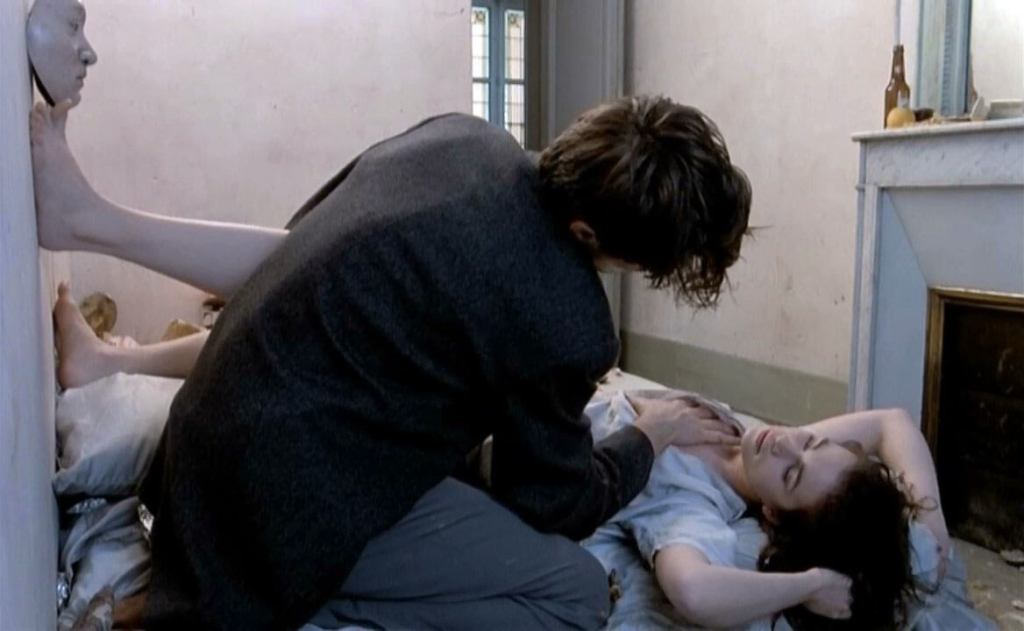

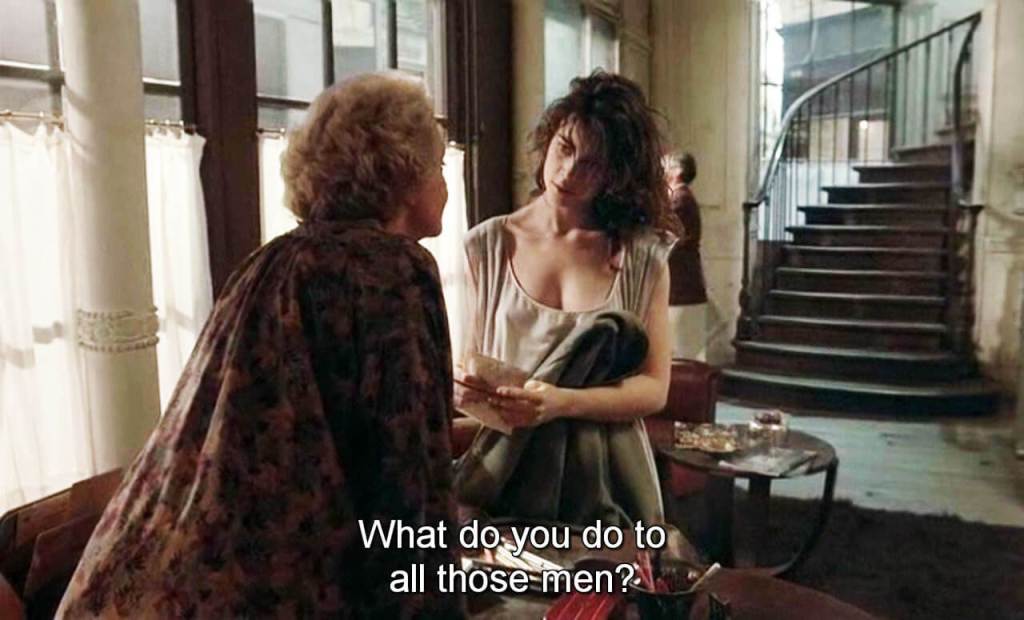
As Ethel becomes increasingly immersed in the film’s production, she becomes a pawn in a more significant political power and espionage game. Her romantic entanglements with Kesling and others blur the lines between reality and fiction, mirroring the film’s themes within the film. Ethel’s descent into a world of passion, obsession, and manipulation takes a toll on her mental and emotional stability, pushing her to the brink of her own sanity.
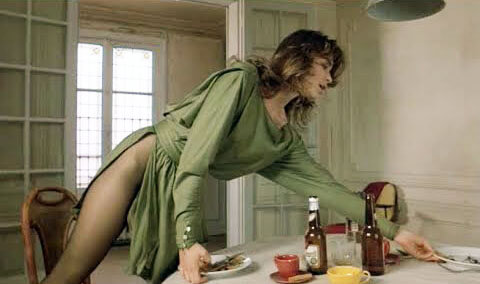

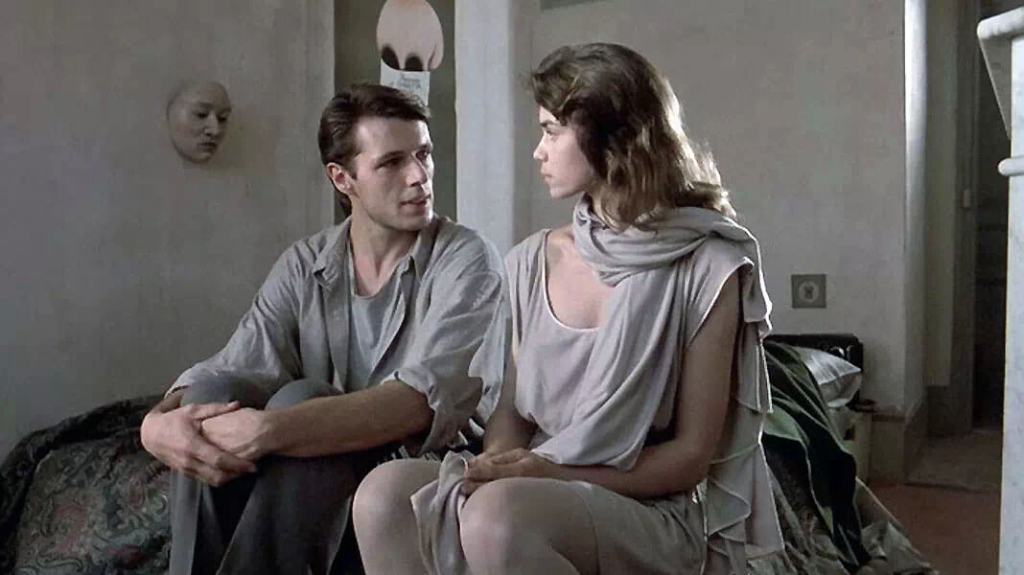

Żuławski’s direction and Kaprisky’s captivating performance convey the film’s intense and surreal atmosphere. “La Femme Publique” is known for its visually arresting and highly stylized cinematography, adding a dreamlike unreality element to the narrative.
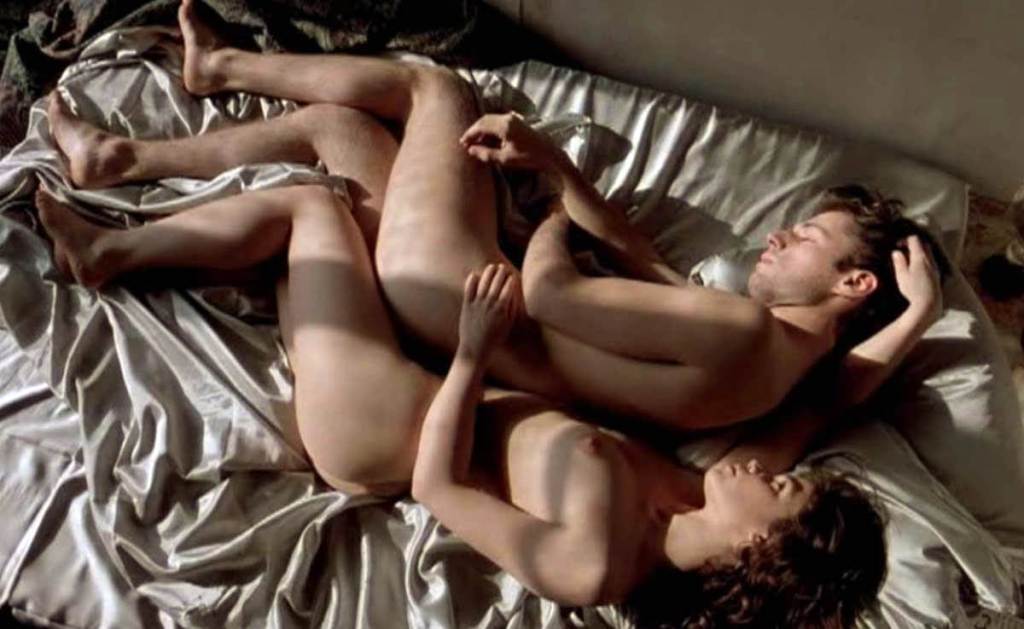
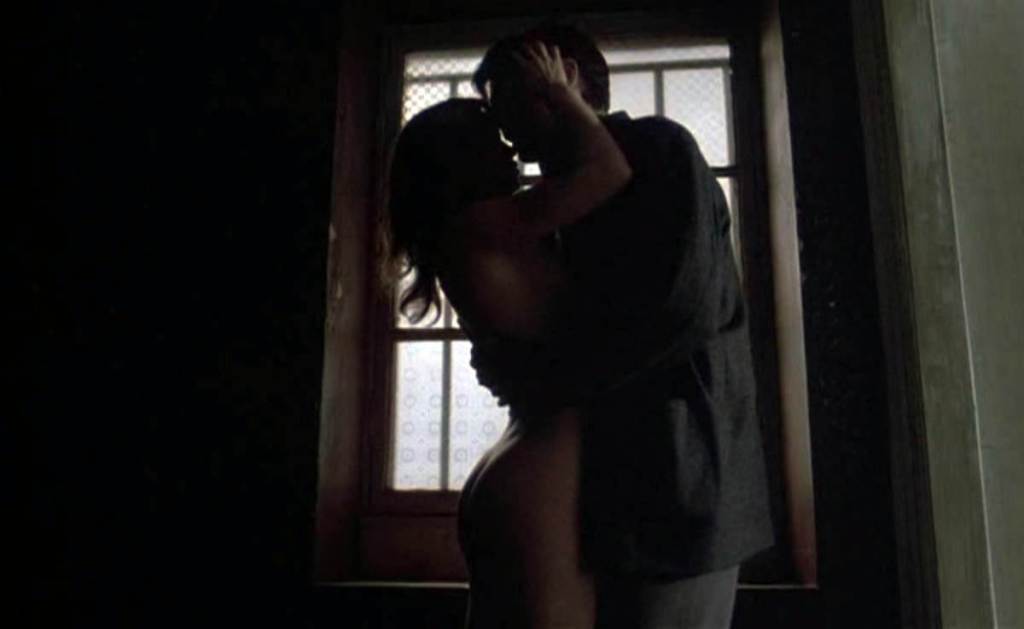
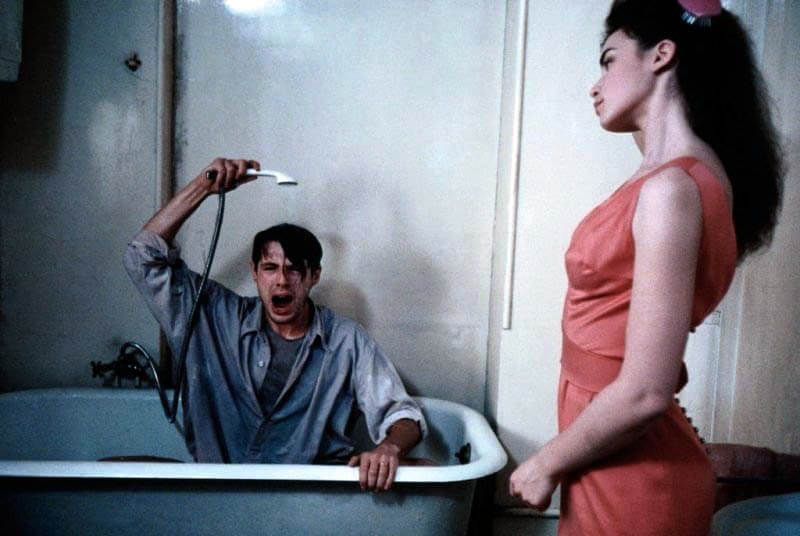

As the film unfolds, the audience is led on a journey through Ethel’s fragmented psyche, where desires, fears, and artistic ambitions intermingle in a disorienting and mesmerizing manner. “La Femme Publique” challenges conventional storytelling and offers a complex, multi-layered narrative that invites viewers to question the boundaries between art and life, passion and obsession.


In “La Femme Publique,” Andrzej Żuławski delves into the inner workings of the human psyche, exploring themes of identity, eroticism, and the power dynamics inherent in relationships.
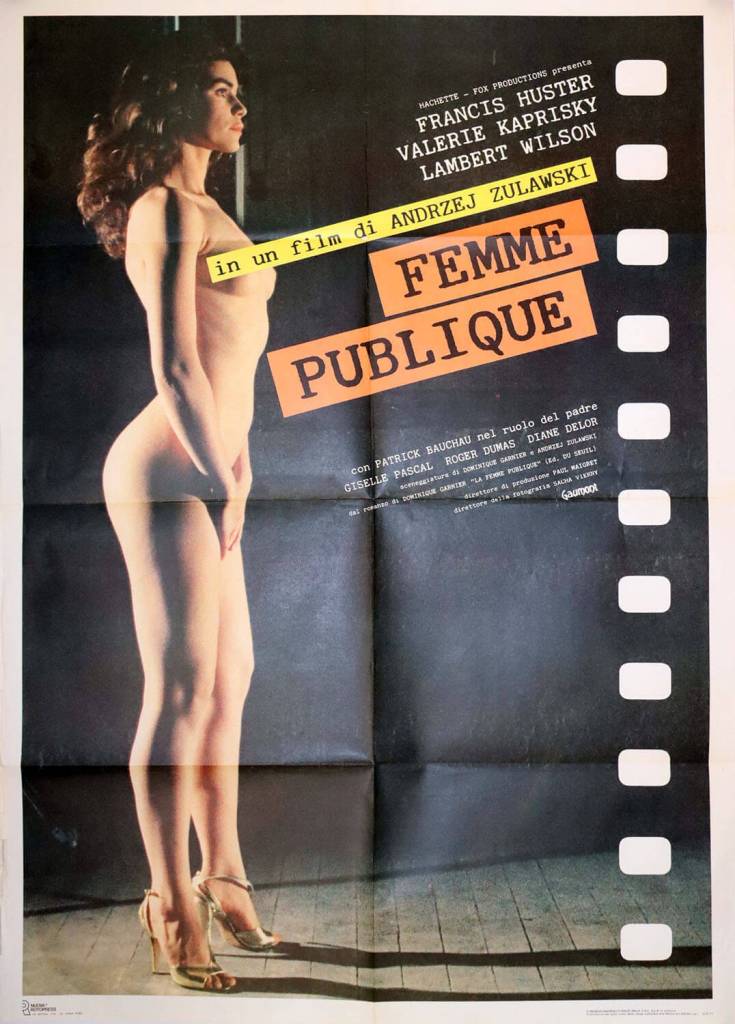
 The Other Cinema