

“Sacred Houses Series”
This month, we would like to pay homage to The Sun Theatre in Yarraville, Australia, a suburb of Melbourne, as we continue to celebrate and honor notable movie theaters around the globe.
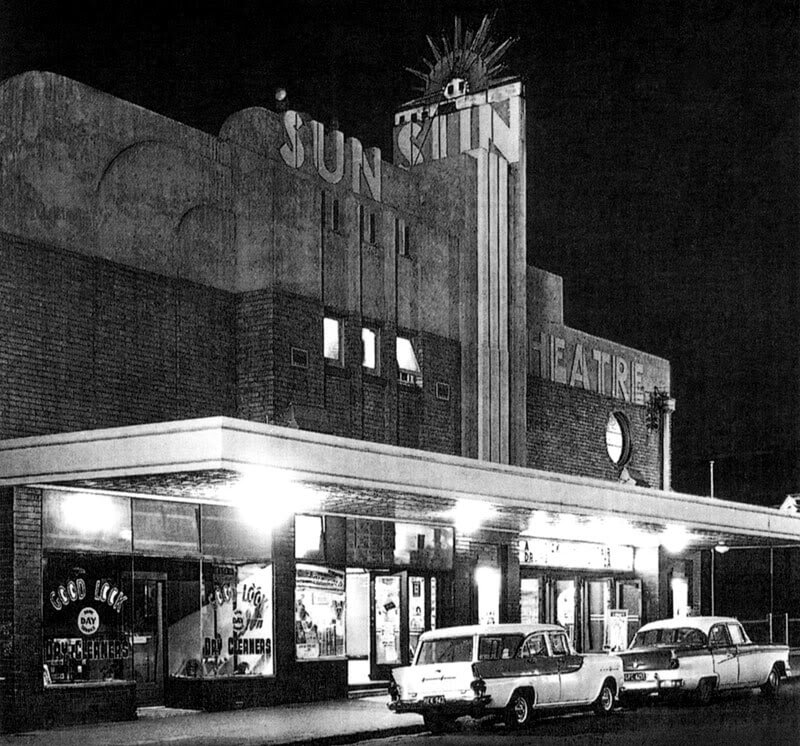
The theatre holds a rich history deeply rooted in the area’s cultural heritage. It originally opened in 1938 as a single-screen cinema designed by the prominent architect William Leist.
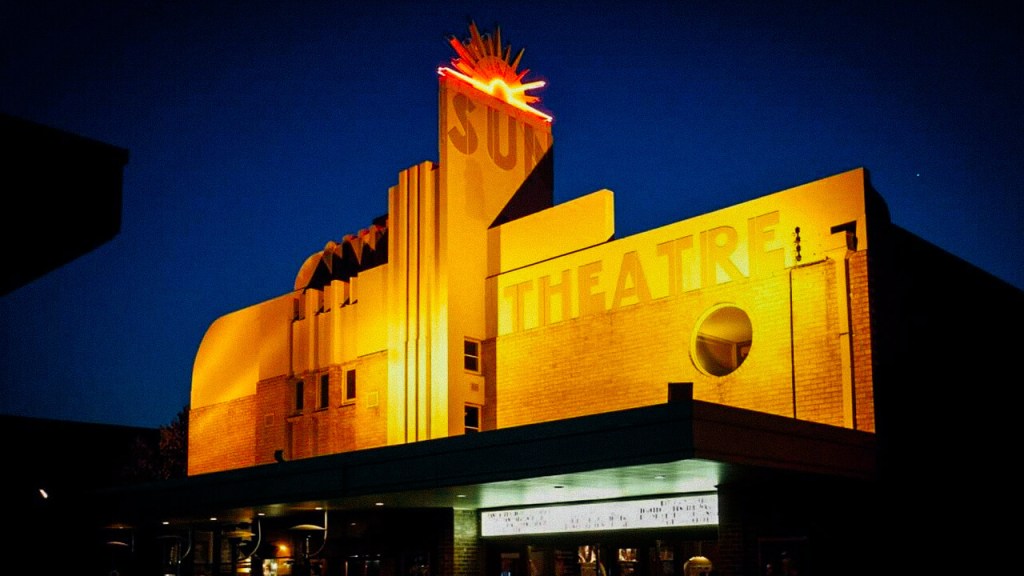
Like many historic cinemas, the Sun Theatre faced challenges with the rise of multiplex cinemas and changes in the entertainment industry. In the 1960s and 1970s, the theater experienced a decline in attendance, leading to its closure in 1982.

Despite its closure, the Sun Theatre remained a cherished landmark in Yarraville, and in the late 1990s, plans were put forth for its restoration and revival. In 1995, the current owner, Michael Smith, purchased the abandoned theater to restore its former glory and preserve its heritage.

A significant renovation and restoration project began, aiming to bring back the Sun Theatre to its original grandeur while incorporating modern amenities. The restoration efforts retained many of the theater’s original features, including the art deco architecture, ornate detailing, and historical elements, blending them with state-of-the-art technology to create a unique cinematic experience.

The Sun Theatre officially reopened in 1999 as a multi-screen cinema complex featuring diverse films, from blockbusters to independent releases. The restoration efforts received widespread acclaim, not only for preserving the historic charm of the building but also for revitalizing the local community and contributing to the cultural landscape of Yarraville.
Today, the Sun Theatre is a beloved cultural institution, not just as a cinema but also as a venue for special events, film festivals, and community gatherings. Check them out here.
If you think a theater deserves recognition in our “Sacred Houses” series, kindly contact us with details of its name, location, and significance to either you or your community. We’re enthusiastic about backing local theaters and feel they should be celebrated alongside the more renowned historic venues.
 The Other Cinema
Leave a comment