
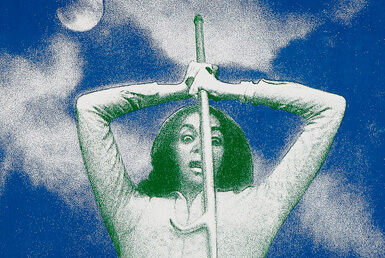
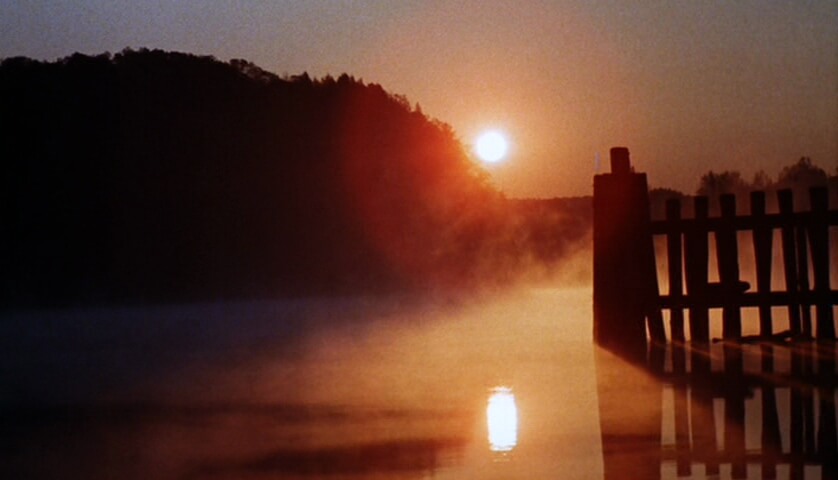
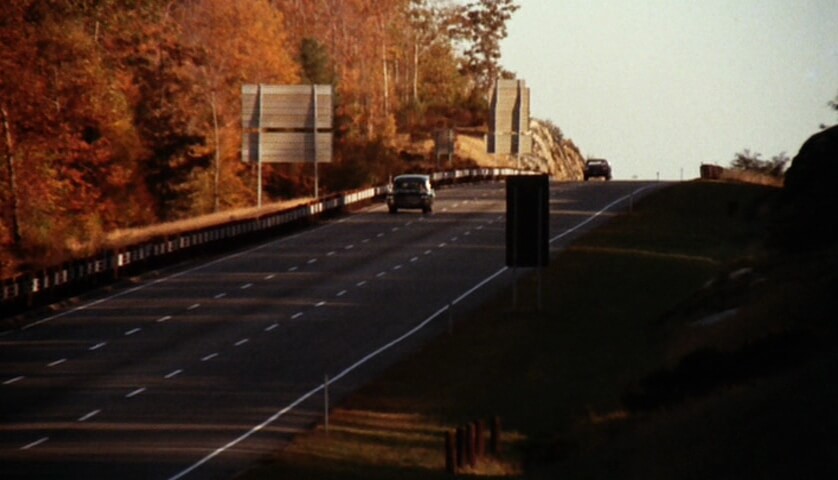


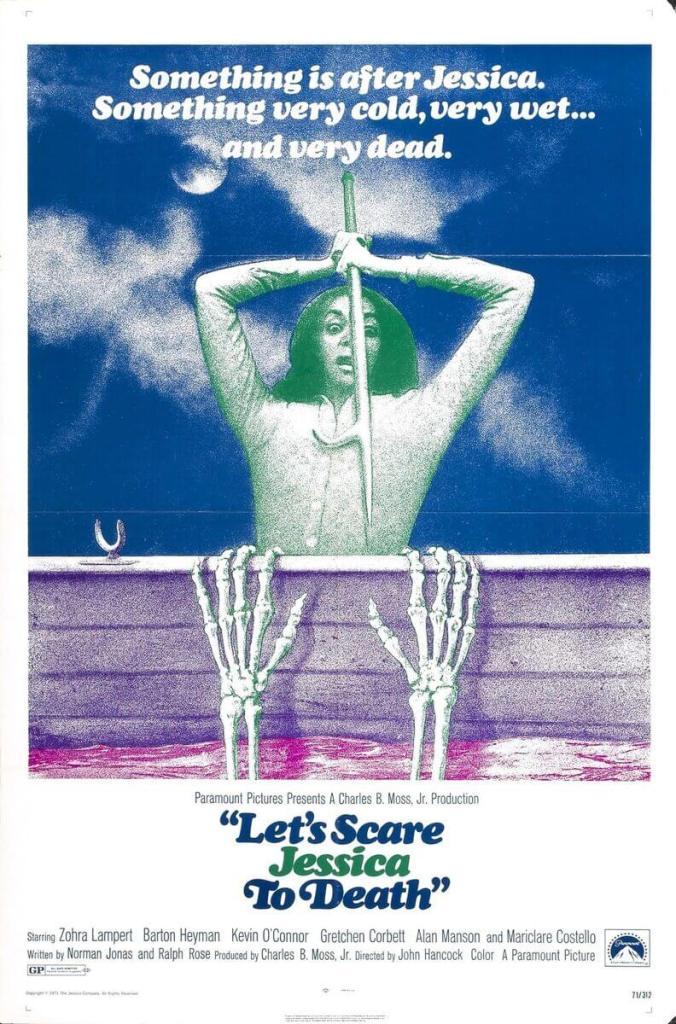
“Let’s Scare Jessica to Death” is a psychological horror film directed by John D. Hancock and released in 1971. The film follows Jessica (Zohra Lampert), a recently released psychiatric patient who, alongside her husband, Duncan (Barton Heyman), and friend Woody (Kevin O’Connor), seeks solace in a rural farmhouse as we delve into the blurred lines between reality and delusion

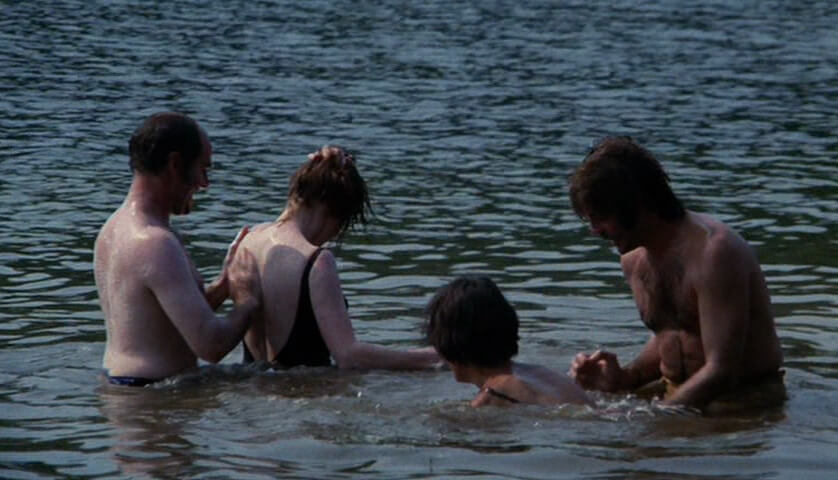
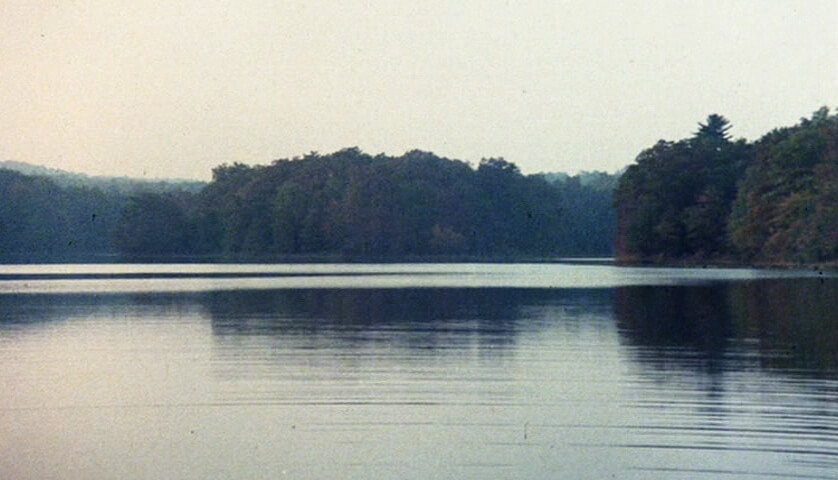
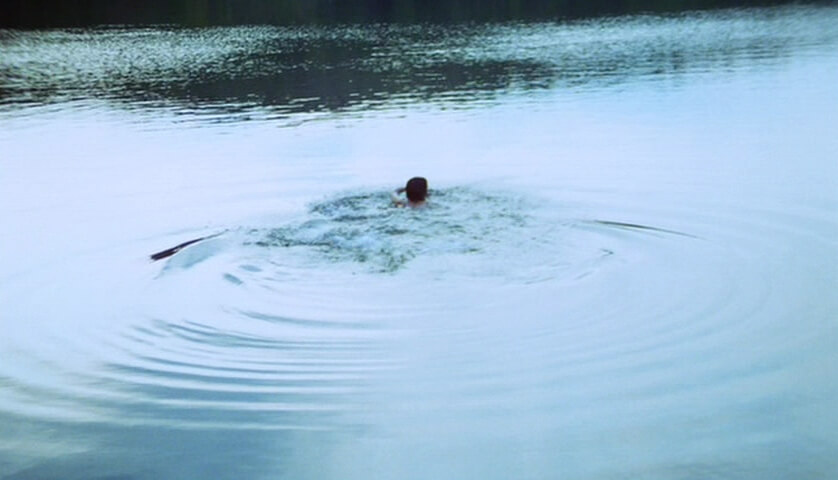

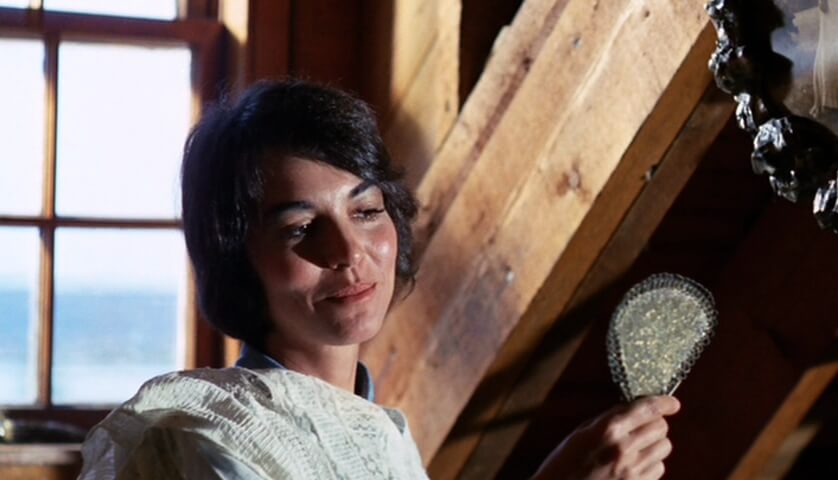
The trio moves to a quaint country town outside of New York City, where they discover an abandoned farmhouse available for purchase. Despite its eerie reputation, Jessica, Duncan, and Woody decide to make it their new home. As they settle in, strange occurrences begin to unfold, and Jessica’s fragile mental state is put to the test.
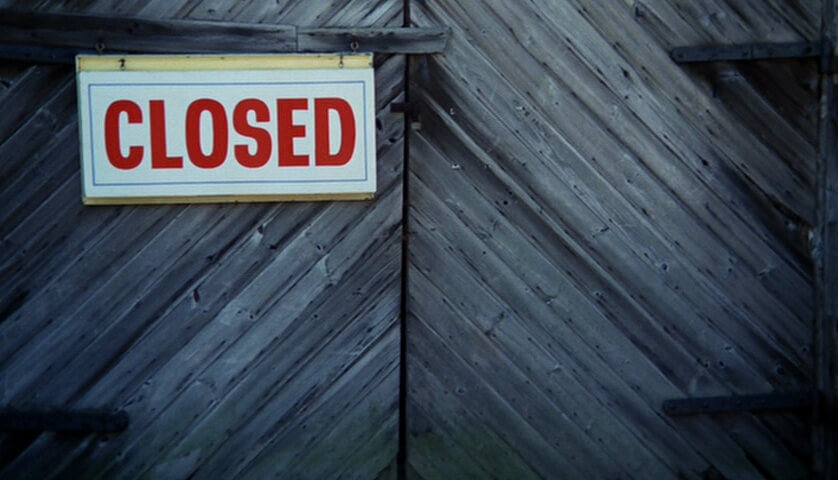
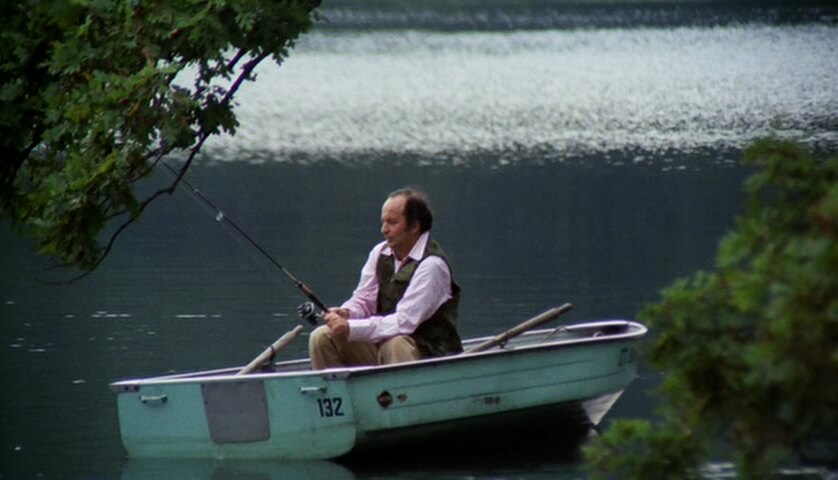


Jessica becomes haunted by hallucinations and nightmarish visions, fueled by the eerie atmosphere of the farmhouse and the mysterious presence of a woman named Emily (Mariclare Costello), whom only Jessica seems to see. The line between the supernatural and Jessica’s unraveling psyche blurs, creating an atmosphere of tension and dread.


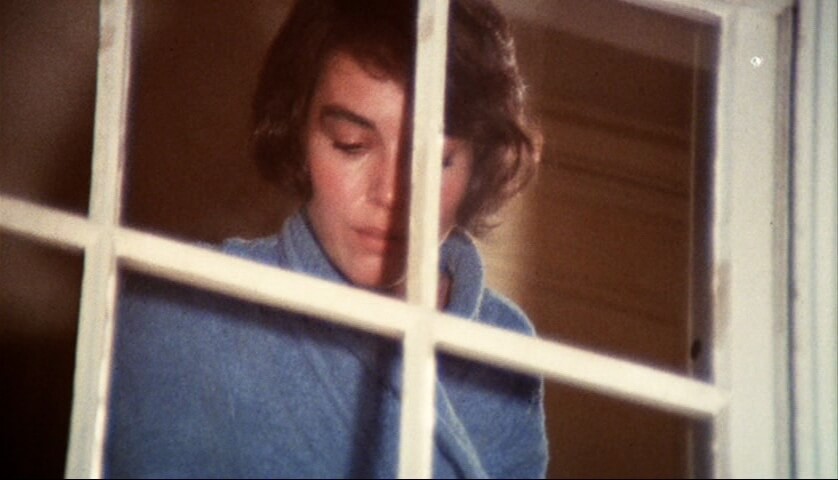

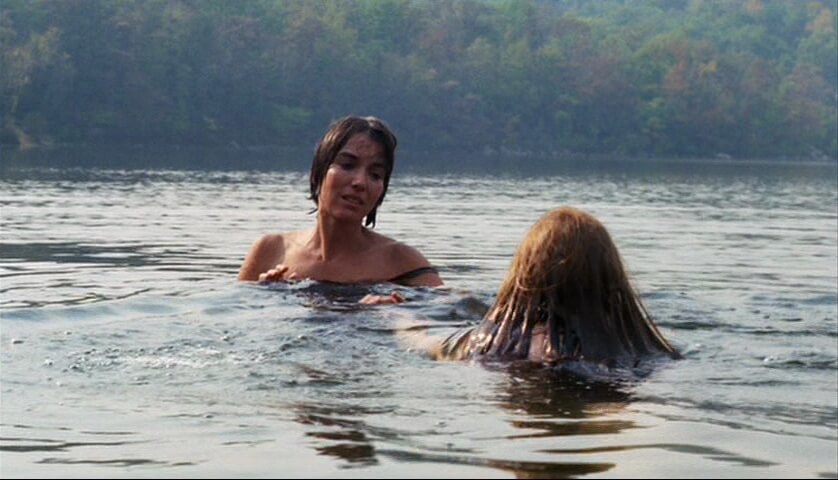

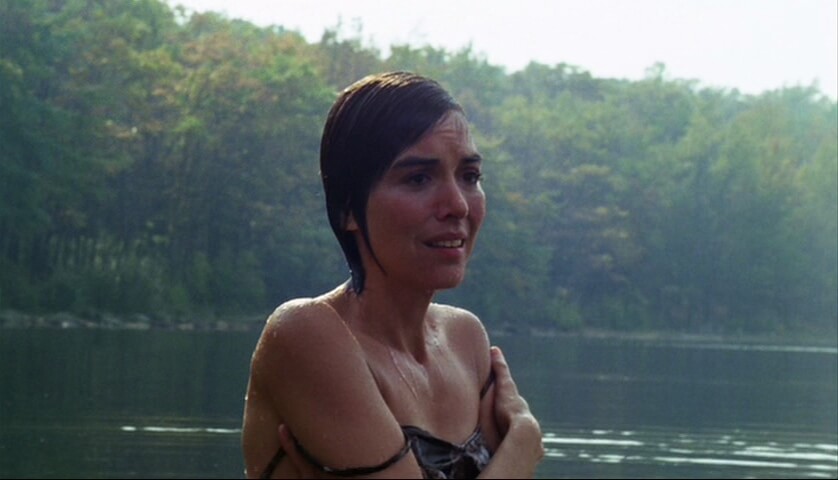
The town’s locals, including a peculiar young woman played by Gretchen Corbell, further contribute to the unnerving atmosphere as Jessica struggles to discern reality from the figments of her imagination. The film masterfully builds a sense of paranoia, leaving the audience questioning whether the threats are external or manifestations of Jessica’s fragile mental state.


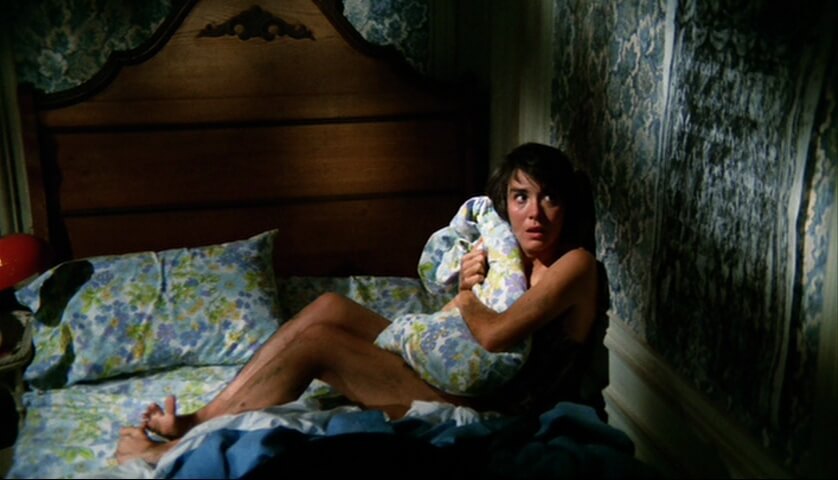

As the mysteries of the farmhouse and its dark history unfold, the boundaries between the living and the dead become increasingly unclear. The film takes unexpected turns, keeping viewers on the edge of their seats with its atmospheric tension and psychological suspense.
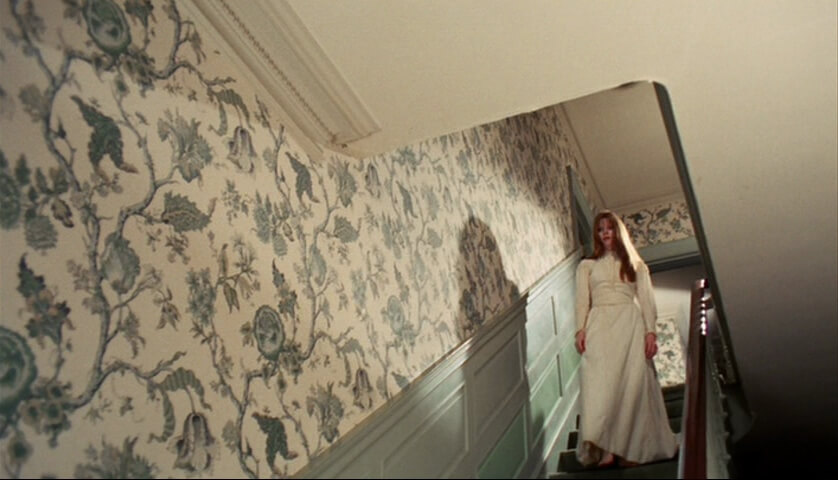
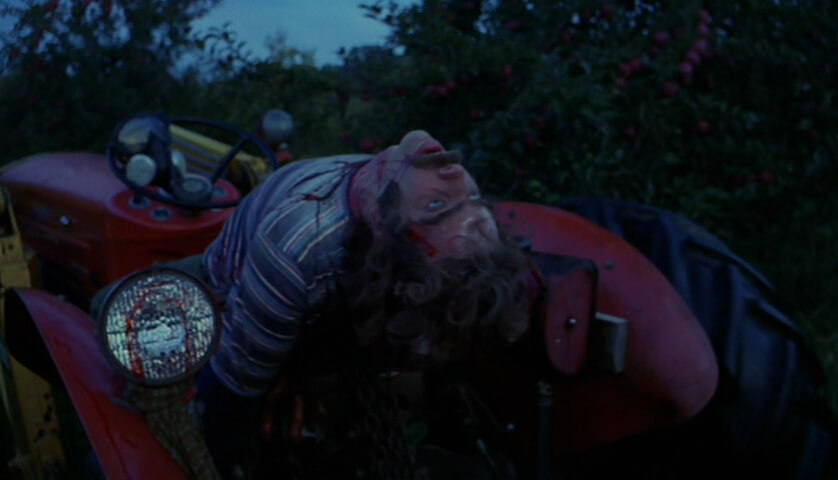


Let’s Scare Jessica to Death is known for its slow-burning horror, haunting cinematography, and Lampert’s performance as the vulnerable and tormented Jessica. The film has gained a cult following over the years even after mixed reviews upon its release and its frequent comparisons to the novella “Carmilla” by Sheridan Le Fanu, published in 1872. It is also worth noting that it is one of the first horror films to prominently use a synthesizer for its musical score, composed by Orville Stoeber; by the end of the decade, the synthesized score in horror would become the norm.
“Let’s Scare Jessica to Death” remains a notable entry in the psychological horror genre, exploring the fragility of the human mind and the eerie possibilities within the realm of the unknown.
 The Other Cinema