


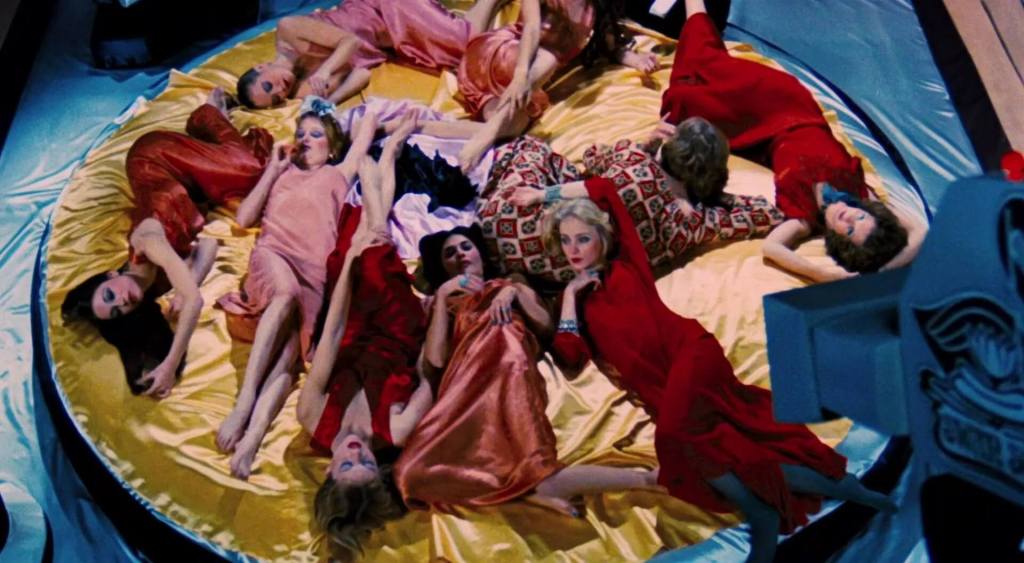
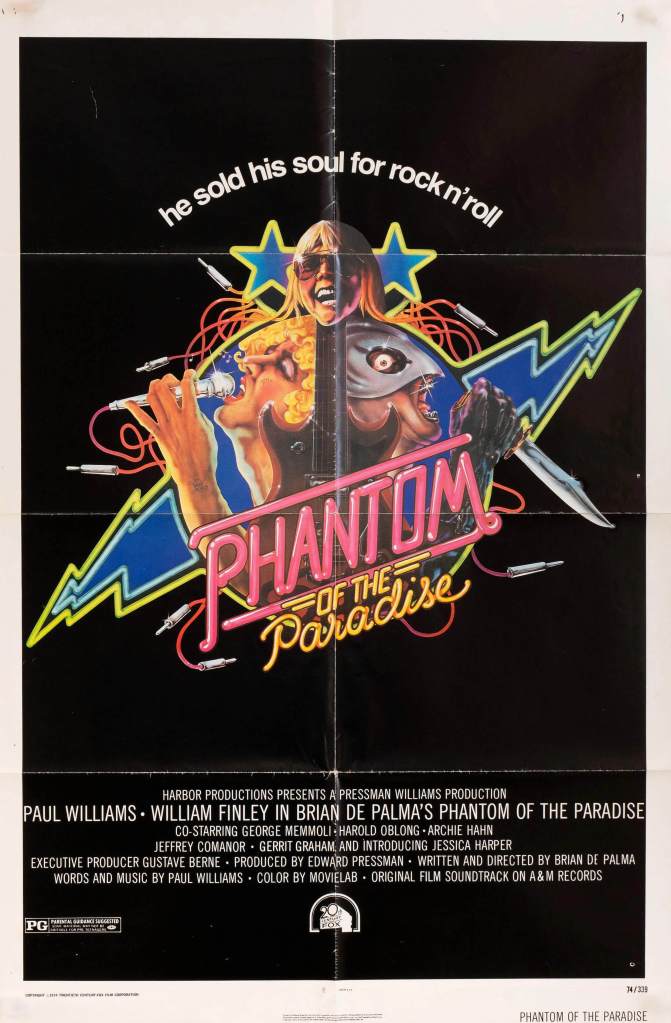
“Phantom of the Paradise,” directed by Brian De Palma, is a 1974 cult musical horror-comedy that serves as a unique and satirical take on the classic tale of Faust and The Phantom of the Opera. The story revolves around the world of the music industry, fame, and the Faustian pact that can come with artistic success.


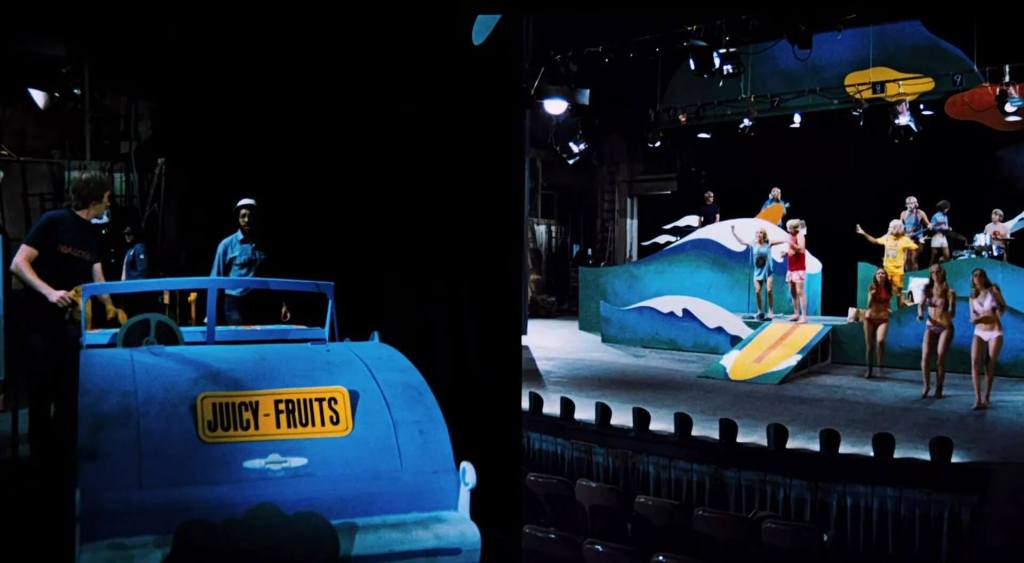

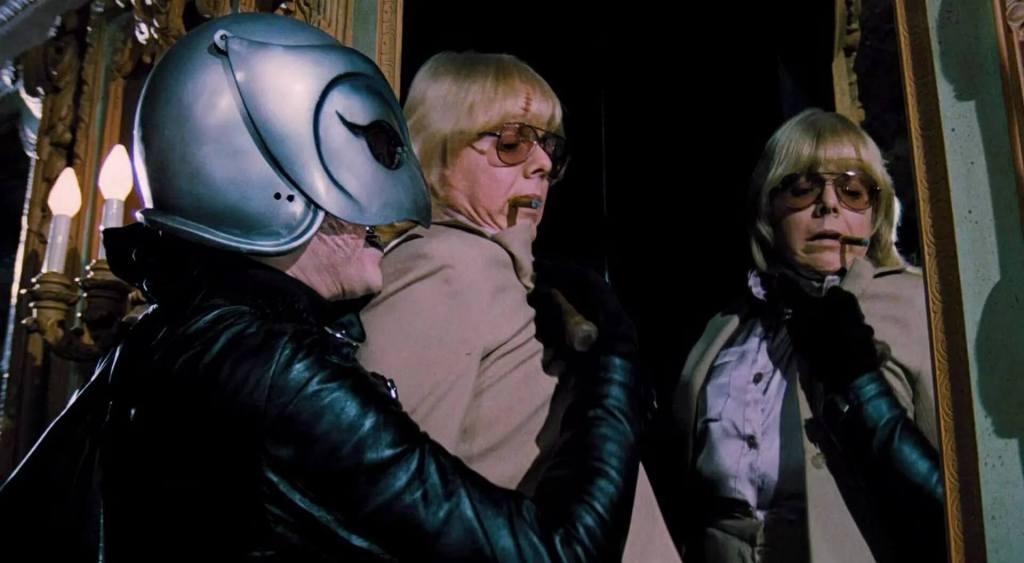
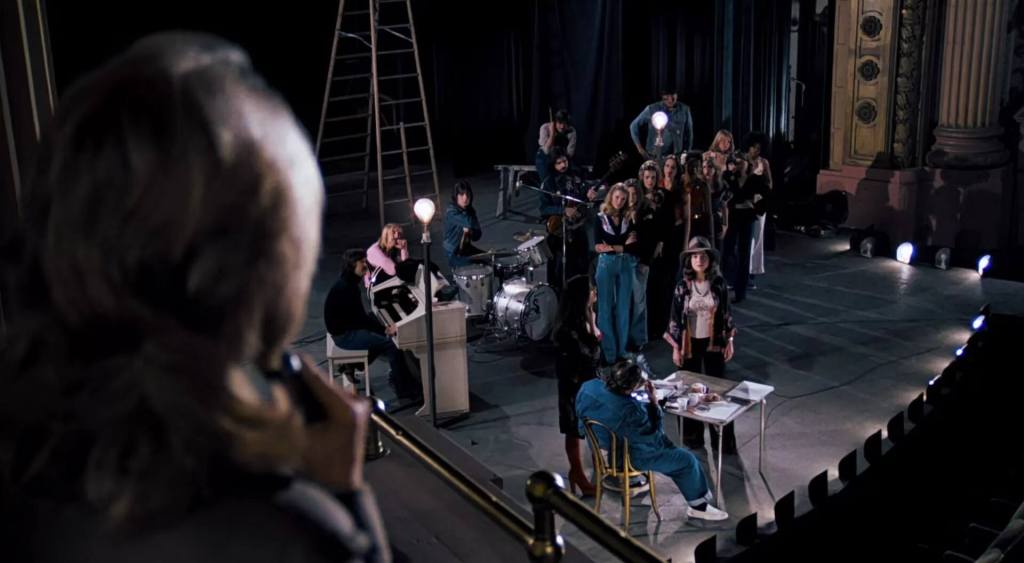

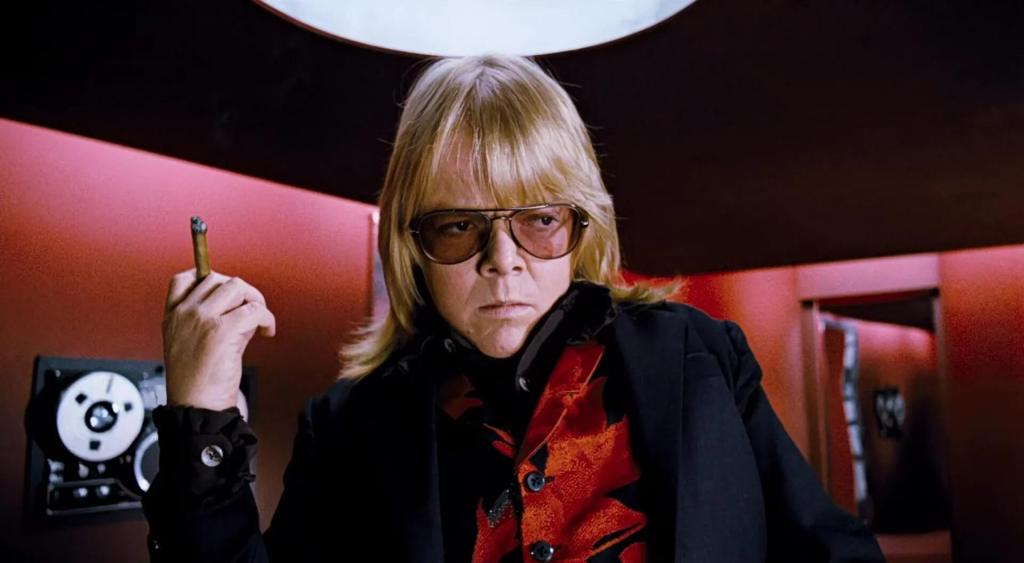
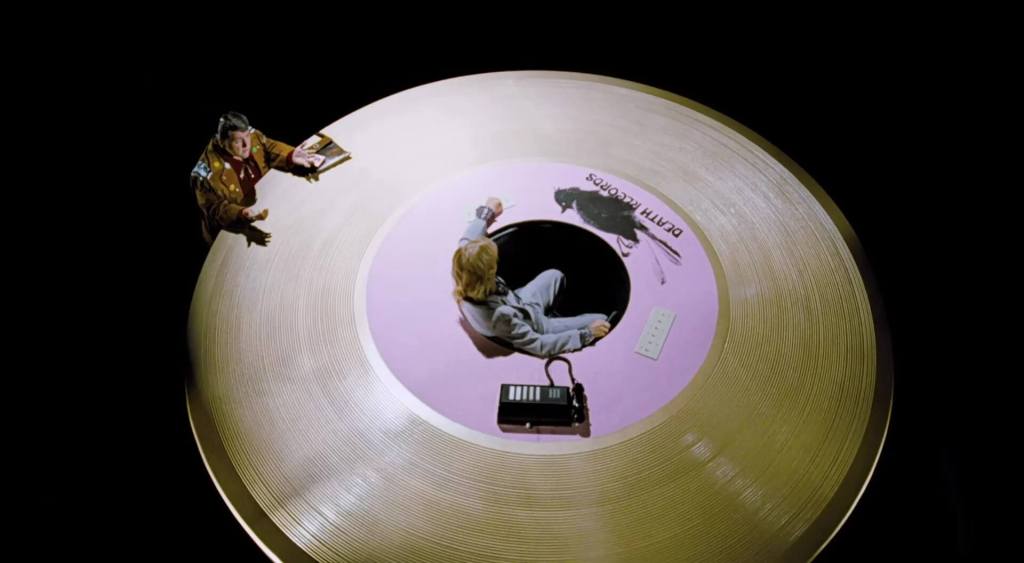
The film follows Winslow Leach (William Finley), an aspiring and talented composer whose rock opera is stolen by the unscrupulous music tycoon Swan (Paul Williams). When Winslow confronts Swan about the theft, he is framed for drug dealing and sent to prison. Swan, however, has plans for Winslow’s music, incorporating it into his grand opening for the Paradise, a highly anticipated and state-of-the-art concert venue.


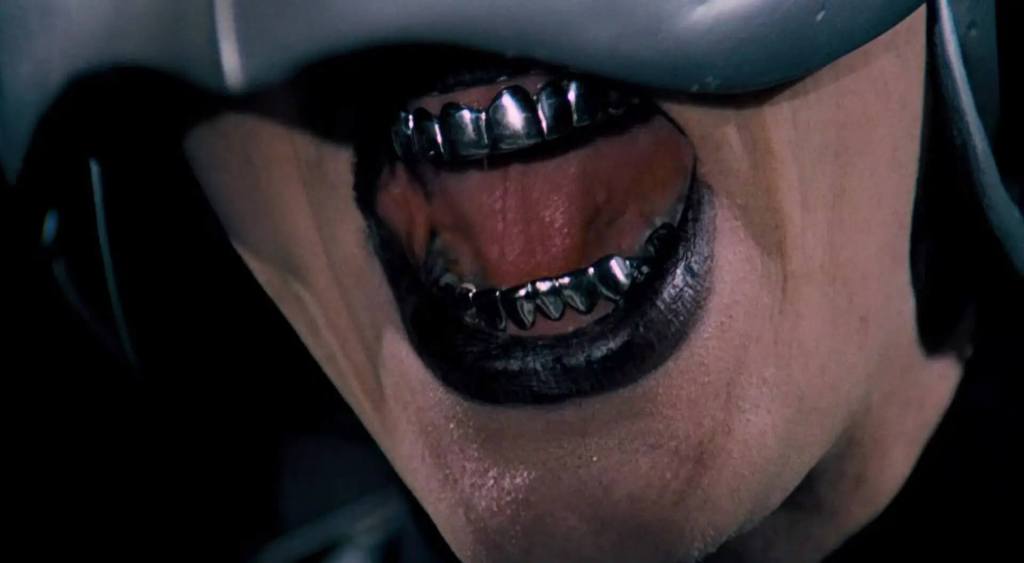

While in prison, Winslow is subjected to a series of experiments that leave him disfigured but also give him supernatural abilities. Escaping from captivity, he dons a grotesque mask and cape, becoming The Phantom. Seeking revenge against Swan, The Phantom infiltrates the Paradise and sabotages the opening night.
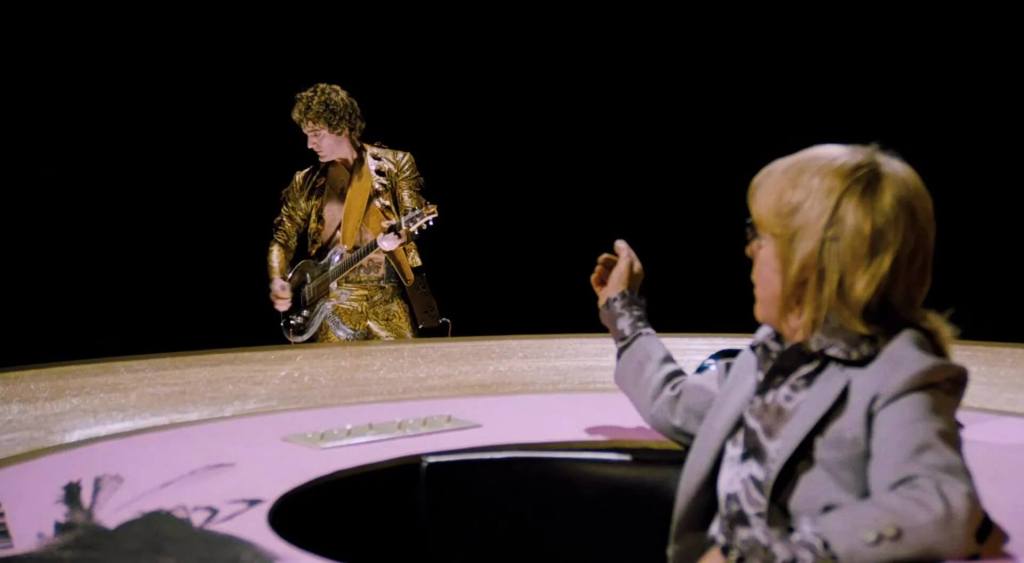
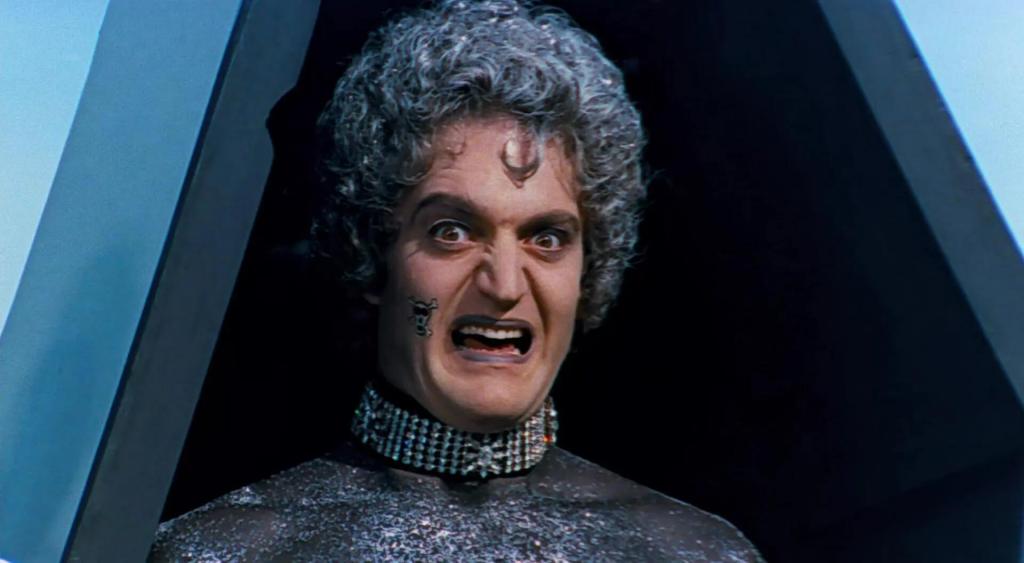


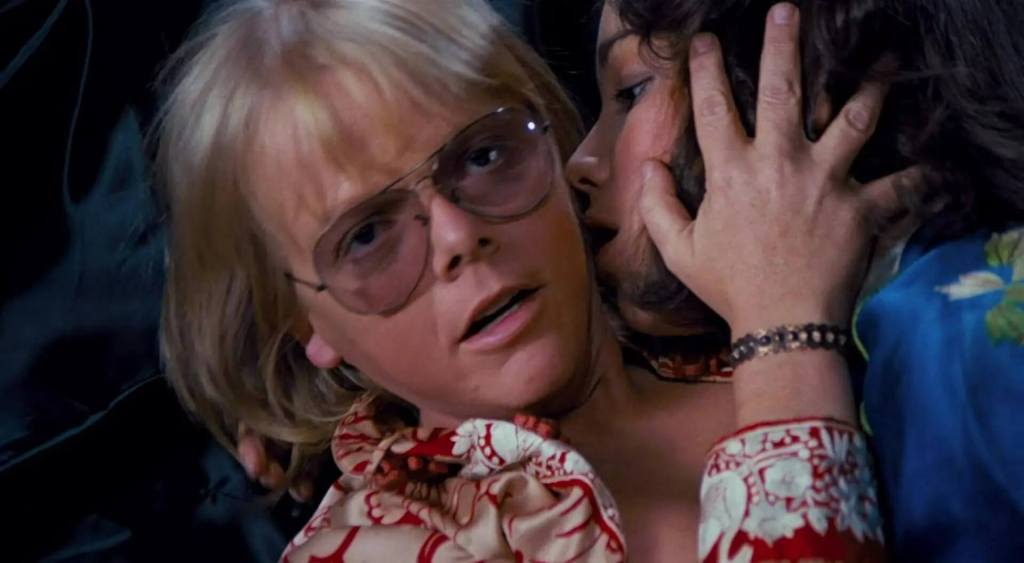

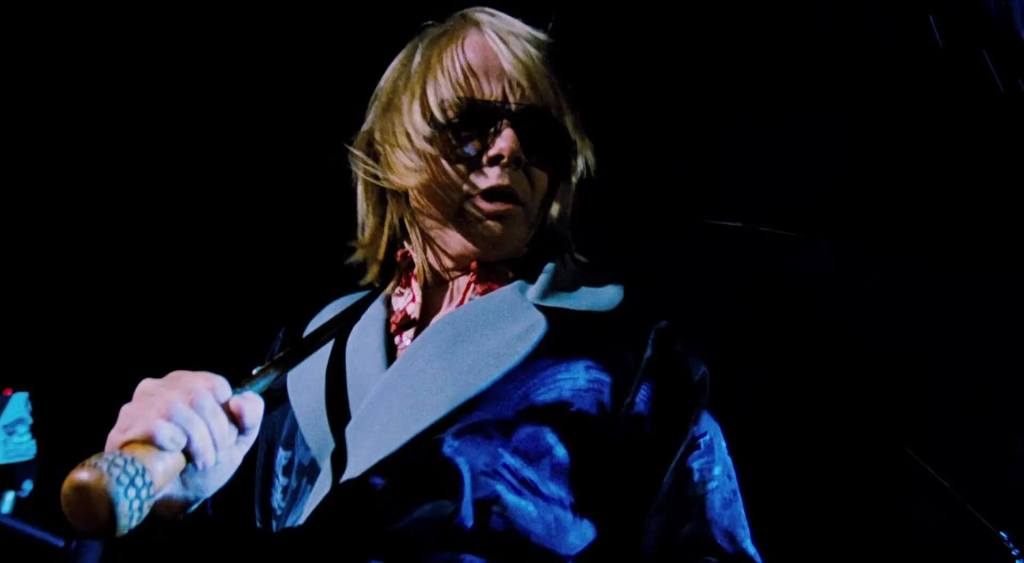
As the story unfolds, Winslow becomes entangled with Phoenix (Jessica Harper), an aspiring singer caught in the machinations of Swan’s manipulative schemes. Swan, a diabolical and charismatic figure, plays a dual role as the villain and the puppet master behind the scenes. The film cleverly explores themes of artistic integrity, the cost of fame, and the corrupting influence of the entertainment industry.

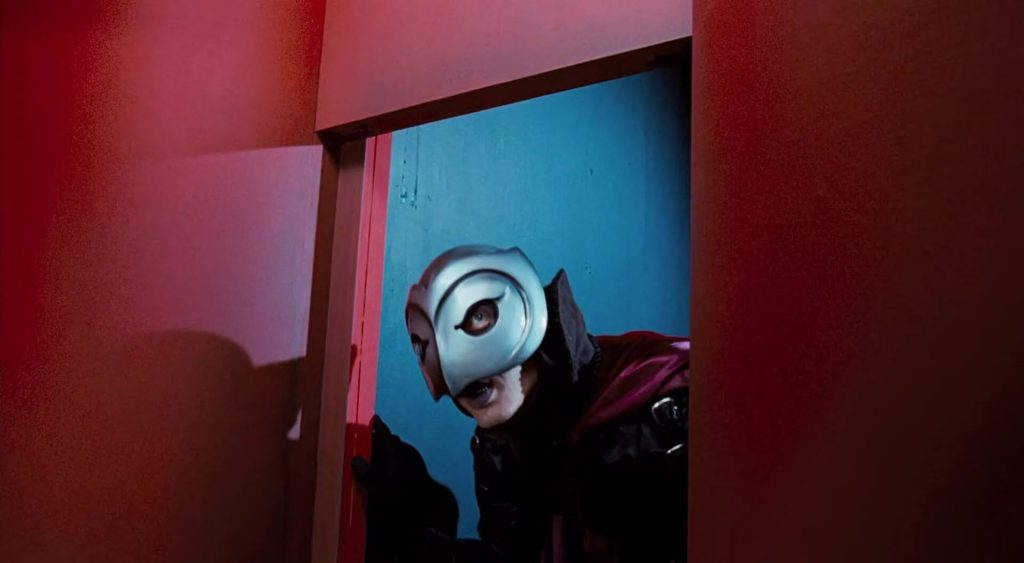
The narrative incorporates a mix of horror, rock opera, and dark comedy, complemented by Paul Williams’ memorable musical score. Williams, who also portrays Swan, contributed to the film’s soundtrack, adding a layer of authenticity to the musical elements. This one is dedicated to my dear friend NWH.

 The Other Cinema