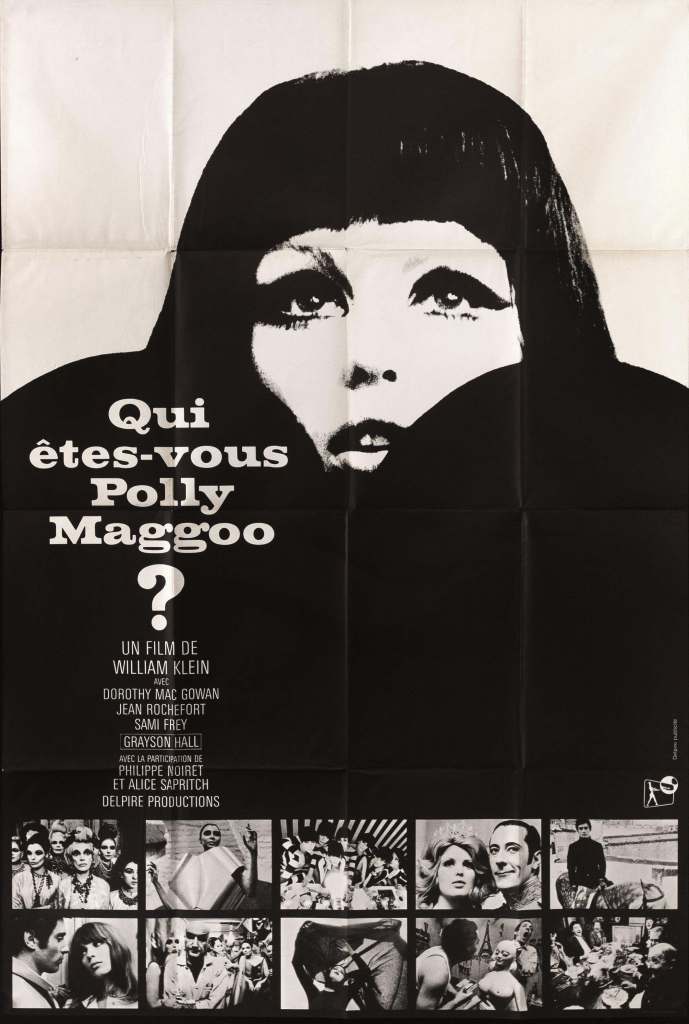


“Who Are You, Polly Maggoo?” is a 1966 satirical French film directed by William Klein that offers a critical and comedic exploration of the fashion industry and the nature of beauty. The film takes a mockumentary approach, blending surrealism, satire, and social commentary elements.
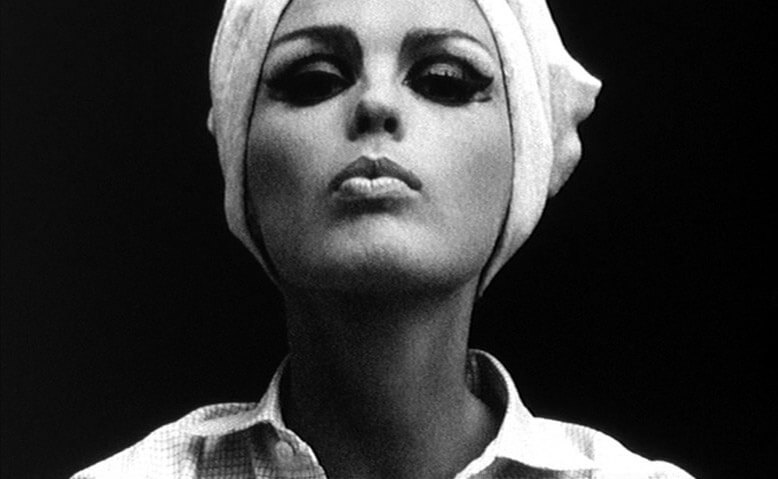
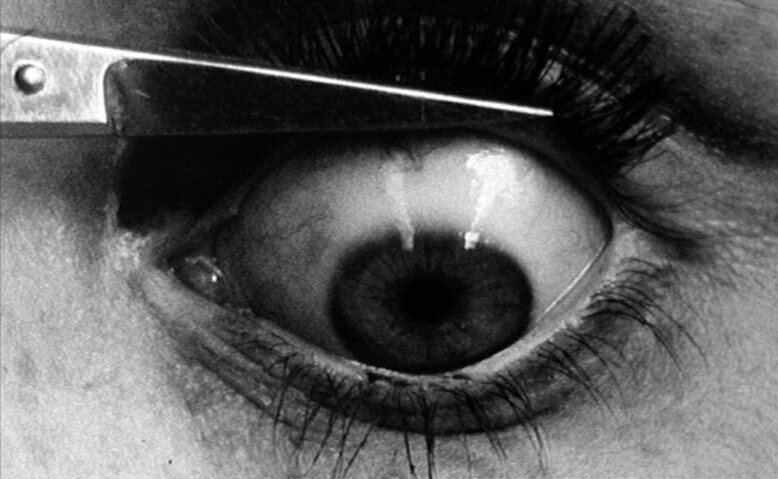
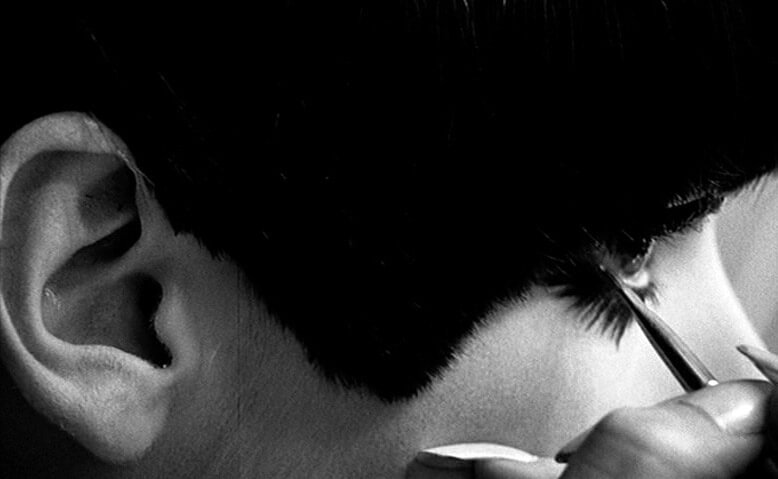
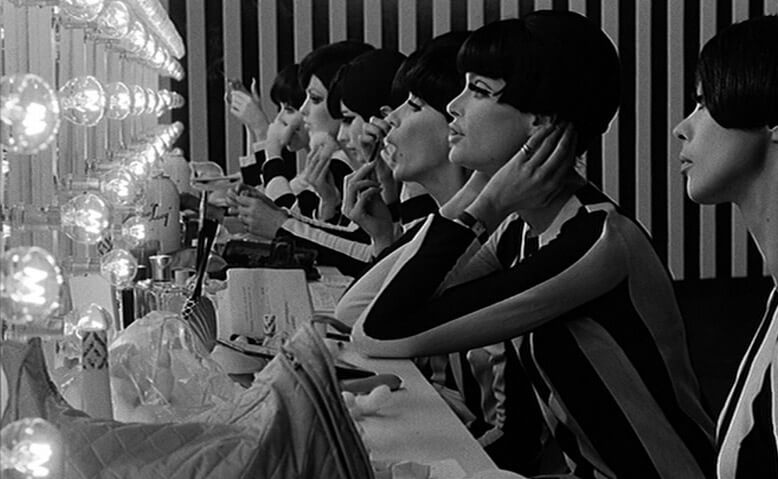
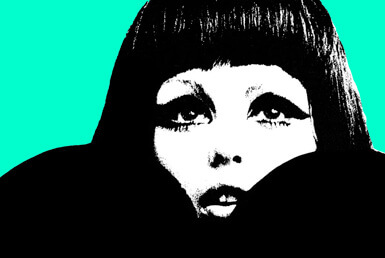
The story revolves around Polly Maggoo (Dorothy McGowan), a young American fashion model catapulted into Paris’s glamorous and often absurd world of high fashion. As Polly becomes the “It Girl” of the moment, she finds herself at the center of the fashion industry’s superficiality and excess.
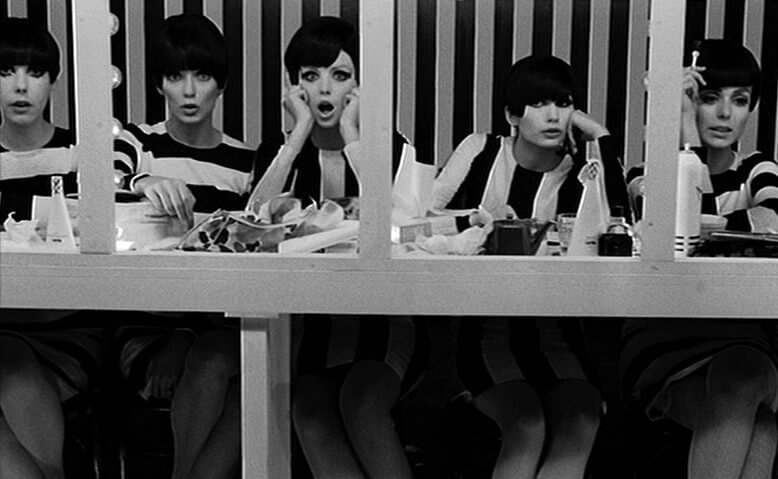
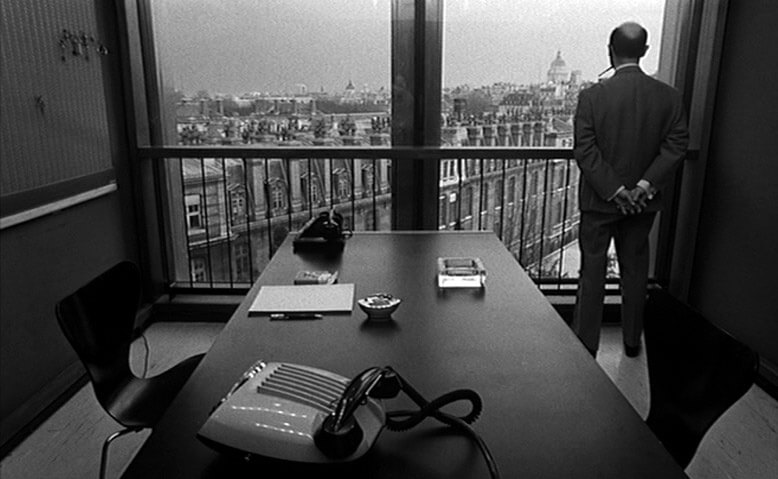
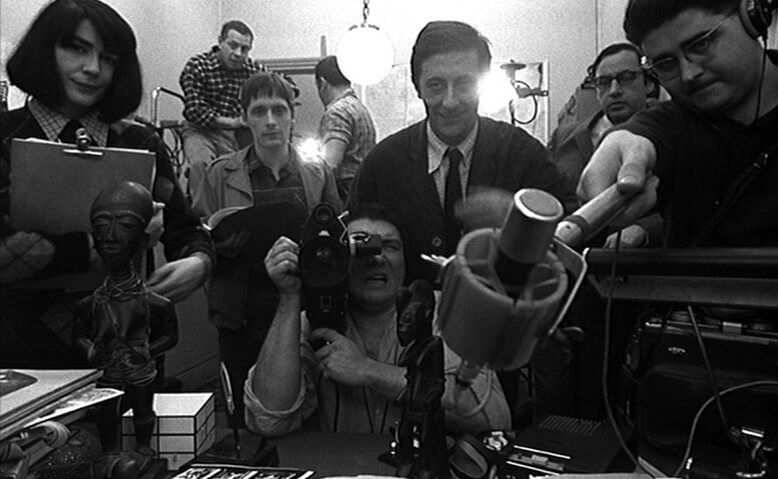
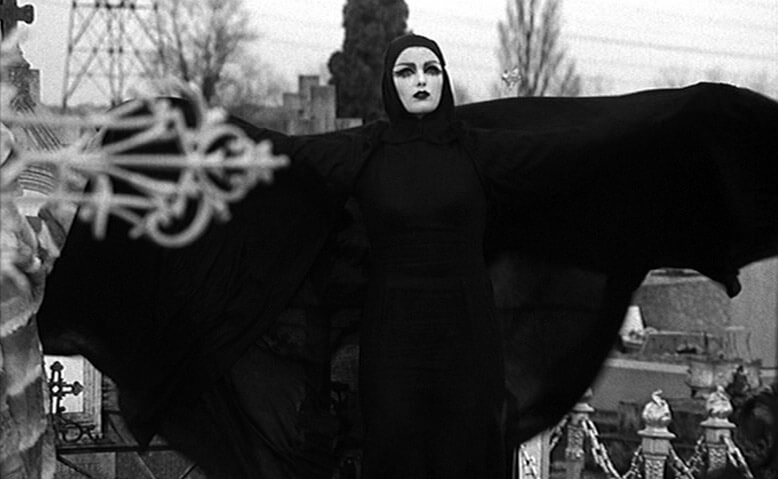
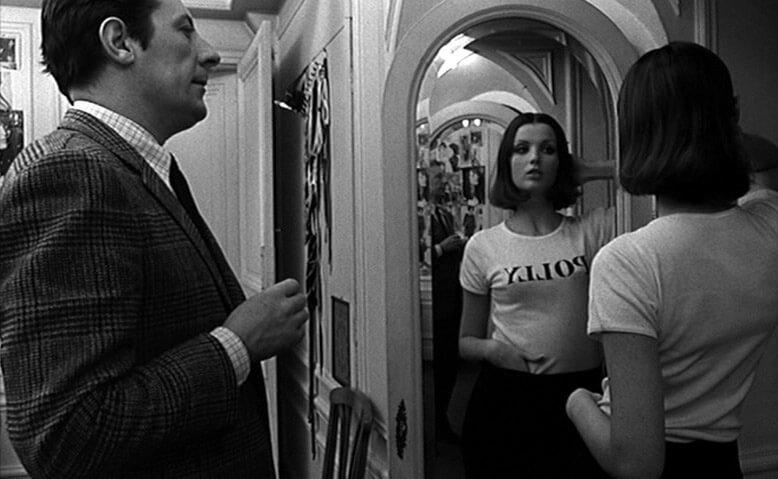
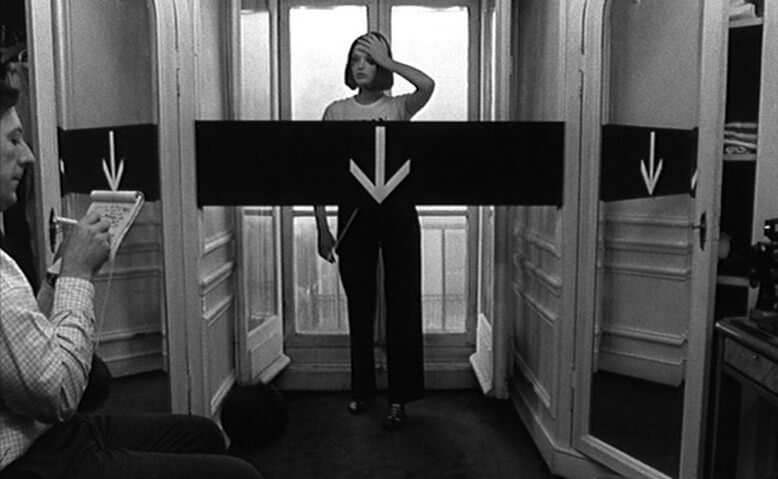
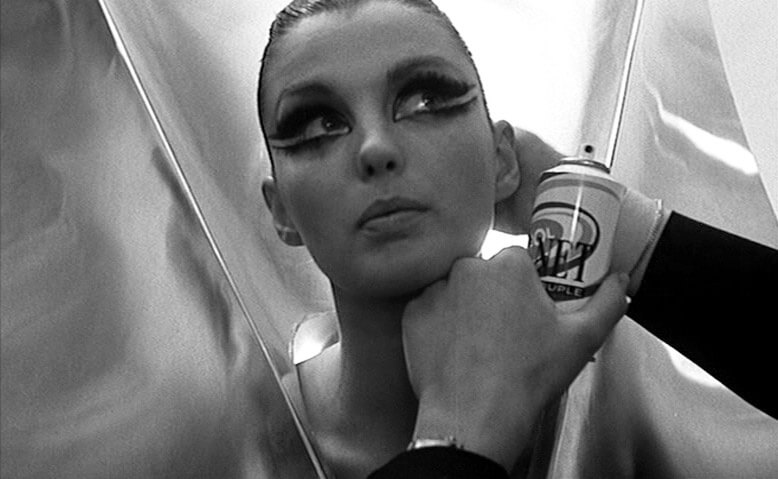
The narrative is framed as a television documentary, with various characters providing interviews and commentary on Polly Maggoo’s rise to fame. The film satirizes the fashion industry’s obsession with image, showcasing absurd fashion shows, photo shoots, and interviews with eccentric personalities.
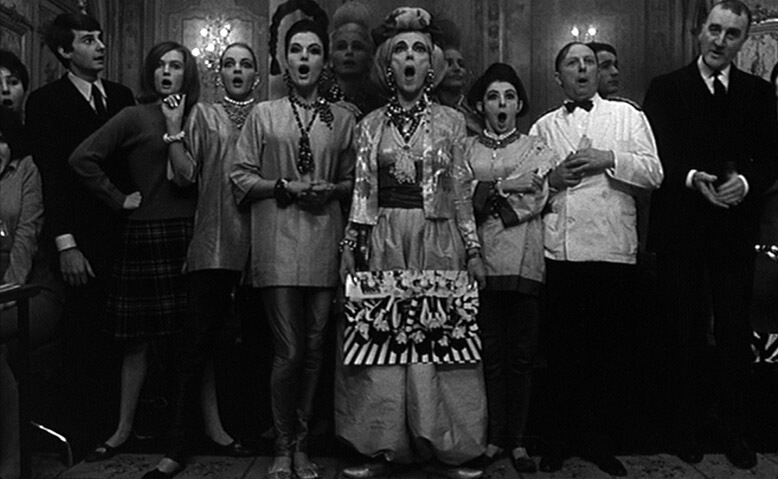
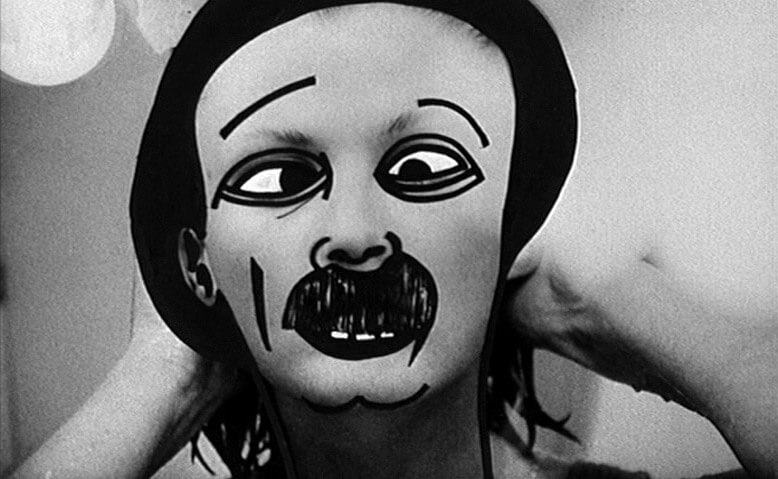
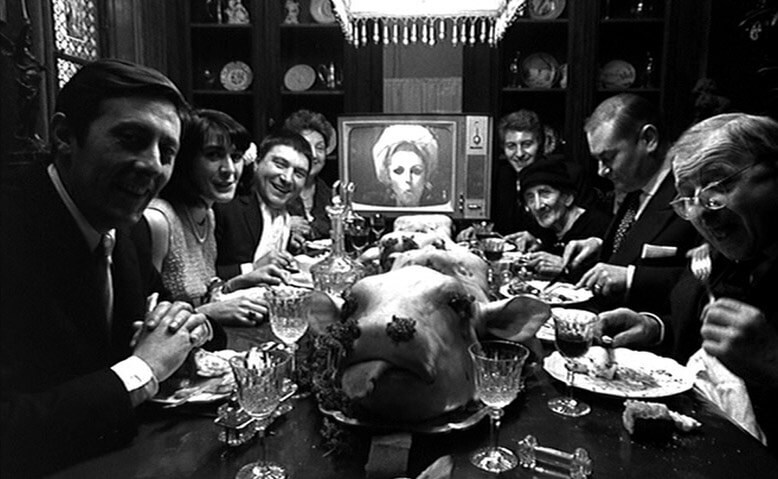
Despite her stunning appearance, Polly Maggoo symbolizes the industry’s shallow focus on external beauty. The film explores her personal journey and commentary from various characters, including Grégoire (Jean Rochefort), a television producer, and Miss Maxwell (Grayson Hall), a fashion magazine editor.
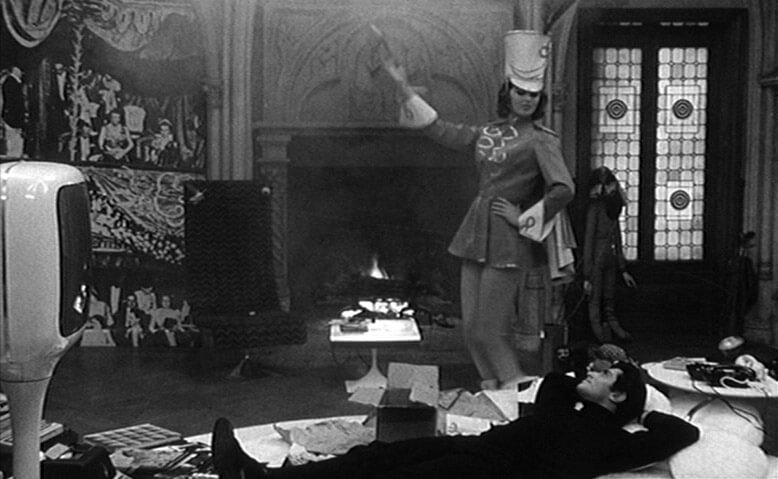
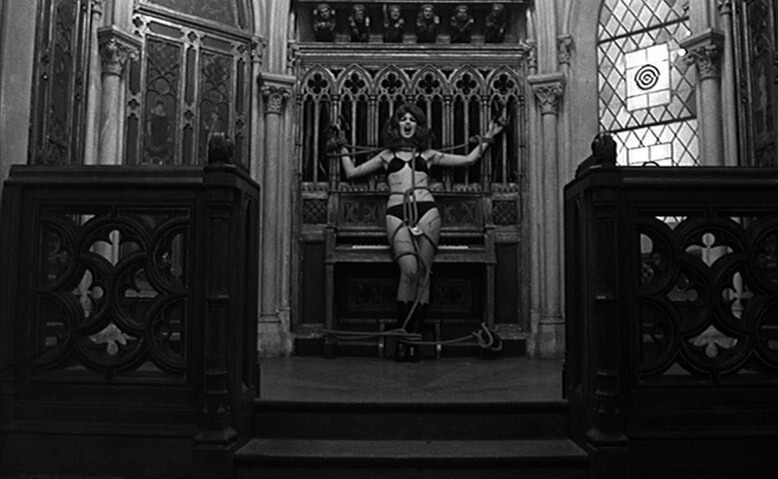

Amidst satire and surrealism, the film delves into deeper themes of identity, self-discovery, and the impact of societal expectations on an individual’s sense of self. Polly Maggoo’s journey reflects the superficiality and absurdity of pursuing beauty and fame.
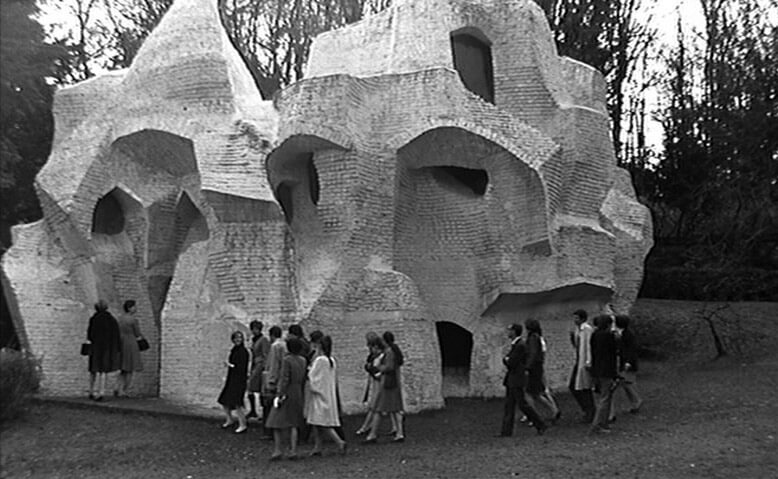
William Klein’s direction infuses the film with a vibrant and visually striking style, capturing the essence of the 1960s fashion scene. Dorothy McGowan’s portrayal of Polly Maggoo adds depth to the character, allowing the audience to sympathize with her struggles in an industry obsessed with image.
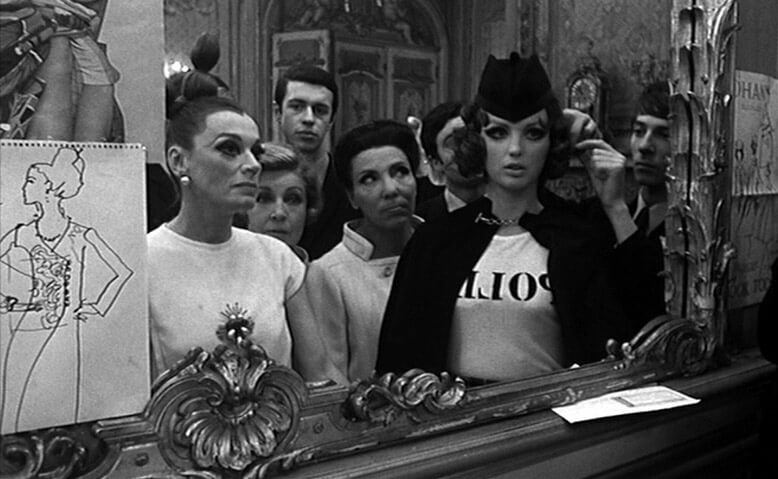
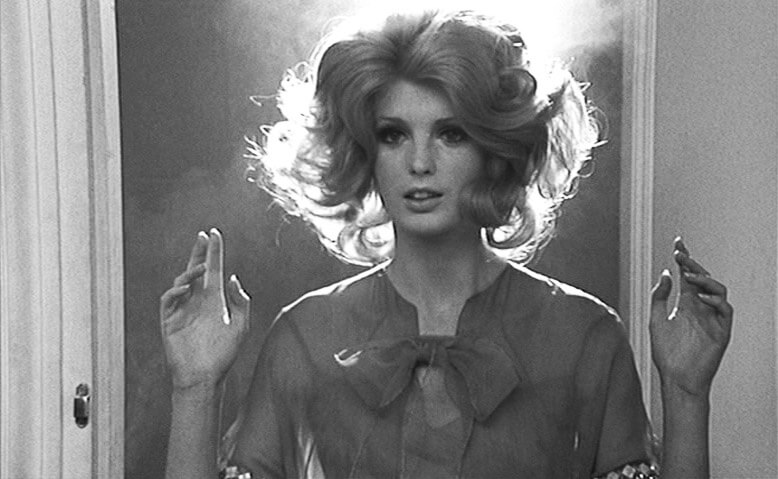
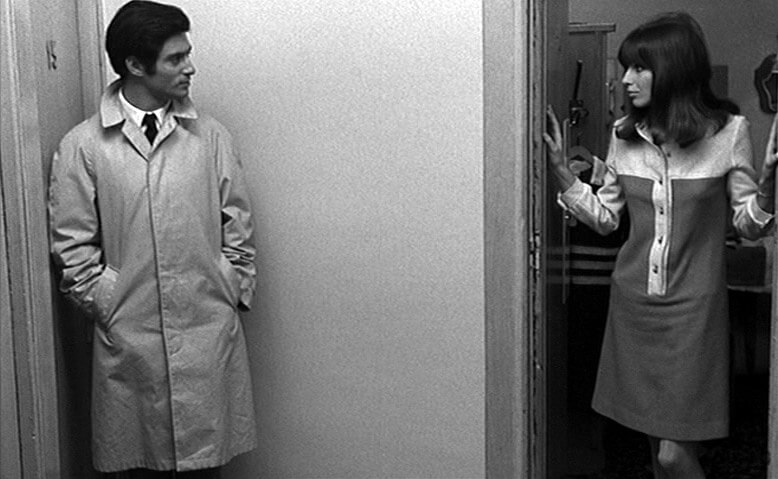
“Who Are You, Polly Maggoo?” is a unique film that challenges societal norms and questions the nature of beauty in a visually driven culture. The film’s blend of satire, surrealism, and social commentary offers a distinctive perspective on the fashion industry and its impact on personal identity.