


“American Psycho,” directed by Mary Harron and released in 2000, is a chilling and satirical adaptation of Bret Easton Ellis’s controversial novel. Set in the late 1980s, the film follows the life of Patrick Bateman, a wealthy and successful investment banker living in Manhattan, portrayed by Christian Bale in a career-defining performance.


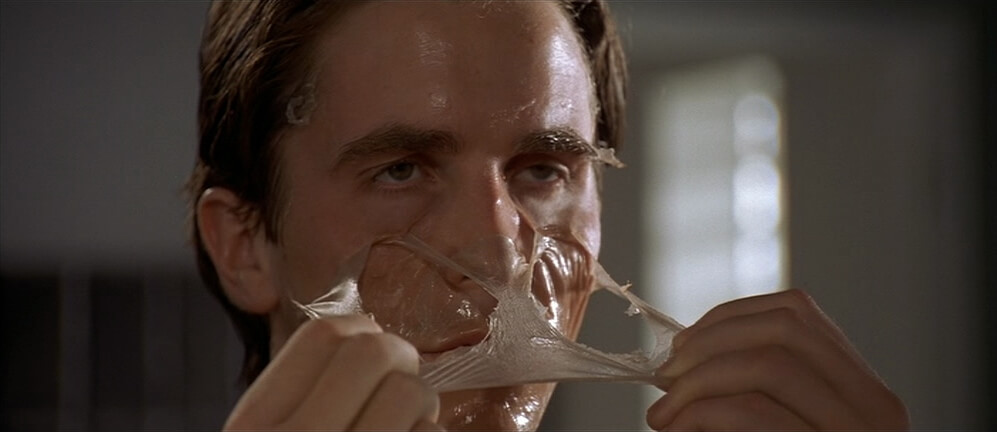


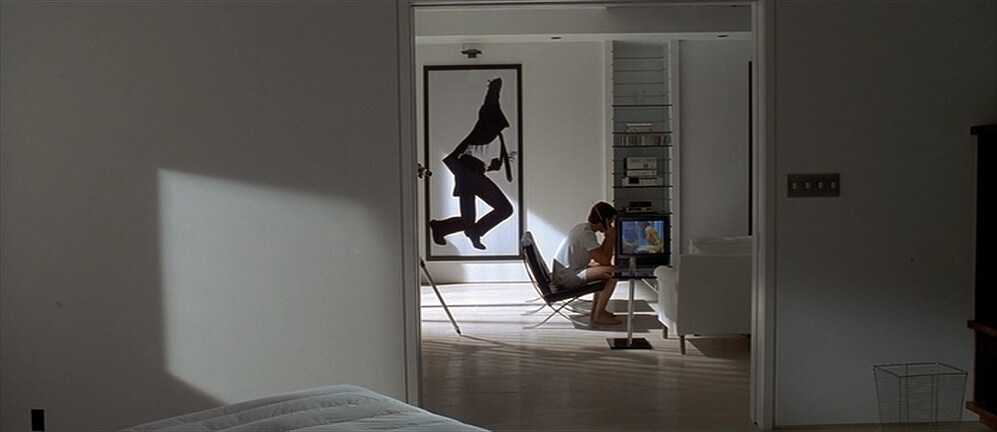
On the surface, Bateman appears to be a handsome, charming, and impeccably groomed young man, admired by his peers and envied by his rivals. However, beneath his polished exterior lies a dark and twisted psyche, consumed by narcissism, materialism, and sadistic impulses.
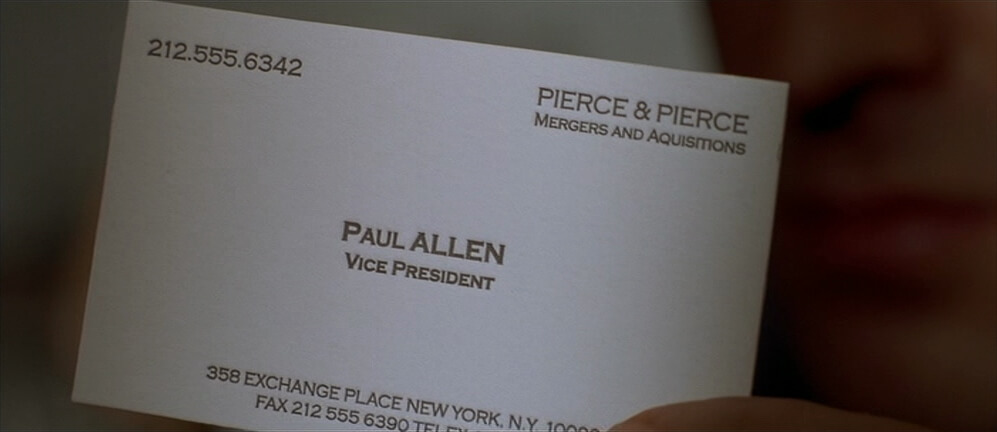
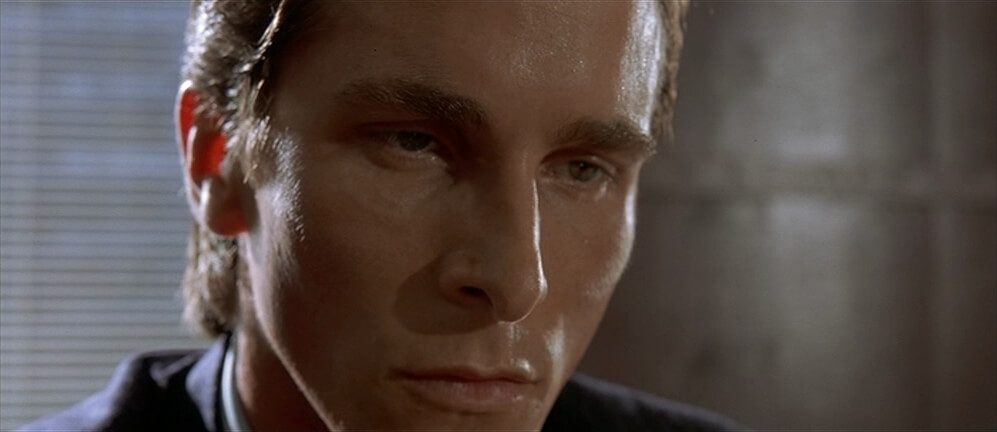
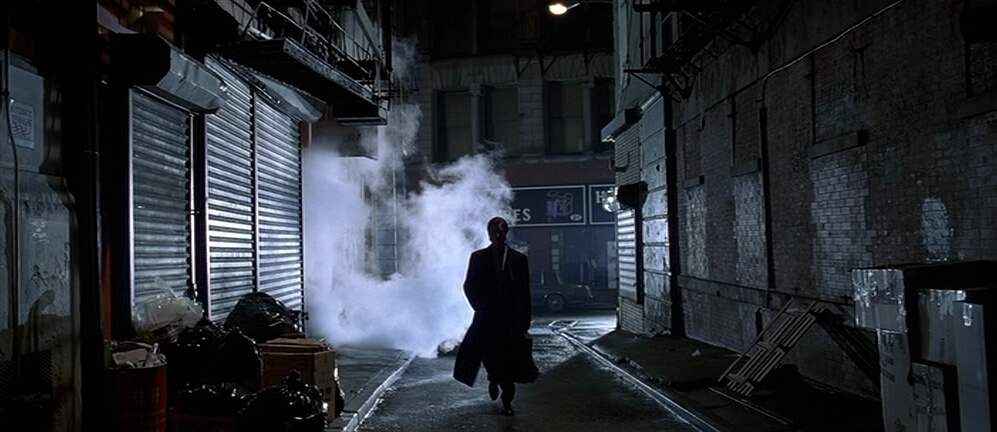
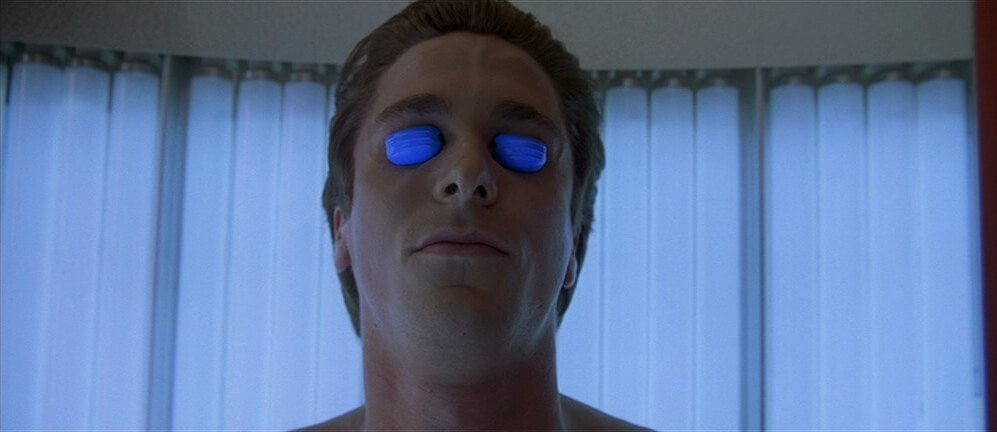


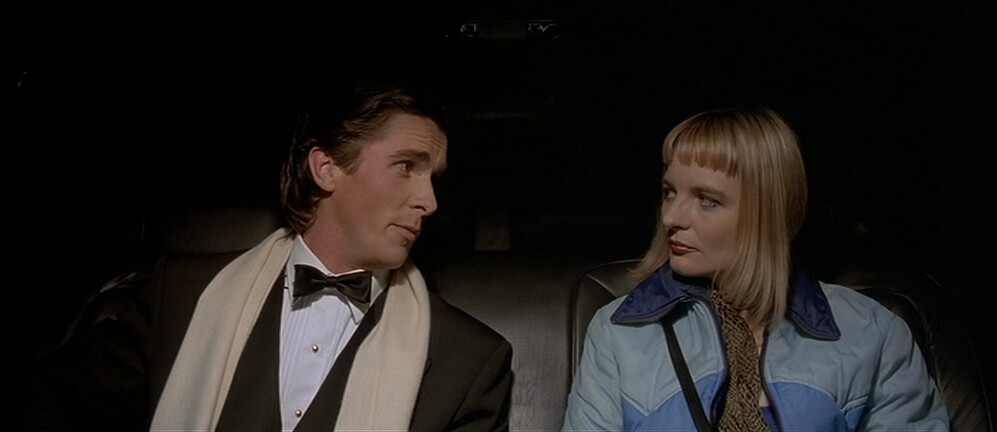
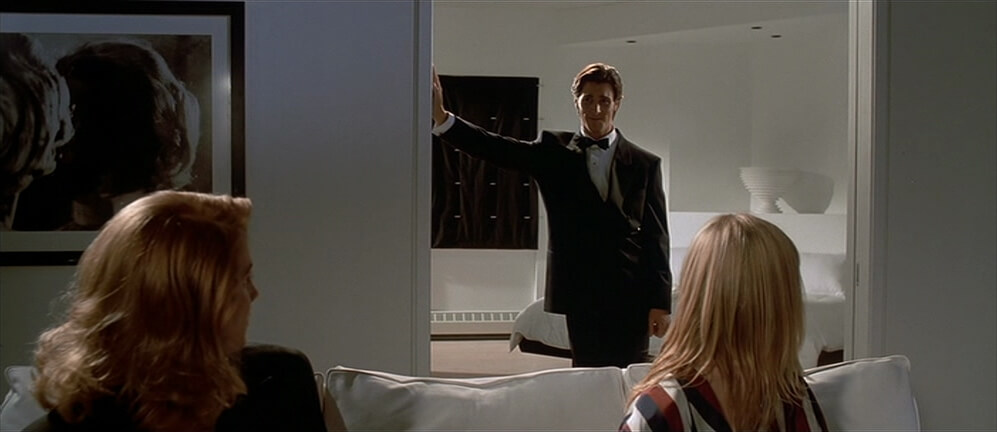
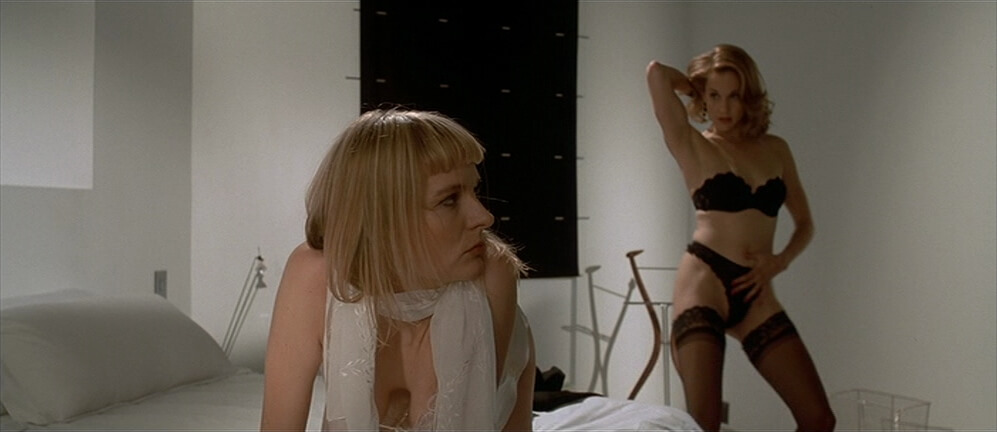
As Bateman navigates through the cutthroat world of Wall Street, he becomes increasingly unhinged, descending into a spiral of violence and madness. His carefully curated facade begins to crumble as he indulges in increasingly depraved acts, including murder, torture, and sexual deviance.


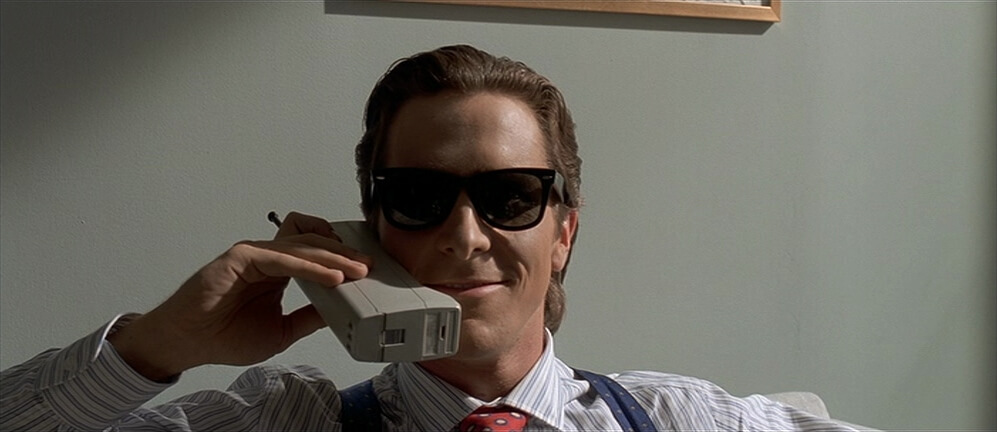
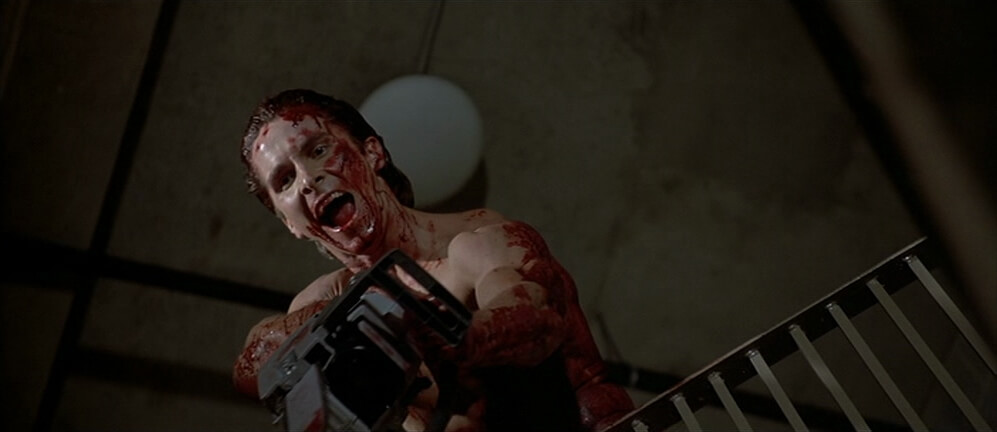


Despite his heinous crimes, Bateman remains a master of deception, manipulating those around him and evading suspicion at every turn. His inner turmoil is reflected in his obsessive rituals, meticulous grooming habits, and obsession with status symbols as he strives to maintain the illusion of perfection in a world driven by greed and excess.
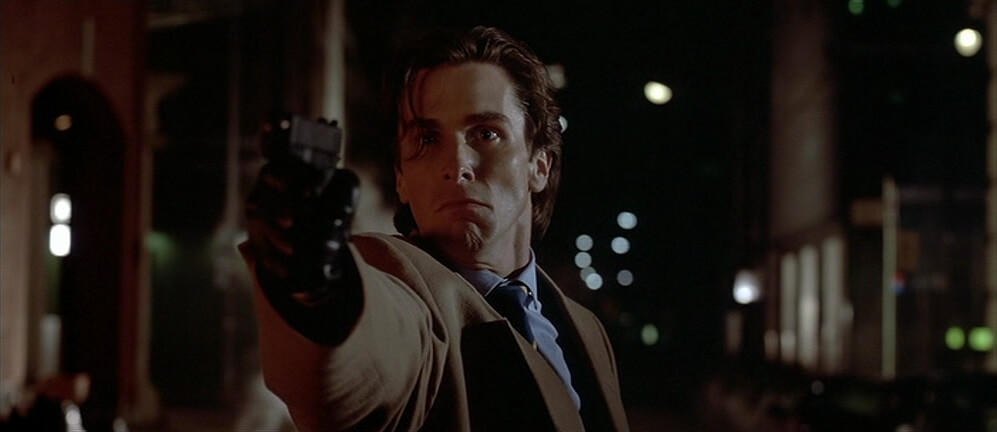
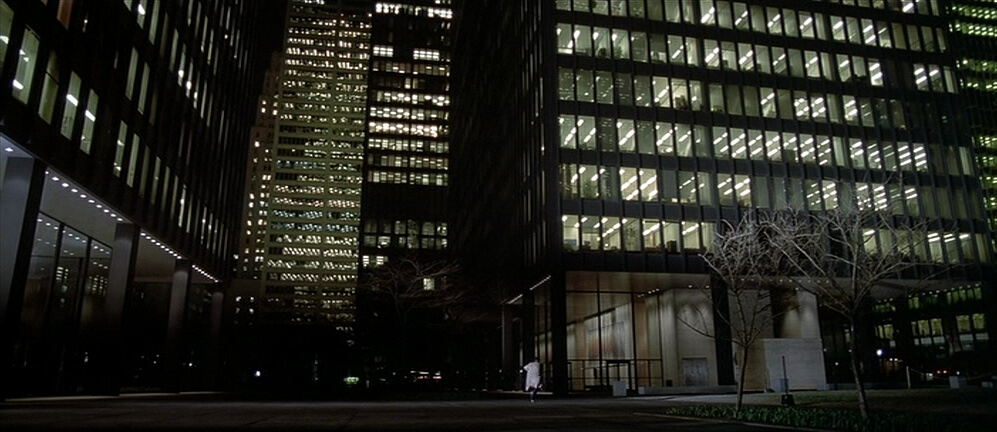
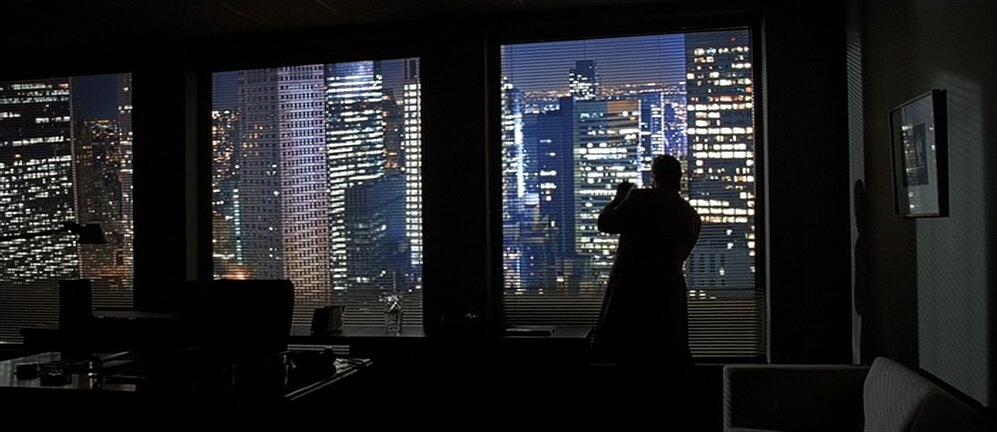
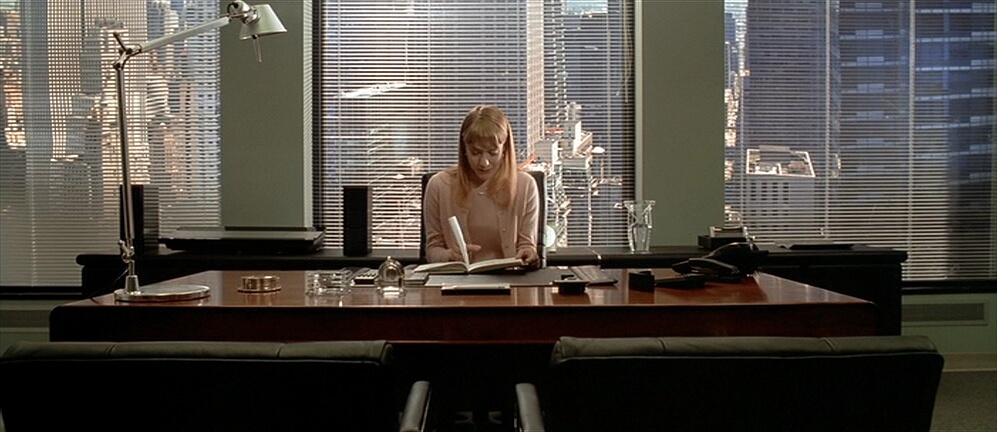
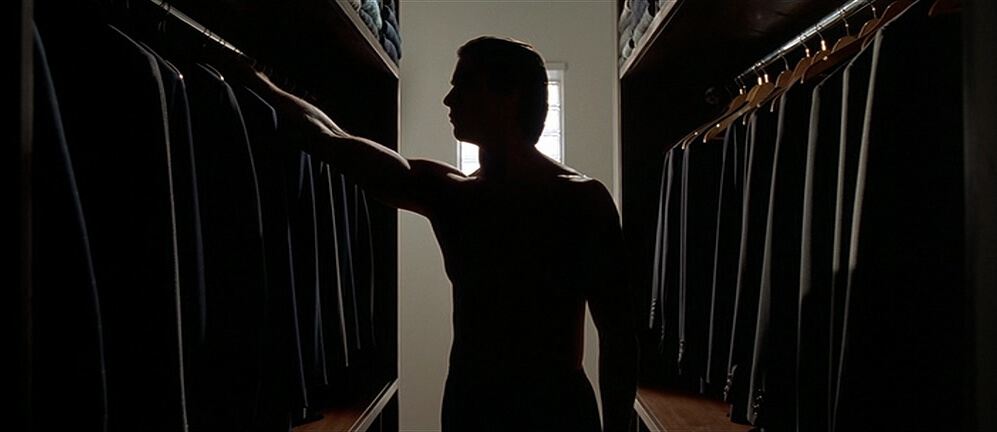

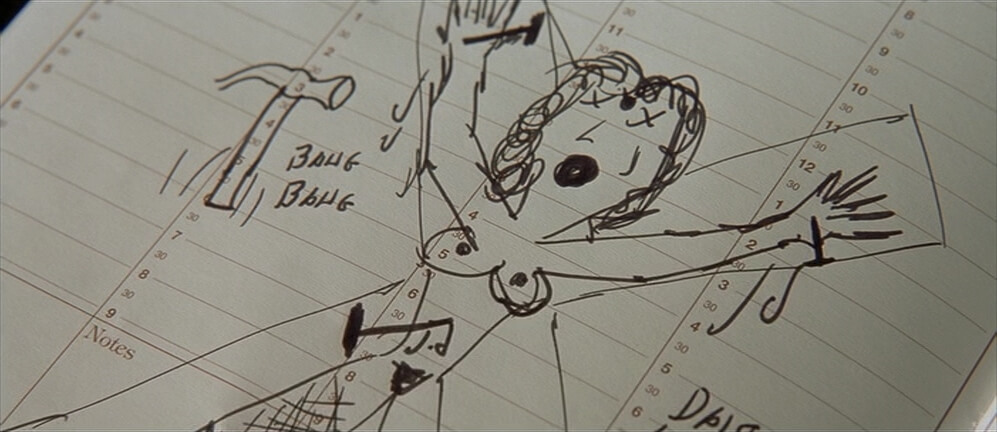
As Bateman’s grip on reality slips further away, he becomes ensnared in a web of paranoia and delusion, haunted by visions of his own monstrous nature. His descent into madness reaches a crescendo as he grapples with the existential horror of his own existence, questioning whether he is truly capable of redemption or destined to be consumed by his own demons.

“American Psycho” offers a darkly humorous and incisive critique of the empty materialism and moral bankruptcy of 1980s yuppie culture.
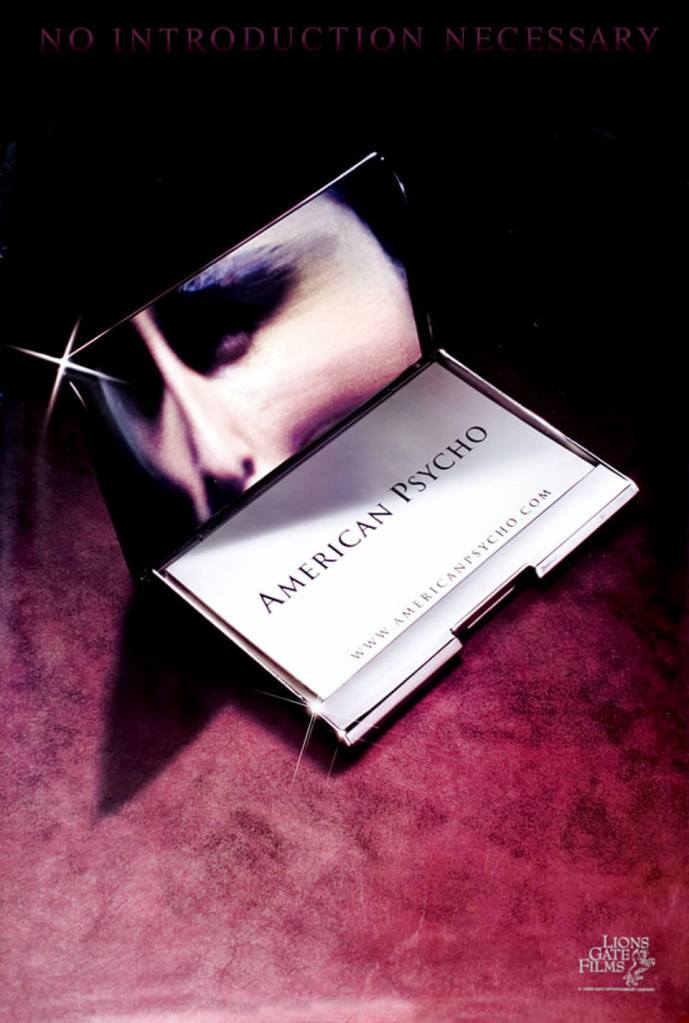
 The Other Cinema