
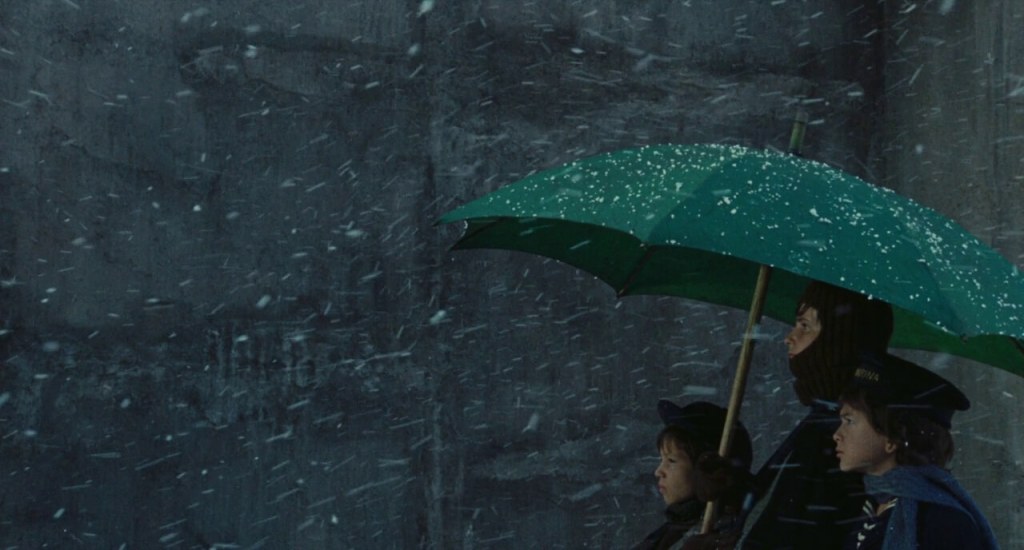
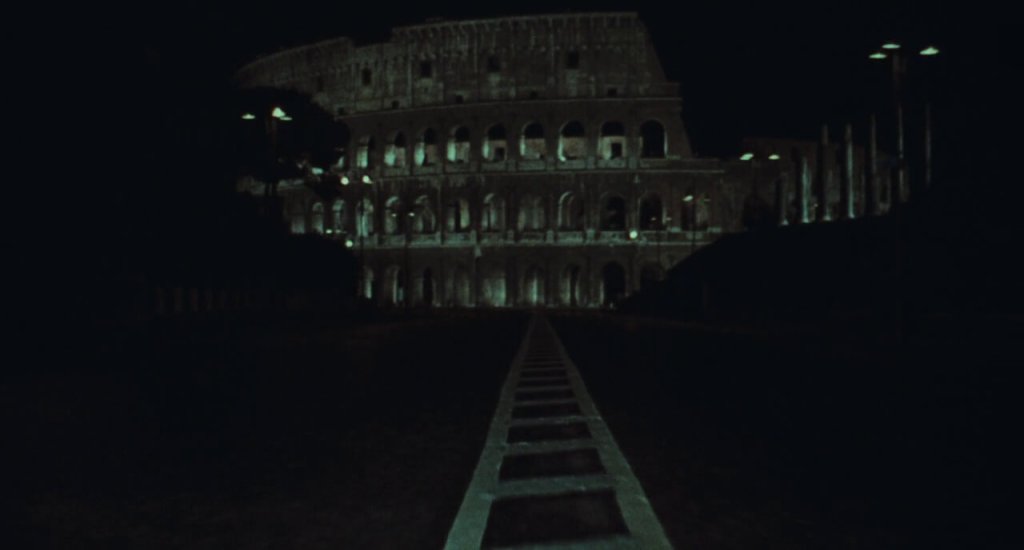
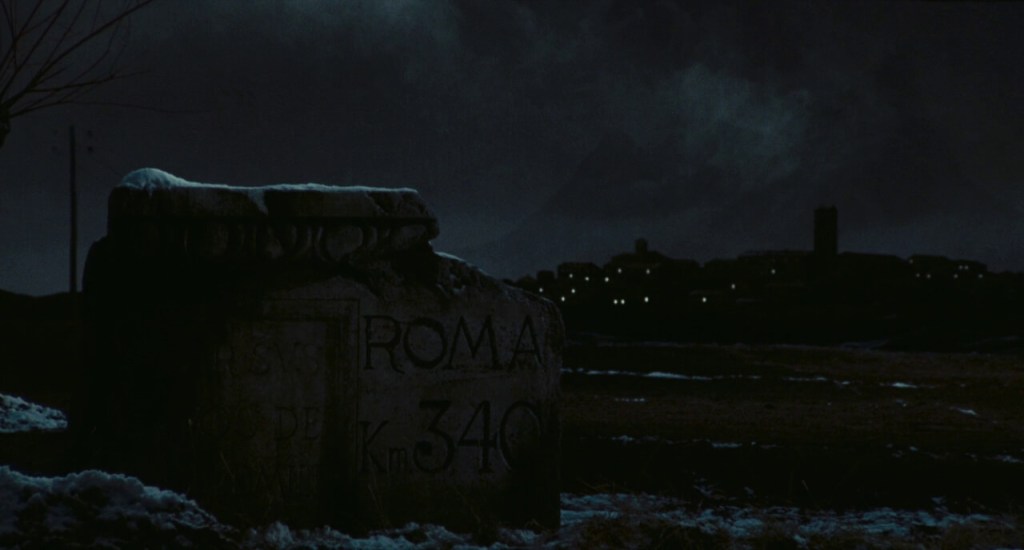

“Roma,” released in 1972, is a poignant and visually stunning film directed by the acclaimed Italian filmmaker Federico Fellini. The story revolves around two trips made to Rome by a director. The first trip was taken when he was a young man in the late 1930s and early 1940s. The second trip was made when he was directing a film crew creating a movie about Rome. The film switches back and forth between these two stories.

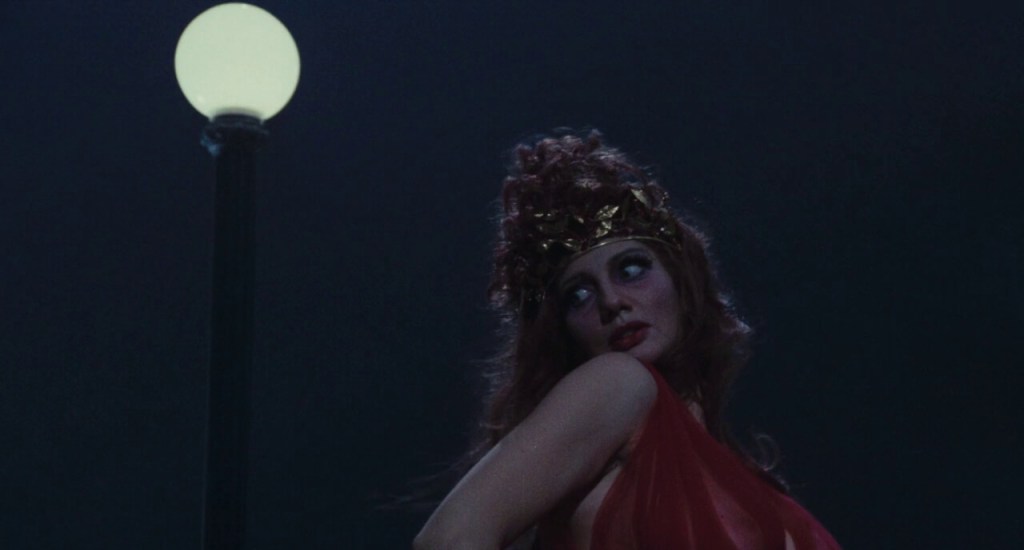

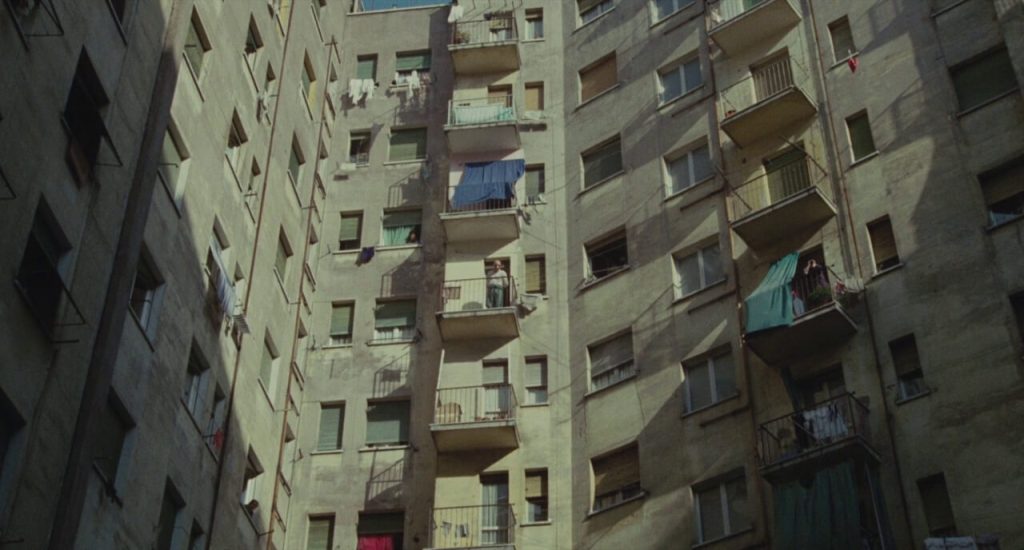
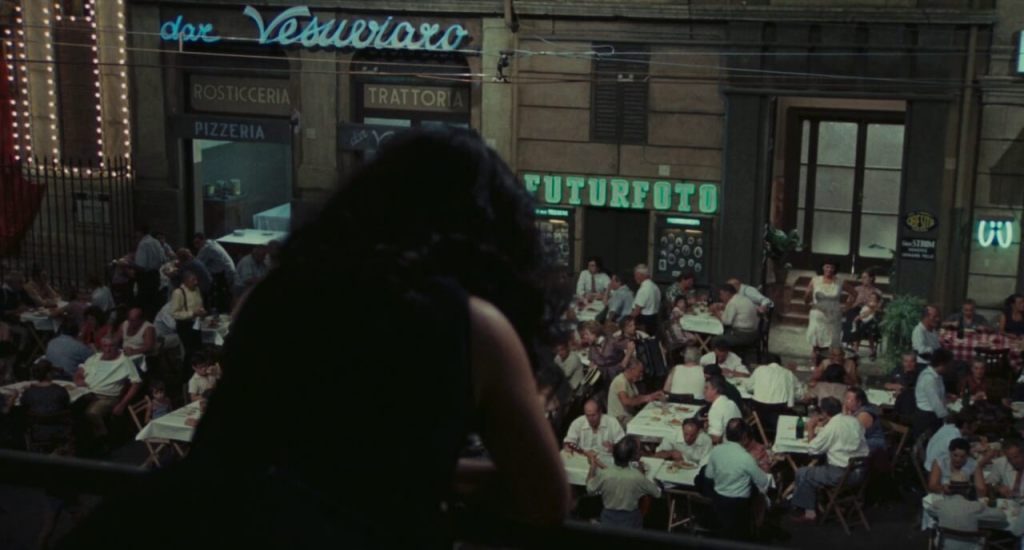

The narrative unfolds through the eyes of Fellini (played by Peter Gonzales Falcon), who serves as the guide through the bustling streets and vibrant neighborhoods of Rome. Against political upheaval and social change, Fellini encounters diverse characters shaping his understanding of the world around him.
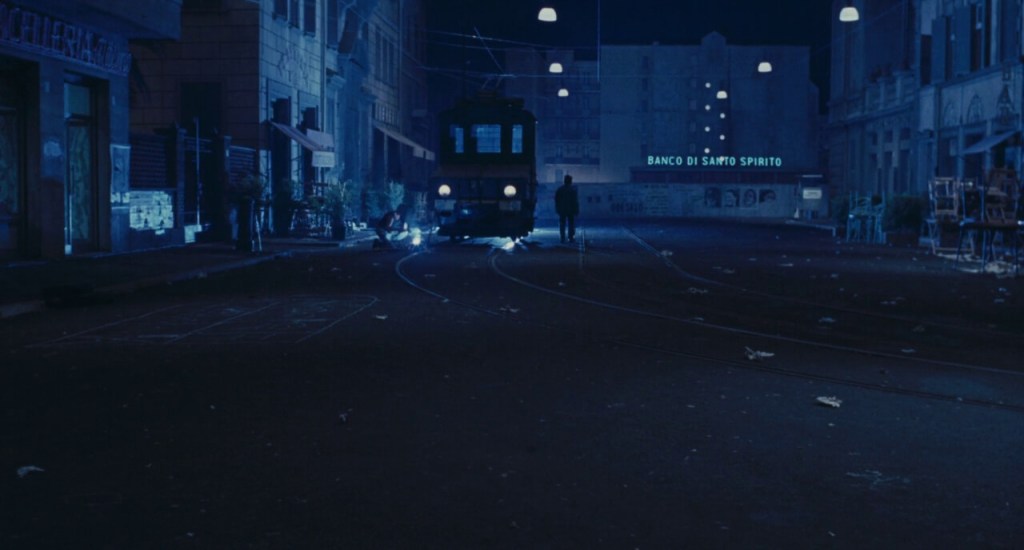
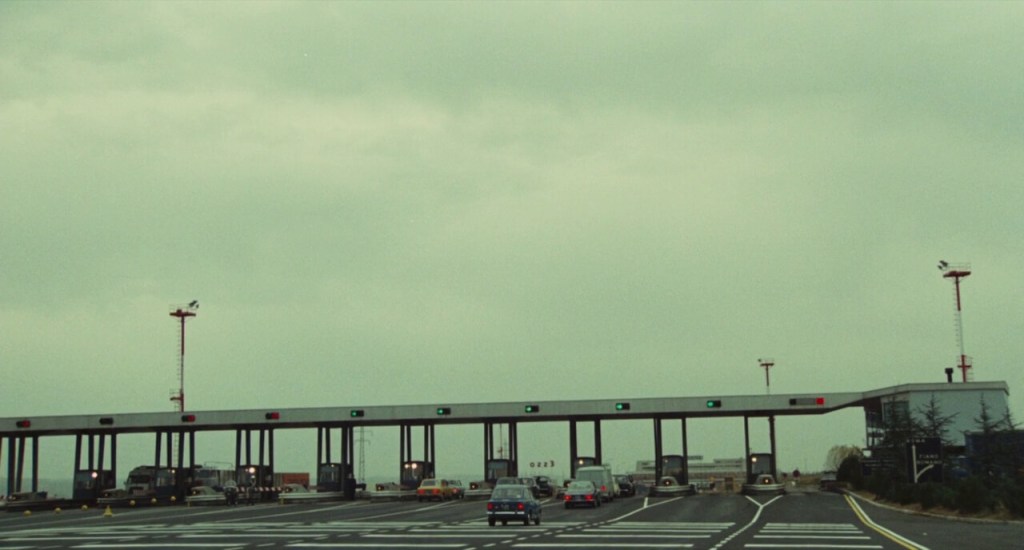


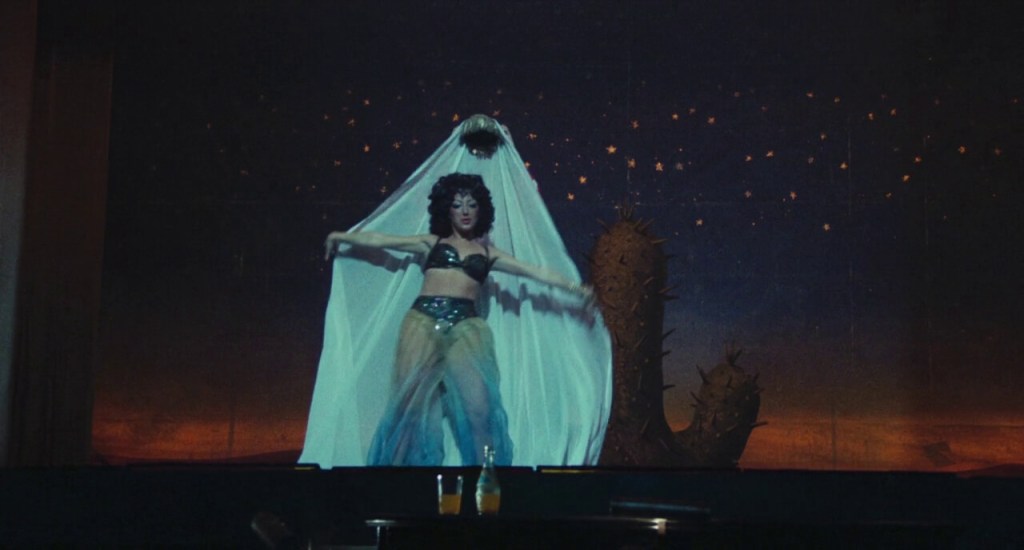
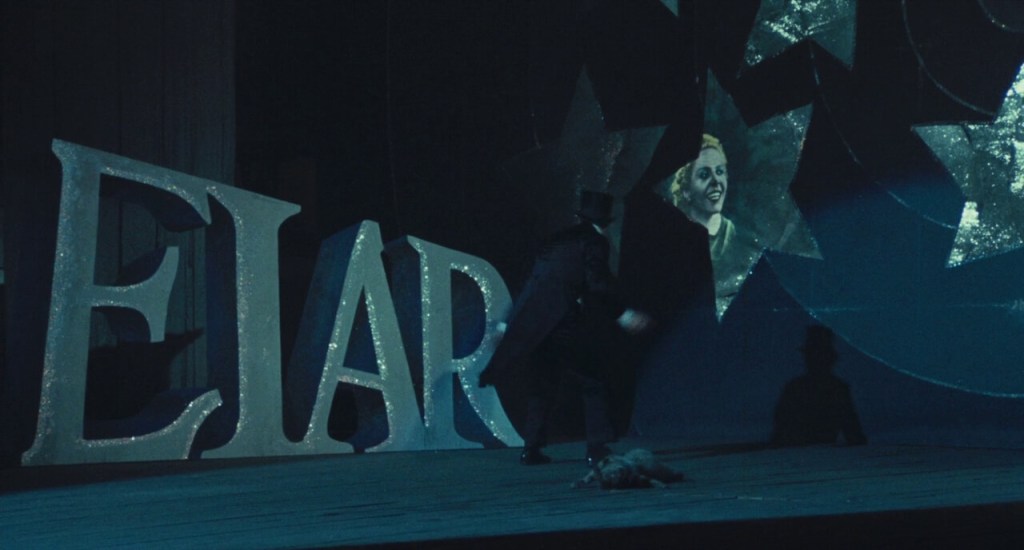
A young Fellini moves into a vibrant guesthouse, home to a group of unusual individuals, including a man who resembles Benito Mussolini. The guesthouse is run by a sick and overweight woman. During his stay, Fellini visits two brothels. The first is old and overcrowded, while the second is more upscale and luxurious. He falls in love with a prostitute working at the latter establishment. The film also showcases other attractions in Rome, including a cheap vaudeville theatre, the city’s streets and tunnels, and an ancient catacomb with frescoes ruined by fresh air shortly after being discovered by excavators.

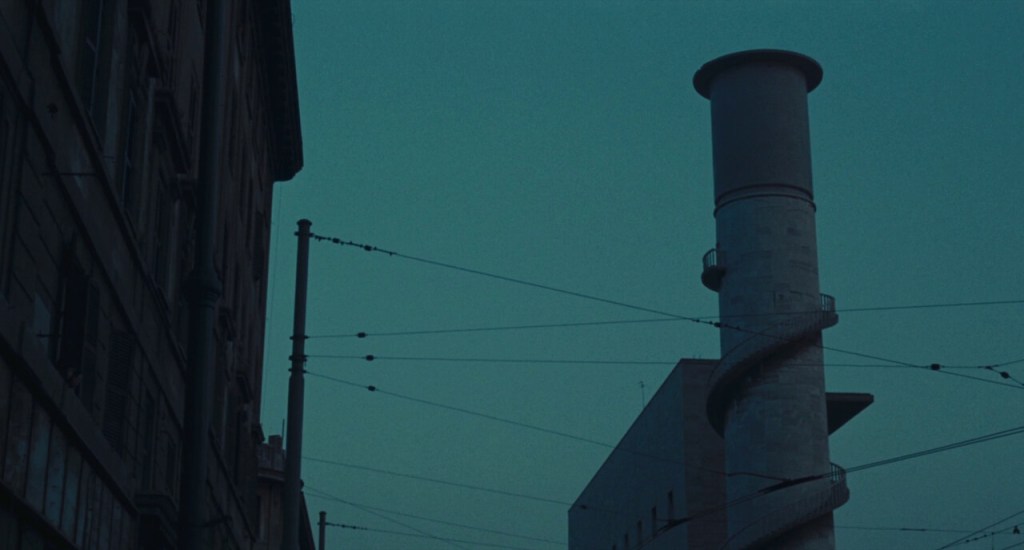
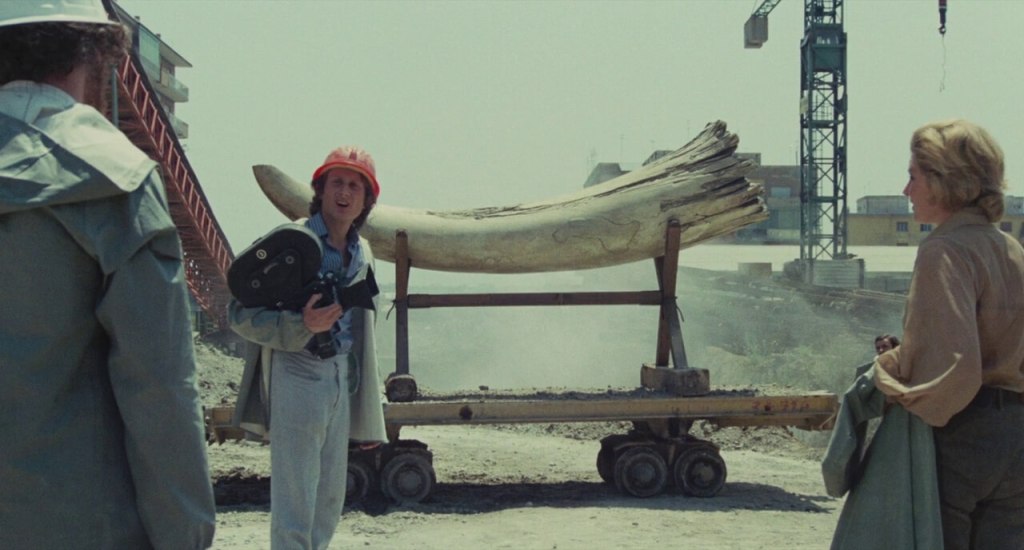

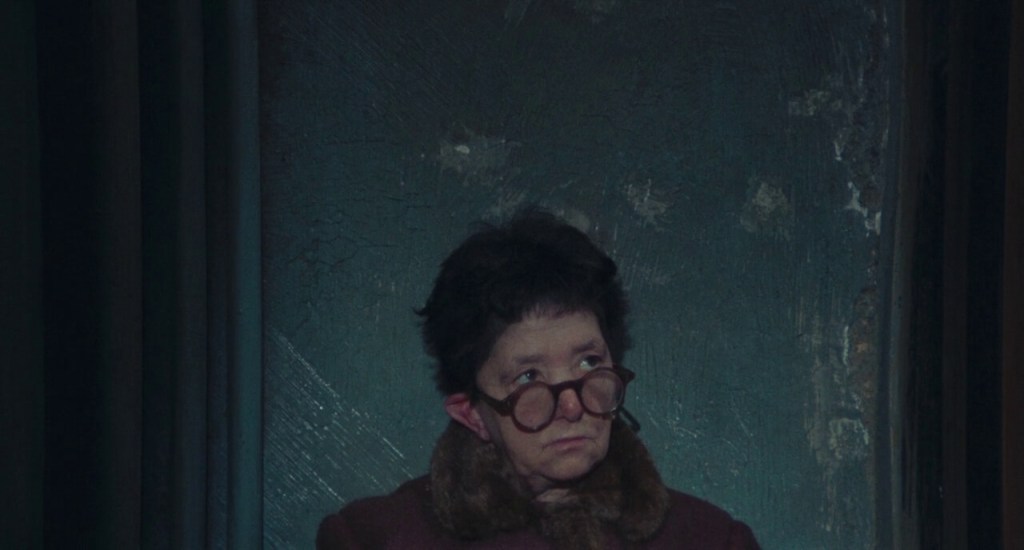
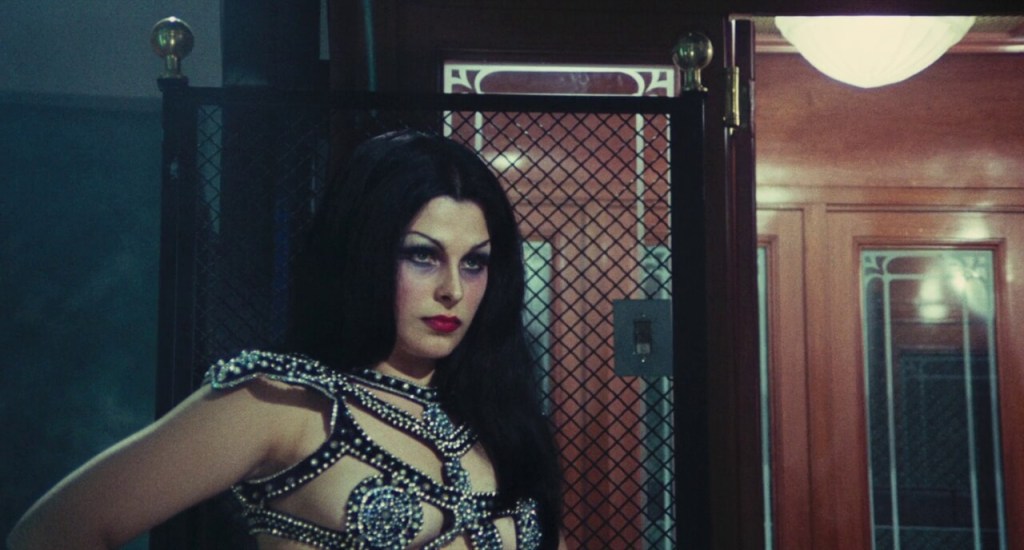
As Fellini grows older, he becomes increasingly aware of the complexities of adulthood and the world’s harsh realities. He witnesses firsthand the rise of fascism and the impact of World War II on the streets of Rome.
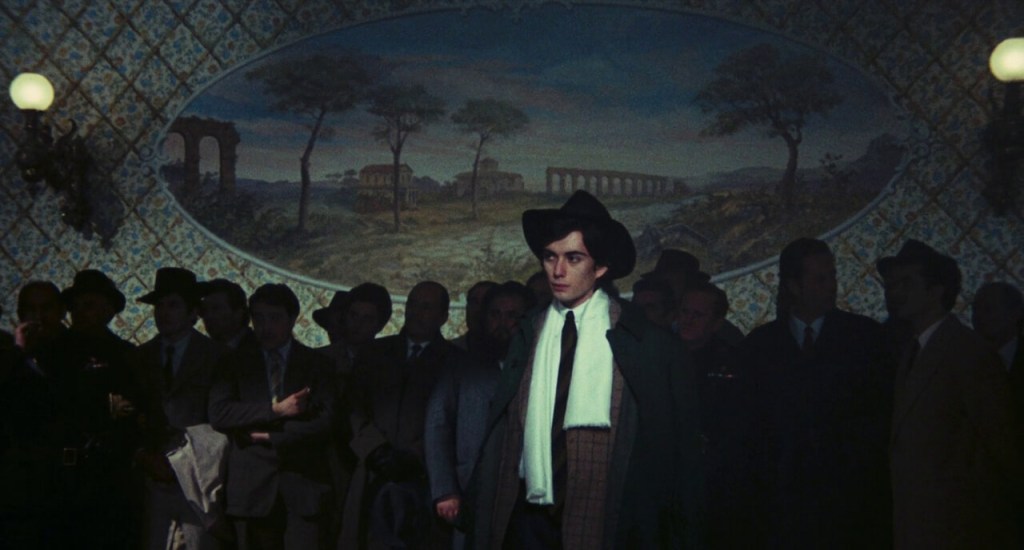
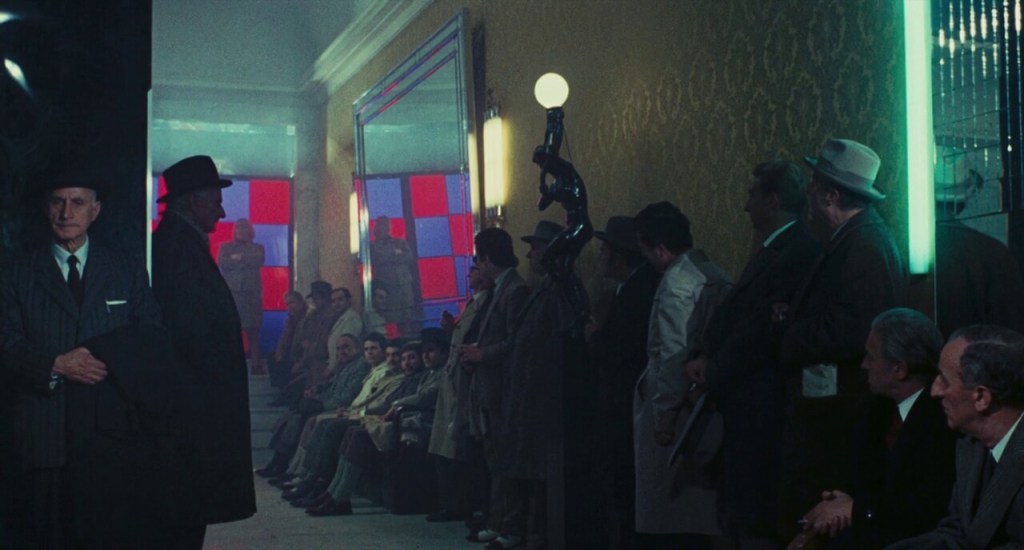
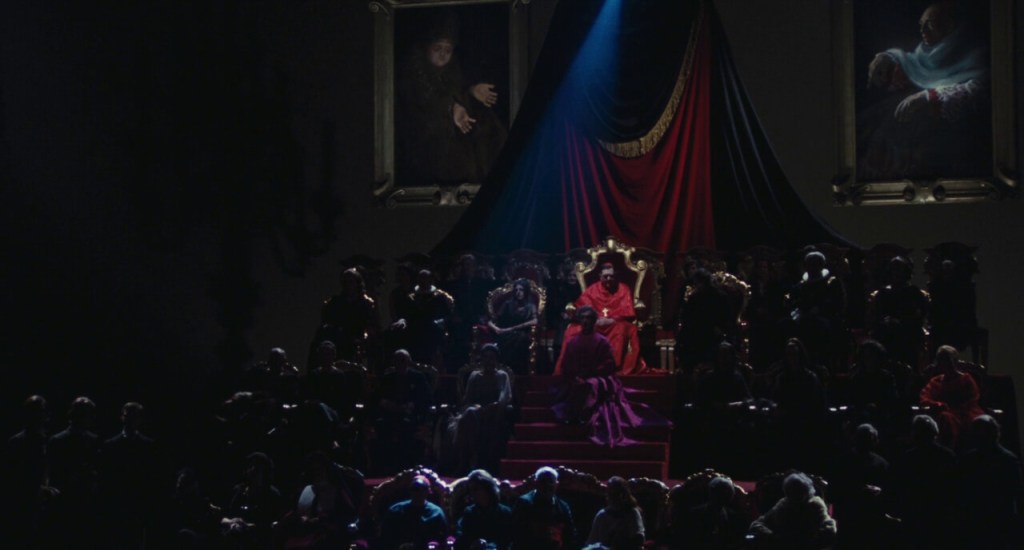


“Roma” blends nostalgia, humor, and pathos, infused with Fellini’s trademark surrealism and visual poetry. “Roma” is a testament to Federico Fellini’s genius as a filmmaker and storyteller.

 The Other Cinema