
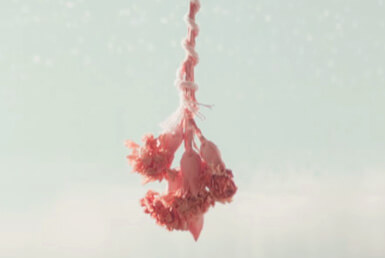


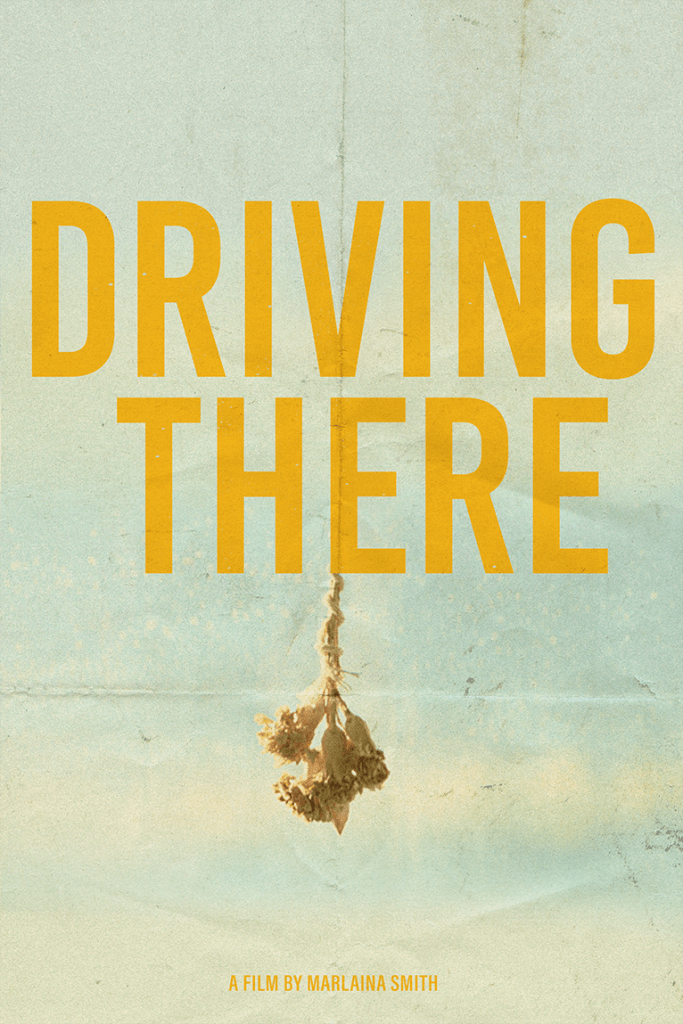
“Driving There” is a 2024 short film written and directed by Marlaina Smith. The film delves into the depths of grief, portraying a deeply personal and poignant journey as two strangers serendipitously intersect; they unearth a shared purpose, forging an unbreakable bond.
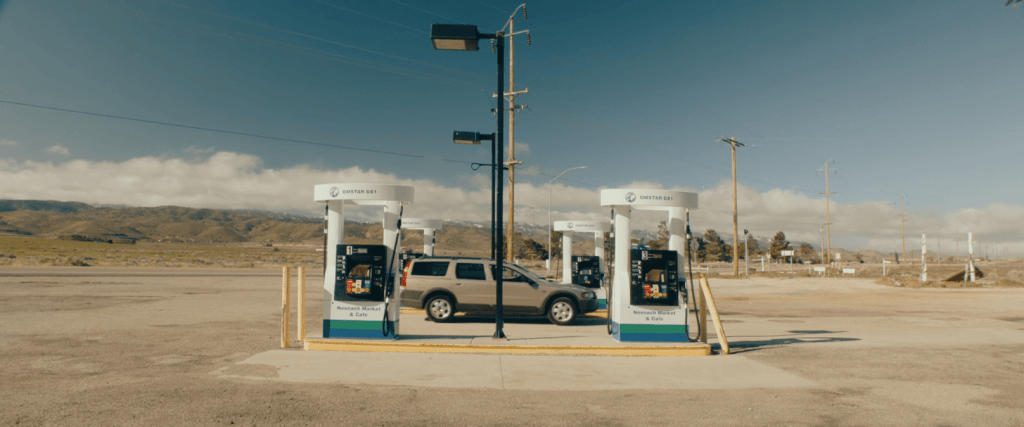


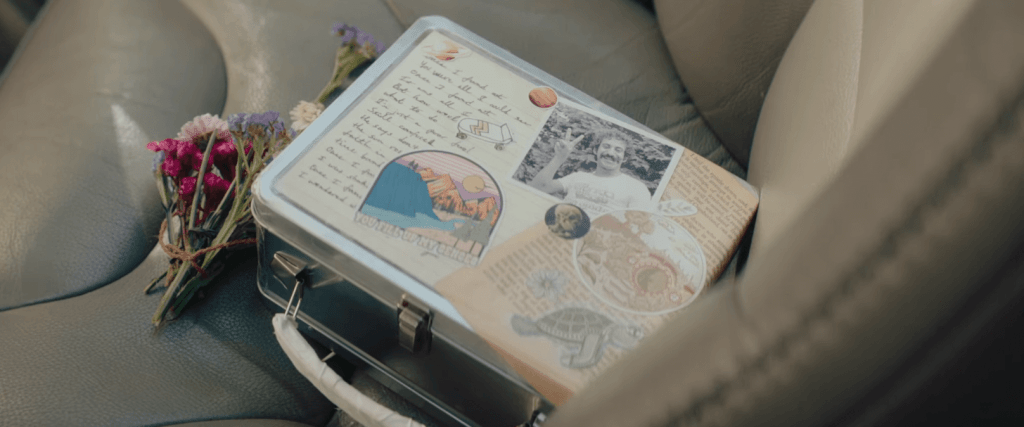
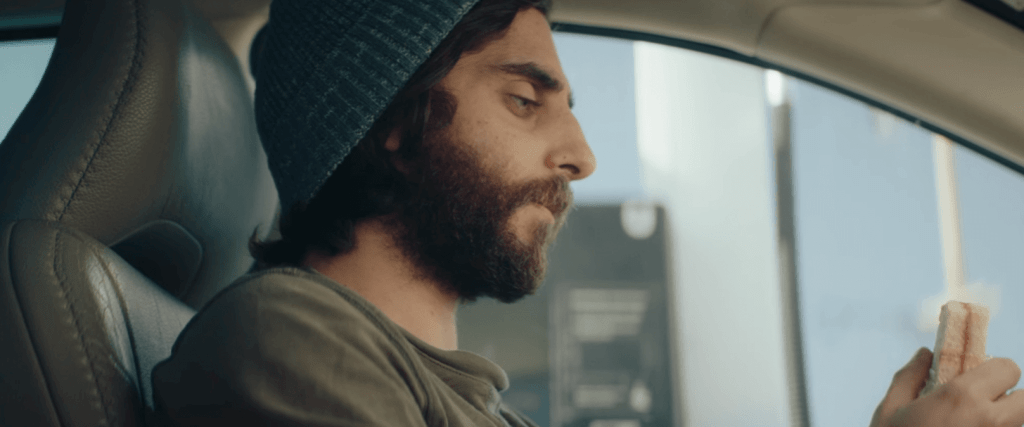
The film opens at a remote and very windy gas station, where Daniel (played by Luke Dimyan) is cleaning his windscreen. In a very subtle moment, we notice a person with a backpack pass through our field of vision, something that is about to become significant. It’s a lovely little detail. Daniel returns to the car and ponders over a lunch box beside a small bunch of flowers placed on the front passenger seat. It clearly holds significance; he opens it to retrieve a sandwich, again pausing as if he is about to eat it, only throwing it back before exiting the car. Daniel throws the sandwich and lunchbox in the garbage; upon second thoughts, he retrieves the lunchbox and places it back in the car. The flowers are about to meet the same fate, except he opts for the glove compartment instead.

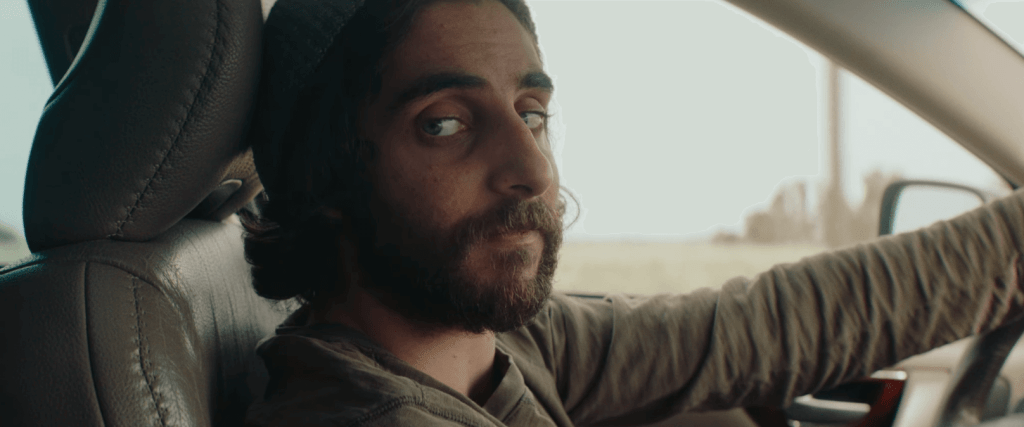
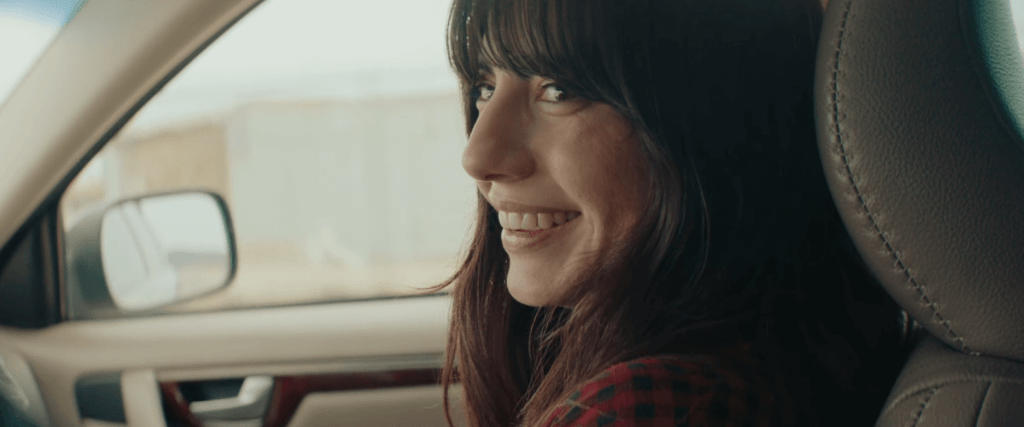
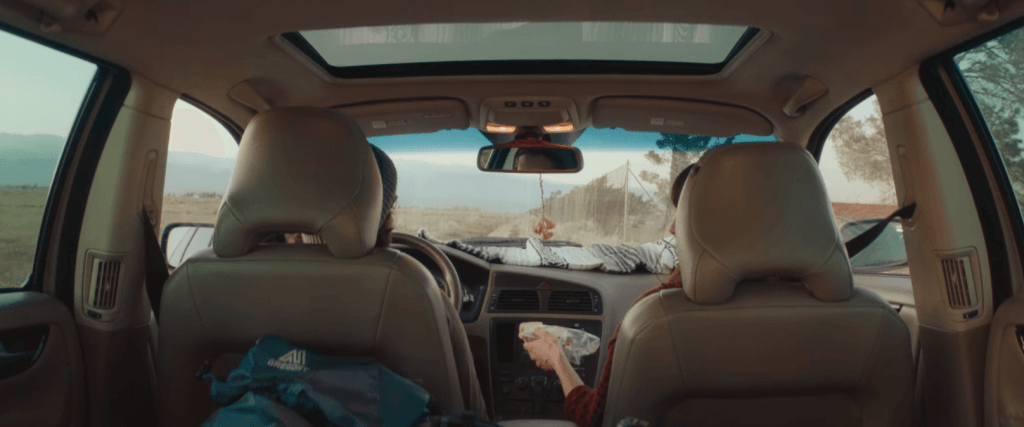

As he continues along the road, he notices the backpacker we saw earlier. He pauses momentarily before suddenly turning the car around and offering the backpacker a ride. It seems like a moment where he seeks a distraction from or escape from the emotions he felt just moments ago. Daniel asks the backpacker if she needs help, to which she replies yes. As the scene unfolds, she carefully evaluates the situation, contemplating whether to accept the ride. Eventually, she decides to do so, responding to questions with her own inquiries to gain some time. Introducing herself as Marli, the two engage in the typical small talk shared by strangers meeting for the first time.


The journey is akin to peeling an onion, with both individuals delicately extracting morsels of personal information, all while skillfully avoiding the revelation of each other’s true selves and vulnerabilities. Each time we get a question requiring some explanation, the subject is abruptly changed in an innocent, inquisitive way.
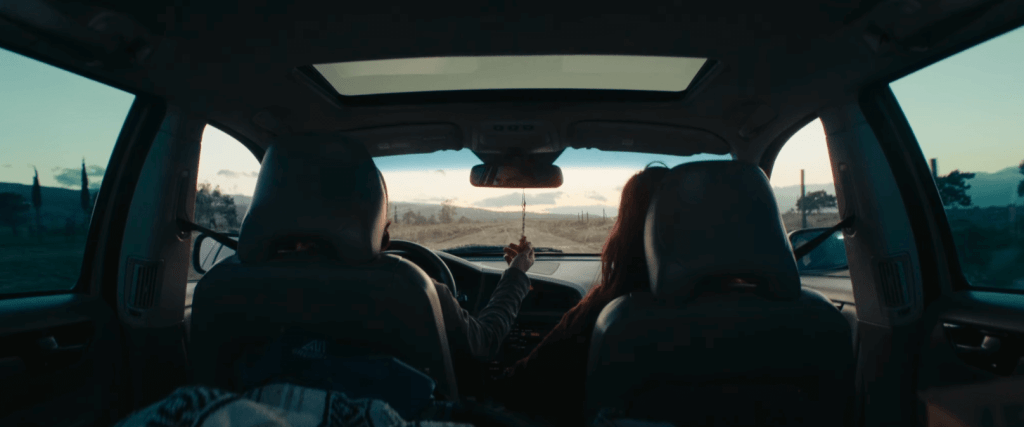
We get the sense both are holding back on revealing too much about themselves, and Daniel nearly opens up on a couple of occasions. Once, when discussing the dead desert marigolds hanging from the rearview mirror, Daniel explains that his Mom really liked coming out camping to where he was. Marli innocently asks if his Mom is from there, and we see the first crack. As Daniel responds, barely able to answer the question, it becomes clear that something has happened. The breakthrough comes when Marli asks if Daniel is hungry and offers him a sandwich, taking us full circle to the opening scene. Daniel accepts a peanut butter and jelly sandwich, and much like the opening scene, it clearly causes emotions that he is trying to suppress, so he states that he’ll eat it later.
The reverse happens when Marli brings up a tuna melt sandwich. After being slightly probed by Daniel, Marli opens up to explain the backstory, and as she tells it, we see that she, too, is facing an inner pain.
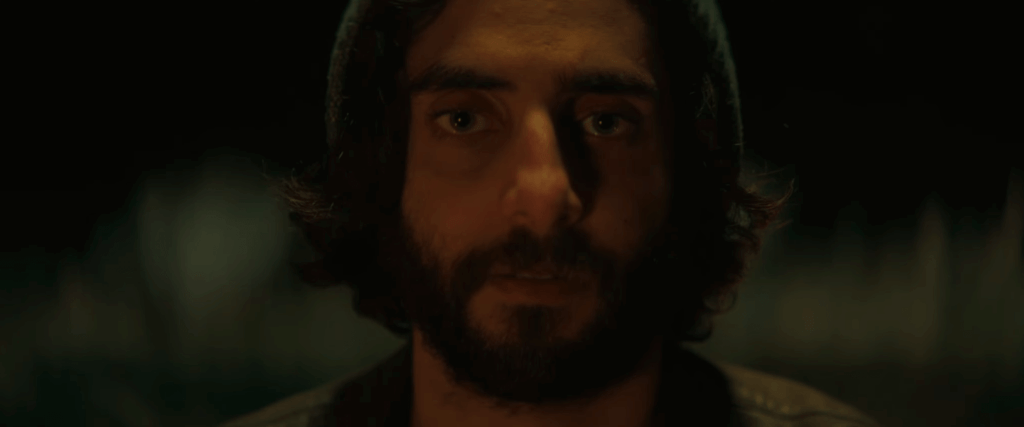
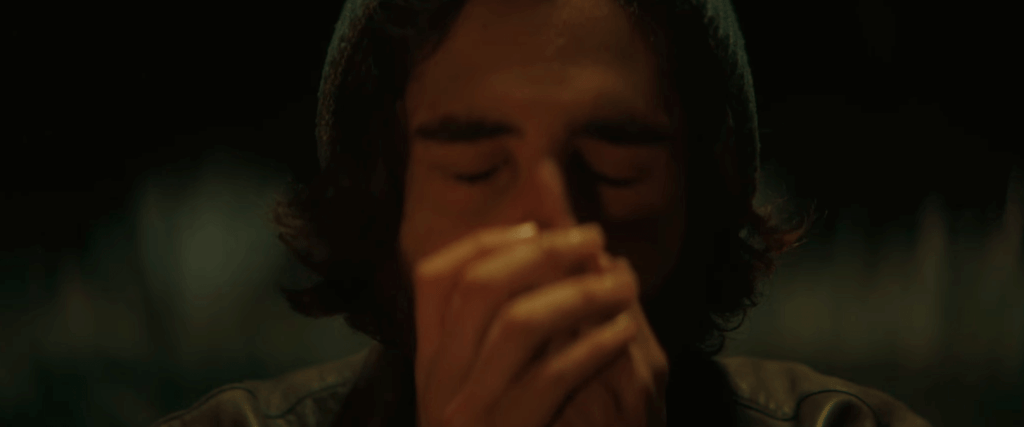
The breakthrough occurs when Daniel asks Marli a philosophical question, using the tuna melt as an analogy. He asked her what memory it would be if she could experience it repeatedly. Marli shared that her cherished memory was vacationing in Florida with her family and her Dad. In turn, Marli asks Daniel the same question, and he replies with a memory of his Mom making a PB&J sandwich for him, his sister, and his Dad. The moment is a realization for Marli as Daniel recounts how his Mom made them and how he and his sister used to eat them. Suddenly, Daniel asks for the sandwich that was offered previously. Daniel stops the car and takes a bite of the sandwich. We witness an emotional breakthrough, clearly taking Daniel to a different emotional state. He steps outside of the car, with Marli following. In a tender moment from afar, as the sun begins to set in the distance, he proclaims that his Mom died just last month. The singular shot from the car is powerful, as you can feel the empathy without seeing their faces.
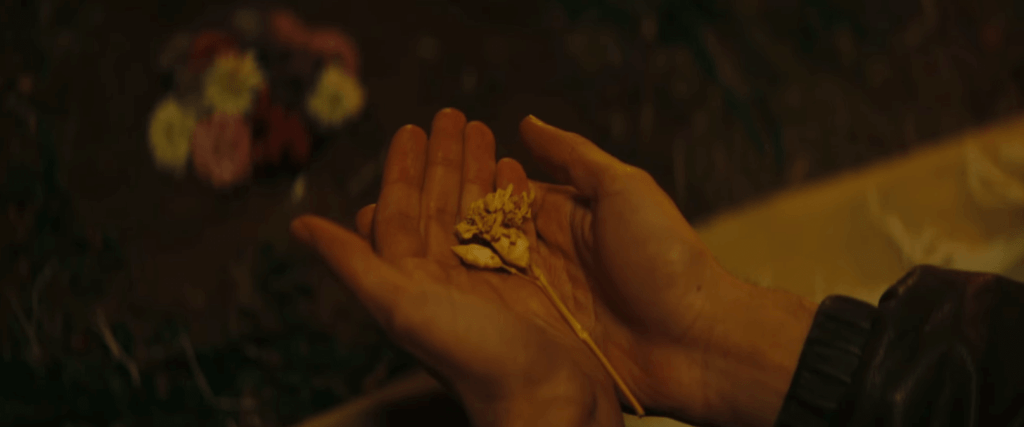
We cut to darkness, with what we presume is Daniel’s mother’s ashes being removed from the back of the car. This takes us to a flashback where we see Daniel as a child with his family being led outside in a sun-drenched home. We snap back to Daniel in a decisive moment, where he whispers to the marigolds cradled in his hand, “I miss you, I hear you, I love you,” before placing the flowers on the ground. It’s a moment of deep reflection and closure.

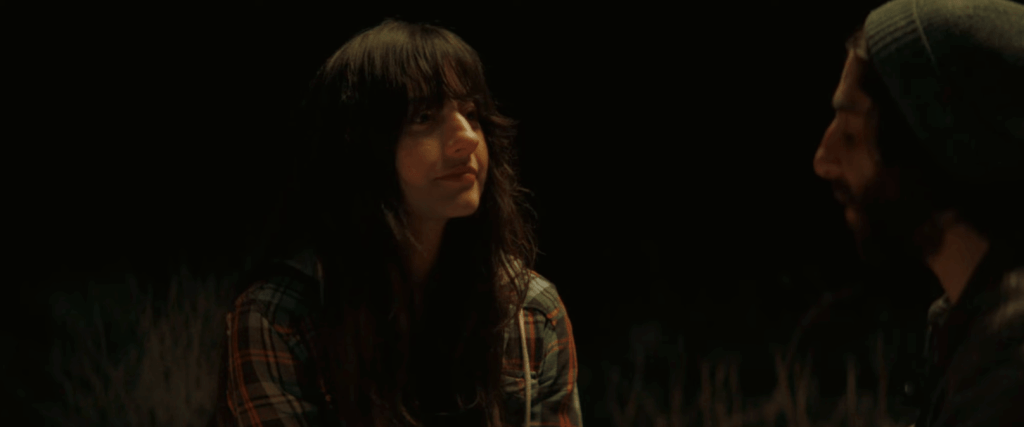
In the final scene, Marli makes Daniel the promised tuna melt. Daniel is now able to take a bite, having an emotional weight lifted off of his shoulders; he simply asks Marli why she is there; it’s the reverse breakthrough as Marli gathers herself, ready to open up. We discover that Marli lost her father, being narrated over old home movie footage of her Dad and family.

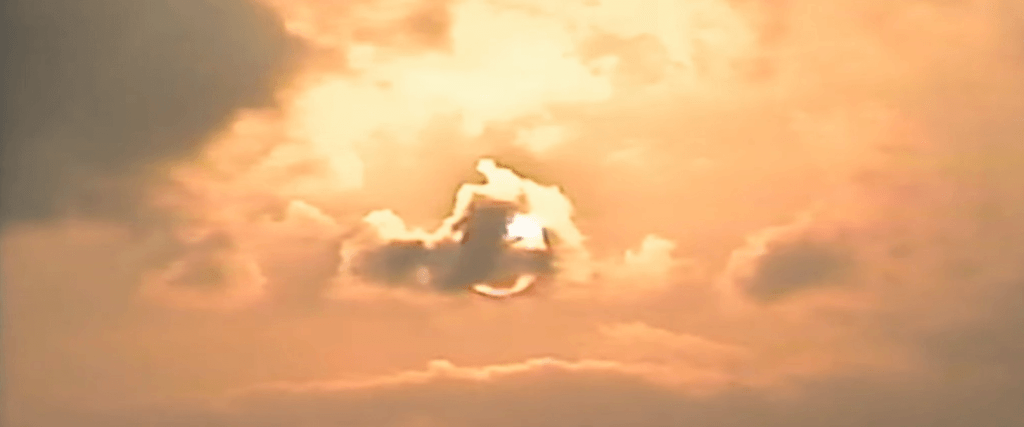


The narration is raw, genuine, and strikes at the heart, and it’s deeply profound for anyone who has lost a parent. At the end of the speech, Marli explains that she is going to visit her Dad’s birthplace to grieve. Now that the two share an inexplicable bond, Daniel simply replies, “Let’s get you there.”
The film ends as they both get in the car, with no need to speak; as all has been spoken, they drive.

“Driving There” is a profoundly evocative film delving into the profound depths of human emotions and our quest to navigate the tumultuous journey of grief and ultimately find a sense of closure. It tenderly unveils the human aspect of a deeply universal experience, depicting the nuanced facets of trust, empathy, and the shared human experience. This powerful narrative beautifully illustrates how two strangers can forge a profound connection and derive solace from each other in the face of their individual struggles.
 The Other Cinema