

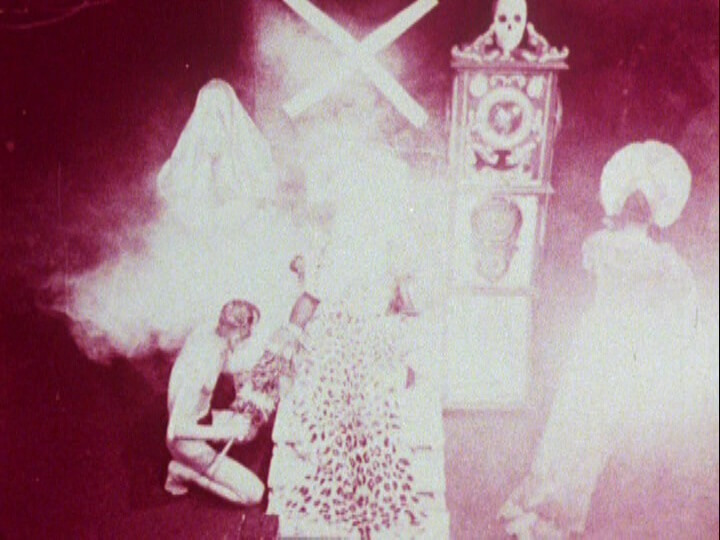
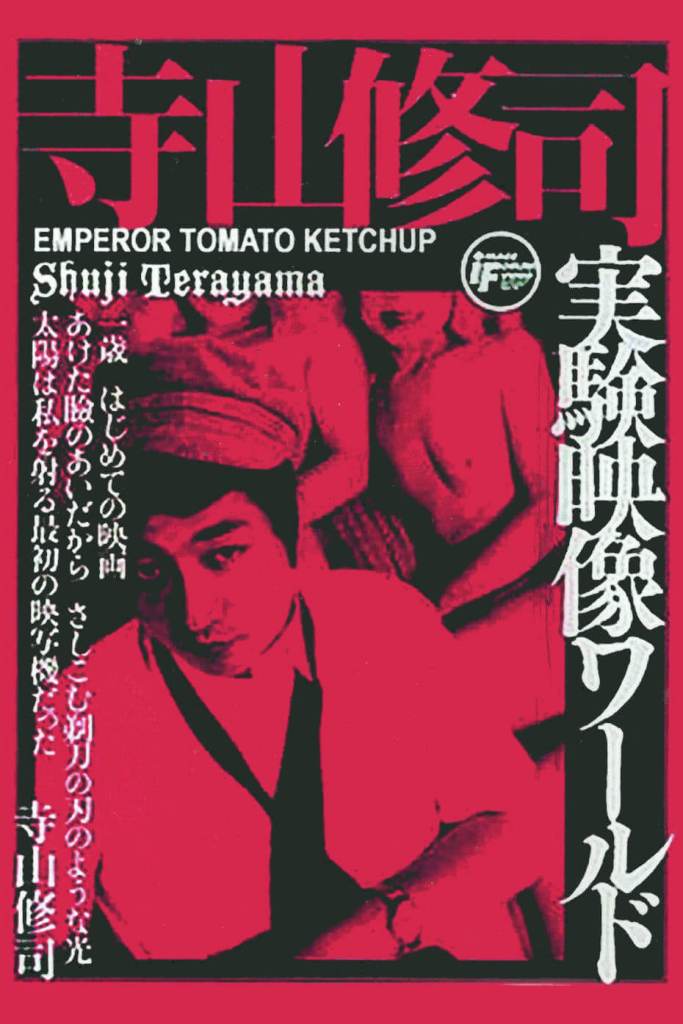
“Emperor Tomato Ketchup” is a 1971 experimental film directed by Shuji Terayama. It is known for its avant-garde style and surreal narrative, as well as being somewhat controversial for its depiction and actions played by children.



The film is a social commentary that explores themes of power, authority, and rebellion in a dystopian society ruled by children.
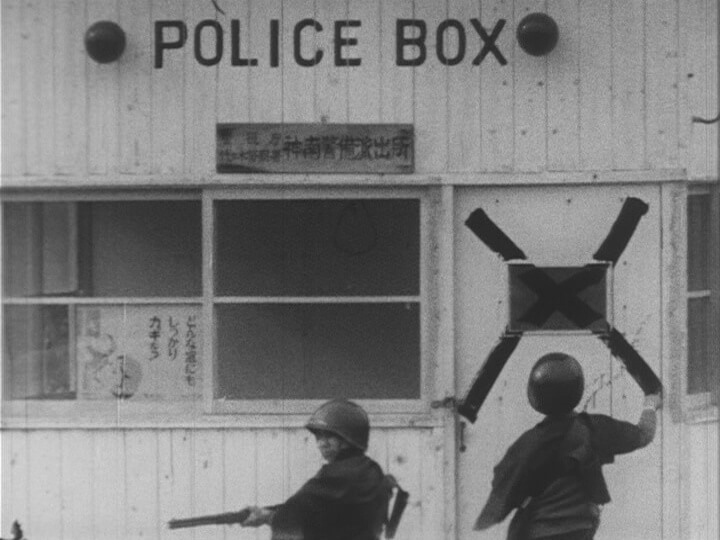




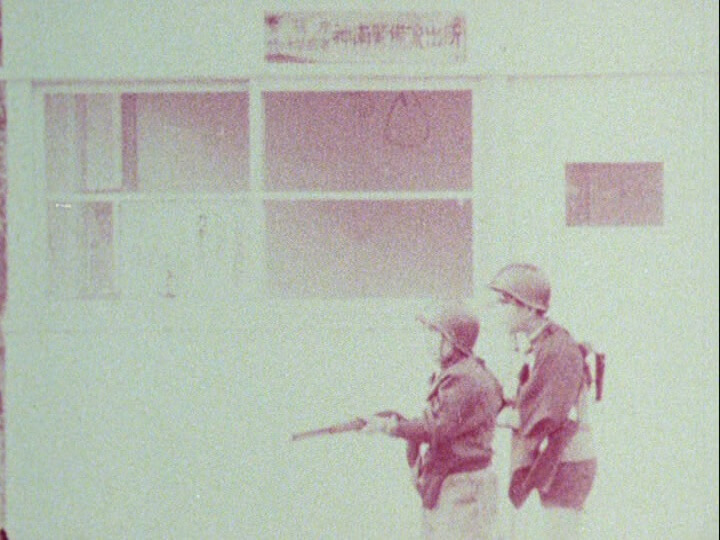
The story is set in a bizarre and nightmarish world where adults are oppressed and controlled by a group of authoritarian children known as the “children’s revolution.” Led by the titular character, Emperor Tomato Ketchup, the children enforce strict rules and regulations, punishing any adults who dare to disobey.
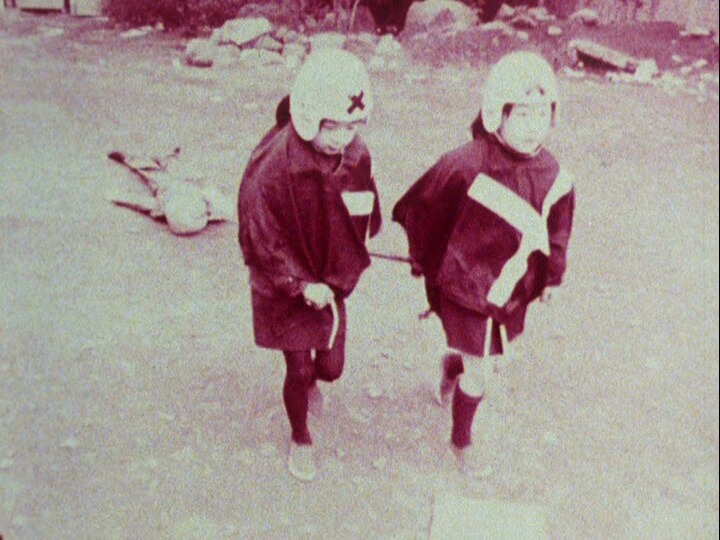

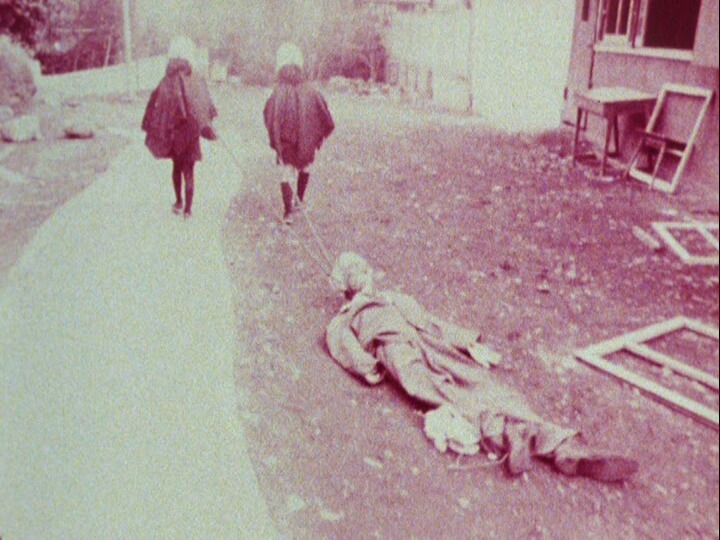
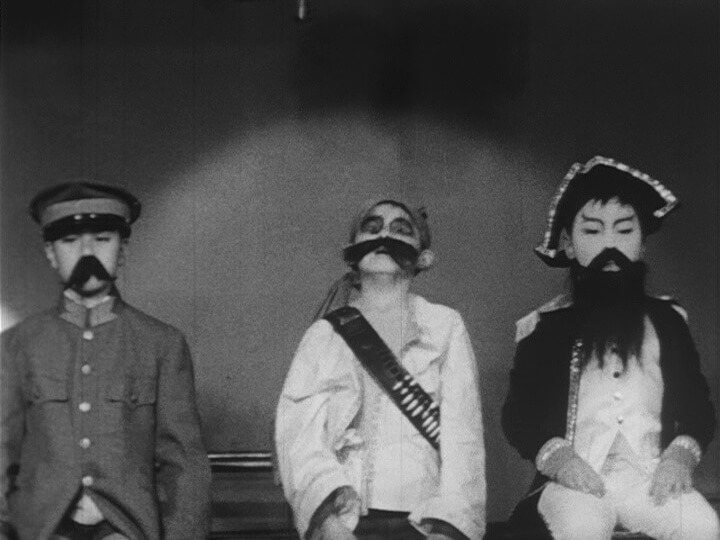

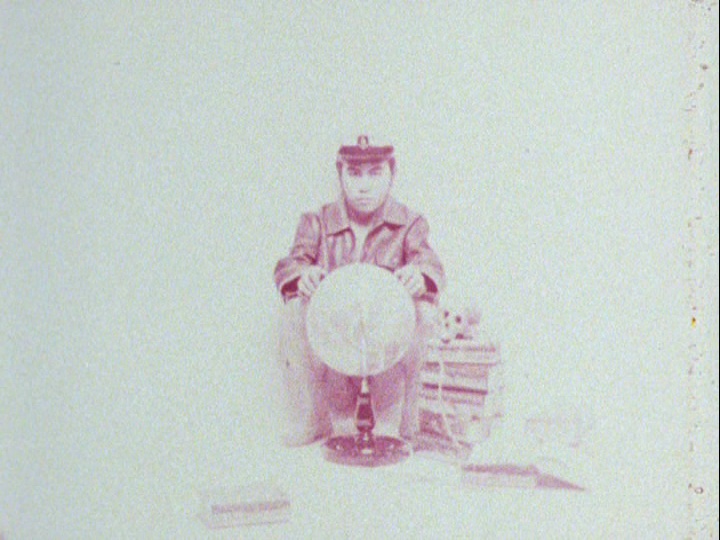
The main narrative follows the journey of a young boy who rebels against the oppressive regime and seeks to overthrow Emperor Tomato Ketchup. Along the way, he encounters a cast of eccentric characters, including a giant woman with whom he forms a romantic connection and a group of rebellious adults who join forces with him to fight against the children’s tyranny.



As the rebellion gains momentum, Emperor Tomato Ketchup becomes increasingly paranoid and desperate to maintain control over his subjects. He unleashes a series of bizarre and violent tactics to suppress the uprising, including sending his loyal followers to capture and punish the rebels.


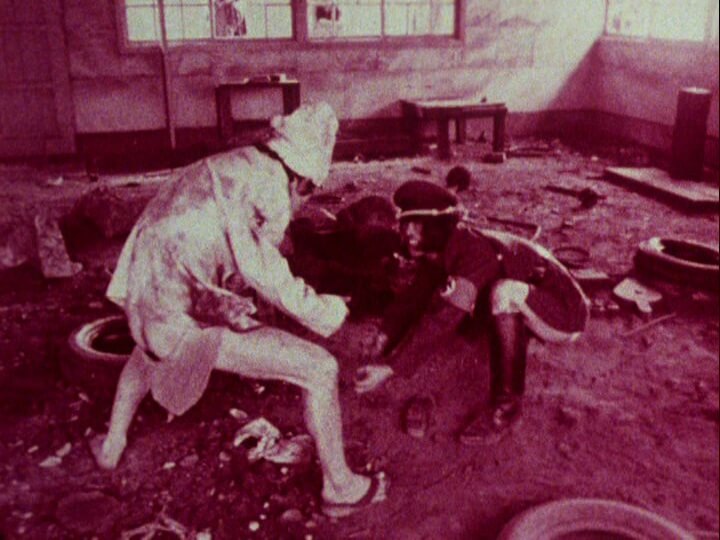
The film is characterized by surreal and abstract imagery, unconventional narrative structure, and political allegory. It explores themes of revolution, authority, and the abuse of power, offering a provocative commentary on the nature of governance and social hierarchy.
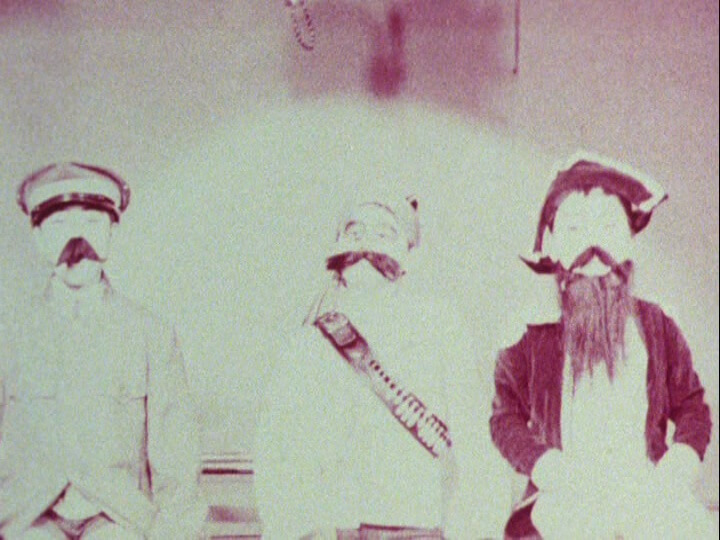

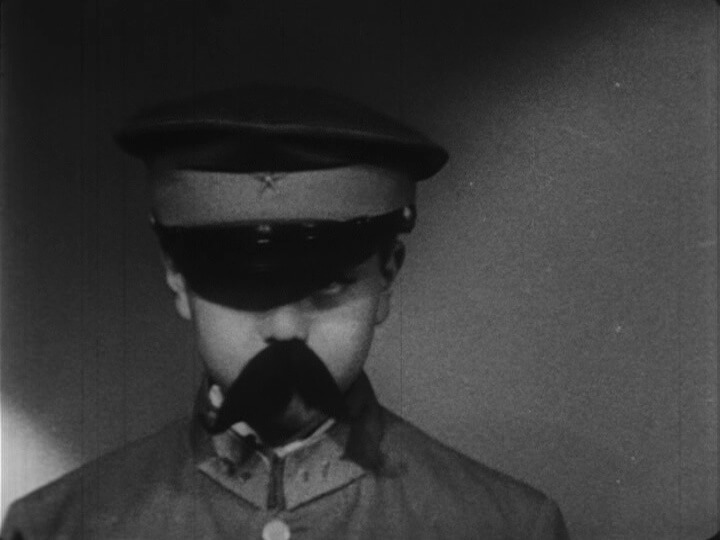
“Emperor Tomato Ketchup” is a challenging film that pushes the boundaries of traditional storytelling and challenges viewers to question the status quo. It’s interesting to note that there are two versions of the film, a 27-minute version and a “Directors Cut” that was released as initially intended in 1996; this version is 75 minutes.
 The Other Cinema