

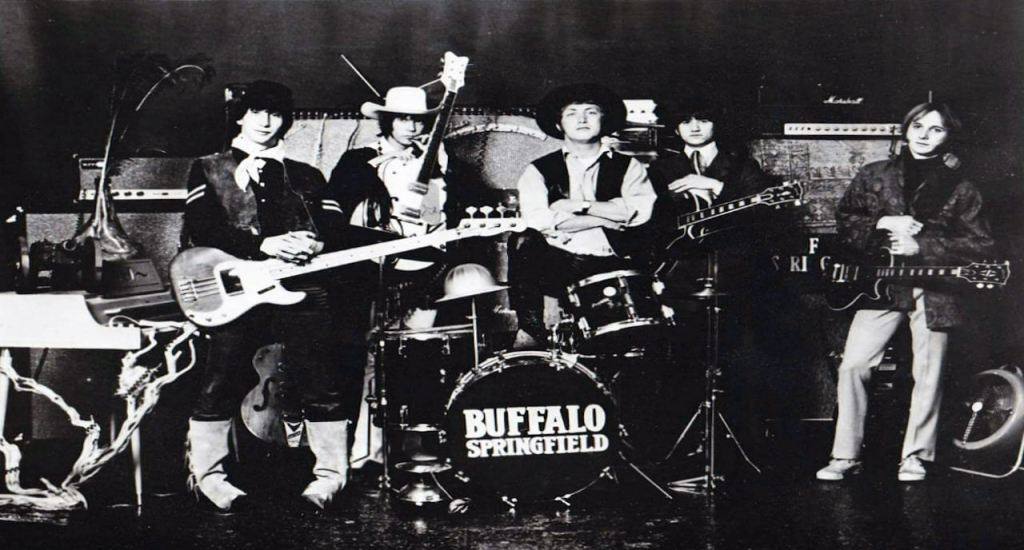
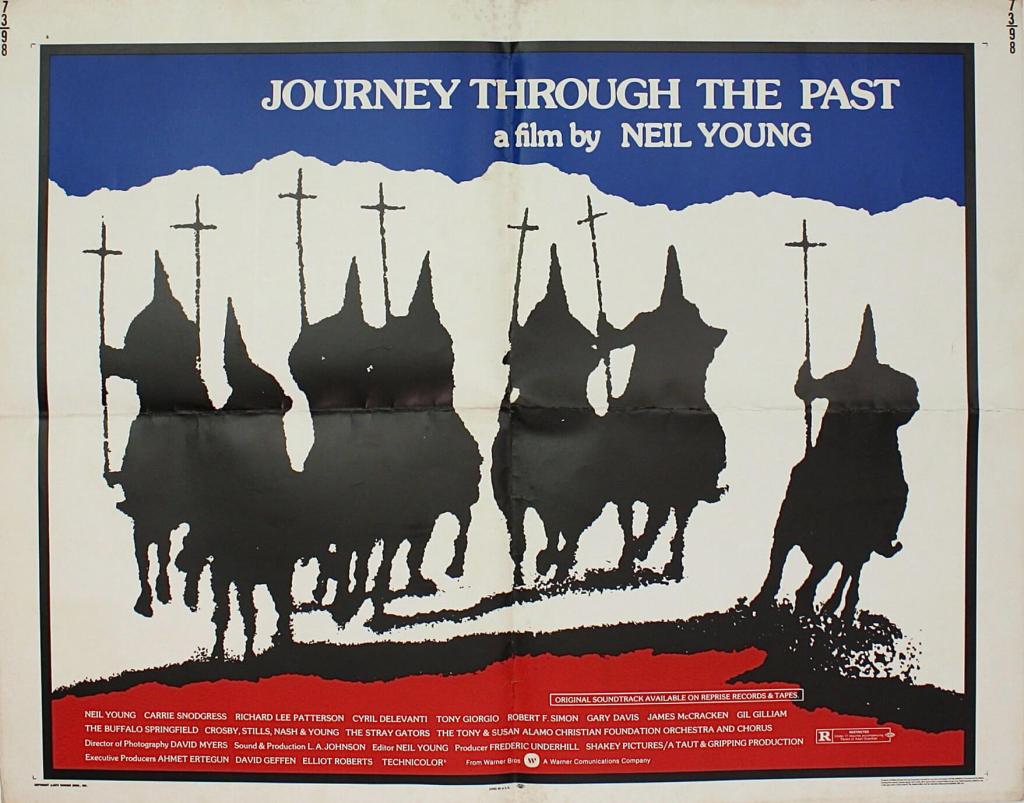
“Journey Through the Past” is a 1974 American film directed by and starring Neil Young. This film serves as a visual and musical collage, capturing a raw and intimate portrait of Neil Young’s career and personal life during the late 1960s and early 1970s. It combines documentary footage, home movies, concert performances, and surreal, symbolic scenes, creating an experimental and non-linear narrative for a film.
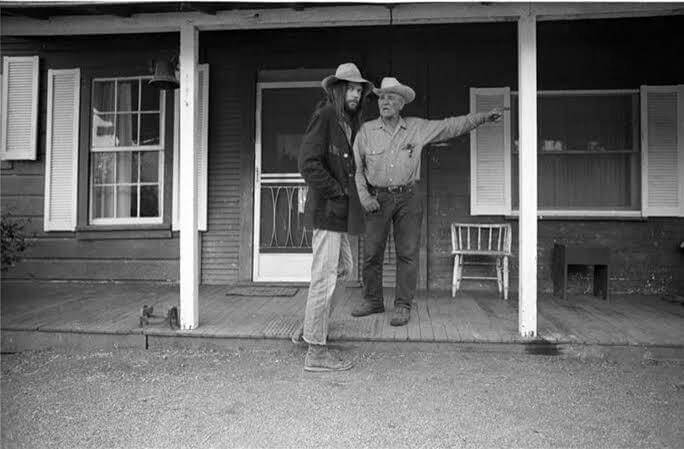
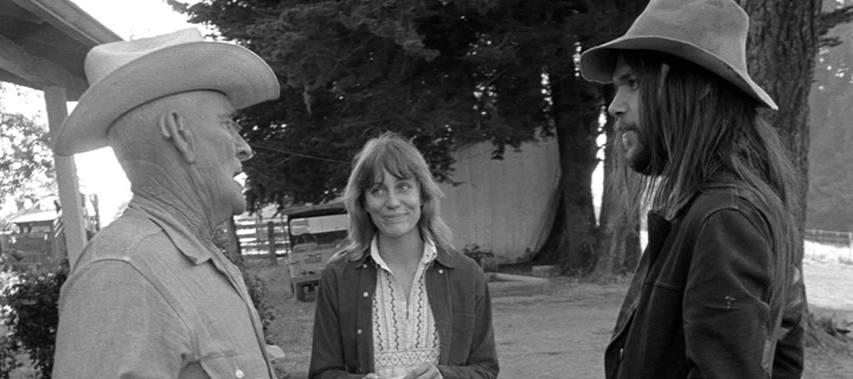

The film opens with grainy, nostalgic footage of Young and his fellow bandmates from Buffalo Springfield and Crosby, Stills, Nash & Young (CSNY), showcasing the evolution of Young’s music and his relationships with other musicians. This archival footage includes rehearsals, live performances, and behind-the-scenes moments that provide a glimpse into the camaraderie and creative tensions within the bands.
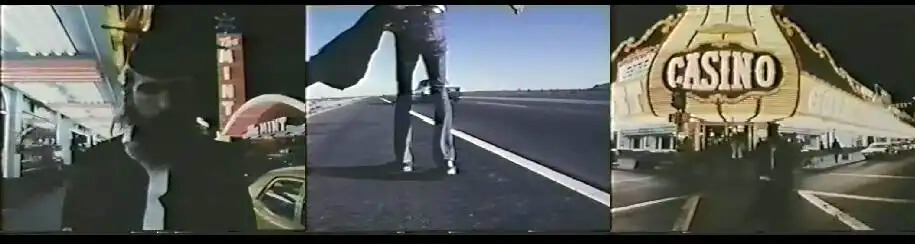
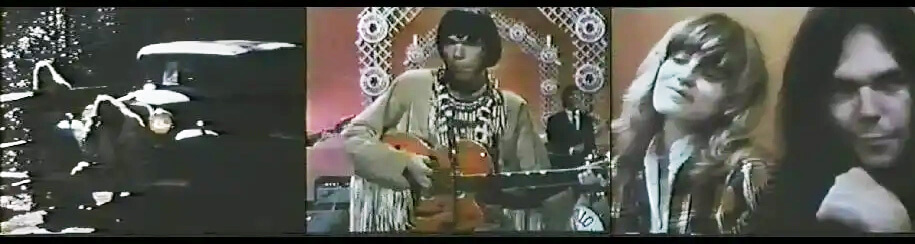

Interspersed with these scenes are more surreal and symbolic sequences that reflect Young’s introspective and sometimes turbulent state of mind. These include dreamlike vignettes featuring Young wandering through desolate landscapes, interacting with enigmatic characters, and engaging in contemplative moments that underscore the themes of reflection and personal journey.
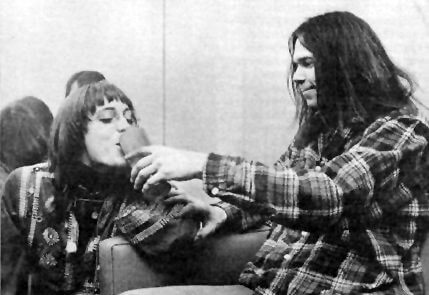

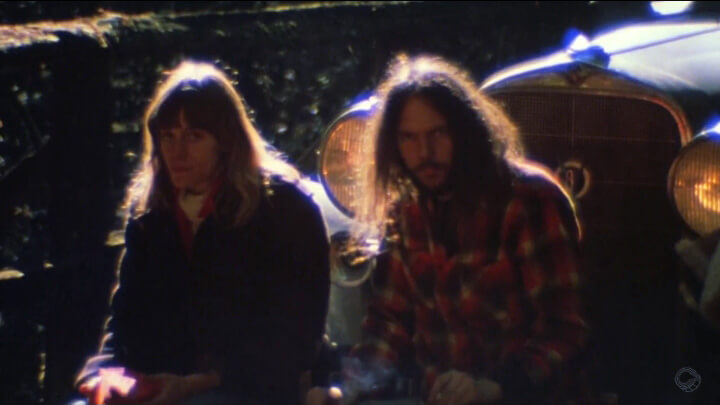
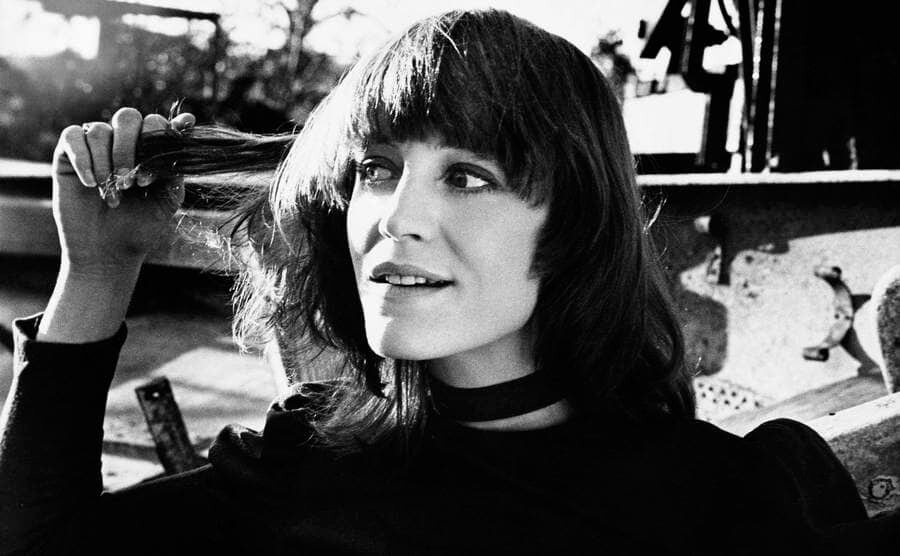
The film prominently features performances of some of Neil Young’s most iconic songs. Concert footage includes powerful renditions of tracks such as “Ohio,” “Southern Man,” and “Alabama,” performed with CSNY. These performances capture the political and social consciousness of the era, highlighting Young’s role as a voice of protest and change.


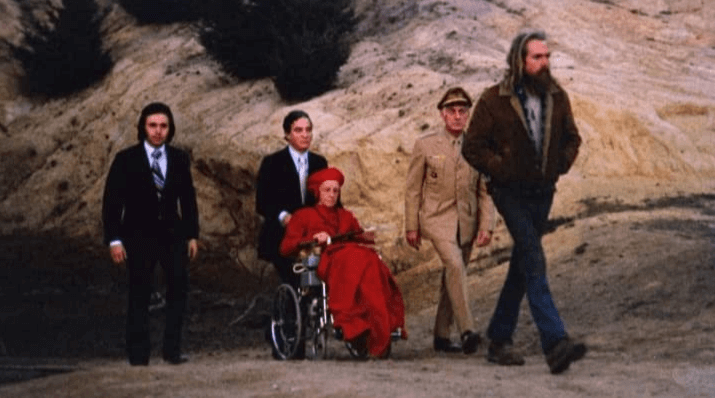
In addition to the concert footage, the film delves into more personal aspects of Young’s life. Home movies and candid scenes reveal his interactions with friends, family, and fellow musicians, illuminating his offstage persona. These moments are juxtaposed with more introspective scenes where Young grapples with his artistic identity and the pressures of fame.

Key figures in Young’s musical journey, such as David Crosby, Stephen Stills, Graham Nash, and Jack Nitzsche, appear throughout the film, contributing to its rich tapestry of voices and perspectives. Their interactions and performances illuminate the collaborative spirit that defined much of Young’s work during this period.
“Journey Through the Past” is not a conventional documentary but a patchwork of experiences and reflections. Its non-linear structure and eclectic mix of footage create a dreamlike and often disjointed narrative. However, the film is a must for any fan of Neil Young or the genre-specific music of that era.

 The Other Cinema