


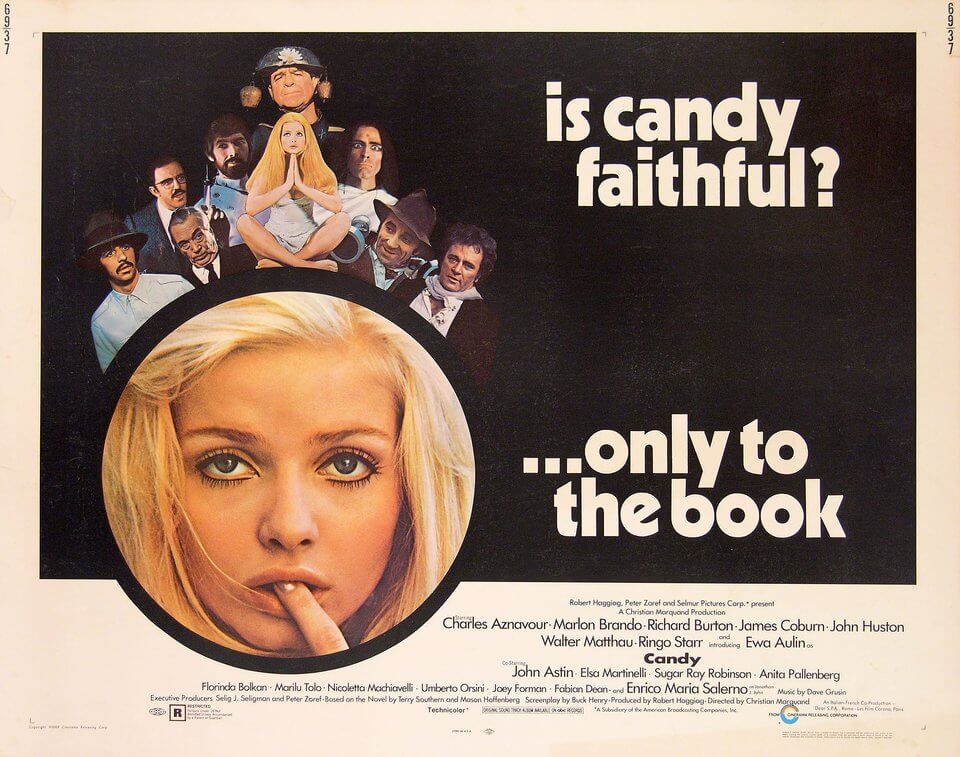
“Candy” is a 1968 satirical comedy film directed by Christian Marquand. Based on the novel by Terry Southern and Mason Hoffenberg, it is a surreal and provocative exploration of the sexual revolution and counterculture of the 1960s. The film features a star-studded cast and a series of bizarre, comedic vignettes.
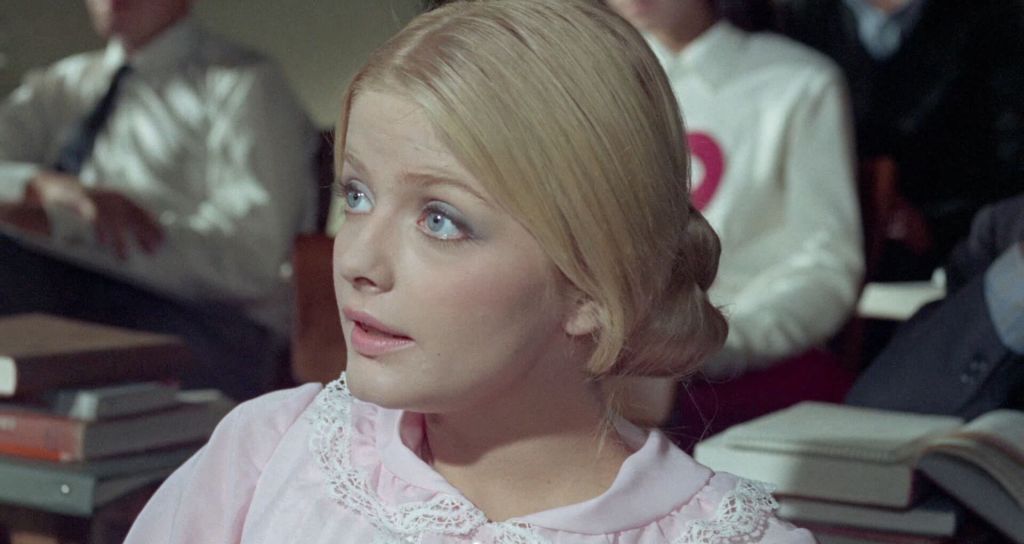

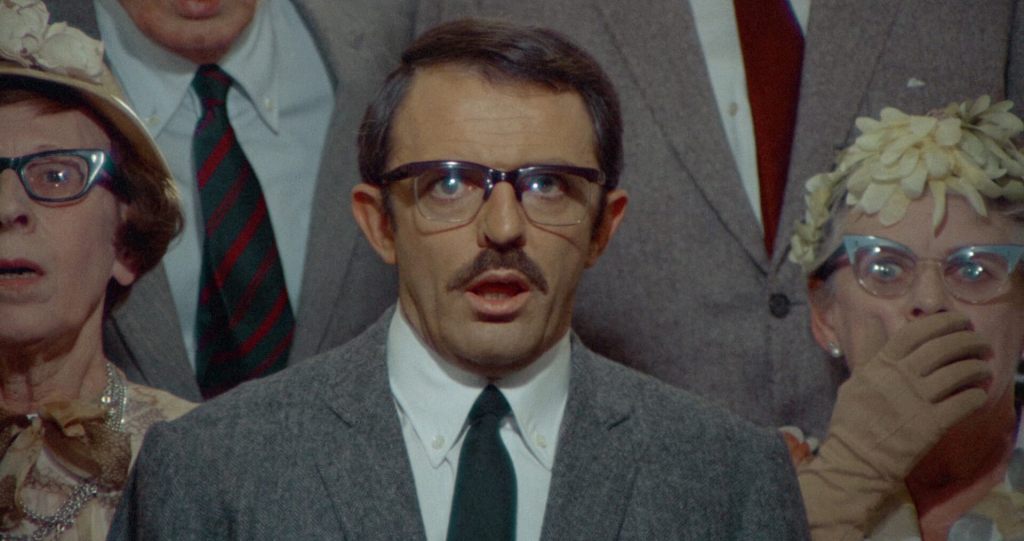



The story follows Candy Christian (Ewa Aulin), an innocent and beautiful high school student whose naivety leads her through a series of outrageous and sexually charged adventures. The film opens with Candy attending a poetry reading by the enigmatic poet MacPhisto (Richard Burton), who becomes infatuated with her and attempts to seduce her, setting the tone for the subsequent encounters.



Candy’s journey is a whirlwind of absurdity and eccentric characters. She first encounters her lecherous Uncle Jack (John Astin), who has a split personality and appears as her uptight father, T.M. Christian. Seeking to escape his advances, Candy inadvertently falls into a series of increasingly strange and risqué situations.


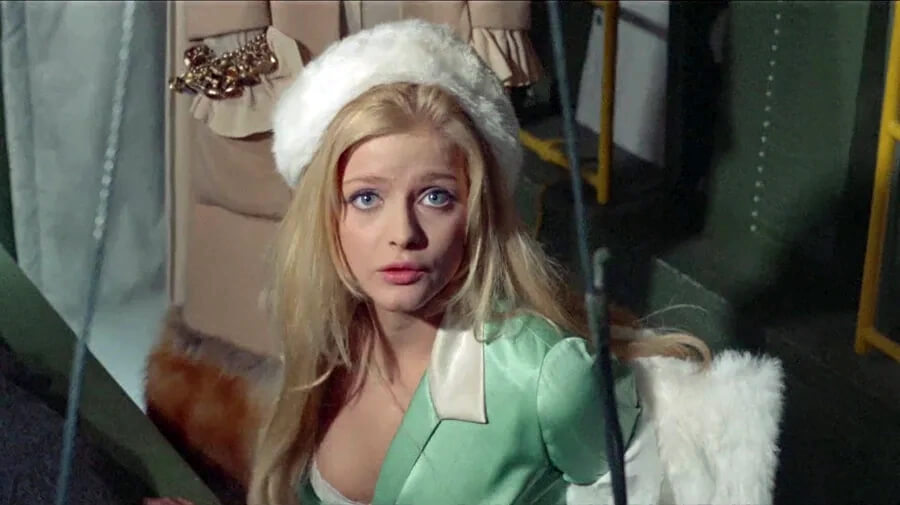



She crosses paths with Emmanuel (Ringo Starr), a lascivious Mexican gardener who becomes another of her persistent pursuers. Fleeing from Emmanuel, Candy finds herself in the company of General Smight (Walter Matthau), a war-crazed military officer who attempts to seduce her in his limousine under the pretext of a patriotic duty.



In another bizarre twist, Candy ends up in a hospital run by the mad Dr. A.B. Krankheit (James Coburn), whose peculiar medical practices are more about self-indulgence than healing. Candy’s innocence and beauty attract another suitor in Dr. Krankheit, leading to more chaotic and comedic scenarios.



The film reaches a new level of surrealism when Candy encounters the Eastern mystic Grindl (Marlon Brando), who attempts to enlighten her through dubious spiritual teachings and seduction. Each encounter adds to the film’s satire of the superficiality and hypocrisy of those who profess to be wise or powerful.

Throughout her journey, Candy remains largely unaware of the lustful intentions of the men she meets, her innocence both a shield and a source of her troubles. Her adventures highlight the absurdity and exploitation present in the world around her, serving as a critique of the sexual and cultural mores of the time.

 The Other Cinema