


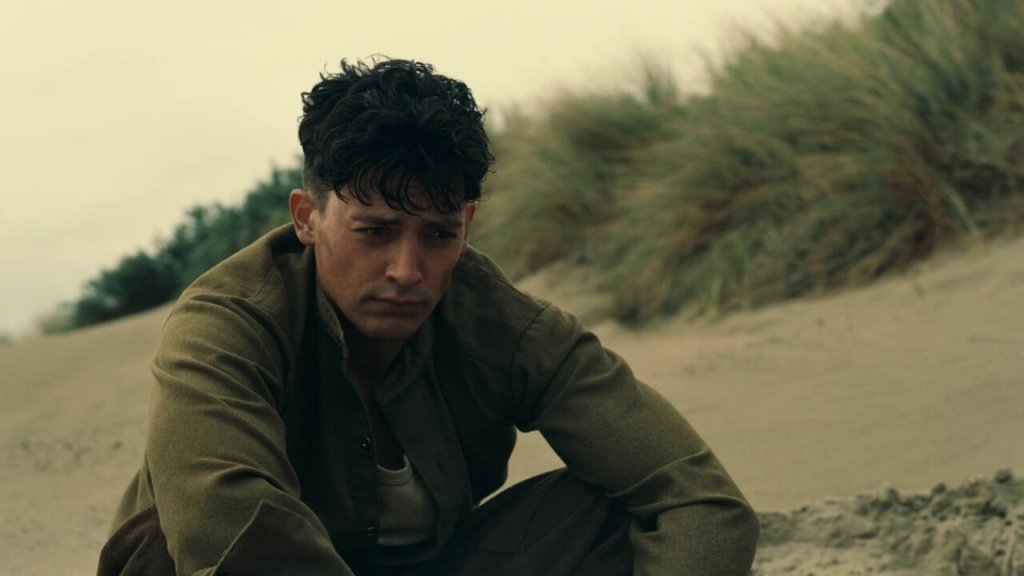


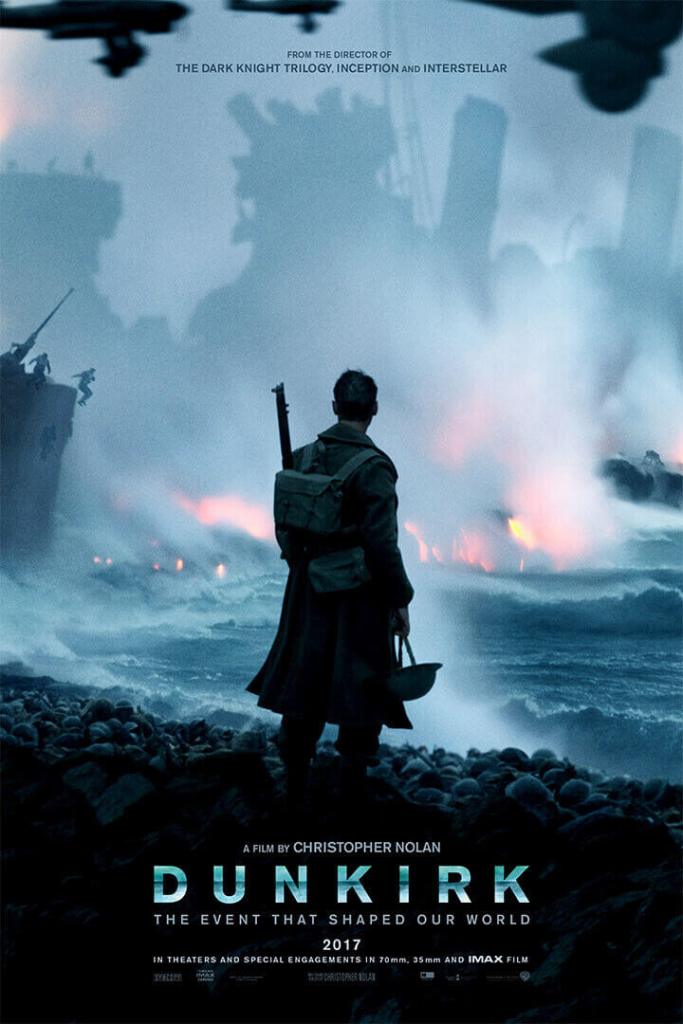
“Dunkirk” is a 2017 war film directed by Christopher Nolan that portrays the harrowing evacuation of Allied soldiers from the beaches of Dunkirk, France, during World War II. The film is notable for its immersive storytelling, which unfolds across three different timelines, and its minimal use of dialogue, relying instead on intense visuals and sound to convey the drama of the situation. The film stars Fionn Whitehead, Tom Glynn-Carney, Jack Lowden, Harry Styles, Aneurin Barnard, James D’Arcy, Barry Keoghan, Kenneth Branagh, Cillian Murphy, Mark Rylance, and Tom Hardy.


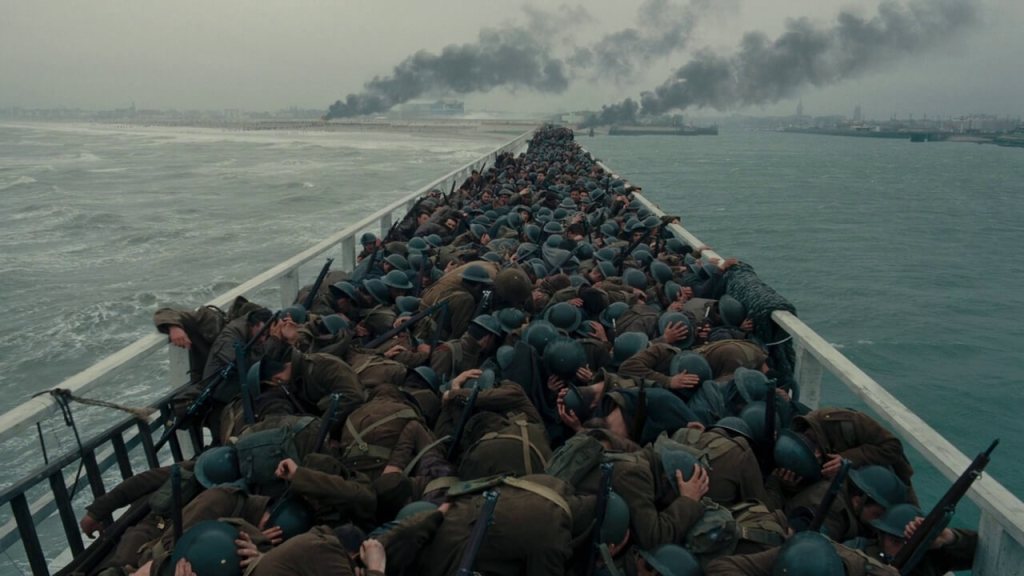
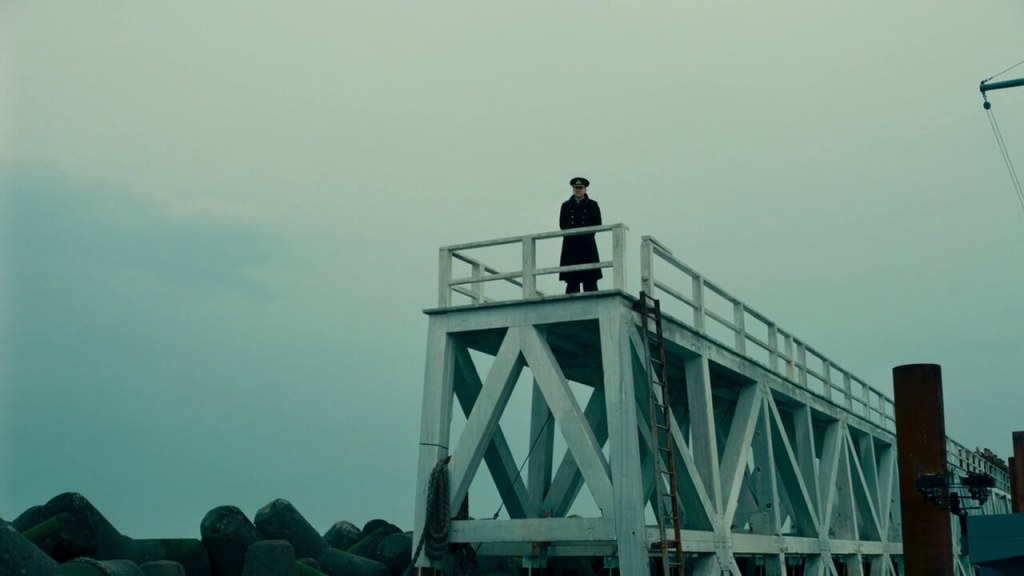
The story begins on the beaches of Dunkirk, where hundreds of thousands of British and Allied troops are stranded, surrounded by the German army. The narrative follows Tommy (played by Fionn Whitehead), a young British soldier desperately trying to escape. He meets Gibson (played by Aneurin Barnard), another soldier, and together, they attempt various ways to get off the beach and onto one of the evacuation ships. They are joined by Alex (played by Harry Styles), and their journey highlights the chaos and peril of the evacuation effort.
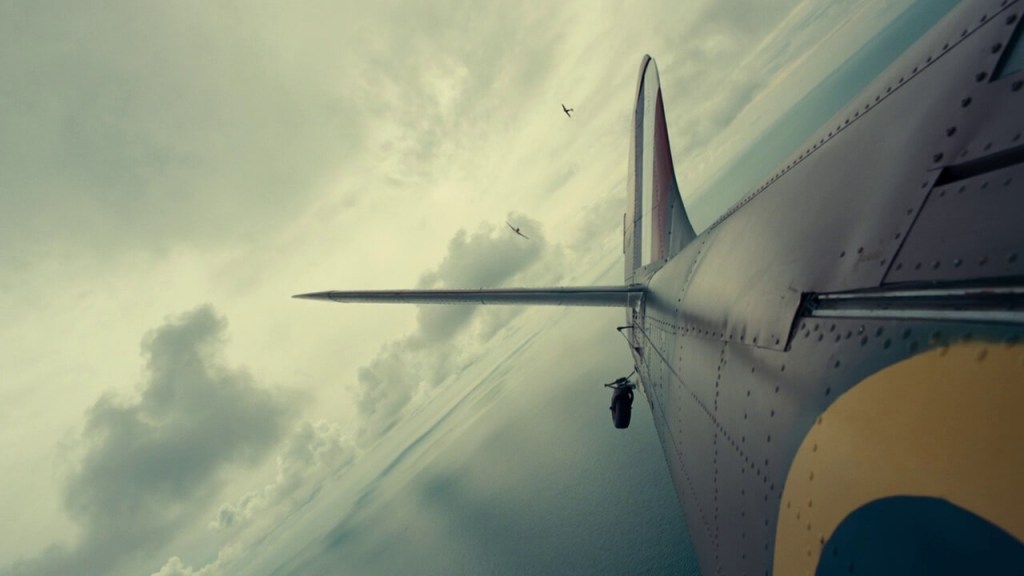

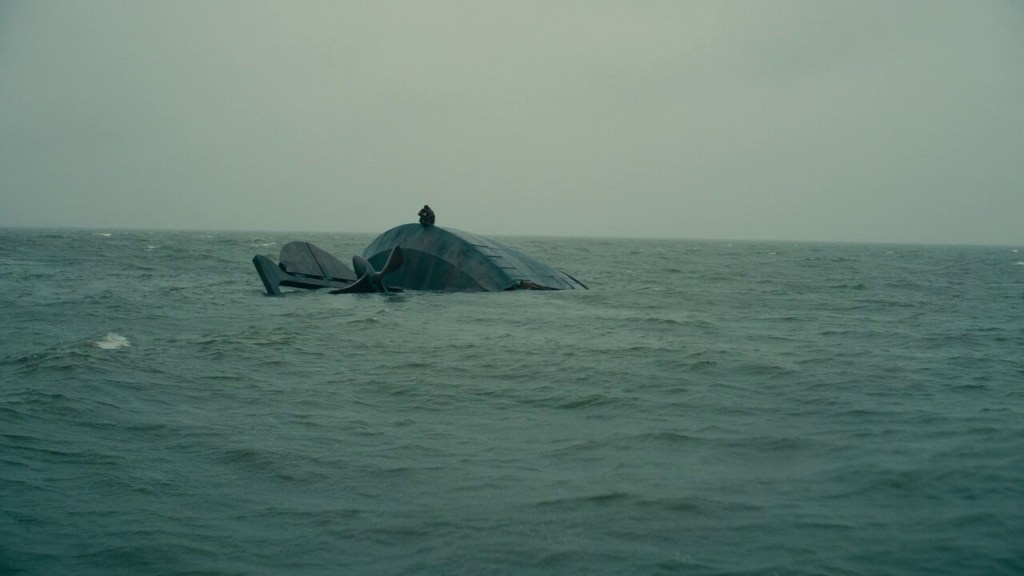


In a parallel storyline, Mr. Dawson (played by Mark Rylance), a civilian boat owner, sets sail from England with his son, Peter (played by Tom Glynn-Carney), and a young friend, George (played by Barry Keoghan), to assist in the evacuation. Along the way, they rescue a shell-shocked soldier (played by Cillian Murphy) from a wrecked ship. The soldier’s trauma and desperation pose challenges for Dawson and his crew as they head towards Dunkirk, navigating dangerous waters and aerial attacks.
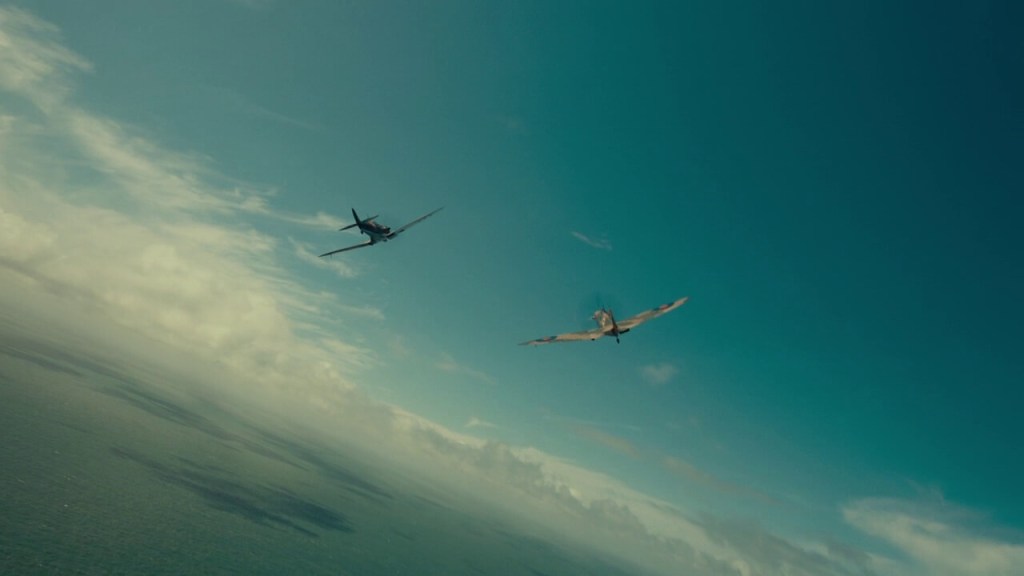
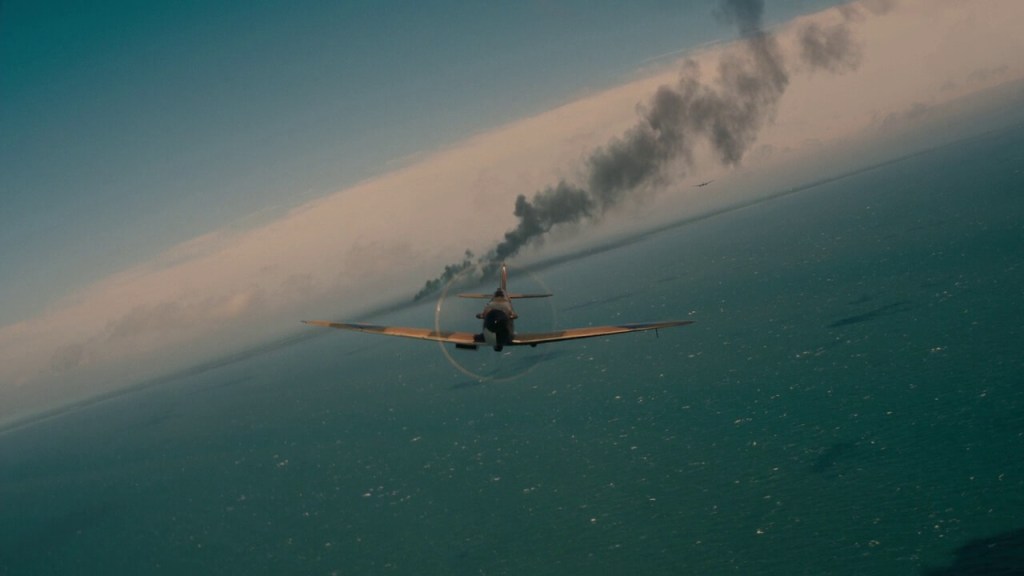


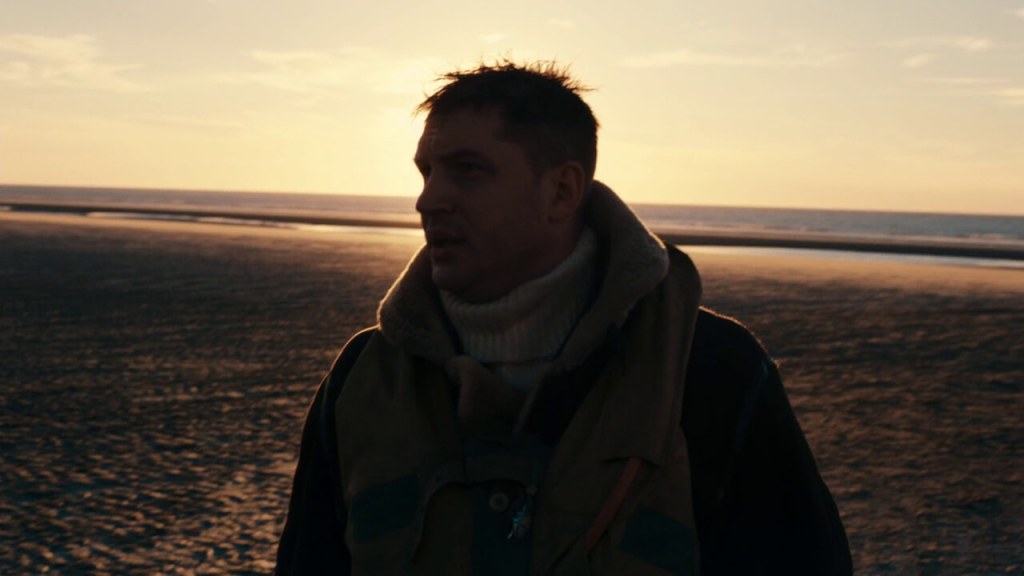
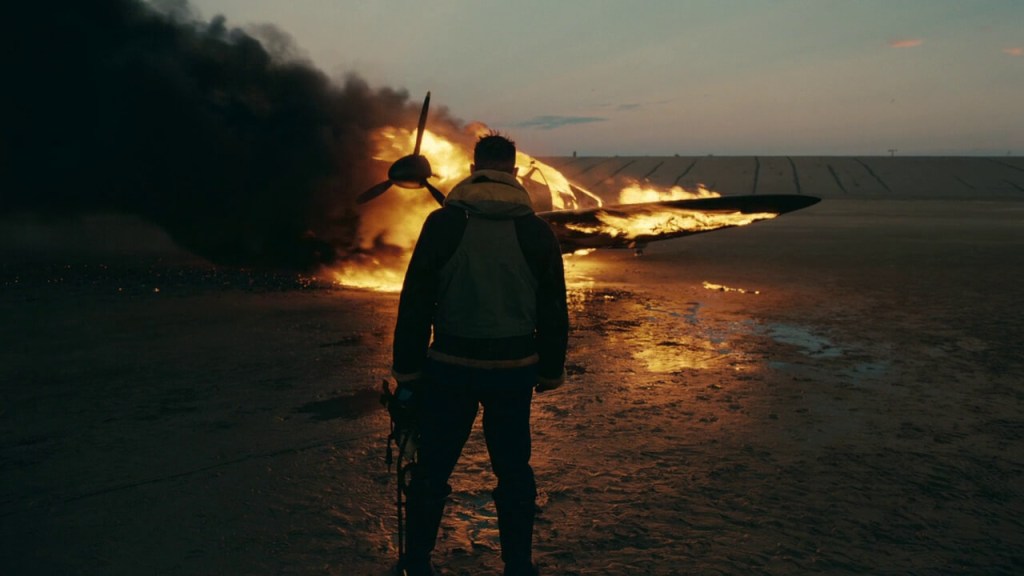
The third storyline follows RAF pilot Farrier (played by Tom Hardy) and his fellow pilot Collins (played by Jack Lowden), providing air support to protect the soldiers being evacuated from Dunkirk. Farrier’s narrative is a tense race against time as he battles enemy fighters and struggles with limited fuel, showcasing the critical role of air support in the evacuation effort.


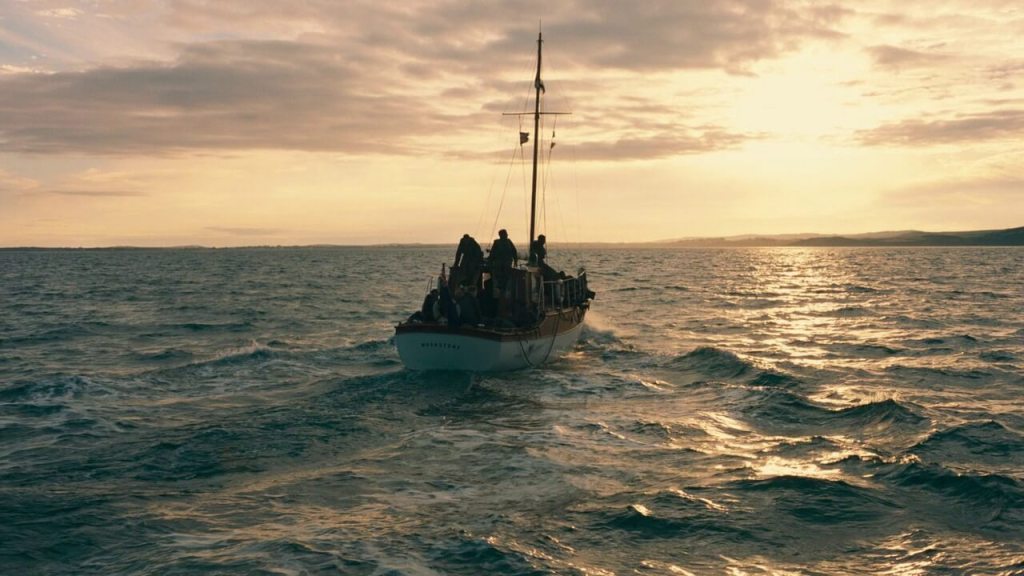

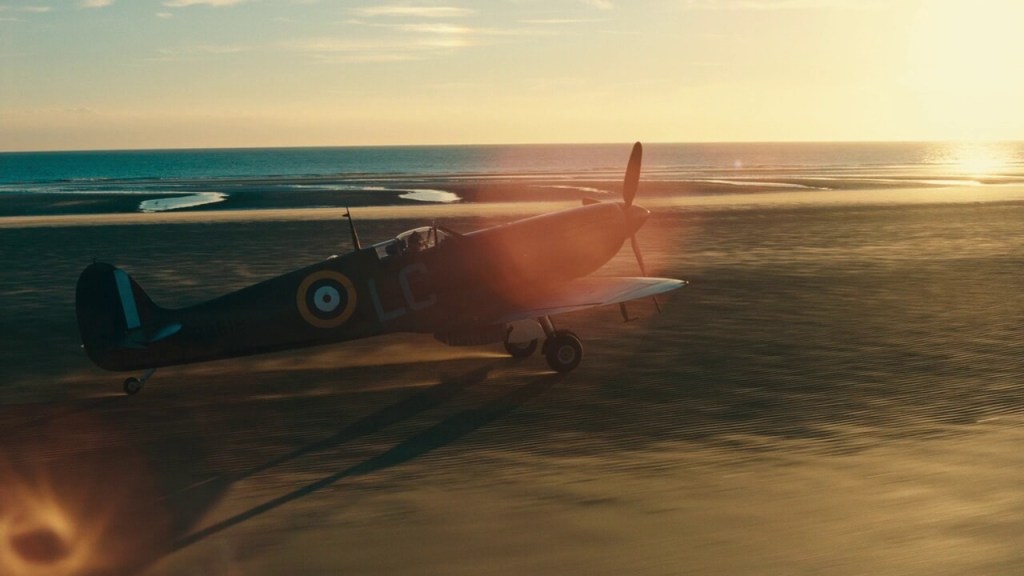
As the timelines converge, the tension escalates. The mole storyline climaxes as Tommy, Alex, and Gibson face imminent danger aboard a sinking ship and later attempt to find safety on another vessel. The sea storyline sees Mr. Dawson’s boat arriving at Dunkirk, where they aid in rescuing many soldiers, including those from the mole storyline. Farrier’s heroic actions in the air help protect the evacuation efforts but ultimately lead to his capture by German forces after he runs out of fuel and lands on the beach.


“Dunkirk” concludes with a poignant and triumphant note as many soldiers are successfully evacuated, though the cost of the operation and the uncertainty of the war’s outcome are palpable. The film closes with Tommy reading Winston Churchill’s famous speech about the evacuation, highlighting the resilience and determination of the British people.
“Dunkirk” is celebrated for its innovative narrative structure, intense realism, and immersive experience. The film’s minimal dialogue, heavy reliance on visual storytelling, and Hans Zimmer’s score create a visceral sense of urgency and fear.
 The Other Cinema