


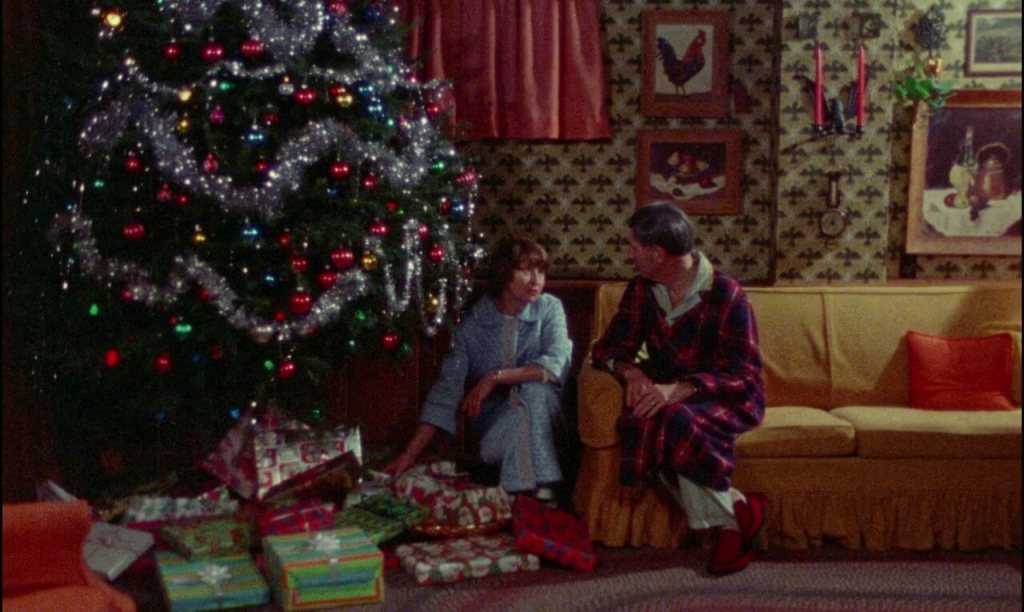
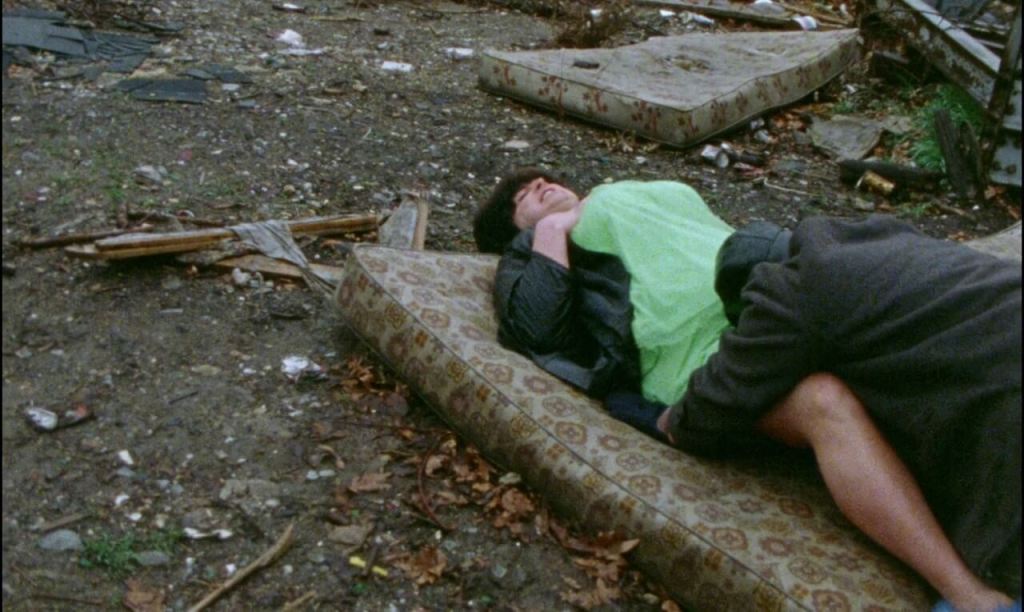
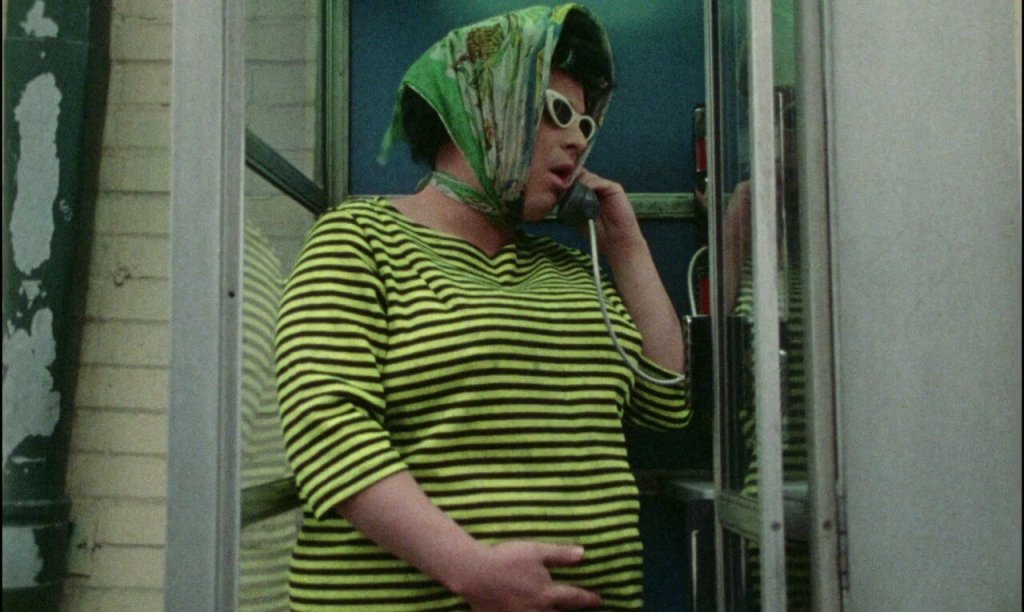
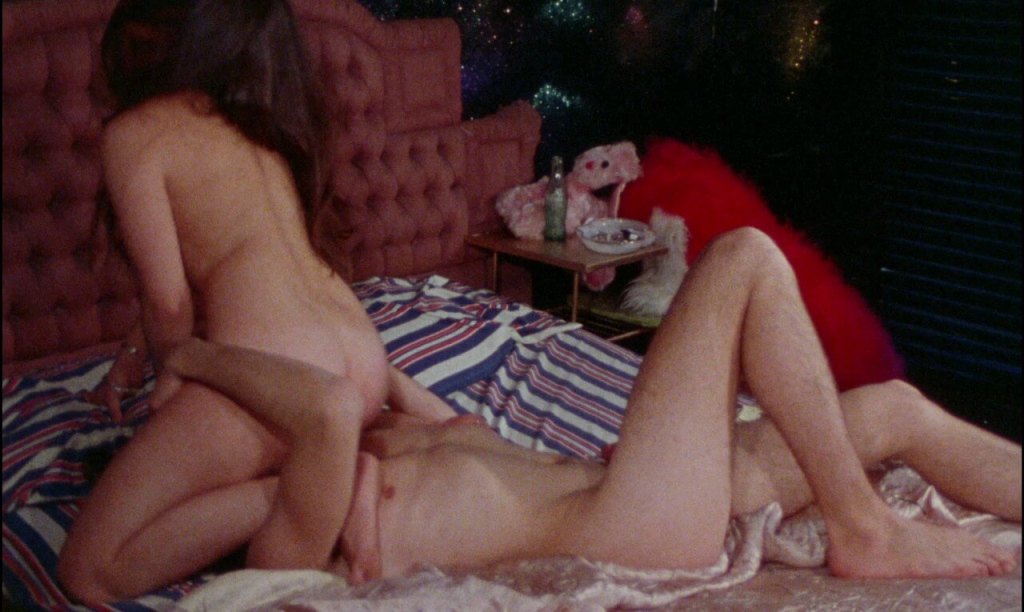
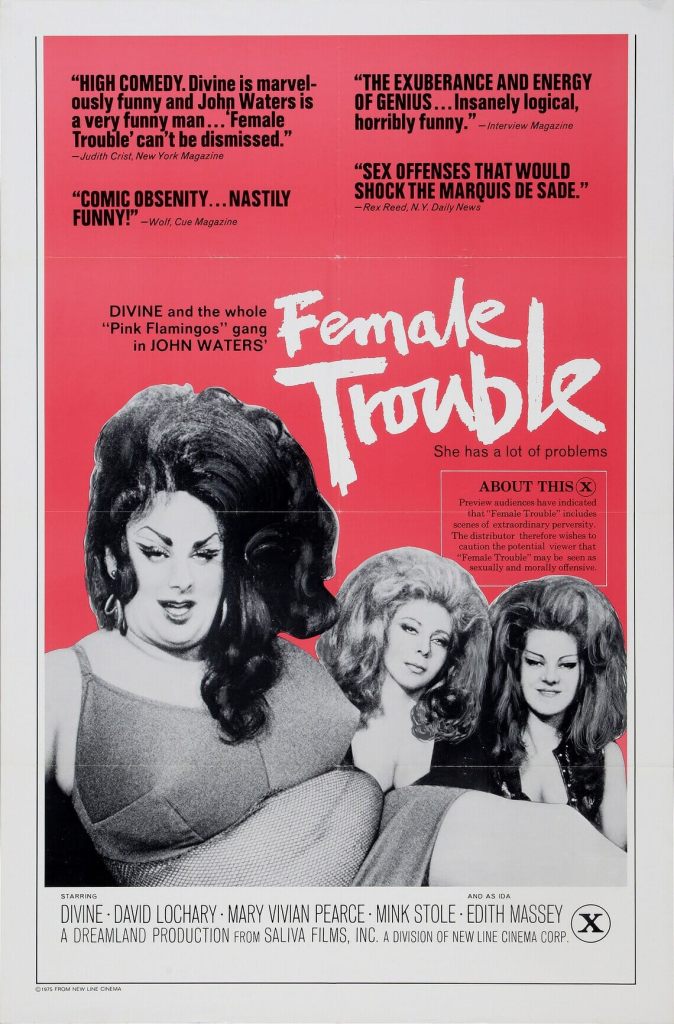
“Female Trouble” is a 1974 dark comedy written and directed by John Waters. Waters, known for his subversive themes and outrageous humor, continues his brand of filmmaking with this, his second full-length feature film. The film takes place in 1960s Baltimore, where a delinquent high school student, Dawn Davenport (played by Divine), goes berserk when her parents refuse to buy her the cha-cha heels she wanted for Christmas. In a rage, she storms out of the house and runs away, barely dressed. Dawn hitchhikes a ride with a repulsive, lecherous man who drives her to a dump, where they have sex on a discarded mattress. Dawn gets pregnant, but Earl refuses to support her. She later gives birth to a daughter, Taffy, whom she frequently mistreats. Dawn works various low-paying jobs, such as a waitress in a diner and a stripper, and also gets involved in criminal activities like burglary and street prostitution with her former high-school friends, Concetta and Chicklette.

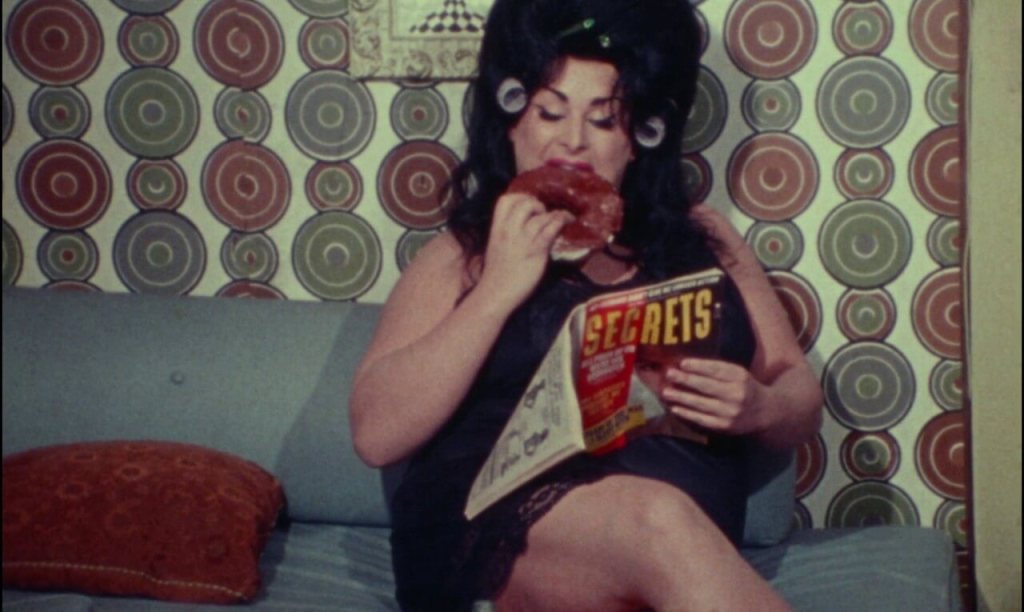
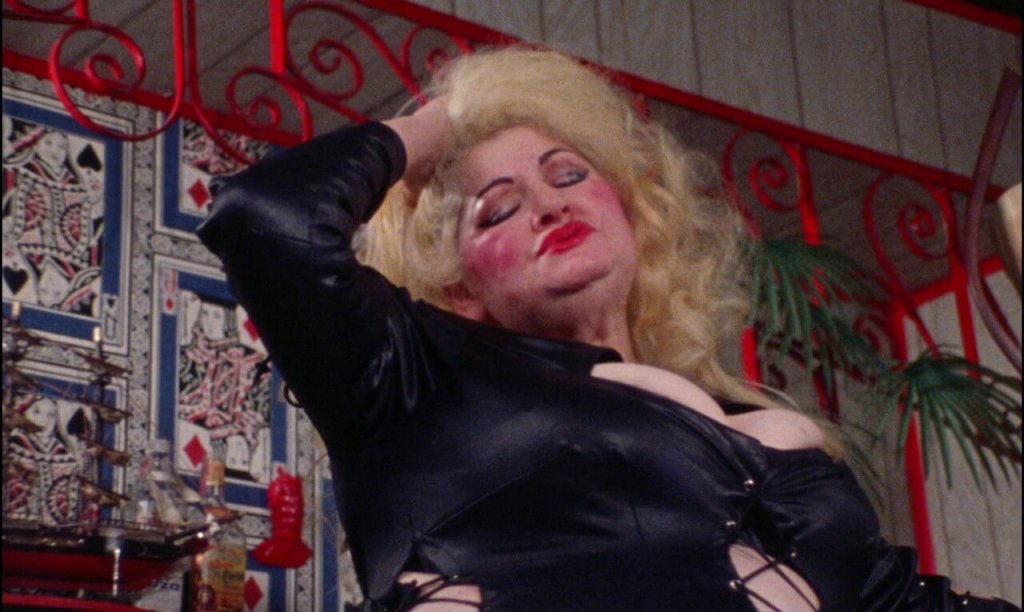
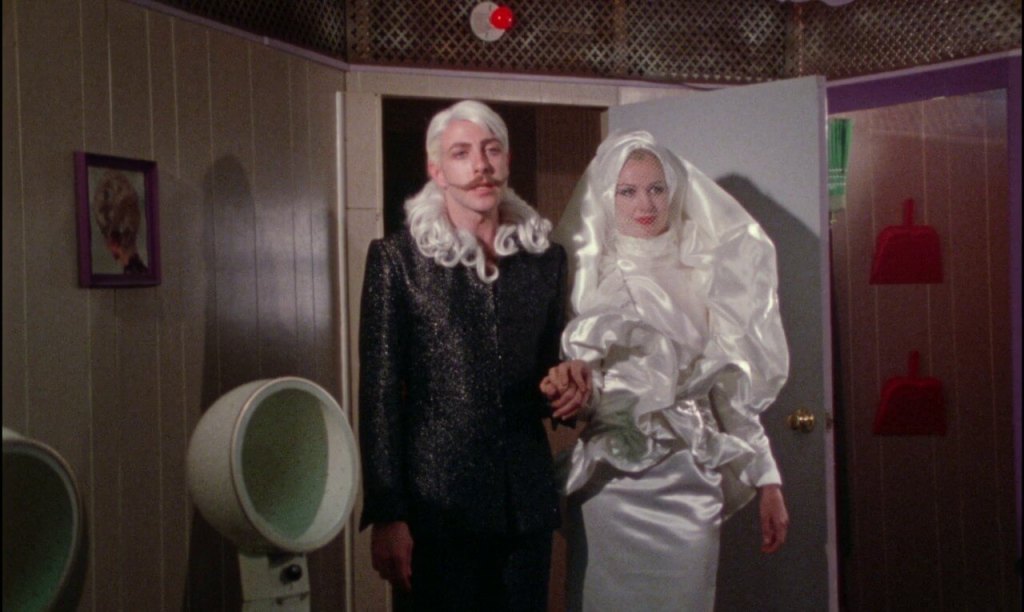


Dawn often visits the Lipstick Beauty Salon and eventually marries Gater Nelson, her hair stylist and next-door neighbor. The salon’s owners, Donald (played by David Lochary) and Donna Dasher (played by Mary Vivian Pearce), lure Dawn into participating in an artistic experiment to prove that “crime and beauty are the same.” They tempt Dawn with promises of fame and photograph her crimes to feed her vanity.

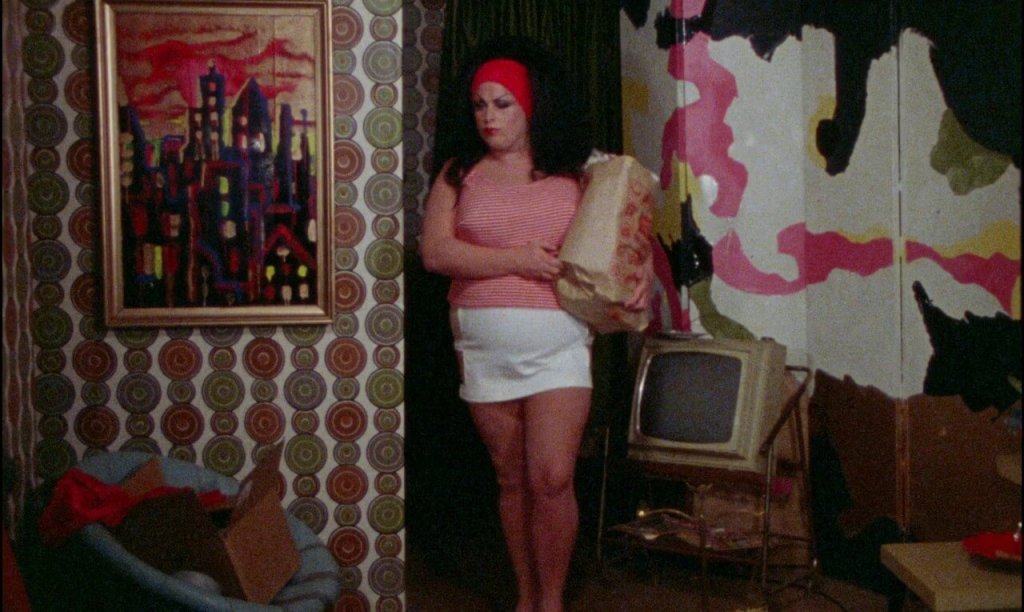
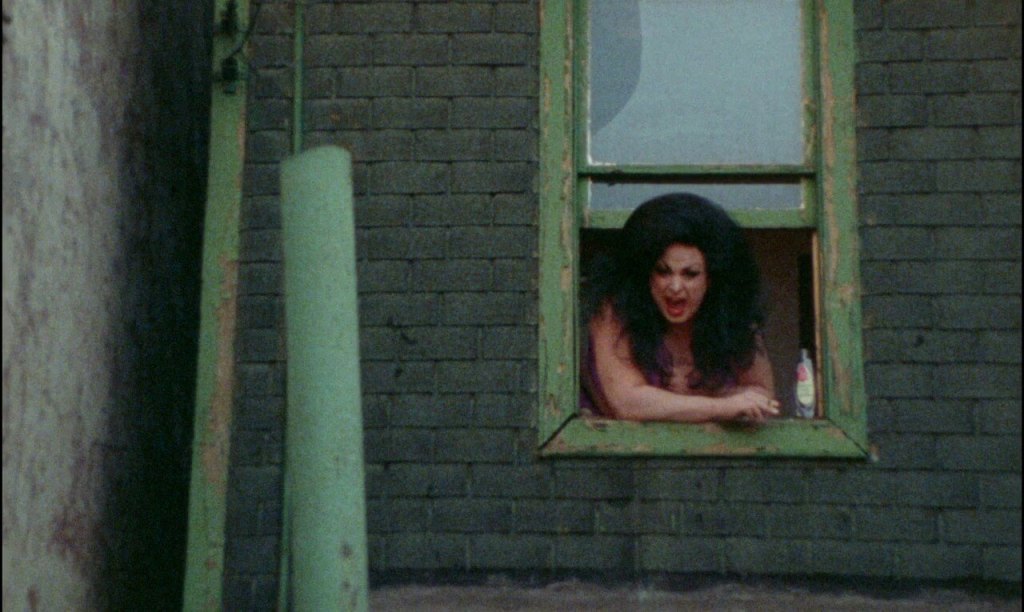
Gater’s aunt, Ida Nelson, is distraught over her nephew’s marriage because she wants him to date men instead of women. When the marriage fails, Dawn persuades the Dashers to fire Gater. Ida blames Dawn for driving Gater away and exacts revenge by throwing acid in her face, leaving Dawn hideously disfigured. The Dashers discourage Dawn from having corrective cosmetic surgery and use her as a grotesquely made-up model. After they kidnap Ida and imprison her in a giant birdcage as a gift to Dawn, they give Dawn an axe to chop off her hand as revenge for the acid attack.
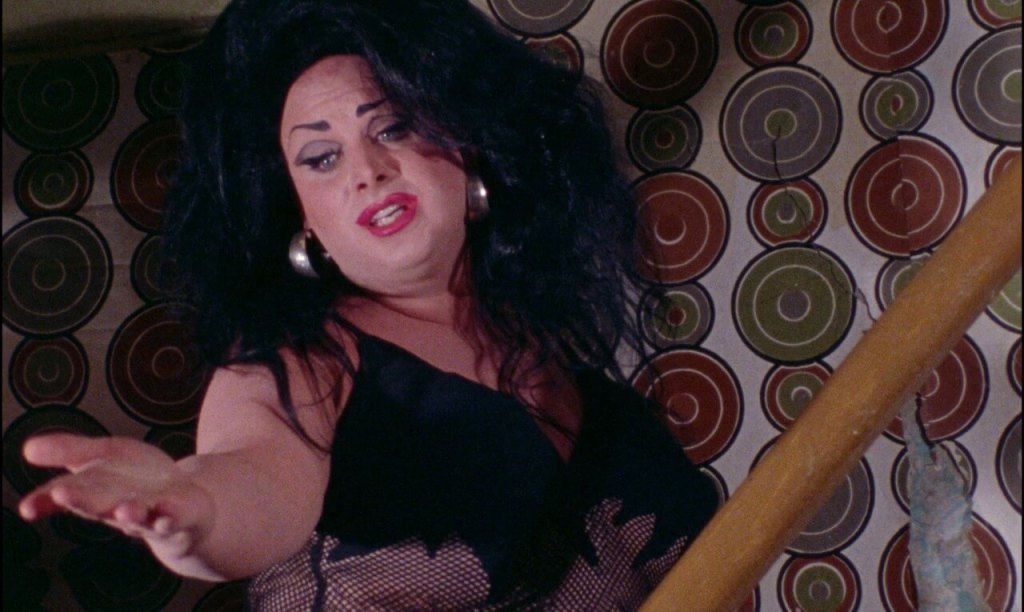
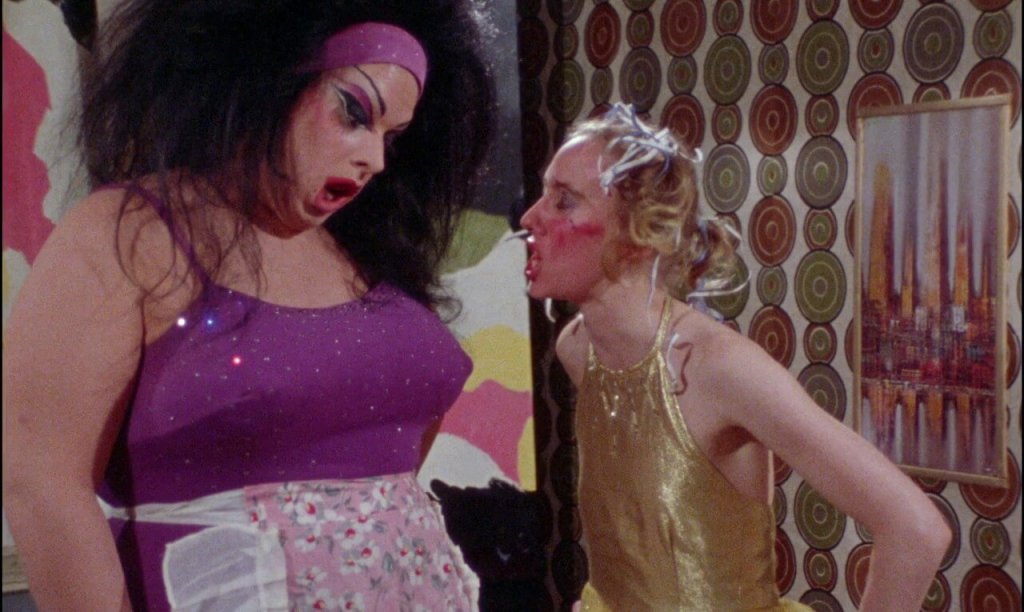
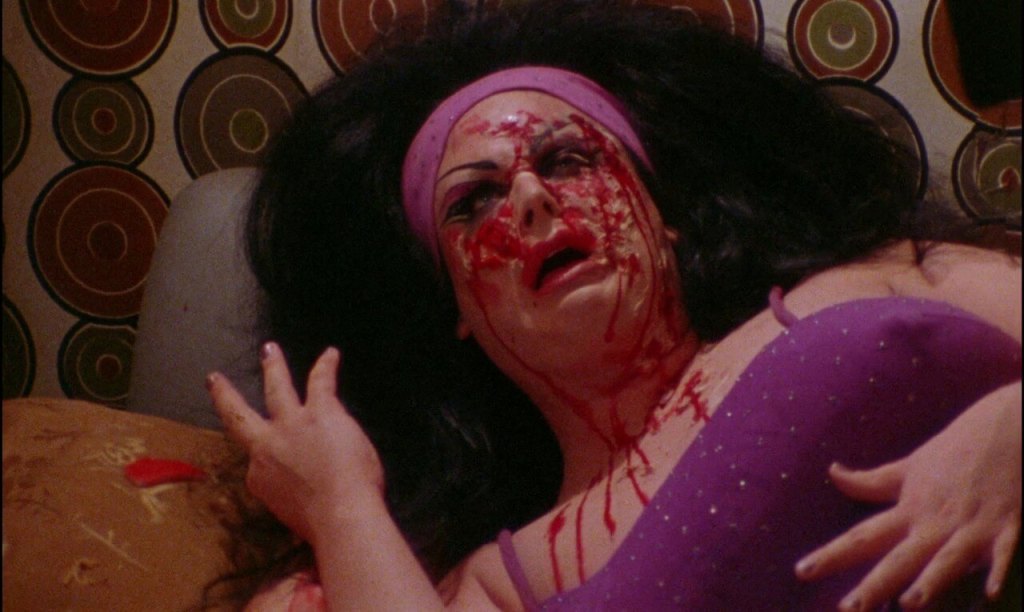
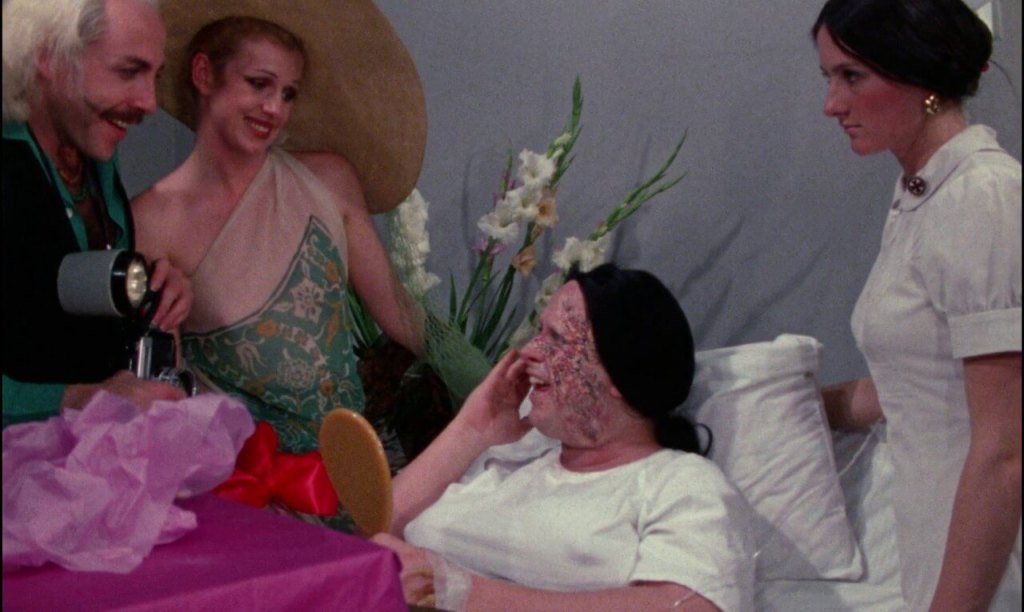
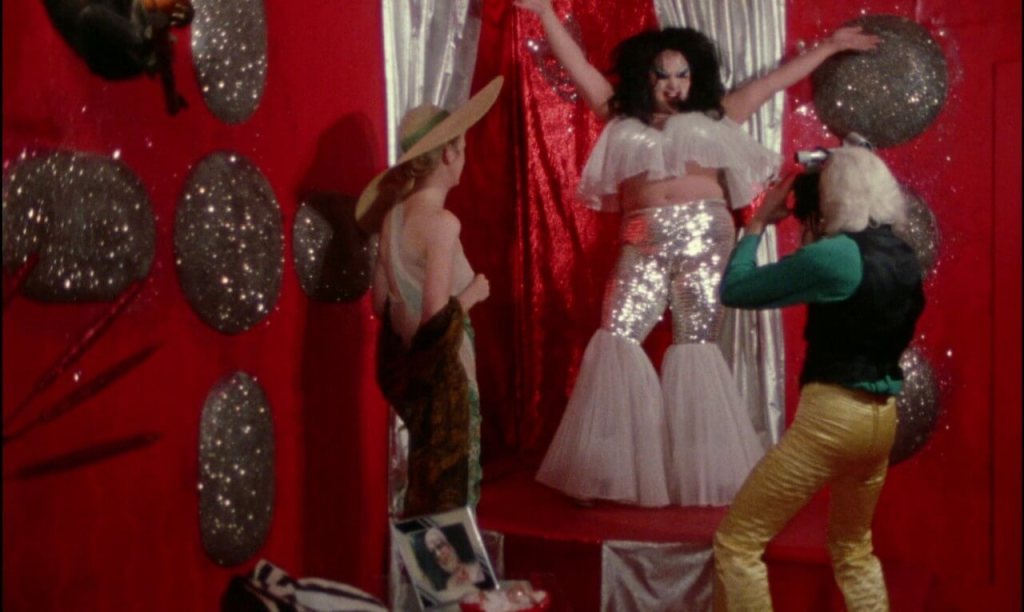
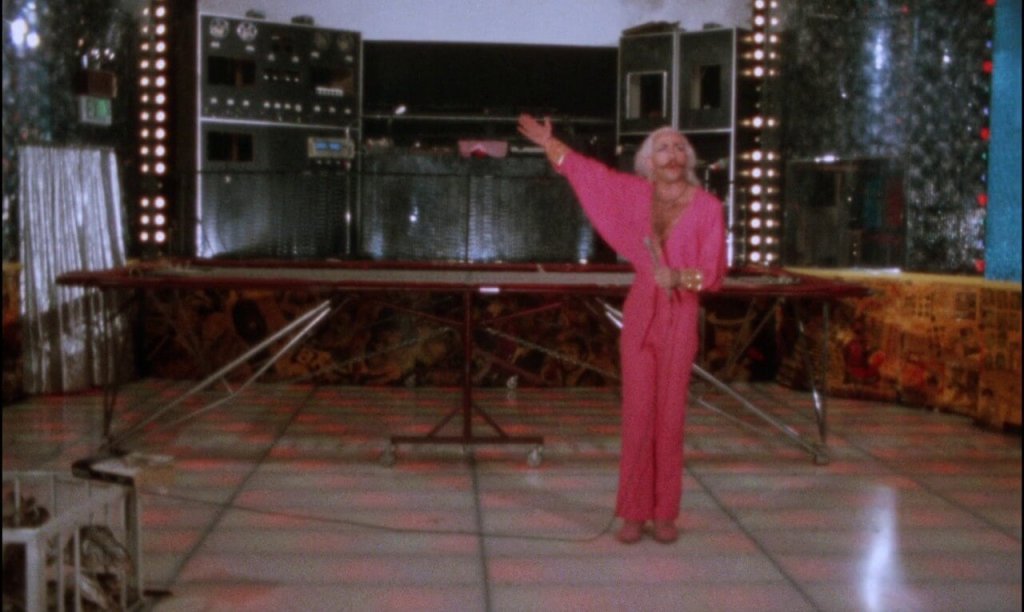
Taffy, now a teenager, persuades Dawn to reveal the identity of her father, but when Taffy traces him, she finds him drunk, disheveled, and living in squalor. Taffy stabs him to death with a chef’s knife after he tries to molest her. Taffy returns home, falsely claims she could not locate her father, and announces she is joining the Hare Krishna movement. Dawn threatens to kill her if she does.

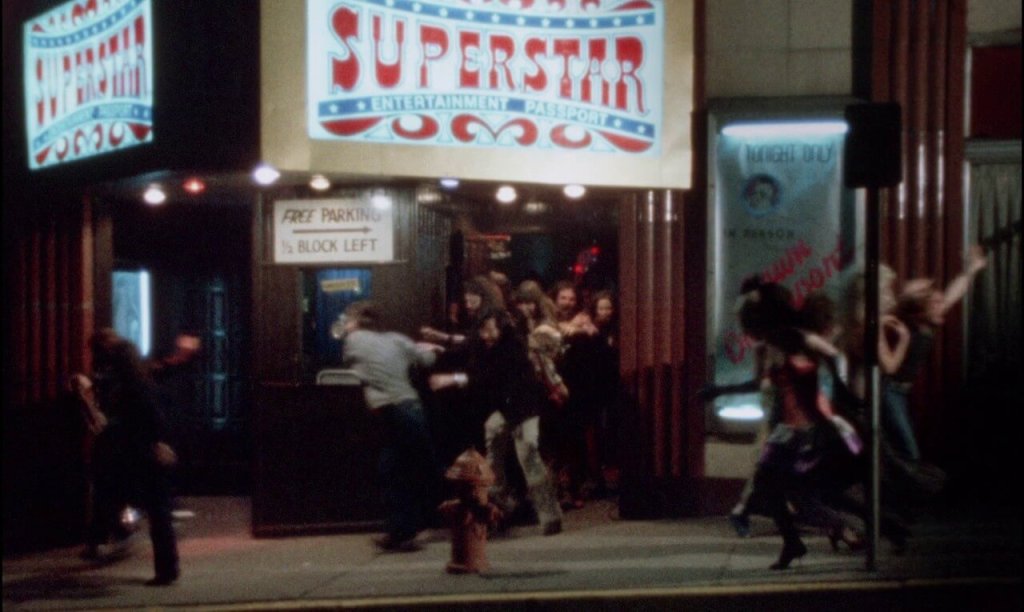
Dawn, now with bizarre hair, make-up, and outfits provided by the Dashers, mounts a nightclub act. When Taffy appears backstage in religious attire, Dawn fulfills her threat and strangles her to death as part of her nightclub act. She then brandishes a gun onstage and begins firing into the crowd, wounding and killing several audience members. When the police arrive to subdue the crowd, they shoot several audience members themselves but allow the Dashers to leave when they claim to be upright citizens. Dawn flees into a forest but is soon arrested by the police and put on trial for murder.
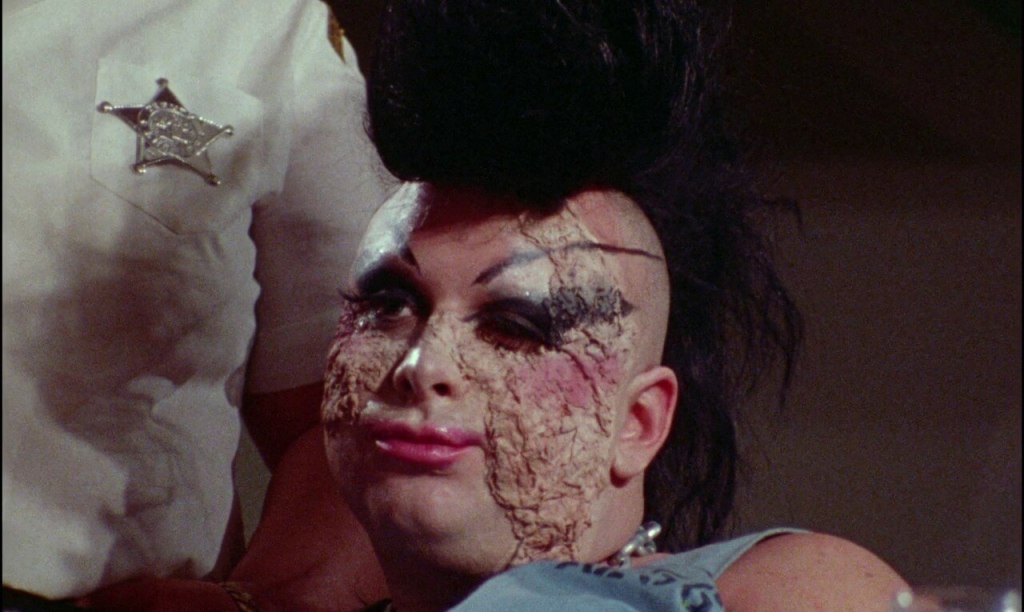
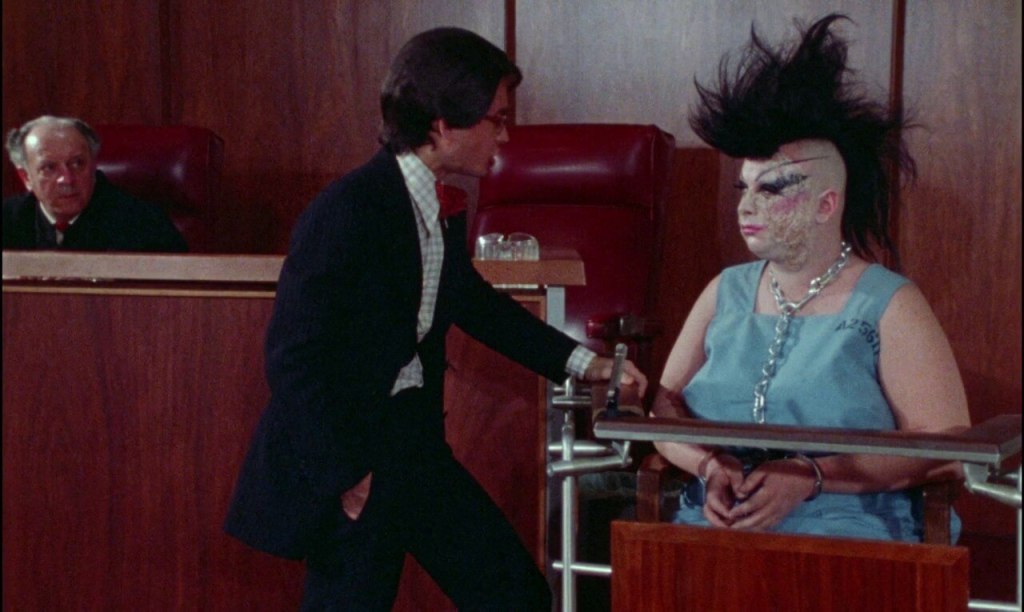
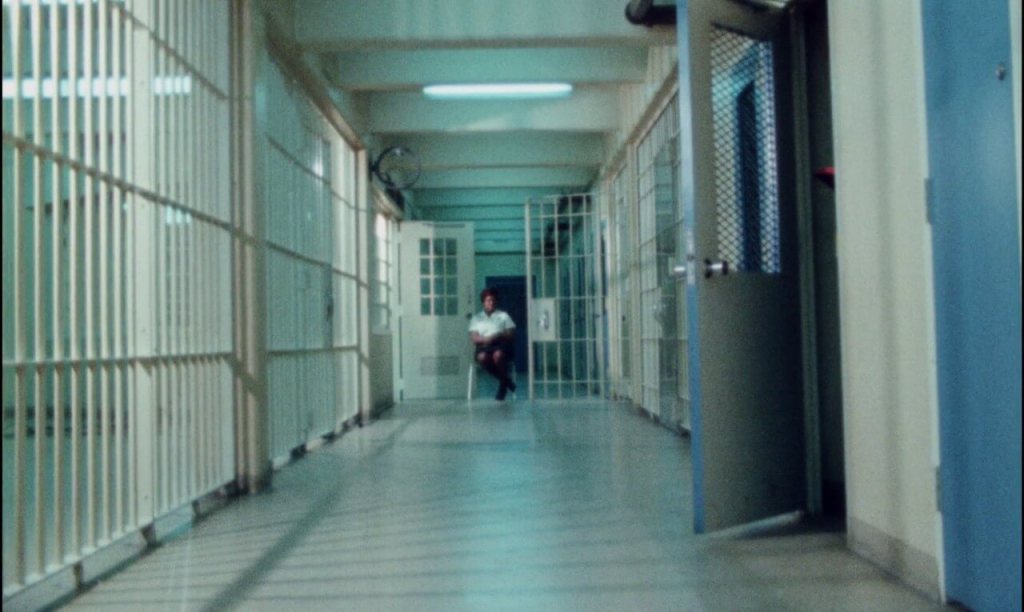
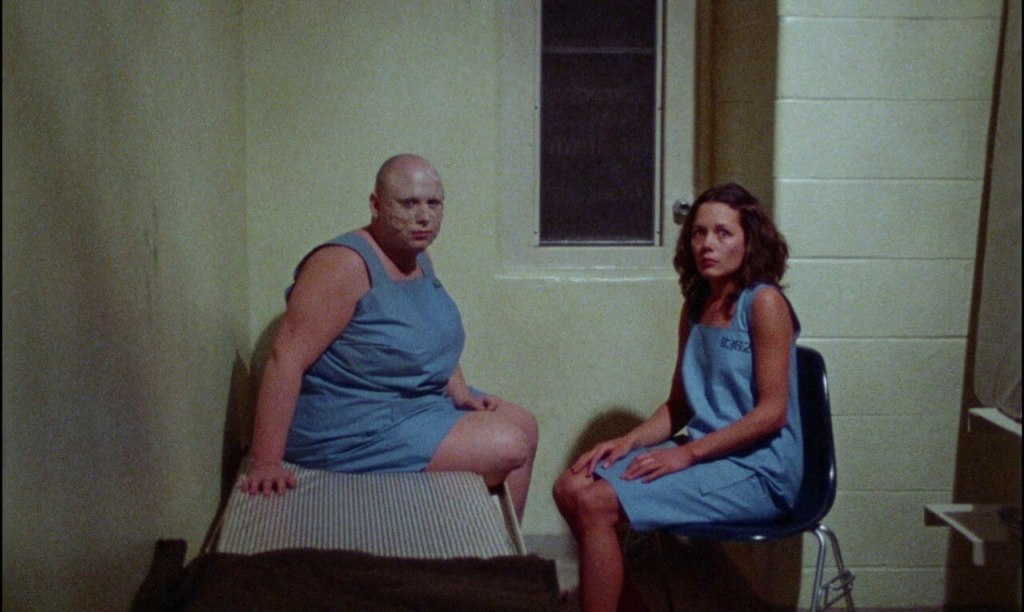
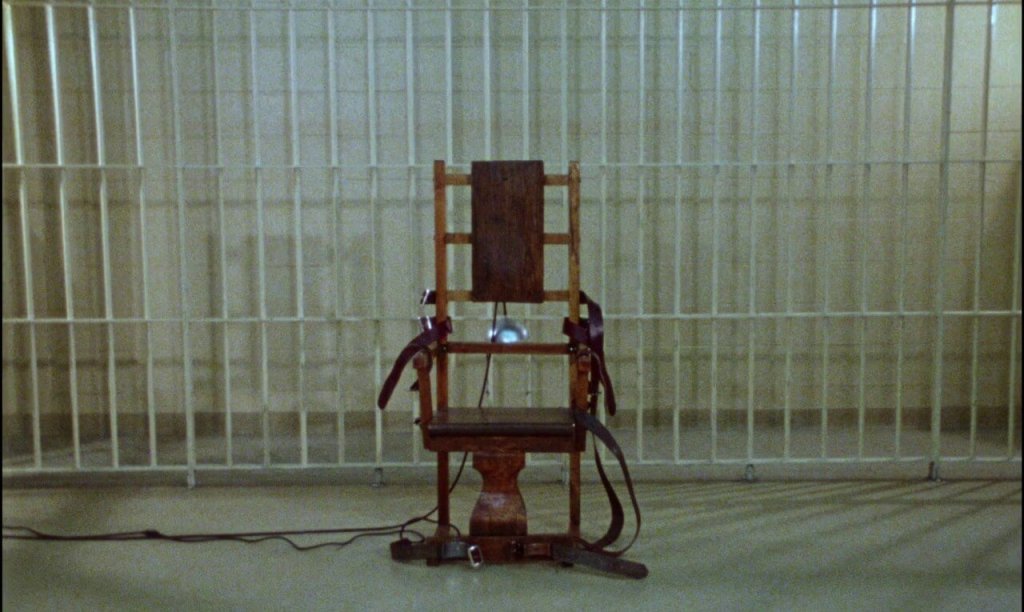
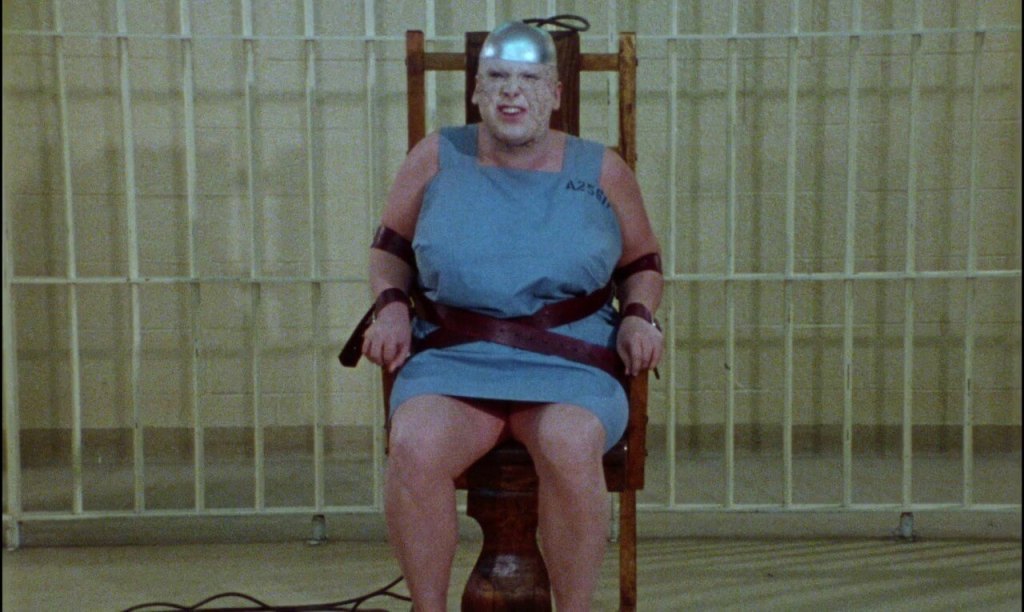
At the trial, the judge grants the Dashers immunity from prosecution for testifying against Dawn. The Dashers feign innocence and completely blame Dawn for the crimes she committed at their behest, and they bribe Ida to give false testimony to get Dawn convicted. Although Dawn’s lawyer tries to have her found not guilty because of insanity, the jury finds Dawn guilty and sentences her to die in the electric chair. In prison, after Dawn says goodbye to her fellow inmate and lesbian lover Earnestine, she is escorted by a priest and two guards to her execution. As Dawn is strapped to the chair, she makes a speech to an imaginary audience as if she were accepting an award and is then executed.
The film is often seen as a cult classic, which helped John Waters gain recognition in underground cinema. It delves into themes such as deviance, societal norms, trauma, and crime. Interestingly, the film is dedicated to Manson Family member Charles “Tex” Watson. Waters’ visits to Watson in prison influenced the theme of “crime is beauty” in the film. In the opening credits, Waters includes a wooden toy helicopter that Watson made for him.
 The Other Cinema