
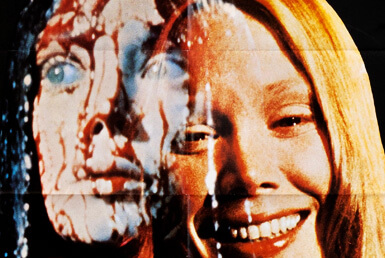
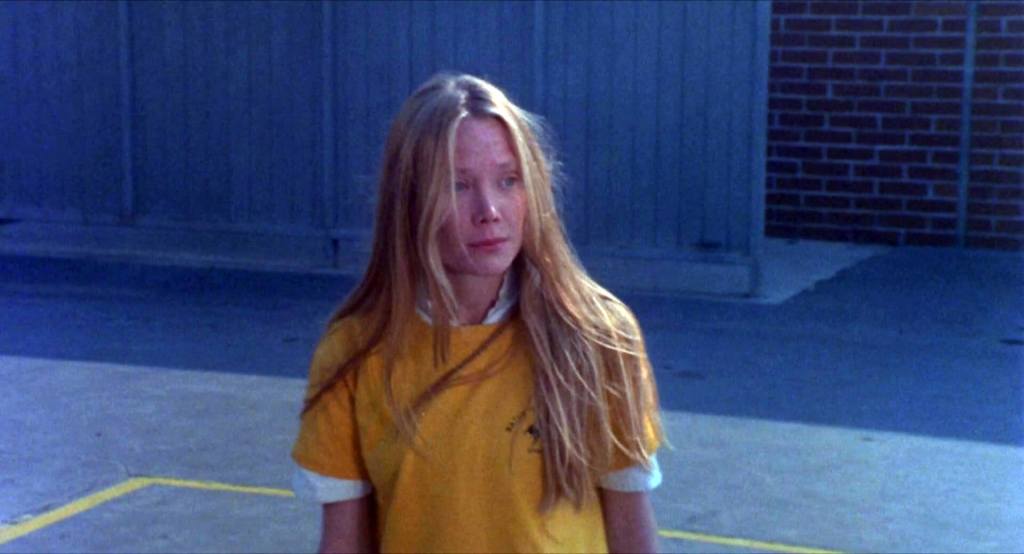
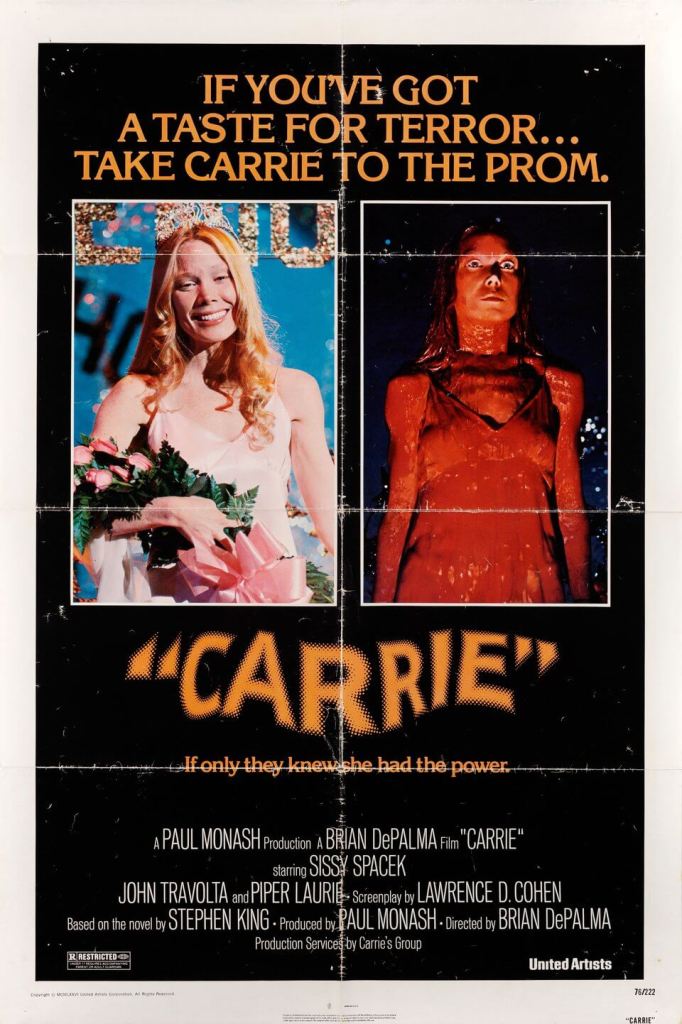
“Carrie” (1976) is a classic horror film directed by Brian De Palma, based on Stephen King’s debut novel of the same name. The film stars Sissy Spacek as Carrie White, a shy and socially awkward high school girl with a deeply religious and abusive mother, played by Piper Laurie. The cast includes Amy Irving, William Katt, John Travolta, Nancy Allen, and Betty Buckley.




The story begins with Carrie White enduring daily torment at Bates High School. She is mercilessly bullied by her classmates, led by the cruel Chris Hargensen (Nancy Allen). The film opens with a harrowing scene in the girls’ locker room, where Carrie experiences her first menstrual period. Unaware of what is happening to her due to her mother’s extreme religious upbringing, Carrie panics, and her classmates mock her, pelting her with sanitary products. The gym teacher, Miss Collins (Betty Buckley), intervenes and punishes the girls involved, but the damage to Carrie’s psyche is profound.


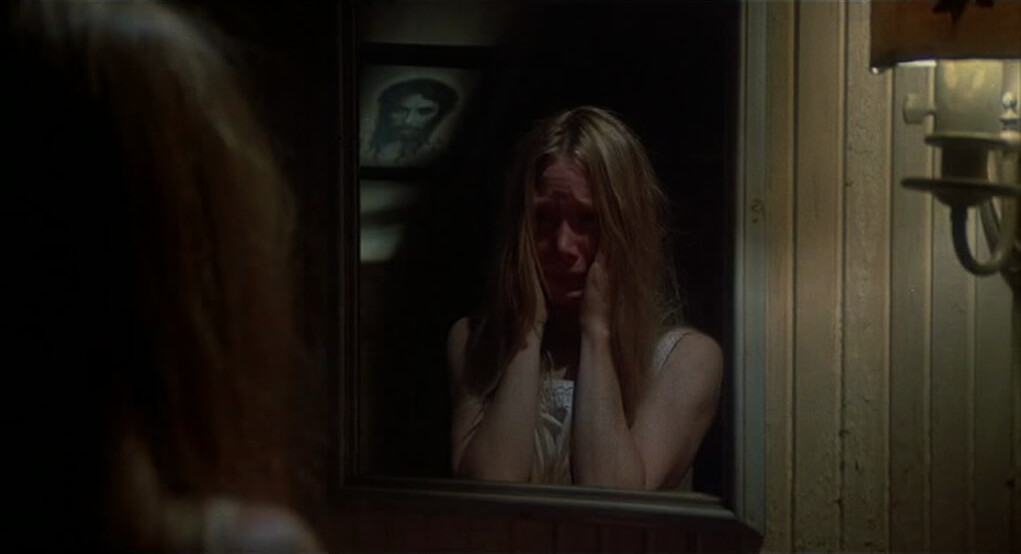


At home, Carrie’s mother, Margaret White (Piper Laurie), is a fanatical Christian who believes that menstruation is a sin and subjects Carrie to abusive treatment, including locking her in a small closet to pray for forgiveness. This oppressive environment exacerbates Carrie’s feelings of isolation and fear.


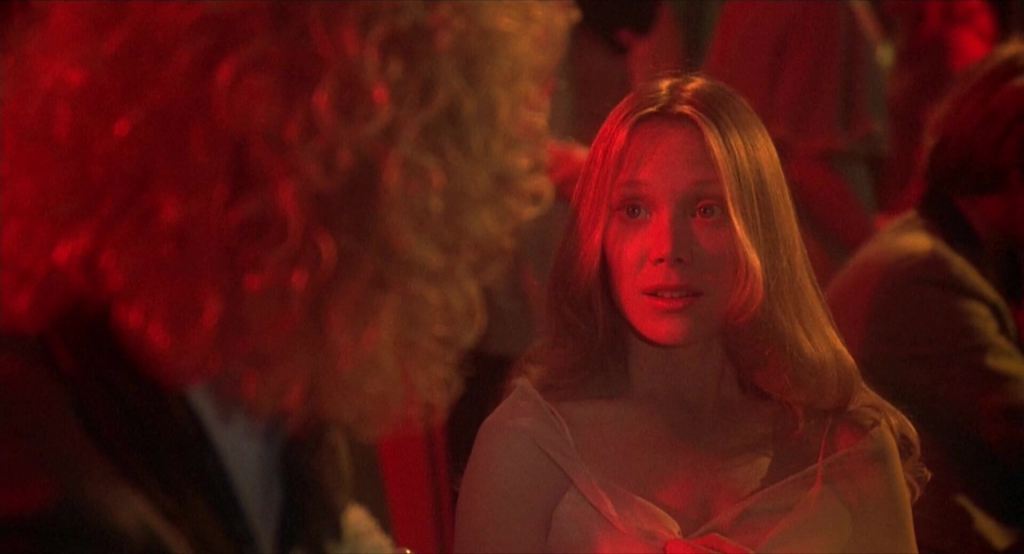


As Carrie becomes increasingly stressed, she manifests telekinetic powers, which she initially discovers when a light bulb shatters in the locker room. These powers become more pronounced and uncontrollable as the film progresses.
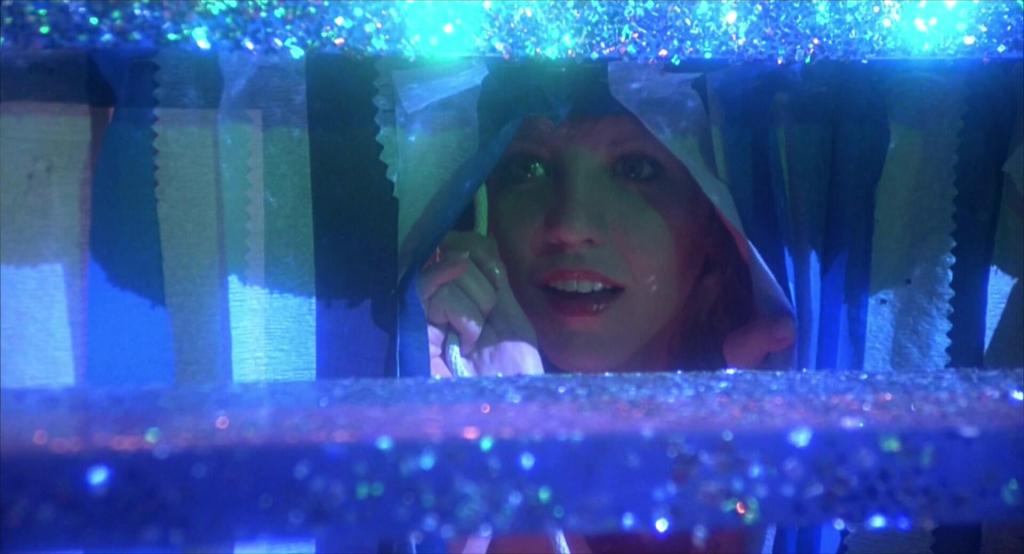


Sue Snell (Amy Irving), one of the girls who participated in bullying Carrie, feels remorse for her actions. To make amends, she persuades her boyfriend, Tommy Ross (William Katt), to take Carrie to the prom. Initially skeptical, Carrie is convinced to attend the prom with Tommy, much to her mother’s disapproval. Margaret warns Carrie that something terrible will happen, but Carrie defies her and goes to the prom, where she experiences happiness and acceptance for the first time.

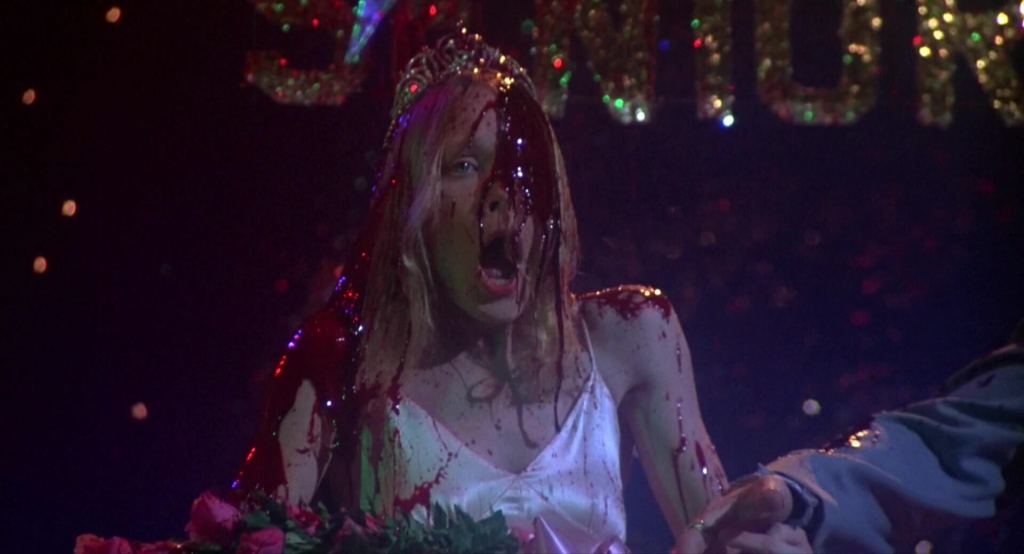

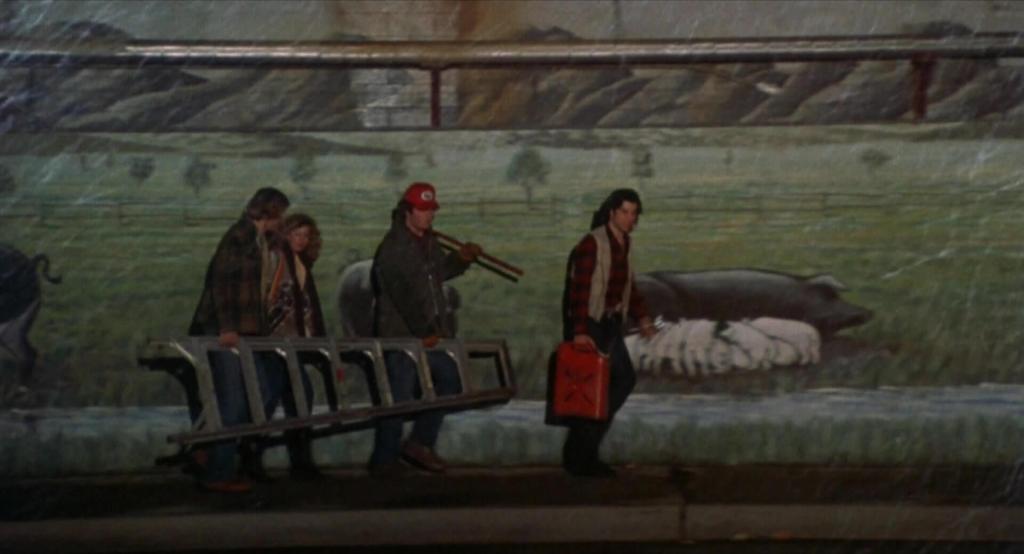
The prom, however, turns dark when Chris Hargensen, who has been banned from the event due to her refusal to accept her punishment, hatches a plan for revenge. With the help of her boyfriend, Billy Nolan (John Travolta), Chris rigs the prom queen election, ensuring Carrie wins. As Carrie stands on stage to accept her crown, Chris and Billy douse her in pig’s blood, humiliating her in front of the entire school.
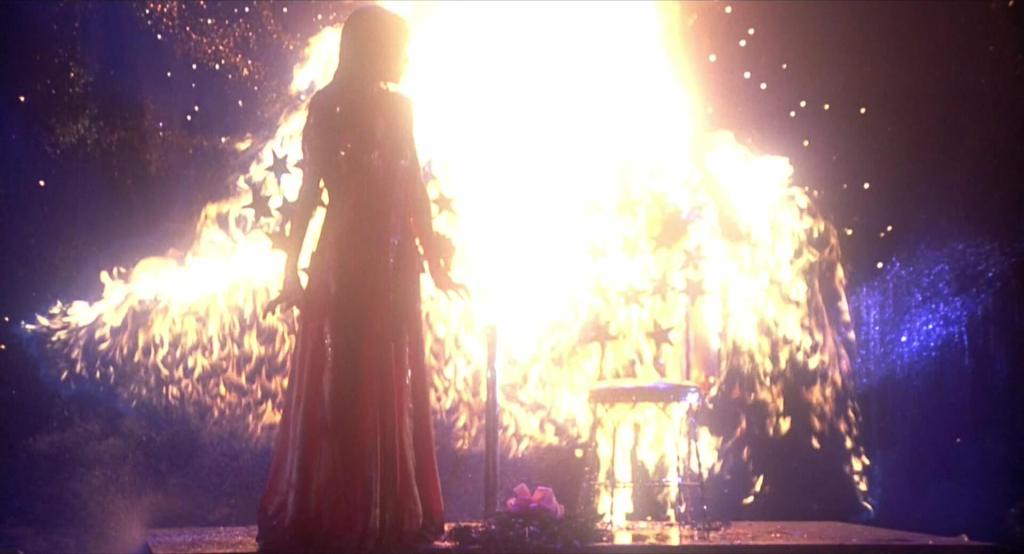

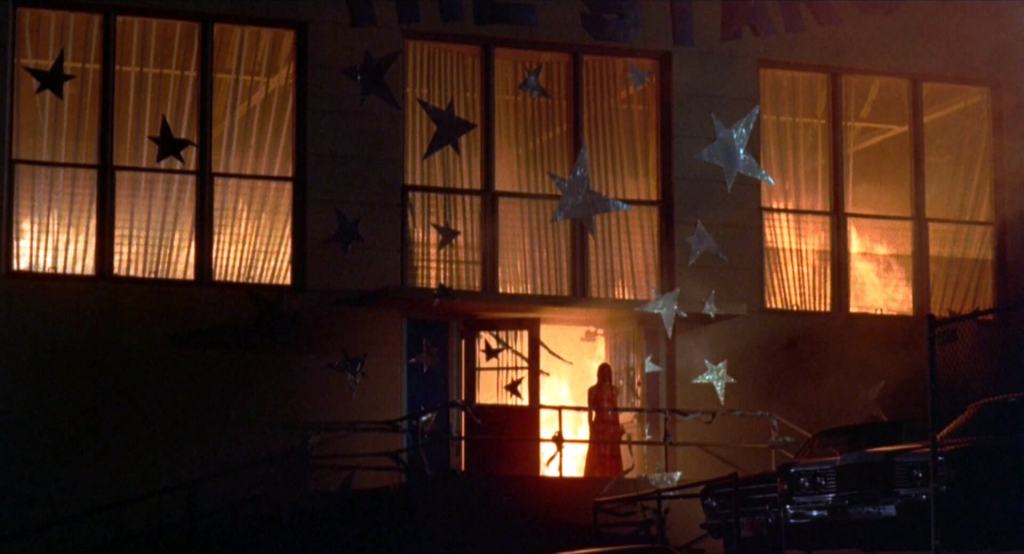
The shock and humiliation trigger Carrie’s telekinetic powers to an uncontrollable extent. She unleashes her rage on the prom attendees, causing a deadly and fiery chaos that results in numerous deaths. The school gymnasium becomes a scene of carnage as Carrie exacts her revenge on those who tormented her.
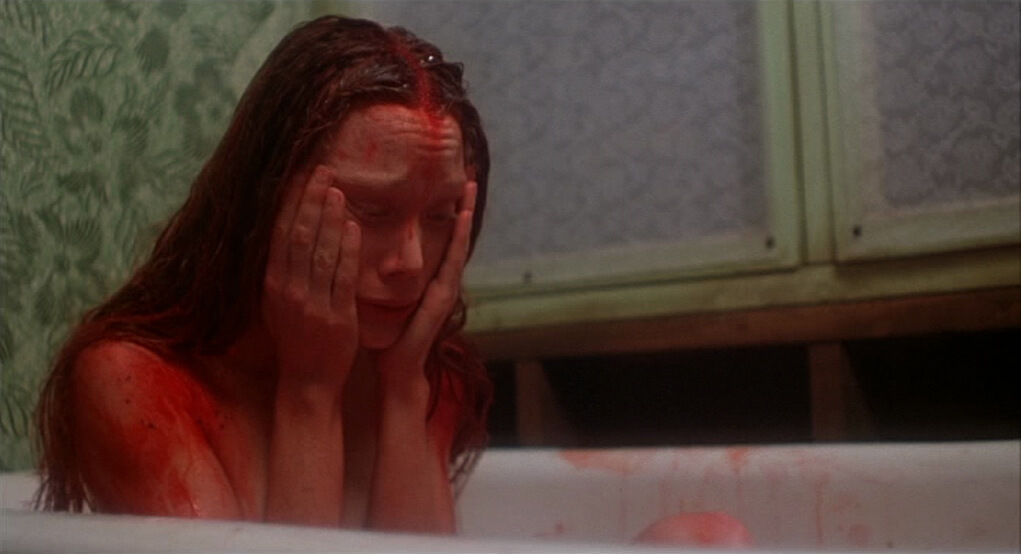
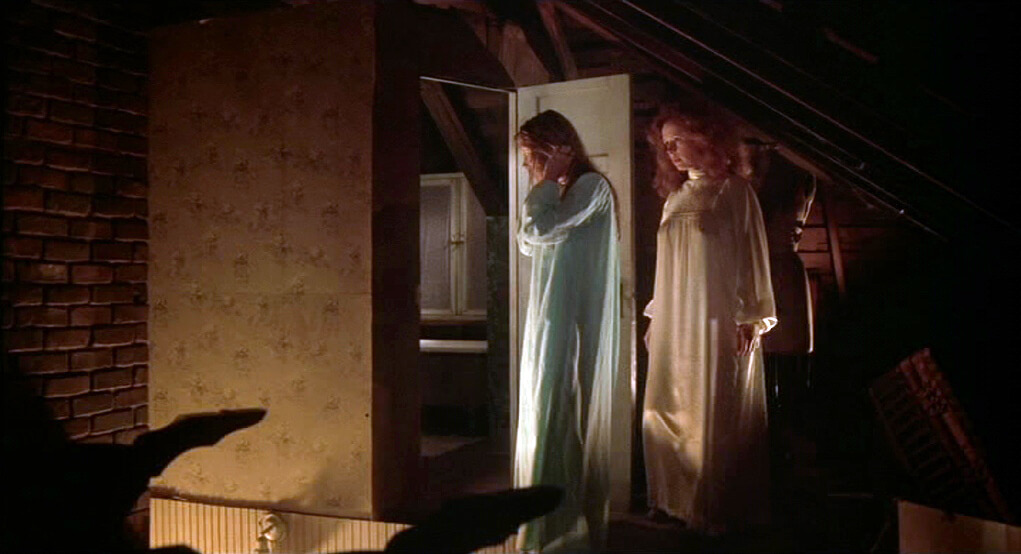
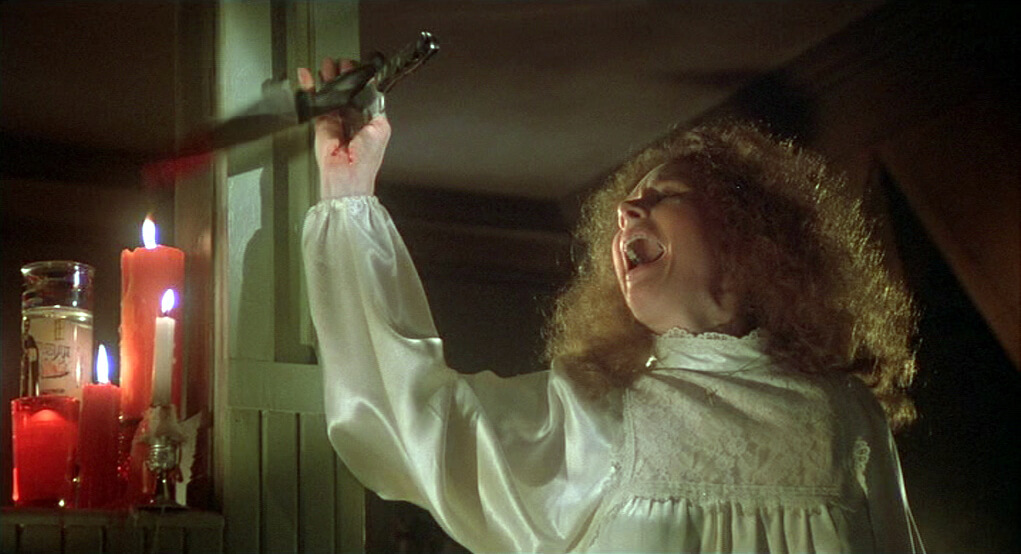
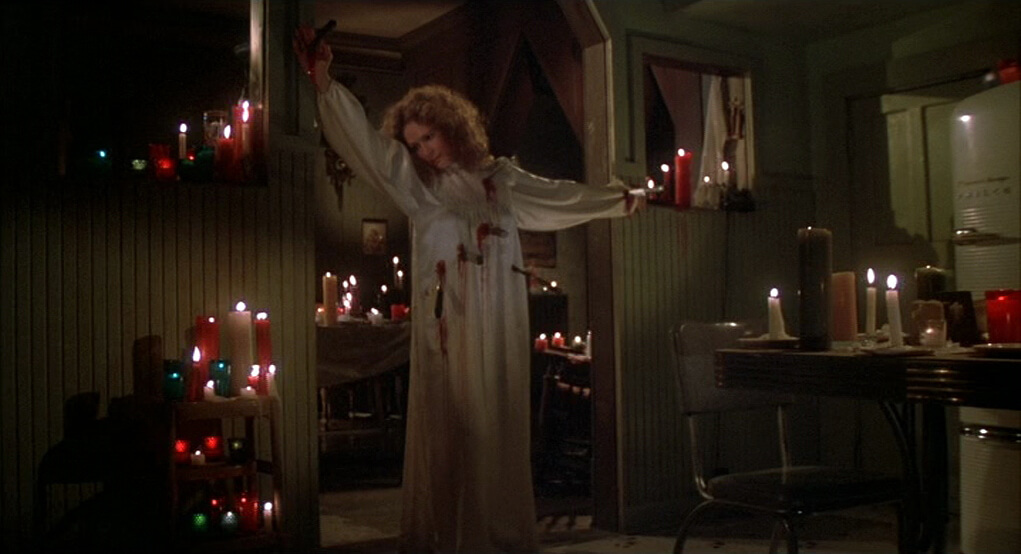
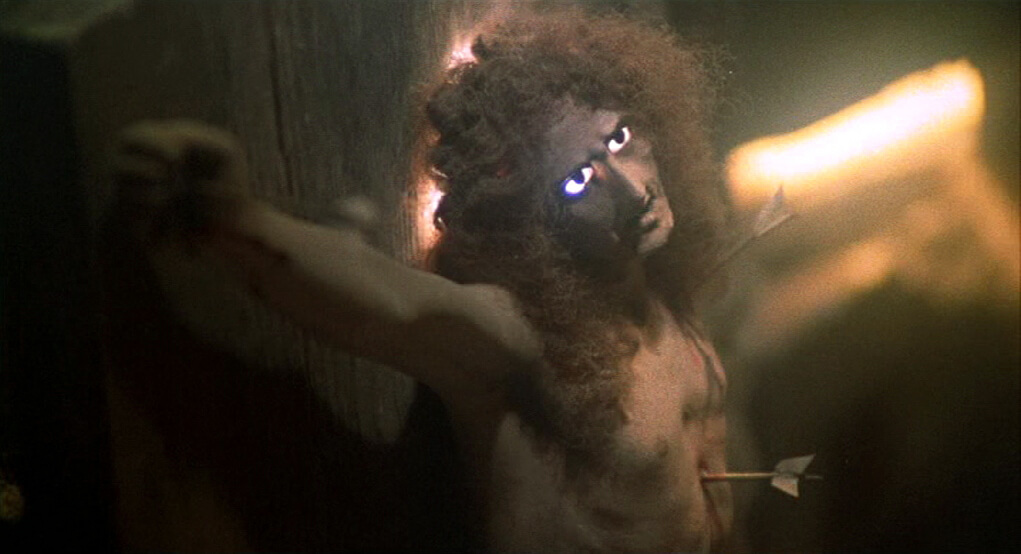
After escaping the destruction at the prom, Carrie returns home, seeking solace. However, her mother, believing Carrie to be possessed by a demonic force, attacks her. In the ensuing struggle, Carrie uses her telekinesis to defend herself, ultimately killing her mother. Grief-stricken and traumatized, Carrie succumbs to her injuries as the house collapses around her, engulfed in flames.
The film concludes with a scene where Sue Snell, the sole survivor among Carrie’s peers, visits the site of Carrie’s demolished home. In a nightmarish vision, a hand reaches out from the rubble, grabbing Sue’s arm, indicating that the horrors of that night will haunt her forever.

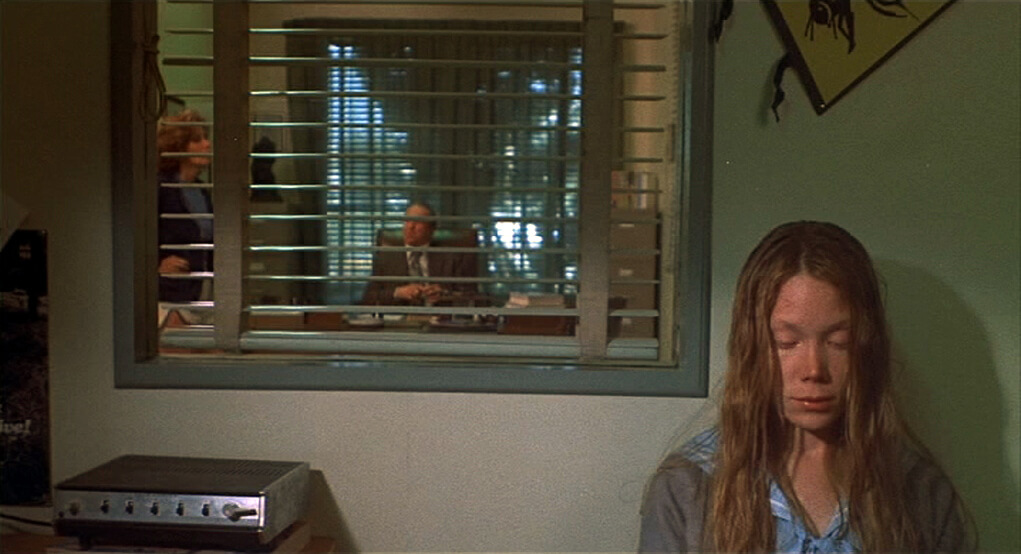
“Carrie” is a seminal film in the horror genre, lauded for its intense atmosphere, compelling performances, and exploration of themes such as bullying, revenge, and the consequences of unchecked power. Sissy Spacek’s portrayal of Carrie White earned her an Academy Award nomination, and Piper Laurie’s performance as Margaret White also received critical acclaim.
 The Other Cinema