

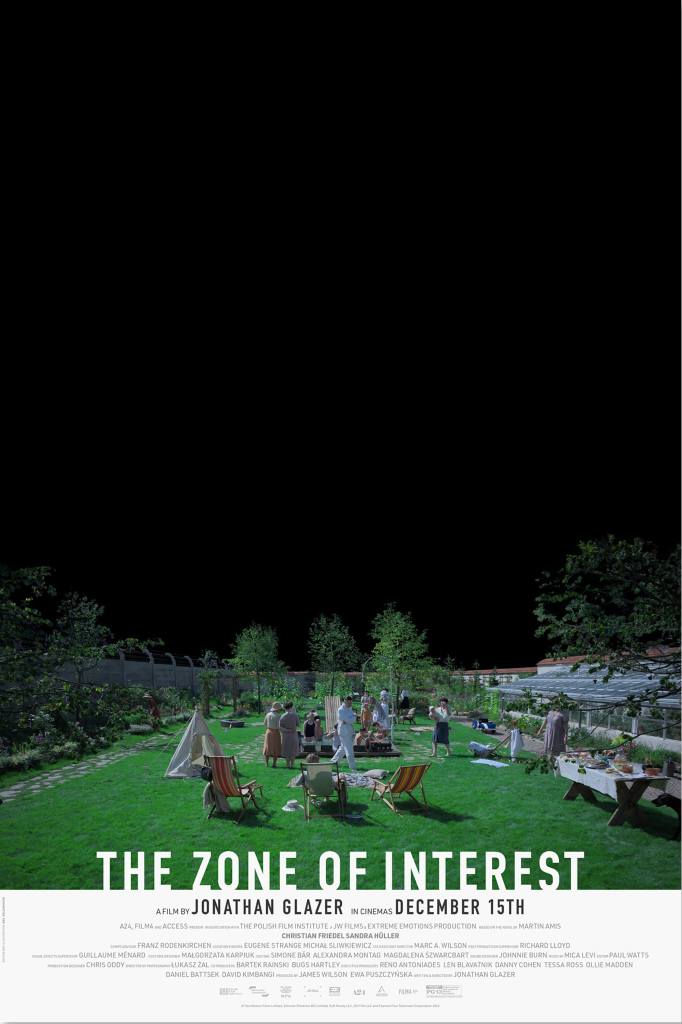
“The Zone of Interest” (2023) is a chilling drama written and directed by Jonathan Glazer and adapted from the novel by Martin Amis. The film stars Christian Friedel, Sandra Hüller, and Daniel Bruhl, who deliver powerful performances that bring a harrowing story to life.

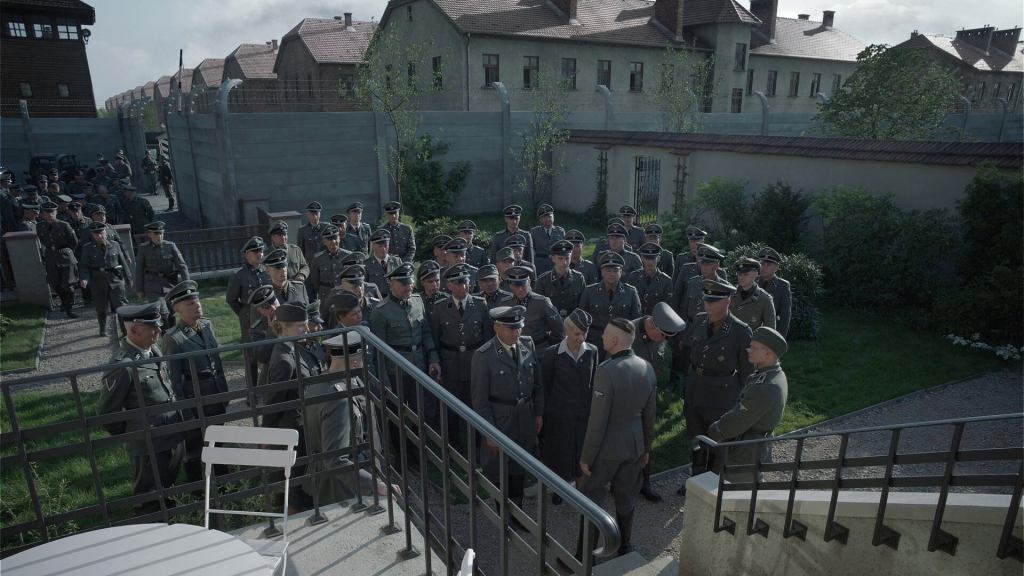
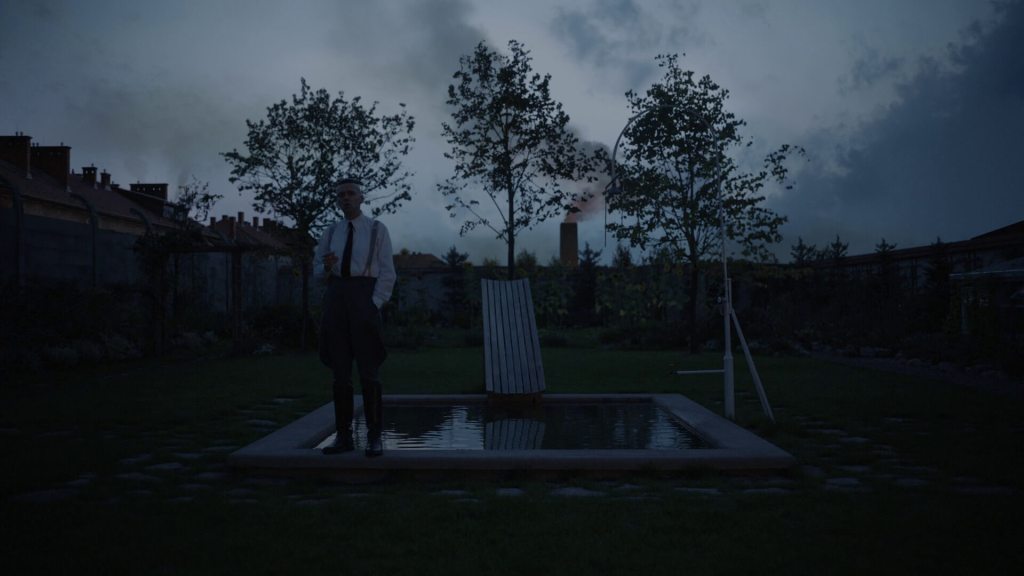


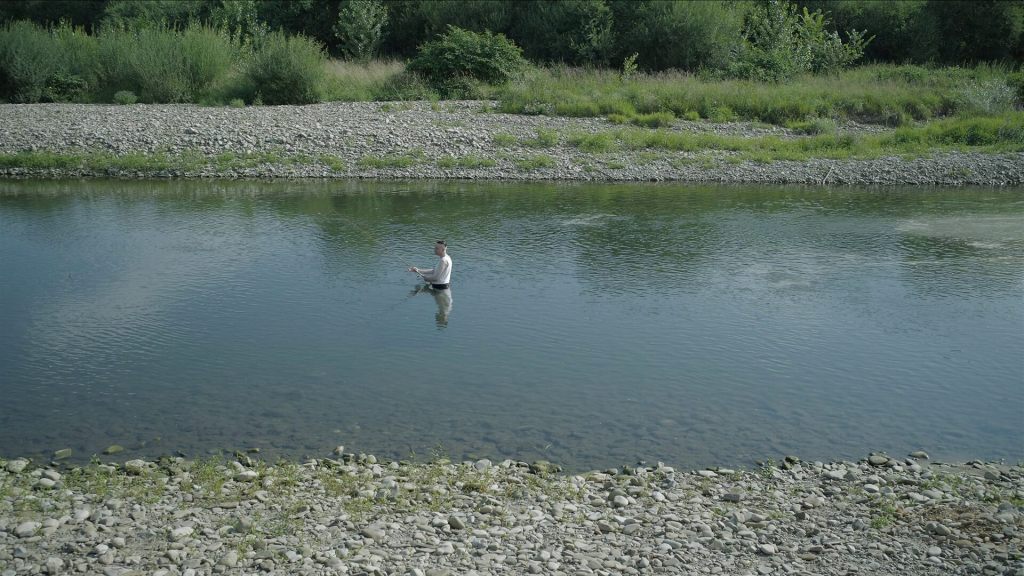
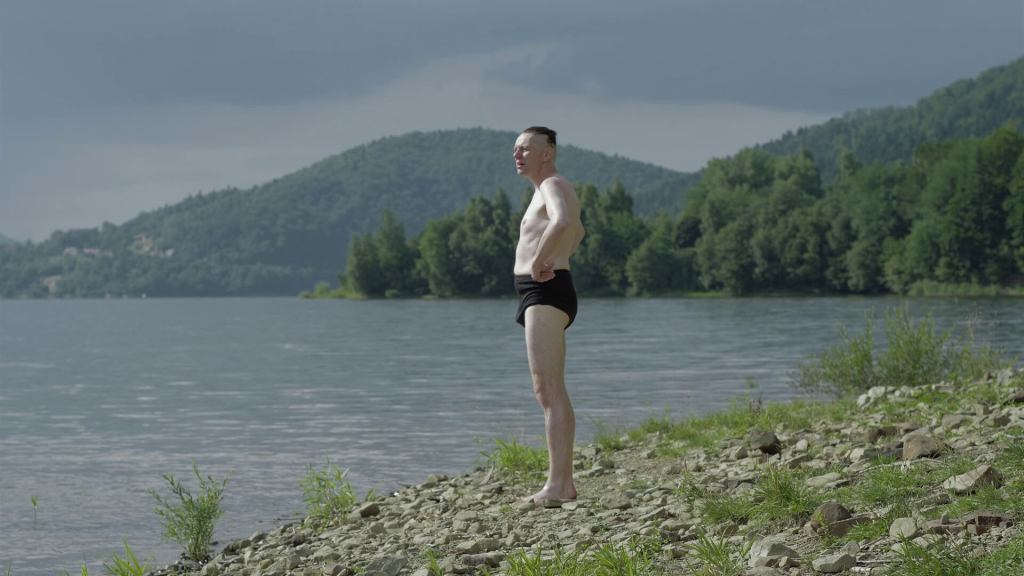
Set during World War II, “The Zone of Interest” explores the banality of evil through the lens of the Holocaust. The story centers on Rudolf Höss (Christian Friedel), the commandant of the Auschwitz concentration camp, and his wife, Hedwig Höss (Sandra Hüller). The film juxtaposes the horrific reality of the Holocaust with the seemingly ordinary and even idyllic life of the Höss family living just outside the camp.
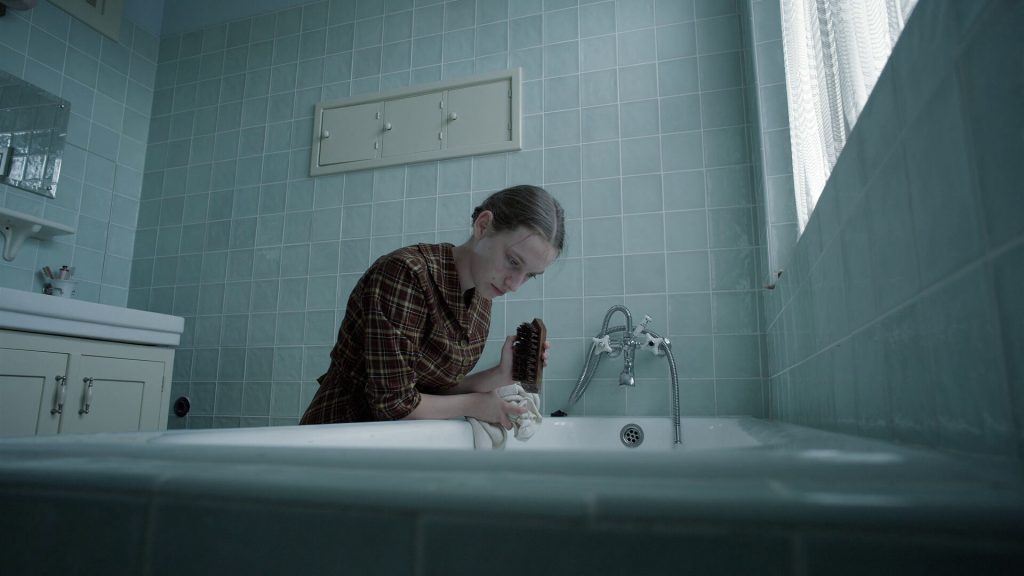
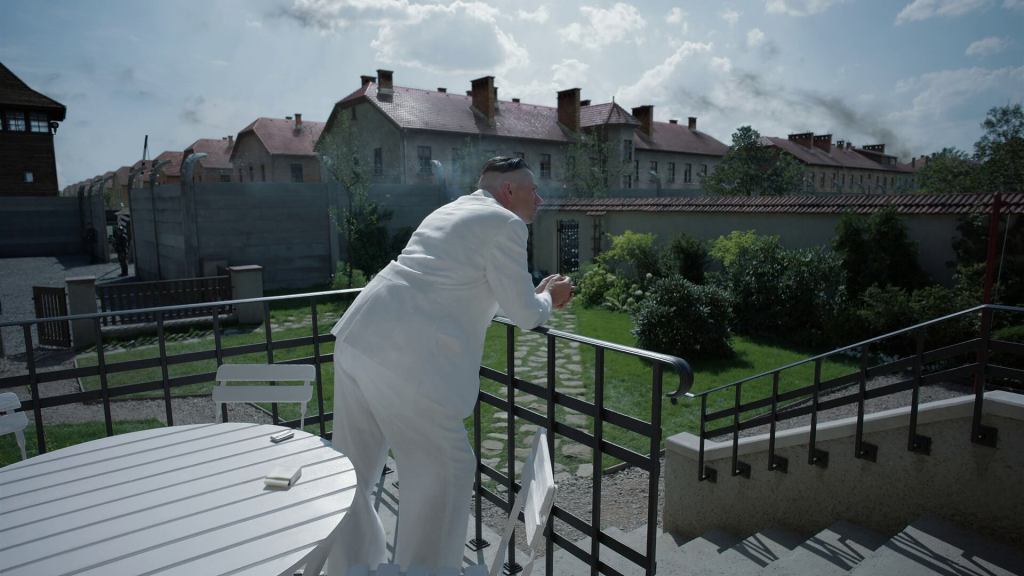
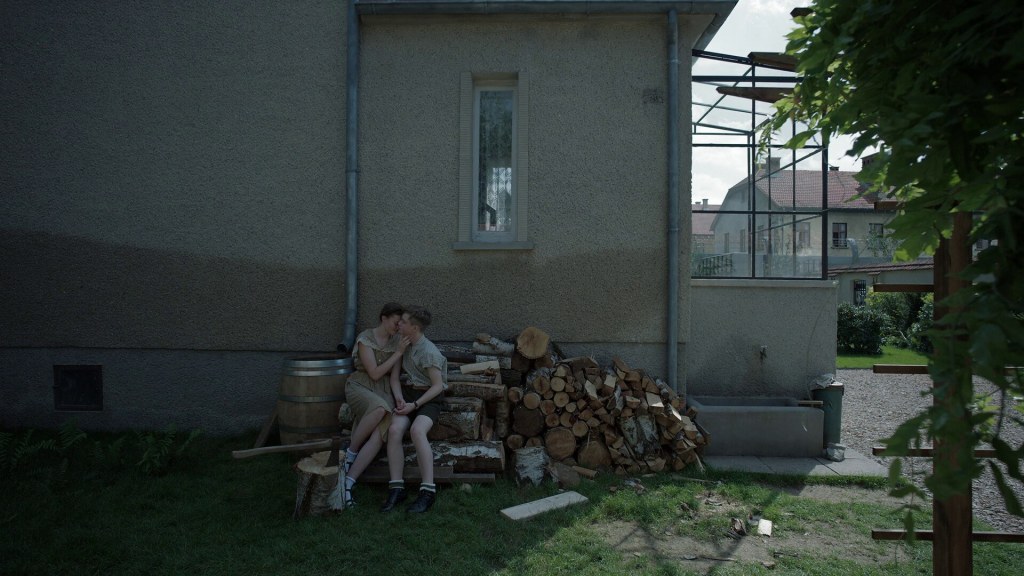

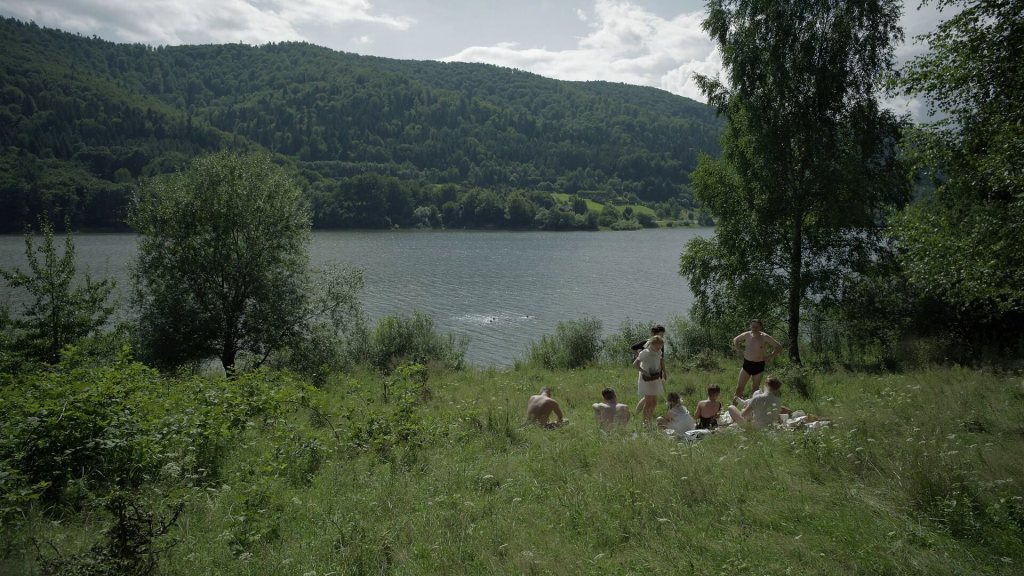
The film opens with scenes of the Höss family enjoying a serene life in their beautiful home, which is chillingly close to Auschwitz. The contrast between their domestic bliss and the atrocities occurring nearby sets the tone for the film’s exploration of moral blindness and complicity. Rudolf is depicted as a dutiful husband and father, maintaining a facade of normalcy while overseeing the systematic extermination of Jews.

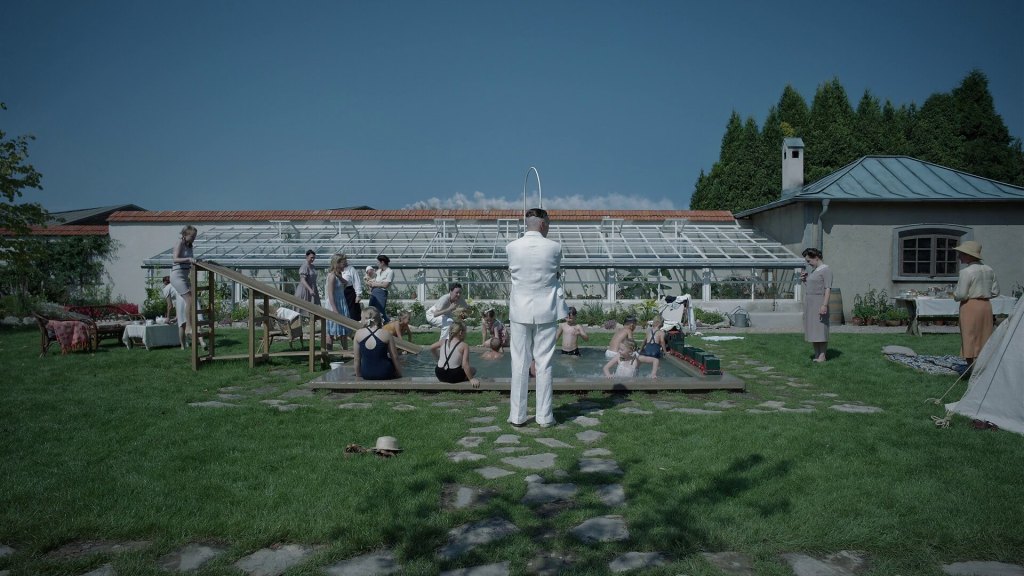

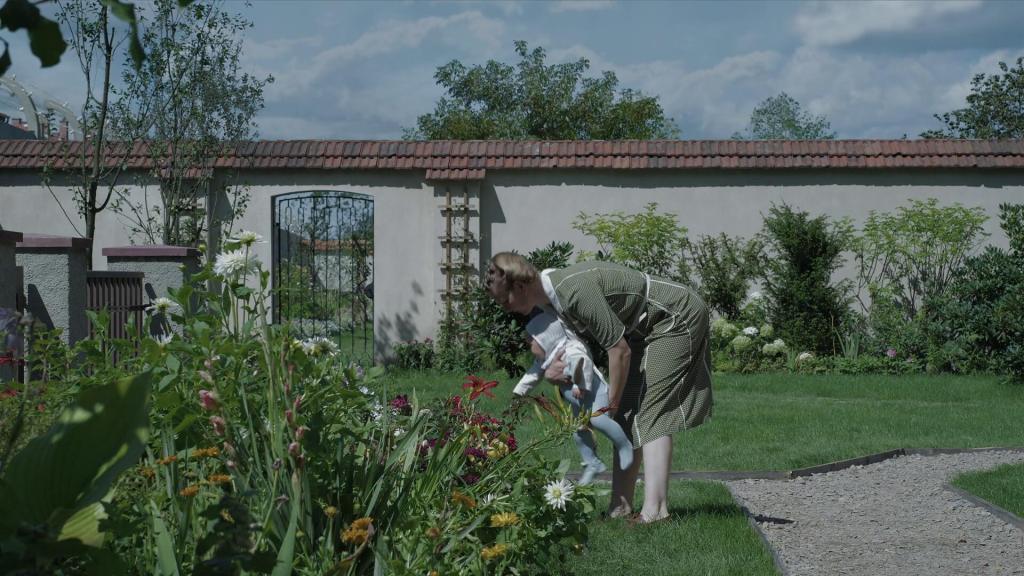
Sandra Hüller’s portrayal of Hedwig embodies the willful ignorance and denial prevalent among many Germans of the time. She takes pride in her home and gardens, focusing on her family’s comfort and well-being while the smoke from the crematoria is visible in the background. Her character is a stark reminder of how ordinary people can become desensitized to extraordinary evil.


Daniel Brühl plays a secondary yet significant role, adding depth to the narrative with his portrayal of a character who represents the broader complicity of those who worked within the Nazi regime. His interactions with Rudolf highlight the bureaucratic and administrative aspects of the Holocaust, further emphasizing the mechanized nature of the genocide.
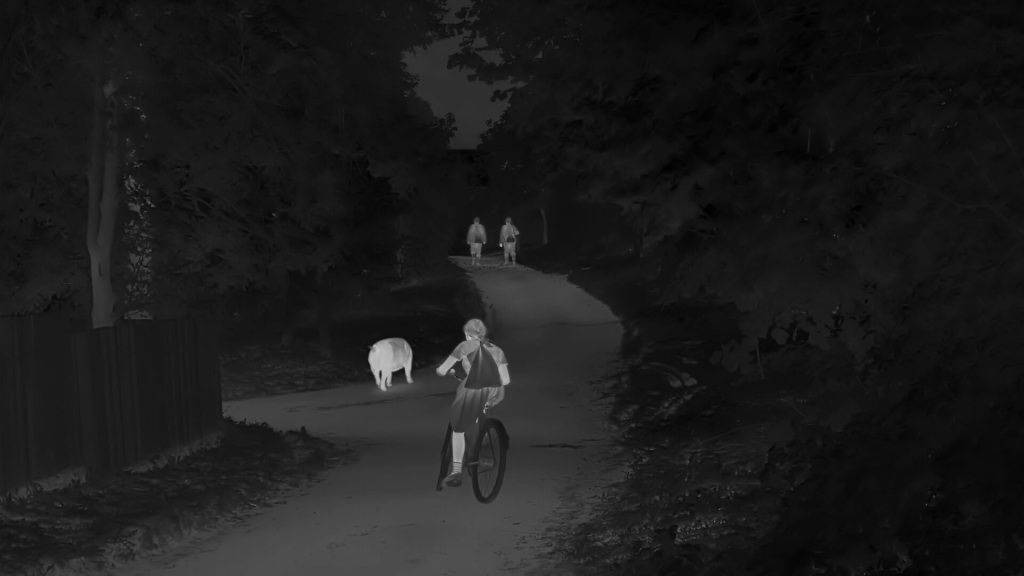
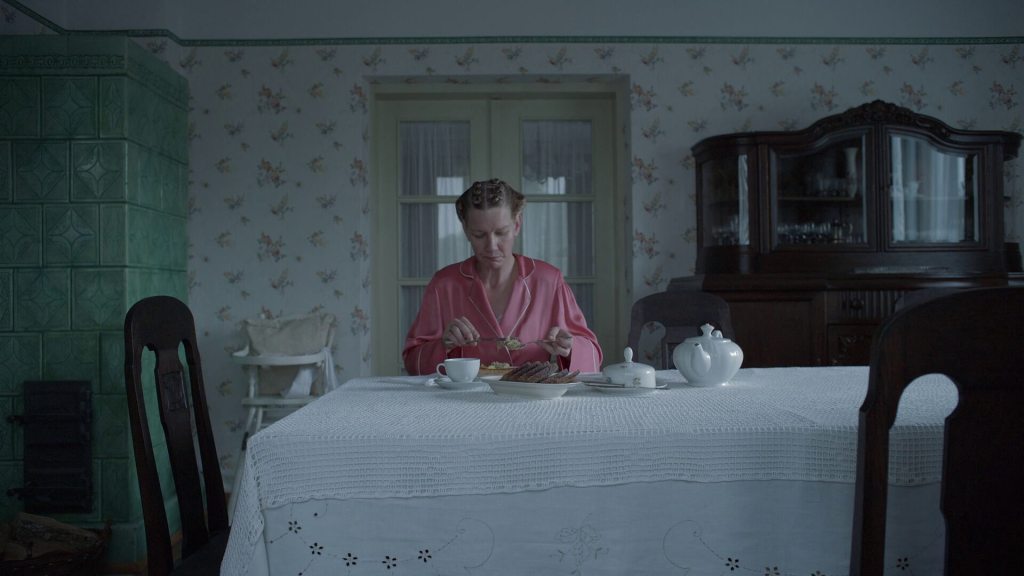

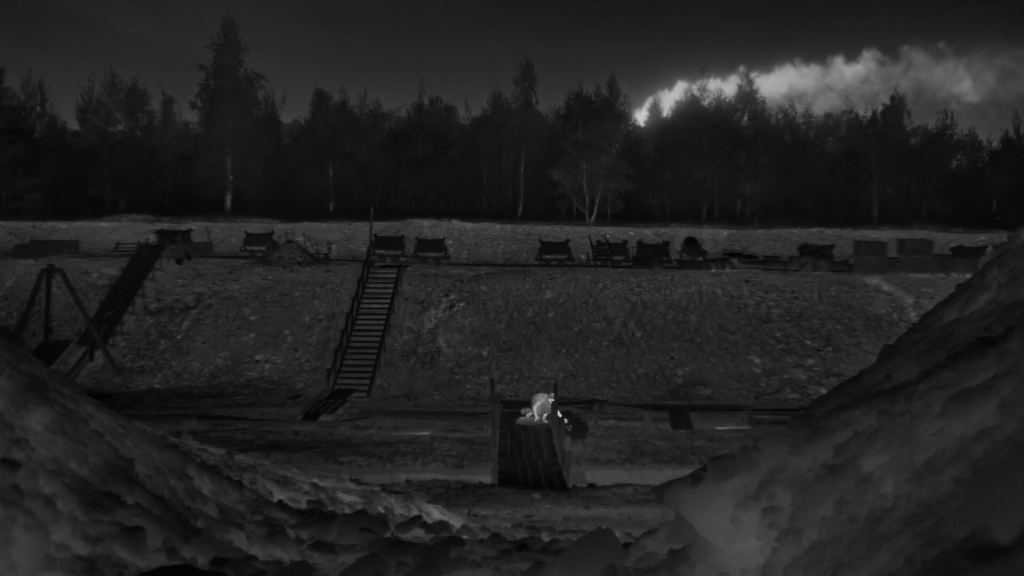
As the story progresses, the psychological and moral chasm between the Höss family’s life and the reality of Auschwitz becomes increasingly pronounced. The film does not shy away from depicting the horrors of the concentration camp. However, much of it is conveyed through sound and off-screen implications, allowing the audience’s imagination to fill in the gaps. This approach creates a haunting and oppressive atmosphere, underscoring the film’s central themes; it also serves as a constant throughout the film, which in turn makes the audience complicit as the audience become desensitized by what we know but don’t see is taking place in the screen.


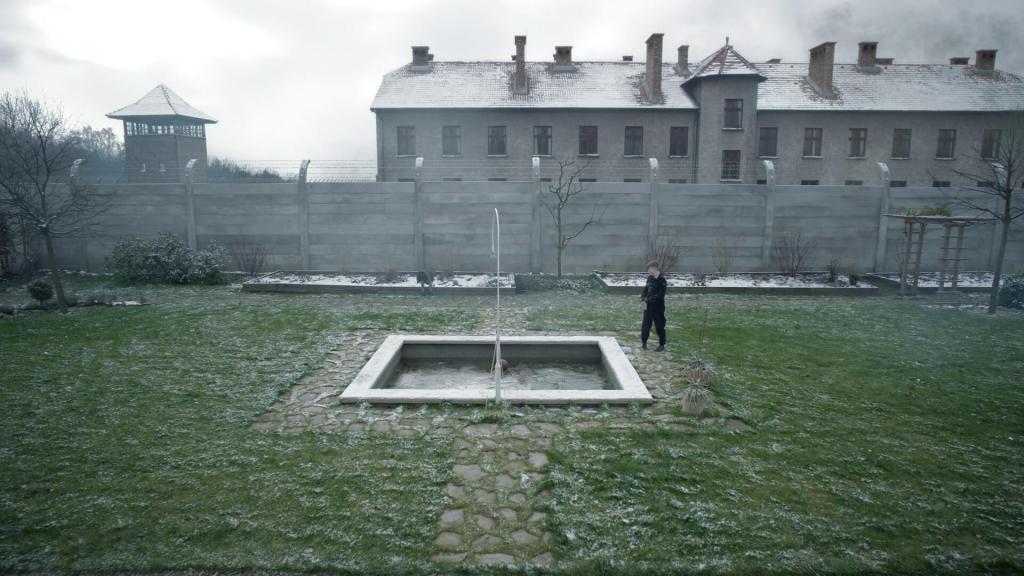
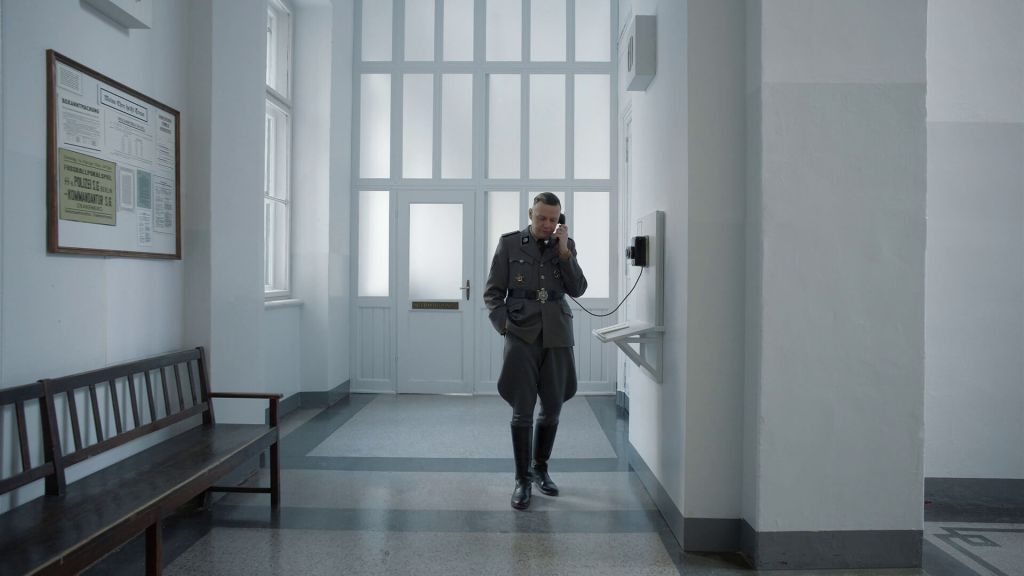
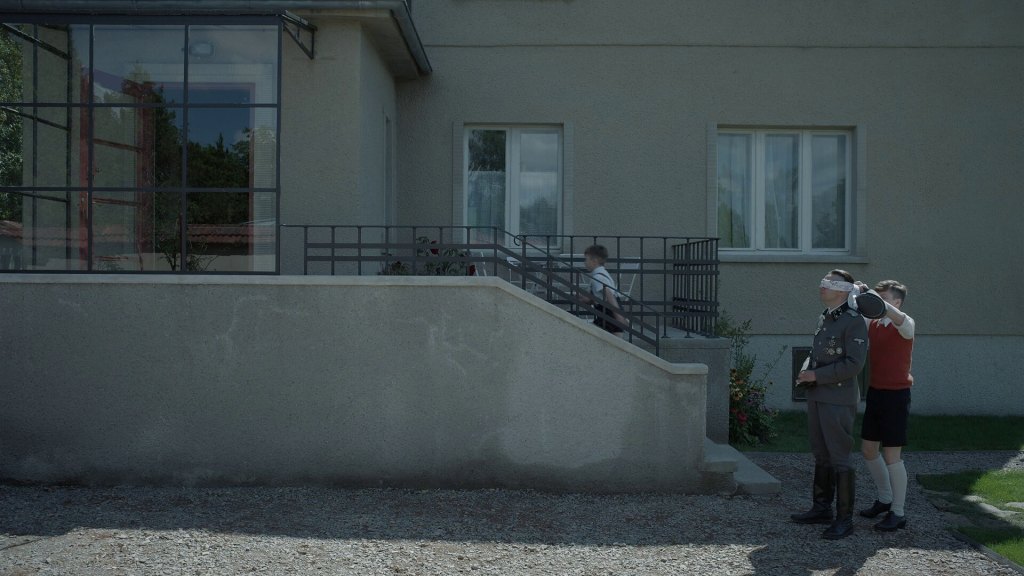
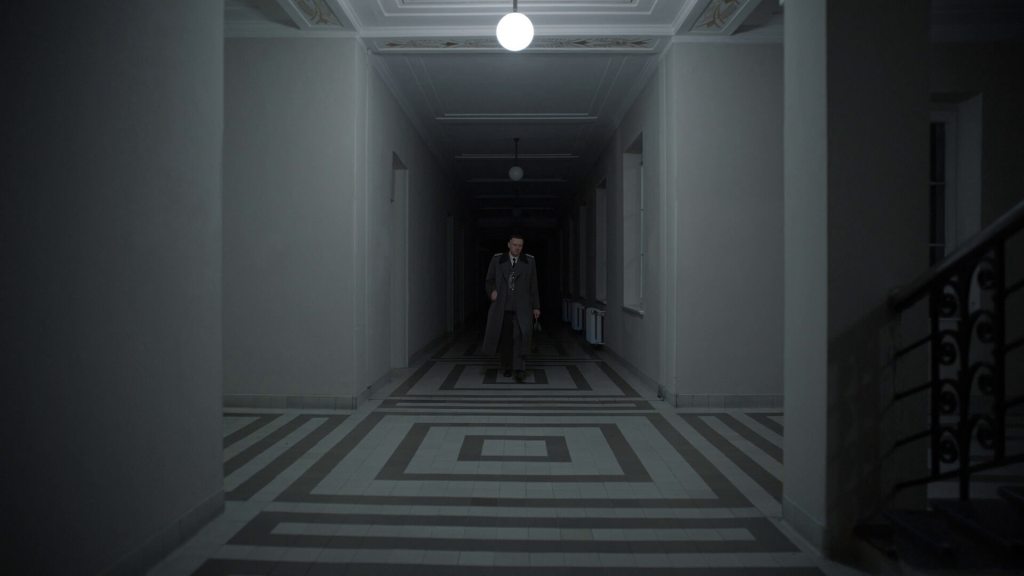
Rudolf’s character arc reveals the internal conflict and rationalizations that enable his participation in the Holocaust. His interactions with his superiors and subordinates illustrate the dehumanizing bureaucracy of the Nazi regime, while his moments of doubt and reflection hint at the psychological toll of his actions.

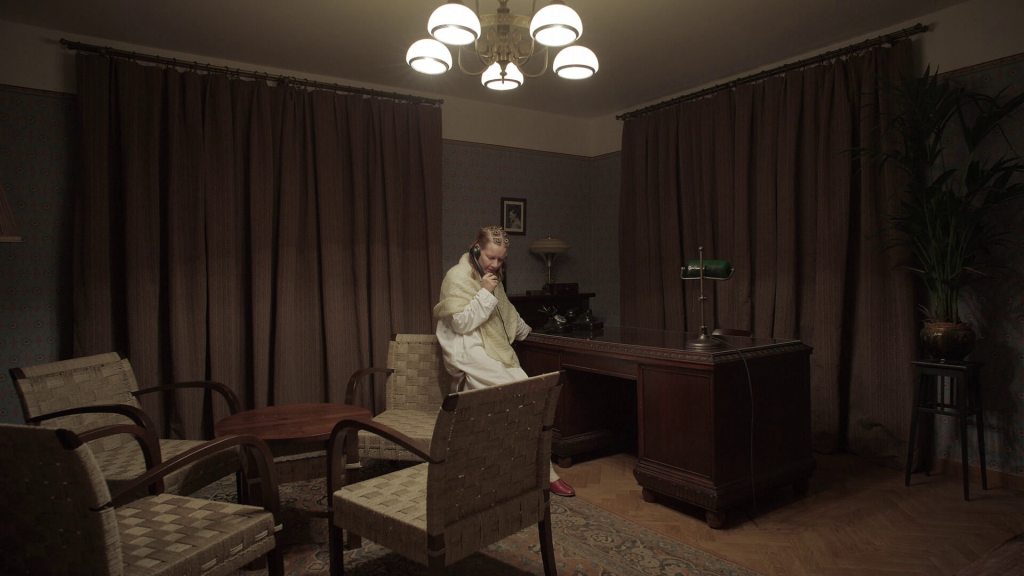
On the other hand, Hedwig’s story delves into the mechanisms of denial and self-deception. Her insistence on maintaining a perfect household and her dismissal of the camp’s horrors as mere rumors reflect the broader societal denial of the time. Her character’s journey serves as a commentary on the moral cost of indifference and the ease with which one can become complicit in evil.
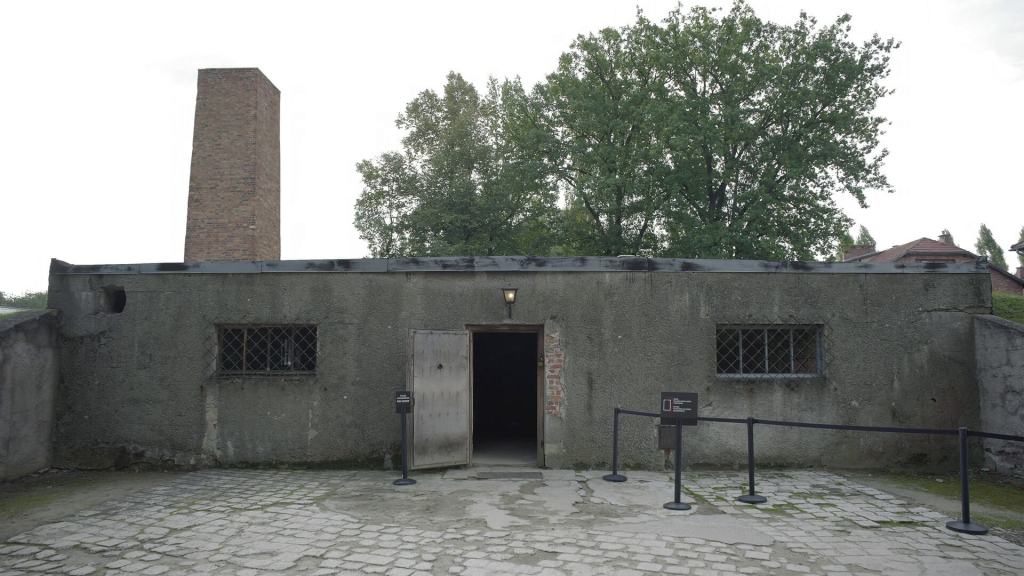

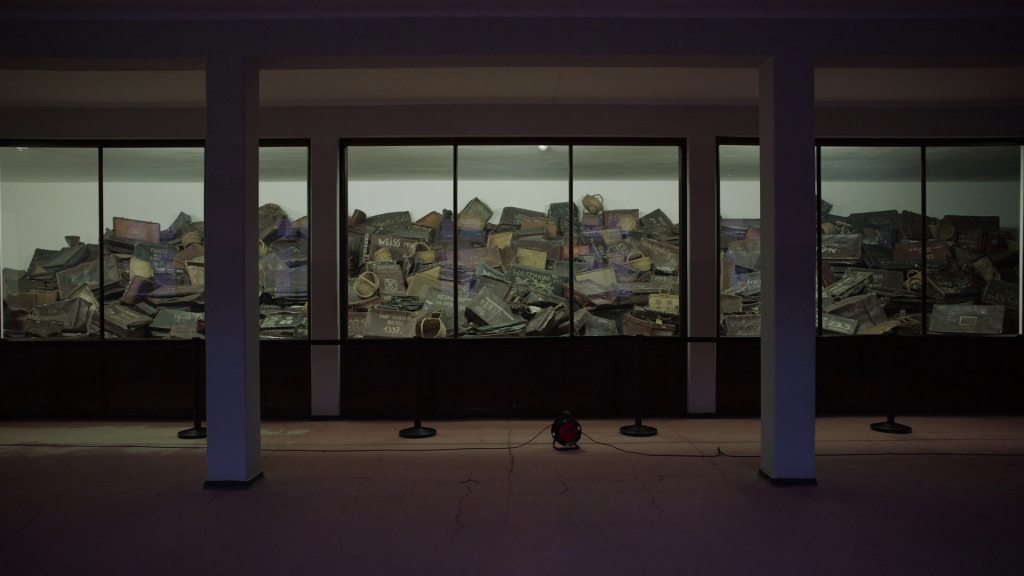
The film culminates in a powerful and unsettling conclusion, leaving viewers with questions about human nature, morality, and ordinary people’s capacity for evil. Jonathan Glazer creates a film that is both a historical reflection and a psychological thriller.

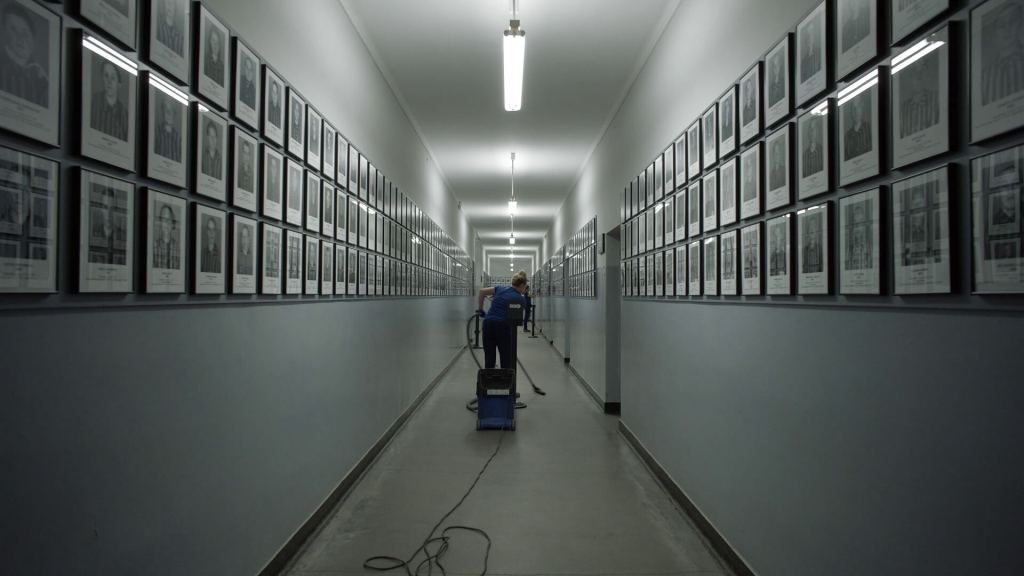
“The Zone of Interest” is a thought-provoking and disturbing exploration of the Holocaust, focusing not on the victims but on the perpetrators and bystanders. It challenges audiences to confront uncomfortable truths about complicity, denial, and the nature of evil.
 The Other Cinema