

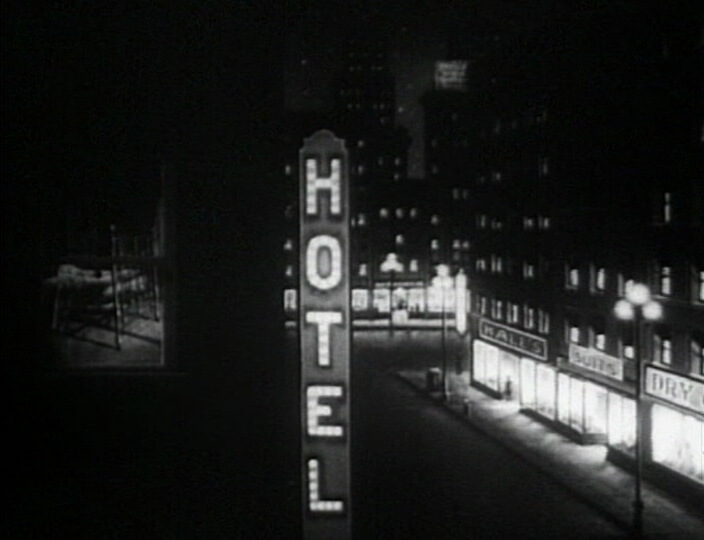
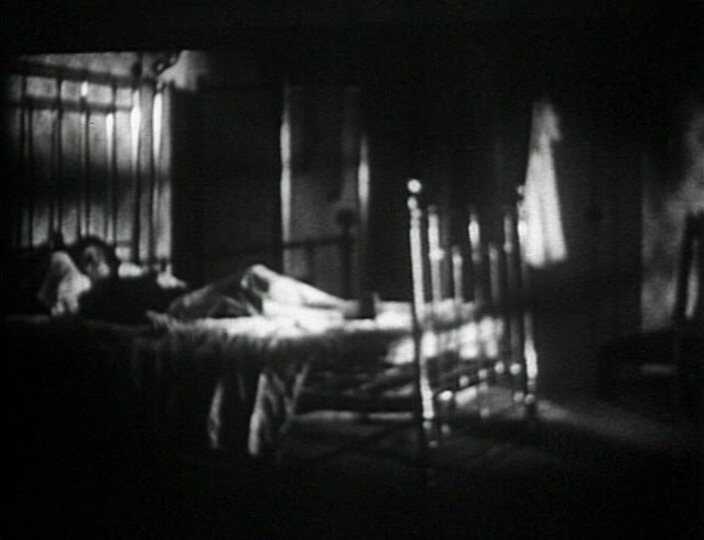


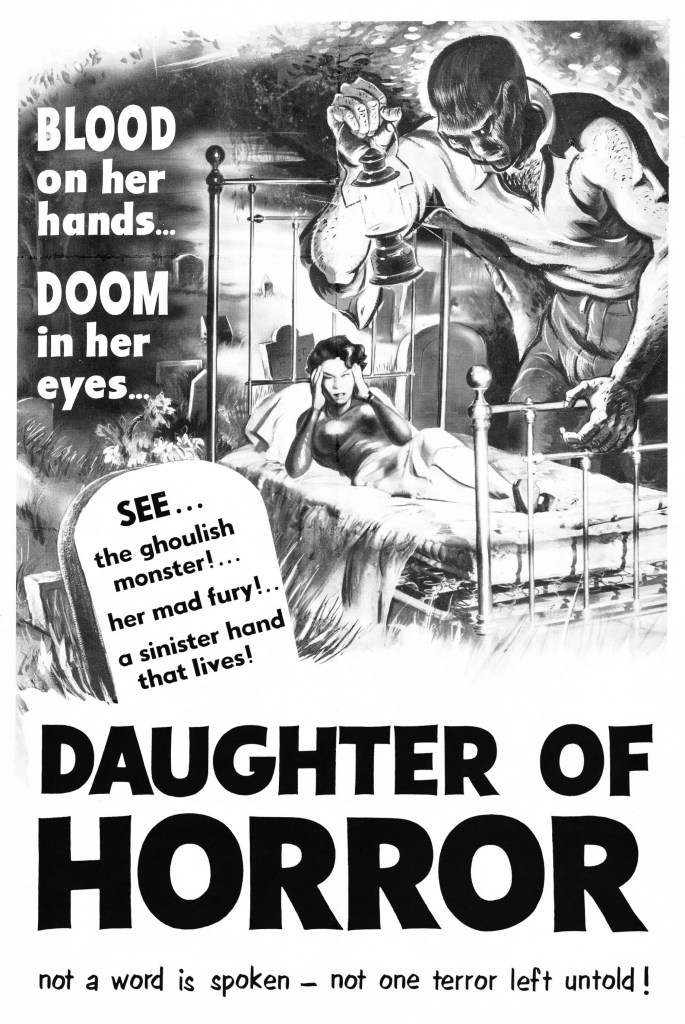
“Dementia,” a 1955 experimental horror film directed by John Parker, is a nightmarish and surreal journey into the mind of a disturbed young woman, often referred to as “the Gamine.” The film, notable for its lack of dialogue, relies heavily on its eerie visual style and unsettling score by George Antheil to tell the story.

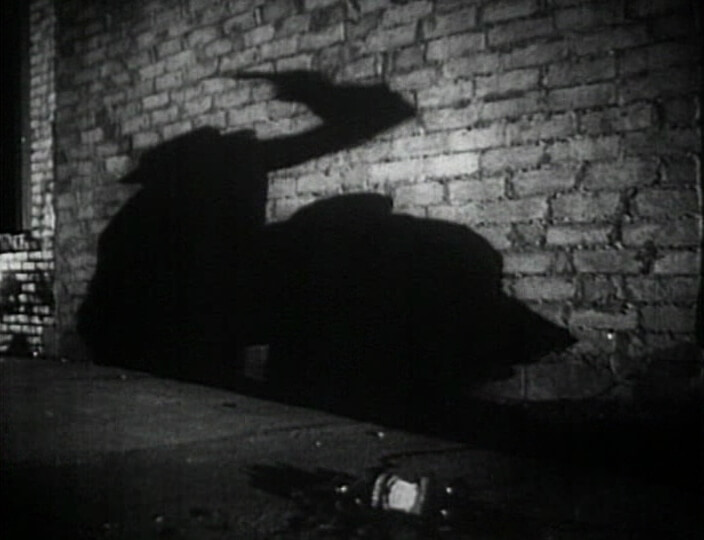
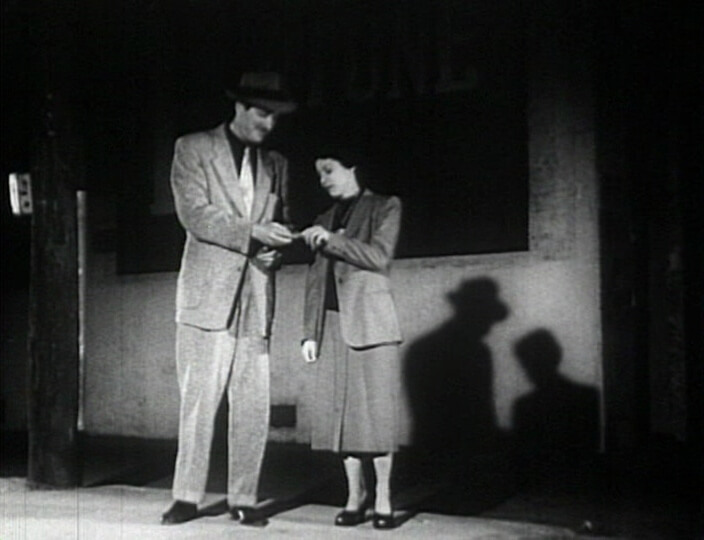
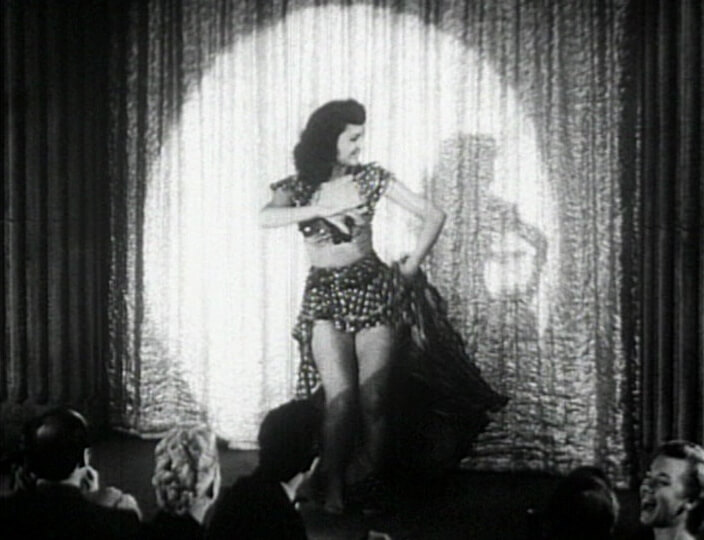
The film opens with the Gamine, portrayed by Adrienne Barrett, awakening from a disturbing dream. She lives in a grim, seedy hotel room in a decaying urban landscape. The story unfolds in a disjointed, dreamlike sequence of events, blurring the line between reality and nightmare.
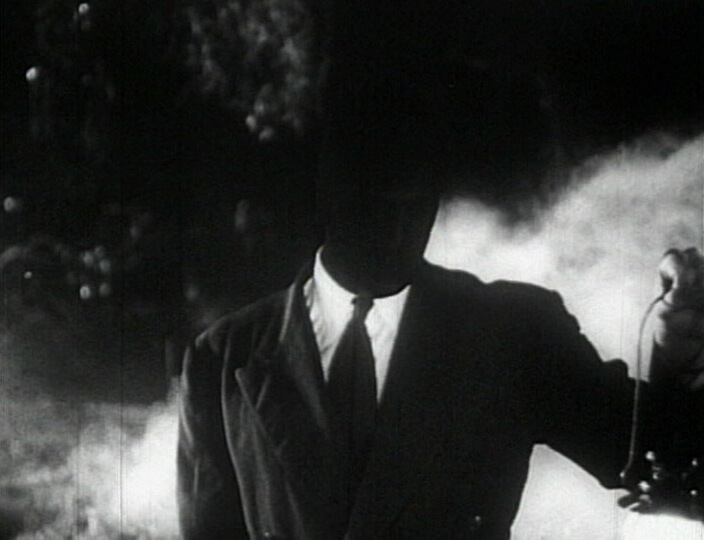

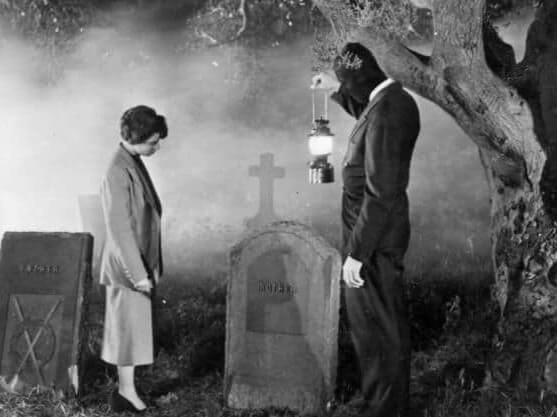
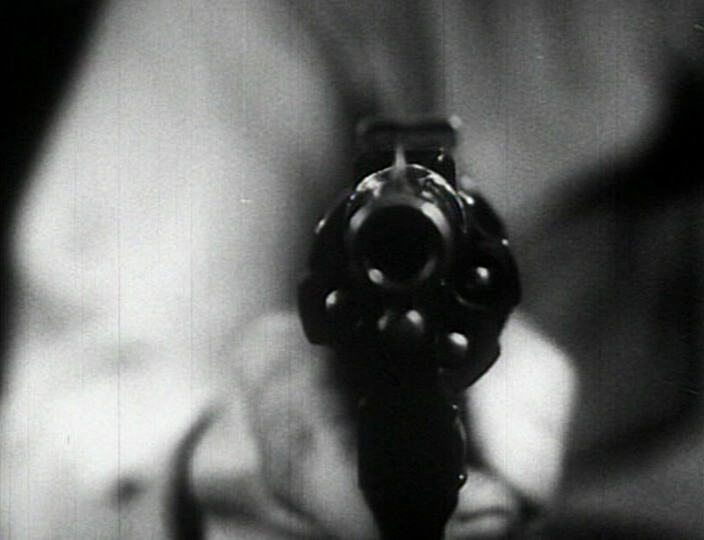
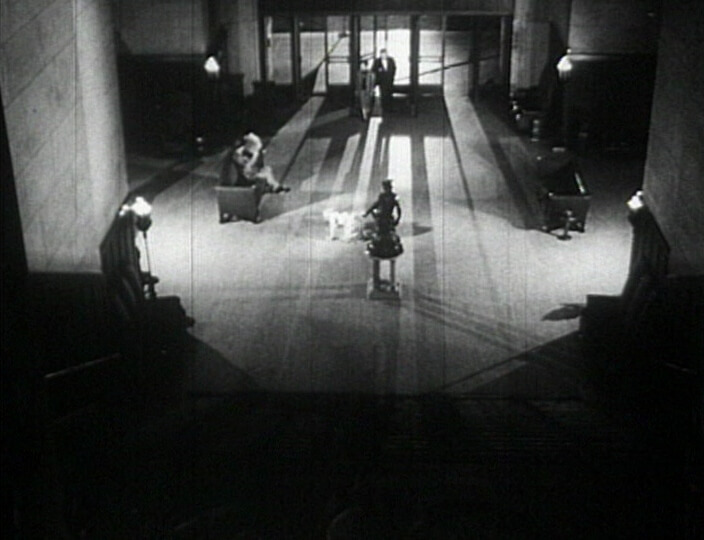

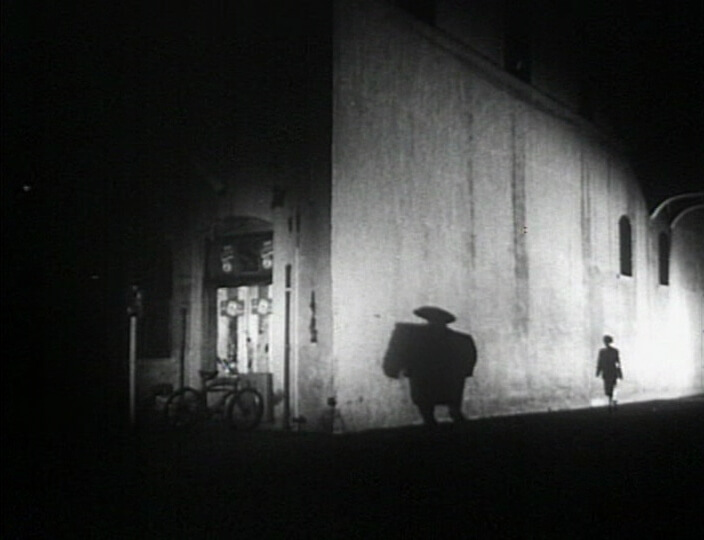
The Gamine’s wanders the nightmarish city streets. She encounters various sinister characters, including a lecherous man (played by Ben Roseman) who follows her, heightening the sense of menace and paranoia. Her experiences are punctuated by bizarre and macabre imagery, such as a newspaper headline screaming about a murder and the constant presence of strange, ominous figures.


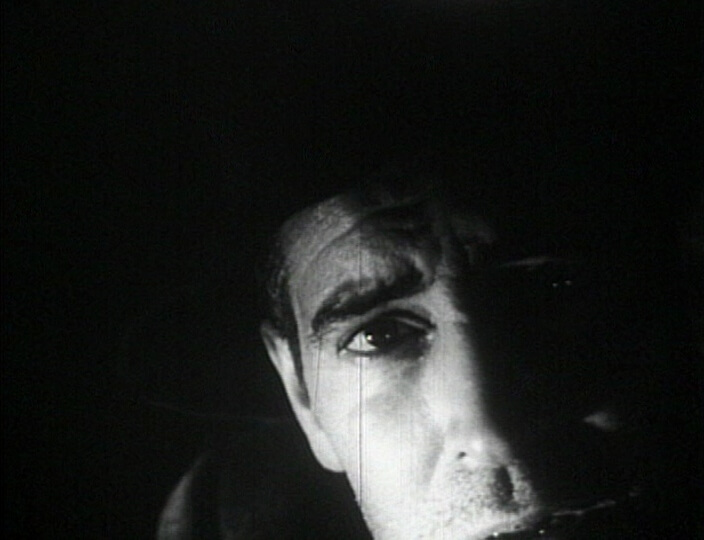
As she roams the city, the Gamine’s past begins to surface through a series of flashbacks and hallucinations. These fragmented memories reveal a troubled history marked by abuse and trauma, including a violent confrontation with her abusive father (played by Bruno VeSota). The narrative suggests that her father’s death was a pivotal, traumatic event that deeply scarred her psyche.
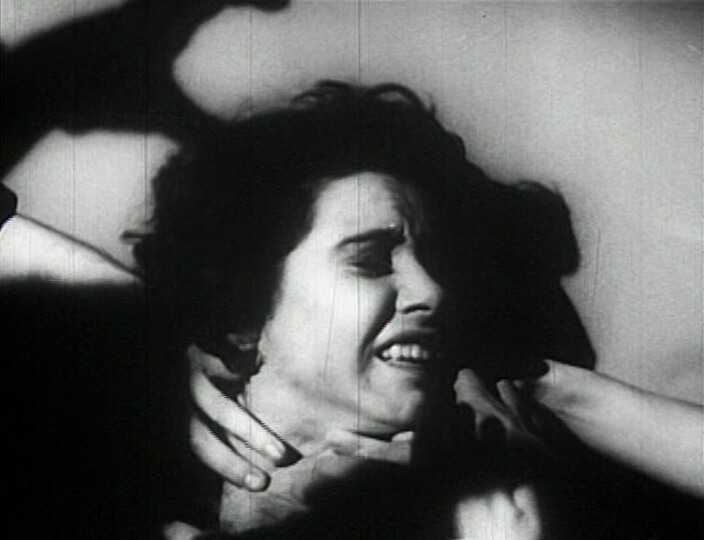
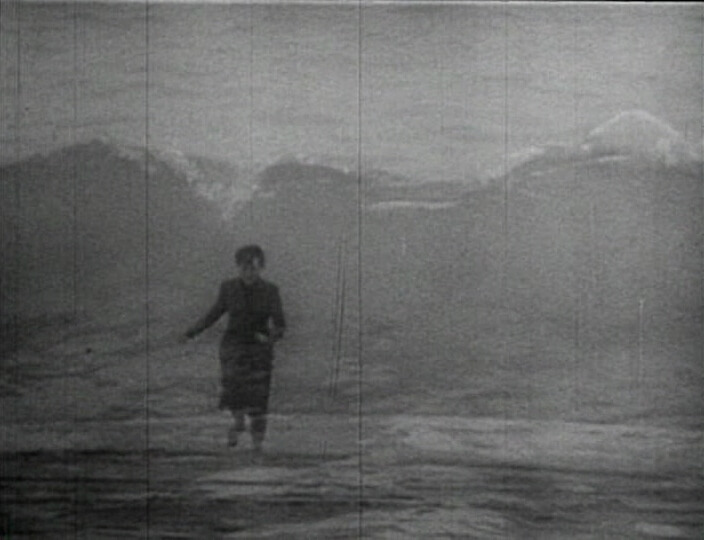

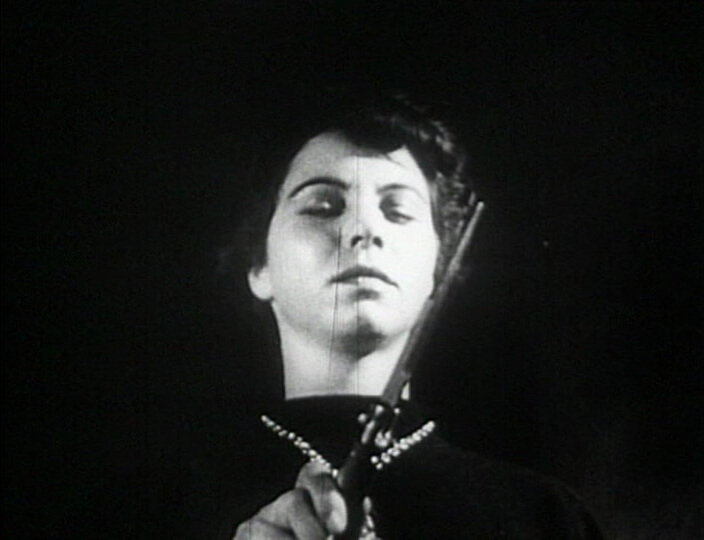
Her journey takes a darker turn when she meets a wealthy, depraved man known only as the Rich Man (played by Richard Barron). He takes her to his luxurious penthouse, where she experiences a series of surreal episodes. The Rich Man’s intentions are sinister, and the Gamine eventually fights back, leading to a violent confrontation where she stabs and kills him.

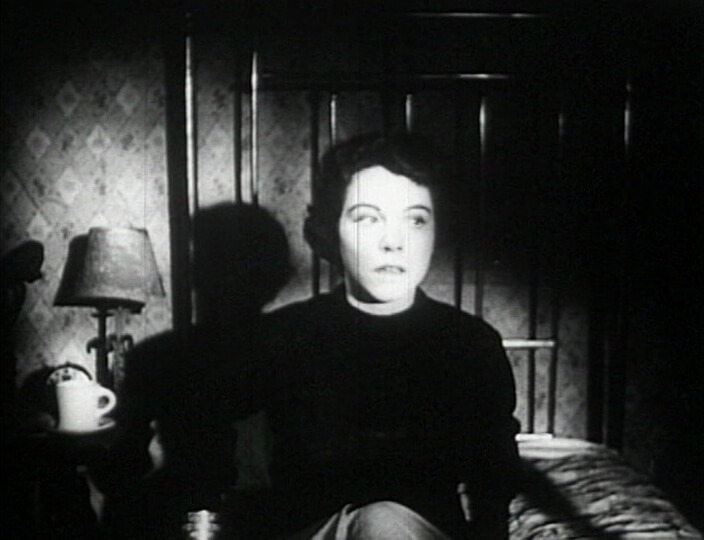

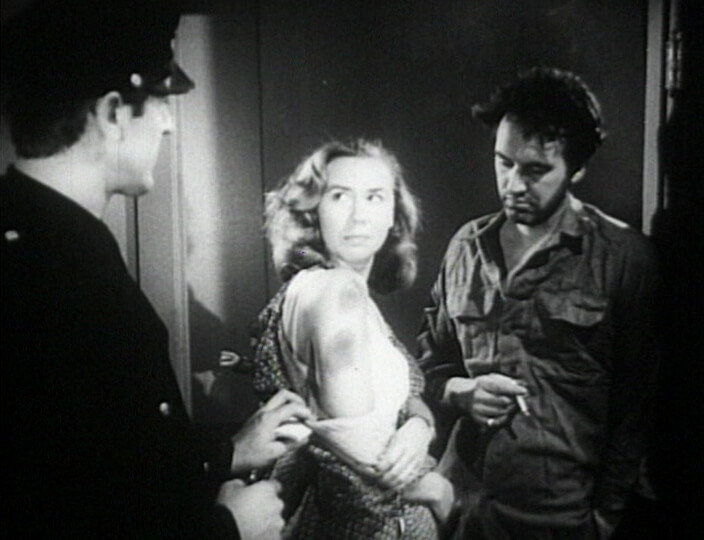
Following the murder, the Gamine descends further into madness, haunted by visions of her crime and her past. She returns to the city streets, now more nightmarish and distorted than ever. Her mental state deteriorates as she is pursued by the police and tormented by her memories.


The film’s climax is ambiguous. The Gamine finds herself back in her hotel room, where she faces a final, horrifying vision that blurs the lines between her dream and reality. The film ends as it began, with her awakening from a dream.
“Dementia” is known for its avant-garde style, combining elements of horror, film noir, and surrealism.
 The Other Cinema