
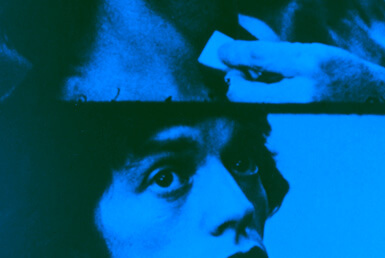
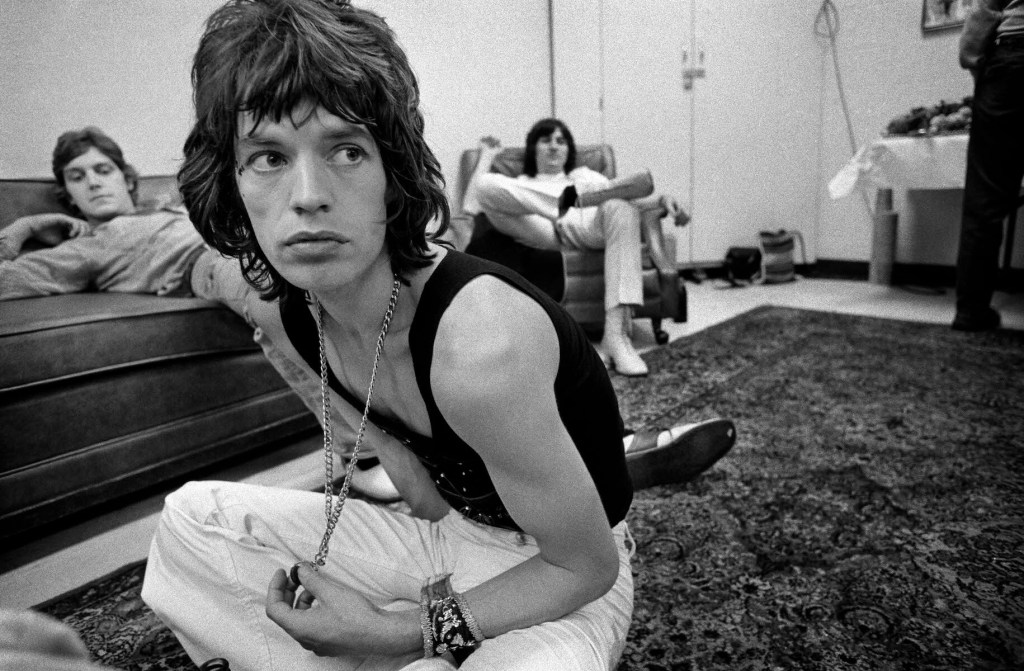
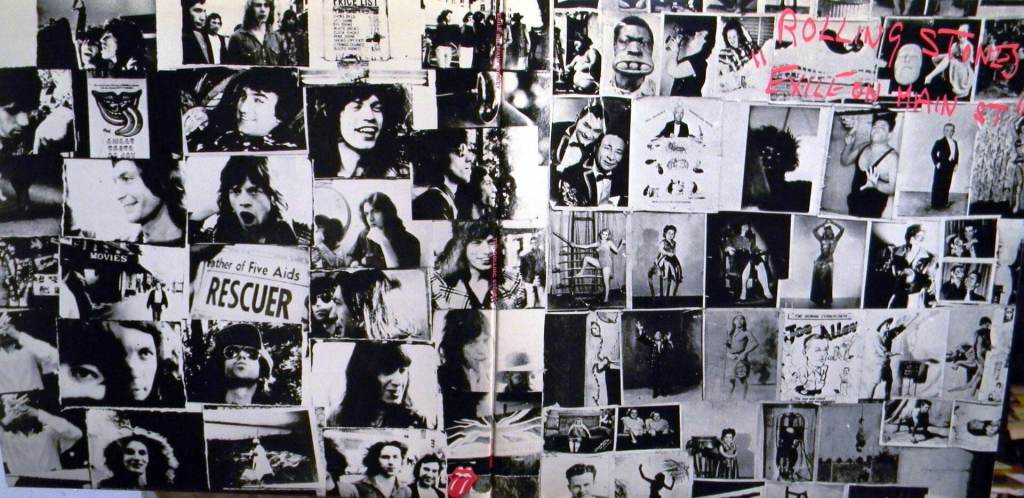
“Cocksucker Blues,” a documentary film directed by Robert Frank, offers an unvarnished look at the Rolling Stones during their 1972 American tour following the release of their album “Exile on Main St.” The film is notorious for its candid and controversial portrayal of the band’s life on the road, capturing the hedonism and chaos that surrounded them.
The film opens with scenes of the Rolling Stones preparing for their 1972 American tour, providing a glimpse into the behind-the-scenes logistics and the anticipation building up among the band members. As the tour kicks off, the documentary delves into the daily lives of the band, featuring Mick Jagger, Keith Richards, Charlie Watts, Mick Taylor, and Bill Wyman, along with their entourage.

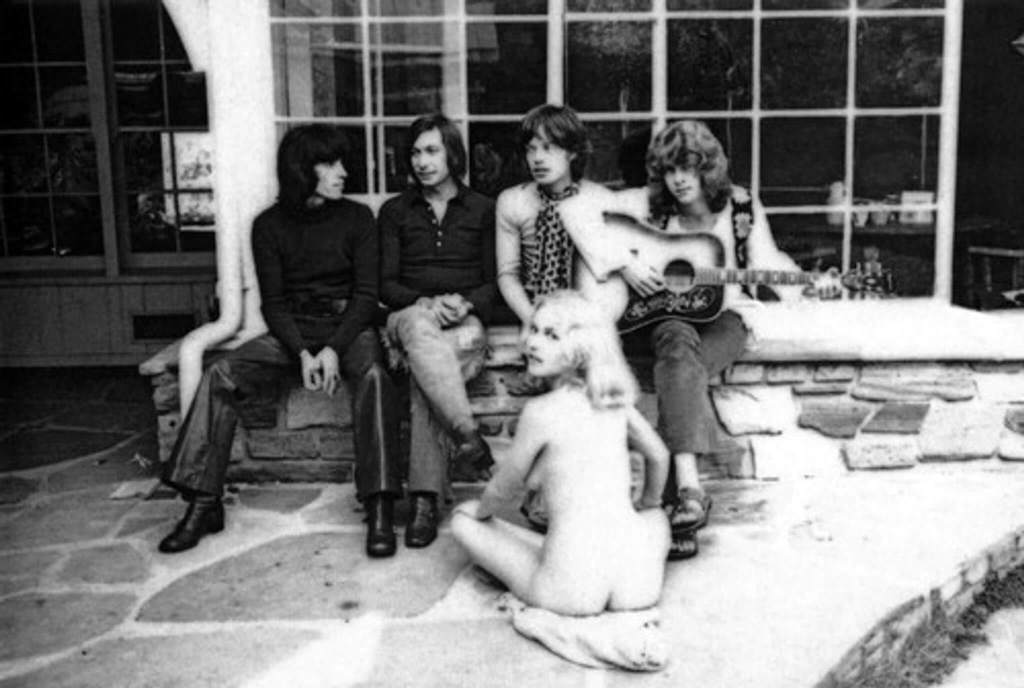
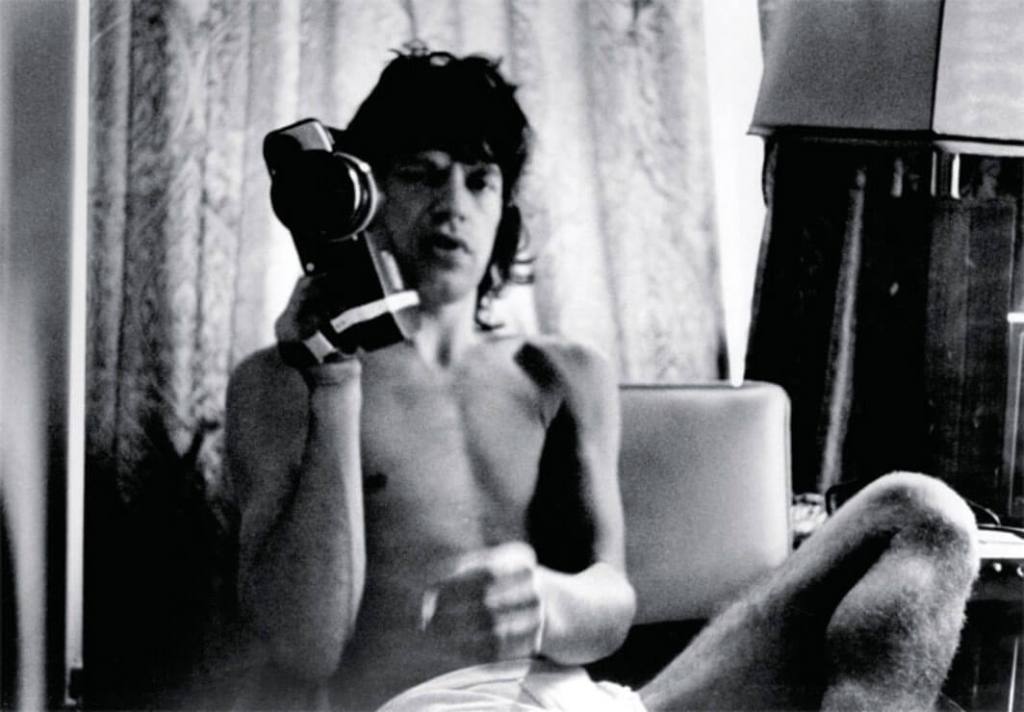
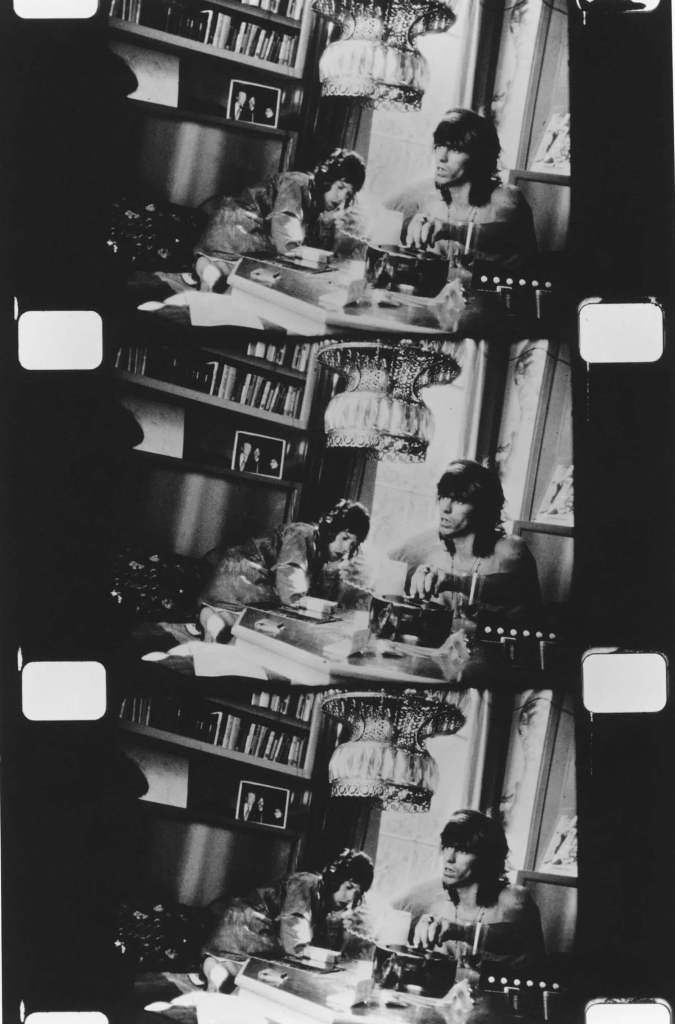

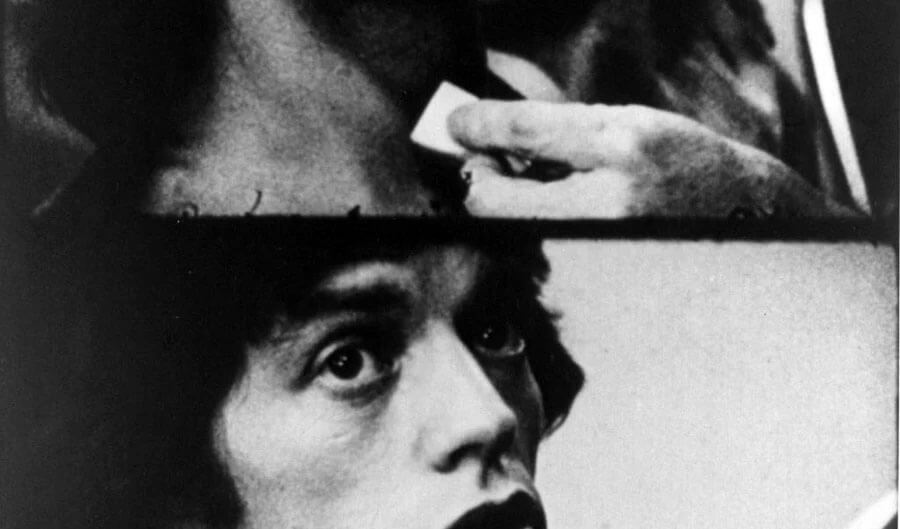
The narrative structure of “Cocksucker Blues” is loose and episodic, reflecting the chaotic and often fragmented nature of life on tour. The film eschews a traditional plot in favor of a series of vignettes that capture the raw and unfiltered experiences of the band. These include scenes of wild parties, drug use, sexual escapades, and moments of exhaustion and tension.

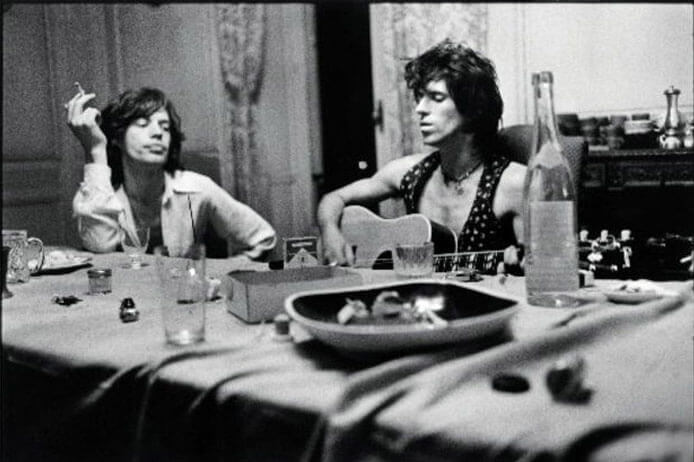
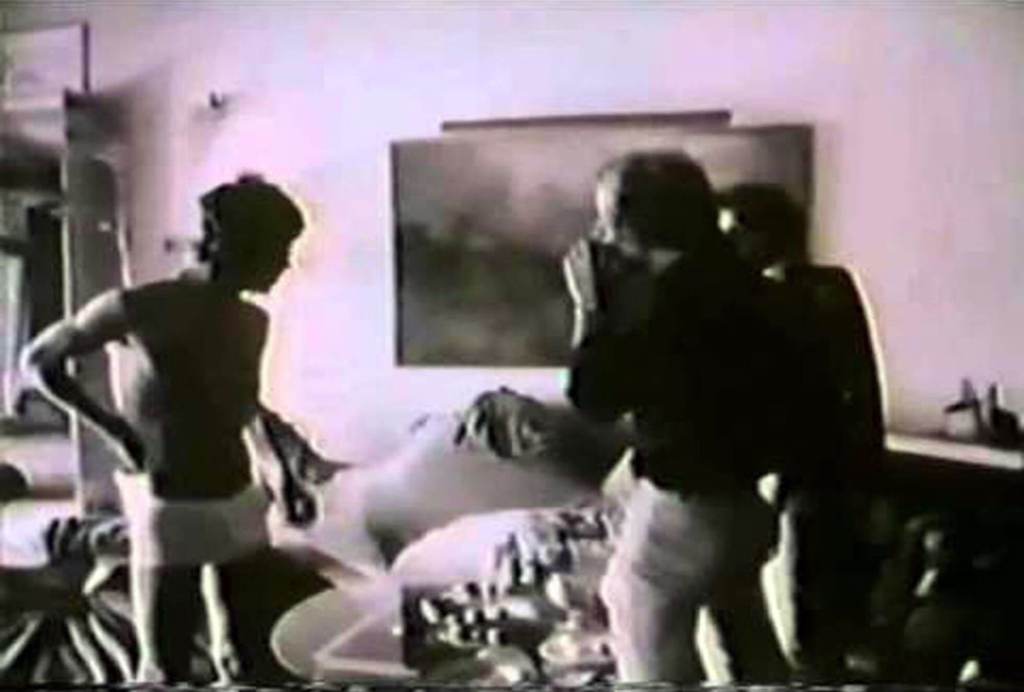
Throughout the film, director Robert Frank uses a cinéma vérité style, allowing the camera to observe rather than intervene. This approach provides an intimate and sometimes voyeuristic look at the band’s interactions and the excesses that define their lifestyle. The title itself, “Cocksucker Blues,” comes from an unreleased and controversial song by the Stones, symbolizing the film’s unrestrained and provocative nature.
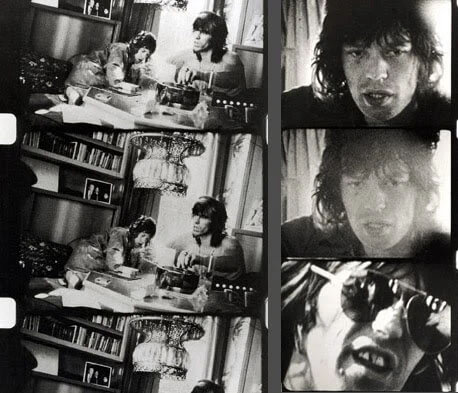
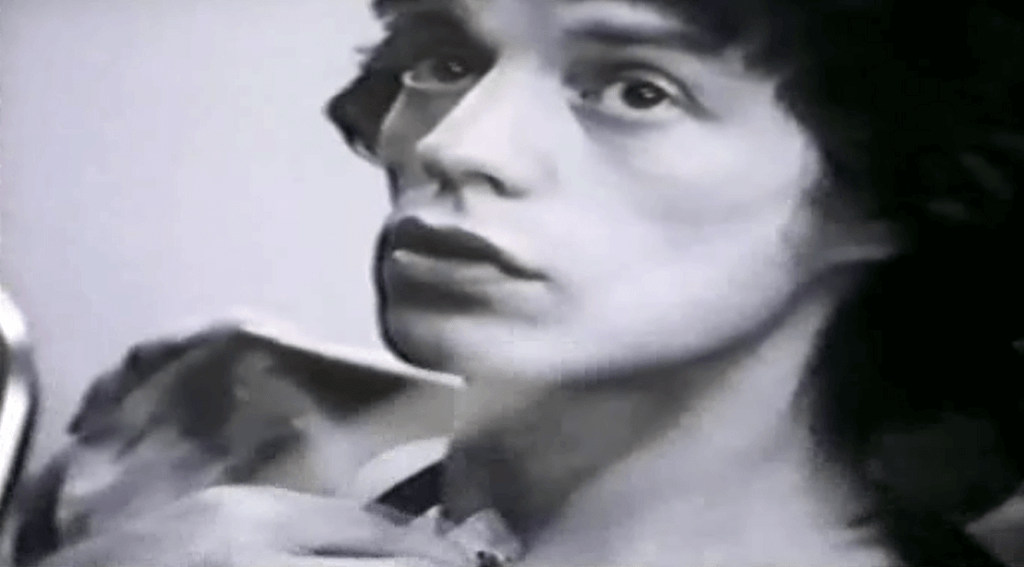
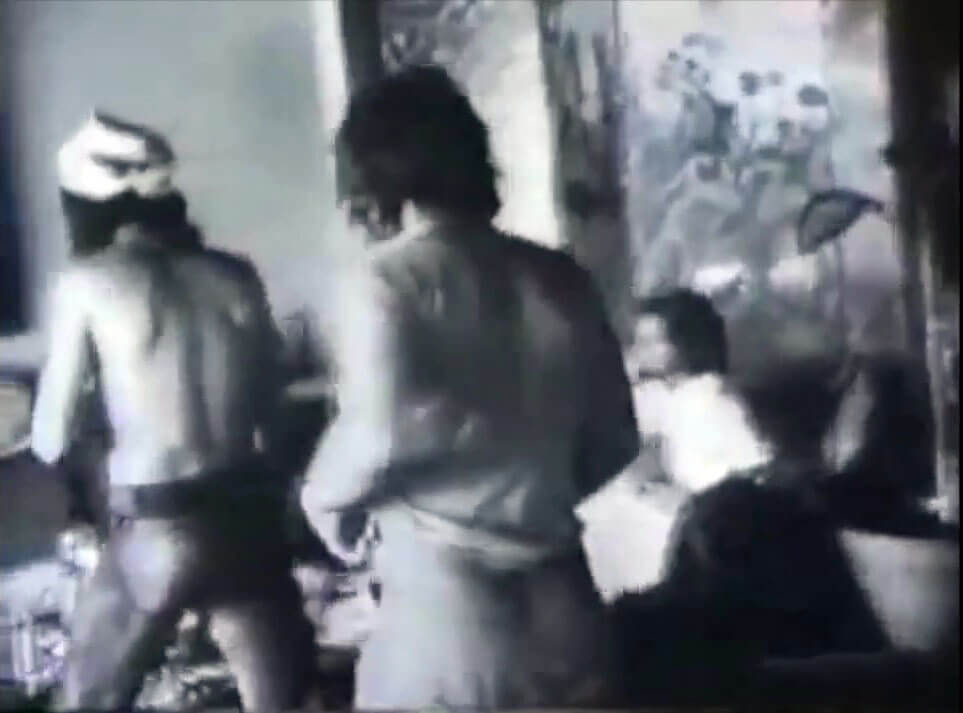
One of the film’s most infamous sequences features footage of groupies and hangers-on indulging in explicit behavior whilst on the bands private chartered plane, highlighting the rampant sex and drug culture of the time. These scenes are interspersed with concert footage that captures the Stones’ live performances, juxtaposing their public personas with their private debauchery.
The documentary also touches on the logistical challenges and pressures of touring. Scenes of the band traveling, dealing with fans, and interacting with the media provide insight into the less glamorous aspects of their rock and roll lifestyle. There are moments of candid reflection from the band members, particularly Mick Jagger and Keith Richards, who discuss the toll of fame and the fleeting nature of success.

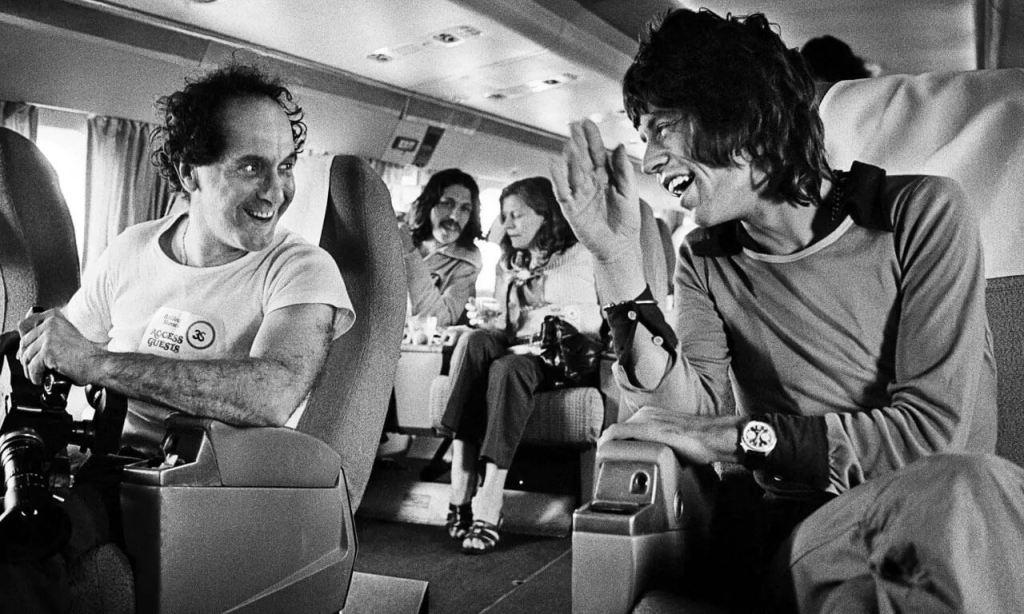
“Cocksucker Blues” concludes without a conventional resolution, reflecting the ongoing, cyclical nature of the band’s existence. The final scenes leave viewers with a sense of the relentless pace and the ephemeral highs of life on the road, underscored by a lingering feeling of disconnection and weariness among the band members.
“Cocksucker Blues” is notorious not only for its explicit content but also for its limited release. The Rolling Stones themselves were reportedly unhappy with the unfiltered portrayal, leading to a legal injunction that restricted the film from being shown publicly without the director’s presence. Despite—or perhaps because of—its controversial nature, the documentary has achieved a cult status among fans and film enthusiasts, offering a raw and unpolished glimpse into the hedonistic world of rock and roll in the 1970s.
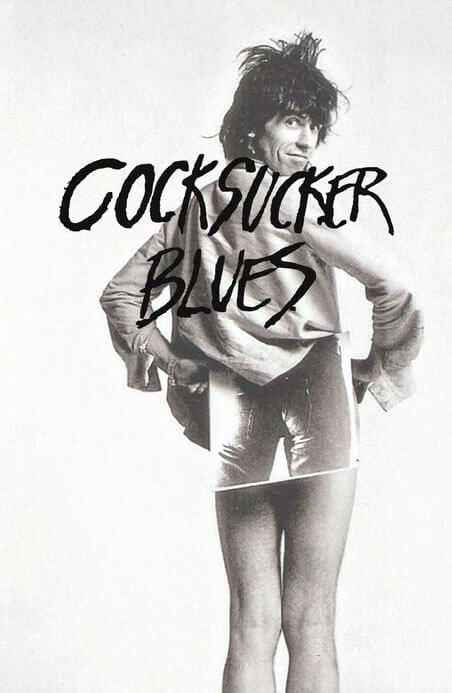
 The Other Cinema