
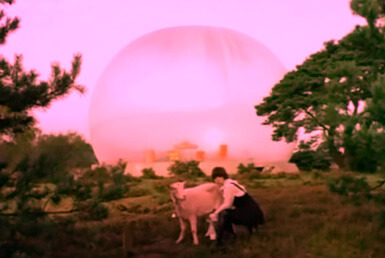


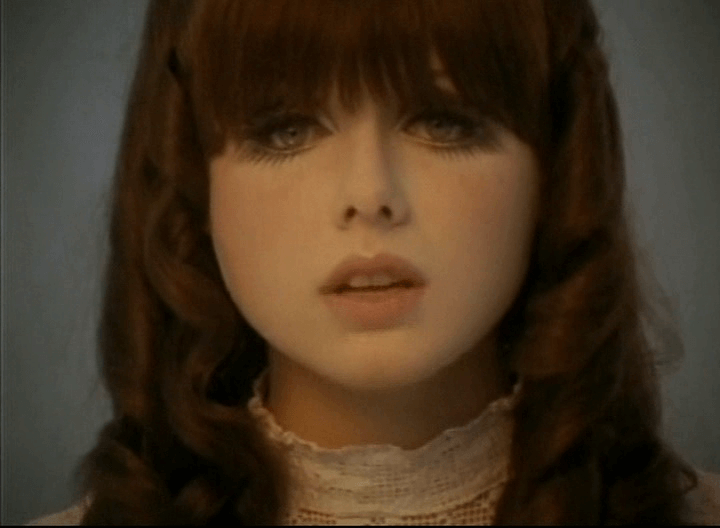

“The Touchables,” a 1968 British film directed by Robert Freeman, is a quirky, psychedelic crime comedy that captures the spirit of the swinging ’60s. With its colorful visuals and offbeat narrative, the film explores themes of fame, obsession, and counterculture.
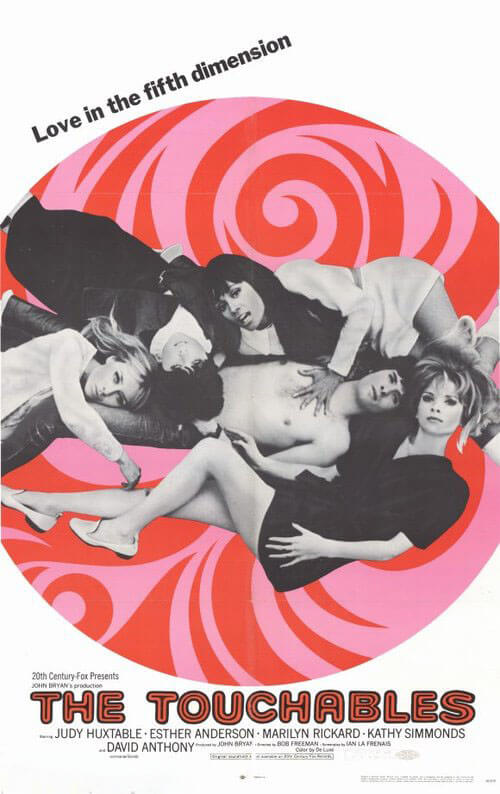
The film opens with a surreal sequence set in London, where we meet the four central female characters: Angela (Judy Huxtable), Michelle (Esther Anderson), Julie (Kathy Simmonds), and Samantha (Marilyn Rickard). These women, who are wealthy, glamorous, and bored with their privileged lives, hatch an outrageous plan to kidnap pop star Christian (David Anthony) for their amusement.
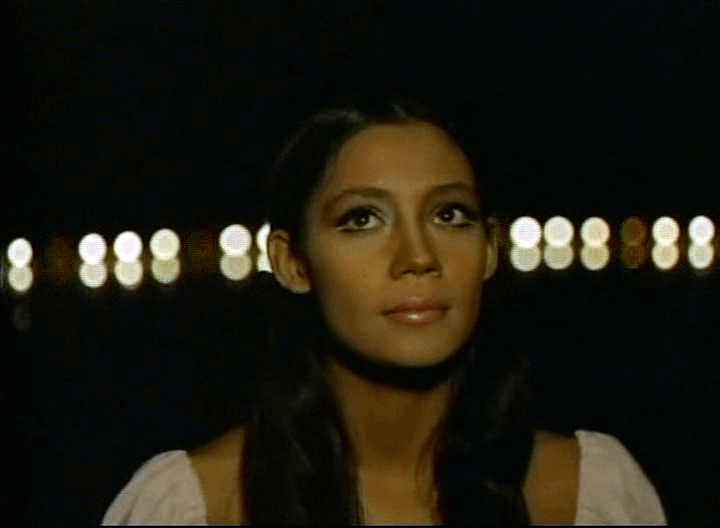

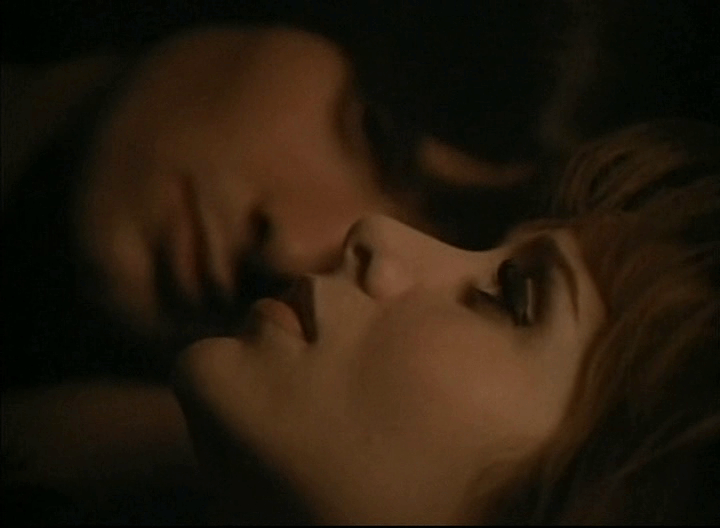
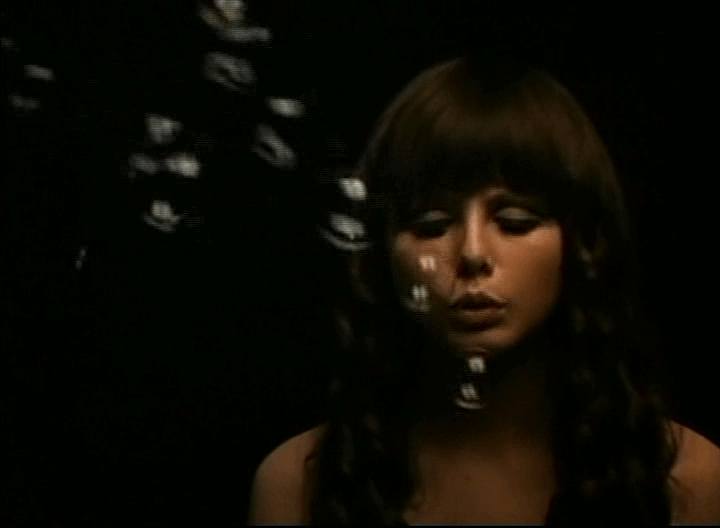
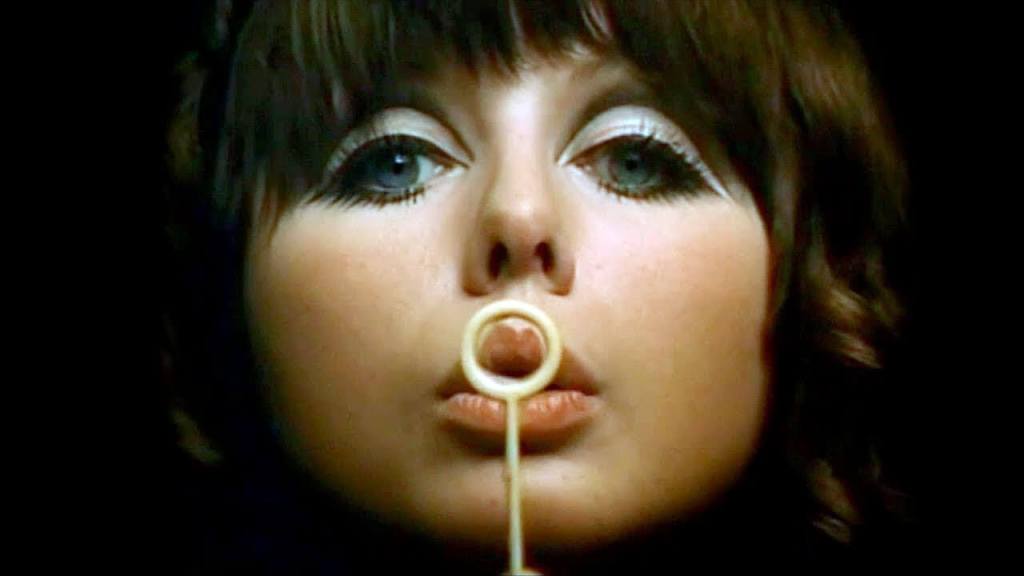
The women execute their plan with meticulous precision, using their charm and guile to abduct Christian during one of his public appearances. They transport him to their secluded, futuristic geodesic dome hideout in the English countryside, a symbol of their detachment from the conventional world.
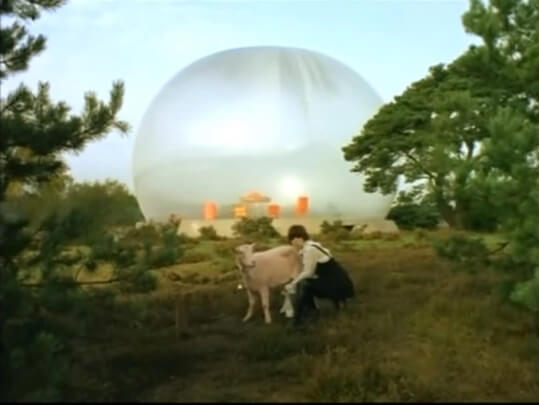

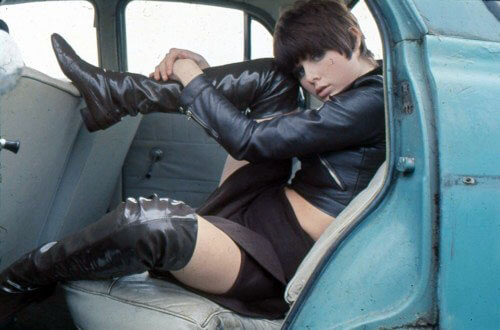
As Christian is held captive, the film delves into the dynamics between the captors and their victim. Initially, Christian is bewildered and resistant, but he gradually begins to understand the women’s motivations and unique personalities. The women treat Christian with a mix of affection and dominance, creating an atmosphere that is both playful and menacing.



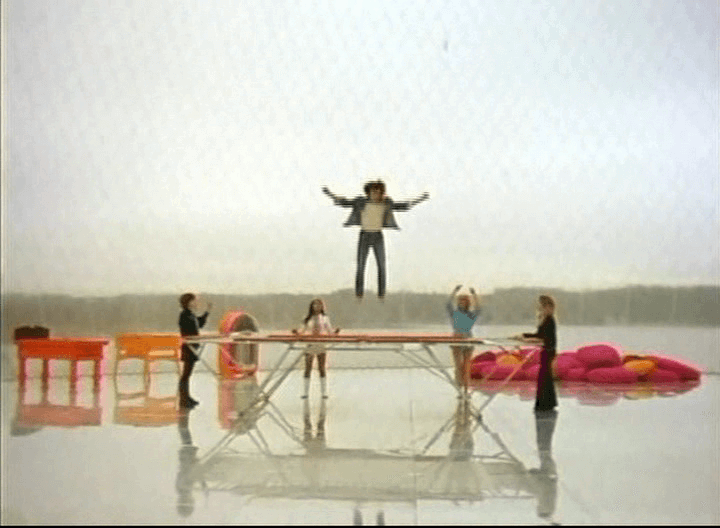


Meanwhile, Christian’s manager, Ricco (Michael Tritton), and his publicist, Bernie (Harry Baird), launch a frantic search for the missing star. Their investigation leads them through the vibrant and bizarre London counterculture, encountering a series of eccentric characters and outlandish situations. This subplot adds a layer of comedy and satire to the film, poking fun at the music industry and the media frenzy surrounding celebrity.
As the days pass, the relationship between Christian and the women becomes increasingly complex. He begins to enjoy the freedom from his public persona, exploring his creativity and forming emotional connections with his captors. However, the women start to disagree on what to do with Christian, leading to tension and conflict within the group.



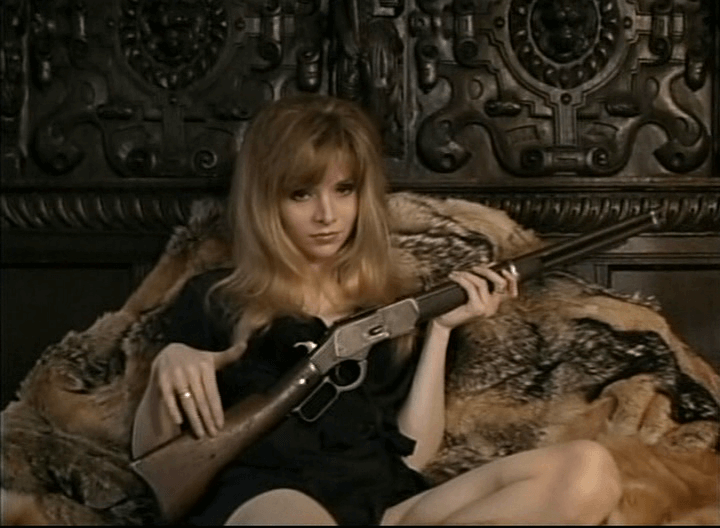


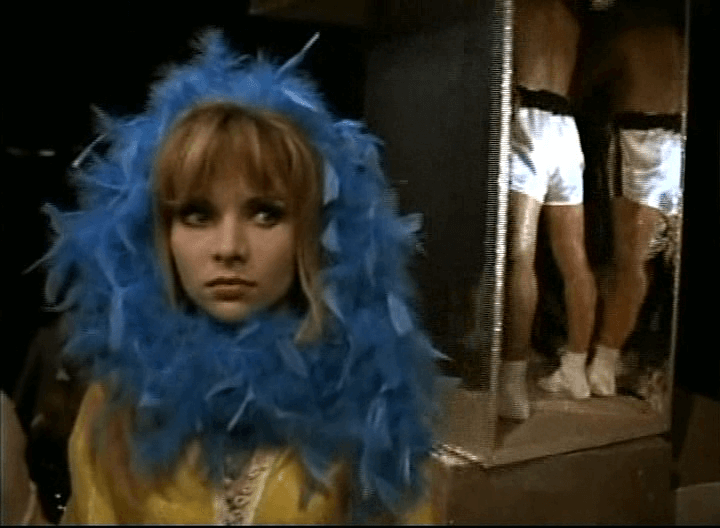


The climax of the film occurs when Ricco and Bernie finally locate the dome hideout. A chaotic confrontation ensues, blending elements of farce and drama. In the end, Christian is rescued, but the experience has profoundly changed him. He returns to his public life with a new perspective on fame and freedom, while the women face the consequences of their audacious adventure.

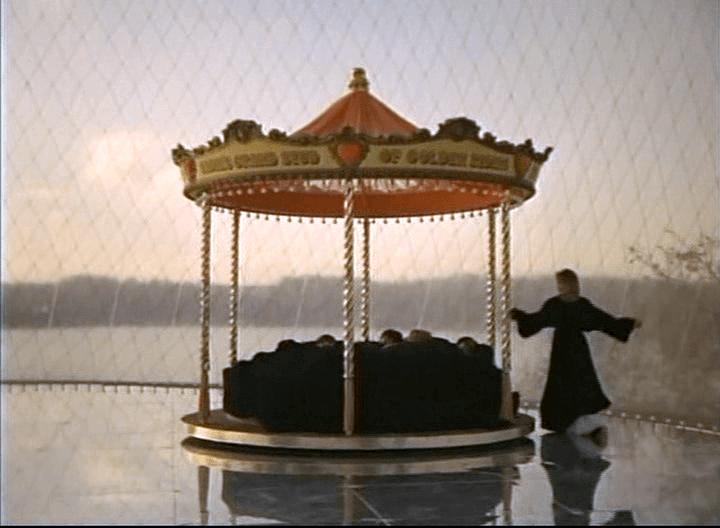

“The Touchables” is distinctive for its psychedelic visual style, reflecting the cultural aesthetics of the 1960s. Director Robert Freeman, known for his work as a photographer for The Beatles, brings a unique visual flair to the film, utilizing vibrant colors, avant-garde set designs, and experimental camera techniques. The narrative, while whimsical and often absurd, offers a satirical commentary on celebrity obsession and the artificial nature of fame, especially in the 1960’s.
 The Other Cinema