
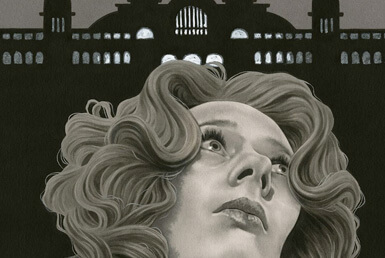

“Carnival of Souls” is a 1962 horror film directed by Herk Harvey, who also plays the role of the mysterious “Man” in the film. The movie stars Candace Hilligoss, Frances Feist, Sidney Berger, and Art Ellison.

The film opens with a car accident in Kansas, where a drag race leads to a vehicle plunging off a bridge into a river. The car’s three occupants, including Mary Henry (Candace Hilligoss), are presumed dead. Hours later, Mary miraculously emerges from the river, dazed but unharmed.
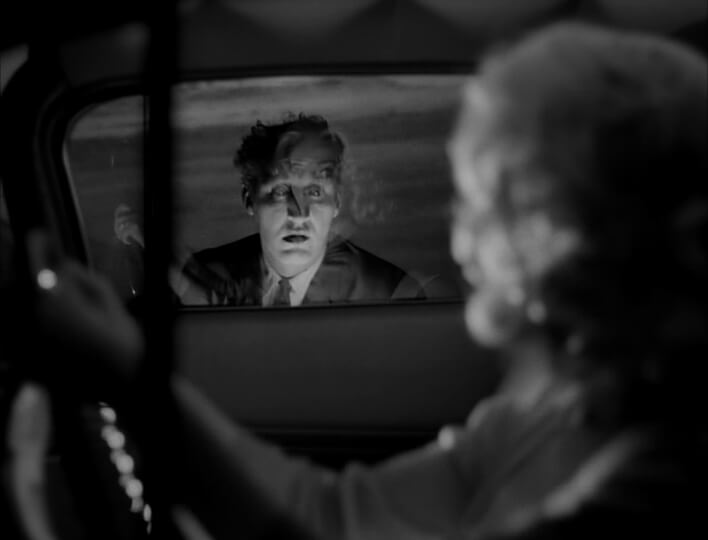
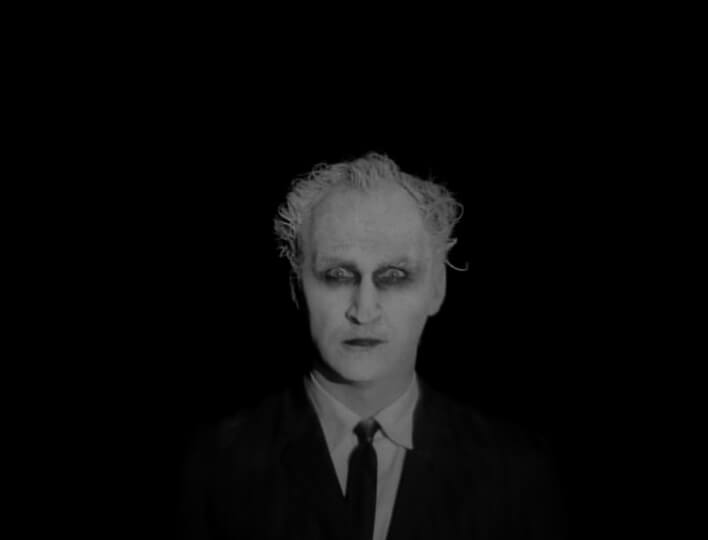

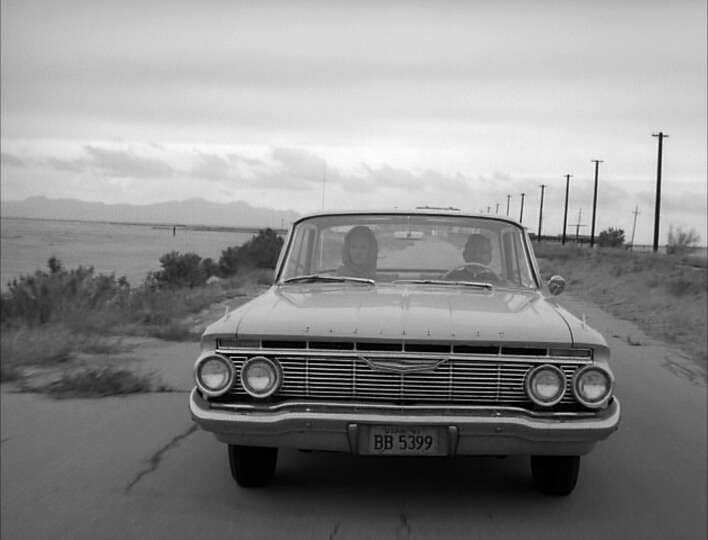
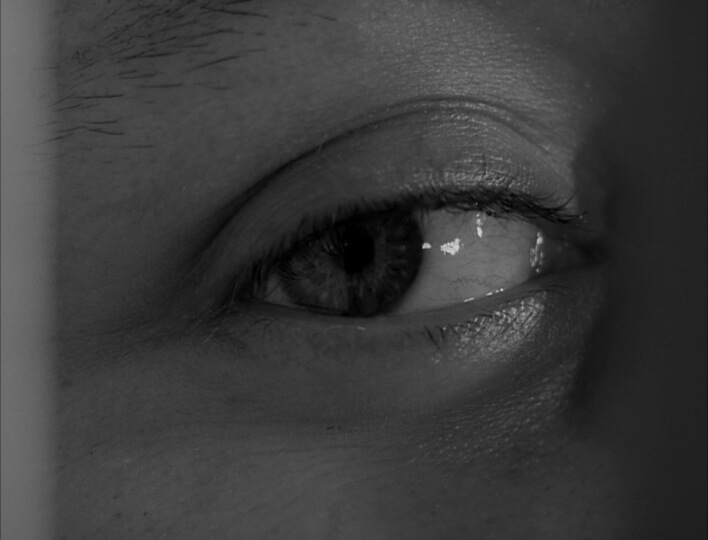

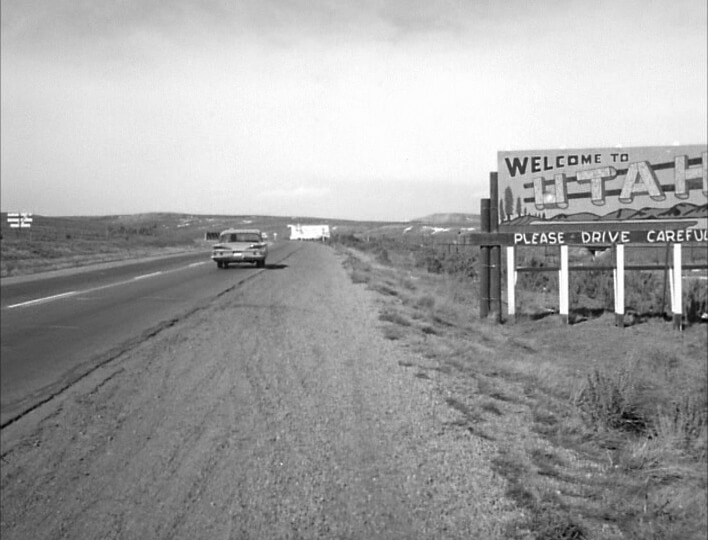
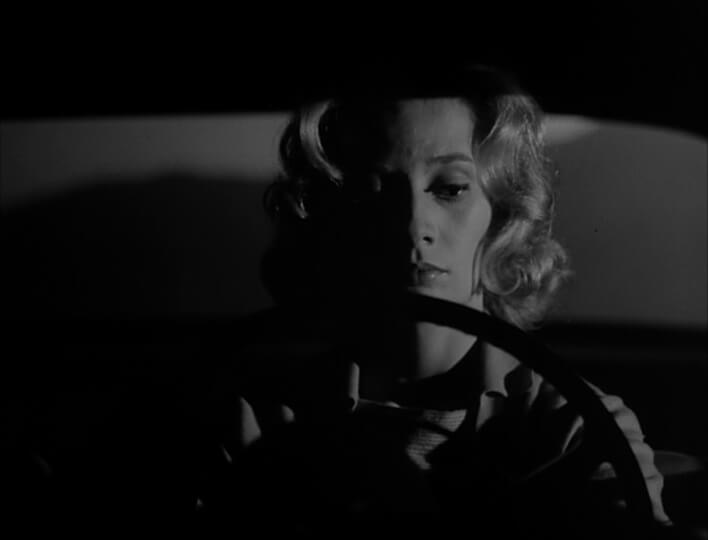
Seeking a fresh start, Mary, an organist, accepts a job at a church in Salt Lake City. She drives to Utah, but during the journey, she begins experiencing strange occurrences. She repeatedly sees a ghoulish figure (Herk Harvey) who seems to be following her.
In Salt Lake City, Mary moves into a boarding house managed by Mrs. Thomas (Frances Feist). Her only friend in the city is her neighbor, John Linden (Sidney Berger), a lecherous man who takes an interest in her. Despite his advances, Mary remains distant and preoccupied with the supernatural visions she continues to have.

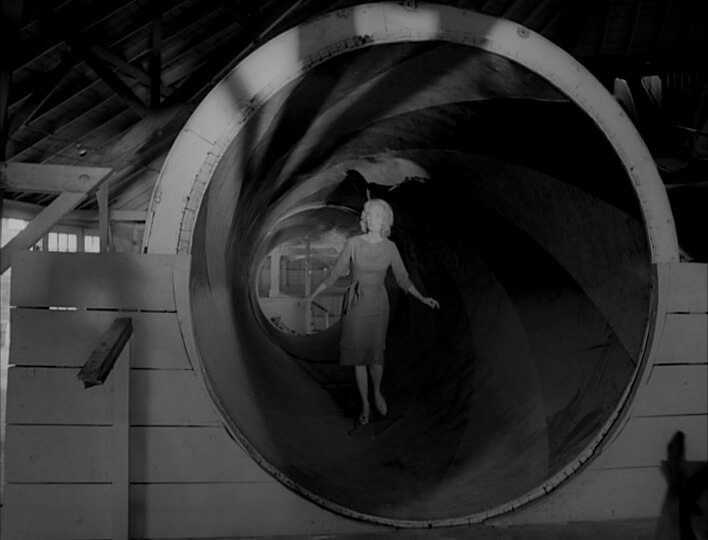


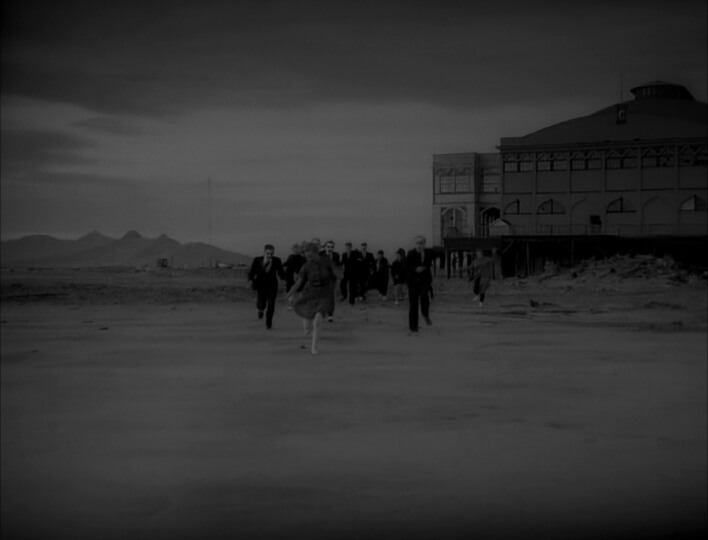
Mary is inexplicably drawn to an abandoned pavilion on the outskirts of town, which was once a carnival. This location becomes central to the film’s eerie and unsettling tone. As Mary explores the pavilion, her visions intensify, and she starts to question her sanity.
At the church, Mary struggles to connect with her new congregation and experiences episodes where she feels invisible to those around her. She visits a psychiatrist, Dr. Samuels (Stan Levitt), but his attempts to help her understand her experiences prove futile.

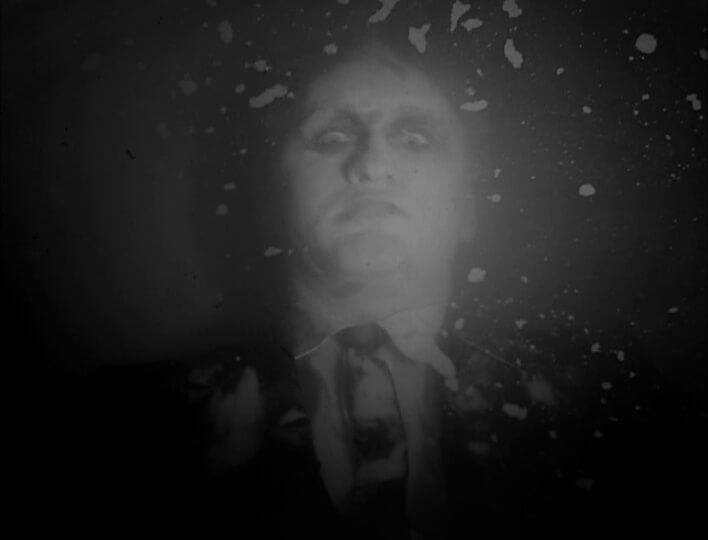

The climax of the film occurs when Mary returns to the abandoned pavilion, where she is confronted by a macabre dance of ghouls led by the Man she has been seeing in her visions. The ghouls chase Mary through the carnival, culminating in a surreal and nightmarish sequence.

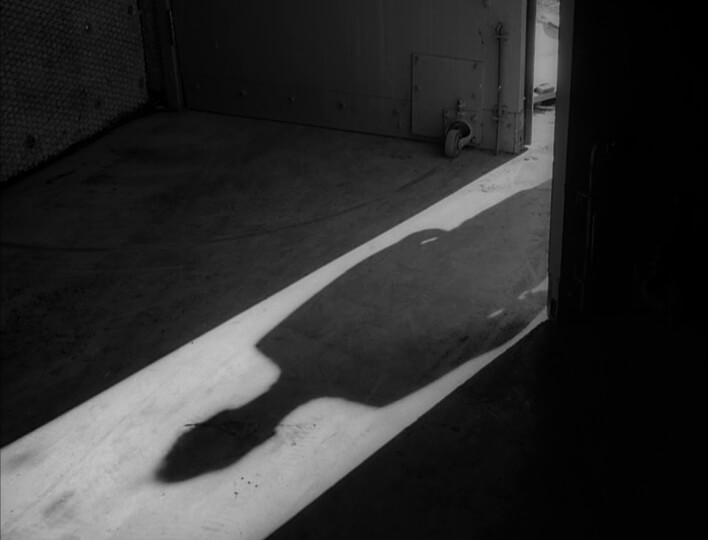


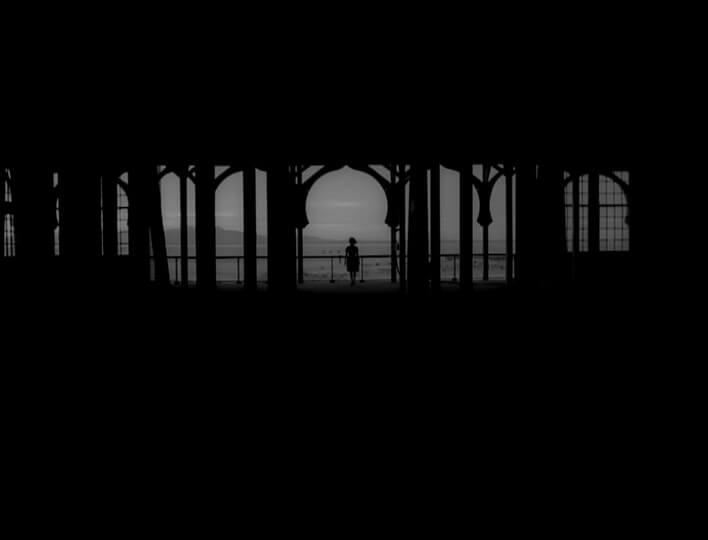

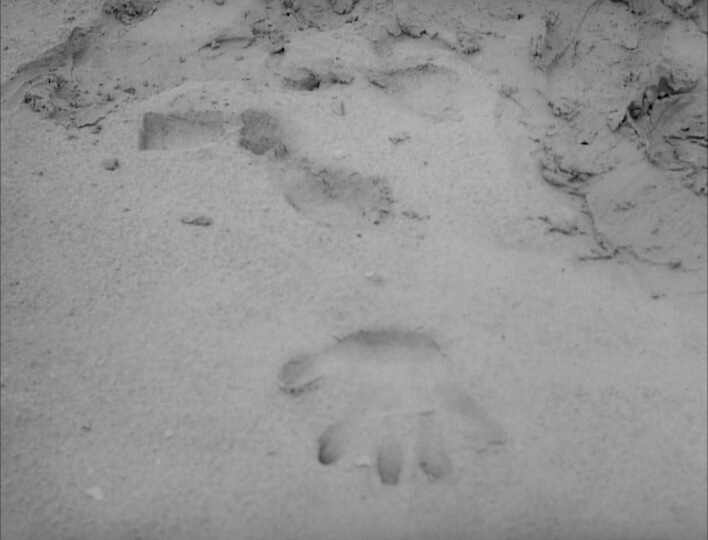
In the final scenes, the car that crashed into the river at the beginning of the film is pulled from the water, and Mary’s lifeless body is found inside, revealing that she has been dead the entire time. The haunting visions and her strange experiences are thus implied to be a result of her existing in a liminal state between life and death.
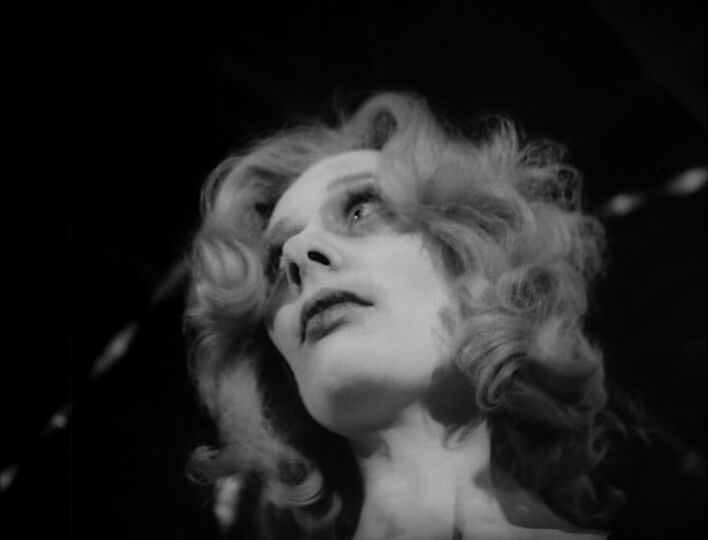
“Carnival of Souls” explores themes of isolation, identity, and the boundary between life and death. The film delves into psychological horror, using atmospheric visuals and an eerie organ score to create a sense of unease. Mary’s struggle with her existence and the haunting visions she encounters serve as a metaphor for her disconnection from the world and her eventual acceptance of her fate.

It’s interesting to note that the film which was initially overlooked upon its release, “Carnival of Souls” has since been recognized for its unique contributions to the horror genre. The film’s influence can be seen in later works by directors such as George A. Romero and David Lynch.

 The Other Cinema