


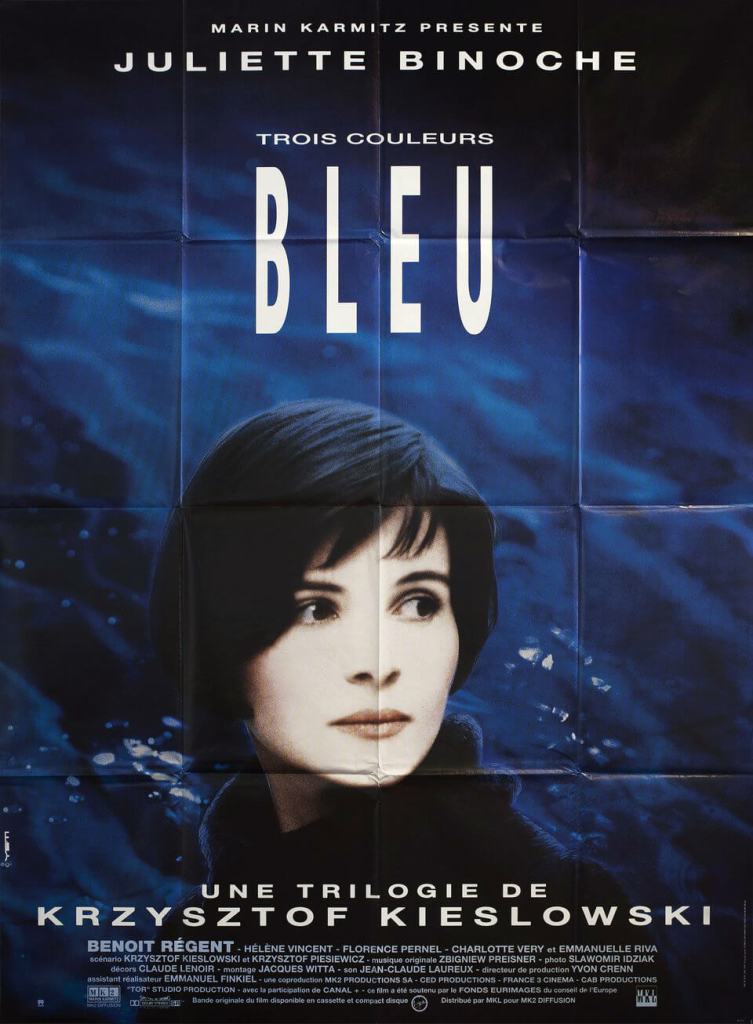
“Three Colors: Blue” (“Trois Couleurs: Bleu”) is a 1993 French film directed by Krzysztof Kieślowski. It is the first installment in the “Three Colors” trilogy, which also includes “White” and “Red.” The trilogy is loosely themed on the three political ideals of the French Republic: liberty, equality, and fraternity. “Blue” represents liberty. The film stars Juliette Binoche, Benoît Régent, and Florence Pernel.
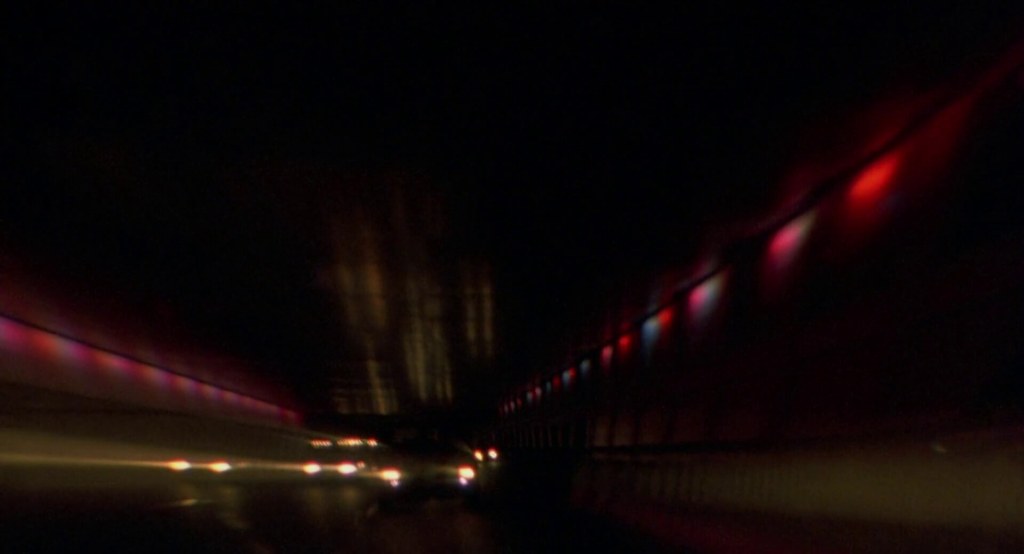
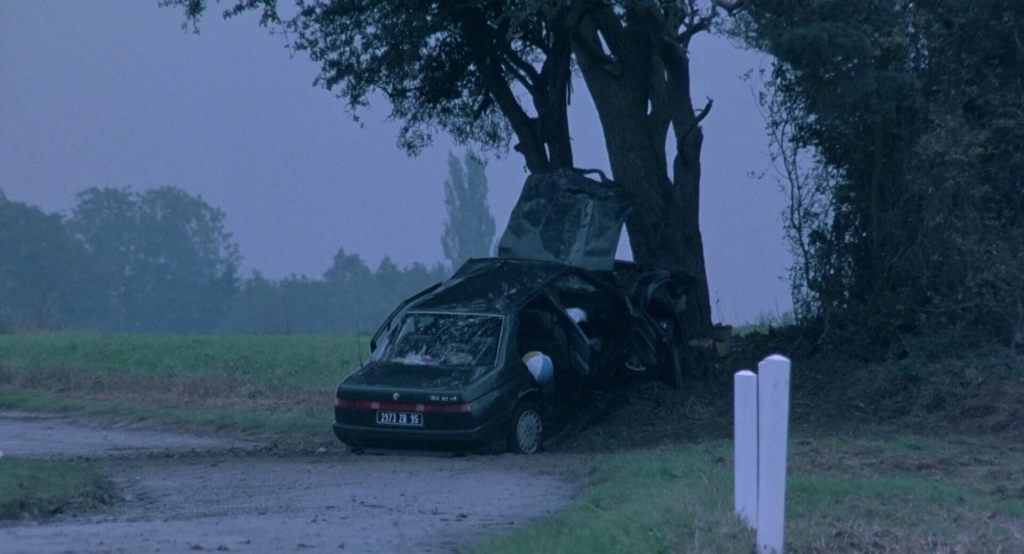


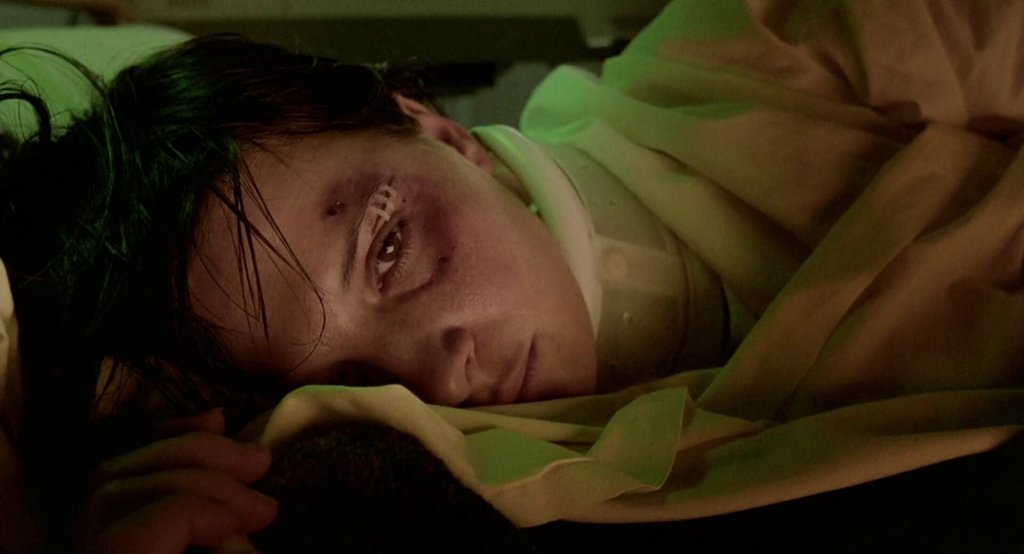
The story begins with a tragic car accident that claims the lives of renowned composer Patrice de Courcy and his young daughter, Anna. The sole survivor is Patrice’s wife, Julie (Juliette Binoche). Severely injured and emotionally shattered, Julie awakens in a hospital to the devastating reality of her loss. Confronted with overwhelming grief, she attempts to commit suicide by overdosing on pills but ultimately decides against it.

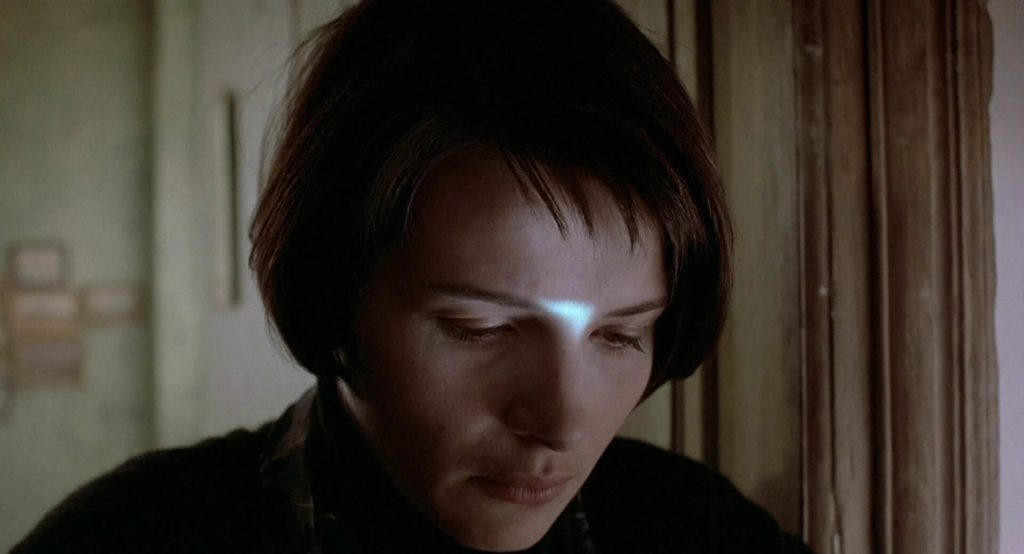
Julie chooses to cut herself off from her past life completely. She leaves her home and sells all her possessions, including the countryside mansion she shared with Patrice. She moves to a small Paris apartment, adopting an austere and isolated lifestyle. Julie aims to achieve complete emotional and social freedom, stripping away all attachments and memories.
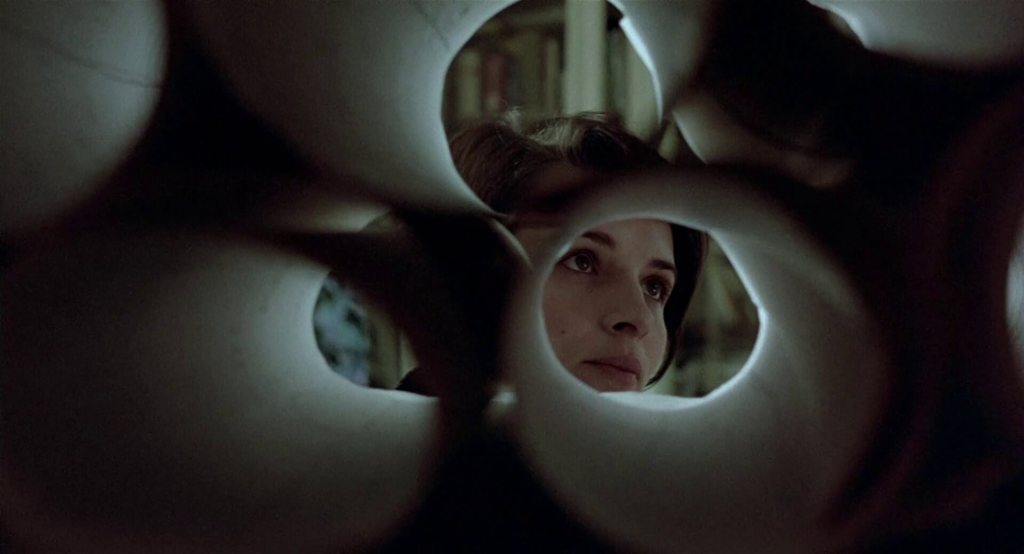
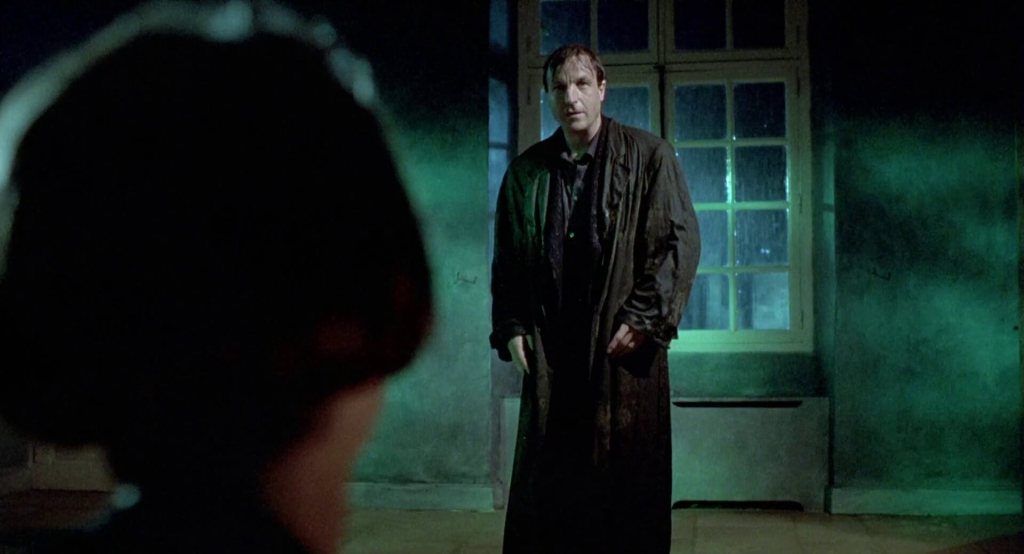

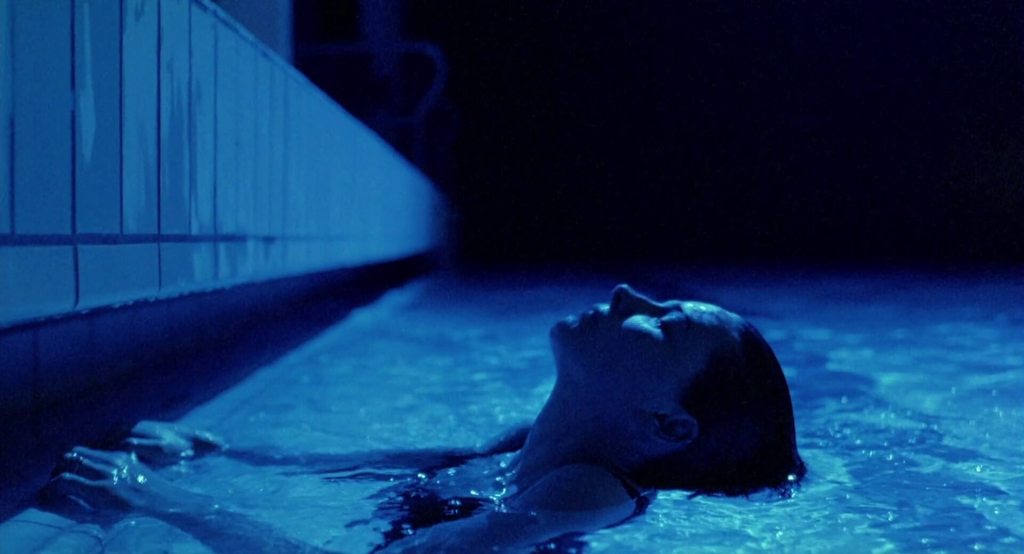
Despite her efforts, Julie’s past continues to intrude. She is pursued by Olivier (Benoît Régent), a friend and colleague of Patrice who harbors romantic feelings for her. Olivier informs Julie that Patrice left behind an unfinished composition intended to celebrate European unity. This piece, known as “Song for the Unification of Europe,” becomes a recurring motif in the film, symbolizing both Julie’s connection to her late husband and her struggle to detach from her former life.
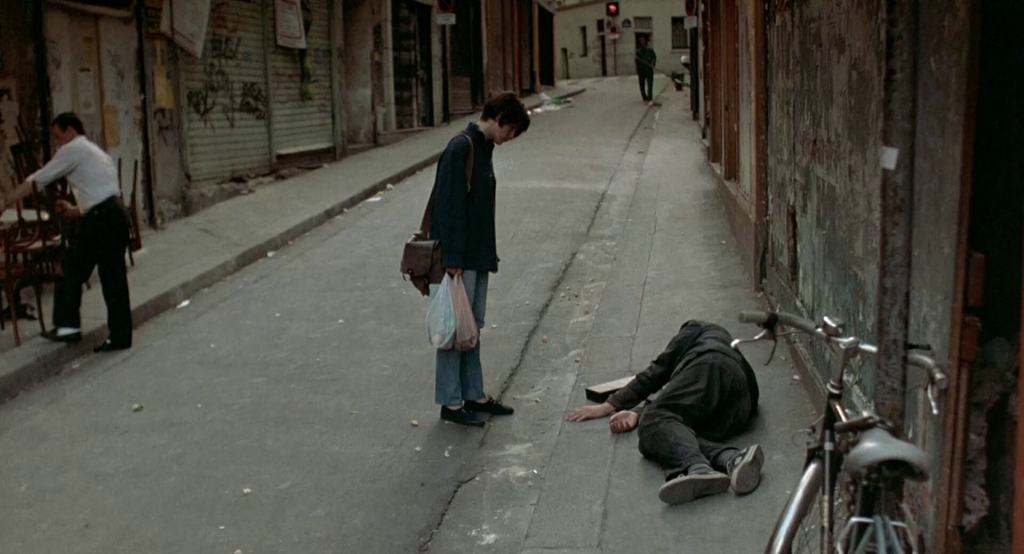

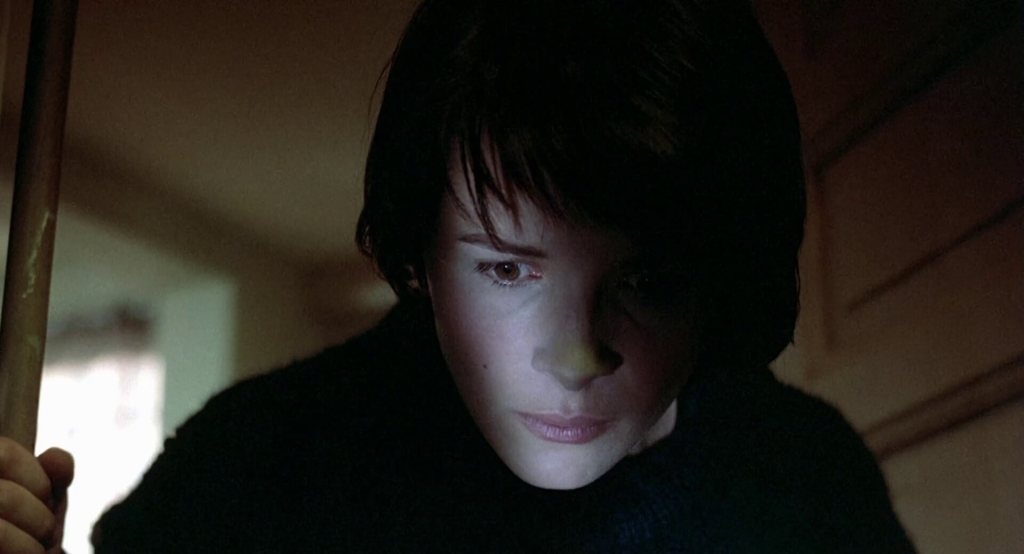
Julie’s quest for isolation is further challenged when she discovers that Patrice had been having an affair with a woman named Sandrine (Florence Pernel). This revelation is a severe emotional blow, but it also prompts Julie to confront the complexities of her past relationship and her own identity.

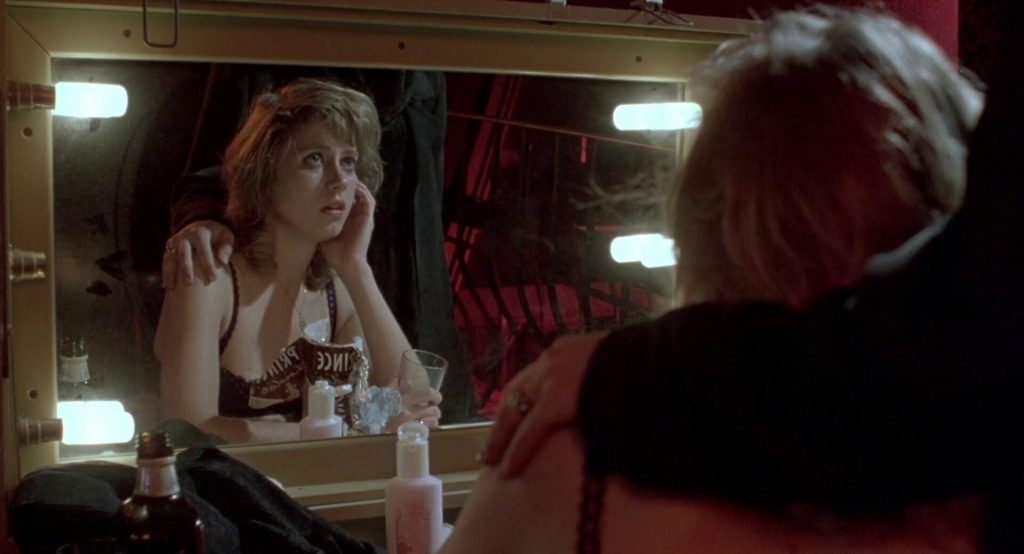
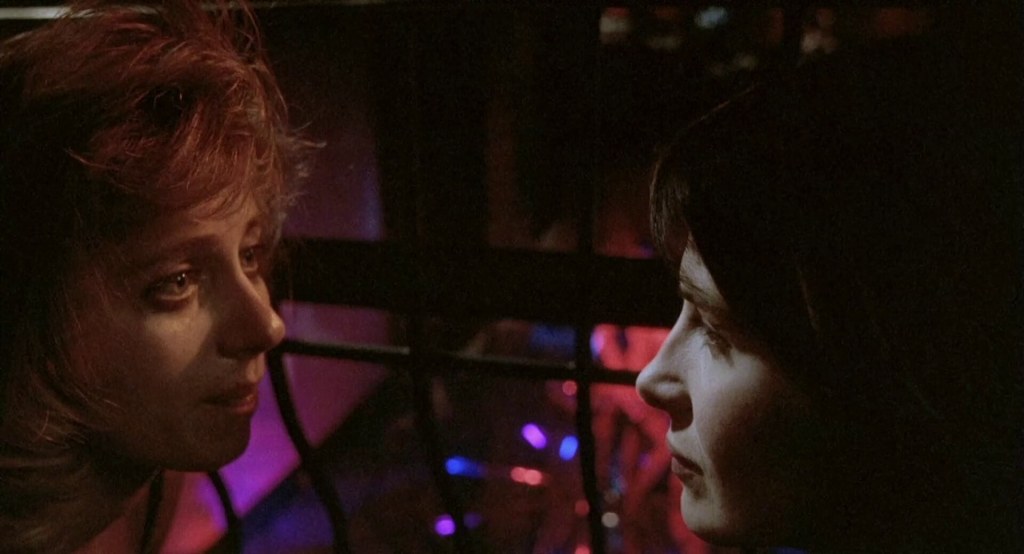
Julie begins to form new, albeit tentative, connections with those around her. She befriends her neighbor, Lucille (Charlotte Véry), a kind-hearted stripper who helps Julie navigate her emotional turmoil. Julie also reconnects with Olivier, and their relationship slowly evolves from one of mere association to a deeper, more meaningful bond.
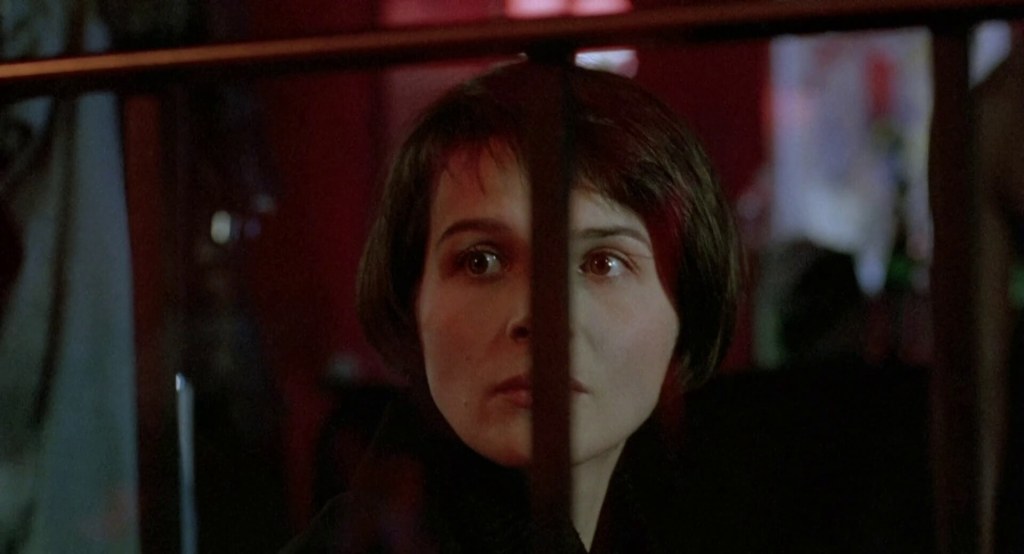


In her journey toward liberation, Julie ultimately decides to complete Patrice’s unfinished composition. This act of creation becomes a cathartic process, allowing her to reconcile her past with her present. The film culminates in a powerful scene where Julie listens to the completed symphony, signifying her acceptance of her past and her readiness to move forward.
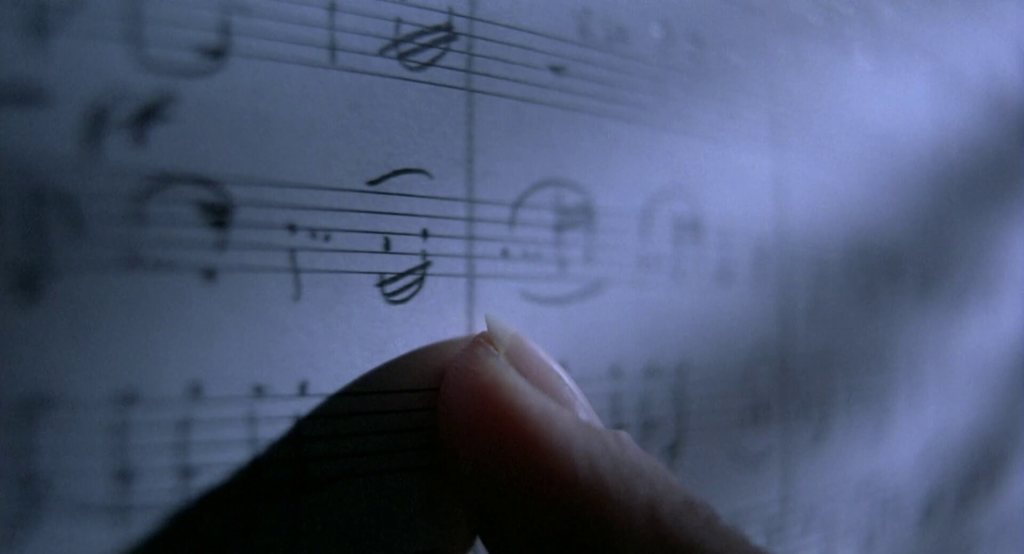


“Three Colors: Blue” explores themes of liberty, grief, and rebirth. Julie’s journey is one of emotional liberation, as she attempts to free herself from the shackles of her tragic past. The film delves into the complexities of human relationships and the process of healing and self-discovery. Music plays a significant role, symbolizing both the connection to her late husband and her path to personal freedom.
 The Other Cinema