


“Three Colors: White” (“Trois Couleurs: Blanc”) is a 1994 French-Polish film directed by Krzysztof Kieślowski. It is the second installment in the “Three Colors” trilogy. The film stars Zbigniew Zamachowski, Julie Delpy, and Janusz Gajos.
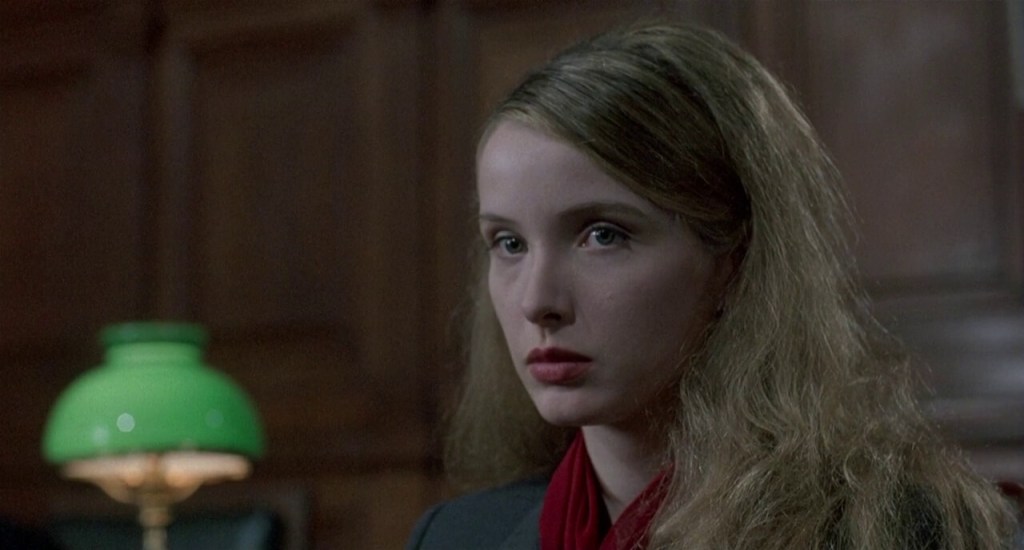

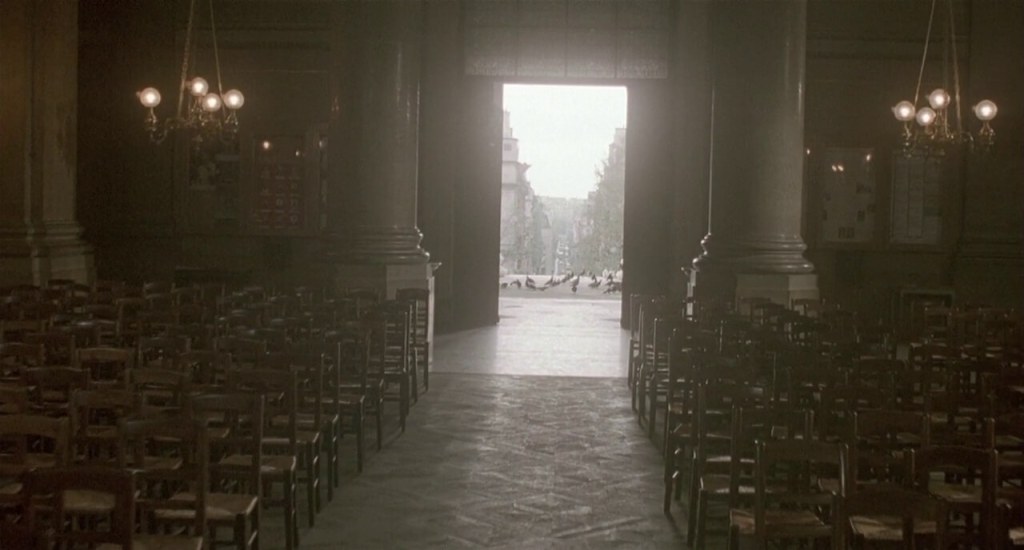
The film opens in Paris, where Polish immigrant Karol Karol (Zbigniew Zamachowski) is enduring a disastrous divorce from his wife, Dominique (Julie Delpy). The court proceedings are humiliating for Karol, who is unable to speak French fluently and is accused by Dominique of failing to consummate their marriage. This failure is the primary reason for the divorce, and Dominique’s disdain for Karol is palpable. The court rules in her favor, and Karol is left with nothing, homeless and broke.


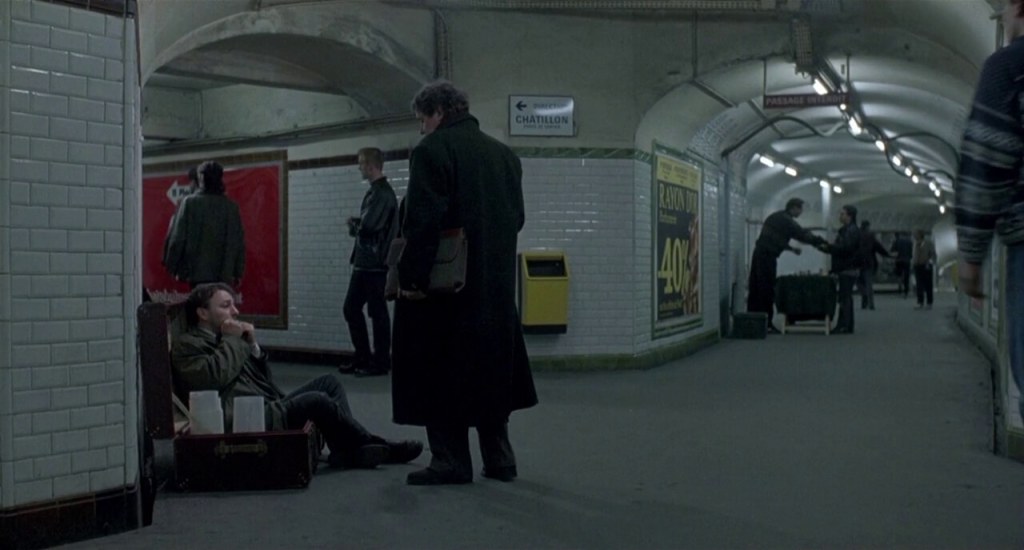


Karol’s life spirals downward as he wanders the streets of Paris. He becomes a beggar, playing a comb and paper instrument for spare change. One day, he encounters a fellow Pole named Mikołaj (Janusz Gajos) in the Paris Metro. Mikołaj, recognizing Karol’s dire situation, offers him help. He provides Karol with a suitcase and a ticket to Poland, with the promise of a job opportunity.
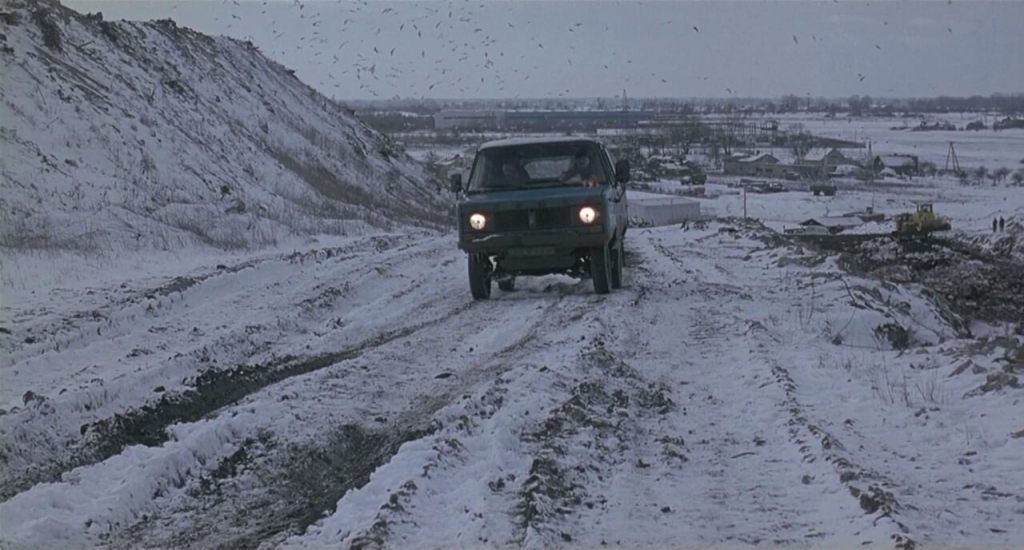
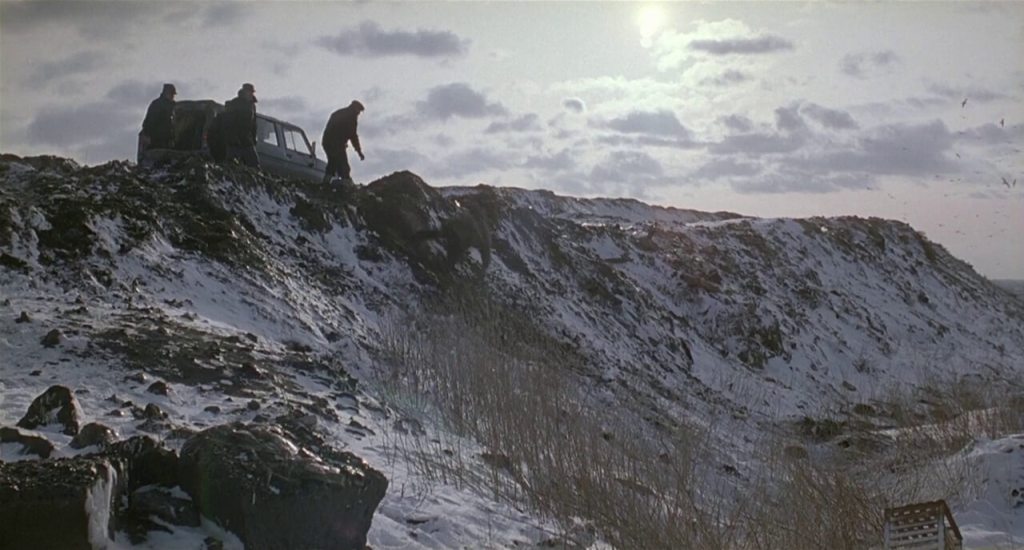
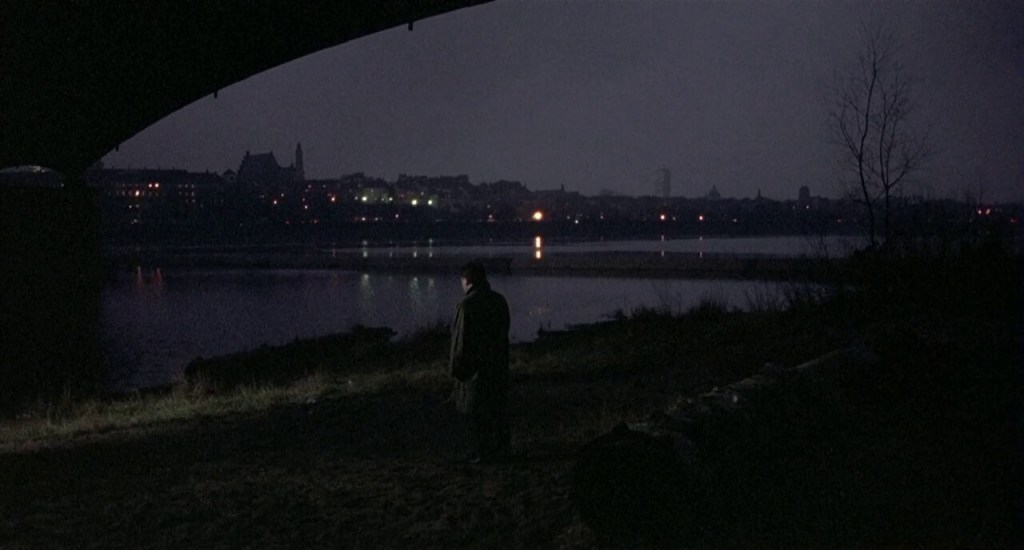
Karol’s journey back to Poland is marked by hardship and indignity. He smuggles himself in the suitcase but is nearly thrown away when the suitcase is stolen and discarded. Despite these trials, Karol makes it back to his homeland. Reunited with his brother Jurek (Jerzy Stuhr), Karol begins to rebuild his life. He starts working as a hairdresser, but his ambition soon drives him to pursue more lucrative ventures.


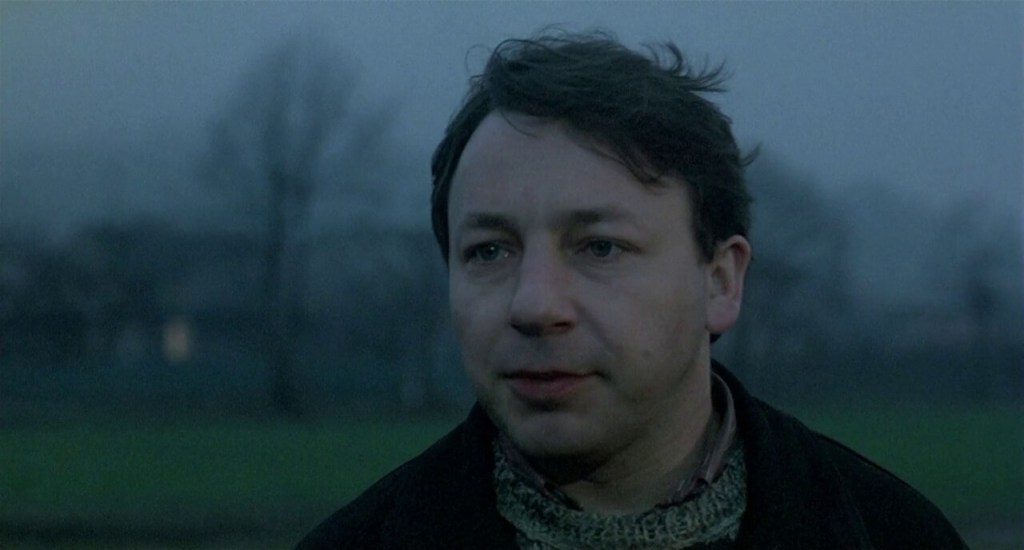
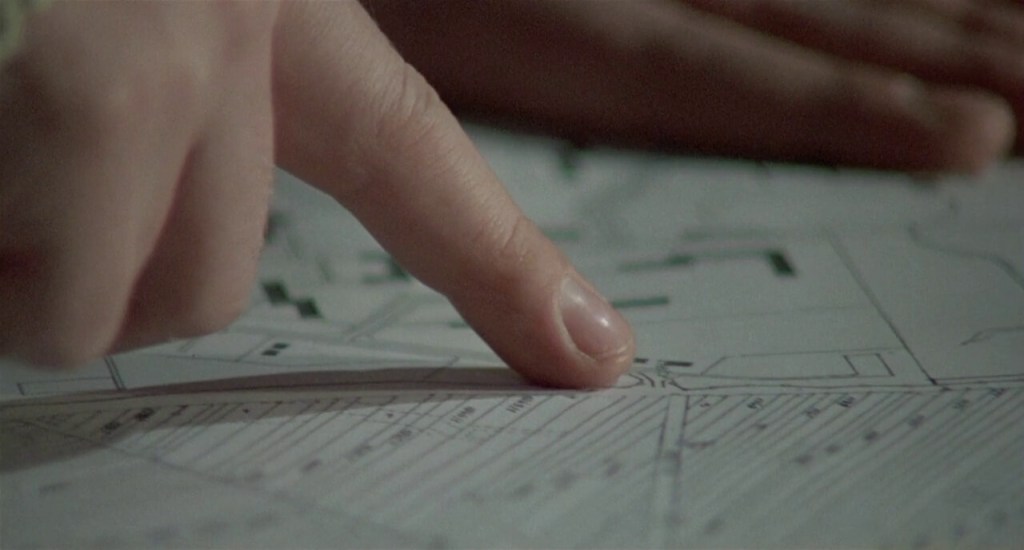

Karol’s entrepreneurial spirit shines as he quickly amasses wealth through various business deals, including a scam involving the purchase of land designated for development. He partners with Mikołaj, who has his own troubles and wants Karol to help him commit suicide. Karol’s cunning and resourcefulness enable him to climb the social ladder, and he becomes a wealthy and powerful man in post-Communist Poland.
Despite his success, Karol remains fixated on Dominique and harbors a desire for revenge. He devises an elaborate plan to lure Dominique to Poland. He fakes his own death, making it appear as though he has been murdered, and leaves evidence suggesting Dominique’s involvement. Dominique arrives in Poland for Karol’s “funeral” and is promptly arrested for his supposed murder.


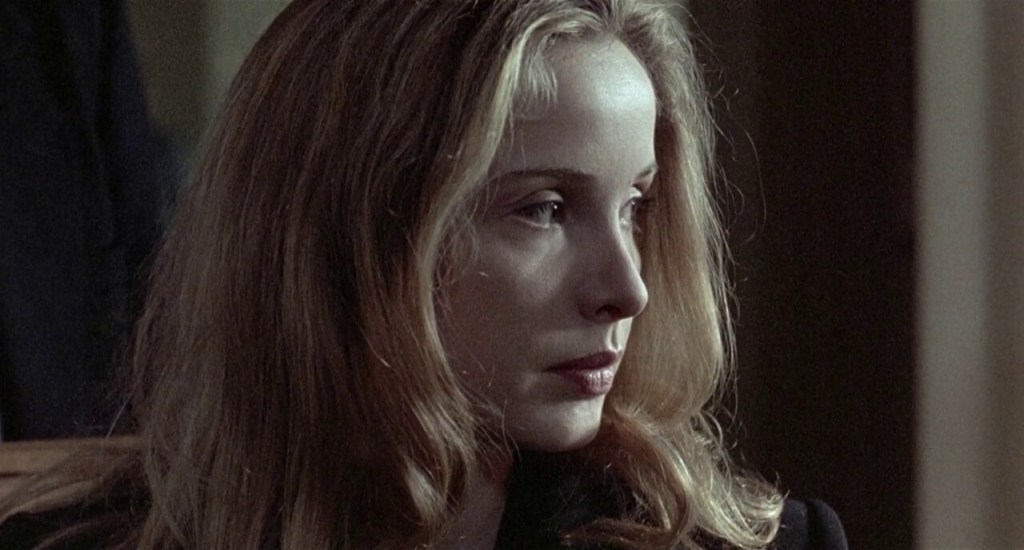
In a twist of fate, Karol’s feelings for Dominique resurface, and he visits her in prison. Through the bars, they communicate with gestures, and Karol expresses his continuing love for her. Dominique realizes the depth of Karol’s feelings and perhaps her culpability in their failed relationship.
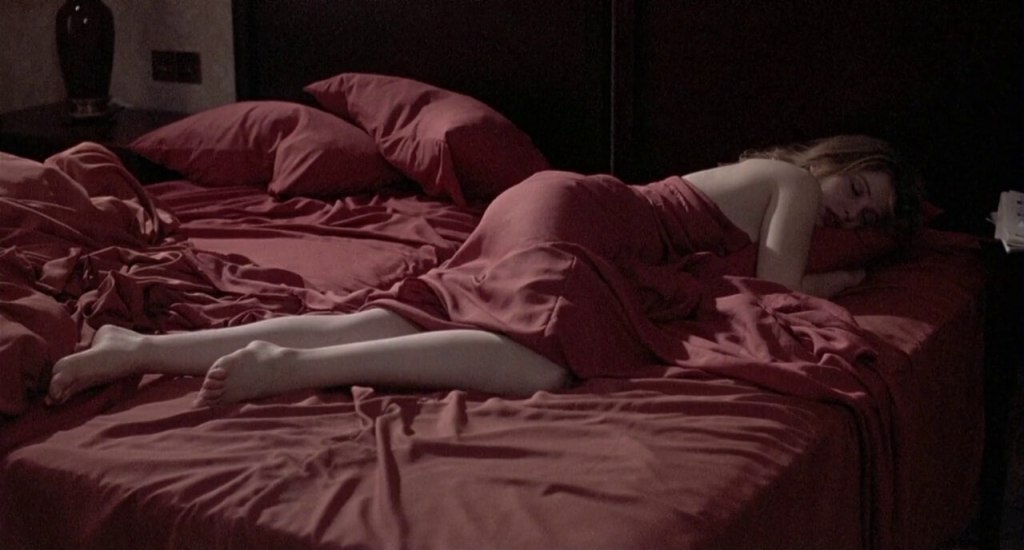


“Three Colors: White” explores themes of equality, revenge, and redemption. Karol’s journey from humiliation to empowerment reflects the theme of equality, as he seeks to balance the scales with Dominique. The film also delves into the complexities of love and the human capacity for both cruelty and forgiveness. Karol’s actions, driven by a mix of spite and lingering affection, highlight the fine line between justice and vengeance.

 The Other Cinema
Leave a comment