

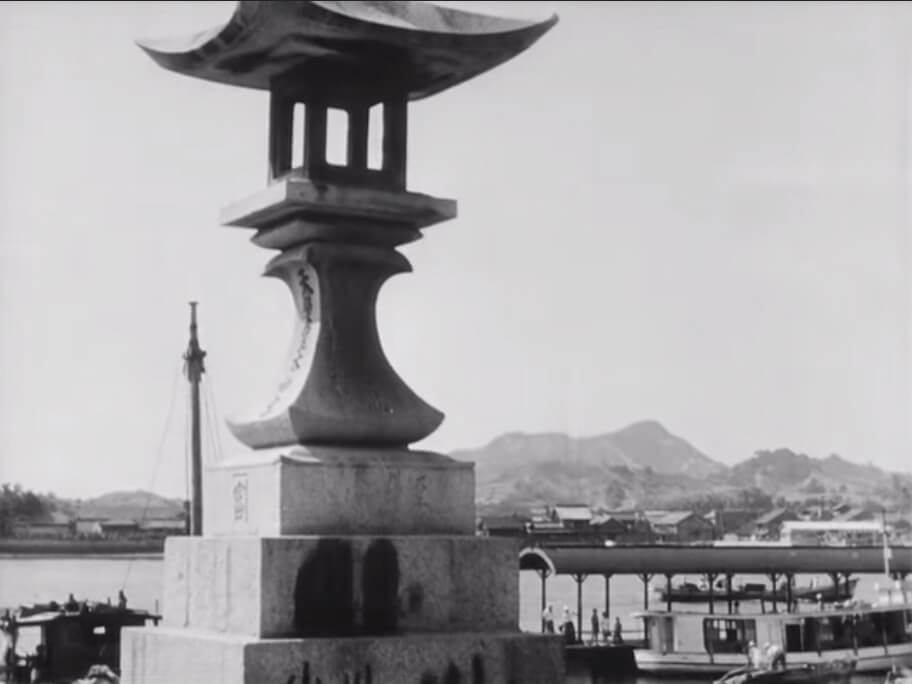
“Tokyo Story” (“Tokyo Monogatari”) is a 1953 Japanese drama film directed by Yasujirō Ozu. It is often referred to as one of the greatest films ever made. The film stars Chishū Ryū, Chieko Higashiyama, Setsuko Hara, and Haruko Sugimura. The story begins in Onomichi, a small coastal town in Japan, where Shūkichi Hirayama (Chishū Ryū) and his wife Tomi (Chieko Higashiyama) live a quiet life. They decide to visit their adult children in Tokyo, as it has been many years since they last saw them. Their eldest son, Kōichi (Sō Yamamura), is a busy pediatrician, and their eldest daughter, Shige (Haruko Sugimura), runs a beauty salon. Their youngest son, Shōji, was killed in World War II, and his widow, Noriko (Setsuko Hara), lives alone in Tokyo.

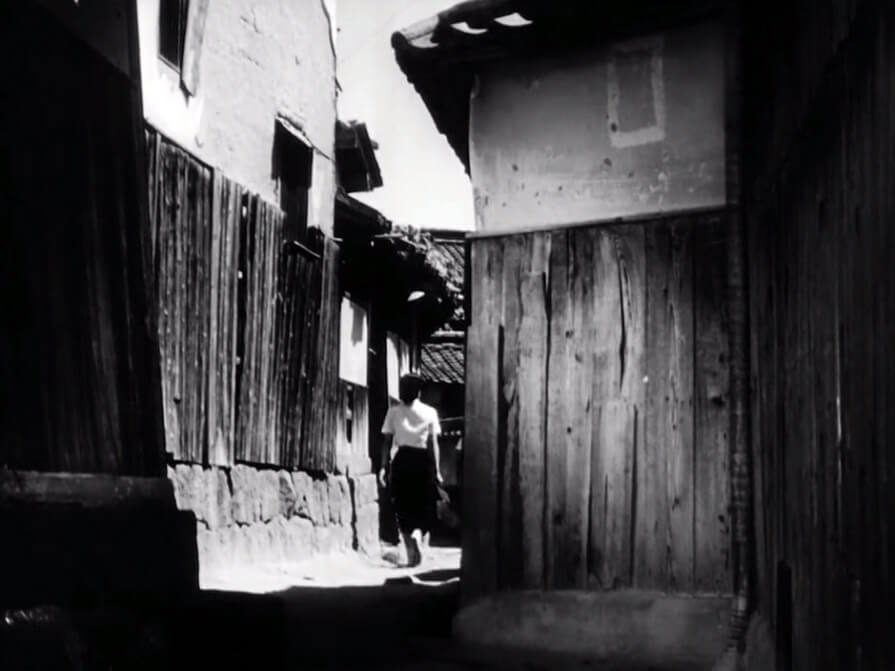

Upon arriving in Tokyo, Shūkichi and Tomi are warmly welcomed but quickly realize that their children are too preoccupied with their own lives to spend much time with them. Kōichi is constantly attending to his patients, and Shige is busy with her salon. Their younger daughter, Kyōko (Kyōko Kagawa), still lives at home in Onomichi and is unable to join them in Tokyo due to her job as a schoolteacher.
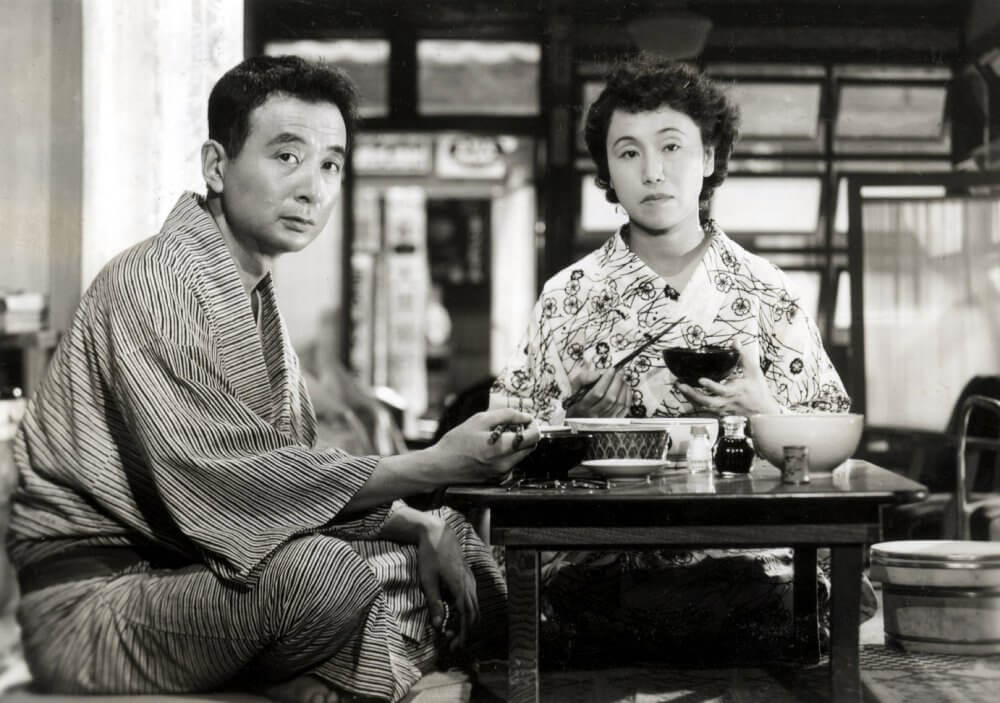
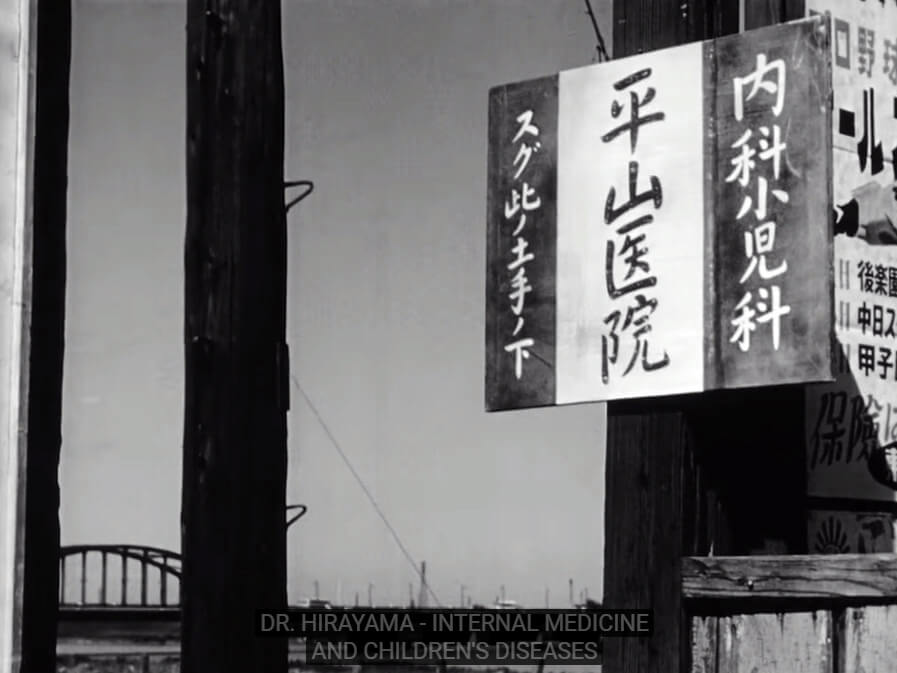


The elderly couple’s presence becomes an inconvenience to their children, who arrange for them to stay at a hot spring resort in Atami for a few days. However, the noisy and crowded resort does not provide the restful experience Shūkichi and Tomi hoped for, and they return to Tokyo early.
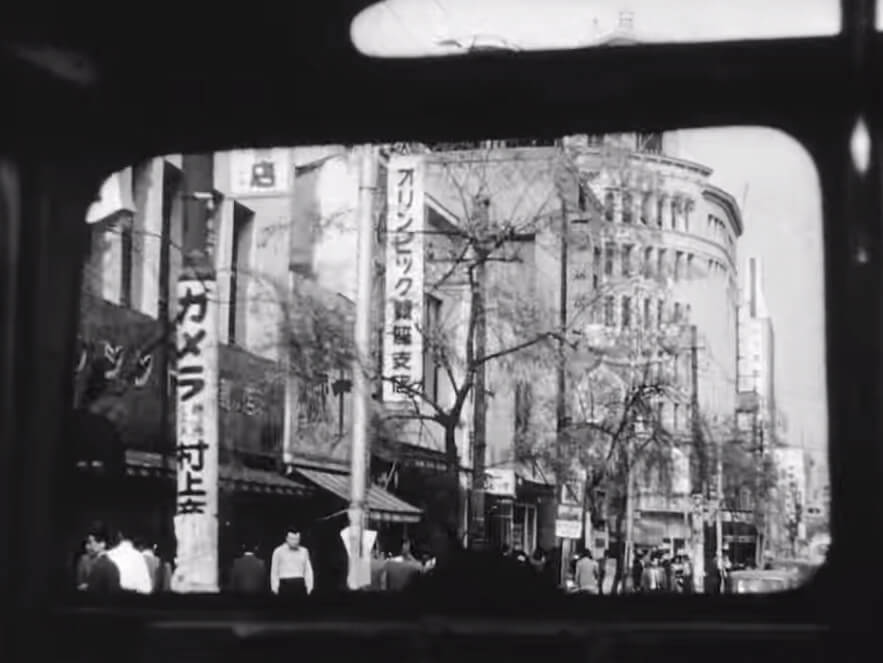
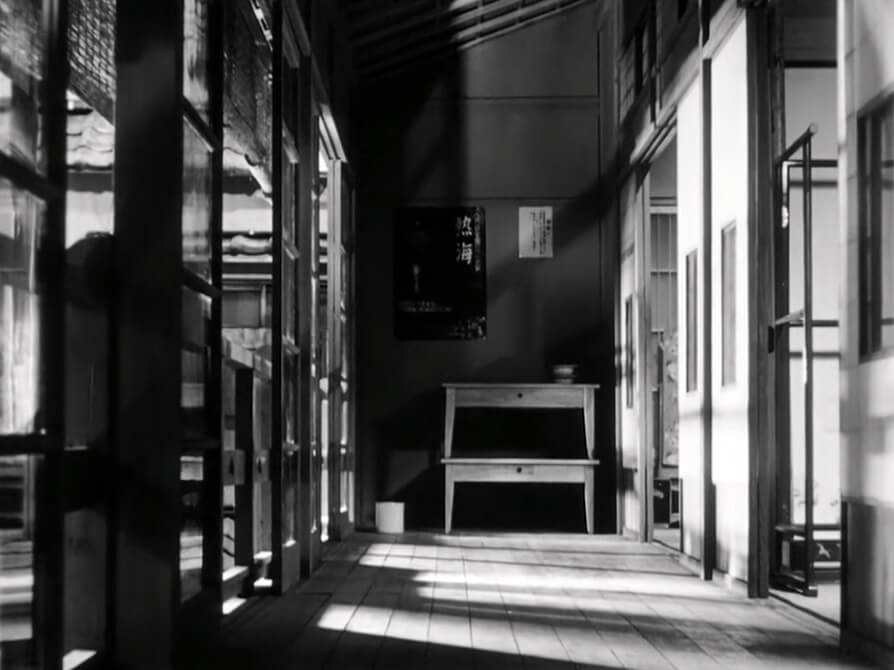
Throughout their visit, Noriko, despite being a widow and not their biological child, shows the most care and respect towards Shūkichi and Tomi. She takes time off work to spend with them, showing them around Tokyo and ensuring their comfort. Her kindness and hospitality deeply touch the elderly couple.
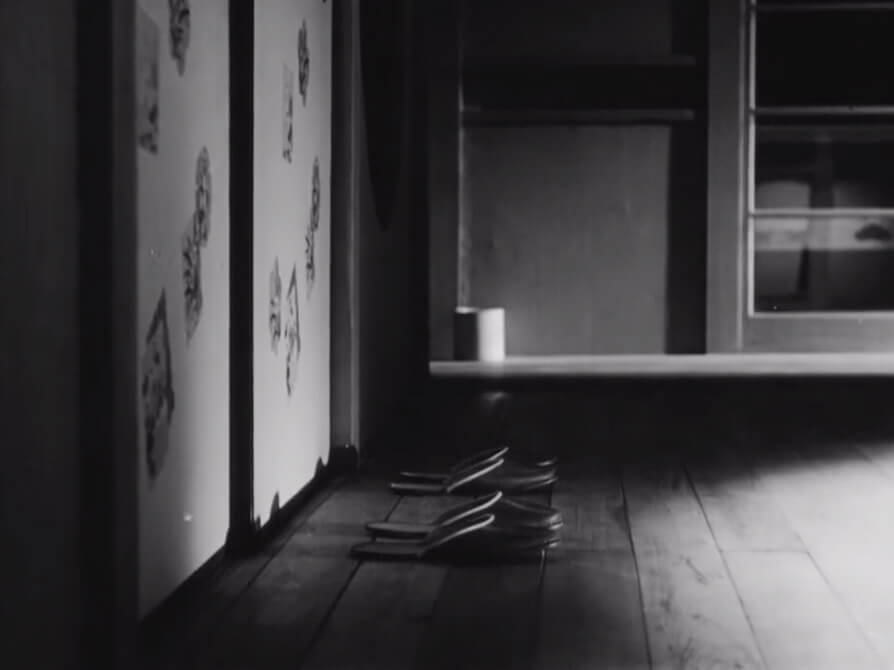
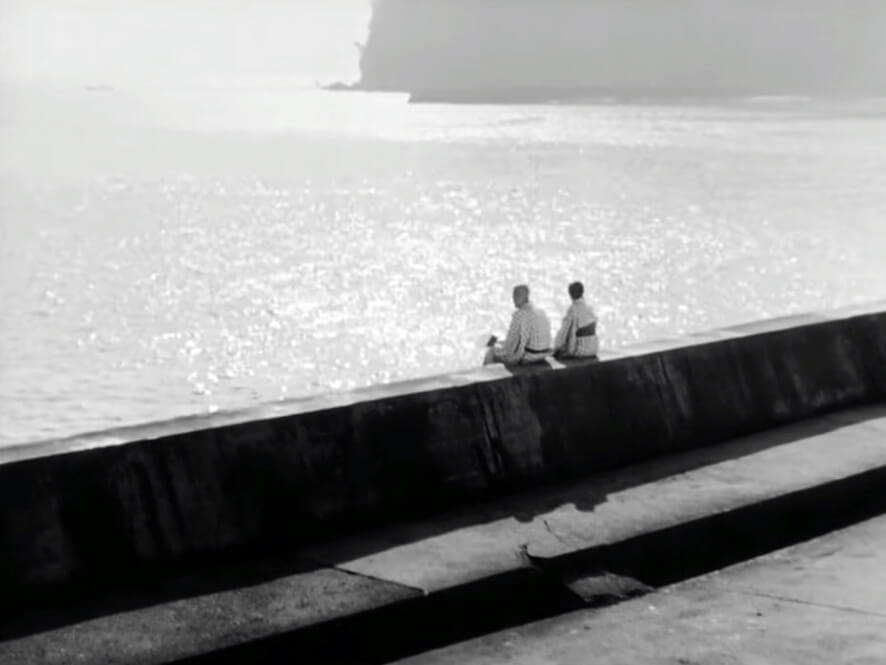
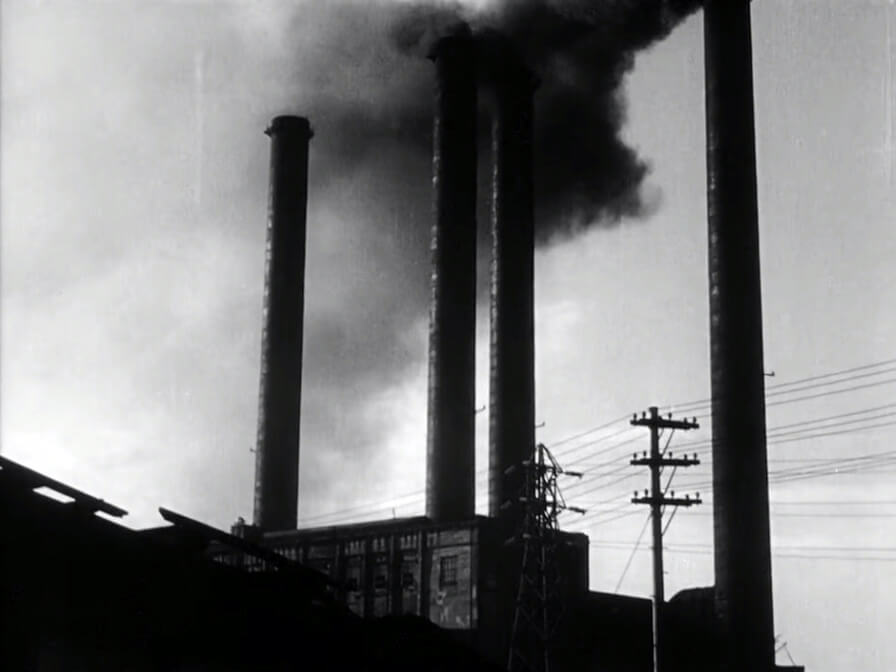
Eventually, Shūkichi and Tomi decide to cut their visit short and return to Onomichi. On their way back, Tomi falls ill and they are forced to stay overnight at their youngest daughter’s house in Osaka. Tomi’s condition worsens, and upon returning to Onomichi, she becomes critically ill. The children rush to Onomichi to see their mother one last time. Despite their earlier neglect, they express regret and sorrow at her condition.

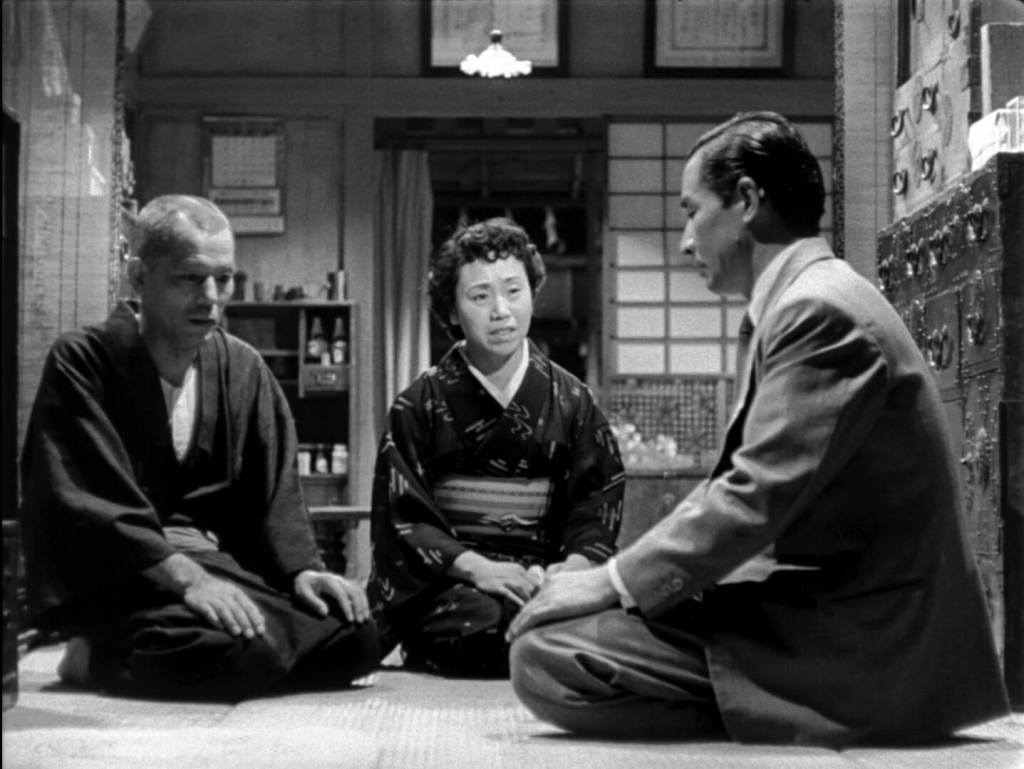

Tomi passes away, and the family comes together for the funeral. After the funeral, the children quickly return to their lives in Tokyo, leaving Shūkichi alone in his grief. Noriko stays behind to comfort her father-in-law. In a poignant conversation, Shūkichi expresses his gratitude for her support and encourages her to move on with her life and remarry, as she is still young. Noriko, moved by Shūkichi’s words, promises to try and find happiness.

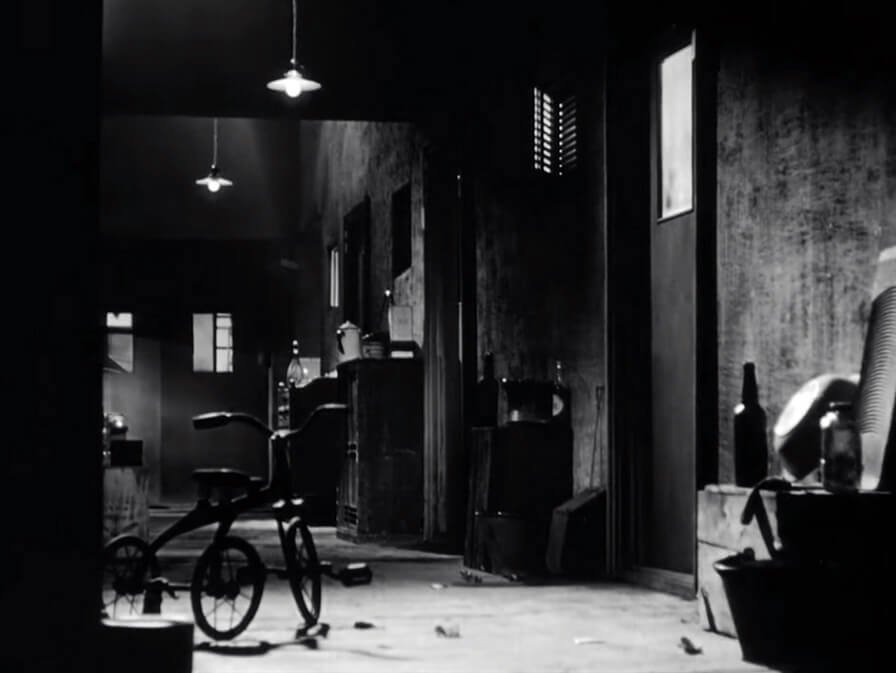
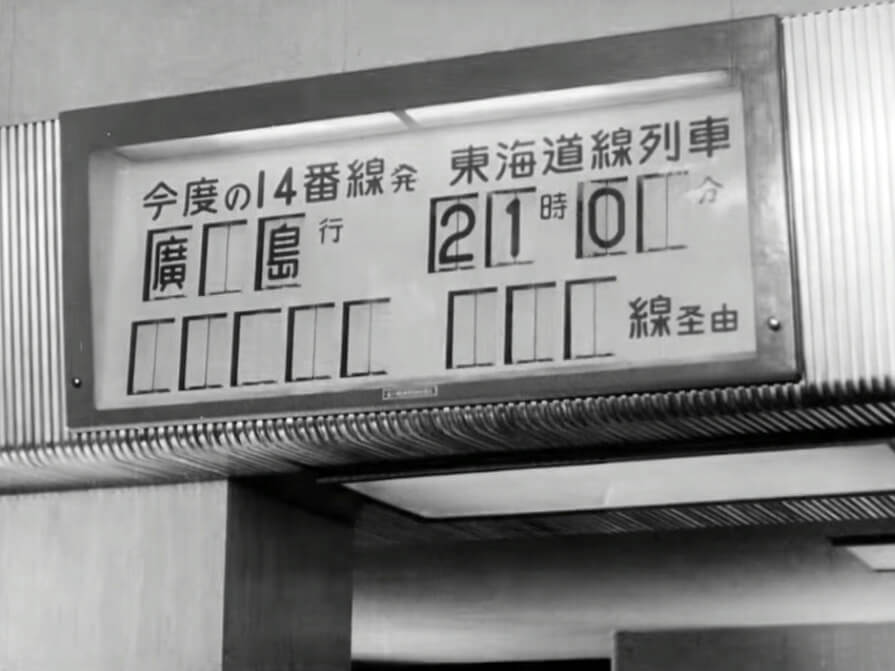
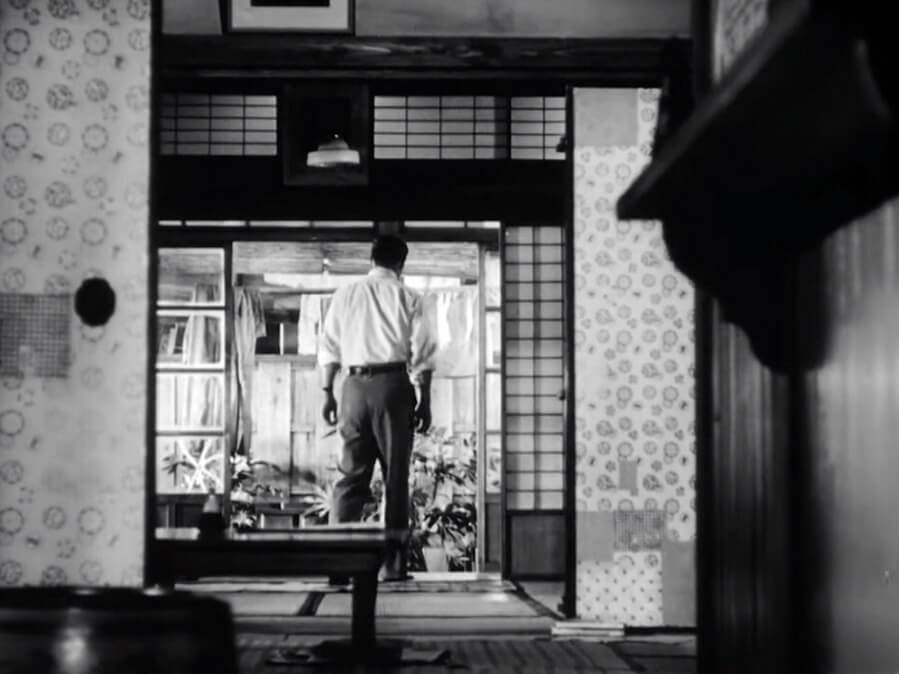
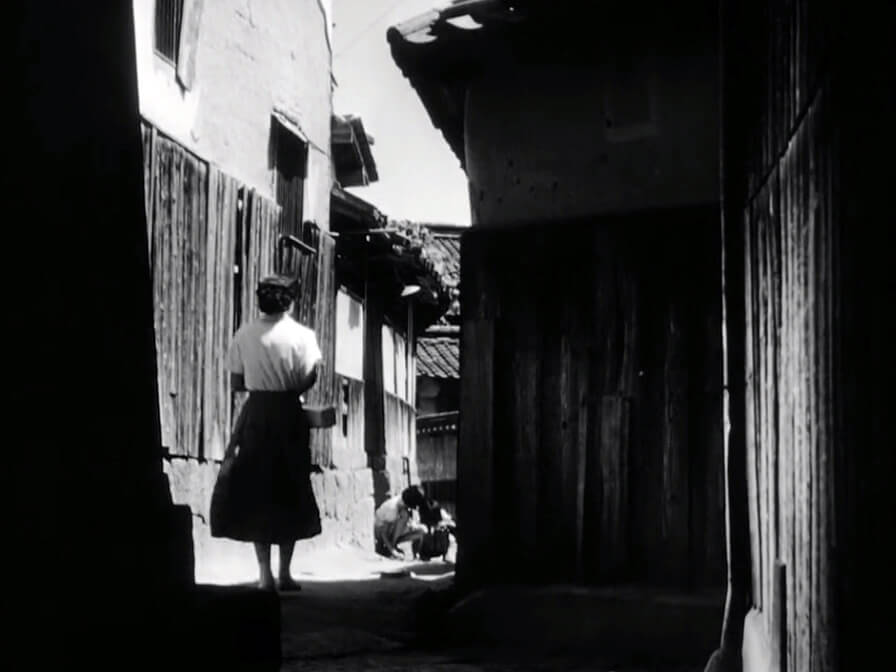
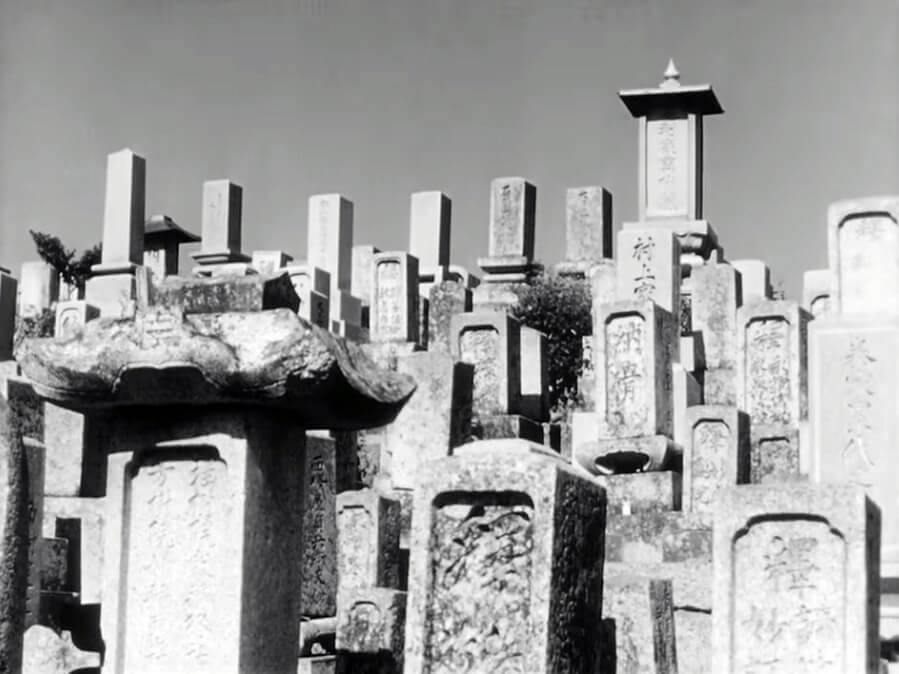
“Tokyo Story” essentially at its core is a film about family, aging, and the passage of time. The film poignantly portrays the generational gap between parents and children, highlighting the changes in post-war Japanese society and the resulting emotional distance. It delves into the universal experience of familial relationships, emphasizing the inevitability of aging and the often-overlooked sacrifices of parents.
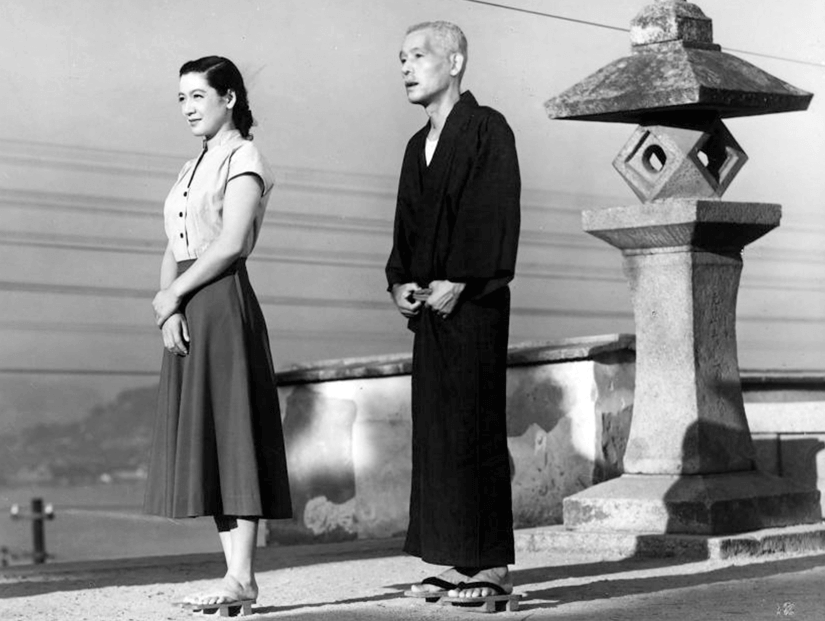

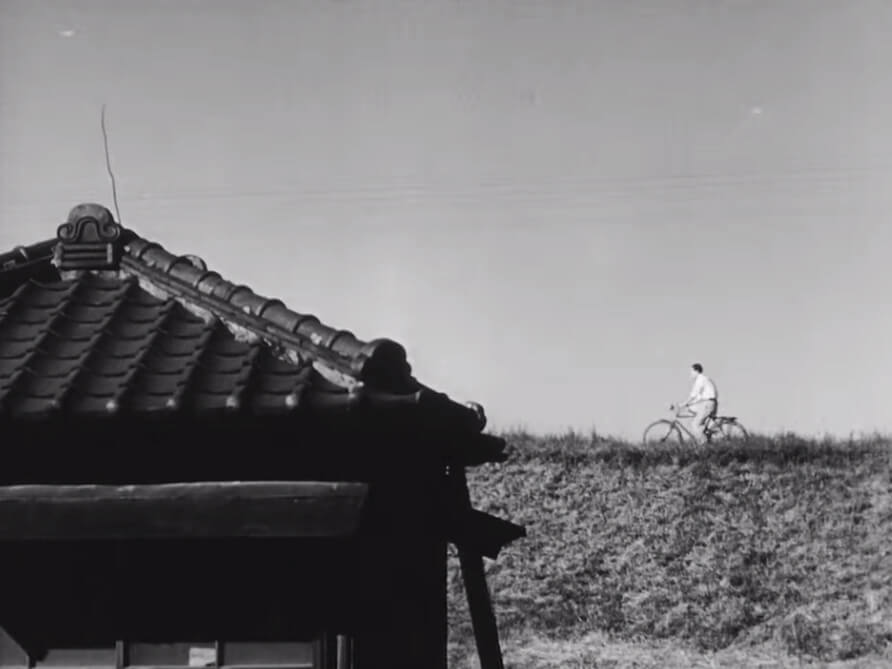
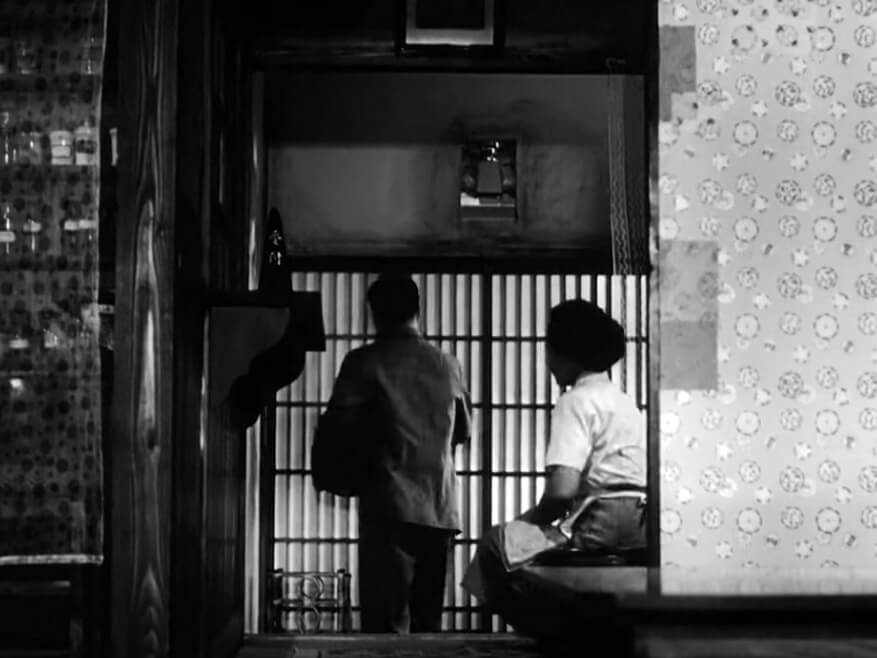
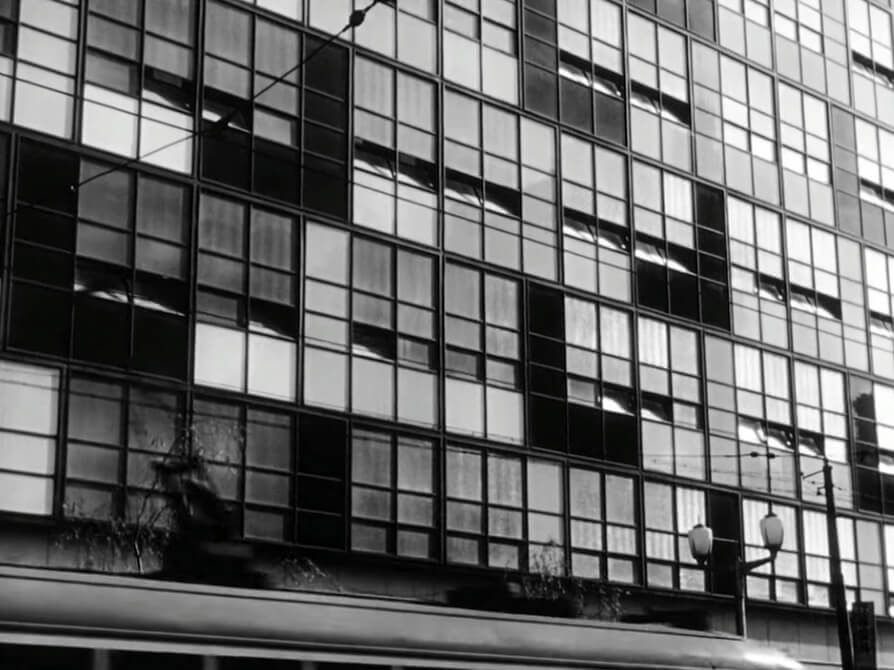
Yasujirō Ozu’s direction is characterized by his minimalist style, focusing on everyday life and the subtleties of human interaction. The film employs static camera positions, low-angle shots, and a deliberate pace to create a sense of intimacy and reflection. Ozu’s storytelling is marked by its simplicity and emotional depth, allowing the audience to connect deeply with the characters and their experiences.
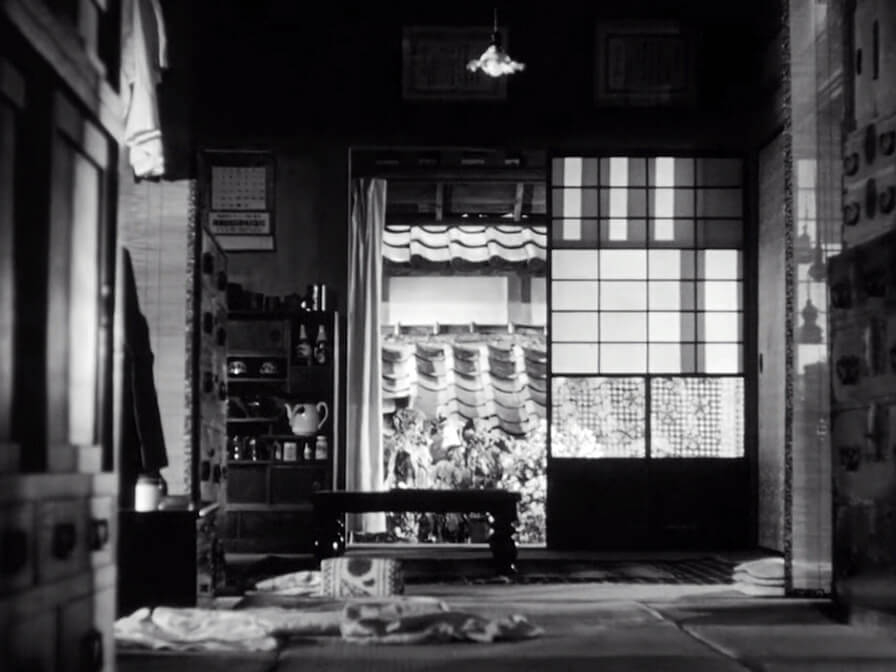
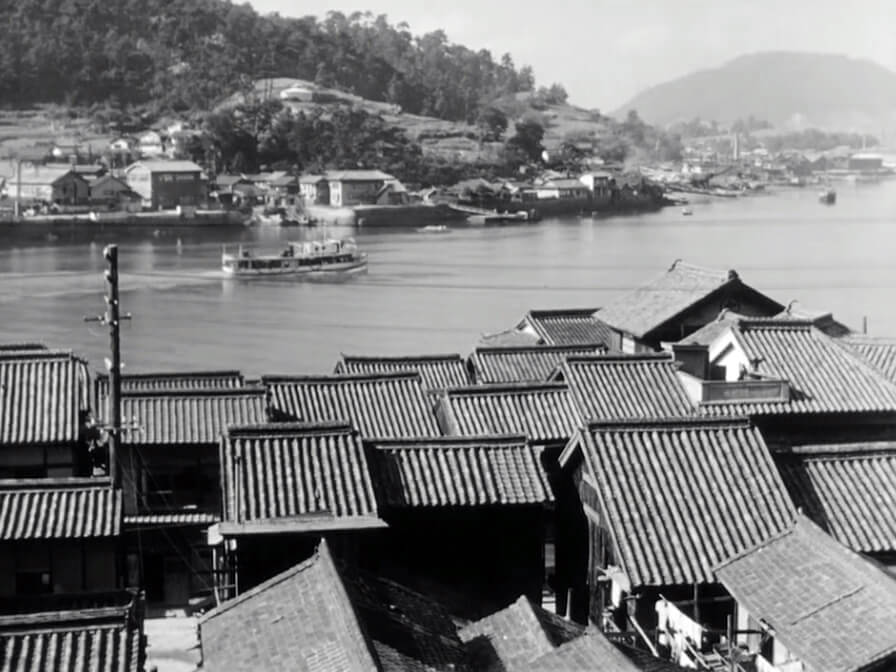
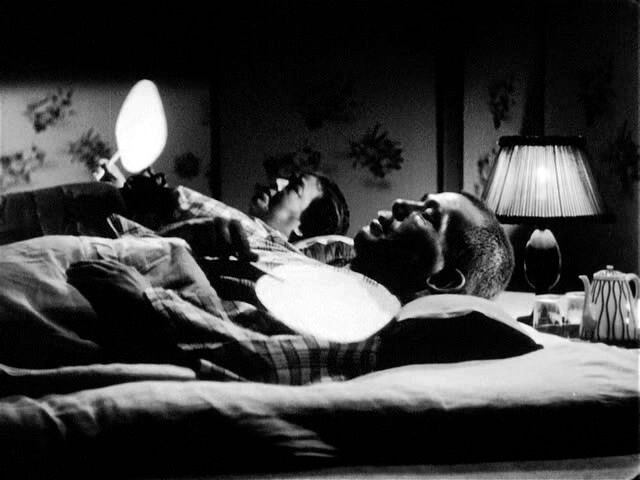
“Tokyo Story” has been acclaimed for its profound emotional impact and its insightful depiction of family dynamics. It remains a timeless masterpiece, revered for its understated yet powerful storytelling and its compassionate exploration of human relationships.

 The Other Cinema