

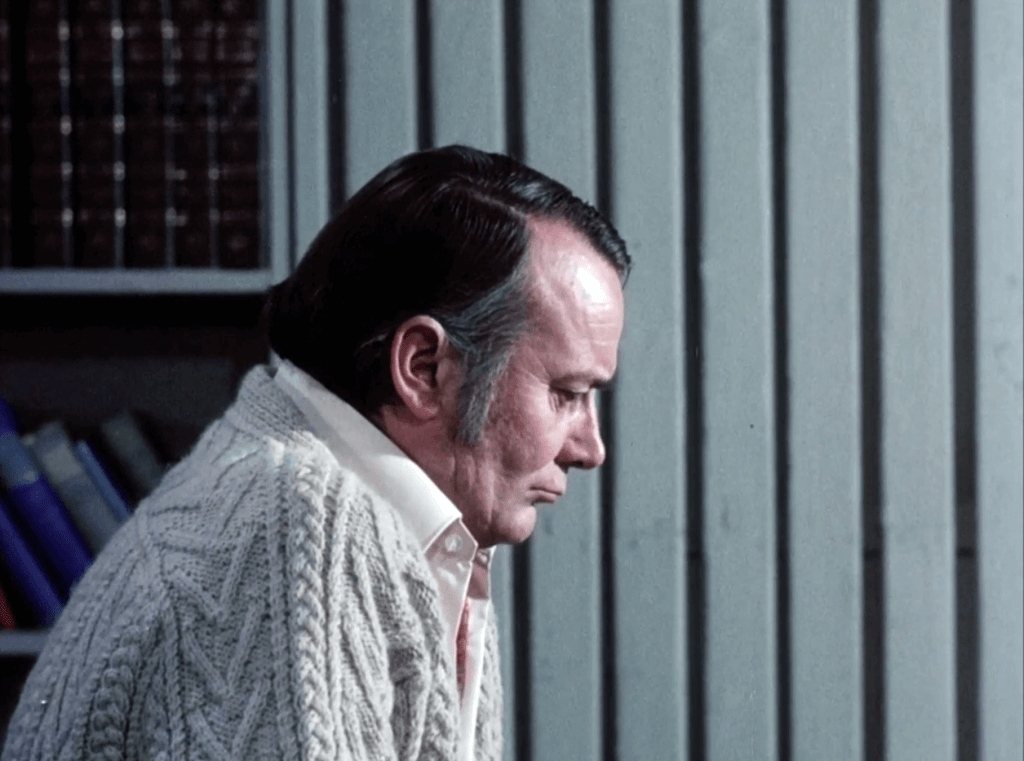
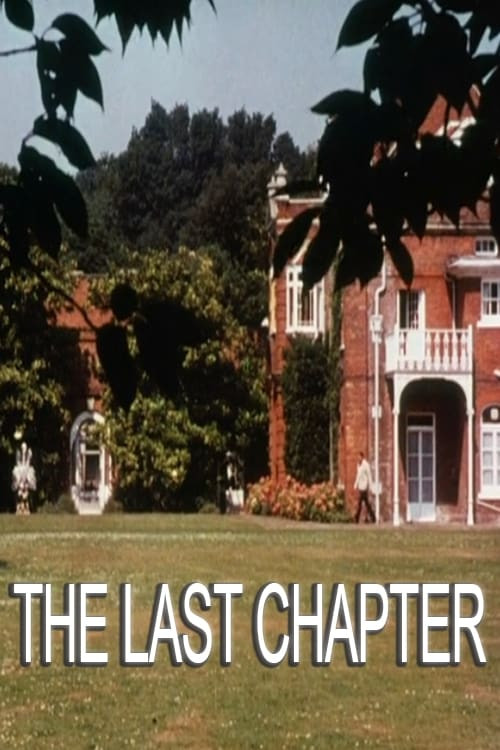
“The Last Chapter” is a 1974 British short film directed by David Tringham and starring Denholm Elliott. It is based on an unpublished short story by John Fowles of ‘The French Lieutenants Woman’ fame.


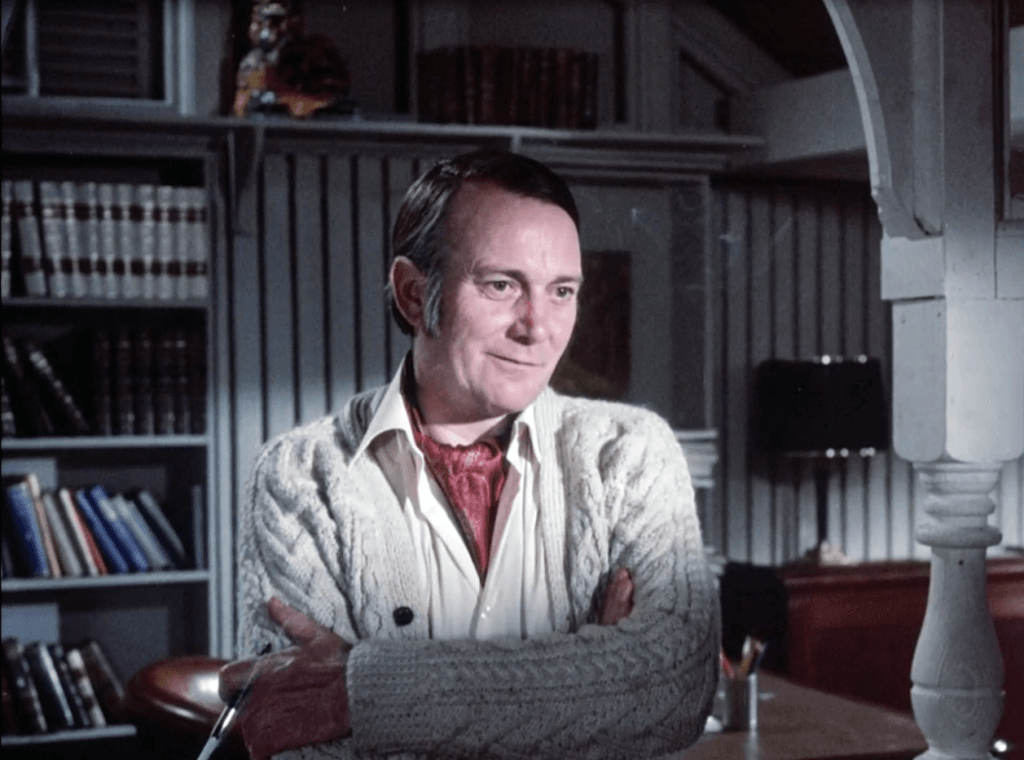
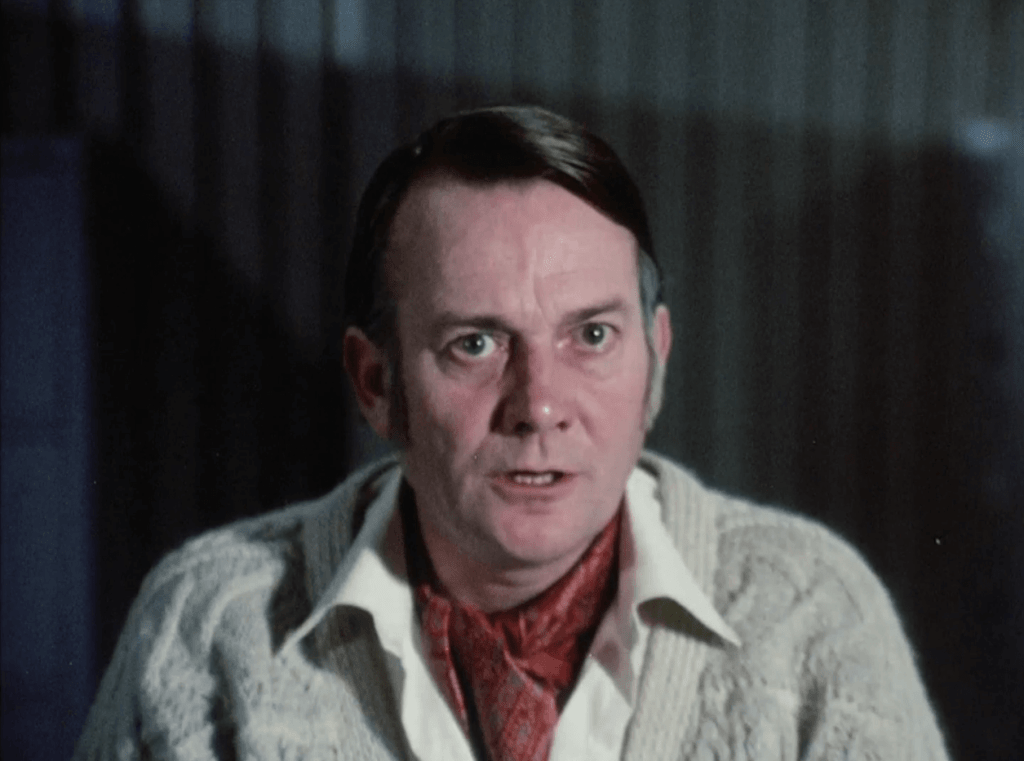
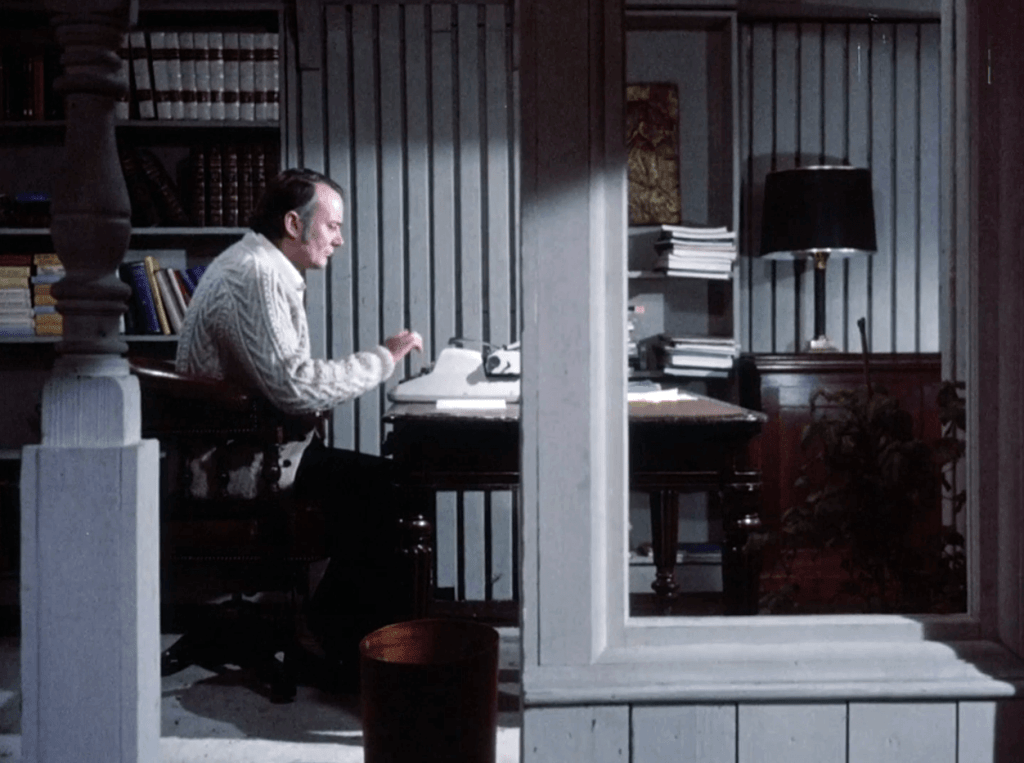
The film begins with Robert Murray, portrayed by Denholm Elliott, a middle-aged, successful novelist, preparing to start his day of writing. He meticulously arranges his desk, precisely placing objects, demonstrating his rigid work ethic and suggesting his personality. He starts typing on his typewriter, letter by letter, the heading “Chapter Sixteen,” before pausing to ponder. Then, as if struck by inspiration, he begins to type furiously.

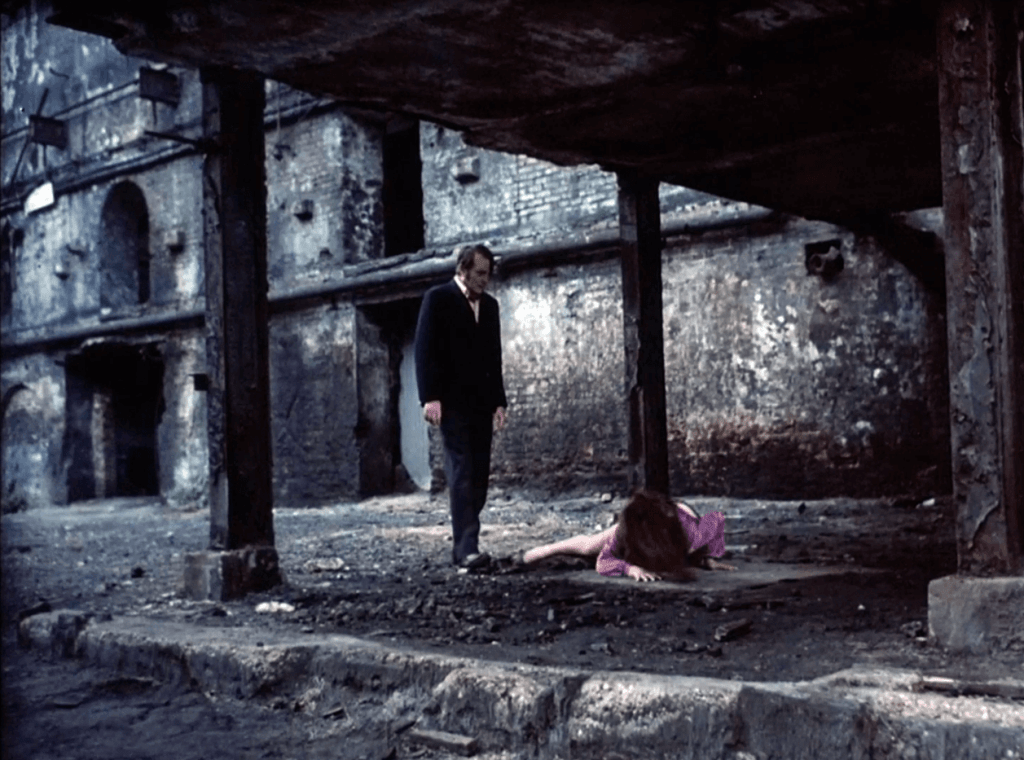
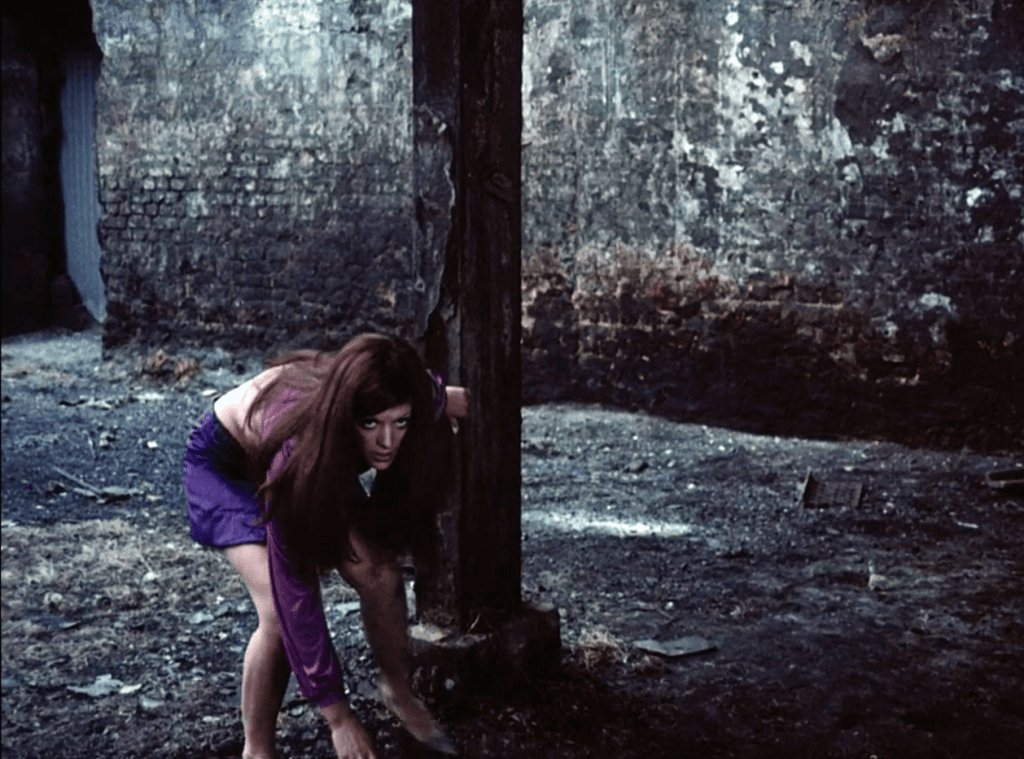


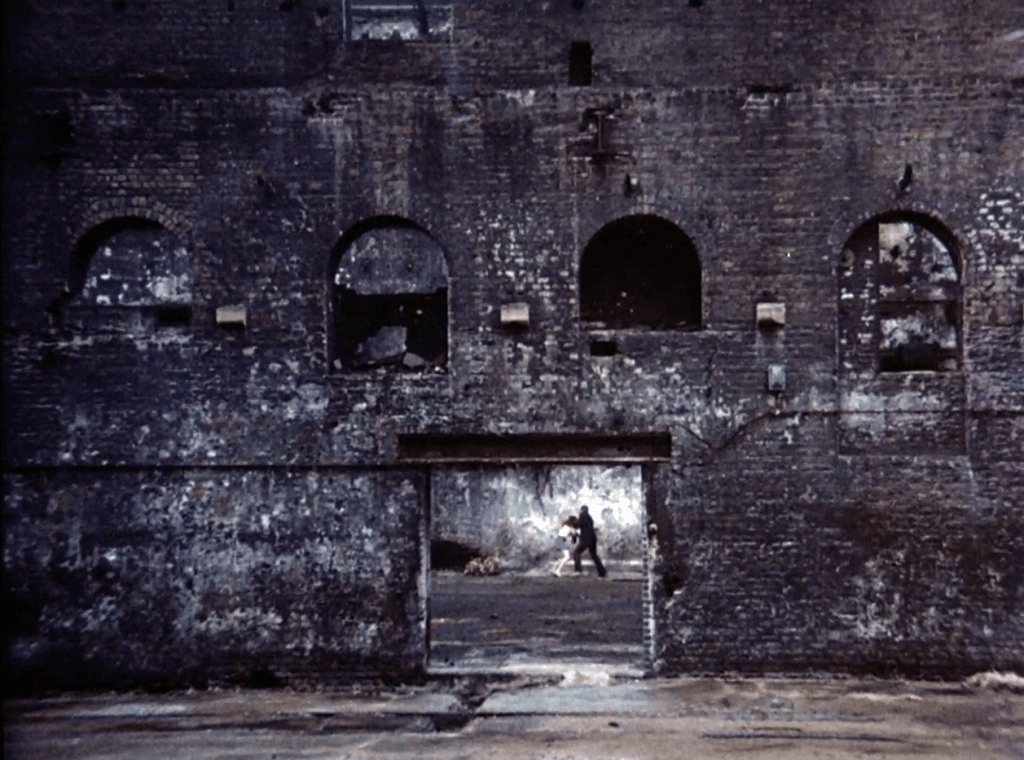
Immediately, we are transformed inside the imagination of the writer, one where he plays himself situated within a large gritty industrial building where he confronts a secret agent named Carlotta (played by Geraldine Moffat, who sprung to prominence playing Glenda in Mike Hodges ‘Get Carter.’) A dramatic showdown erupts and along with some theatrical music, they begin hand-to-hand combat. In the heat of a struggle, he passionately kisses her. The scene is suddenly broken as we snap back to reality, allowing Murray to light his cigarette eagerly, clearly aroused by his imagination. We jump back into the action before an external and constant knocking sound again disrupts the flow.


At this point in the film, we meet a young teenage fan called Penny (played by Susan Penhaligon), who stops him and forces him to break away from writing to try and rid her of his space. Initially irritated, we get the sense that on a double take, he is taken by her beauty. Even though he is forceful and agitated to engage with her, she showers him with compliments on his prior novels. He then promises her five minutes of his time on the condition that she never interrupts him again in the future, this after being told that no one knows she is there. Penny then clumsily asks serious questions about his books, including whether he believes in the seven muses. The interview quickly turns to whether Murray finds her attractive, and in the act of adolescent seduction, she tries to get him to engage, but to no avail. Murray gets rid of her and returns to his desk to work.

Penny again enters to explain that the whole seduction was a school bet with another girl and that he has never had a woman and doesn’t like women. Her statements cause Murray to become agitated, and as a result, he suddenly draws all the blinds, locks the door, and instructs Penny to remove her clothing. His demeanor changes, which makes her unsure of the position she has put herself in, and he begins to chastise her through language, as you would expect from a writer. As he finally removes her from his house, she leaves with one daming statement that cuts his ego to the core, announcing that she is going to Cambridge to study literature. She is not the girl who likes his books but rather the girl who thinks he has never had an adventure, that he is out of touch with the younger generation through the idiotic books that make him pathetic, and that his narcissism makes him only love himself. Her statement visibly shakes Murray as his ego carried the power in the room a moment ago. Suddenly, he is seemingly weak and pathetic.
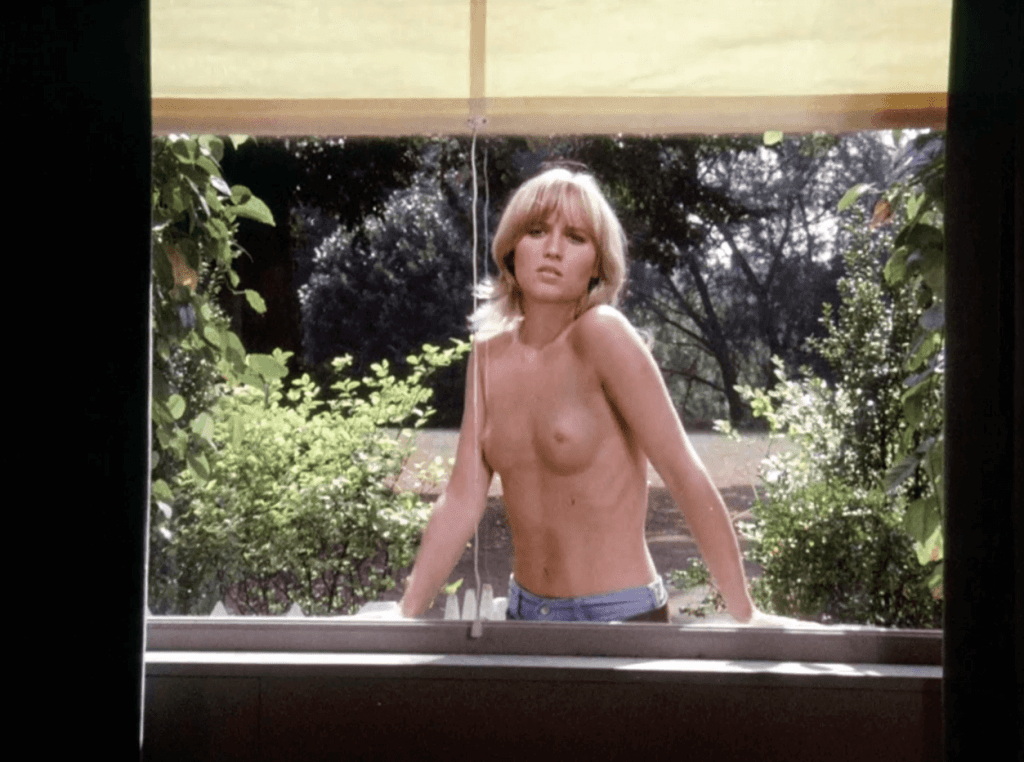
As he returns to work, the scene transforms back to the industrial scene earlier. But he is interrupted once again by Penny, who appears at the window again, except this time she is half naked, taunting him through the glass. In anger, he charges towards the door, and a chase ensues.
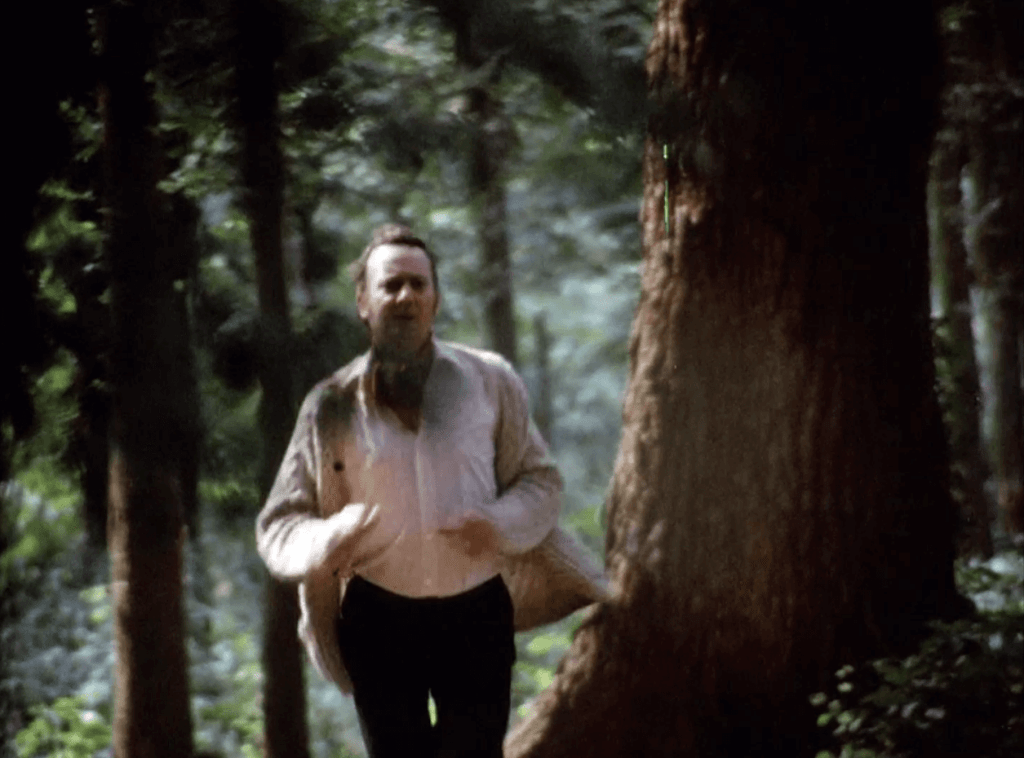


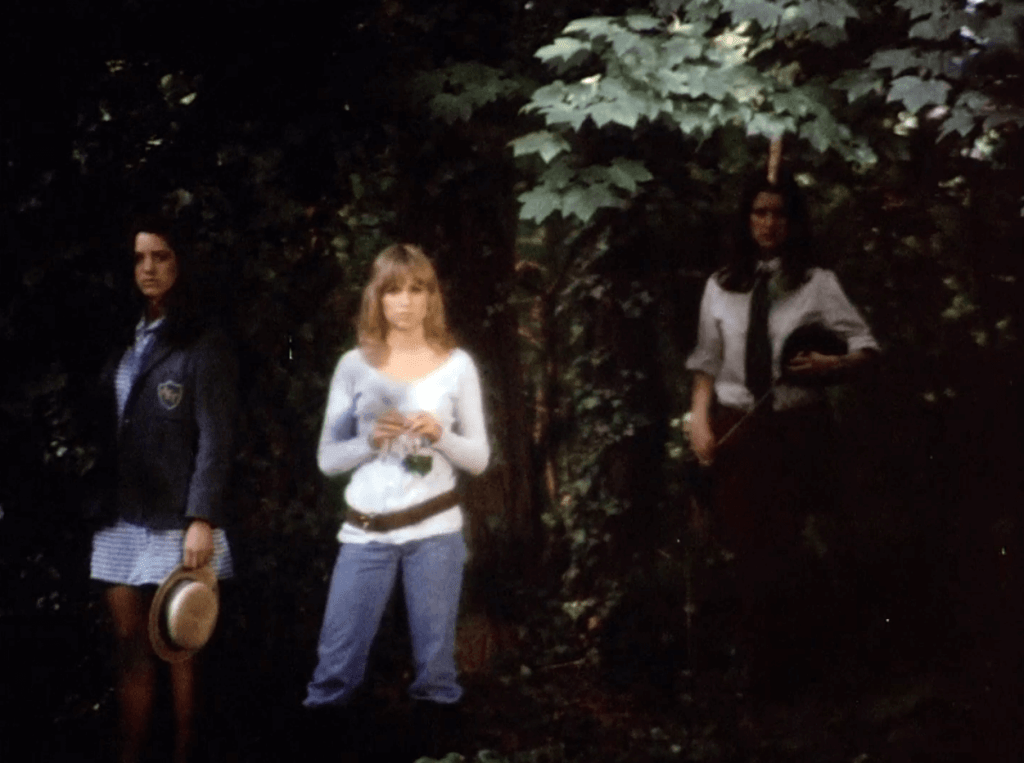
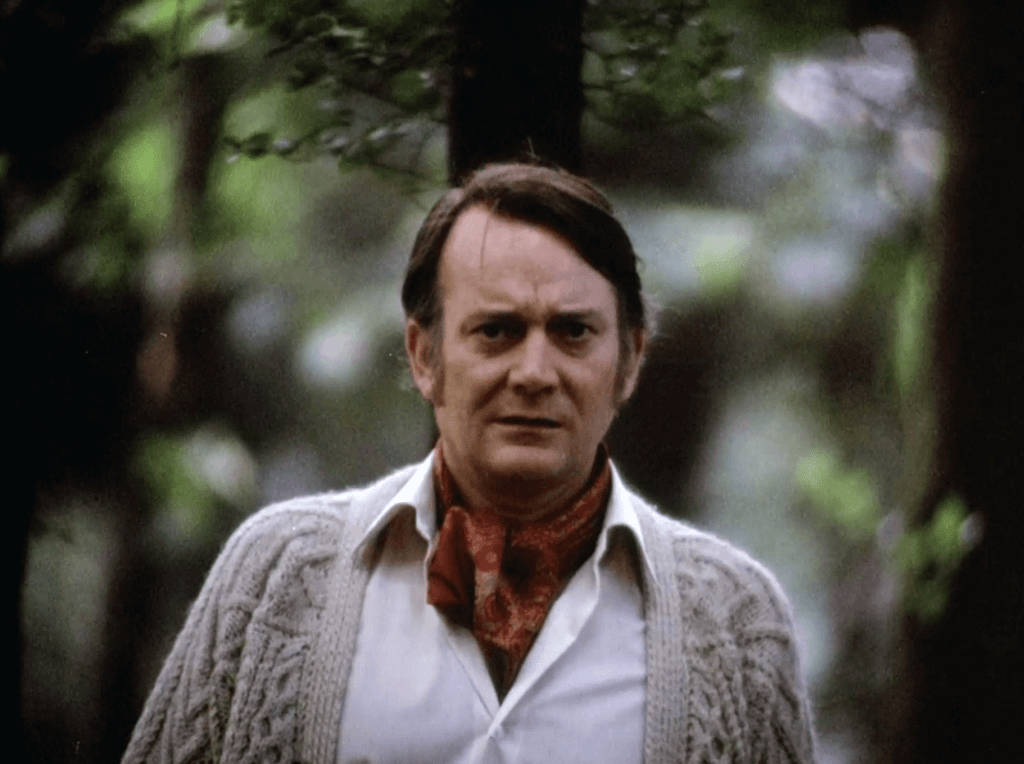
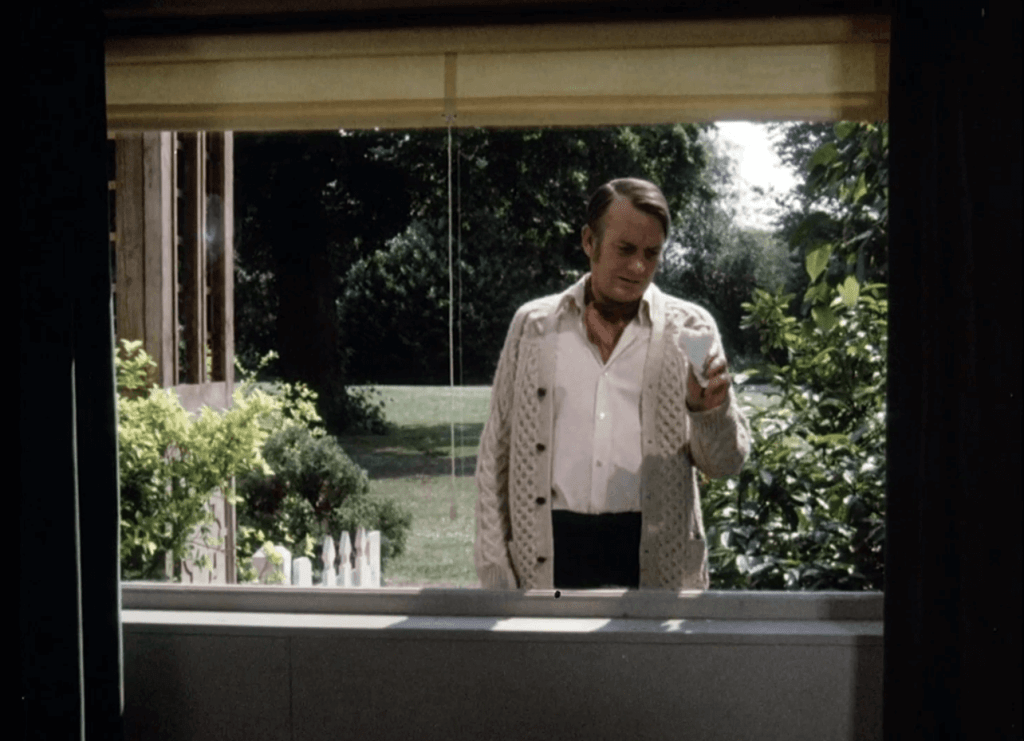
He chases her through the woods until they come to a river, where Penny stands on the other side with six other girls, the seven muses. Collectively, they laugh and taunt him.
He sheepishly returns to the house where he sits and ponders over his typewriter once again. Finally, he returns to the industrial space, where he confronts Carlotta in the abandoned industrial space.
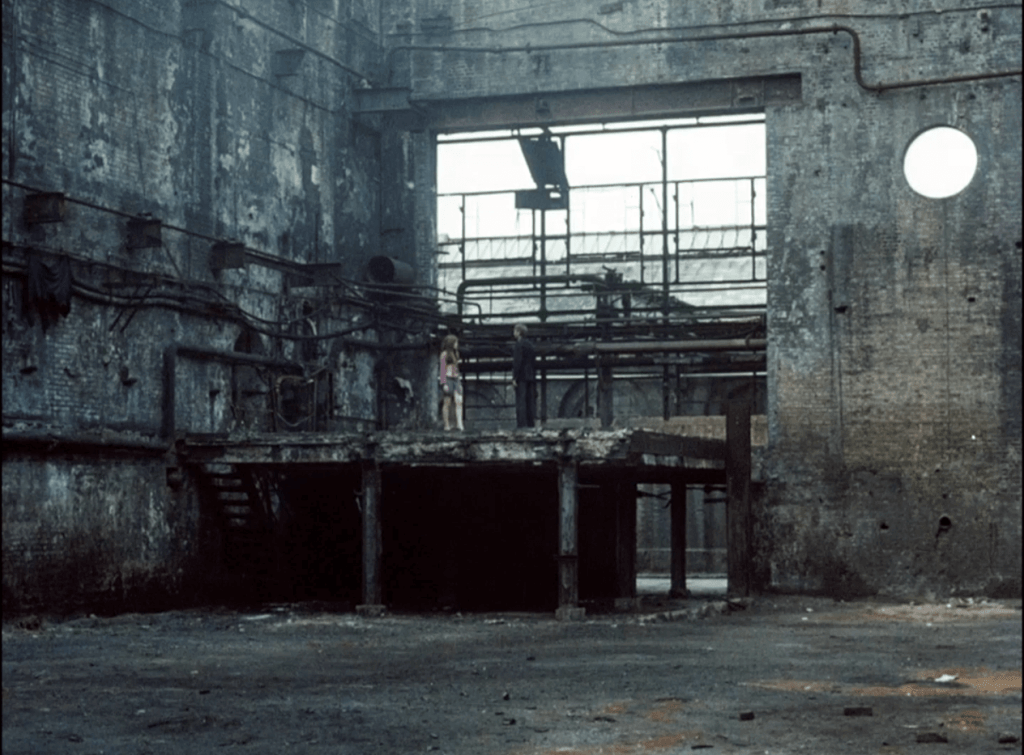

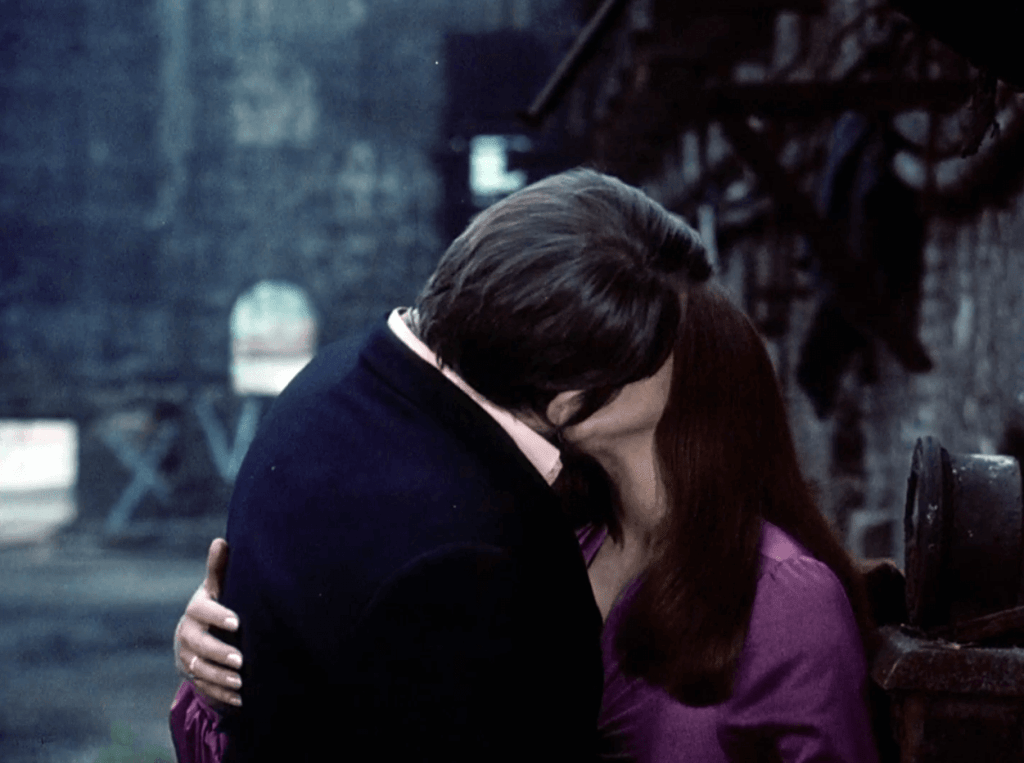
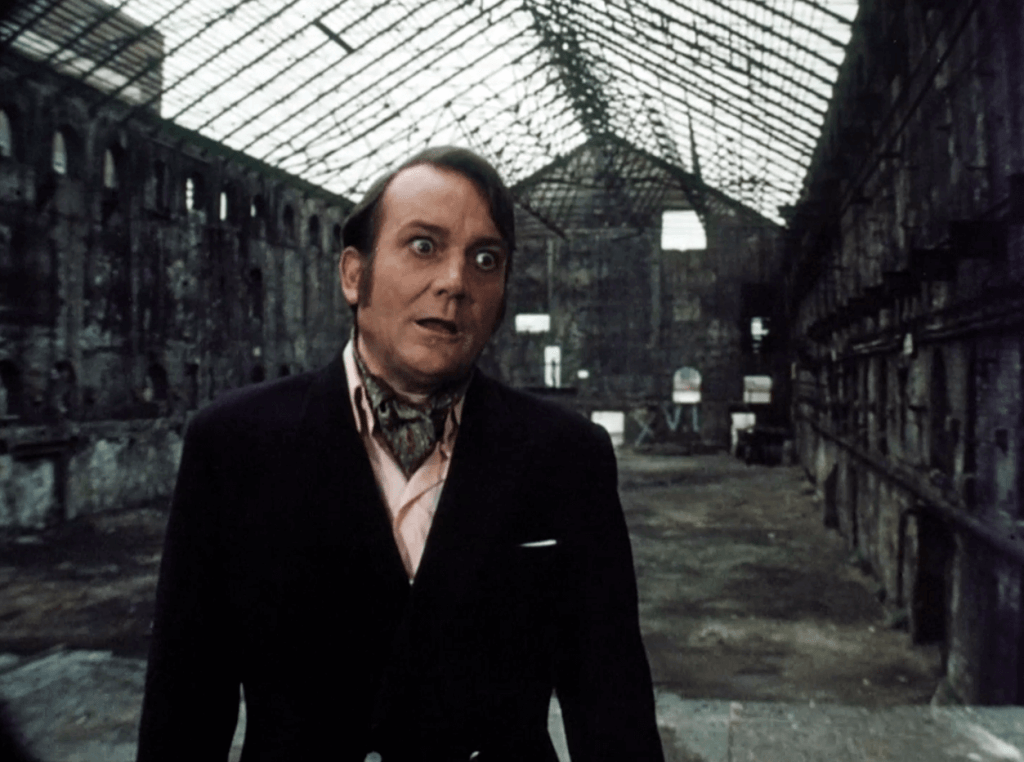
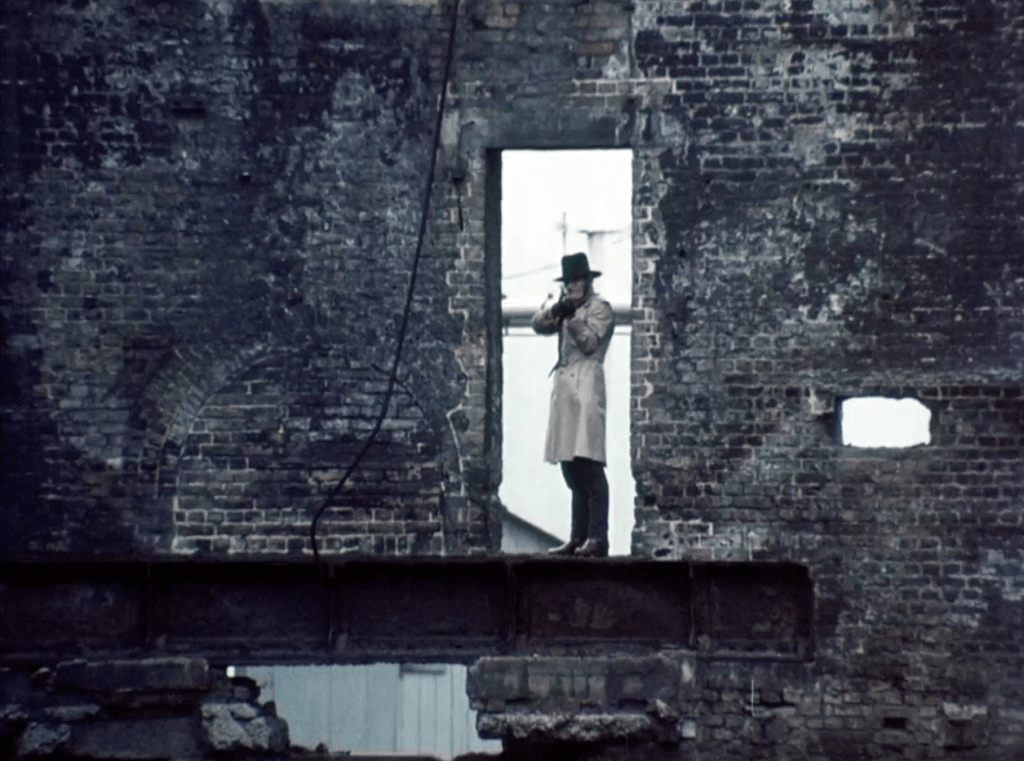
Suddenly, a gunshot rings out, seemingly killing him and his ego; as he collapses, we cut to a shot of Penny smiling in glee. We see a lone assassin standing on the other side of the warehouse. It’s the finishing touch to the book’s last chapter, perhaps his last ever book. Back in reality, Murray stacks his manuscript and walks it to the garden, where he is flagged down by a lady (played by Grace Arnold) with a telegram from his agent advising him of the large offer of money he has received for the book, to which he scrunches up his papers and throws them to one side, reluctantly responding with a ‘Say yes” in response to the telegram.
“The Last Chapter” is a compelling short film that explores narcissism, relevance in a changing world, seduction and power, and resistance to it. Denholm Elliott’s performance as the tormented writer adds depth and nuance to the story.
 The Other Cinema