
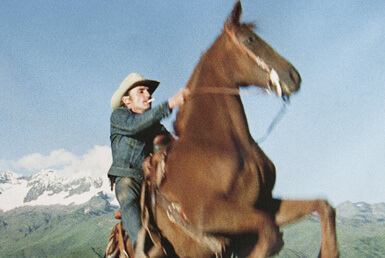
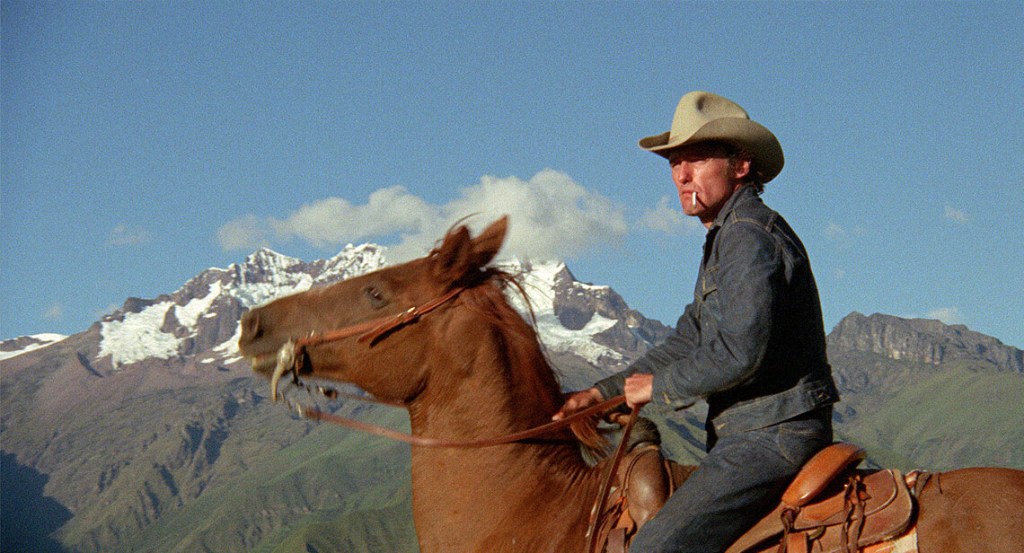
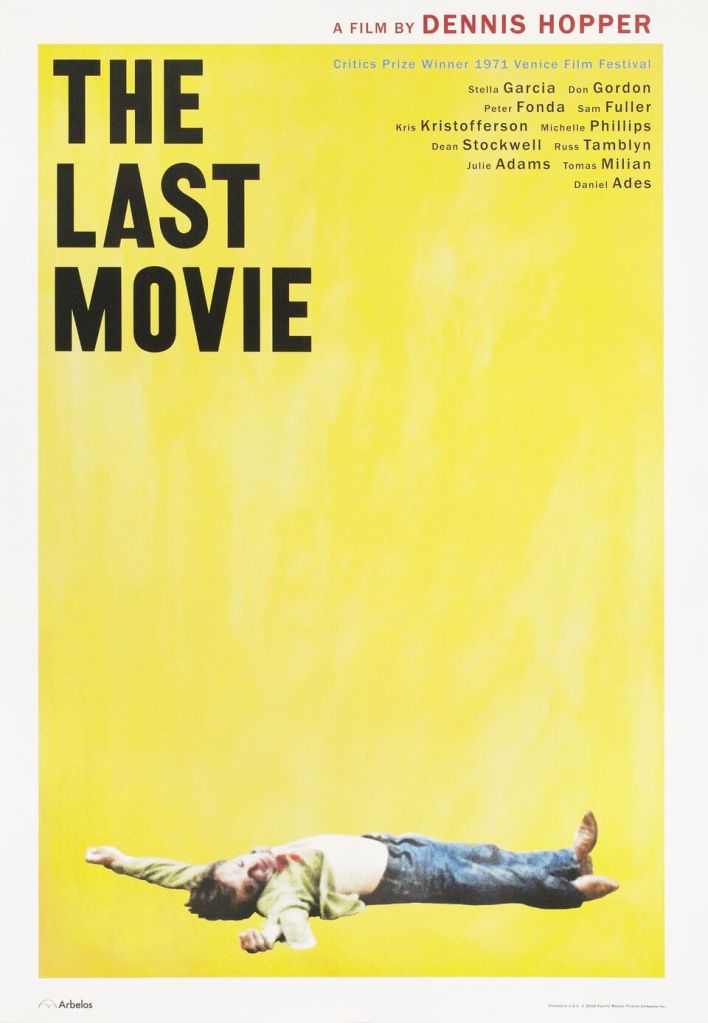
“The Last Movie” is a 1971 film directed by Dennis Hopper, who also stars in the film. The movie is a complex and avant-garde exploration of the filmmaking process and the consequences of exploiting indigenous cultures.
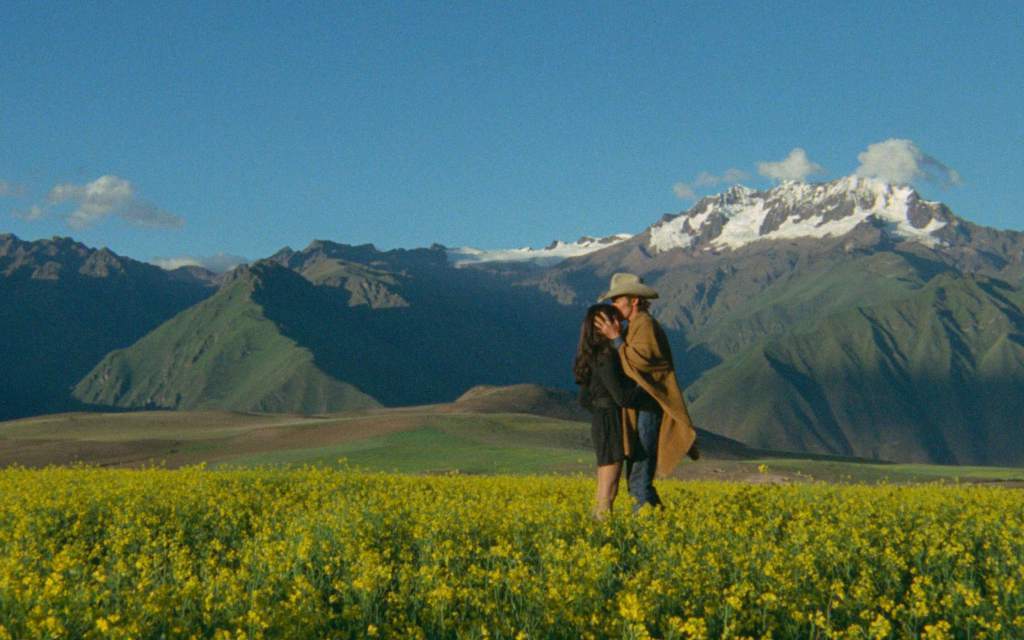
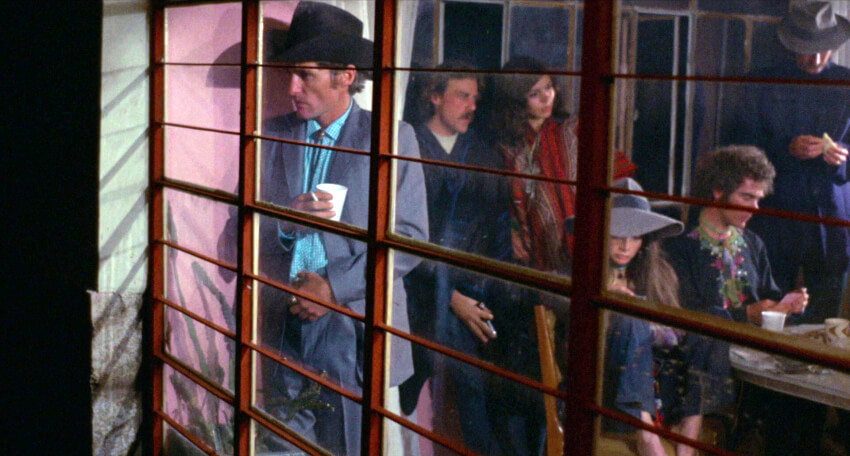
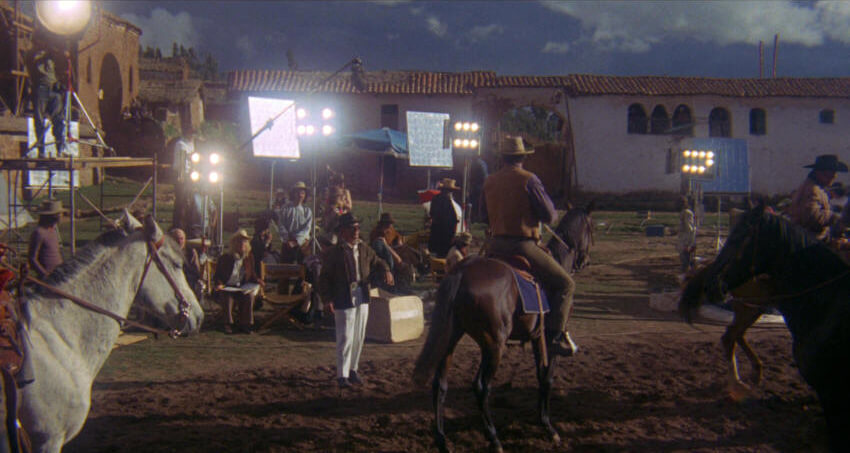
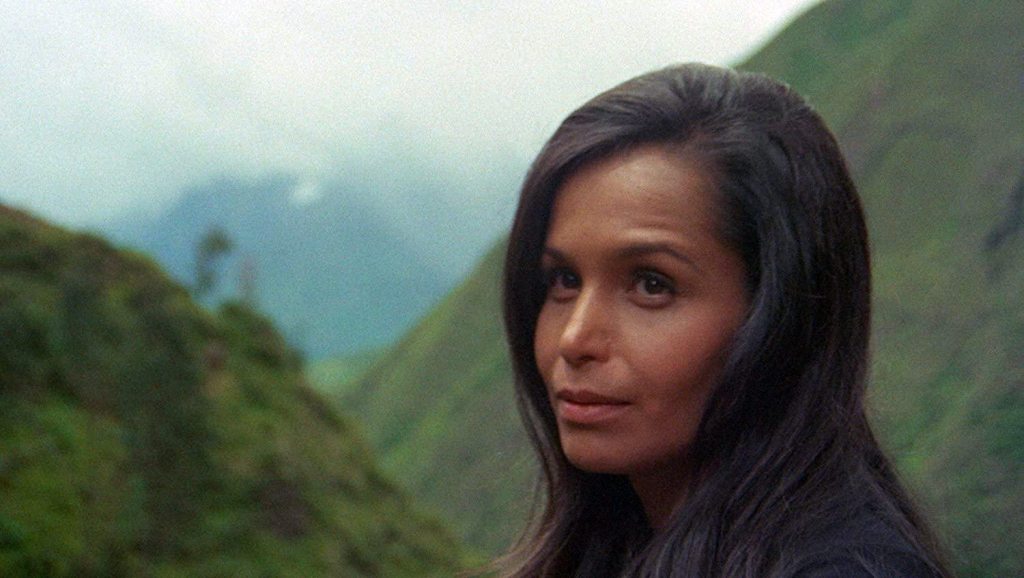
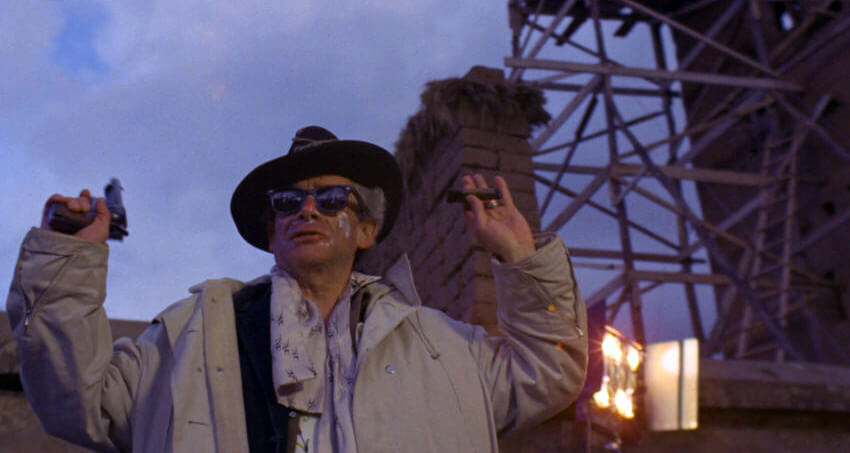

The story follows Kansas, a stuntman working on the set of a Western being filmed in a small village in Peru. The film crew, led by the director (portrayed by Samuel Fuller), disrupts the local community and environment, leaving chaos in their wake. After the production wraps up, Kansas decides to stay behind, seeking solace and a simpler life away from the chaos of Hollywood.


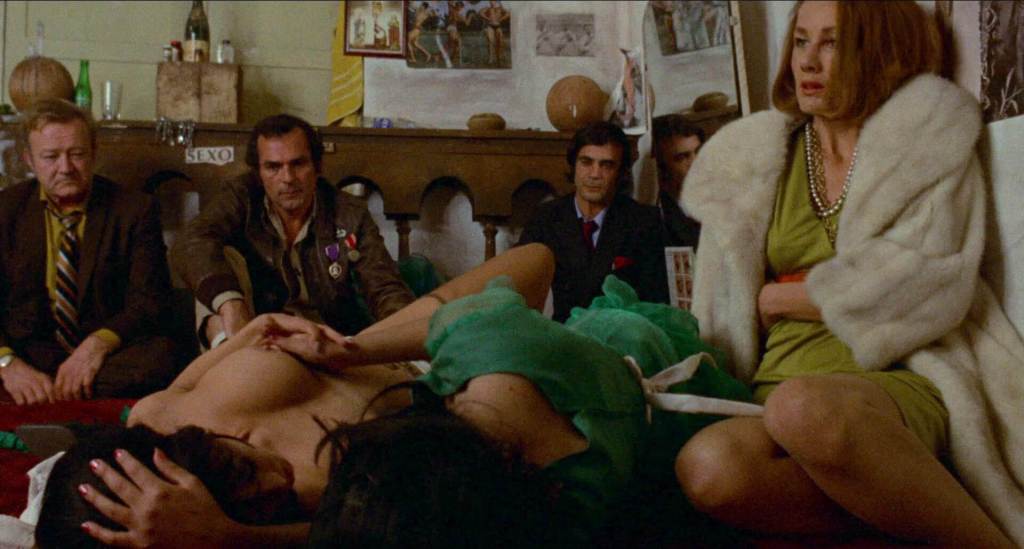

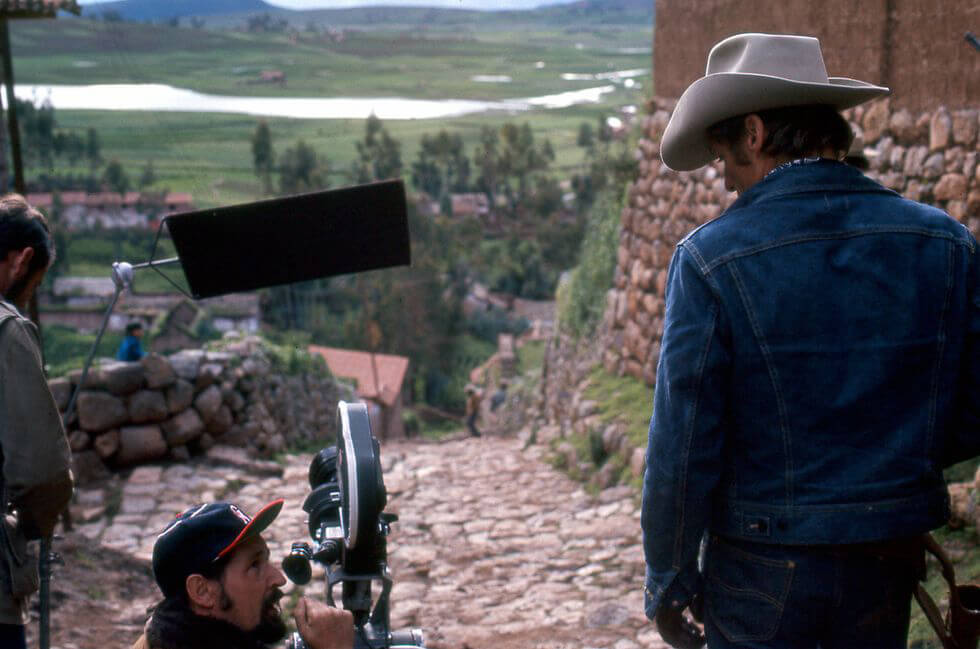
Kansas forms a relationship with a local woman, Maria (Stella Garcia), and tries to integrate into the local community. However, the villagers, influenced by the film crew’s behavior, create their own “movie,” using actual violence and tragedy, blurring the lines between reality and cinema. Kansas is caught in a surreal and dangerous situation as the villagers’ film becomes increasingly violent and uncontrolled.
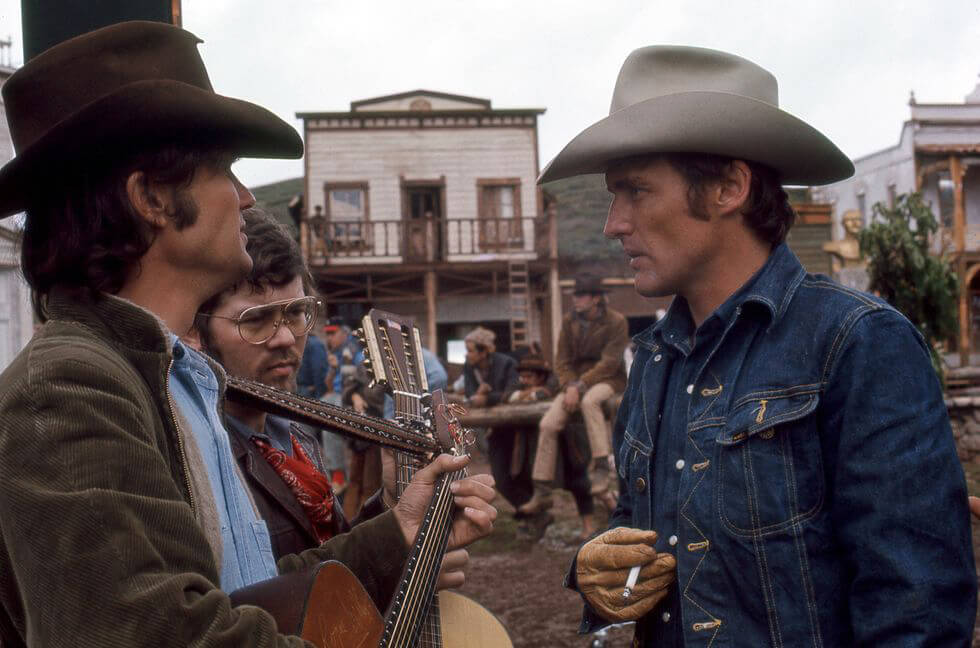

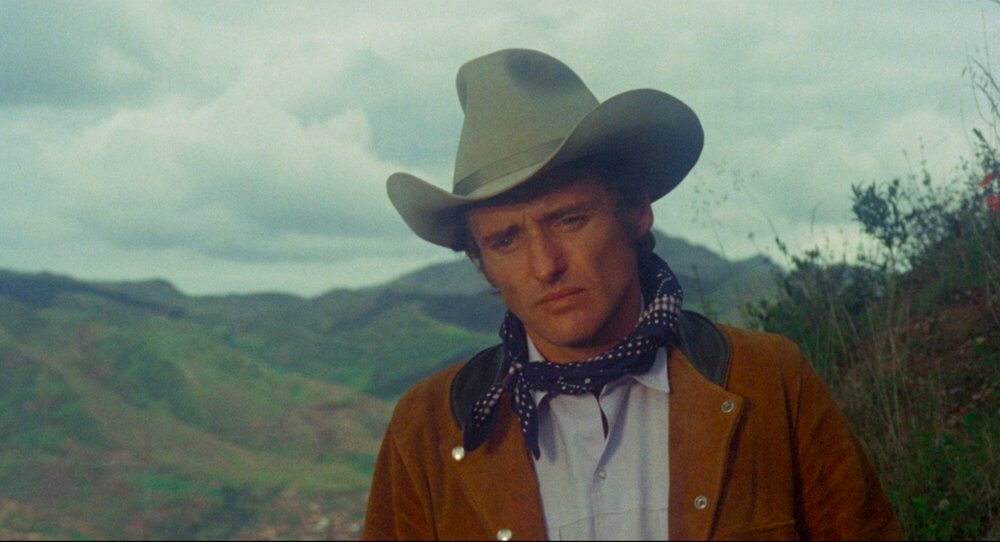
As the boundaries between the real and the imaginary dissolve, Kansas is forced to confront his role in exploiting and destroying the village. The film explores themes of colonialism, the impact of Western culture on indigenous communities, and the illusion of cinema versus reality.
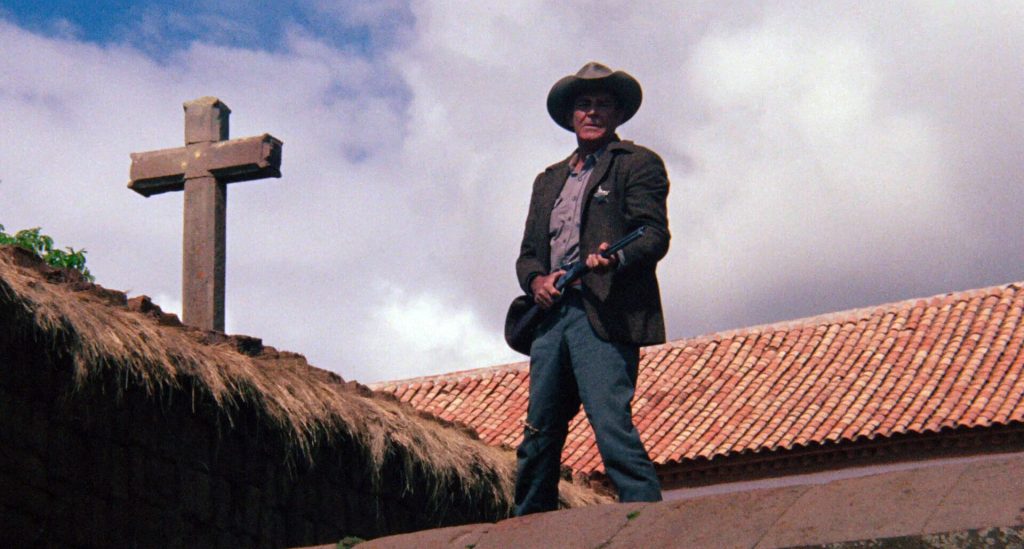
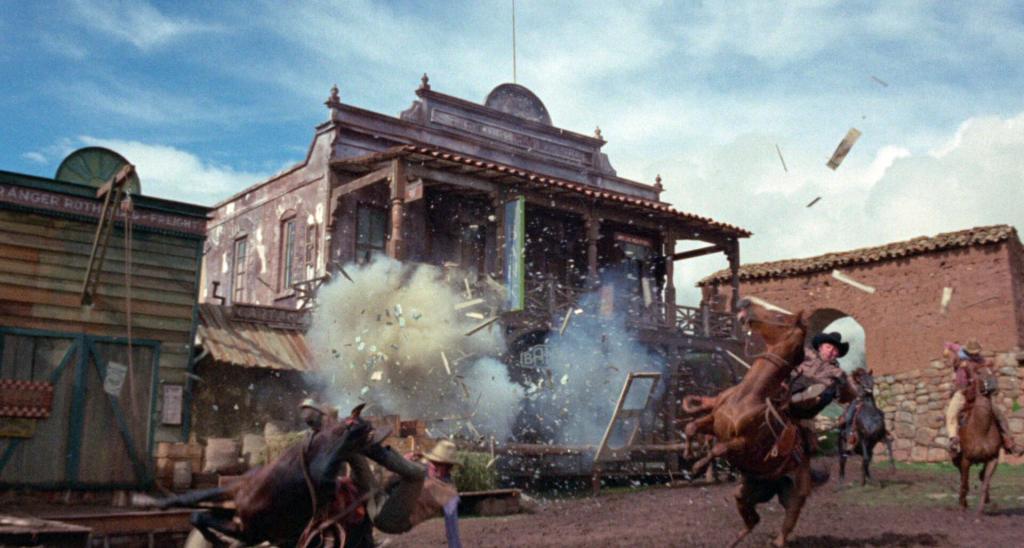
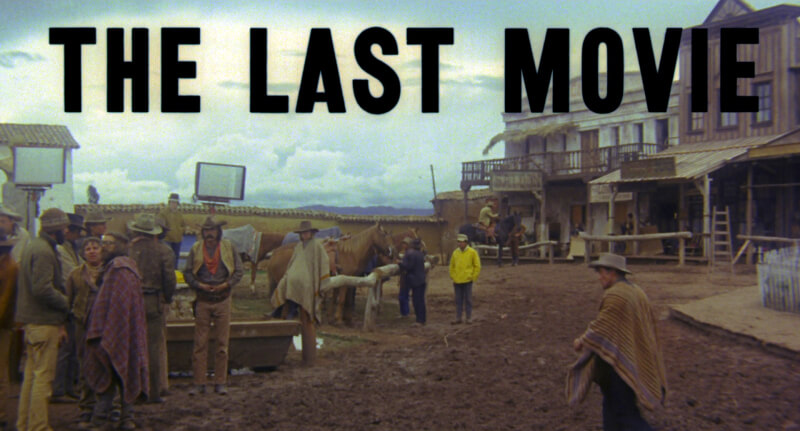
Hopper implemented an experimental approach to the film, employing a non-linear narrative, disjointed editing, and a self-reflexive style that challenges conventional storytelling. Over the years, stories of the film’s production have recounted a tumultuous set, mirroring the chaos depicted on screen. Upon its release, the film faced both critical and commercial challenges. Over time, however, “The Last Movie” has gained recognition as innovative work that exemplifies the spirit of 1970s independent filmmaking.

 The Other Cinema