

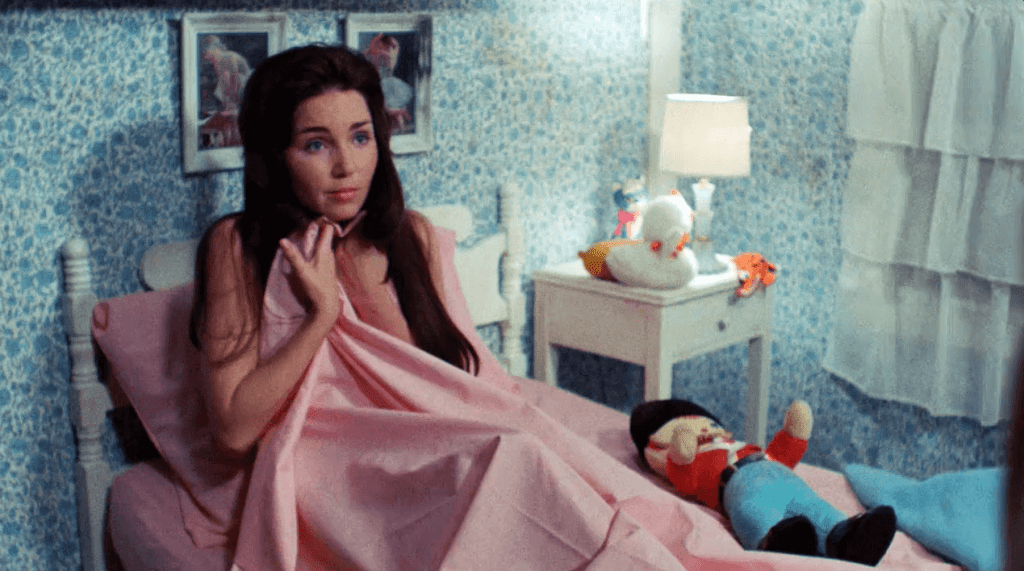



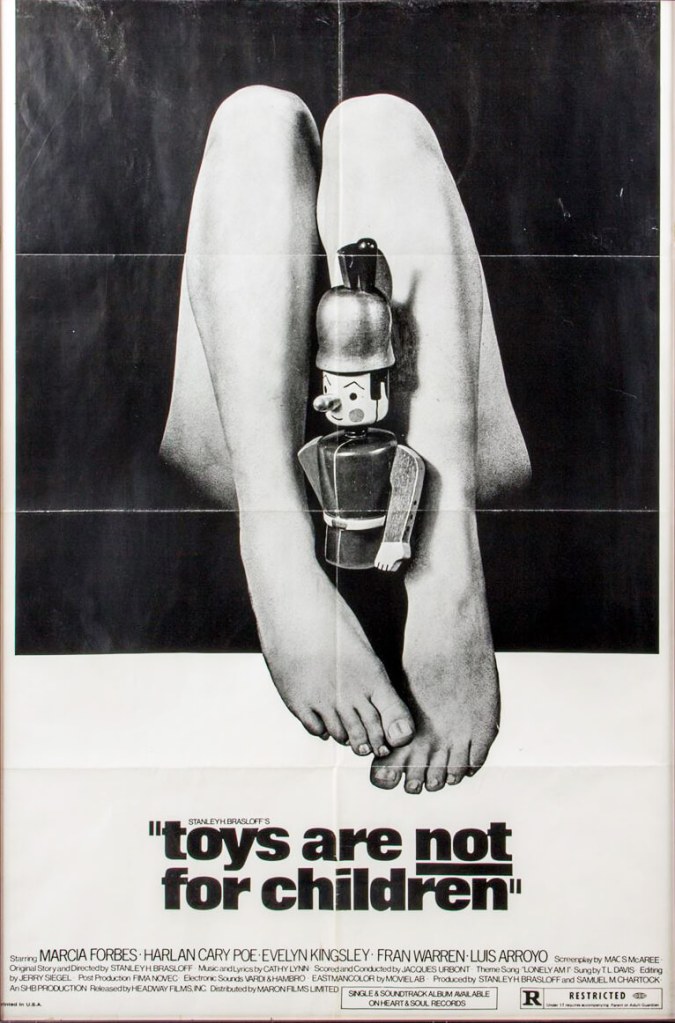
“Toys Are Not for Children” is a 1972 American exploitation drama directed by Stanley H. Brassloff. The film stars Marcia Forbes, Harlan Cary Poe, and Evelyn Kingsley.
The film centers on Jamie Godard (Marcia Forbes), a young woman with a troubled psyche deeply rooted in her childhood experiences. Jamie’s life is marked by an obsessive attachment to the toys her estranged father sent her during childhood. These toys serve as a constant reminder of her father’s absence and the emotional void he left behind.

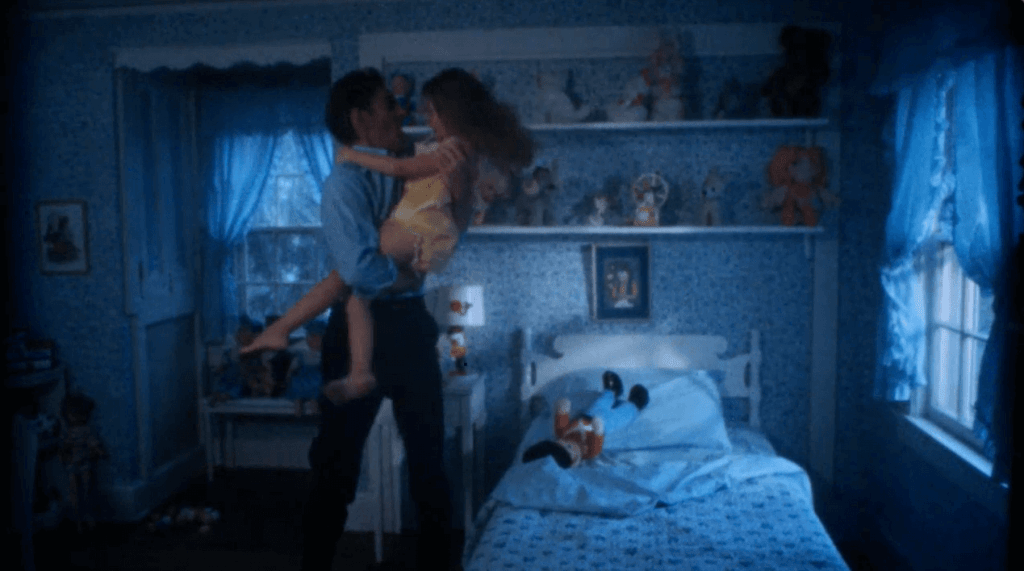


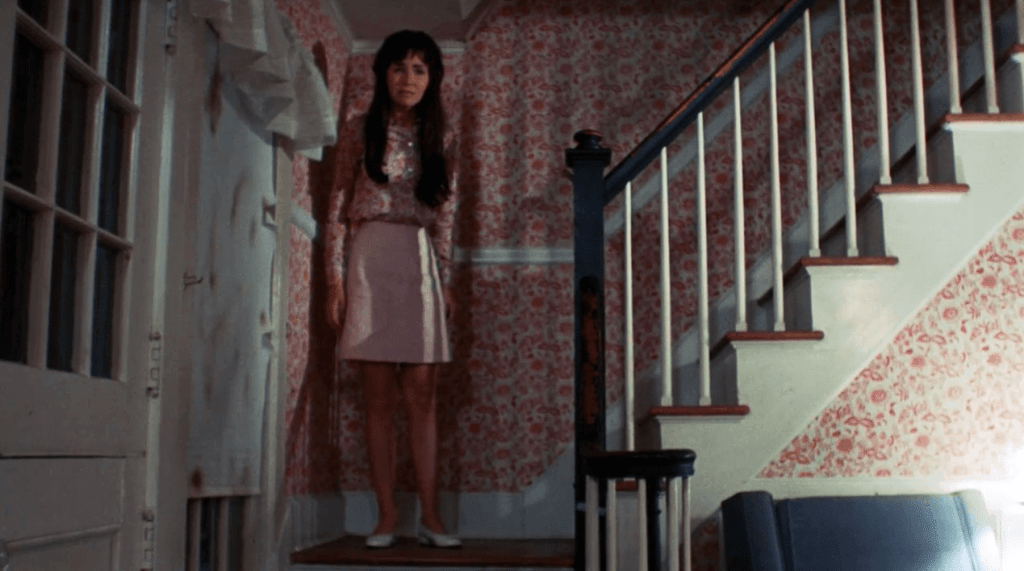

Jamie’s mother, Edna (Fran Warren), is a bitter woman who frequently speaks ill of Jamie’s father, leading Jamie to idealize him even more. This strained relationship with her mother and the idealization of her father contribute to Jamie’s naivety and emotional instability.
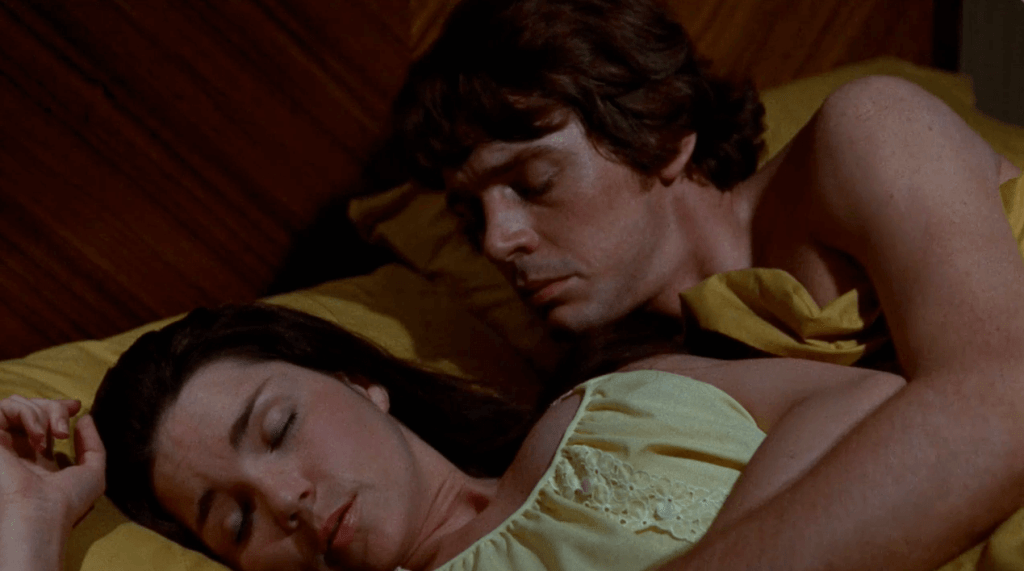
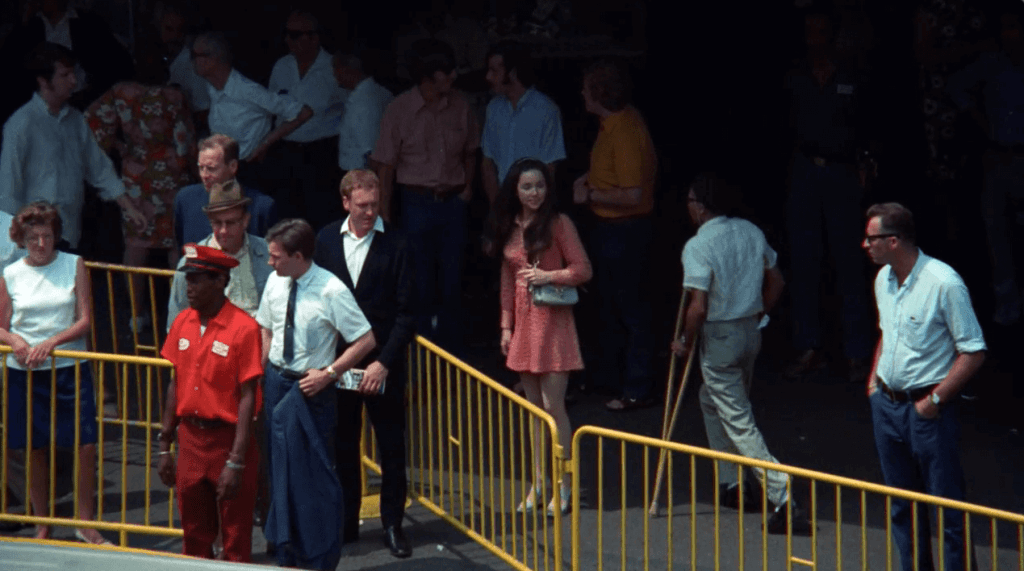

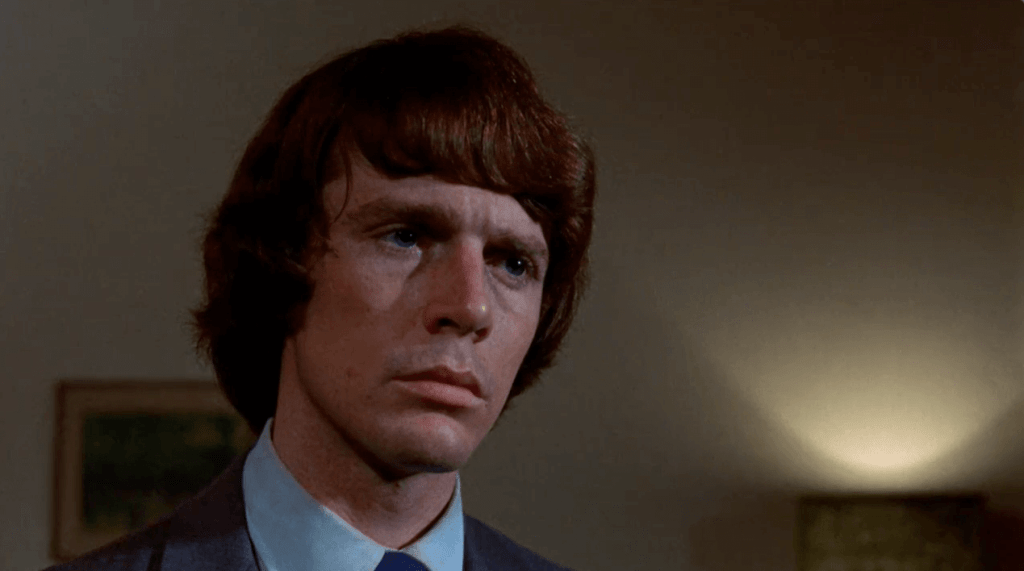
As Jamie reaches adulthood, her fixation on her father and the toys he sent her grows more robust. She takes a job at a toy store, immersing herself in her childhood world. Her naivety makes her vulnerable, and she soon becomes involved with a man named Charlie (Harlan Cary Poe), who exploits her innocence and introduces her to a world of sexual degradation.

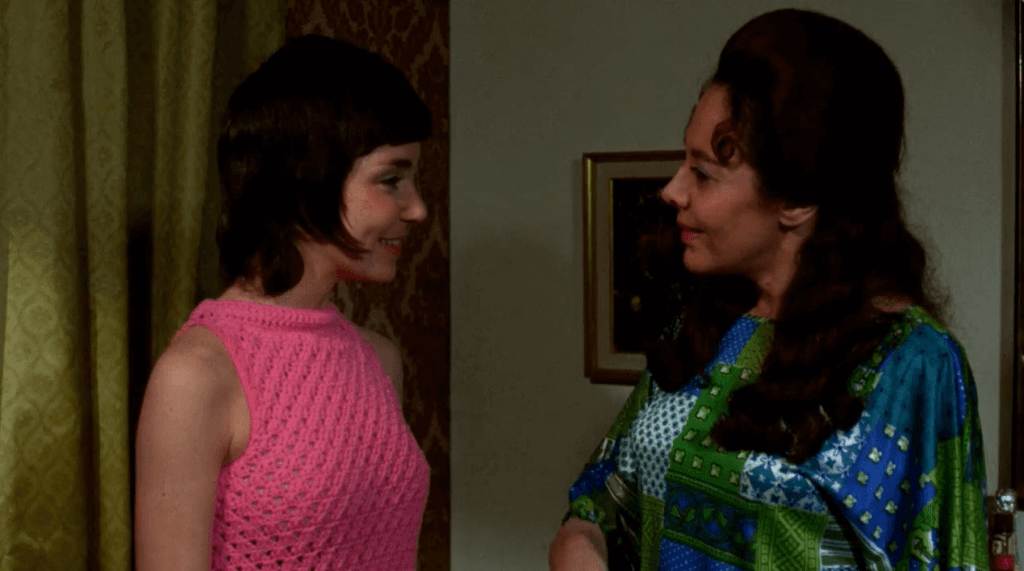
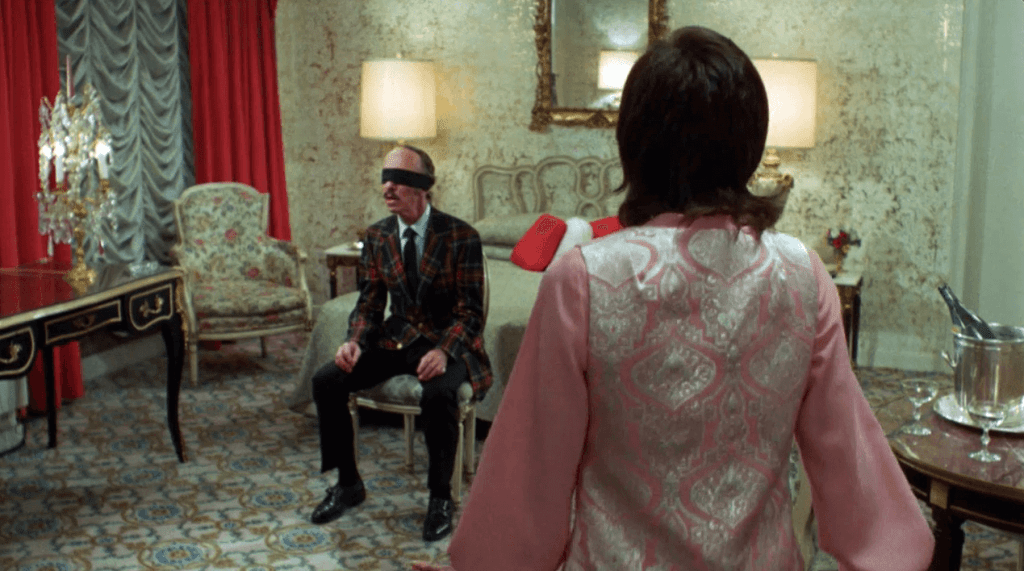
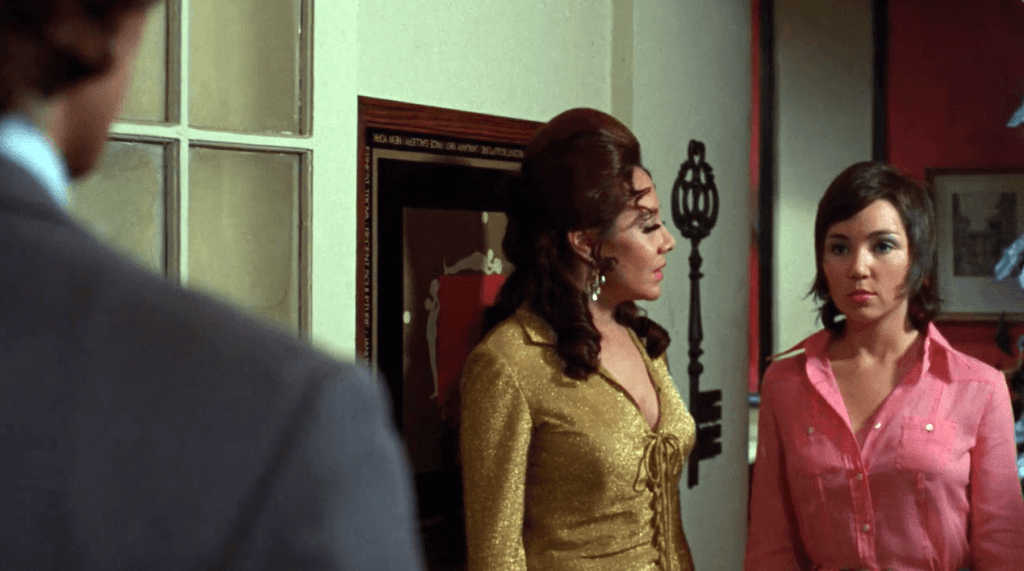
Jamie’s journey becomes increasingly dark as she seeks to reconnect with her father, leading her to situations that blur the lines between love, obsession, and exploitation. Her quest to fill the void left by her father takes her down a path of self-destruction, ultimately culminating in a tragic and unsettling conclusion.

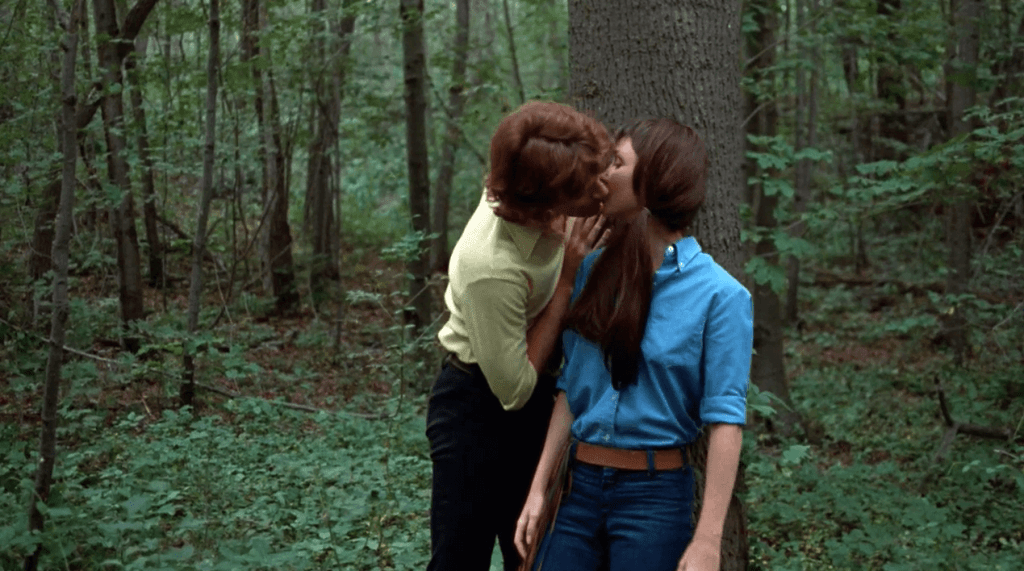


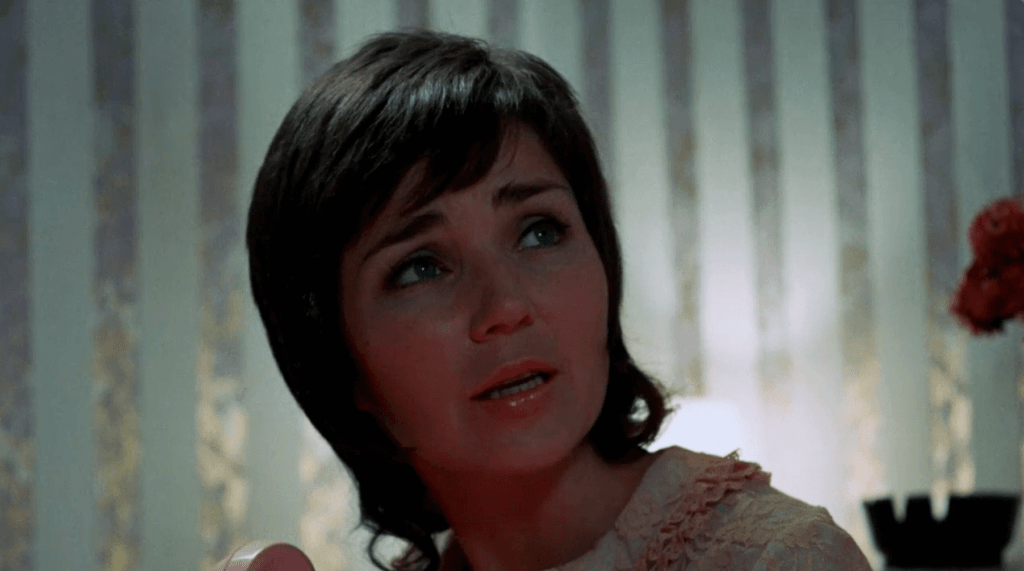



The film explores themes of innocence corrupted, childhood trauma’s lasting impact, and familial relationships’ complex dynamics. Through Jamie’s character, the film delves into the psyche of a woman unable to break free from the emotional scars of her past, painting a grim portrait of a life overshadowed by unfulfilled longing and psychological torment.
“Toys Are Not for Children” is noted for its disturbing and provocative content, which is characteristic of the era’s exploitation genre. The film’s portrayal of Jamie’s descent into a world of perversion and despair offers a stark commentary on the destructive power of trauma and the fragility of the human psyche.






 The Other Cinema