

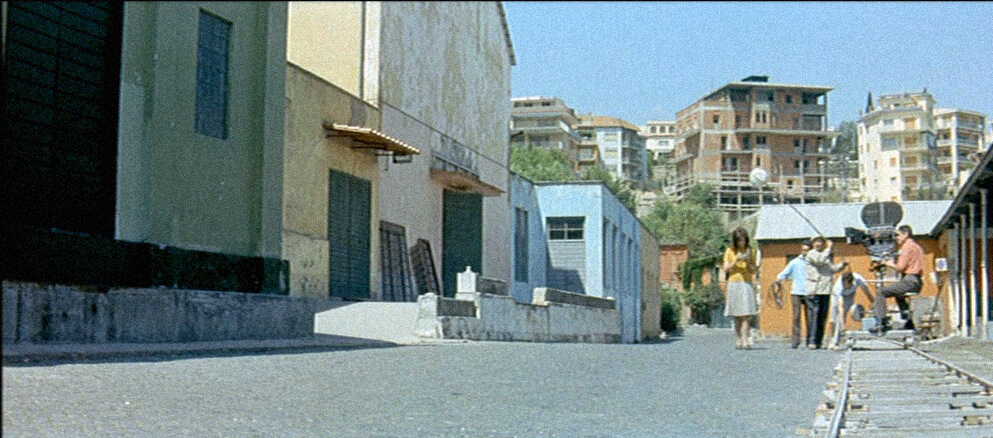
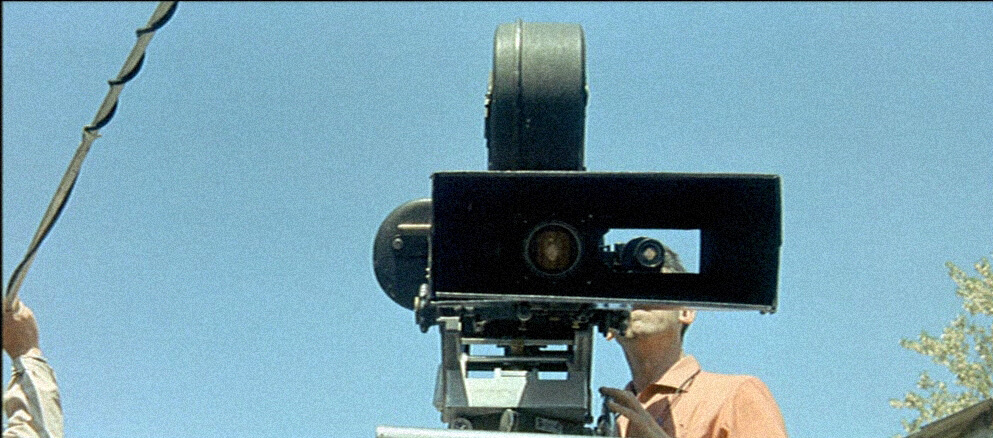

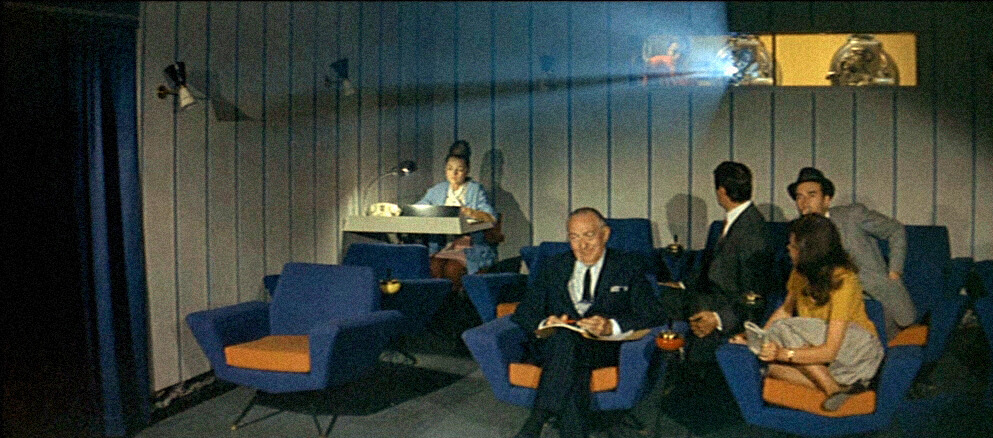
“Contempt” (Le Mépris) is a complex and visually stunning film directed by Jean-Luc Godard in 1963. It explores themes of love, betrayal, and the nature of filmmaking. Set against the picturesque backdrop of Italy, the film delves into the disintegration of a marriage amid the pressures of the film industry.



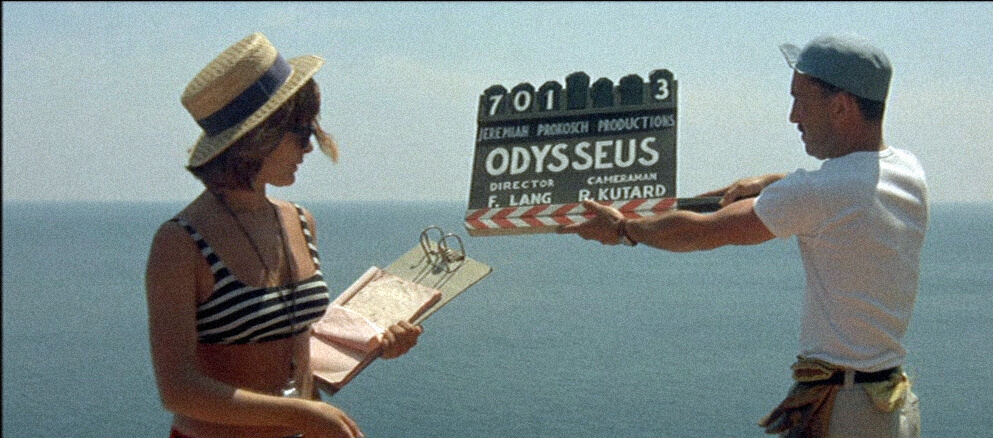
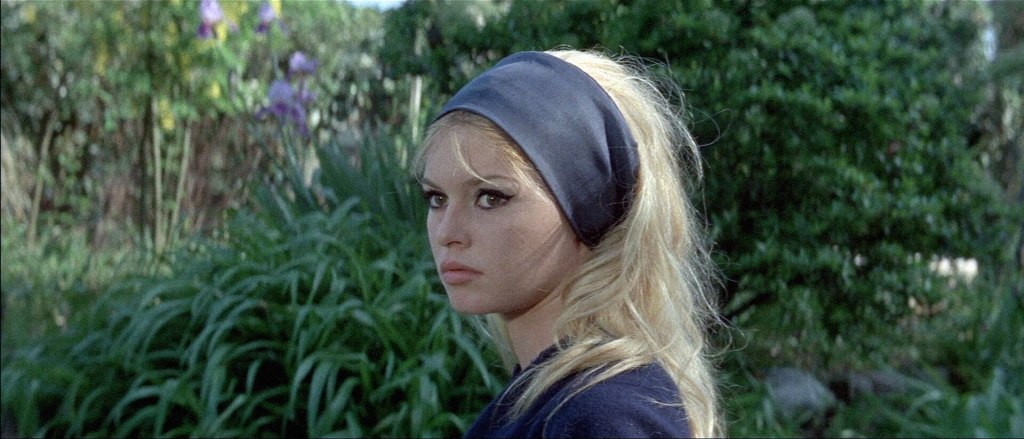

The story begins with Paul Javal (Michel Piccoli), a struggling French playwright hired to rewrite the script for a film adaptation of Homer’s “The Odyssey.” The film is directed by the legendary German filmmaker Fritz Lang (playing himself) and produced by the arrogant American producer Jeremy Prokosch (Jack Palance). Prokosch is dissatisfied with Lang’s artistic vision and wants a more commercially viable product.

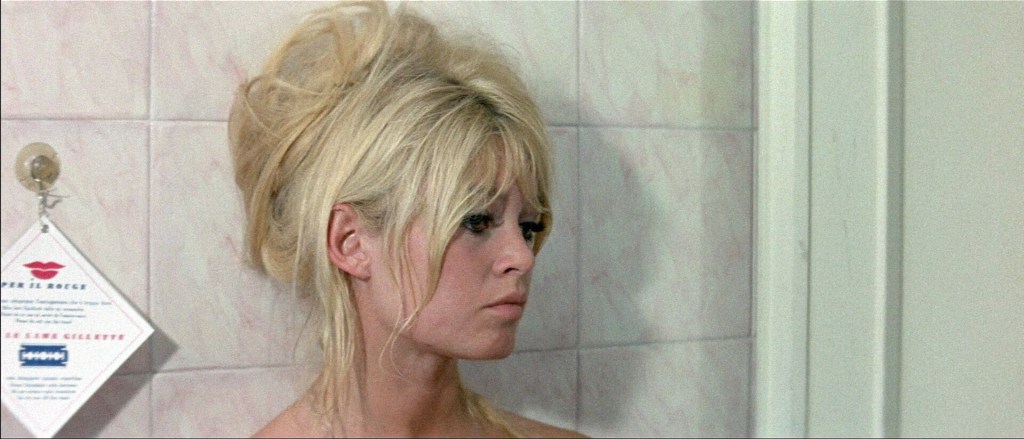



Paul’s wife, Camille (Brigitte Bardot), accompanies him to the film set in Rome. Initially, their relationship appears affectionate, but tensions quickly surface. Camille feels neglected and disrespected by Paul, who seems increasingly focused on his career and eager to please Prokosch. Prokosch, in turn, advances towards Camille, exacerbating the couple’s marital strain.

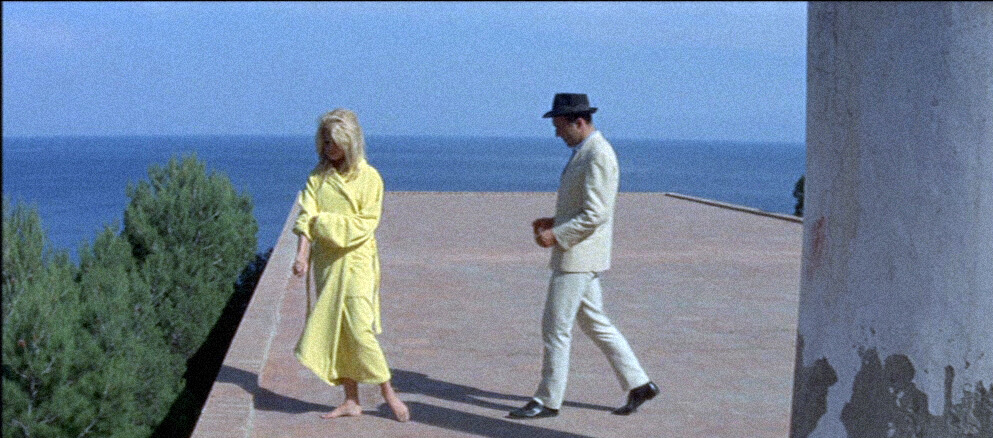
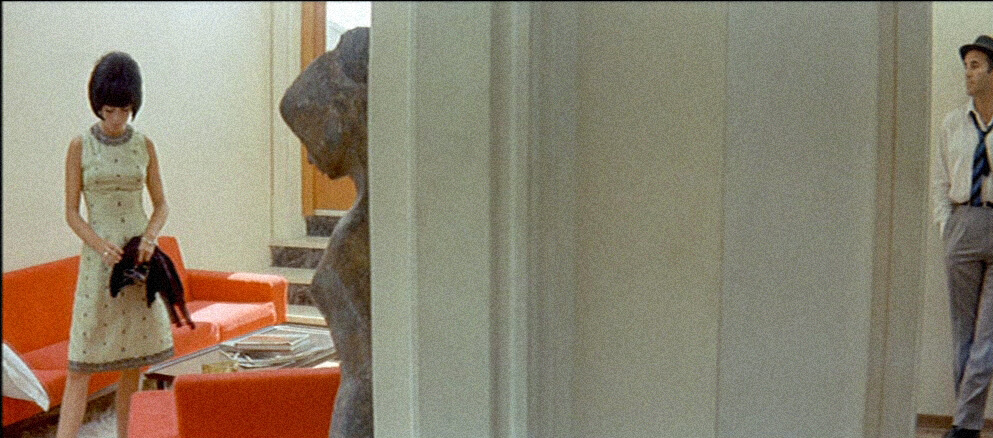
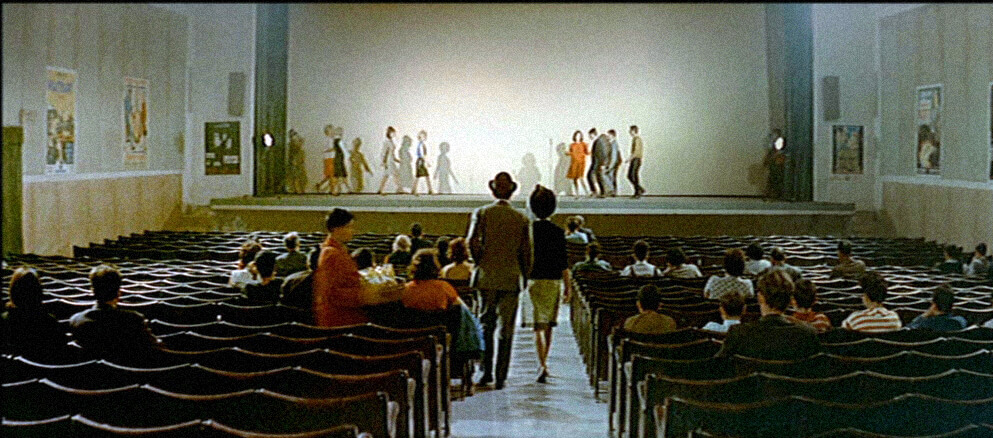
One of the most notable scenes in the film is a prolonged and intimate conversation between Paul and Camille in their apartment, where they discuss their feelings and the state of their relationship. Camille expresses her growing contempt for Paul, feeling that he has compromised his integrity and their love for the sake of his career. Paul, somewhat oblivious to the depth of her discontent, tries to placate her but fails to address her underlying concerns.

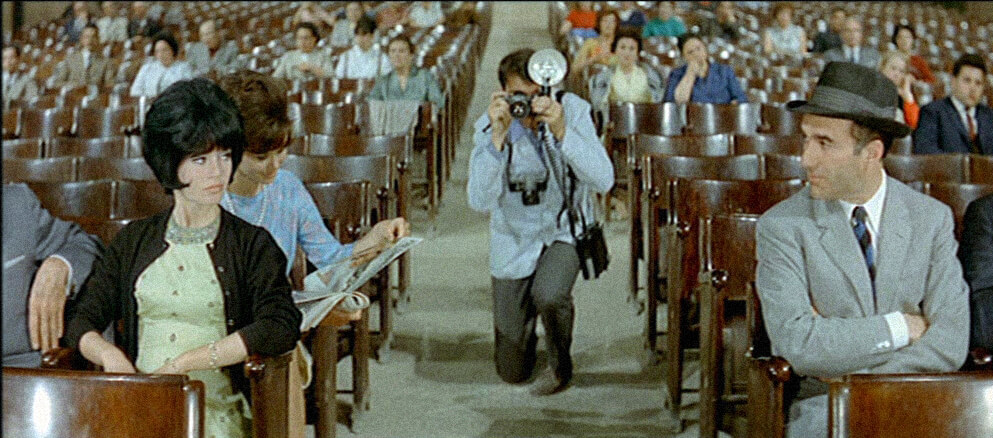
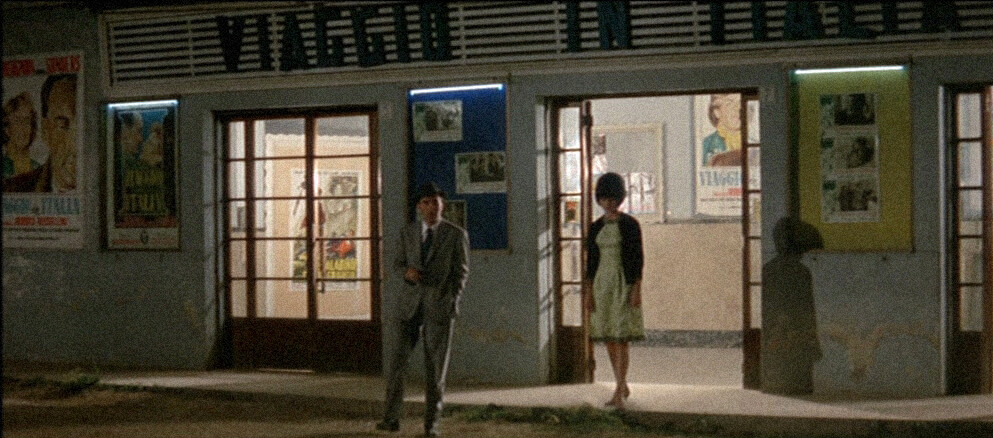
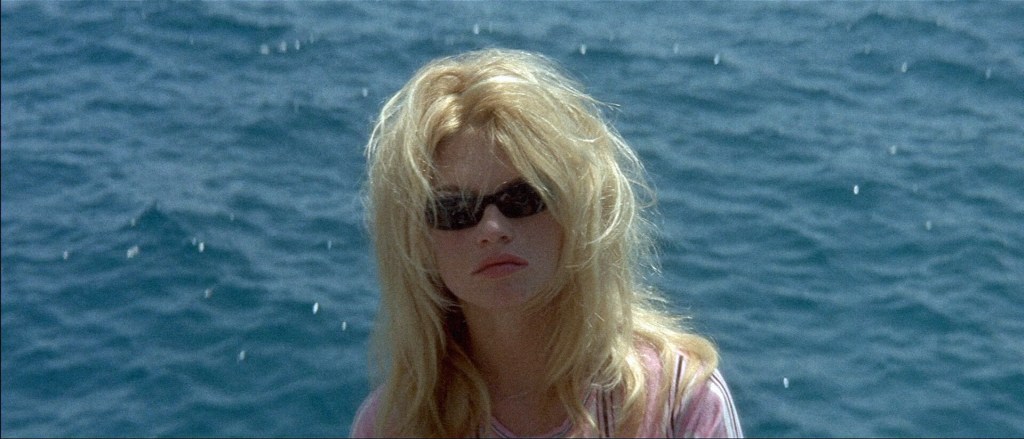
As Paul becomes more involved in the film’s production, Camille’s disenchantment deepens. Prokosch’s persistent flirtations and Paul’s apparent indifference drive a wedge between them. In a symbolic scene, Prokosch offers Camille a ride to the film set in his sports car, and Paul casually allows it, further alienating her.

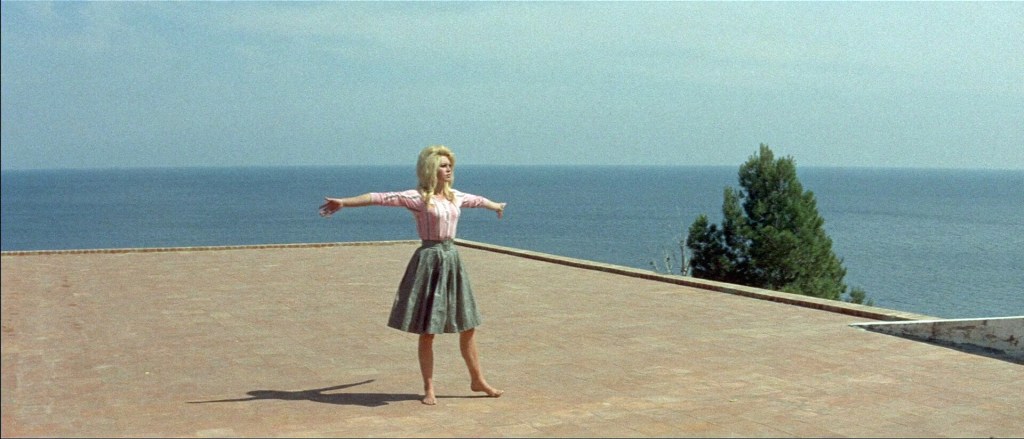

The film within the film, “The Odyssey,” serves as a parallel to Paul and Camille’s own odyssey of love and betrayal. Fritz Lang’s philosophical musings on the epic tale contrast sharply with Prokosch’s commercial ambitions, mirroring the conflict between art and commerce that underlies the main narrative.
The climax occurs in Capri, where the final scenes of “The Odyssey” are being shot. Camille, feeling utterly disillusioned and betrayed, decides to leave Paul. She reveals that her love for him has turned to contempt, and she can no longer bear to be with him. Paul desperately tries to win her back, but it is too late. Camille leaves with Prokosch, indicating her complete disillusionment with Paul.


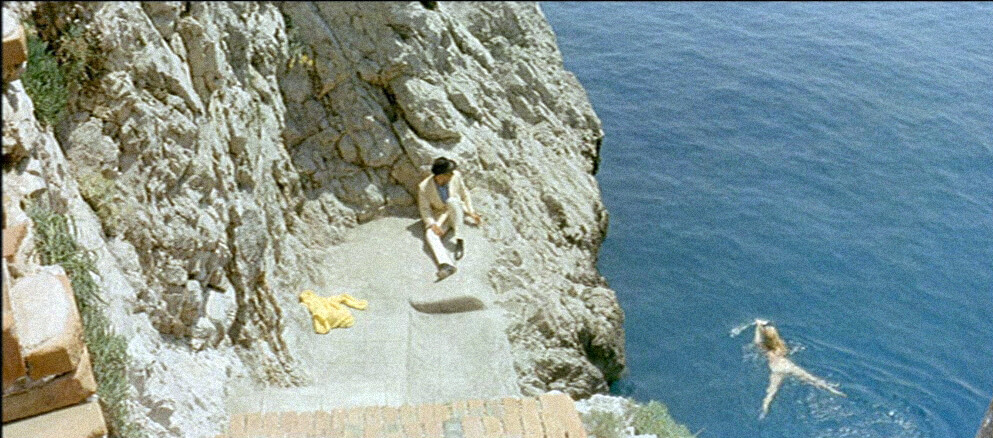
Tragically, shortly after their departure, Prokosch and Camille are involved in a car accident, resulting in Camille’s death. Paul is left to grapple with his loss and realize that his ambition and negligence have cost him the love of his life.


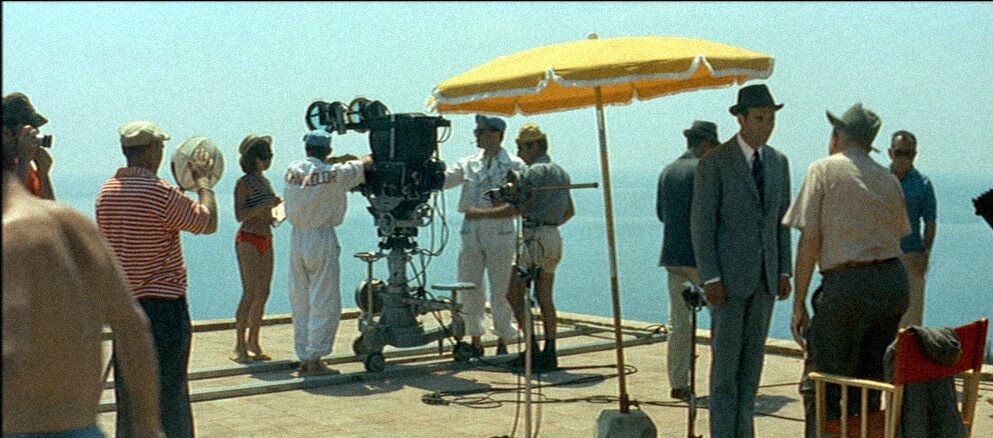
“Contempt” is renowned for its innovative use of color, composition, and cinematic technique. Raoul Coutard’s stunning cinematography creates a visually arresting film that is both a critique of the film industry and a poignant exploration of personal relationships. Brigitte Bardot’s performance as Camille is both vulnerable and defiant, capturing the complexity of a woman caught between love and disillusionment. Michel Piccoli’s portrayal of Paul embodies the struggle between artistic integrity and commercial success. “Contempt” remains a seminal work in the French New Wave and is a classic by Jean-Luc Godard.

 The Other Cinema