


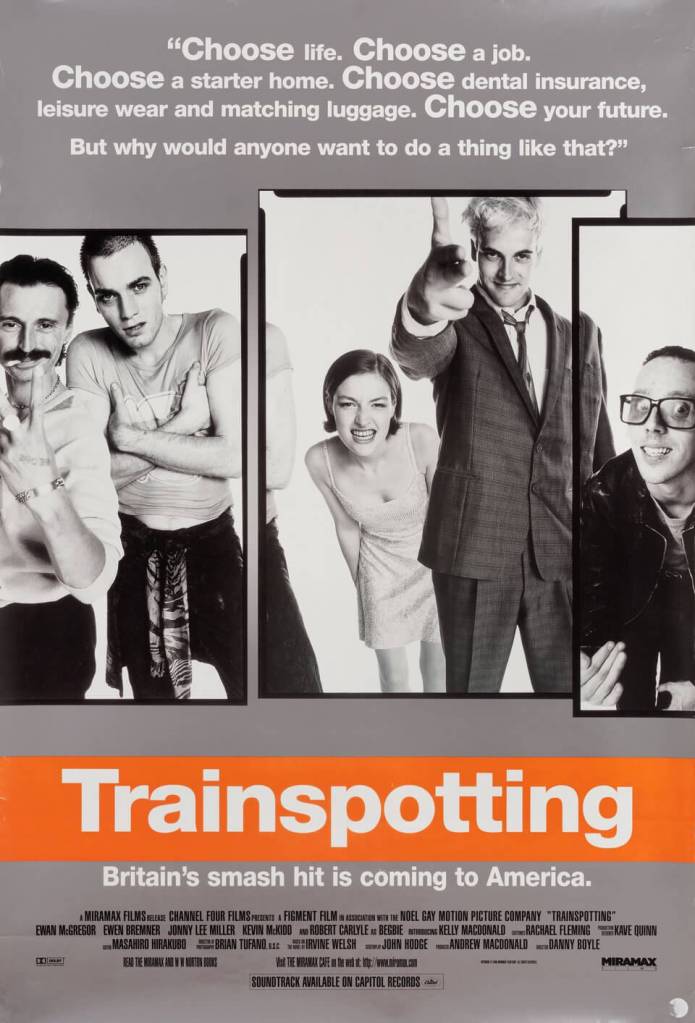
“Trainspotting” is a 1996 British black comedy-drama film directed by Danny Boyle and based on Irvine Welsh’s novel of the same name. The film offers a gritty and darkly humorous exploration of the lives of a group of heroin addicts living in Edinburgh, Scotland, during the late 1980s.
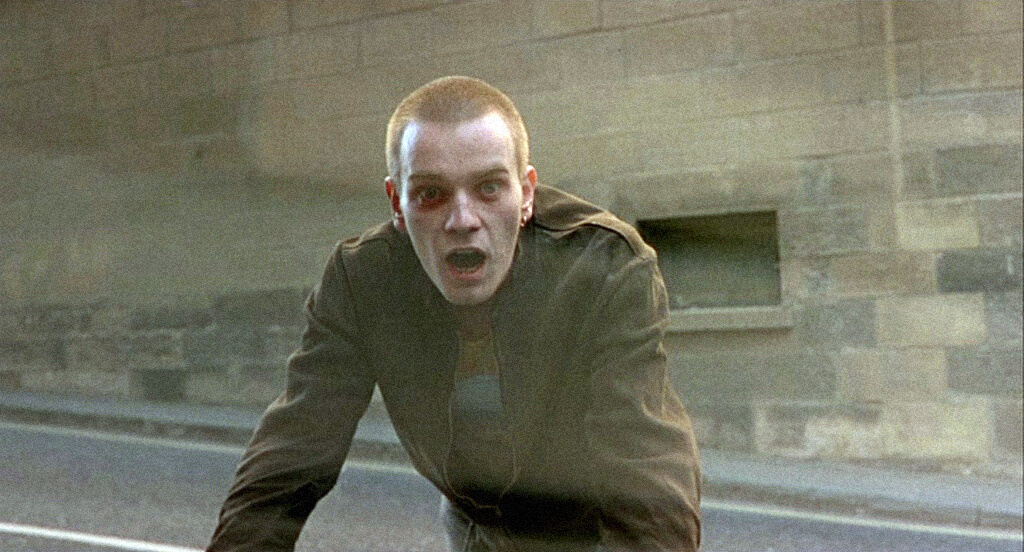

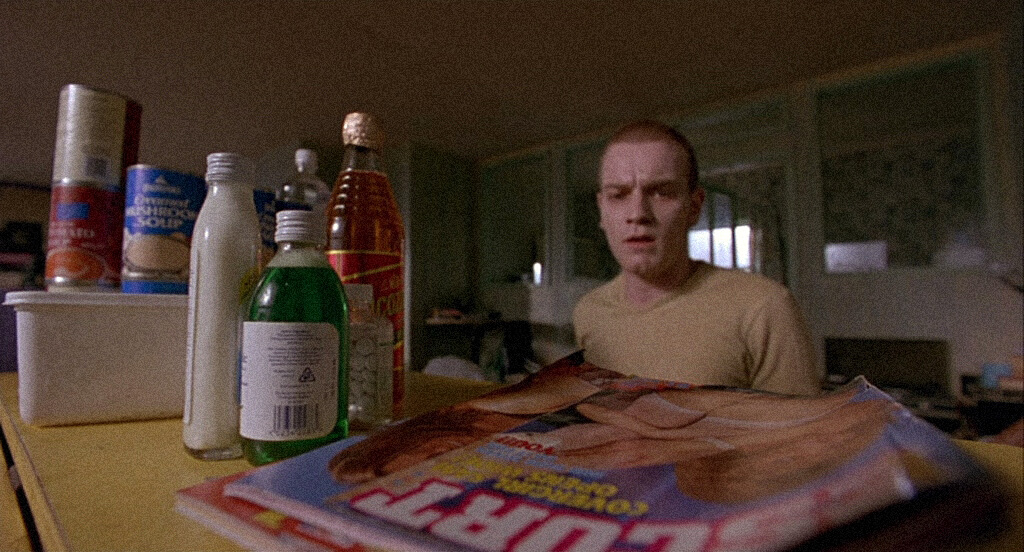
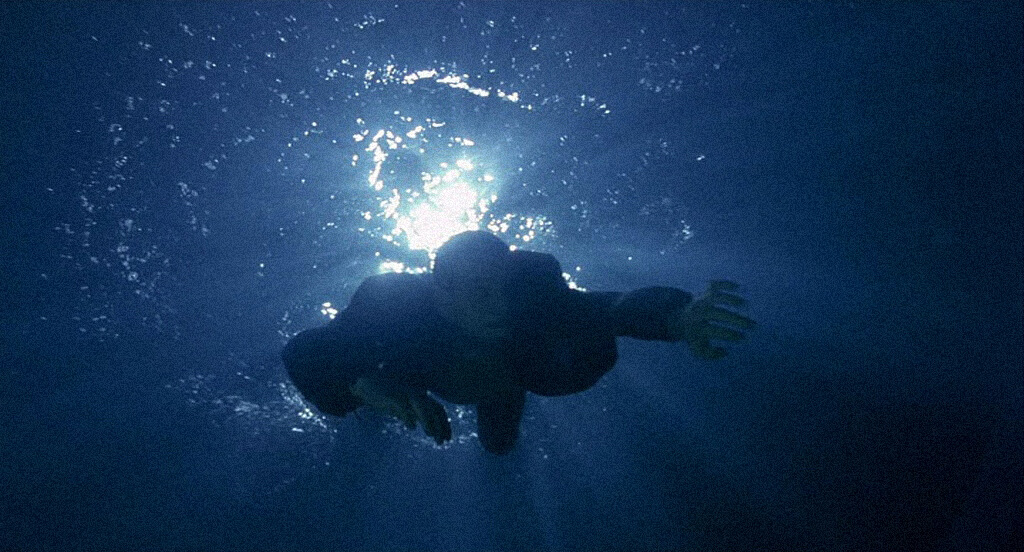
The film follows Mark Renton (played by Ewan McGregor), a young man who is deeply entrenched in Edinburgh’s heroin scene. Renton is intelligent and perceptive but finds himself trapped in a cycle of addiction and self-destruction. He oscillates between a desire to escape the drudgery of his life and a deep, compulsive need for heroin.


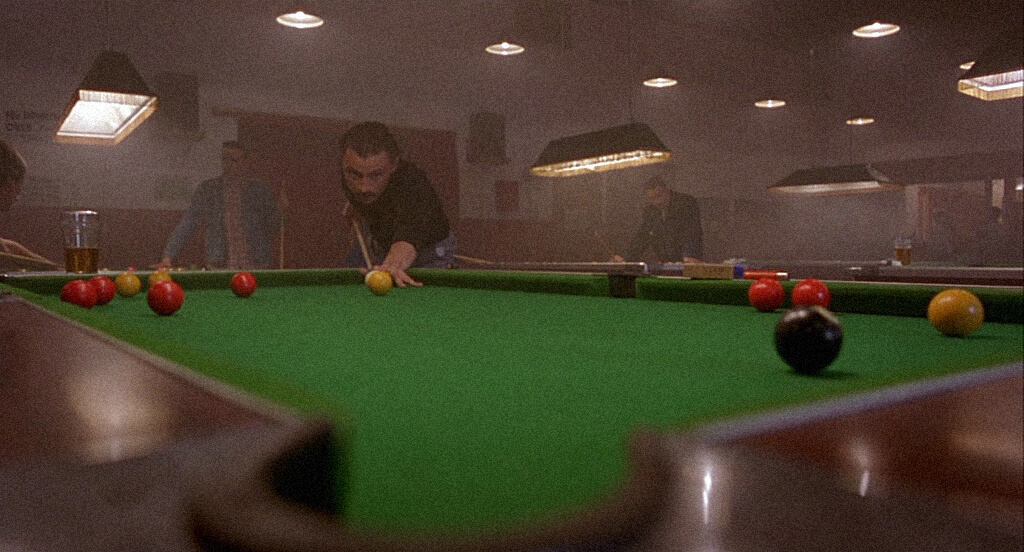
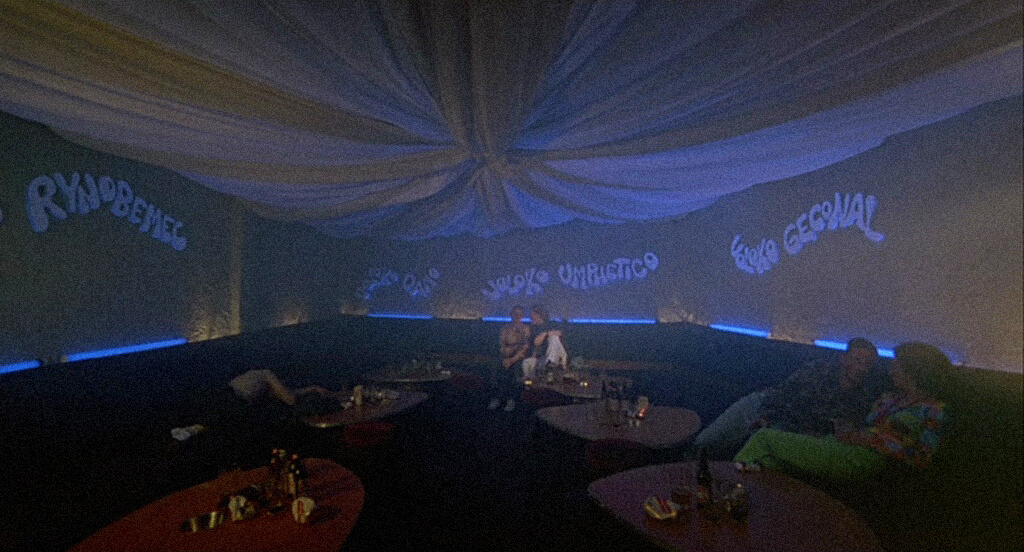

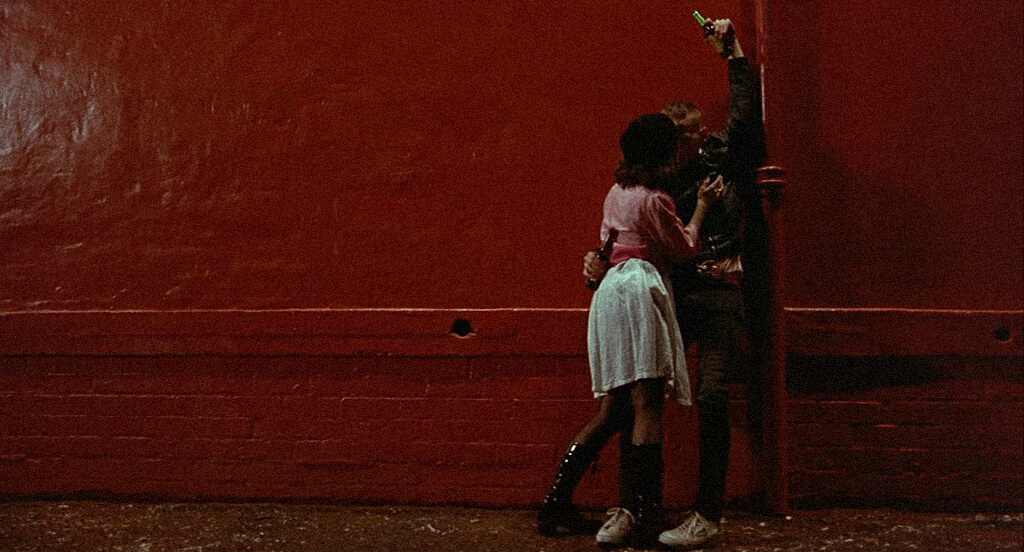
Mark’s circle of friends are equally dysfunctional: Simon “Sick Boy” Williamson (played by Jonny Lee Miller) a slick individual who sees life as a series of opportunities to exploit others. Sick Boy is obsessed with Sean Connery and harbors a deep cynicism about life. Then you have Daniel “Spud” Murphy (played by Ewen Bremner), a naive and kind-hearted man who struggles to keep up with life, often ending up in comically disastrous situations, Francis “Franco” Begbie (played by Robert Carlyle), a violent, unpredictable man who thrives on chaos and brutality, despite not being addicted to heroin himself. Tommy MacKenzie (played by Kevin McKidd), the most “clean-cut” of the group, initially avoids drugs but eventually falls victim to the same addiction that plagues his friends.


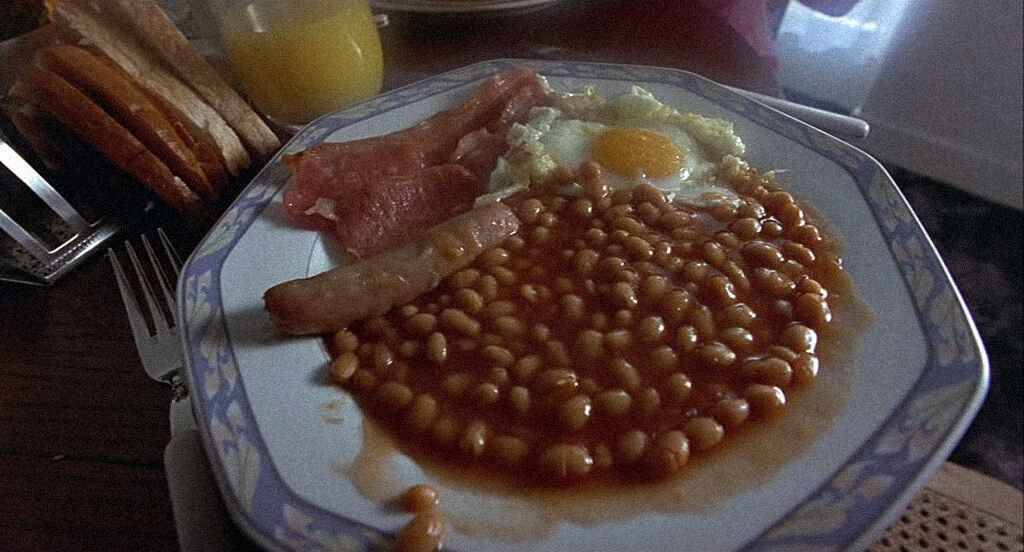

The narrative is structured around Renton’s attempts to escape the grip of addiction, as he makes several attempts to go clean, only to relapse under the influence of his friends and the allure of heroin. The film vividly portrays the highs and lows of addiction, with scenes that alternate between the euphoric rush of drug use and the harrowing realities of withdrawal and overdose.
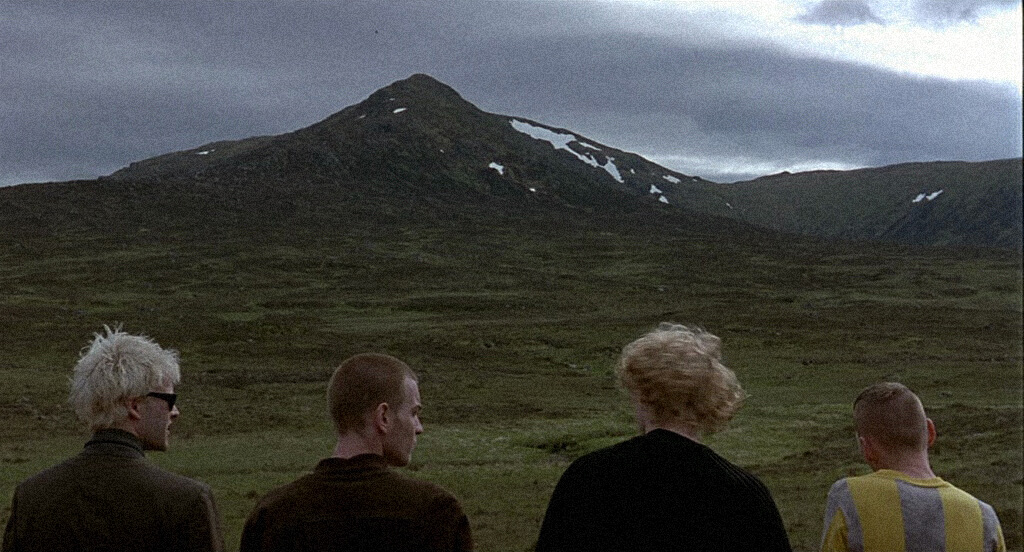
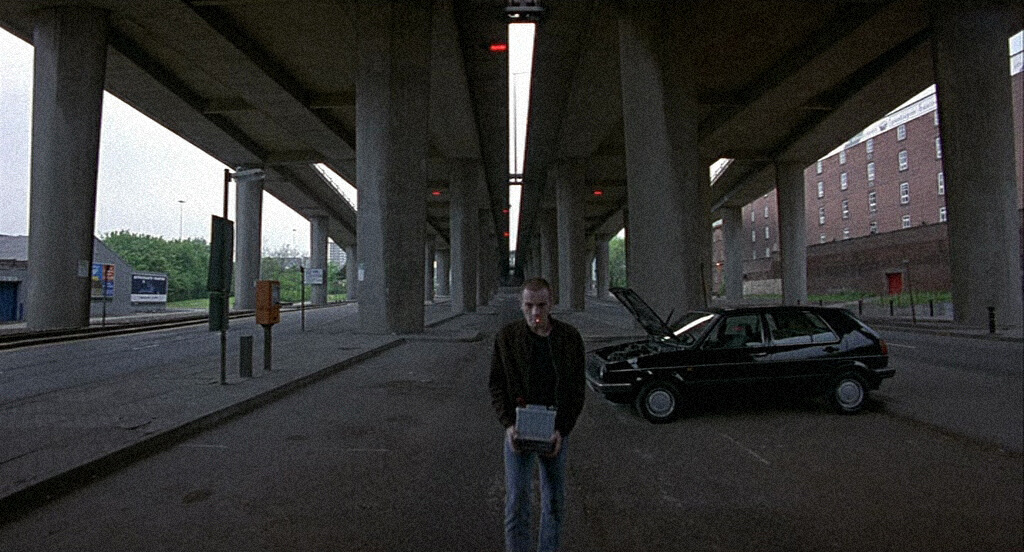
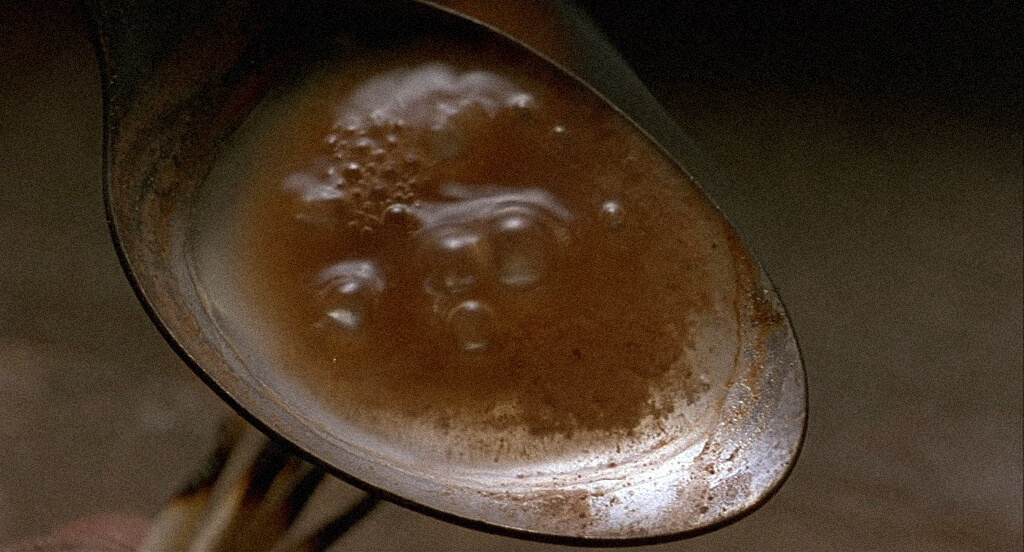




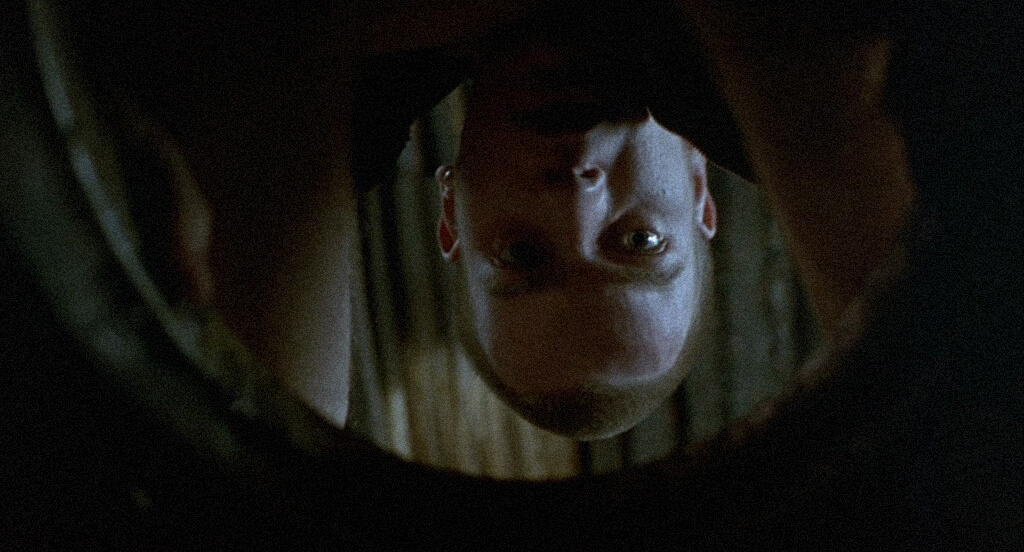
One of the film’s most iconic scenes involves Renton diving into “the worst toilet in Scotland” in search of opium suppositories—a metaphor for the depths to which addiction has driven him. Another memorable sequence features Renton going through severe heroin withdrawal, where he experiences hallucinations that blur the line between reality and nightmare.
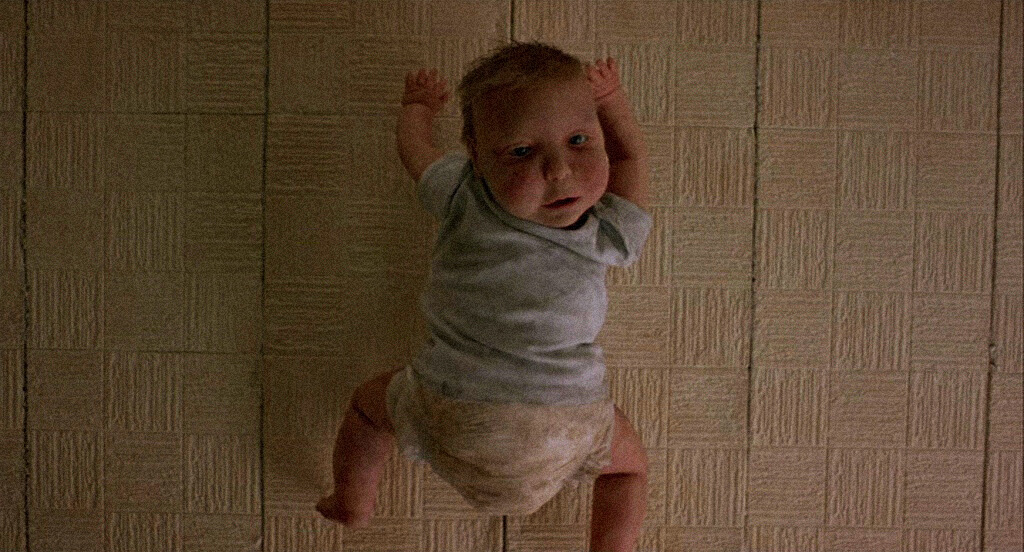

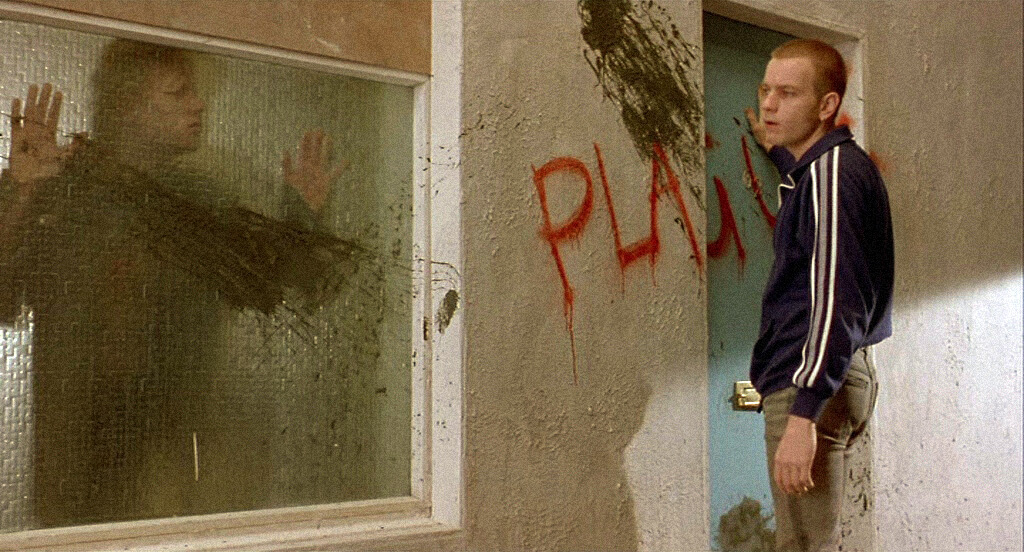
As the film progresses, the characters’ lives unravel. Tommy, after contracting HIV through drug use, dies of toxoplasmosis, and Spud ends up in jail. Sick Boy becomes more cynical and untrustworthy, while Begbie’s violence escalates, leading to a series of confrontations that test the bonds between the friends.
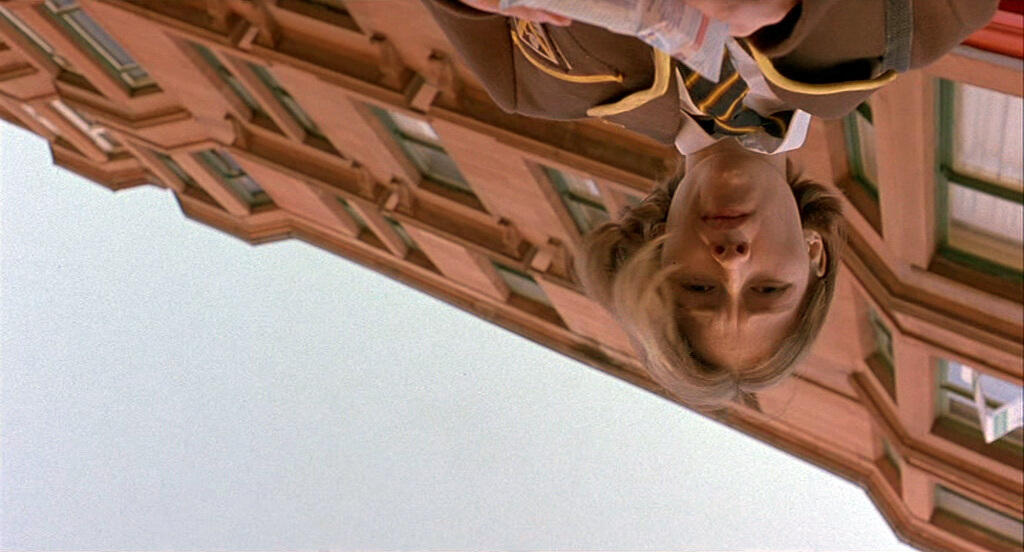
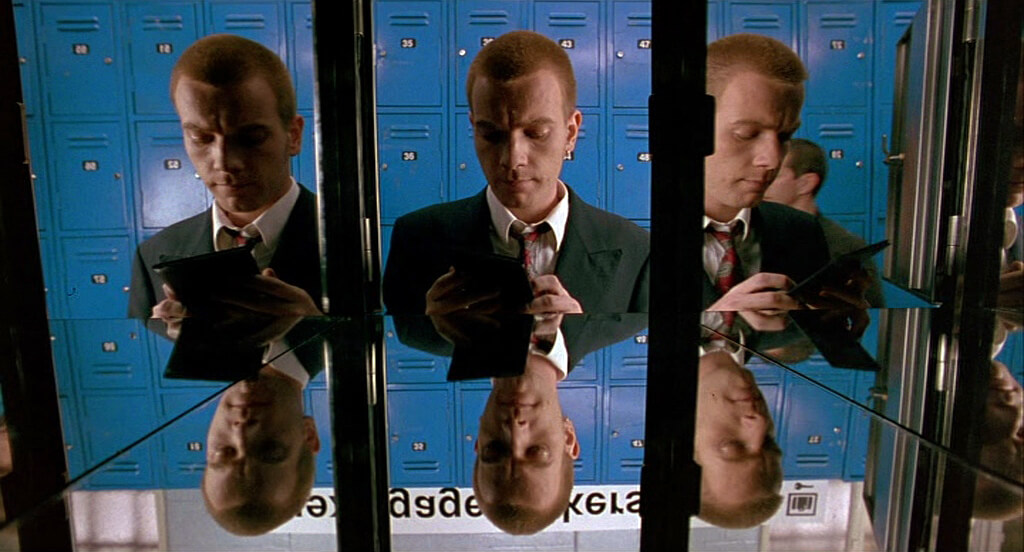
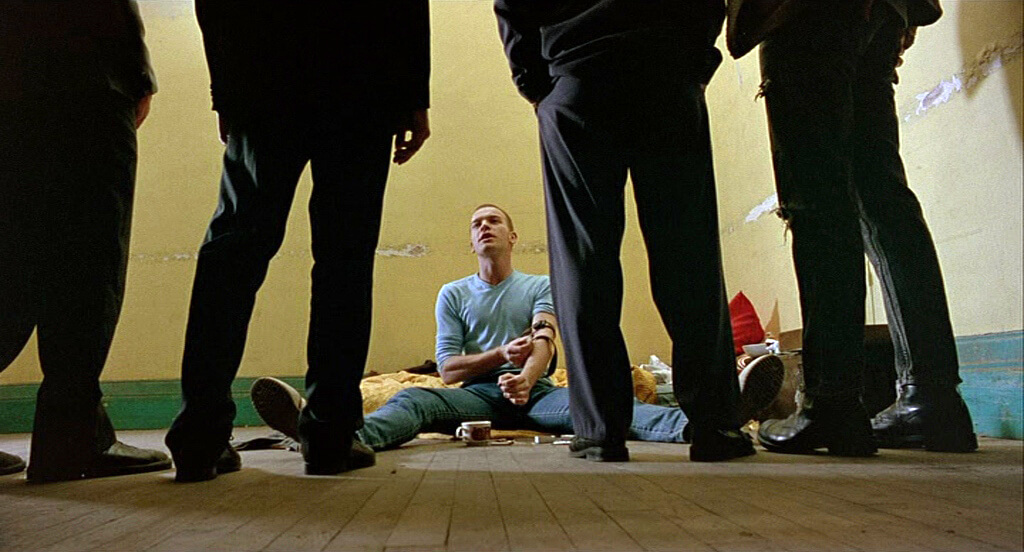
Renton eventually decides to make a clean break from his past. He moves to London and starts a new life but is drawn back to Edinburgh by his friends for a heroin deal that promises a large payoff. The deal is successful, but Renton, disillusioned by the betrayal and violence that define his friendships, decides to double-cross his friends and steal the money.
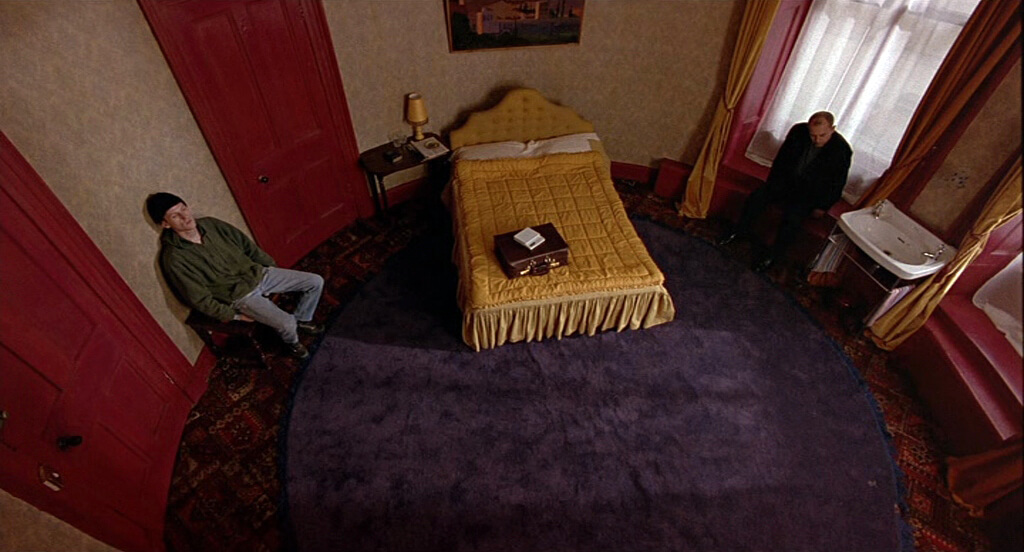
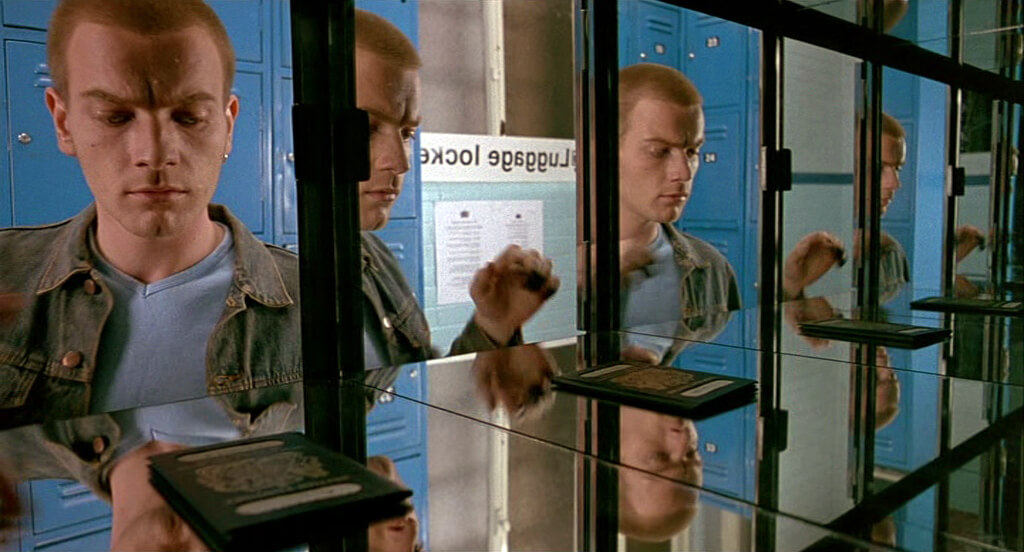
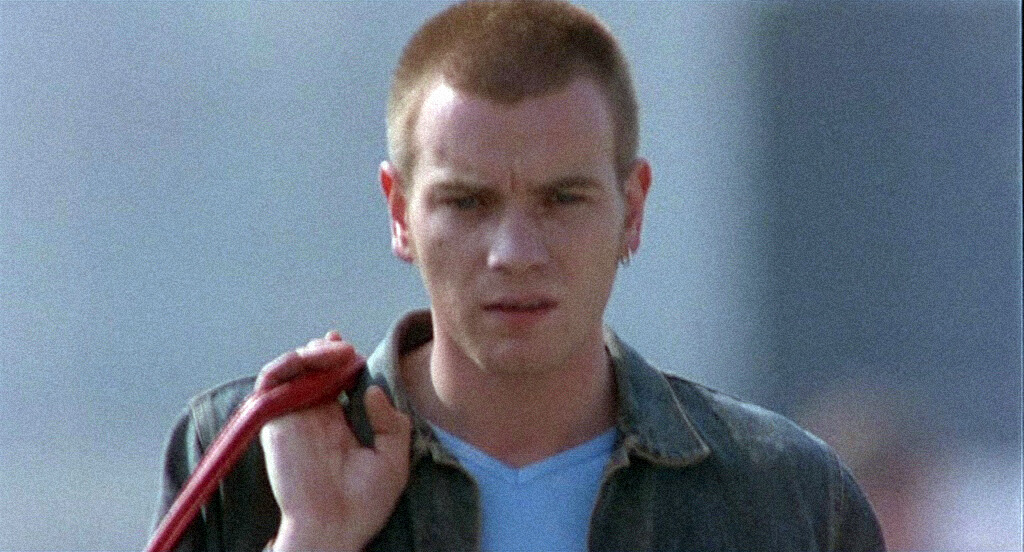
In the final scene, Renton narrates his decision to leave behind his old life, choosing “life” over the destructive cycle of addiction. He walks away with the money, vowing to start anew, while leaving a portion of the cash for Spud as a final act of friendship.
“Trainspotting” is widely regarded as a cult classic. Upon its release in 1996, it was like no other film at the time. The film became synonymous with its soundtrack, which has culturally linked songs to the film and vice versa, such as “Lust for Life” by Iggy Pop and “Born Slippy” by Underworld.
 The Other Cinema