
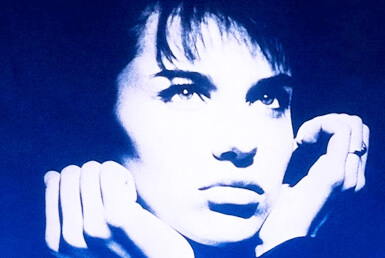

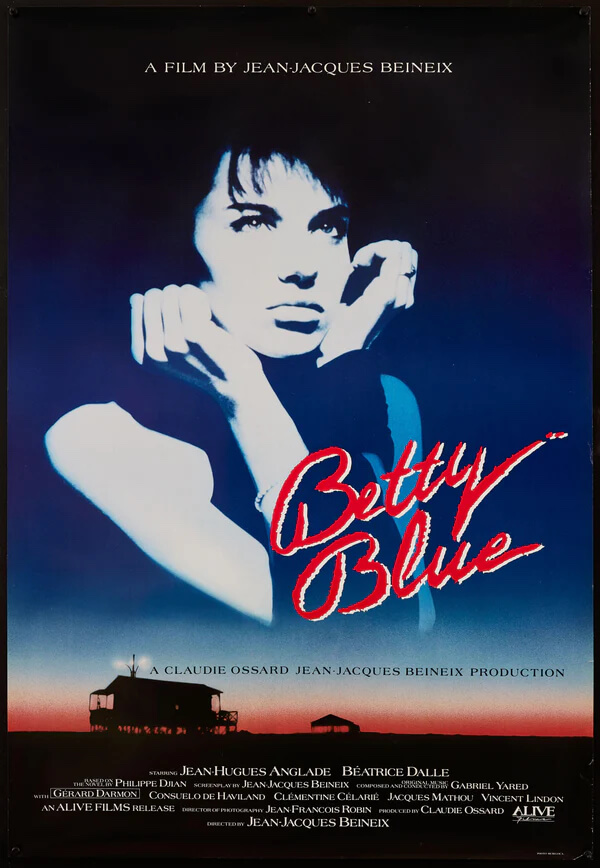
“Betty Blue” (original title: “37°2 le matin”) is a 1986 French romantic drama directed by Jean-Jacques Beineix. The film is based on Philippe Djian’s novel of the same name and is known for its intense, passionate portrayal of love, mental illness, and artistic aspiration. It stars Béatrice Dalle as Betty and Jean-Hugues Anglade as Zorg.

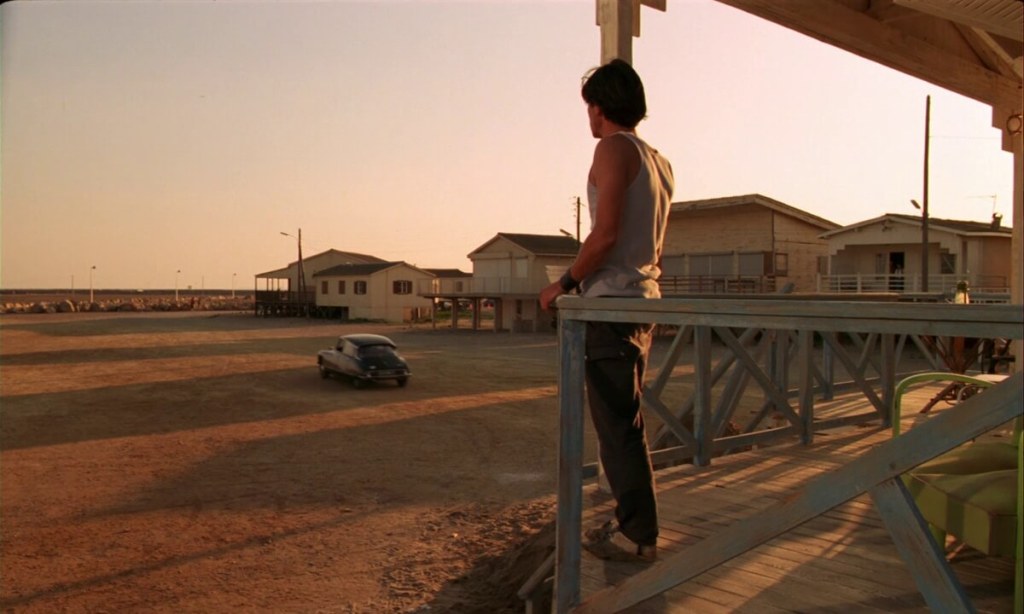
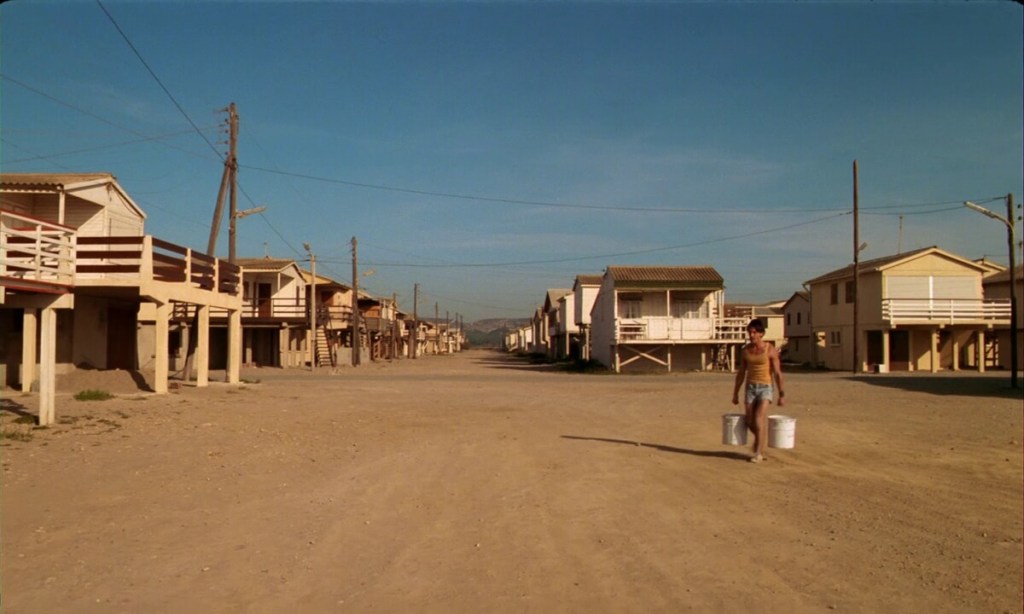
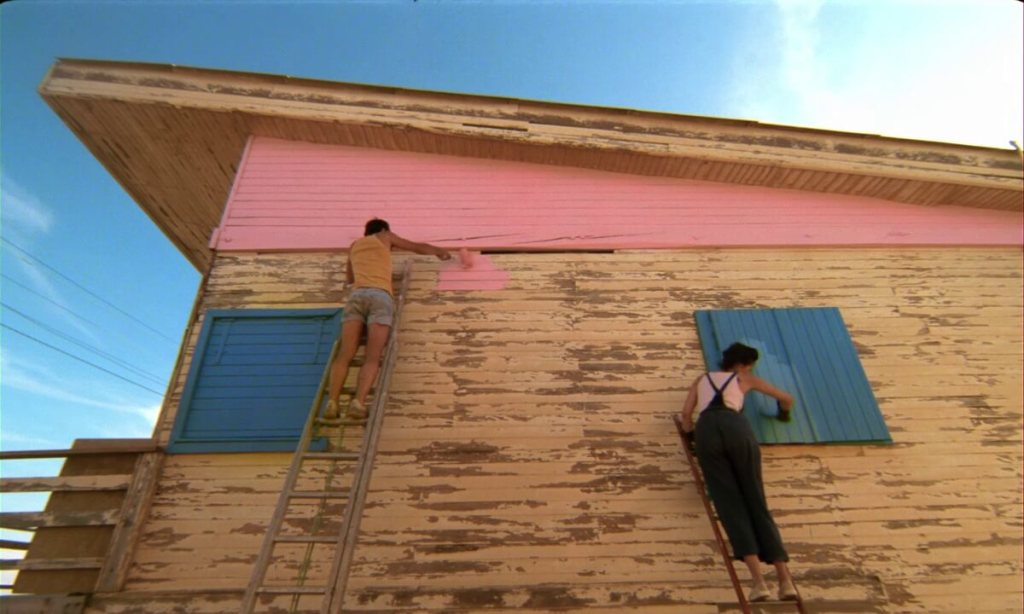


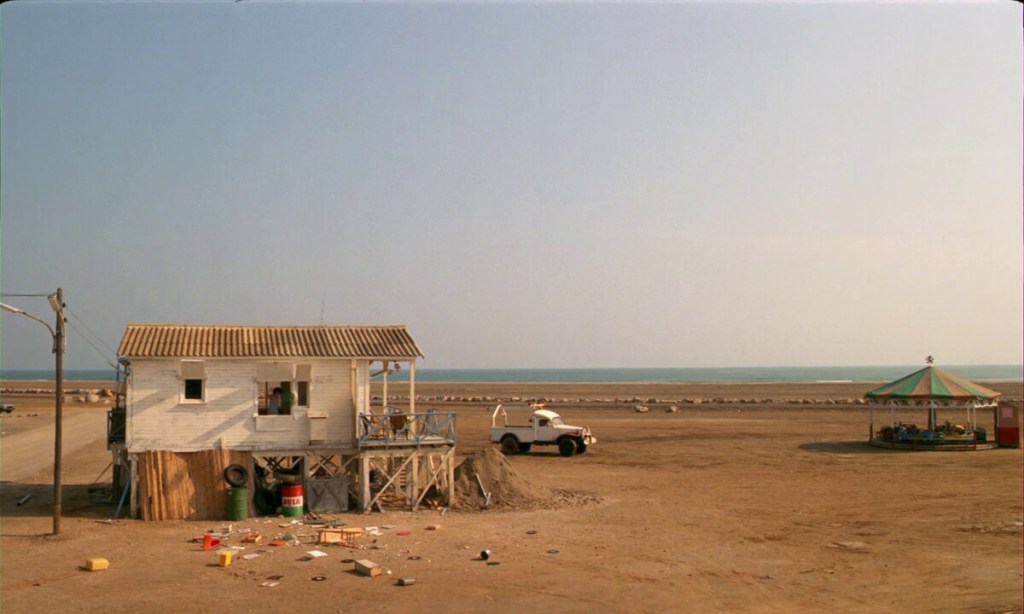
The film opens with Zorg (played by Jean-Hugues Anglade), a thirtysomething handyman living a quiet, uneventful life in a small seaside town in France. He spends his days maintaining and managing a set of bungalows, a job that pays the bills but provides little fulfillment. Zorg writes in his free time, though he keeps his literary ambitions to himself.
Zorg’s life takes a dramatic turn when he meets Betty (played by Béatrice Dalle), a beautiful and fiery young woman who enters his life like a whirlwind. Betty is passionate, impulsive, and unpredictable—traits that attract and unsettle Zorg. Despite the obvious differences in their temperaments, they quickly fall into a deeply intense, all-consuming relationship.


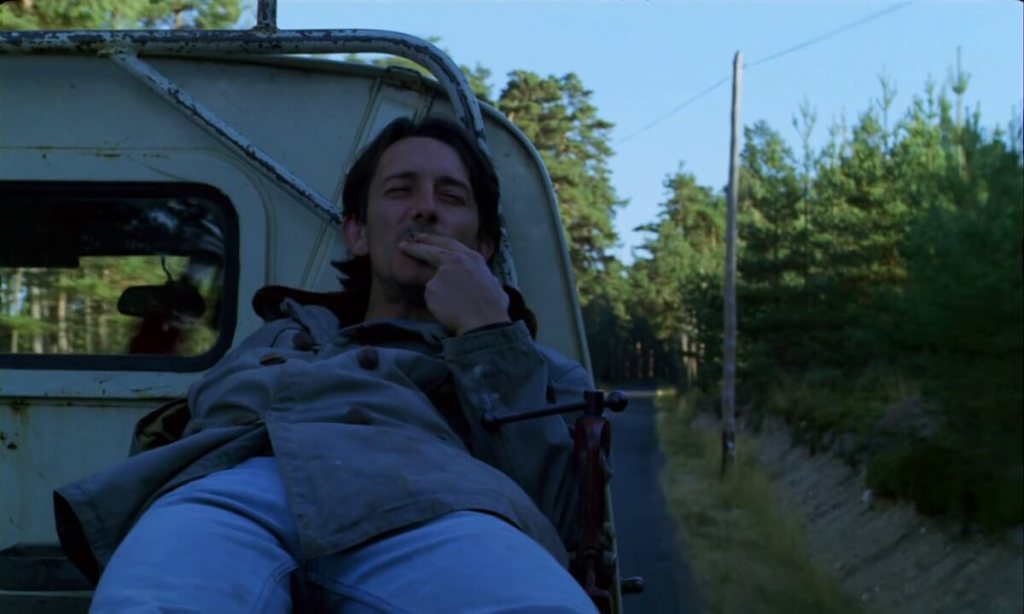

Their love affair is characterized by wild passion and a growing sense of instability, particularly on Betty’s part. As the story progresses, it becomes evident that Betty struggles with severe emotional and psychological issues, which manifest in increasingly erratic behavior.
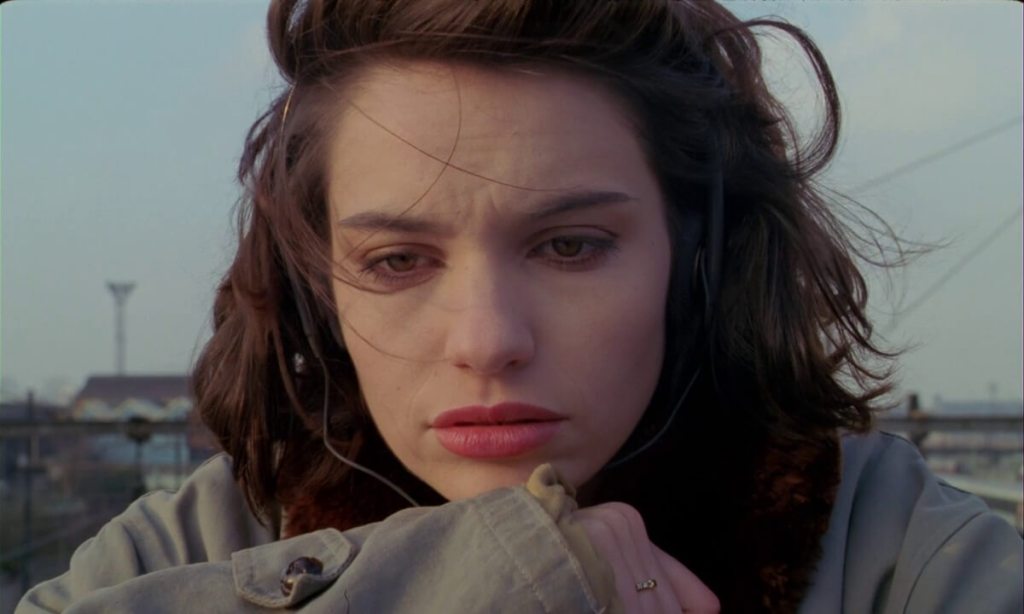
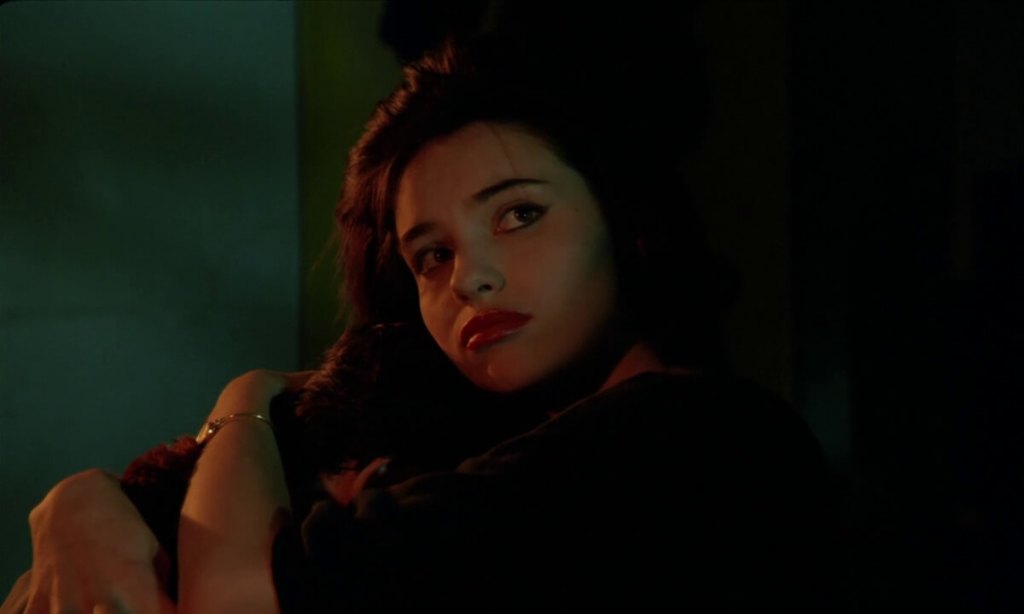
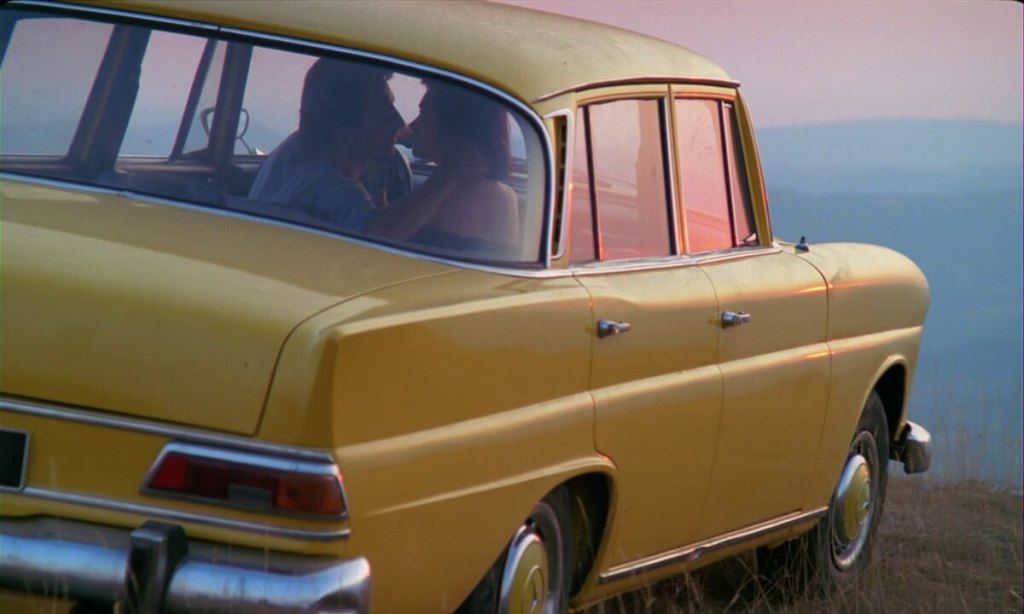
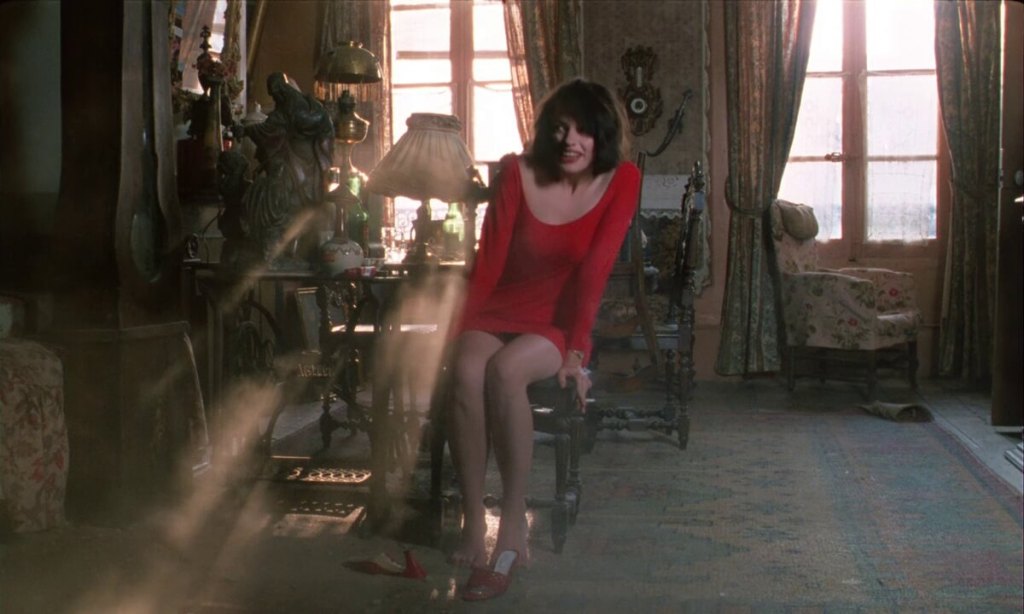
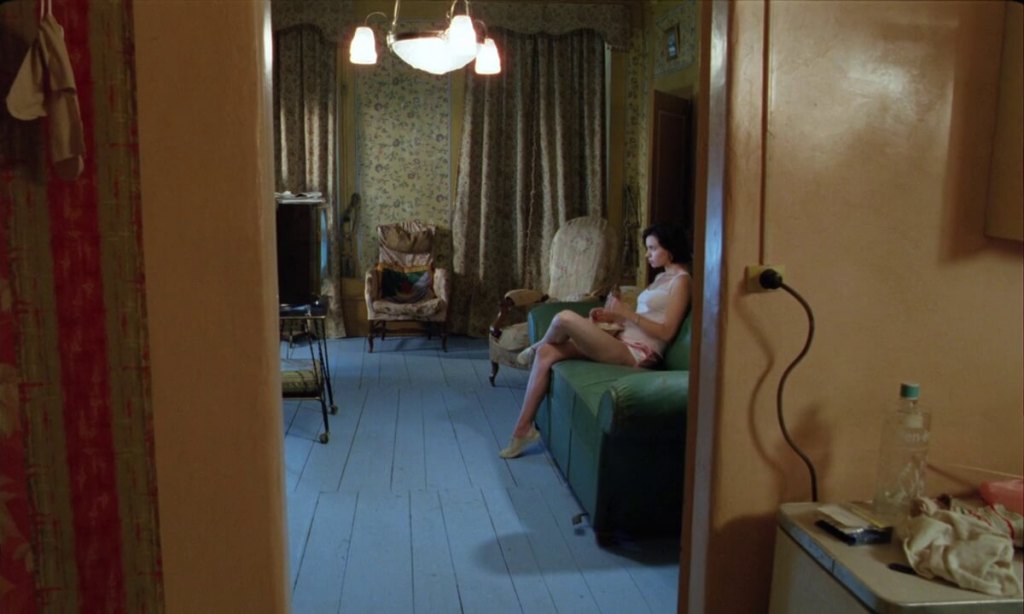
After a violent confrontation with Zorg’s boss, Betty insists they leave the seaside town. The couple moves to a small village, where they reside in a friend’s house. Zorg finds work as a piano tuner, while Betty, convinced that Zorg’s writing is brilliant and should be published, takes on the role of his self-appointed agent. She types up his manuscripts and sends them to various publishers, determined to make him successful.

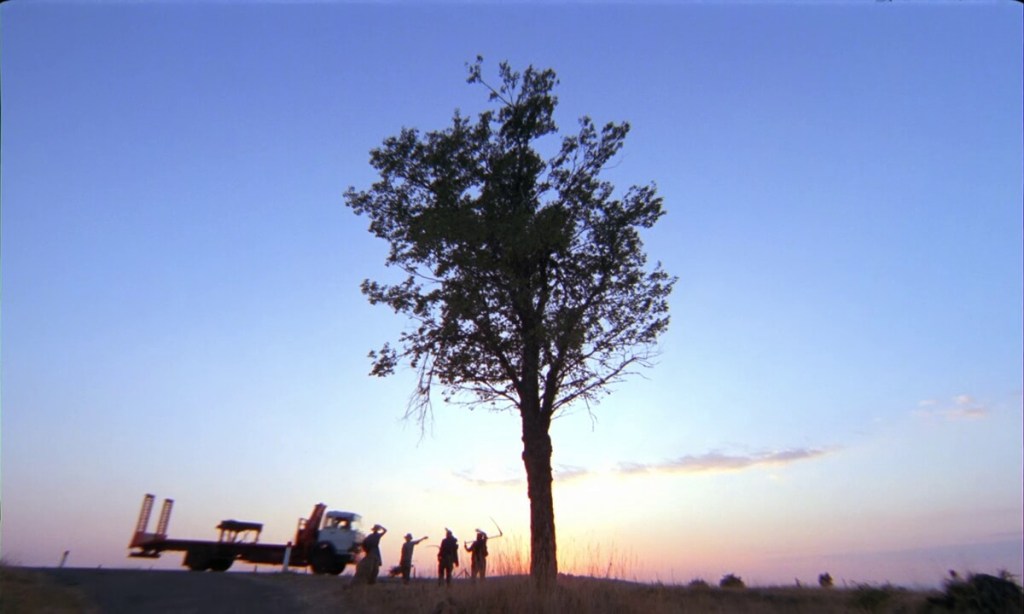

However, their idyllic life is short-lived as Betty’s mental state declines dramatically. When her attempts to secure a publishing deal for Zorg’s novel are rejected, Betty becomes more volatile and delusional, oscillating between moments of intense joy and profound despair. Despite his deep love for Betty, Zorg finds himself increasingly unable to cope with her unpredictability.

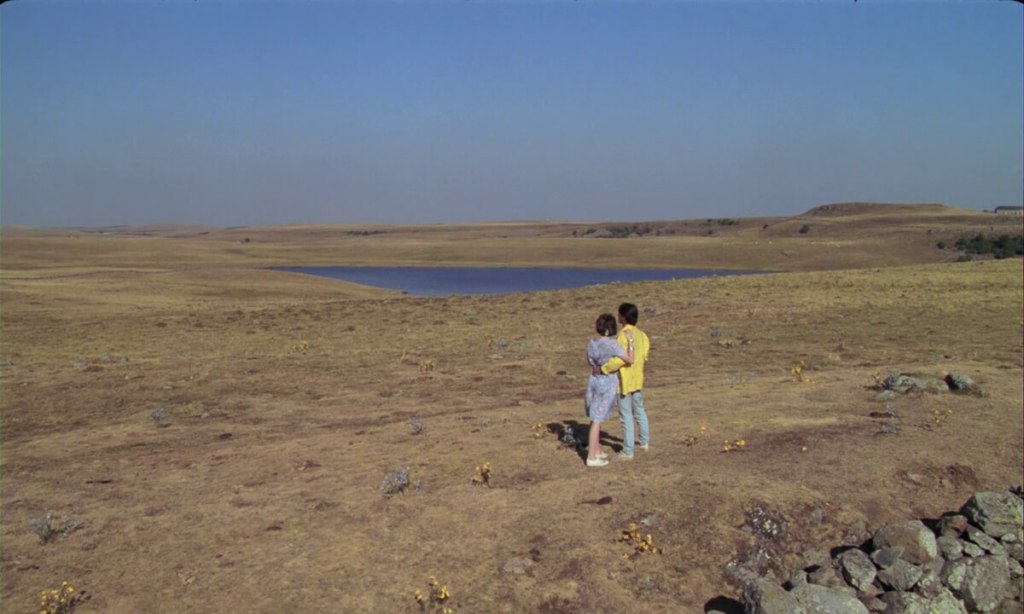

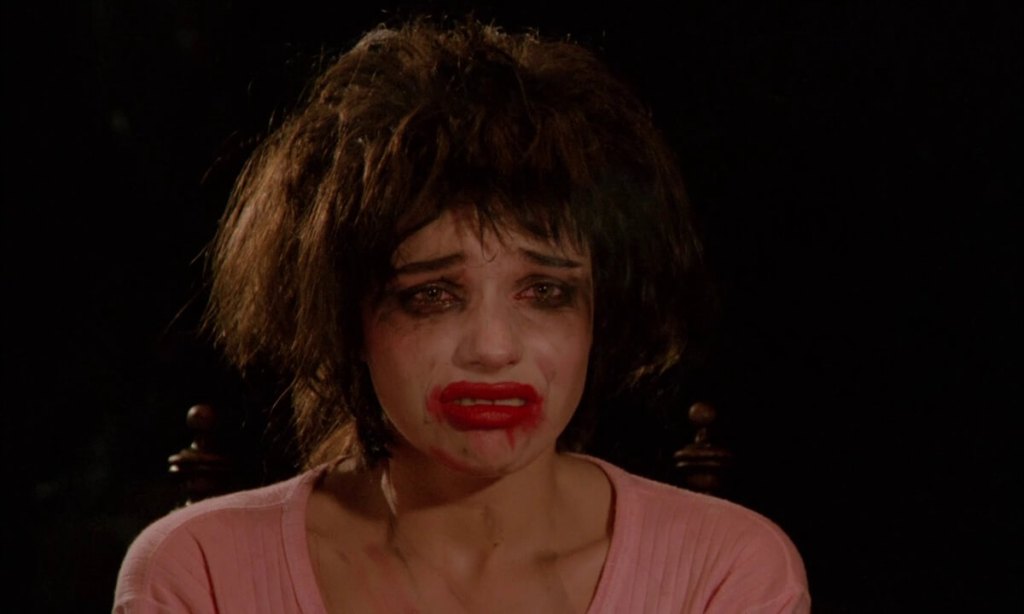


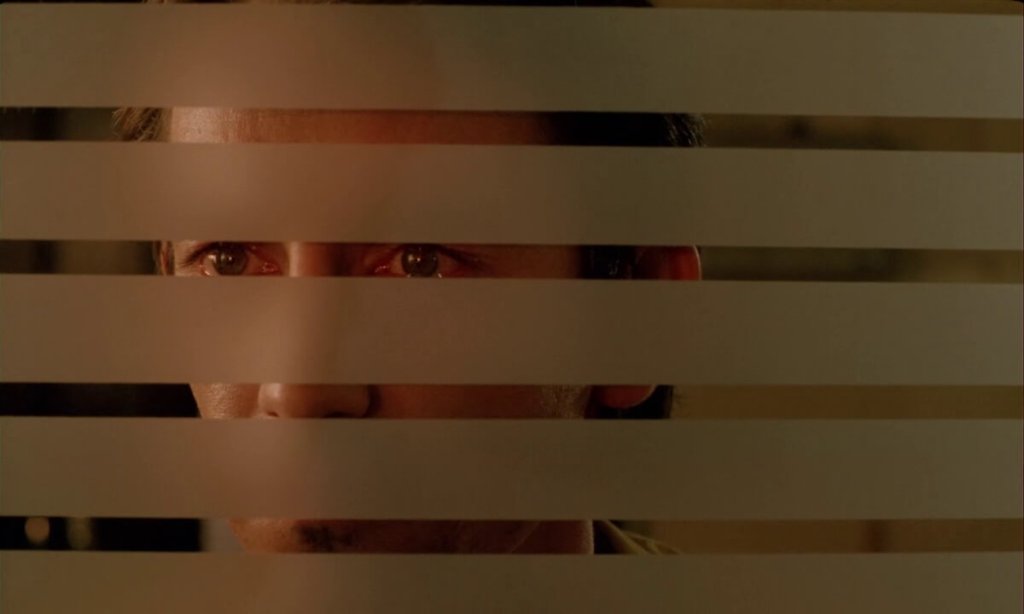
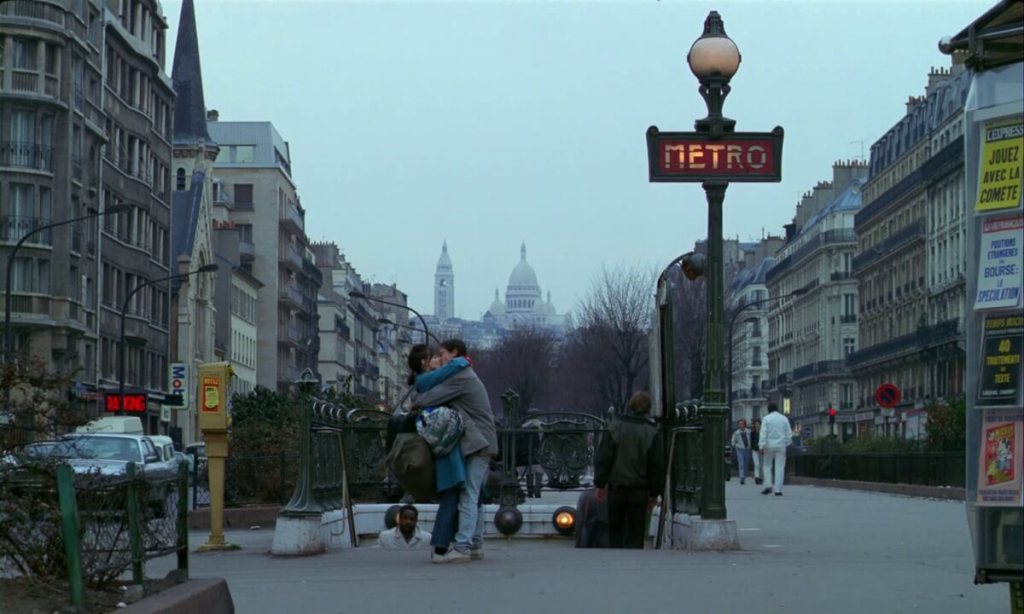
As Betty’s condition worsens, they move again, this time to Paris, where they try to start afresh. Betty becomes pregnant, which briefly seems to stabilize her, but tragedy strikes when she loses the baby. The loss exacerbates Betty’s psychological decline, leading to a tragic and inevitable conclusion.

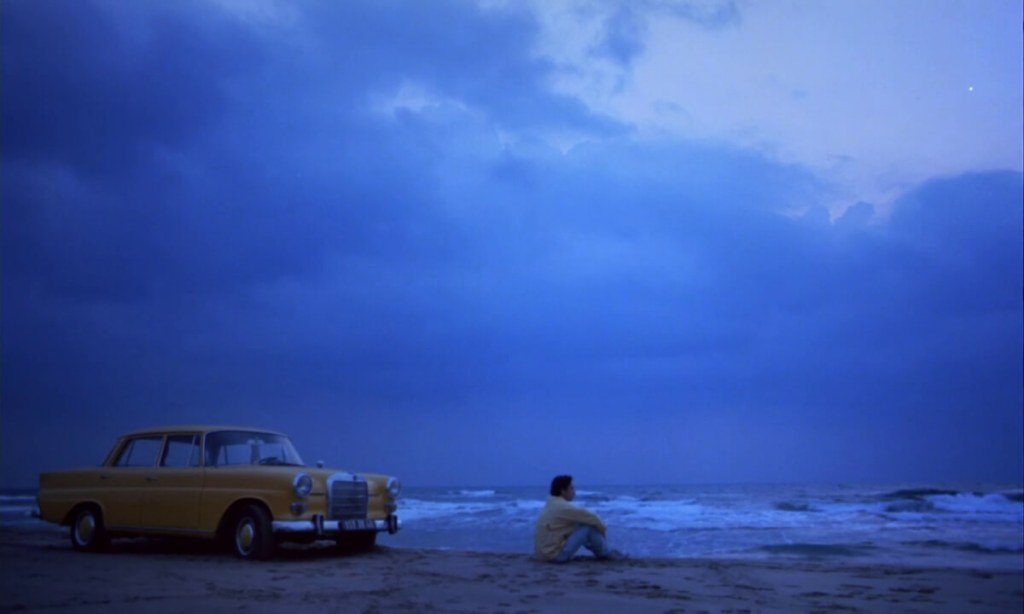
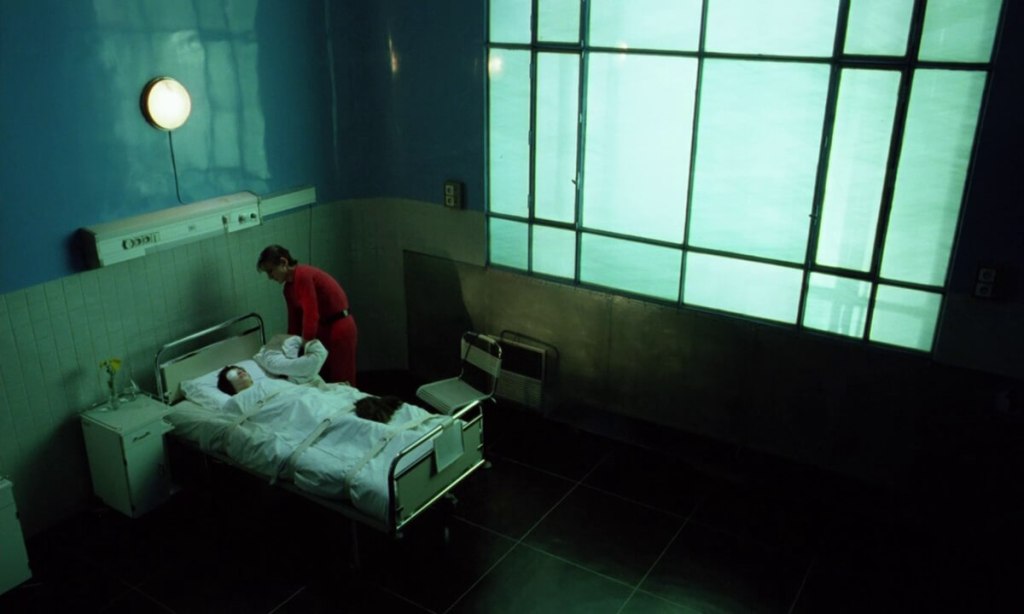
In the final act, Betty’s mental state unravels completely. She is hospitalized, and Zorg is left to confront the harrowing reality of her illness. Despite his devotion to her, Zorg can ultimately not save Betty from her inner demons. The film ends on a poignant and heartbreaking note, as Zorg, unable to bear her suffering, makes a devastating decision to end her life, suffocating her with a pillow as an act of mercy.

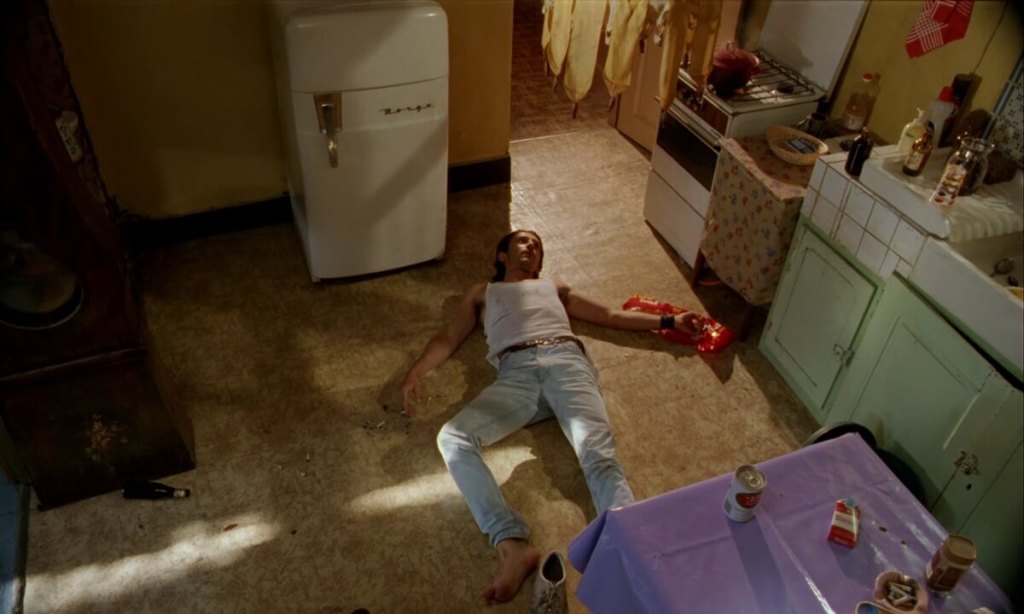

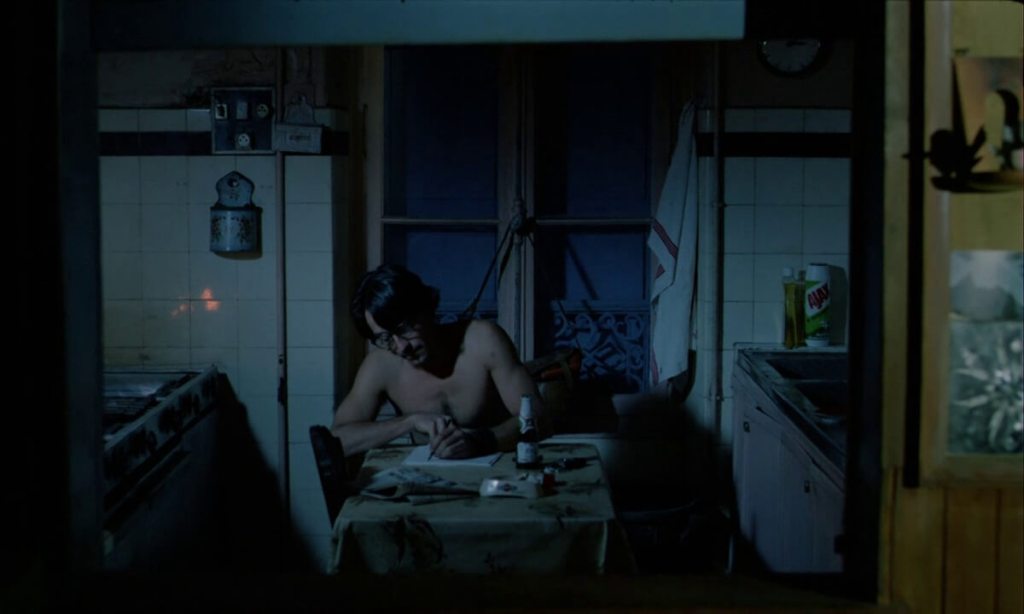
The closing scenes show Zorg back in the seaside town where they first met, writing alone, haunted by memories of the intense and destructive love he shared with Betty. The film explores the thin line between love and madness and its unflinching portrayal of a passionate but destructive relationship. Béatrice Dalle’s performance as Betty, her film debut, was particularly acclaimed, establishing her as an icon of 1980s French cinema.
 The Other Cinema