


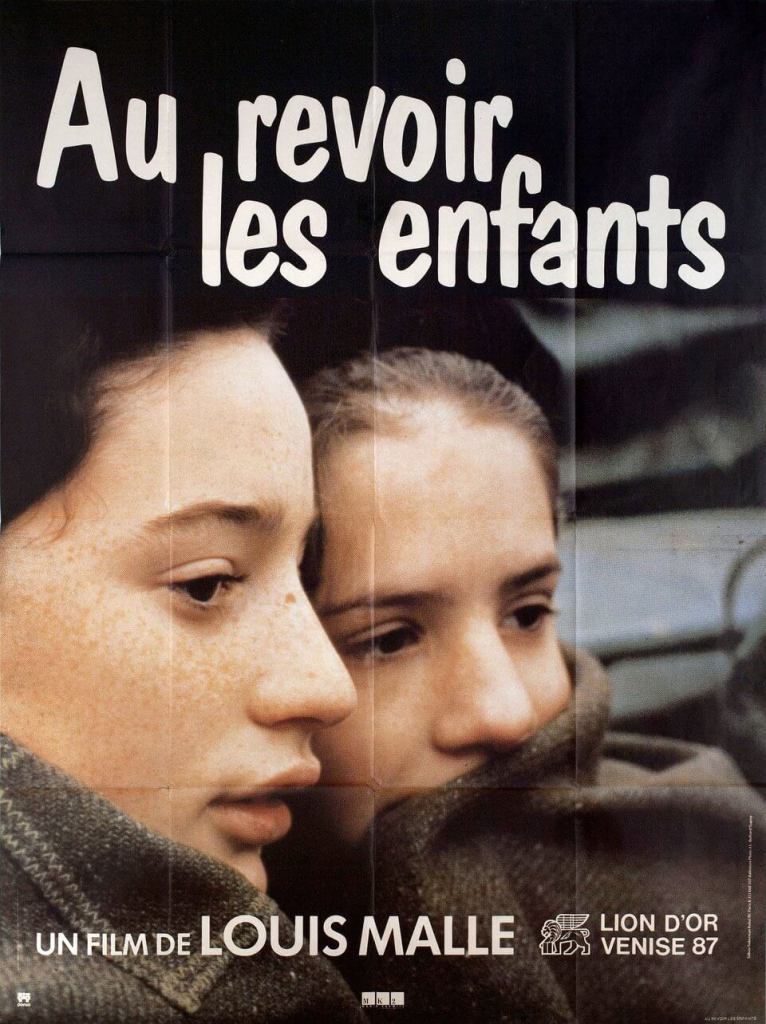
“Au Revoir les Enfants” is a 1987 French drama film written, produced, and directed by Louis Malle. It is a deeply personal and poignant exploration of childhood, friendship, and the devastating impact of war. Based on Malle’s own experiences during World War II, it has been widely acclaimed for its sensitive portrayal of innocence lost in the face of tragedy.

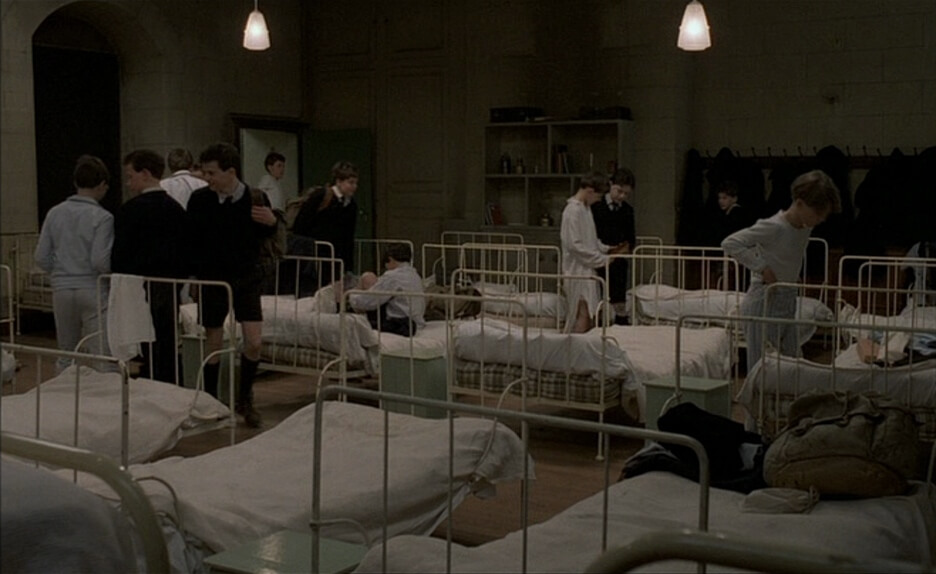

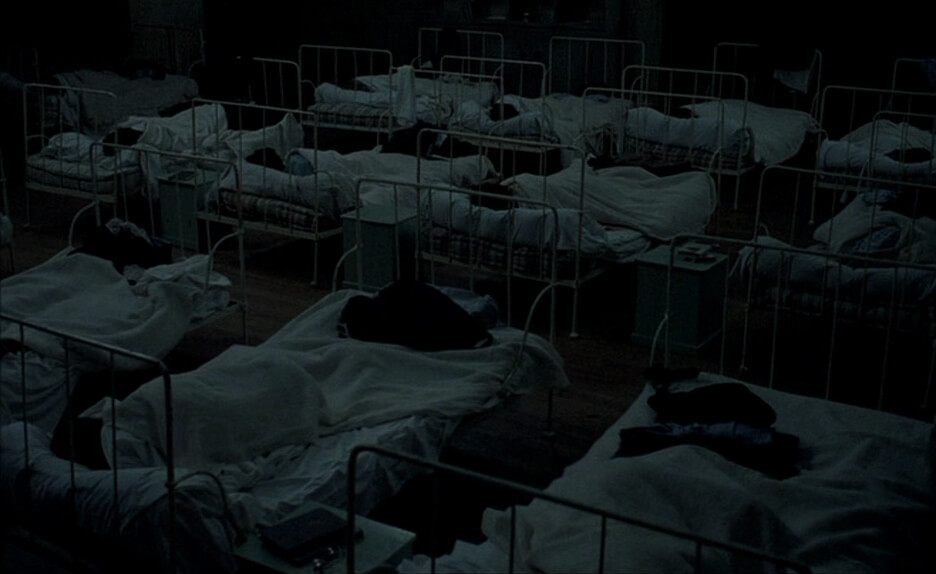
The film is set in 1944, during the German occupation of France, at a prestigious Catholic boarding school for boys in the French countryside. The story centers on Julien Quentin (played by Gaspard Manesse), a sensitive and intelligent 12-year-old boy from a wealthy Parisian family. Julien is sent back to school after the Christmas holidays, where he resumes his studies and camaraderie with his classmates.
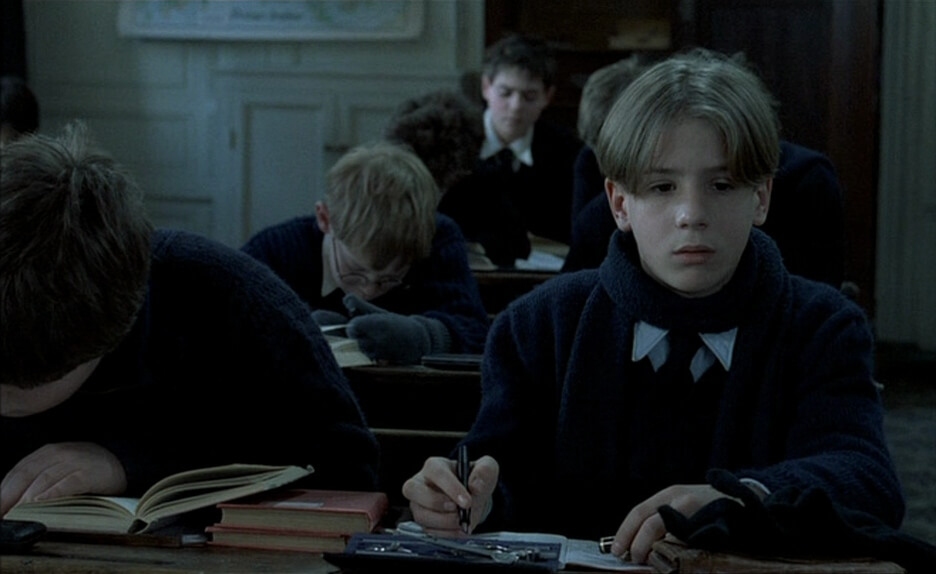


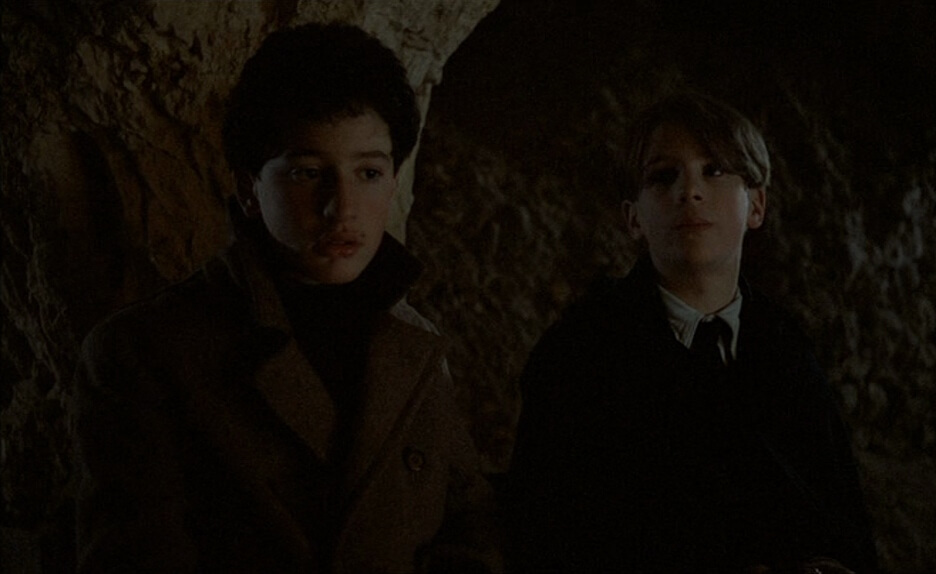
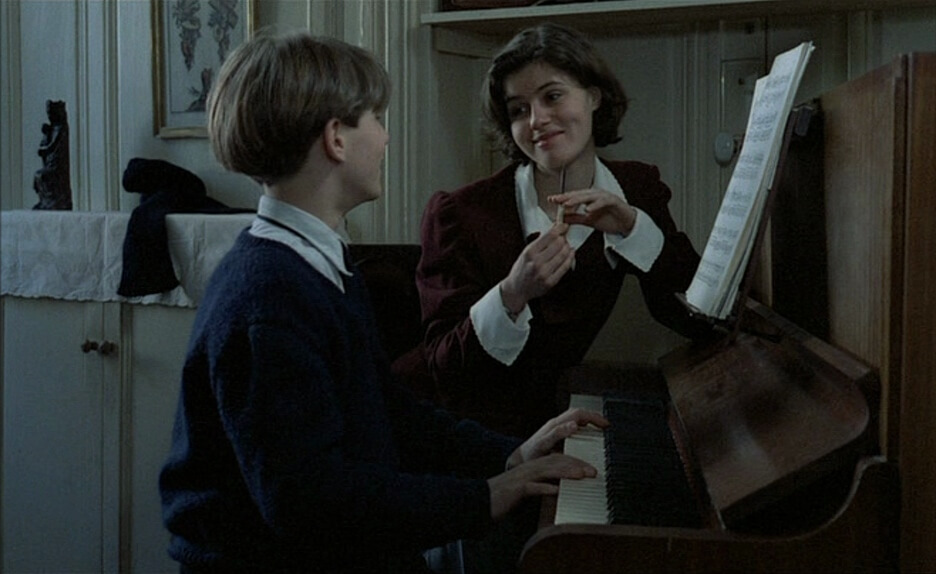
Julien is initially portrayed as a typical schoolboy, more concerned with games and schoolyard rivalries than the outside world. He harbors a deep attachment to his mother, who he misses dearly, and often struggles with feelings of loneliness and homesickness. However, his relatively carefree existence begins to change with the arrival of a new student, Jean Bonnet (played by Raphaël Fejtö).

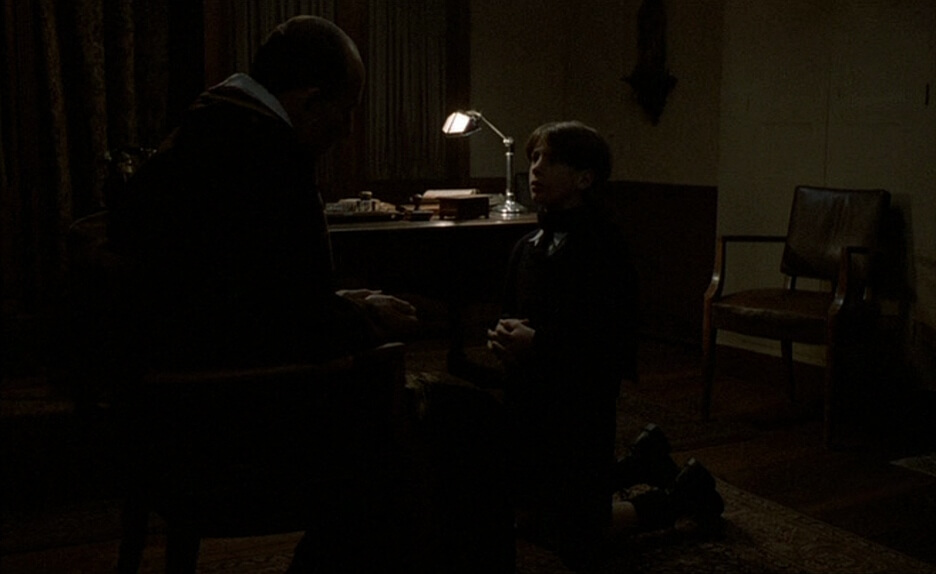
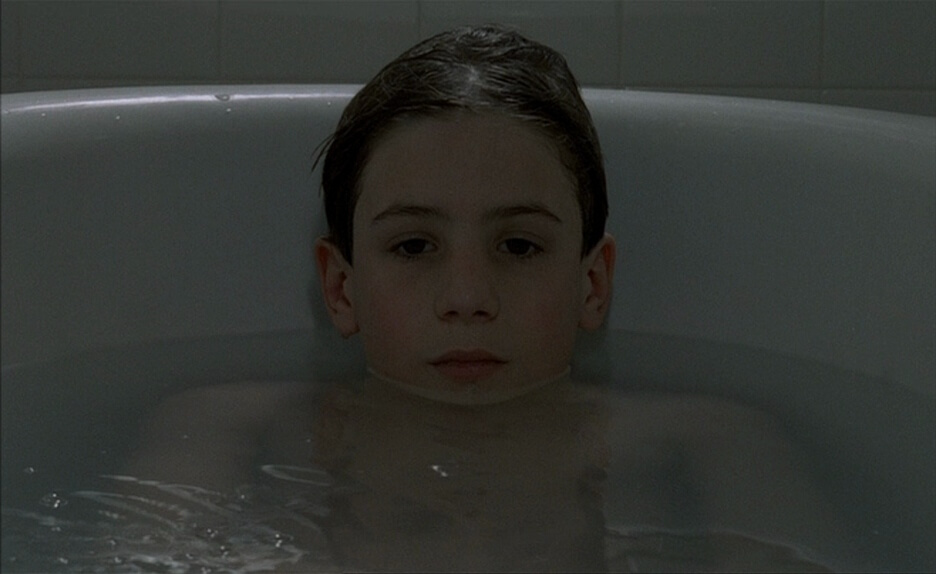
Jean is quiet, reserved, and stands apart from the other boys. He is introduced as a new student who is brilliant in mathematics and music but keeps to himself, avoiding the usual childhood antics that bond the other boys together. Julien, initially jealous and suspicious of Jean, gradually becomes curious about him.
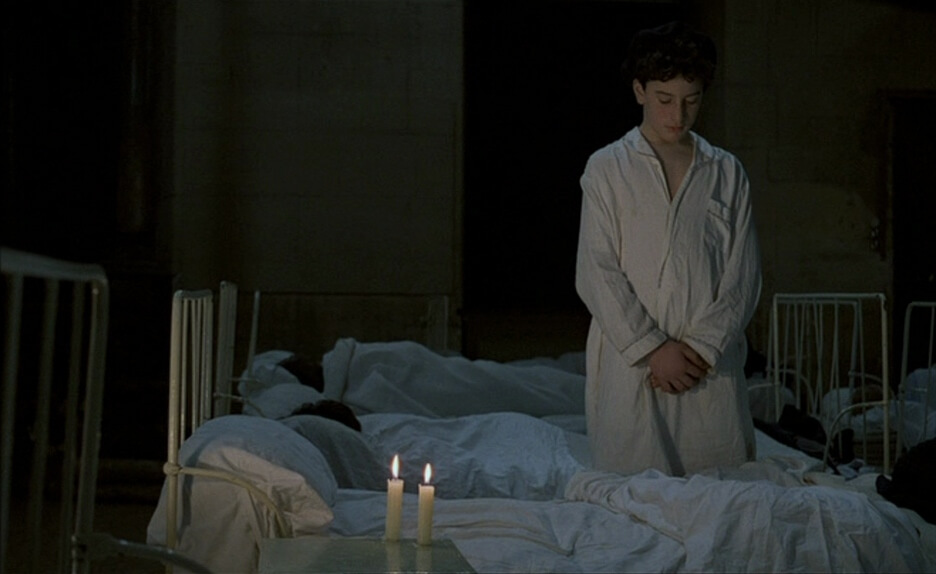


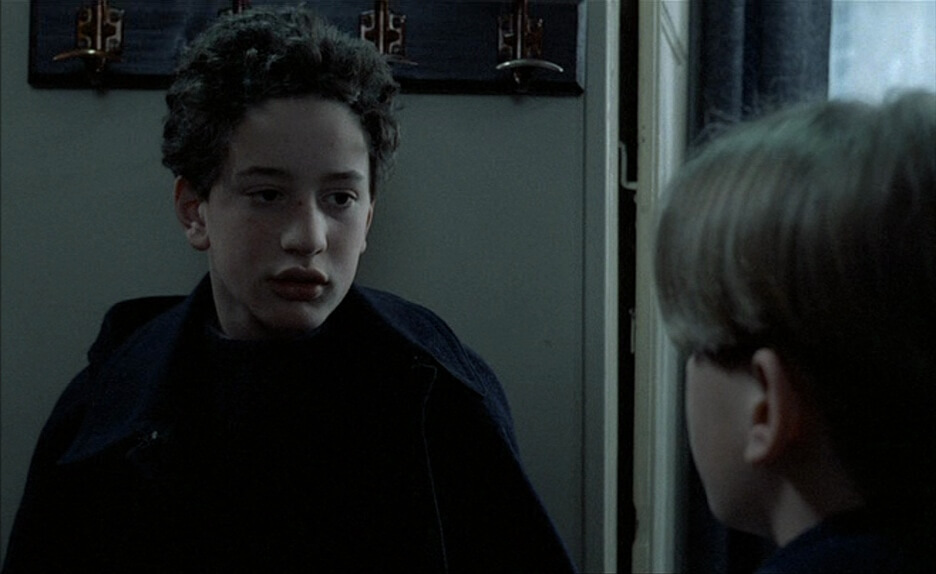

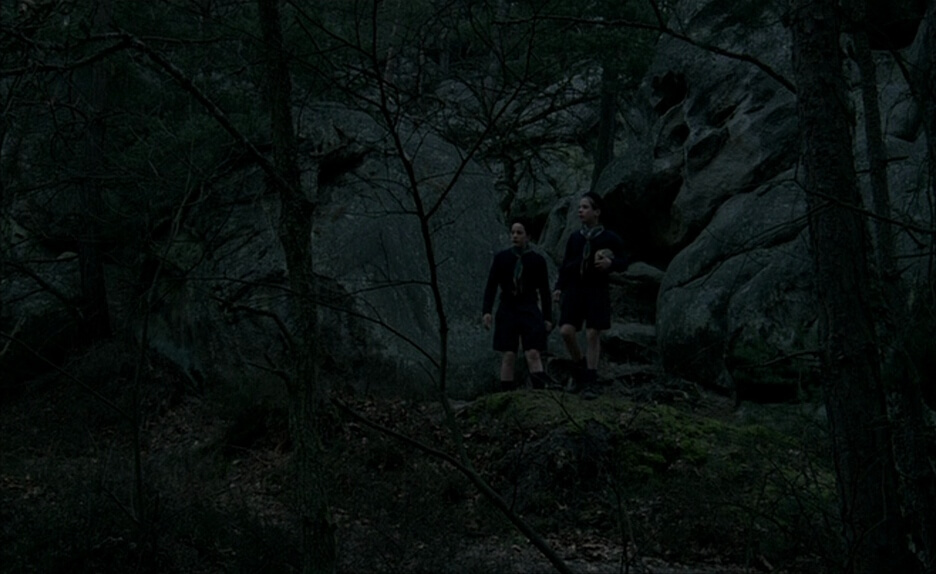
As time passes, Julien and Jean form an unlikely friendship. Julien learns that Jean is actually Jewish and that his real name is Jean Kippelstein. He has been sent to the school by his parents, who have gone into hiding in the hope that he will be safe from the Nazis. The school’s headmaster, Père Jean (played by Philippe Morier-Genoud), is secretly harboring Jean and two other Jewish boys under false identities to protect them from the ongoing persecution.

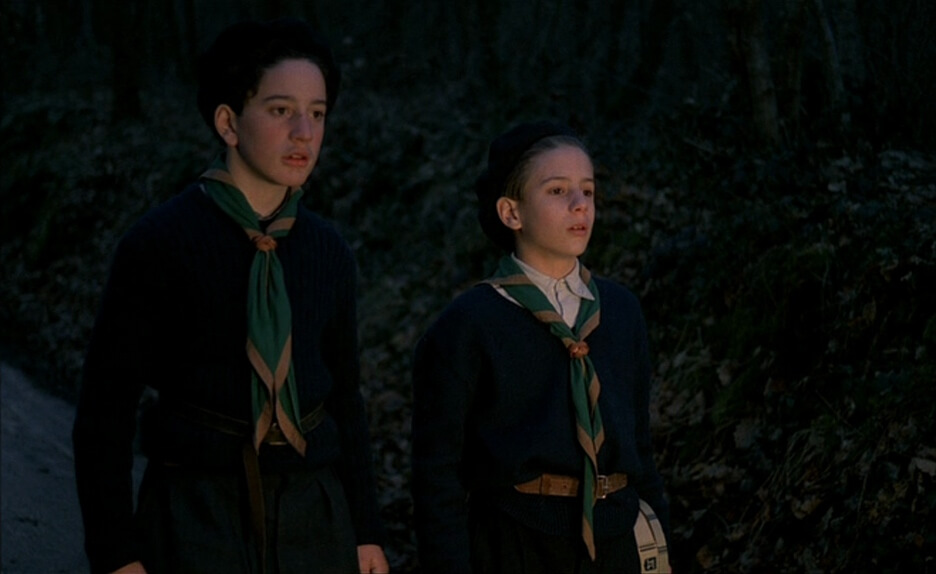

The boys’ friendship deepens as they share secrets, play games, and discuss their fears and dreams. Despite the horrors of the outside world, the school provides a temporary haven where innocence can flourish. However, the harsh realities of the war are never far away, and the boys’ world is disrupted by the presence of German soldiers and the threat of collaborators.


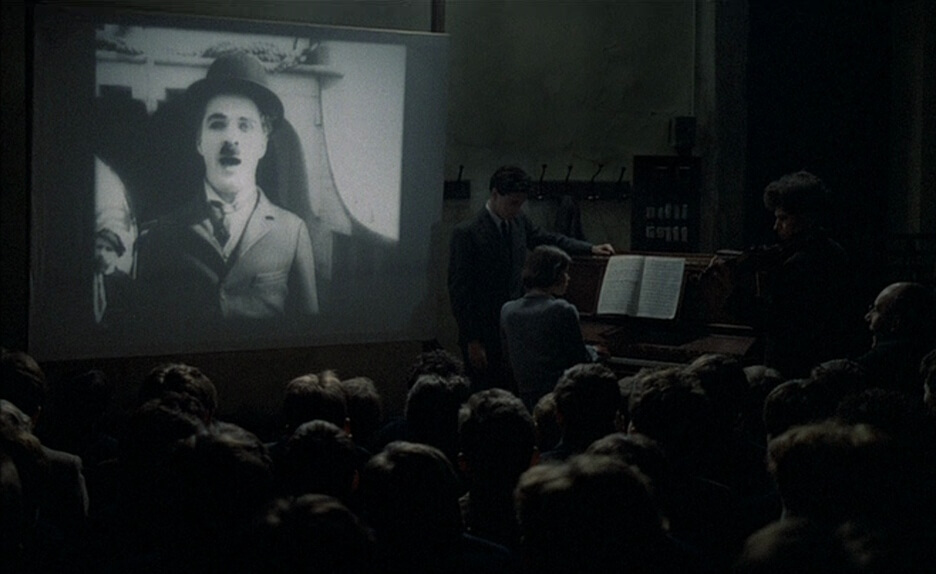
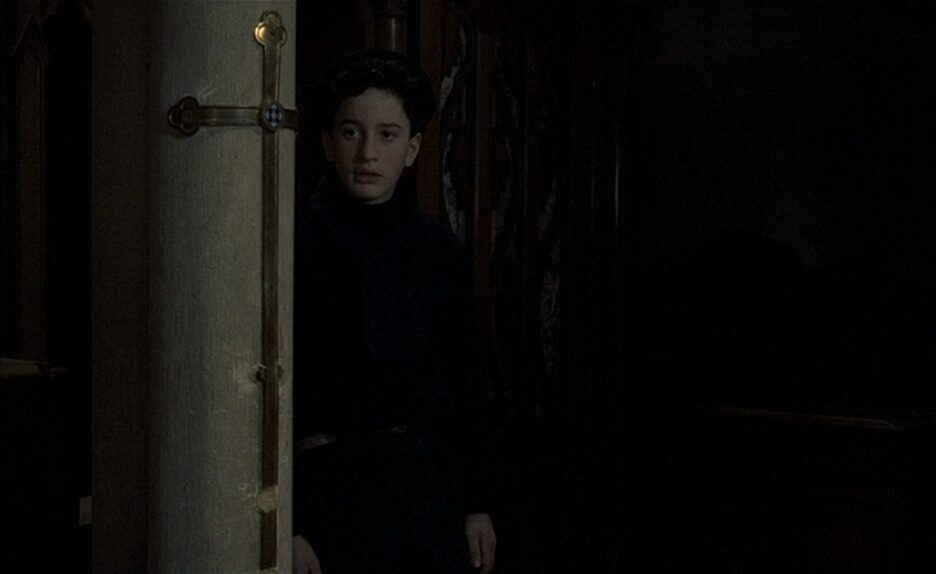
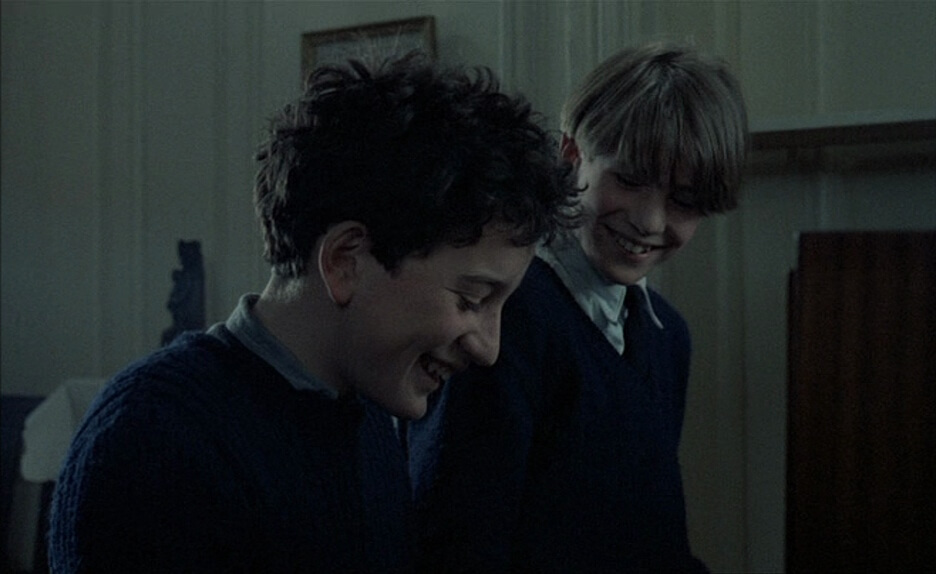

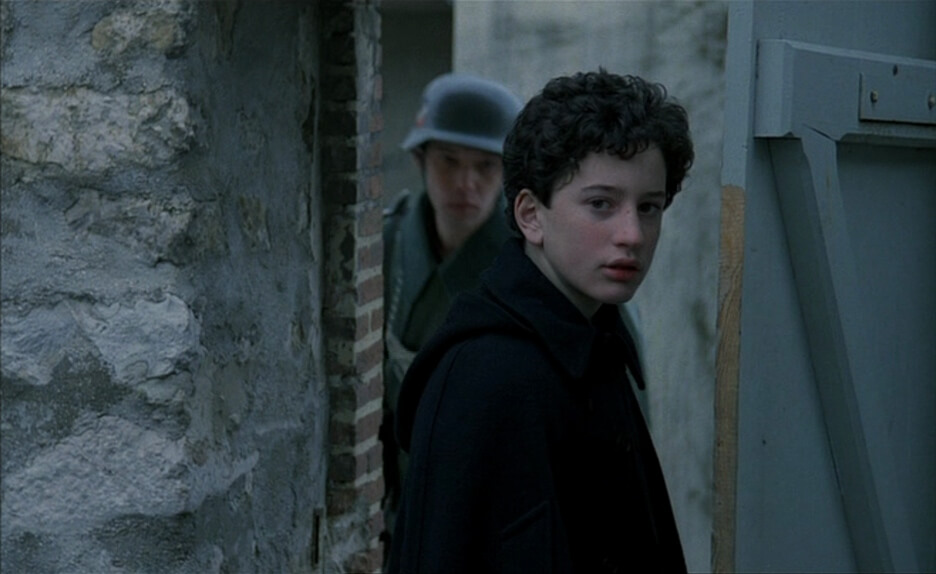
The tension reaches its peak when Joseph (played by François Négret), a kitchen helper at the school who has been caught stealing, is fired. Angry and seeking revenge, Joseph betrays the school to the Gestapo, revealing that it is hiding Jewish children. In a heartbreaking scene, German soldiers arrive at the school and round up Jean, the other Jewish boys, and Père Jean, who is arrested for aiding them.

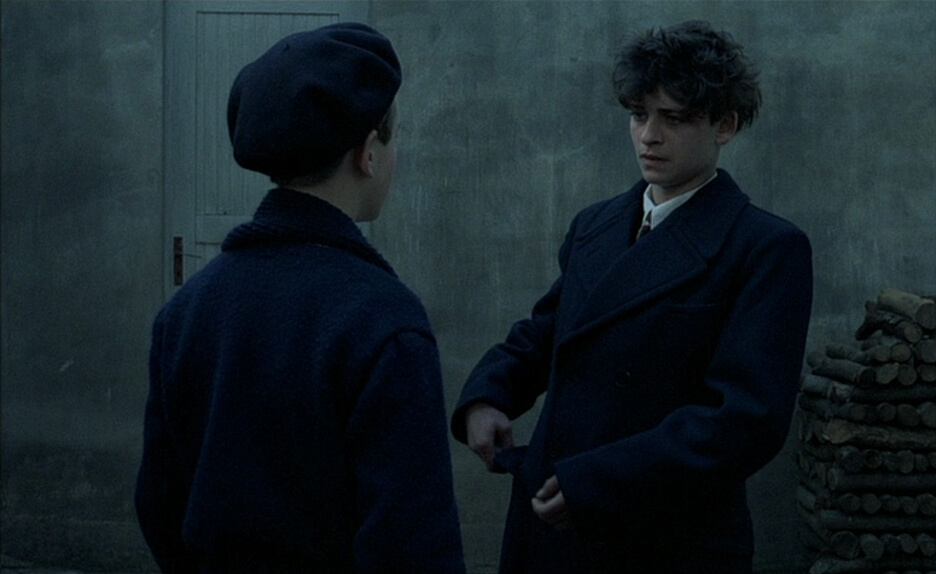
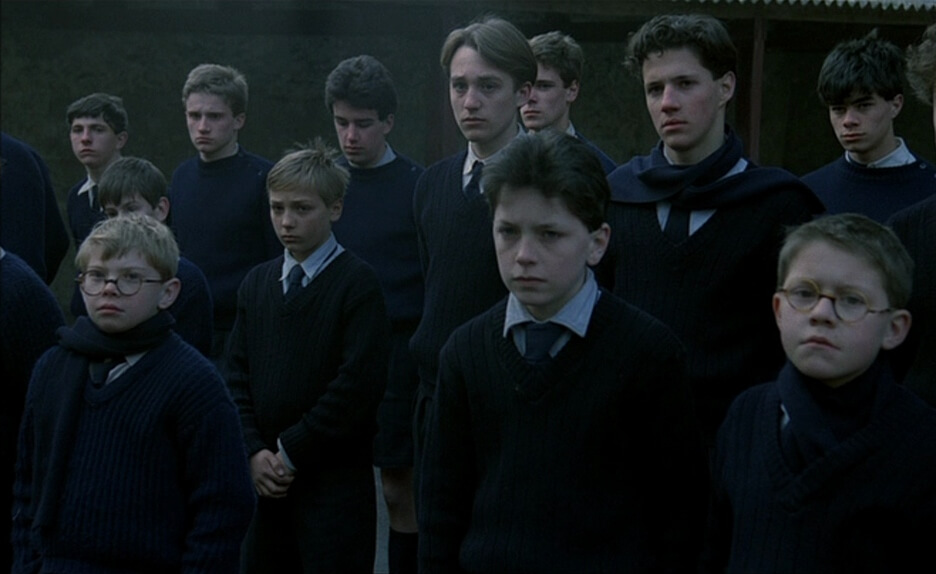
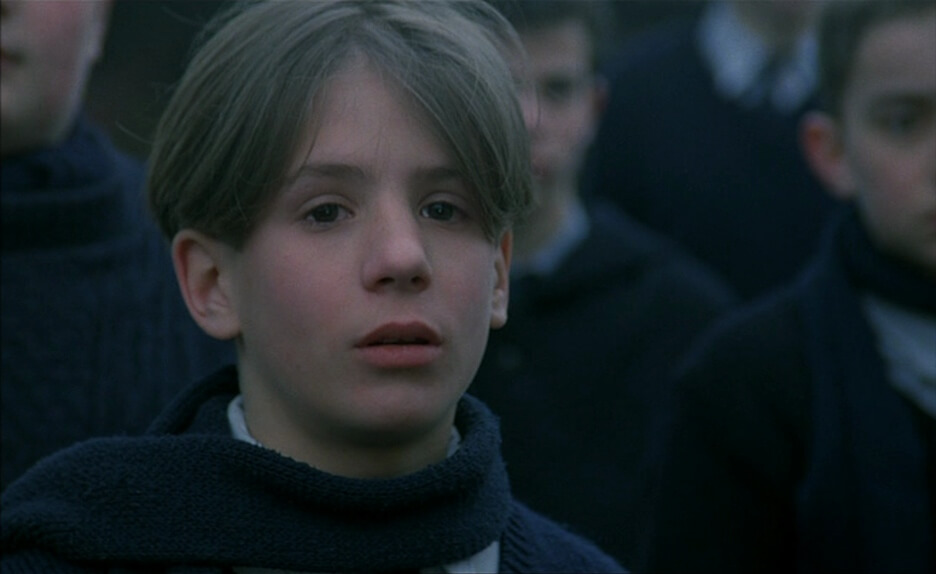
The film’s final moments are marked by profound sadness as the boys, including Julien, are forced to say goodbye to Jean. The title “Au Revoir les Enfants” (“Goodbye, Children”) reflects this final farewell, as Julien watches helplessly while his friend is taken away, aware that he will likely never see him again. The closing scenes show Père Jean being led away by the Gestapo, urging the remaining students to “pray for them” as the boys watch in silence.
The film ends with an epilogue, narrated by an adult, Julien, who reflects on the events that transpired and their impact on his life. He reveals that Jean, the other Jewish boys, and Père Jean all died in concentration camps and that these tragic events marked the end of his childhood innocence.
“Au Revoir les Enfants” is a powerful and moving film that addresses themes of innocence, betrayal, and the devastating impact of war on Children. Louis Malle’s connection to the story infuses the film with authenticity and emotional depth. The performances capture the complexities of childhood friendship and the loss of innocence.
 The Other Cinema