
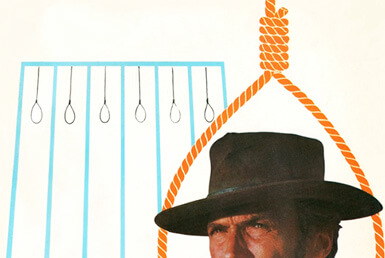

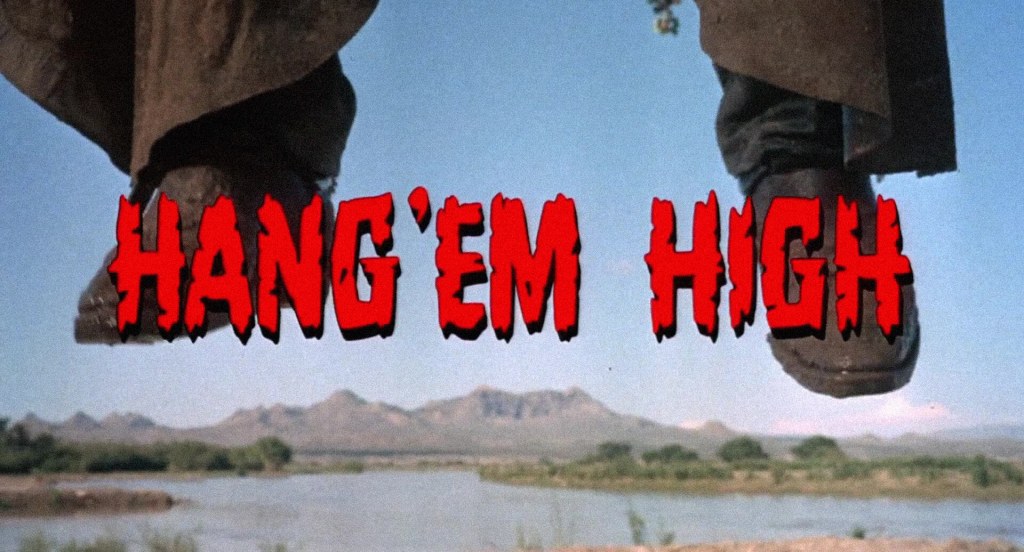
“Hang’ Em High” is a 1968 American Western film directed by Ted Post and starring Clint Eastwood in one of his iconic roles as a former lawman turned avenger. The film is a gritty, tense exploration of justice, revenge, and the moral complexities of the American frontier.
The film opens with Jed Cooper (played by Clint Eastwood), a former lawman, quietly driving a herd of cattle across the rugged landscape of the Oklahoma Territory in 1889. Jed has recently purchased the cattle and is on his way to his new ranch. However, his peaceful journey is abruptly interrupted when a posse of nine men led by Captain Wilson (played by Ed Begley) rides up and accuses him of cattle rustling and murder. The men find a bill of sale on Jed, but they dismiss it as a forgery and decide to hang him on the spot.
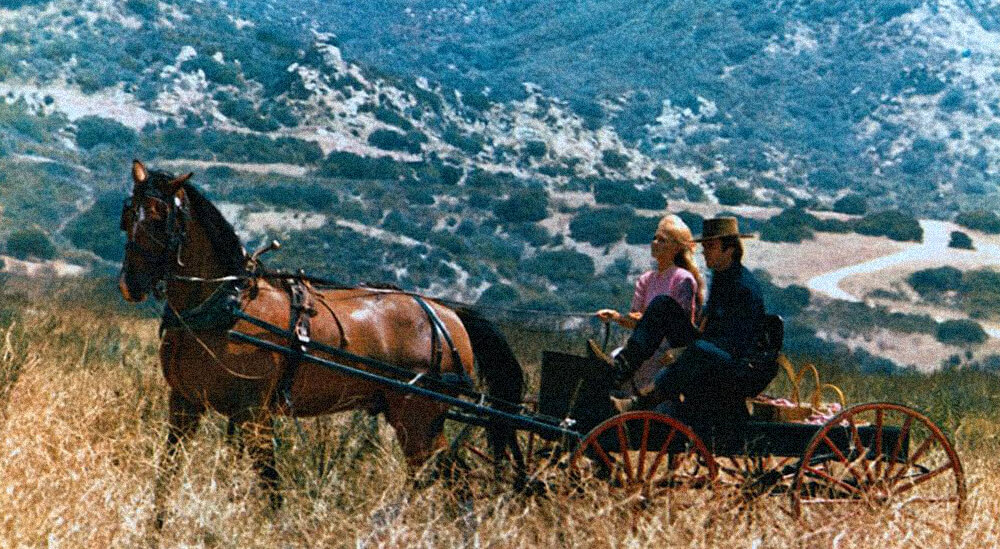


Jed is hanged and left for dead, but by sheer luck, a passing U.S. Marshal named Dave Bliss (played by Ben Johnson) cuts him down just in time. Though gravely injured, Jed survives the ordeal. Bliss takes him to Fort Grant, where he is cleared of the false charges by Judge Adam Fenton (played by Pat Hingle), a stern but fair judge who runs the town with an iron fist.
Judge Fenton offers Jed the opportunity to become a marshal, giving him the authority to legally hunt down the members of the lynch mob who tried to kill him. Fueled by a desire for justice—and a thirst for revenge—Jed accepts the badge and sets out to bring the men responsible to justice.

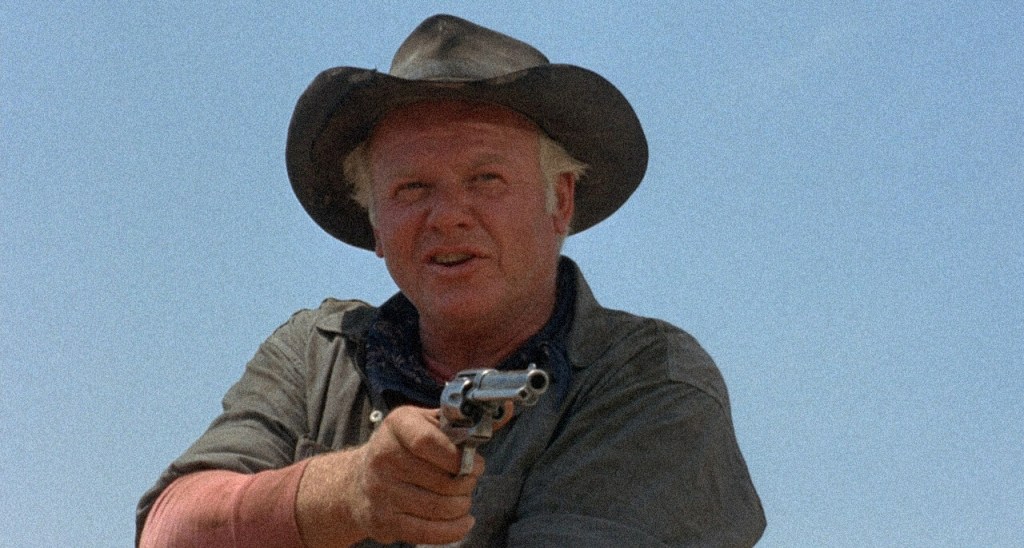
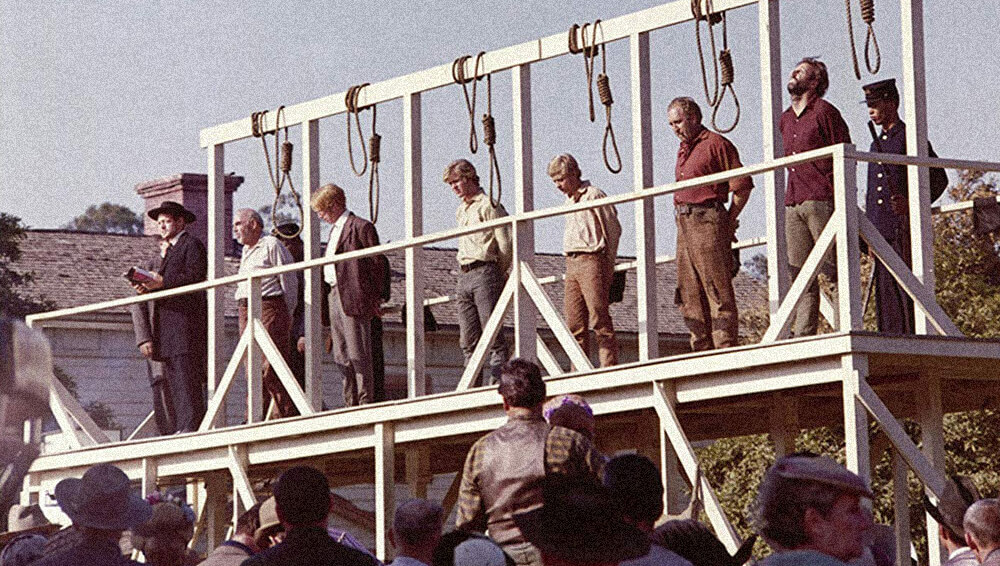
As Jed tracks down the members of the posse one by one, the film explores the complexities of frontier justice. Some of the men, like Reno (played by Joseph Sirola), are unrepentant criminals who deserve their fate, while others, such as Miller (played by Bruce Dern), are more sympathetic, having been misled or pressured into participating in the lynching.

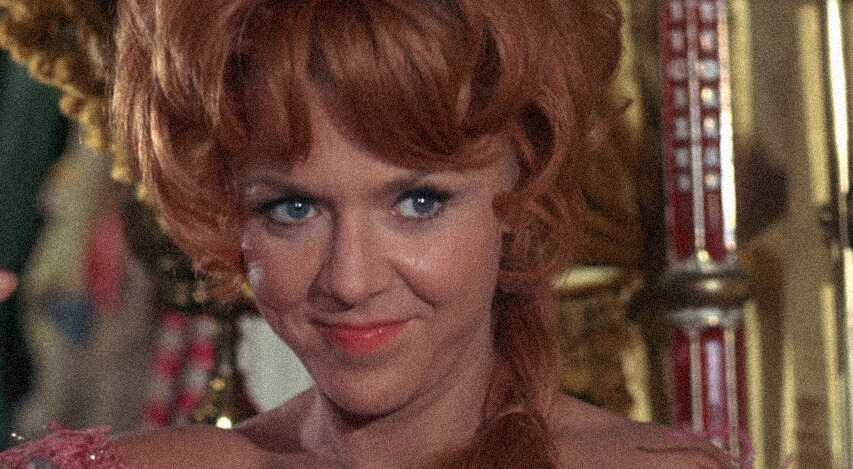

During his quest, Jed encounters several characters who complicate his mission. One is Rachel Warren (played by Inger Stevens), a local woman with a tragic past and her reasons for seeking revenge against outlaws. Rachel and Jed develop a bond, though Jed remains focused on his pursuit of the lynch mob.


Jed’s journey ultimately leads him back to Captain Wilson, the posse leader, who now holds a position of power in the town. In a climactic confrontation, Jed captures Wilson and brings him to justice, refusing to kill him in cold blood despite his thirst for revenge.
The film’s resolution underscores the themes of justice and morality. Jed, having brought all of the lynch mob to justice, returns to Judge Fenton to confront the reality of what he’s done. Fenton, a representation of law and order in the chaotic frontier, congratulates Jed on his success but warns him about the dangers of allowing personal vengeance to overshadow the law.


The final scenes show Jed walking away, his mission complete, but his soul is still burdened by the violence and death that he has experienced. The film has an ambiguous ending, as Jed rides off into the distance, a man who has been both a victim and an executor of frontier justice.
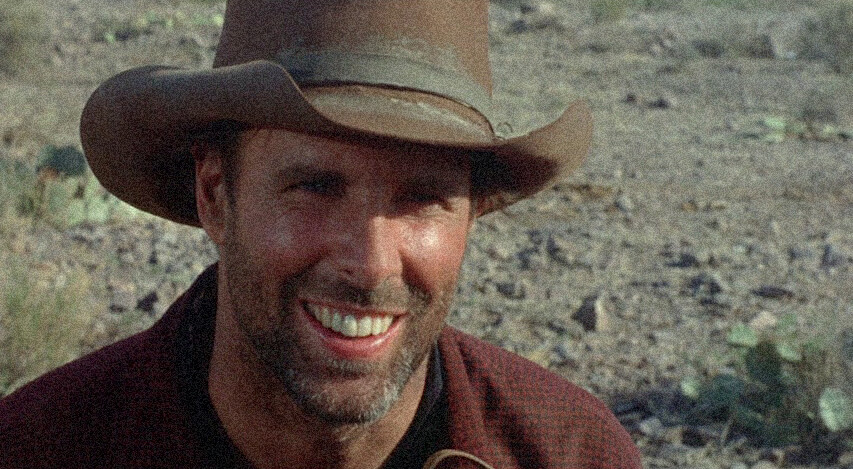
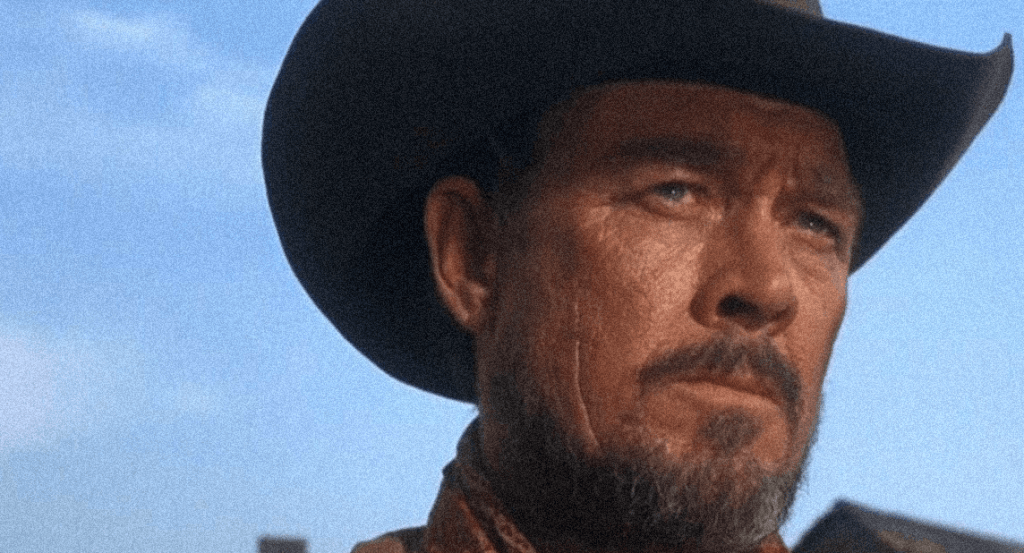

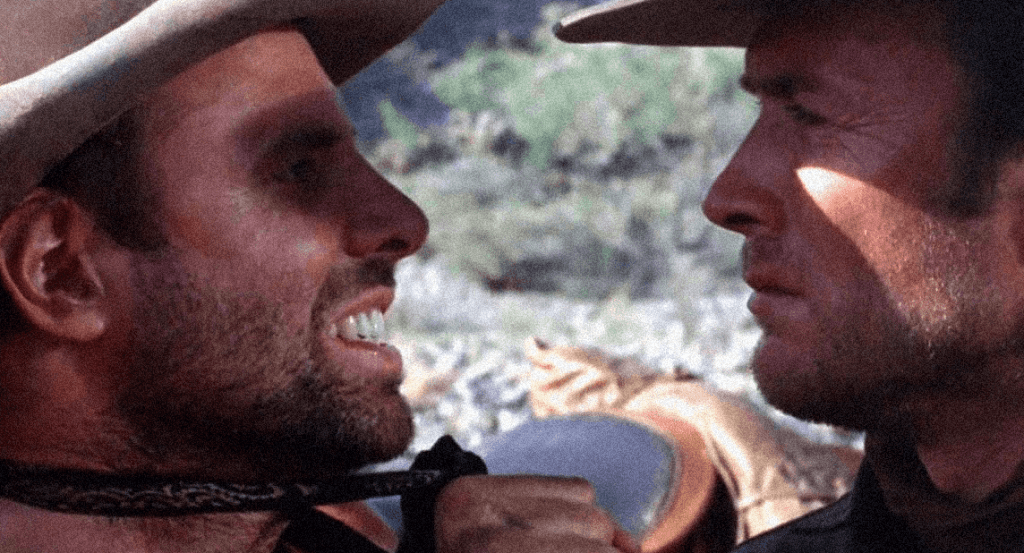

“Hang ‘Em High” was Clint Eastwood’s first American Western after achieving fame with Sergio Leone’s “Dollars Trilogy” in Italy. The film was produced by Eastwood’s production company, Malpaso Productions, marking his shift into producing and cementing his status as a leading figure in Hollywood. Ted Post, who had previously directed Eastwood in episodes of the television series “Rawhide,” brought a gritty realism to the film, which combines the moral ambiguity of the classic Western with the harsher, more violent style of the Spaghetti Westerns that had made Eastwood famous.
The film was a commercial success and helped to establish Eastwood’s enduring image as a formidable, no-nonsense figure of frontier justice. It also stands out for exploring the blurred lines between justice and revenge, themes recurring in many of Eastwood’s later works.

 The Other Cinema