
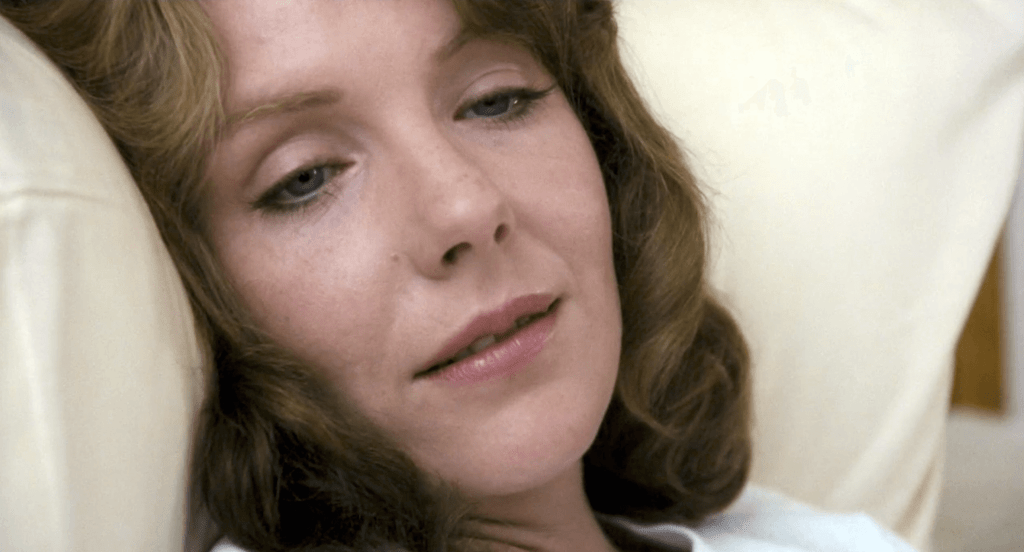
“An Unmarried Woman” is a 1978 American drama film directed by Paul Mazursky. It is an emotionally resonant exploration of love, loss, and personal growth centered around a woman’s journey of self-discovery after her marriage unexpectedly falls apart. The film stars Jill Clayburgh in a career-defining role and is supported by Alan Bates and Michael Murphy.
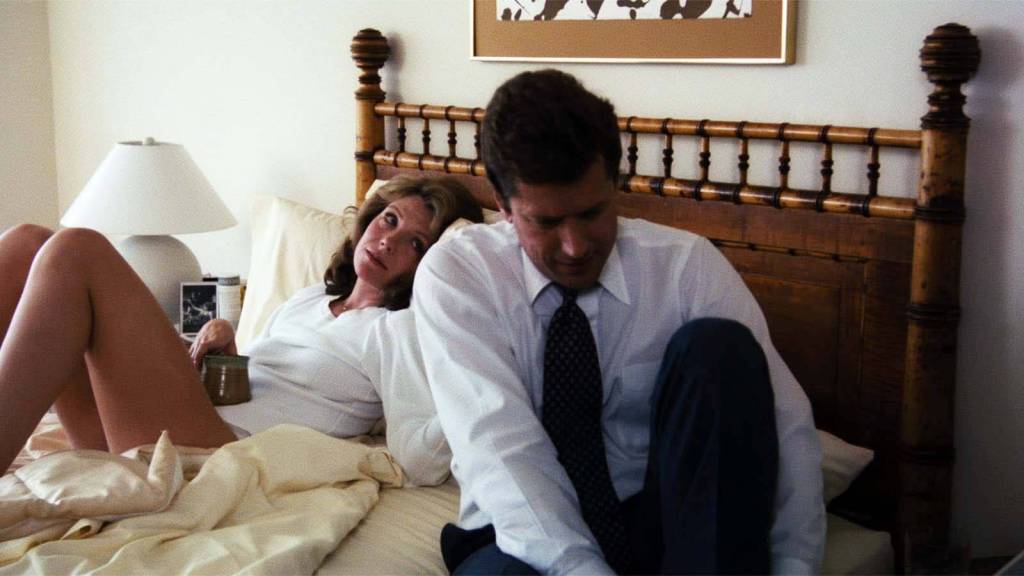




The story begins with Erica Benton (played by Jill Clayburgh), a vibrant and contented woman in her mid-thirties, living a seemingly perfect life in Manhattan. Erica is happily married to Martin Benton (played by Michael Murphy), a successful stockbroker, and together they have a teenage daughter named Patti (played by Lisa Lucas). Erica enjoys a comfortable and fulfilling life as a wife and mother, balancing her family responsibilities with her job at an art gallery.
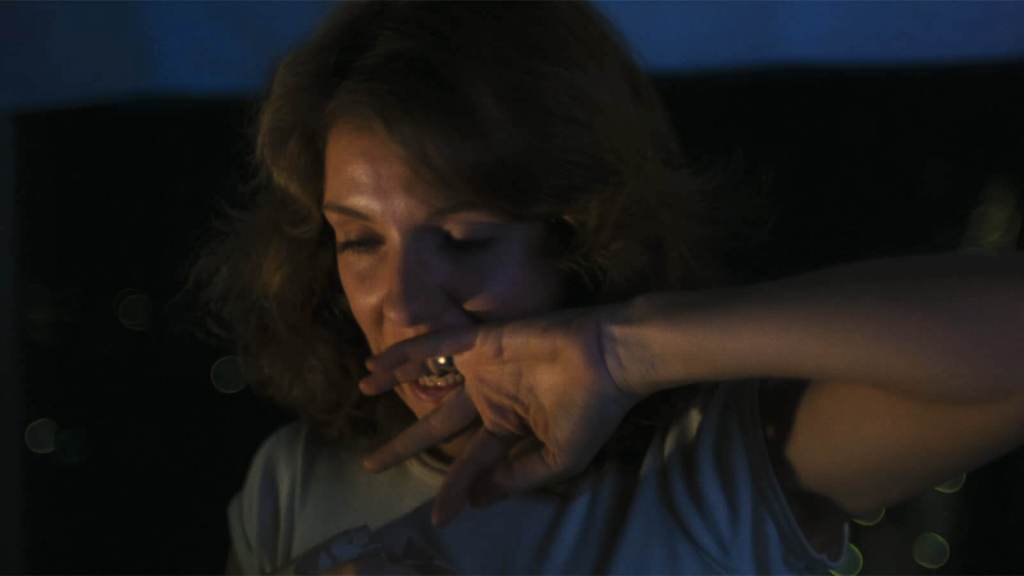
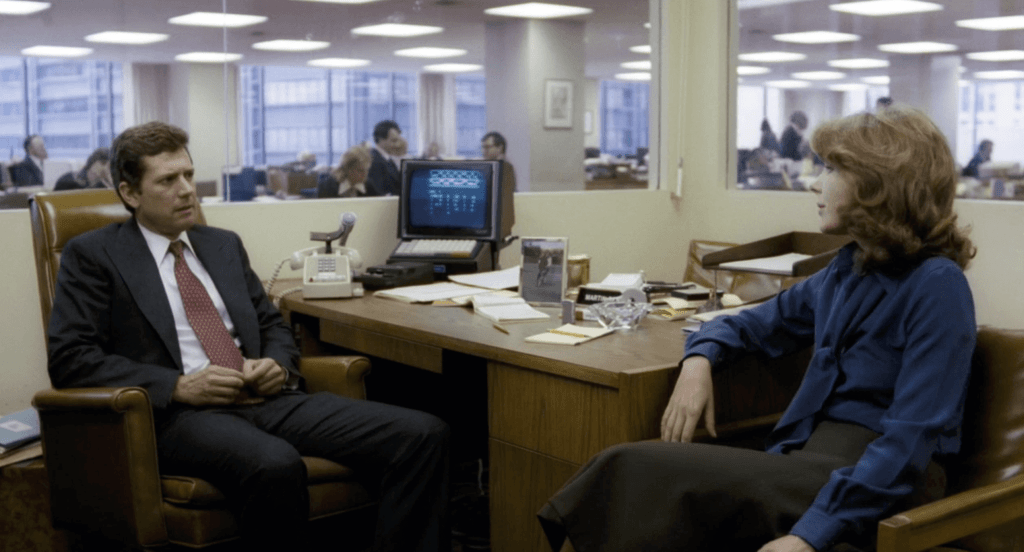
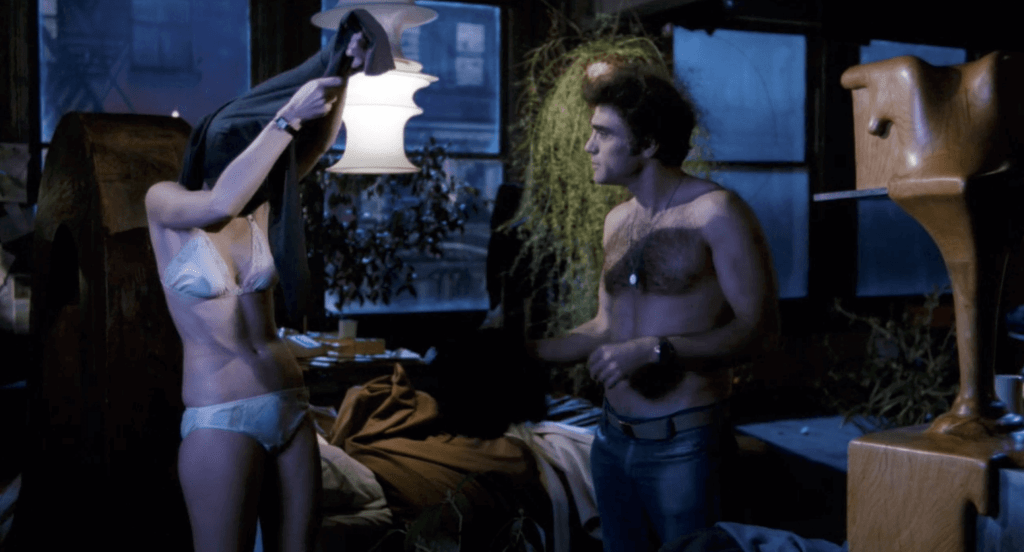


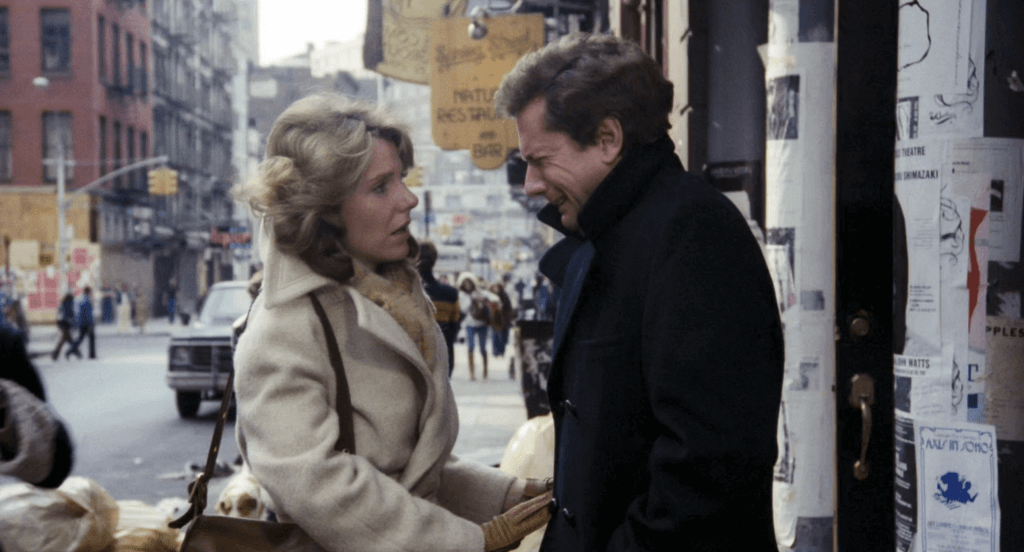
However, Erica’s world is turned upside down when Martin suddenly confesses that he has been having an affair with a younger woman and wants a divorce. The revelation is a shock to Erica, who had no inkling of her husband’s infidelity. Overwhelmed by anger, betrayal, and grief, Erica struggles to make sense of her new reality as an “unmarried woman.”


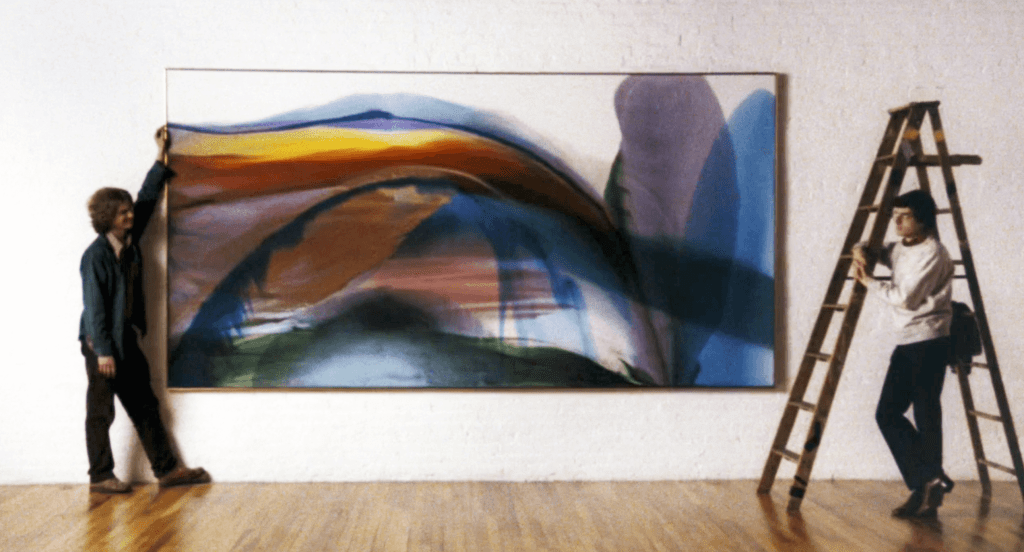
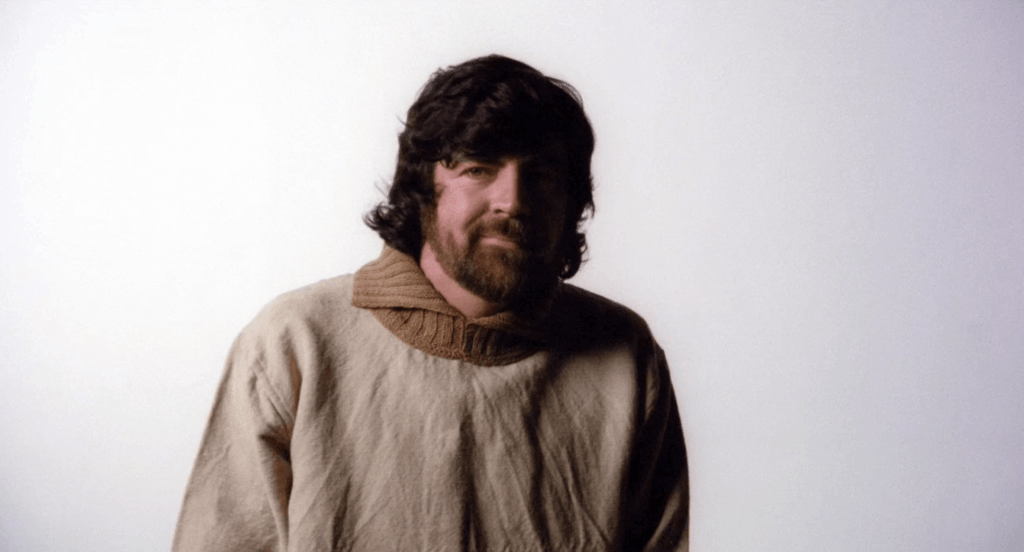
In the aftermath of the breakup, Erica goes through a period of deep emotional turmoil. She experiences the pain of separation, the loneliness of living without a partner, and the challenge of explaining the situation to Patti. Despite these hardships, Erica gradually begins to rebuild her life, seeking solace and support from her close-knit group of friends, who encourage her to embrace her independence.

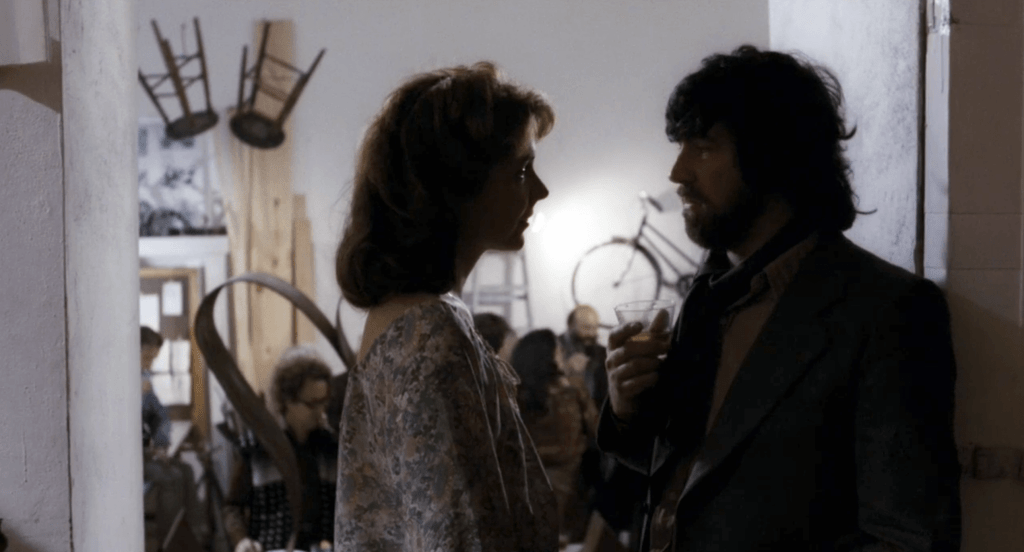

As Erica adjusts to her new life, she confronts the complexities of being single in a society that often defines women by their marital status. She navigates the dating scene with trepidation, going on awkward dates with men who patronize or objectify her. Through these experiences, Erica begins to rediscover herself, finding strength and resilience she never knew she had.
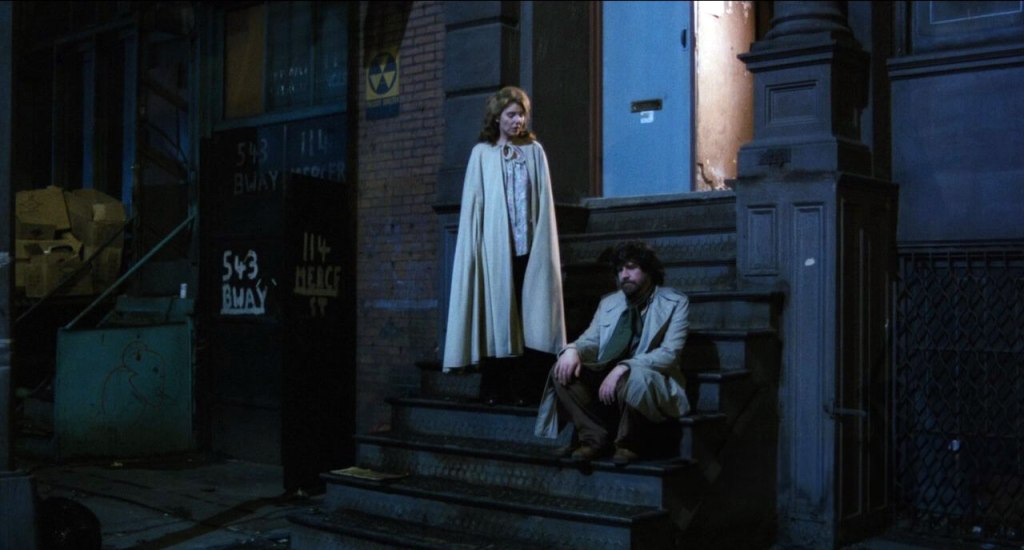
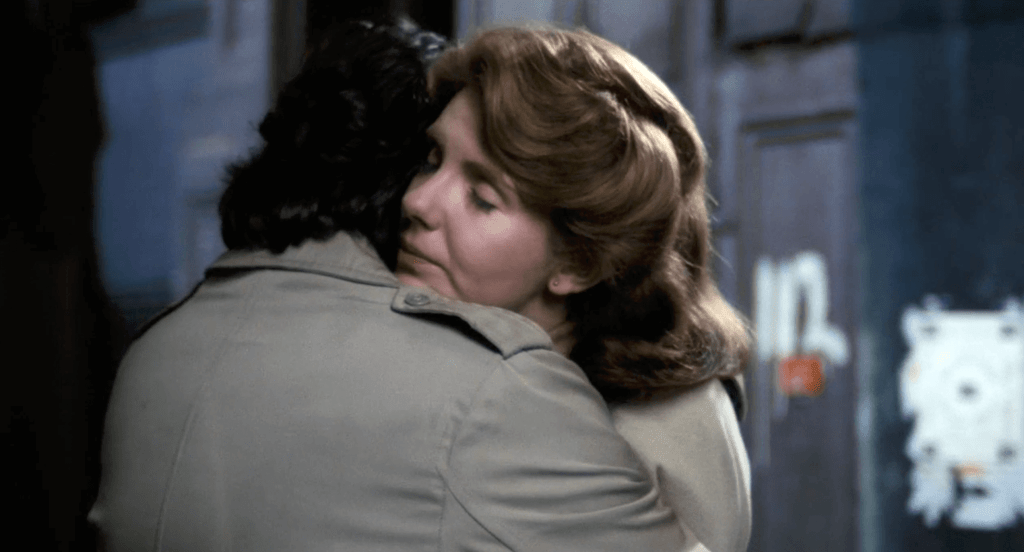

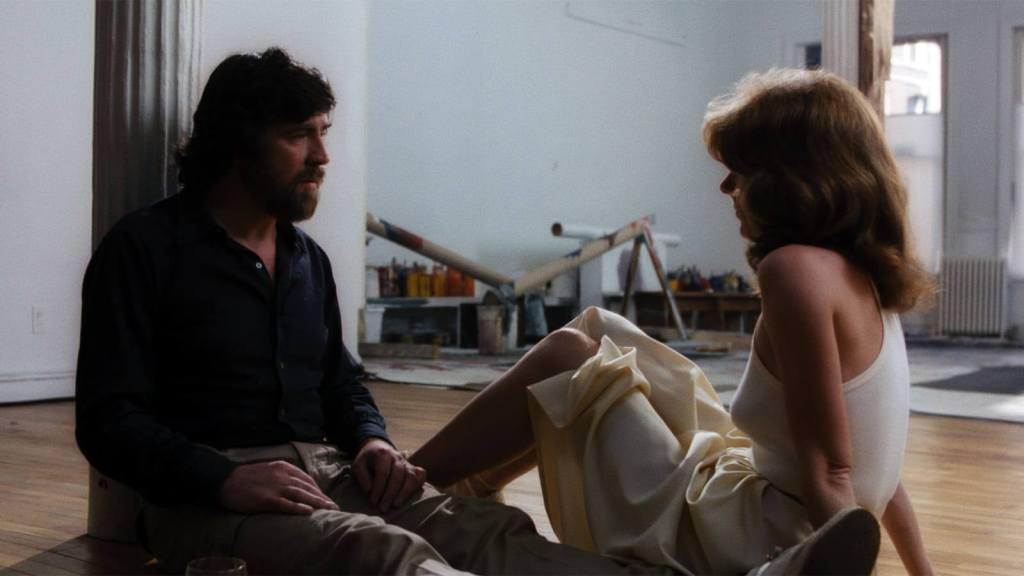
Erica’s journey of self-discovery takes a turn when she meets Saul Kaplan (played by Alan Bates), a charming and unconventional British artist. Saul is unlike anyone Erica has ever known—he is free-spirited, passionate about his work, and unconcerned with societal norms. The two begin a tentative romance, and Saul’s presence in her life helps Erica explore new dimensions of herself as a woman and an artist.
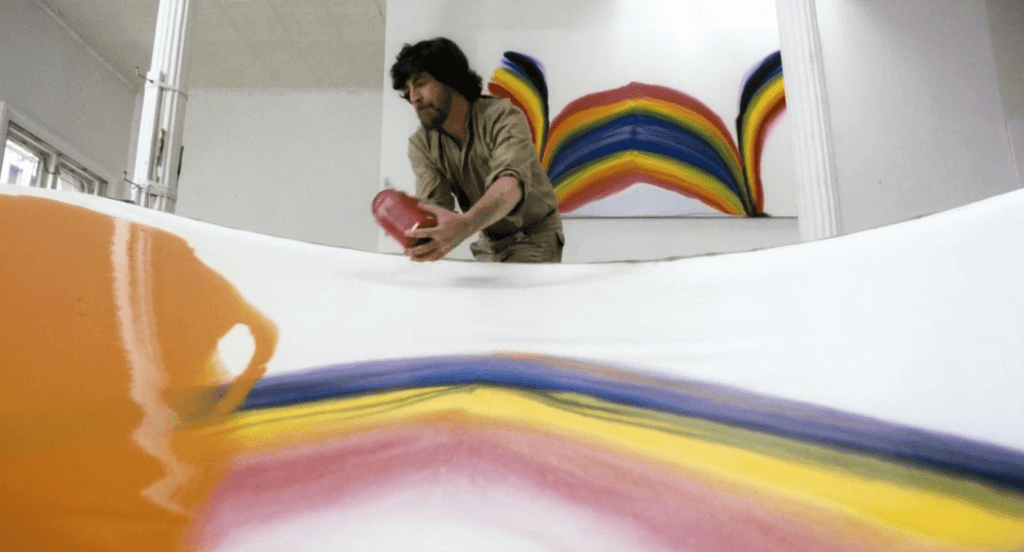

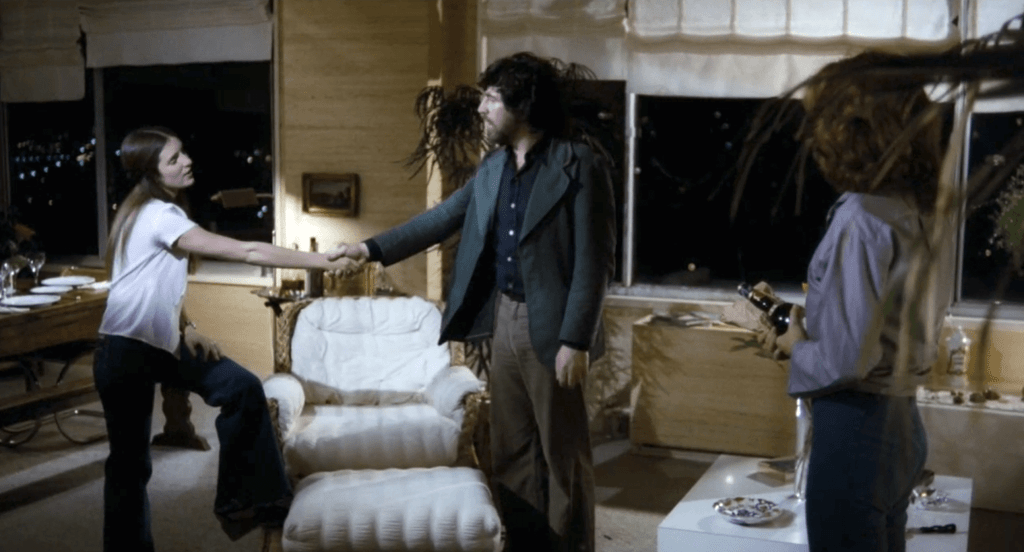
As their relationship deepens, Erica finds herself at a crossroads. While she is drawn to Saul’s freewheeling lifestyle and his ability to live in the moment, she also grapples with the fear of losing her newfound independence by committing to another man. Saul, for his part, is patient and understanding, encouraging Erica to pursue her own path, whatever that may be.
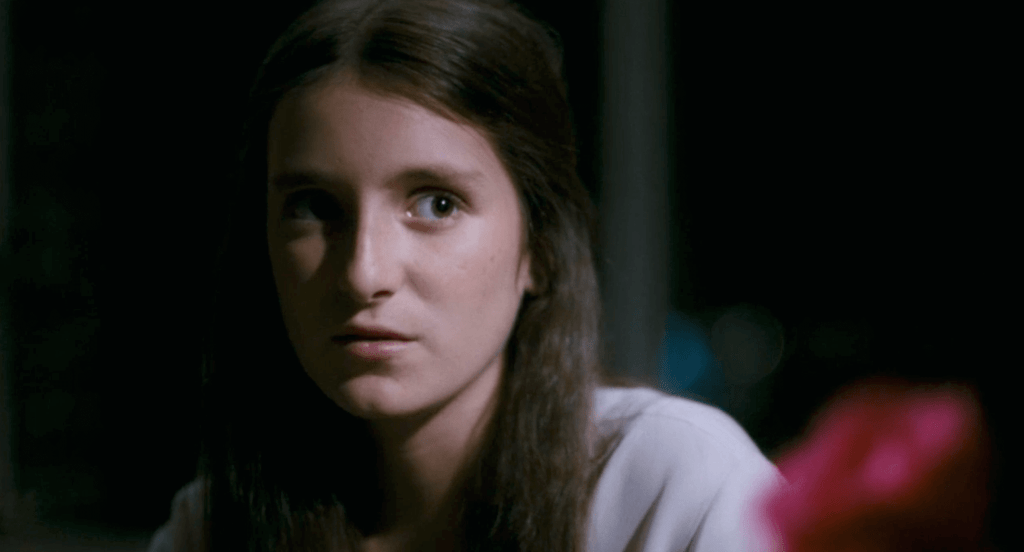
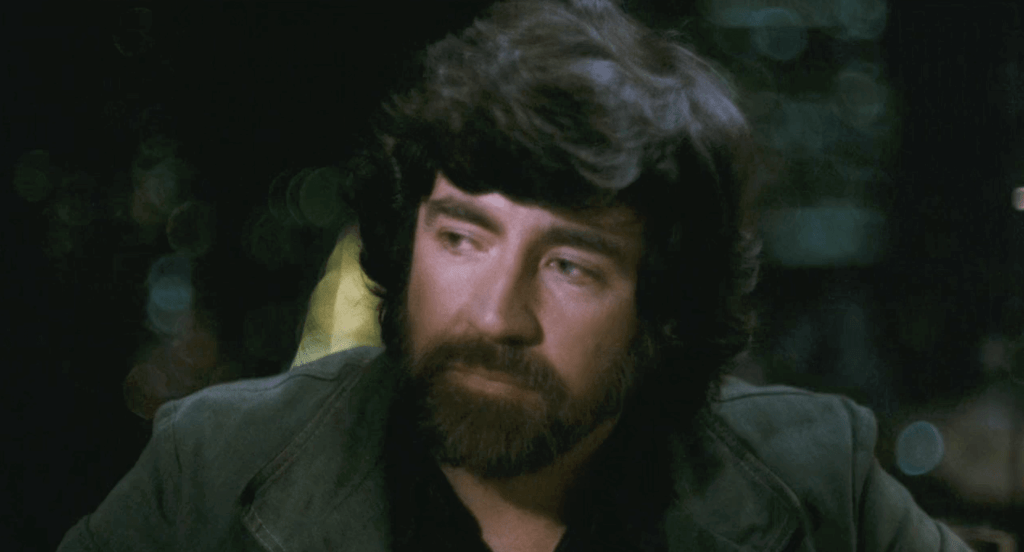



In the film’s climax, Erica faces a defining moment when Martin, now regretful and lonely, attempts to reconcile with her. However, Erica, who has grown significantly since the end of their marriage, realizes that returning to her old life would mean sacrificing the independence and self-worth she has fought so hard to regain. She chooses to continue on her journey alone but on her own terms, rejecting the idea that her identity is tied to being someone’s wife.


“An Unmarried Woman” is celebrated for its authentic portrayal of a woman’s emotional journey following a devastating breakup, a theme that resonated strongly with audiences in the 1970s. Jill Clayburgh’s performance was widely praised, earning her an Academy Award nomination for Best Actress.