




“Withnail and I” is a 1987 British black comedy film written and directed by Bruce Robinson. It is a darkly comedic portrayal of two struggling actors who embark on a chaotic, booze-fueled holiday in the English countryside. Starring Richard E. Grant as the flamboyant Withnail and Paul McGann as the more reserved “I” (whose name is revealed to be Marwood), the film has become a cult classic for its witty dialogue, memorable performances and bleak yet humorous depiction of friendship and disillusionment.




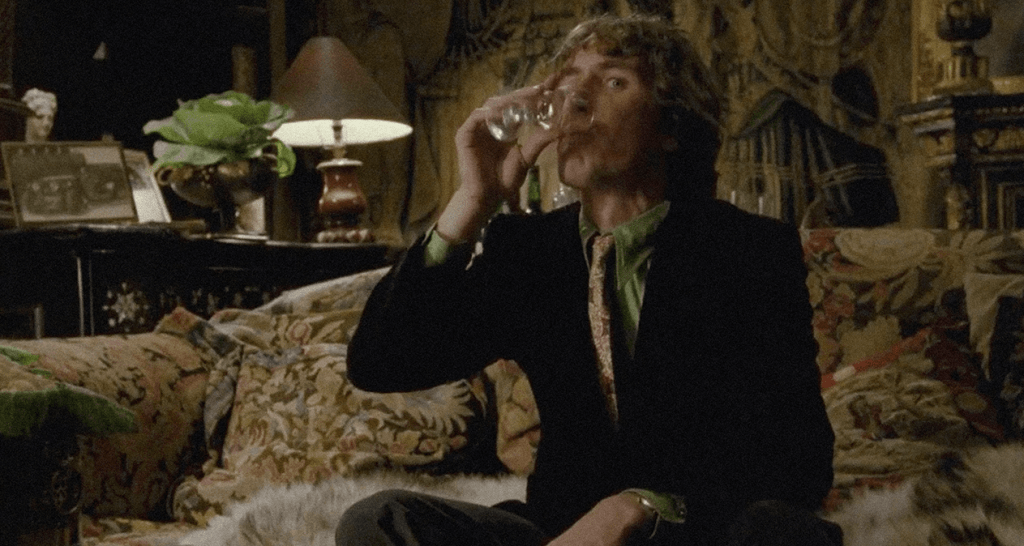
The film is set in London in 1969 and follows two out-of-work actors, Withnail (played by Richard E. Grant) and Marwood (played by Paul McGann), who live in squalor in a dilapidated Camden townhouse. Withnail is a flamboyant, neurotic, and perpetually inebriated character, while Marwood, the film’s narrator, is more introspective and anxious, struggling to make sense of his life and career. The two friends spend their days drinking heavily, taking drugs, and lamenting their lack of success and direction.



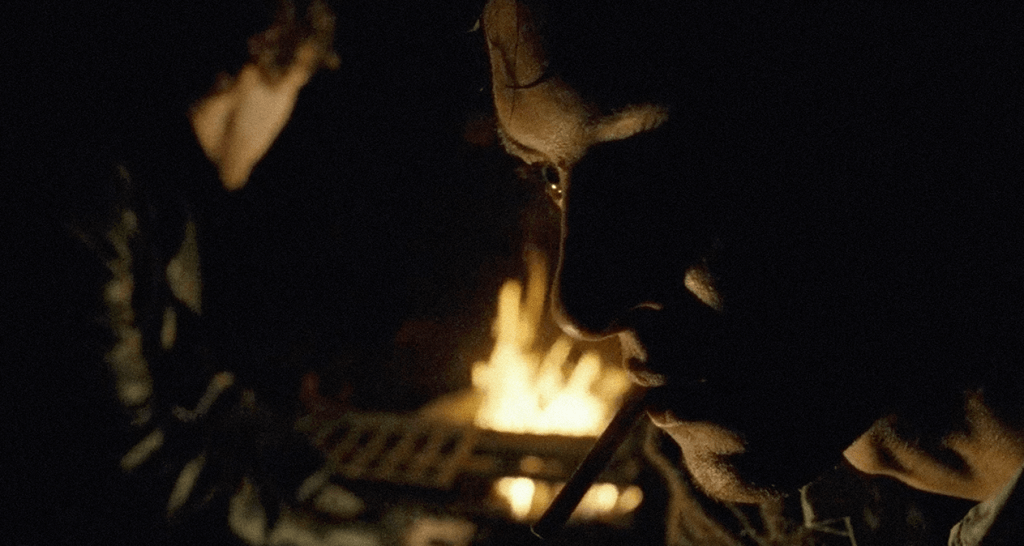

Feeling increasingly desperate and trapped in their grim London existence, Withnail proposes they escape to the countryside for a restorative holiday. He persuades Marwood to join him on a trip to the Lake District, where they can stay at the country cottage owned by Withnail’s wealthy and eccentric Uncle Monty (played by Richard Griffiths).
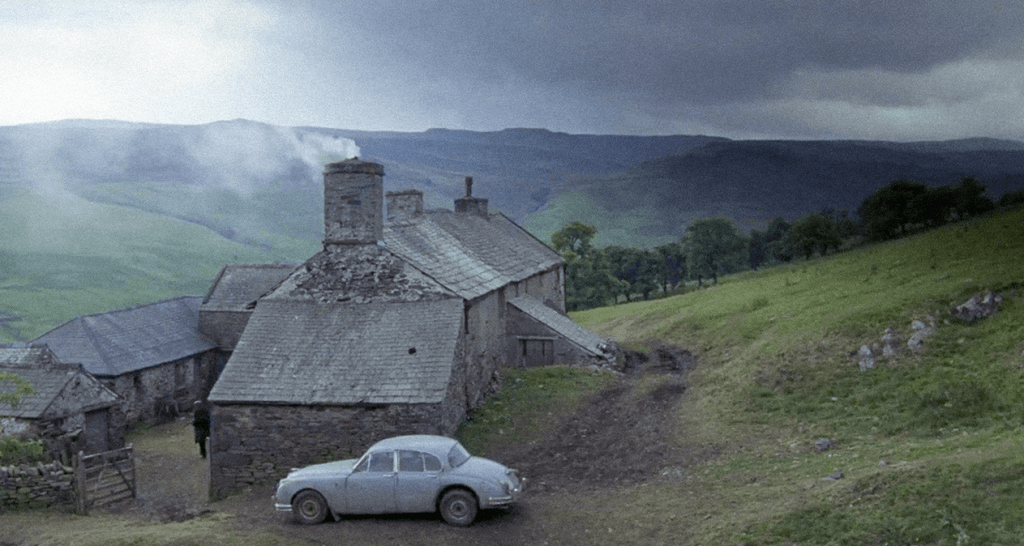
The journey to the countryside is chaotic from the start. They borrow a beat-up car and drive to the remote, run-down cottage through the rain. Upon arrival, they find the cottage is cold, damp, and devoid of the comforts they had imagined. The idyllic rural retreat turns out to be far from the escape they had hoped for, as they are ill-prepared for the harsh realities of country life. The weather is bleak, and they struggle to find food, heat, and shelter.

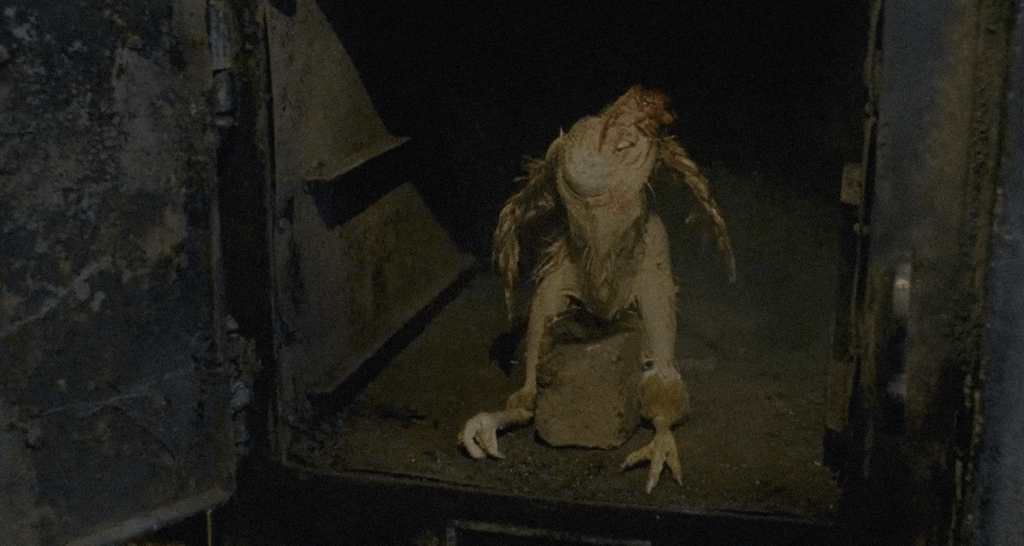



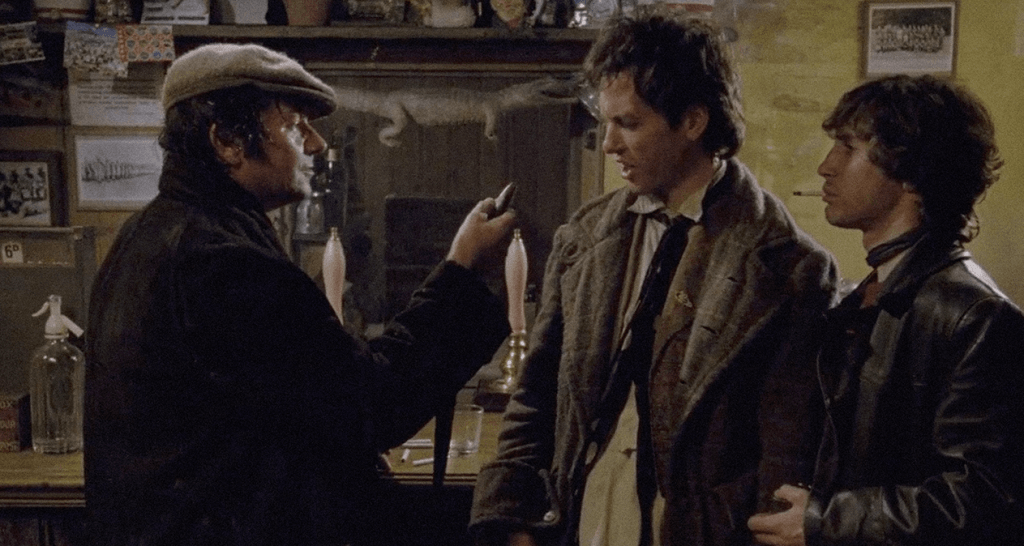
Despite the miserable conditions, the trip takes a bizarre turn when Uncle Monty unexpectedly arrives at the cottage. Monty, an aging homosexual with a penchant for theatrics, is immediately taken with Marwood, mistakenly believing him to be gay. His advances create a tense and uncomfortable dynamic, particularly for Marwood, who tries to avoid Monty’s increasingly overt attempts at seduction. Meanwhile, Withnail is oblivious and absorbed in his self-pity and drunken rants.


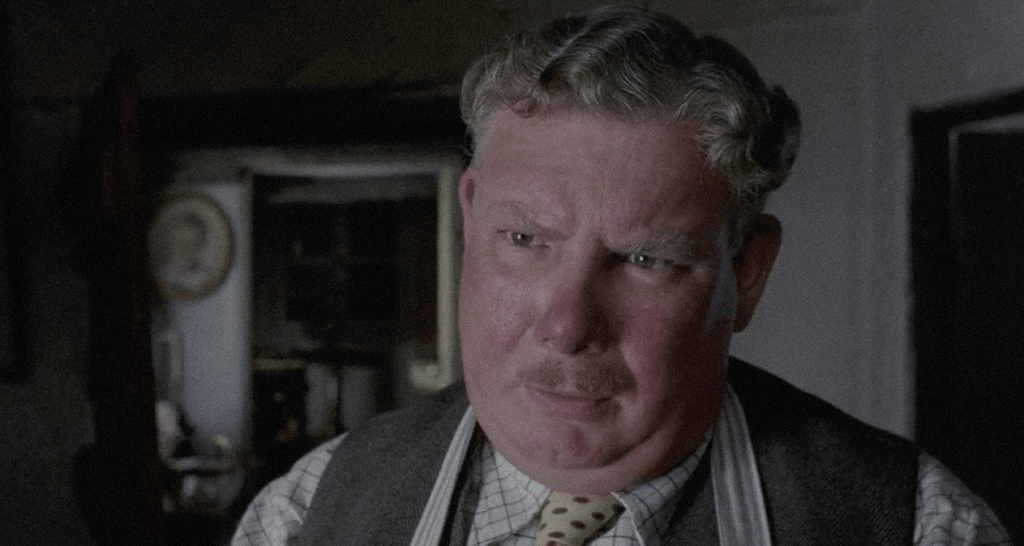
As the days drag on, Withnail and Marwood’s friendship is tested by their situation’s mounting discomforts and absurdities. Withnail, unable to cope with the harsh realities of the countryside, becomes more erratic and desperate, drinking even more heavily and spiraling into self-destruction. On the other hand, Marwood begins to realize that their bohemian lifestyle, once seen as a rebellious alternative to mainstream society, is unsustainable and that he must make a change.



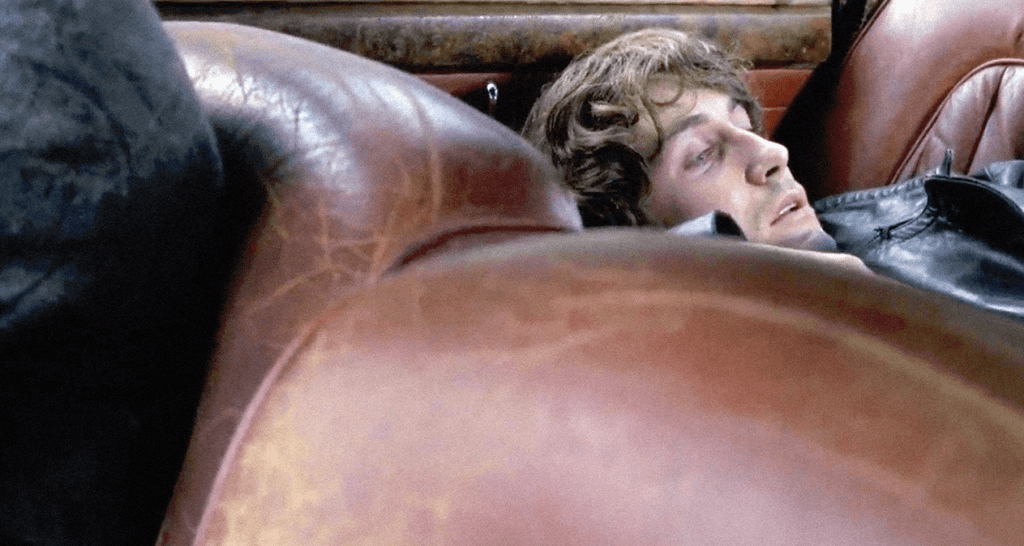

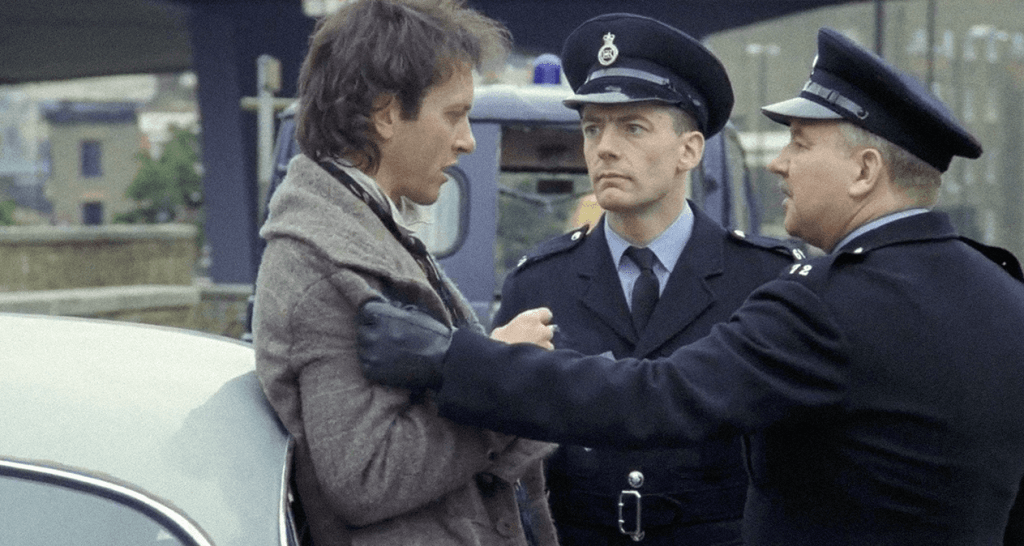
The film’s climax occurs when the pair returns to London. Marwood receives an offer for an acting job, which marks a turning point for him. Unlike Withnail, who remains stuck in his self-destructive patterns, Marwood sees an opportunity to escape their stagnant existence and move forward with his life.
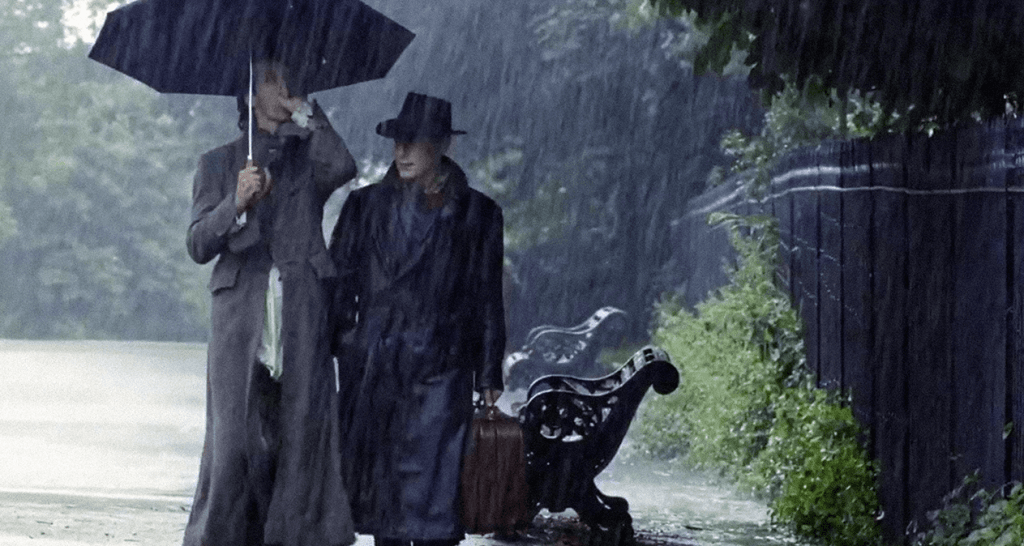

The film ends poignantly as Marwood prepares to leave, having decided to take the job and leave Withnail behind. Withnail, realizing that their friendship is ending, delivers a heart-wrenching monologue quoting Hamlet to an indifferent audience of wolves in Regent’s Park. As Marwood departs, Withnail is left alone, clutching a bottle of wine, his future uncertain and bleak. The final scene emphasizes the divergence in their paths, highlighting the tragedy of Withnail’s inability to change and Marwood’s reluctant acceptance of adulthood.

“Withnail and I” is praised for its sharp, quotable dialogue and dark, existential humor. Richard E. Grant’s portrayal of Withnail, a tragic and comically exaggerated character, is often regarded as one of the finest performances in his illustrious career. The film captures the disillusionment of the late 1960s, reflecting the uncertainty and the end of an era. Though it was not a major commercial success upon its initial release, “Withnail and I” has since become beloved for its portrayal of friendship, failure, and the passage from youthful rebellion to reluctant maturity.

 The Other Cinema