
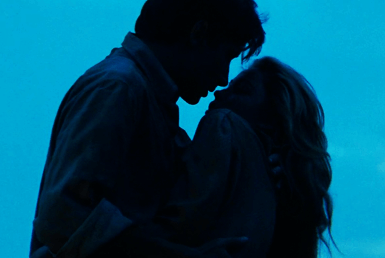


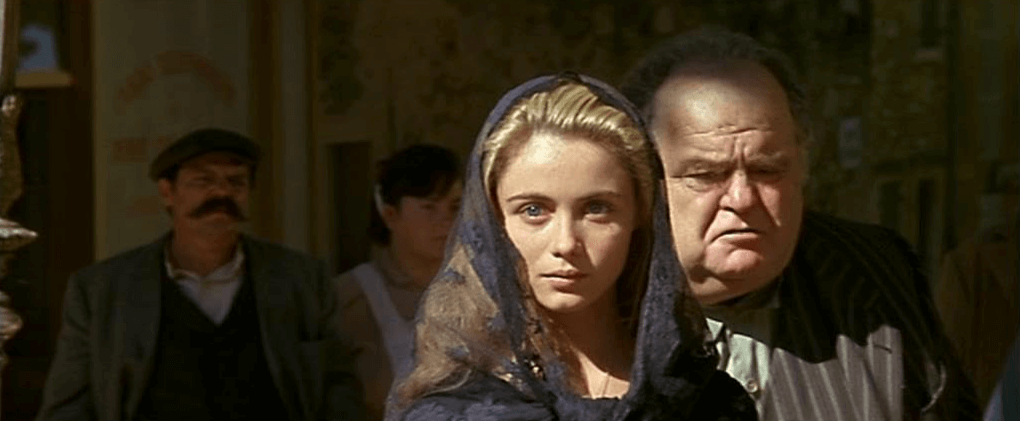
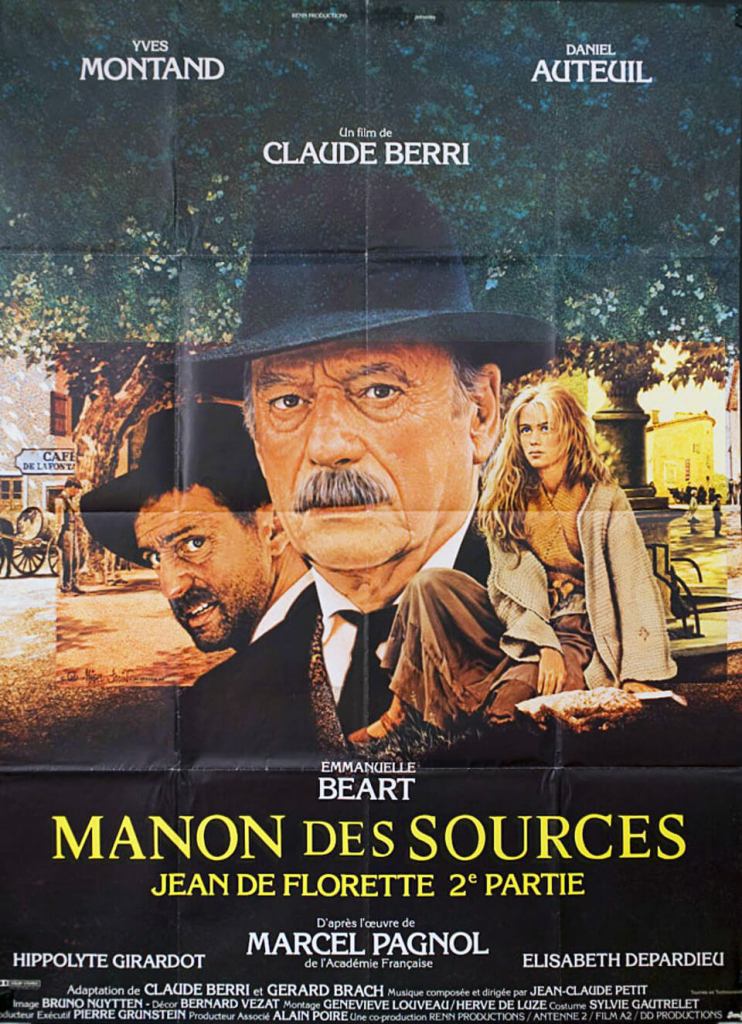
Manon des Sources (1986), directed by Claude Berri, is the powerful sequel to Jean de Florette and continues the story of greed, betrayal, and redemption set in rural Provence. Based on Marcel Pagnol’s novel, the film delves into the consequences of the tragic events from the first installment, with themes of revenge, justice, and the impact of generational wrongdoings. It stars Emmanuelle Béart as the adult Manon, alongside Yves Montand as César Soubeyran and Daniel Auteuil as Ugolin.
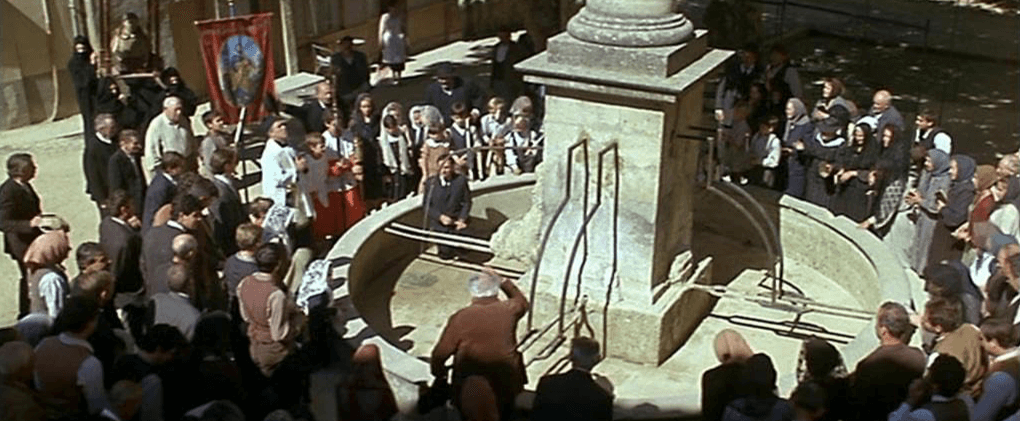


The film picks up several years after the events of Jean de Florette. Manon, the daughter of Jean Cadoret (played by Gérard Depardieu in the previous film), has grown into a beautiful and reclusive young woman living alone in the rugged hills of Provence. She is deeply affected by her father’s tragic death. She holds a quiet but burning resentment toward the villagers, particularly César Soubeyran (played by Yves Montand) and his nephew Ugolin (Daniel Auteuil), who conspired to sabotage Jean’s farm by blocking the spring, leading to his ruin and death.




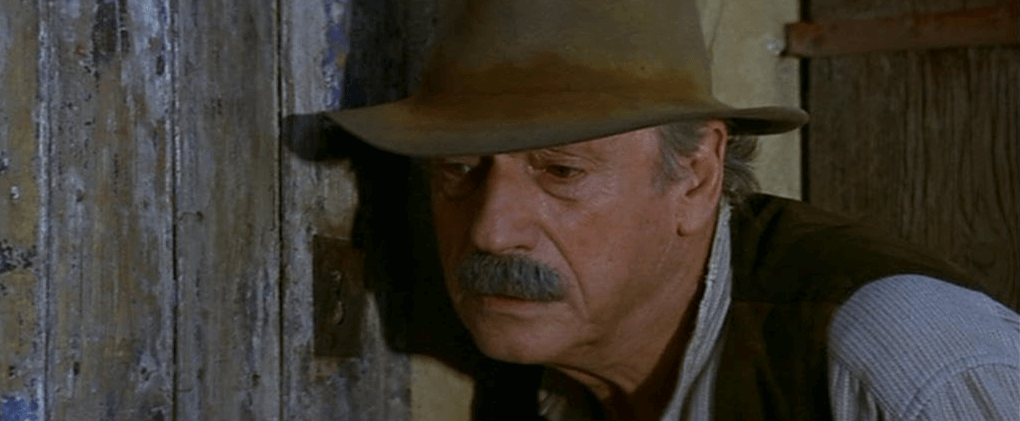
Ugolin, now a successful farmer thanks to the land he and his uncle acquired after Jean’s death, becomes obsessed with Manon and falls deeply in love with her. However, his feelings are unrequited. Manon is aware of Ugolin and César’s role in her father’s demise and quietly plots her revenge.

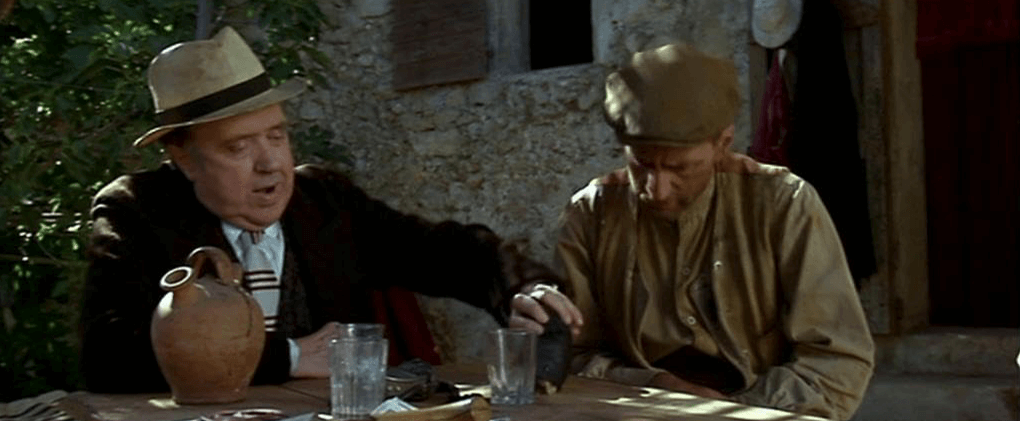

As Manon roams the countryside, she discovers the secret spring that supplies water to the entire village. One day, she takes decisive action by blocking the spring, mirroring what had been done to her father’s land. The village soon suffers from a severe drought, and panic spreads as the water shortage threatens their livelihoods.



During this time, a traveling schoolteacher (Hippolyte Girardot) arrives in the village and becomes enamored with Manon. Unlike Ugolin, the schoolteacher is kind and earnest, and Manon begins to warm to him.



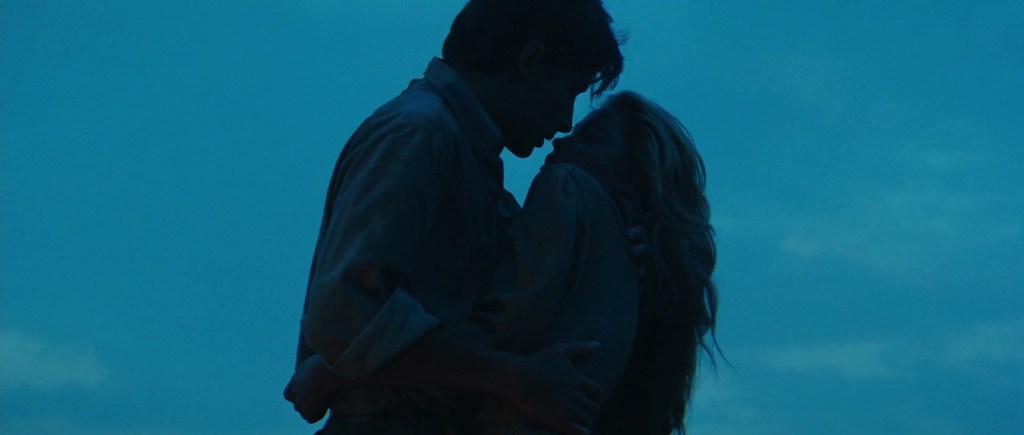
Meanwhile, the villagers grow desperate as the drought worsens. During a town meeting, Manon publicly reveals the truth about how her father was wronged, exposing César and Ugolin’s role in the conspiracy. This revelation horrifies the village, and the long-buried guilt weighs heavily on César. Ugolin, heartbroken over Manon’s rejection and consumed by guilt, takes his own life in a tragic and emotional scene.
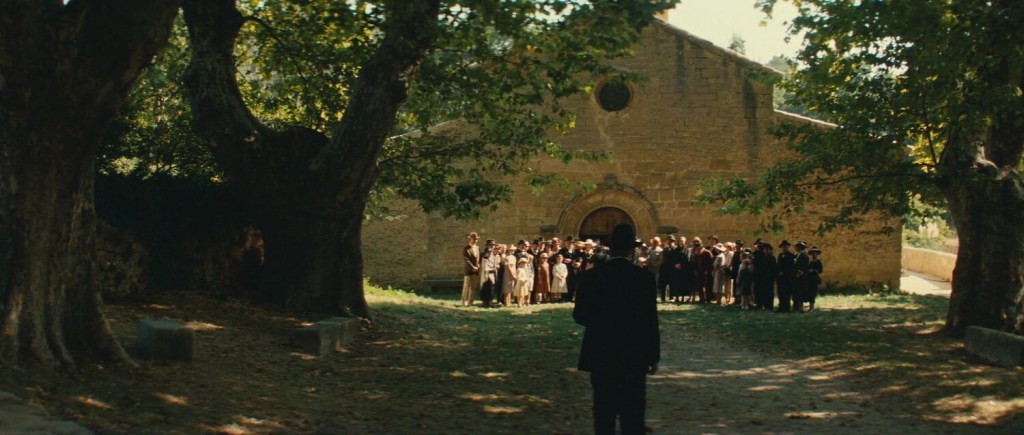


The film culminates in César’s final reckoning. In a stunning twist, it is revealed that Jean, the man César had plotted against, was, in fact, his illegitimate son. César had been unaware that he had fathered a child many years earlier, and this realization devastates him. He had unwittingly orchestrated the death of his own son out of greed and ambition. Wracked with guilt and remorse, César seeks forgiveness from Manon, but the damage has already been done.
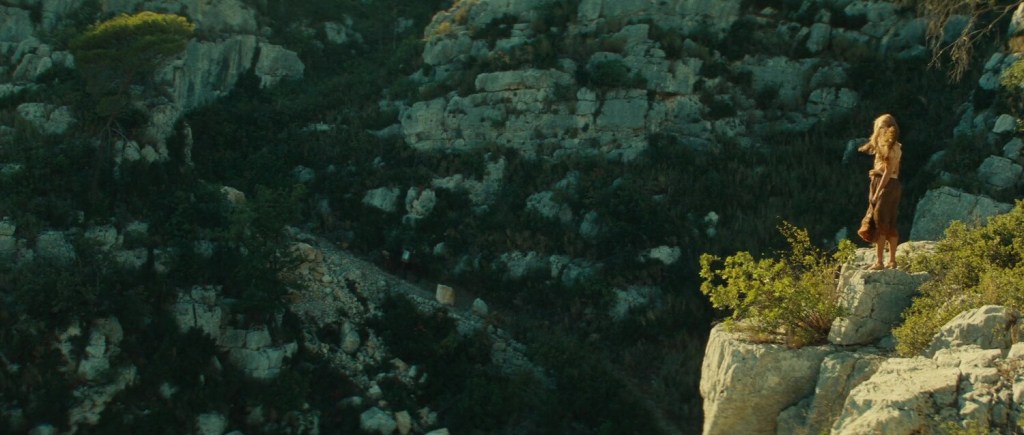
Manon des Sources is a heartbreaking conclusion to the story, marked by themes of justice and fate. The cinematography once again captures the stark beauty of Provence, and the performances are riveting, particularly from Yves Montand and Daniel Auteuil, whose characters face the consequences of their past actions. Emmanuelle Béart gives a memorable performance as Manon, embodying vulnerability and strength in her quest for retribution.
 The Other Cinema