


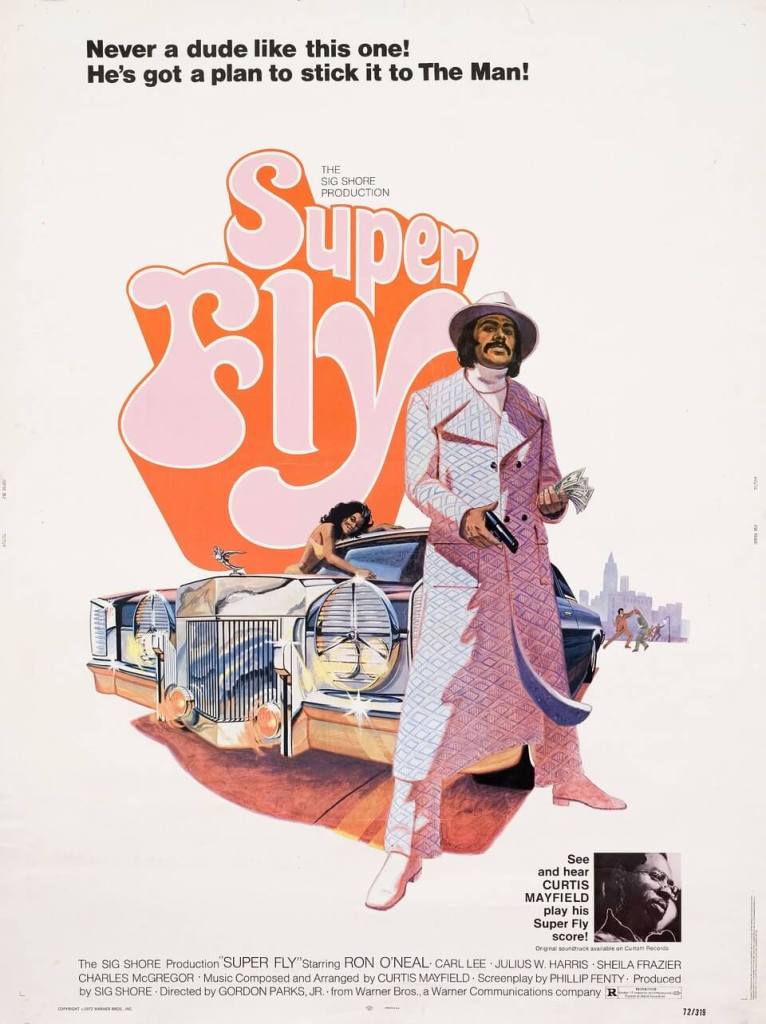
Super Fly (1972) is a landmark Blaxploitation film directed by Gordon Parks Jr. and starring Ron O’Neal as the iconic lead character, Youngblood Priest. The film is notable for its gritty depiction of the urban drug trade, its stylish direction, and its groundbreaking funk-soul soundtrack by Curtis Mayfield, which became a classic in its own right.


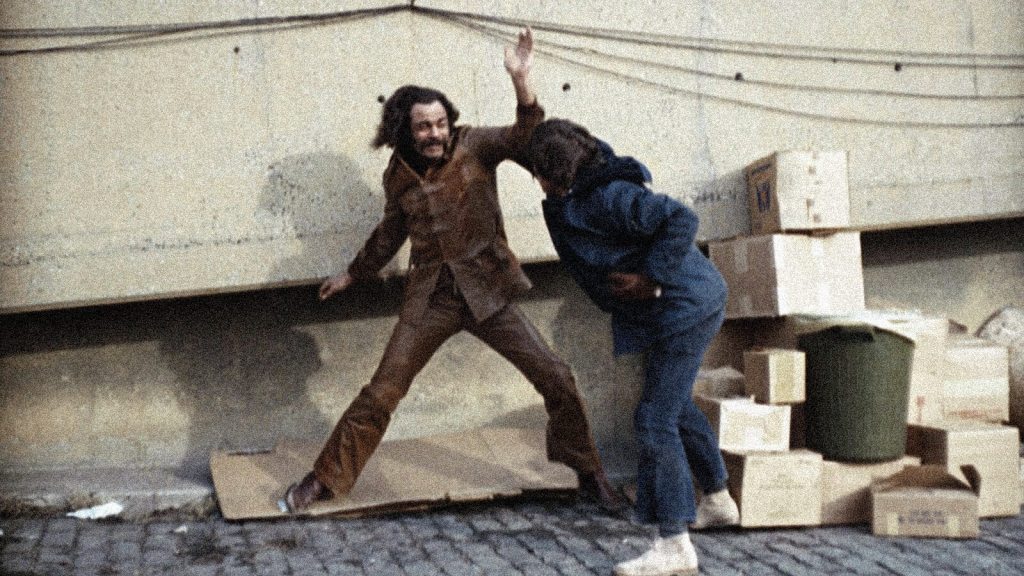
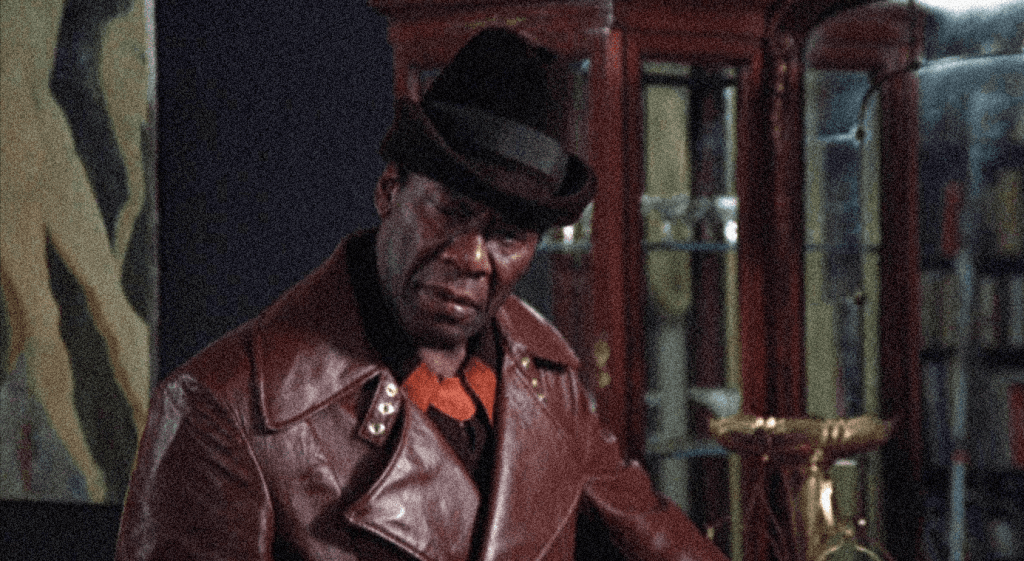

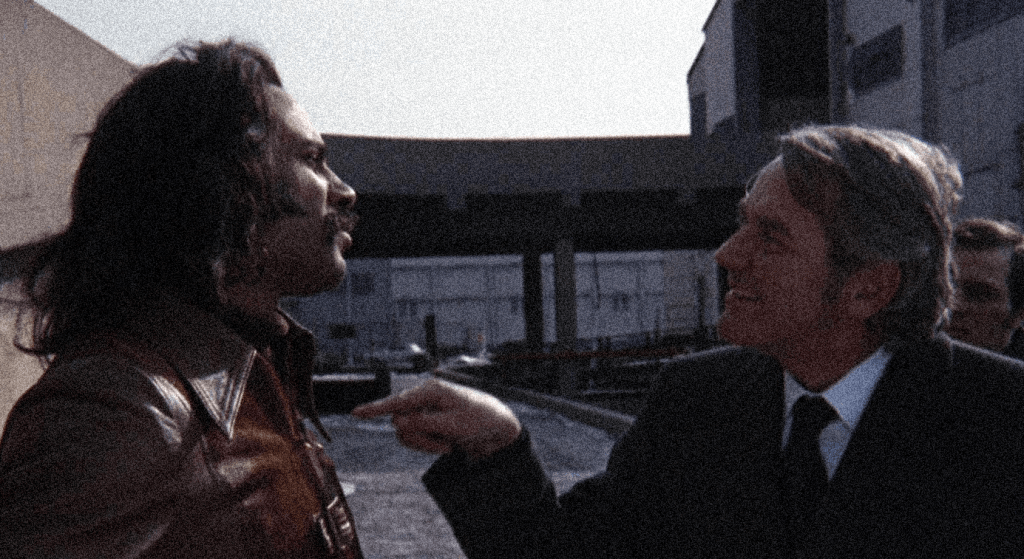
Set in Harlem, New York City, Super Fly follows Youngblood Priest, a suave and ambitious cocaine dealer who wants to escape the dangerous and violent world of drug dealing. Priest, played by Ron O’Neal, is a streetwise hustler who has built a reputation through his cool demeanor, sharp fashion sense, and the ruthlessness required to survive in the drug underworld. However, despite his success, he’s growing tired of the game and the constant threat of death or incarceration that comes with it.

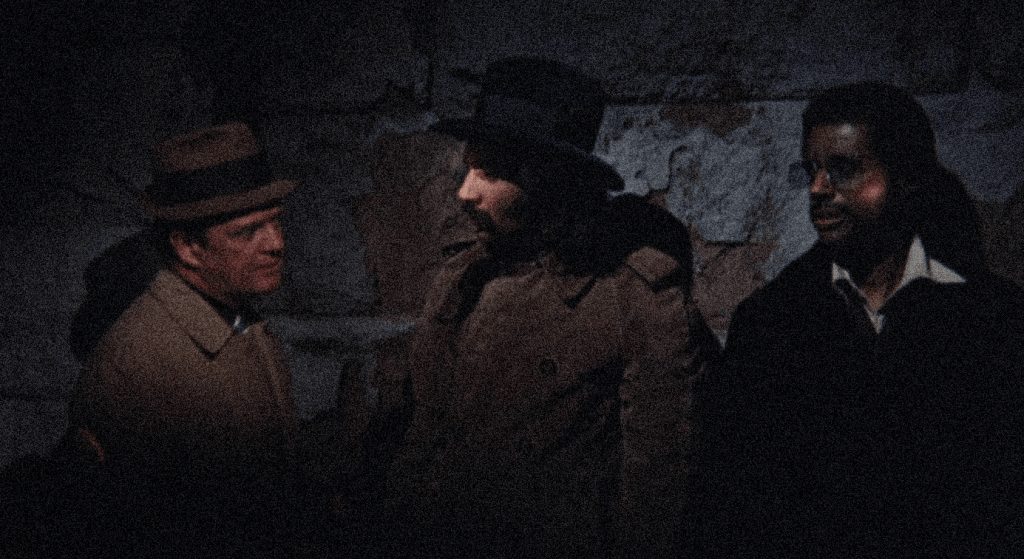


Priest’s goal is simple: to pull off one last major drug deal, netting enough money to retire from his criminal life for good. His plan involves working with his business partner Eddie, played by Carl Lee, who is fully invested in the lifestyle and sees no need to quit. Eddie’s lack of ambition to leave the drug trade contrasts sharply with Priest’s desire to find a way out. While Eddie reveals their success, Priest dreams of freedom and a better life outside violence and lawlessness.
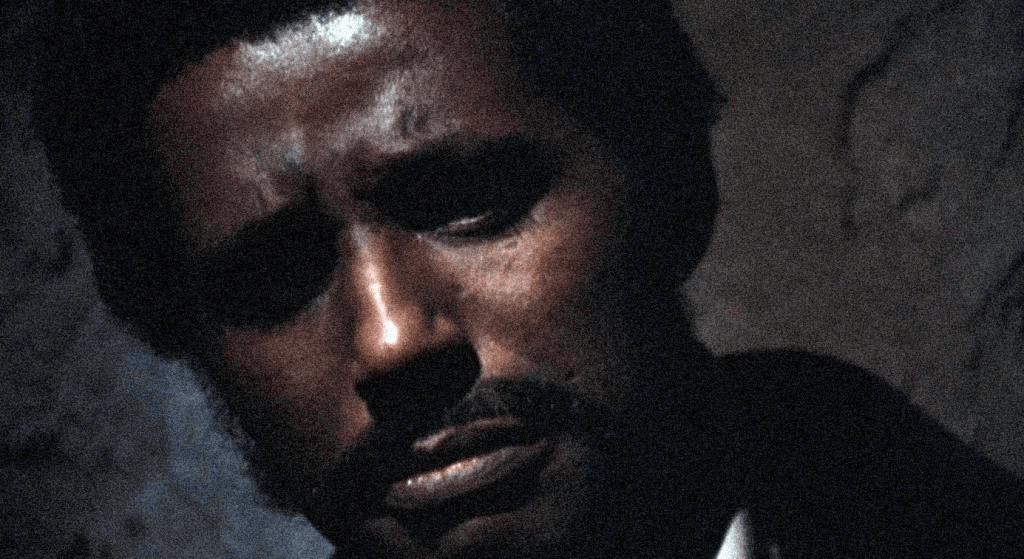
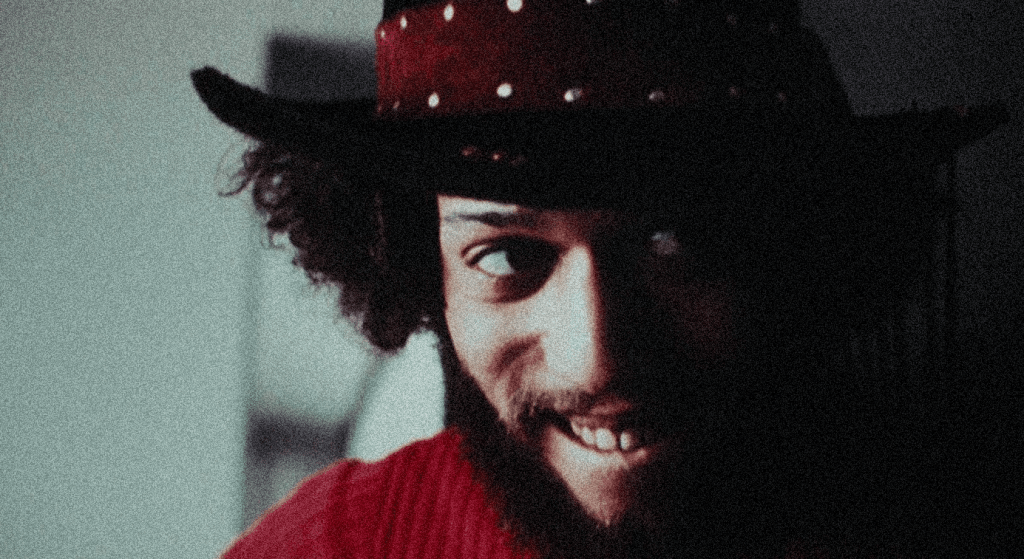
To execute his plan, Priest needs to score a large quantity of cocaine. He contacts his supplier, Scatter (played by Julius Harris), a former dealer who has since retired from the drug trade and now runs a nightclub. Scatter is initially hesitant to help Priest, knowing the dangers of re-entering the drug business, but he eventually agrees to supply the drugs.
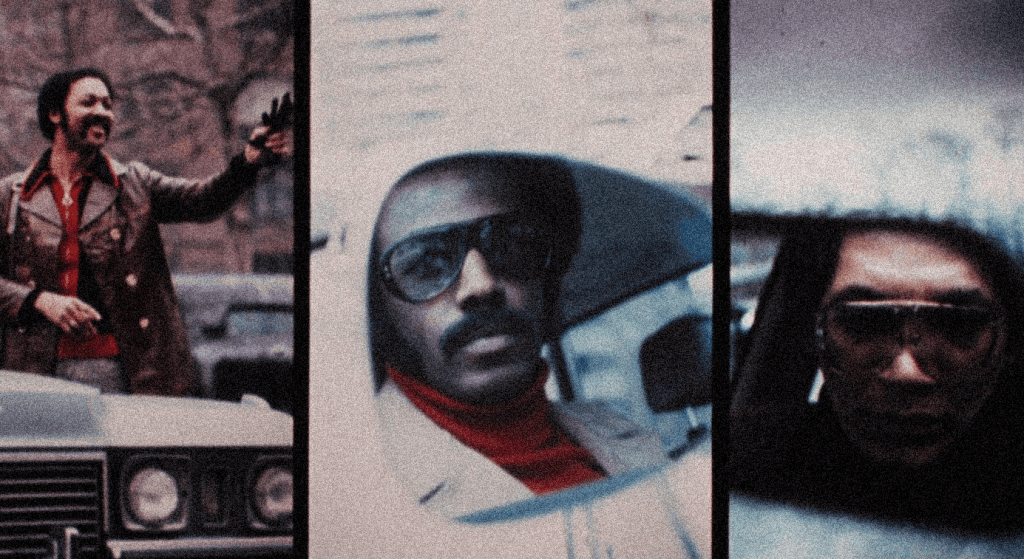
As Priest sets his plan in motion, he faces increasing pressure and danger from all sides. The police, represented by corrupt officers, are on their tail and are willing to use any means necessary to control the drug trade and profit from it. The cops offer Priest a deal: they’ll allow him to continue his drug business as long as they get a cut of his profits. This only complicates Priest’s goal of leaving the life behind.
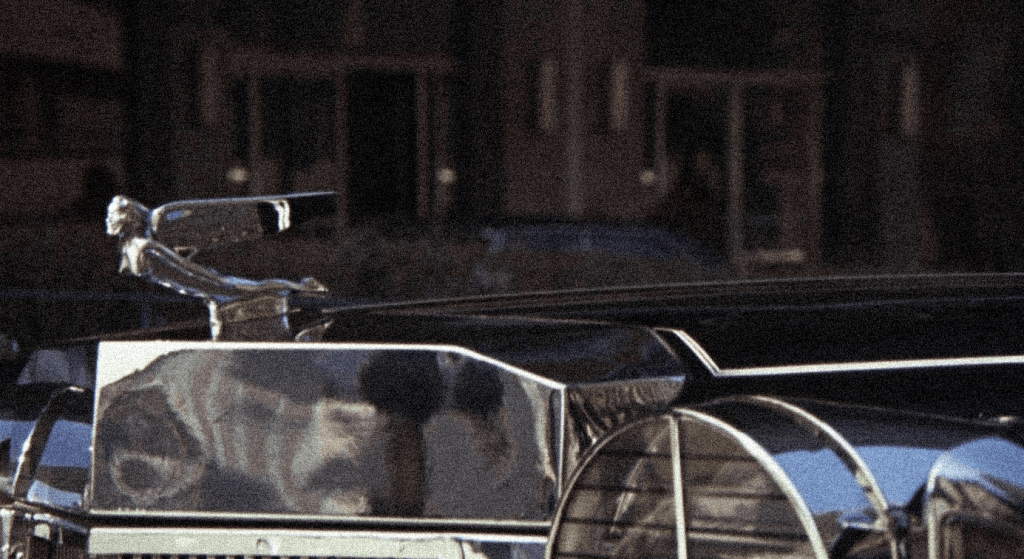
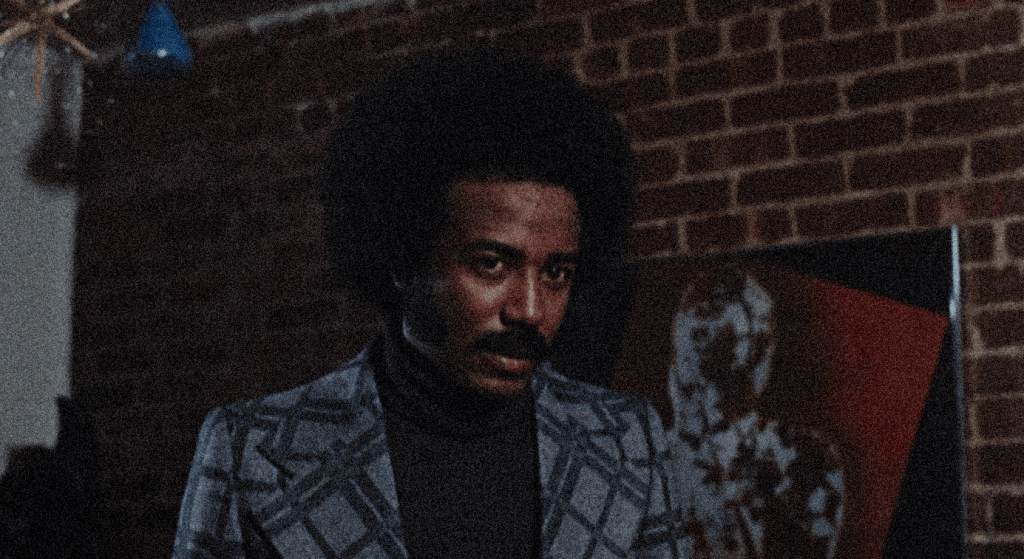

At the same time, Priest’s relationship with his girlfriend Georgia (played by Sheila Frazier) becomes strained. She disapproves of his involvement in the drug trade and is concerned for his safety, but she also loves him and wants to support his plan to escape. Georgia represents a possible future for Priest—a life away from the streets—but the question remains whether Priest can navigate the violence and betrayal of the drug world long enough to achieve it.


As the tension escalates, Priest becomes more determined to succeed in his final deal, but things quickly spiral out of control. Scatter is murdered by the corrupt police, and Eddie’s loyalty becomes questionable as he starts to doubt Priest’s plan to leave the business. In the face of betrayal, Priest uses his street smarts and toughness to confront both his enemies in the drug world and the crooked cops who want to keep him under their thumb.

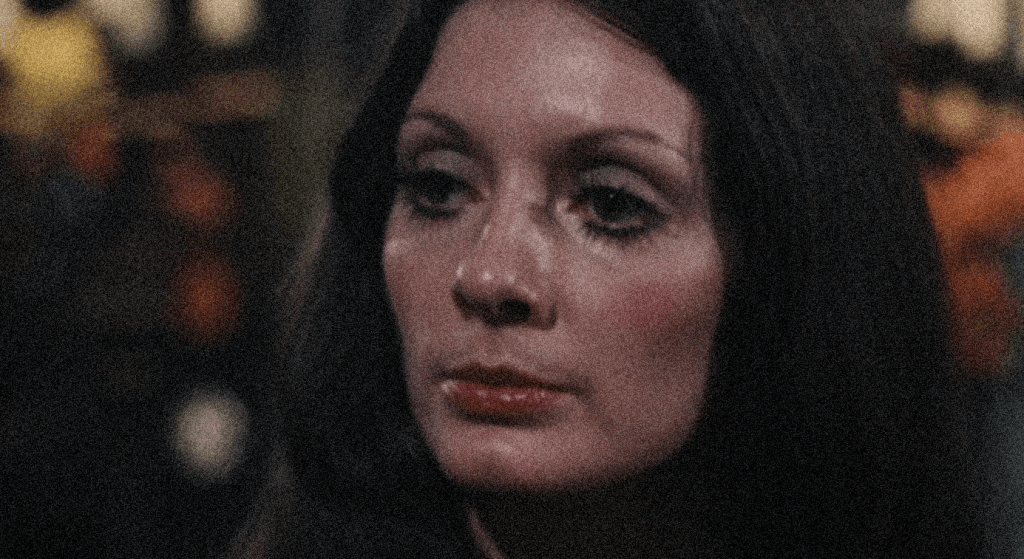
The climax sees Priest turning the tables on the police. Using blackmail and his knowledge of their corruption, he manages to secure his freedom. Unlike many Blaxploitation films of the era, which end with tragedy for their protagonists, Super Fly gives its hero a rare victory. Priest successfully outmaneuvers both the law and the drug dealers, securing his exit from the dangerous life he’s been living.

Super Fly is a groundbreaking film that reflects the social issues of the time, particularly in the African American community. The film’s themes of survival, systemic corruption, and the desire for upward mobility struck a chord with audiences, and it became one of the most influential films in the Blaxploitation genre. Ron O’Neal’s portrayal of Youngblood Priest as a complex, stylish antihero made him an iconic figure, and the film’s portrayal of Harlem gave it a raw authenticity that resonated with viewers.
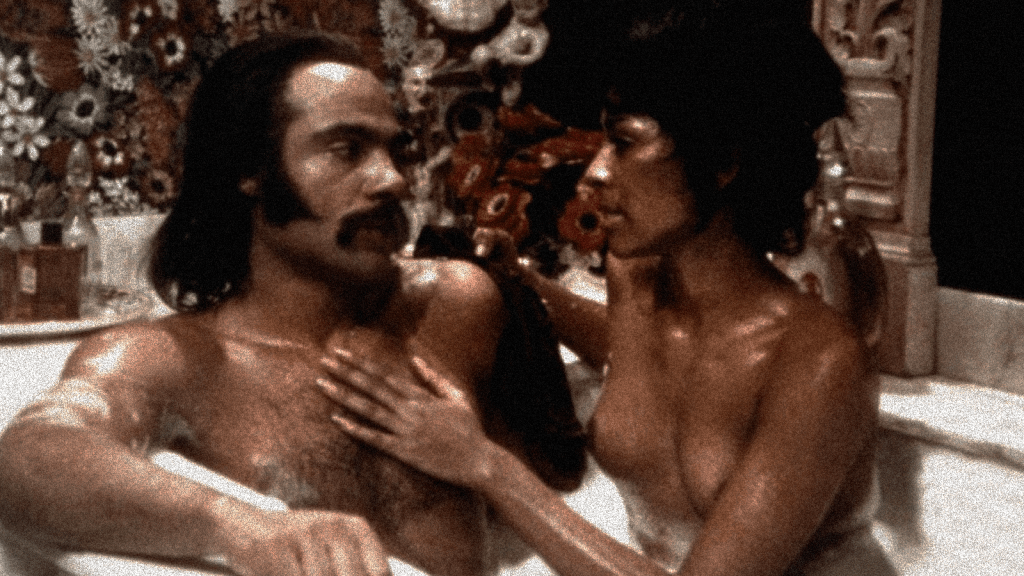

The film is also famous for its soundtrack by Curtis Mayfield, whose music not only scored the film but also provided commentary on the characters and their circumstances. Songs like “Freddie’s Dead” and “Pusherman” became hits, and the soundtrack remains one of the most acclaimed in film history. It is often regarded as a masterpiece of 1970s soul and funk.
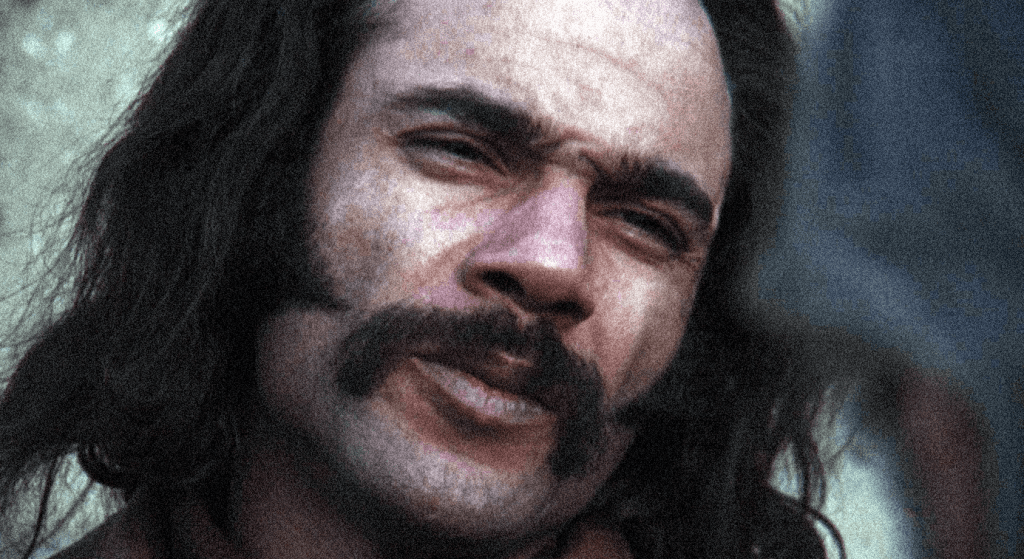
Super Fly stands out as a culturally significant film that helped define the Blaxploitation genre while also offering a more nuanced portrayal of its lead character than many other films of its kind. Directed by Gordon Parks Jr., the film blends style, music, and a gritty narrative to create a film that remains influential in cinema and popular culture.
 The Other Cinema