

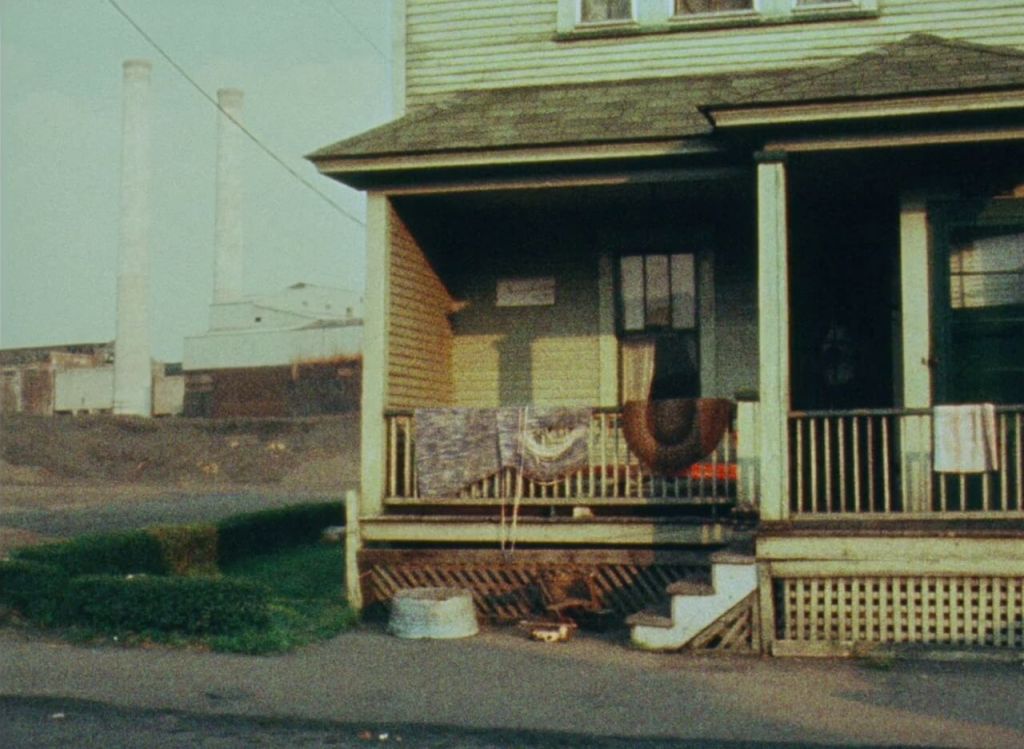

“Wanda” (1970) is an independent film directed, written by, and starring Barbara Loden. The film, which has a stark, minimalist style, tells the story of a drifting, disaffected woman trying to navigate her bleak existence in working-class America. Loden’s film stands as a landmark of feminist cinema, capturing the aimless life of its central character with raw realism and emotional depth.
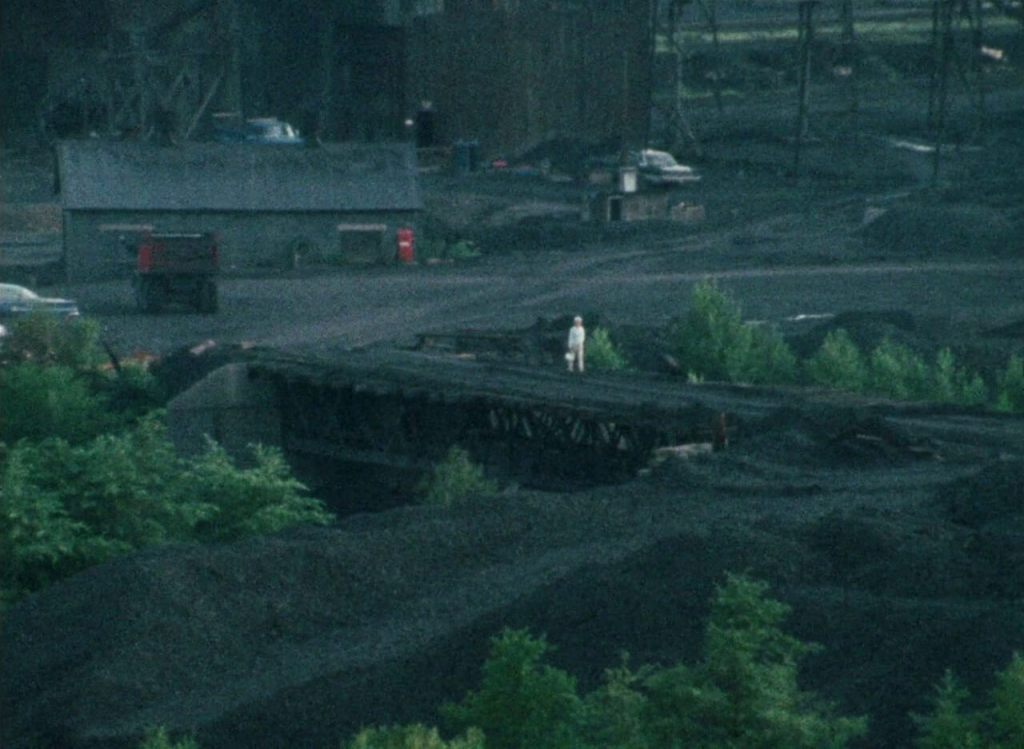
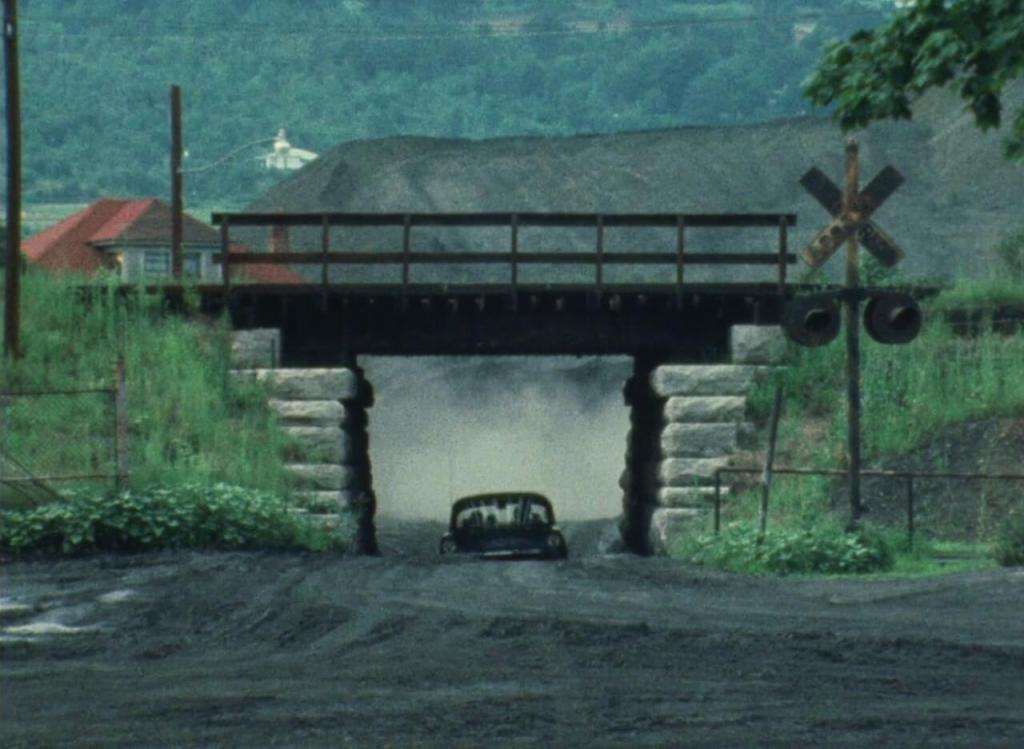


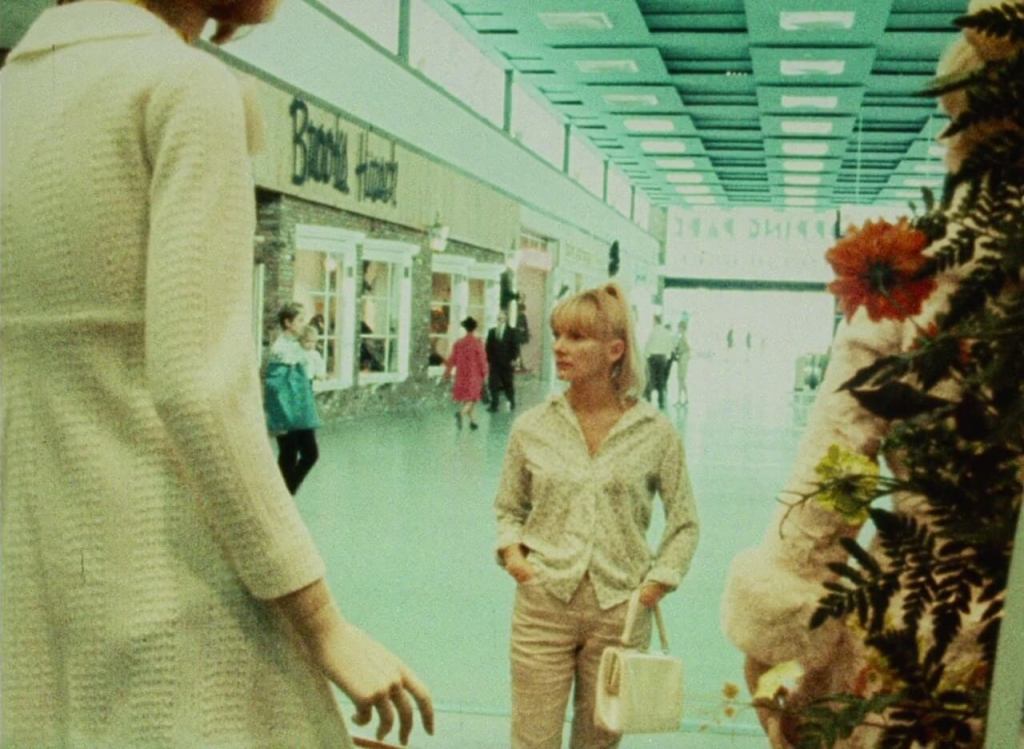
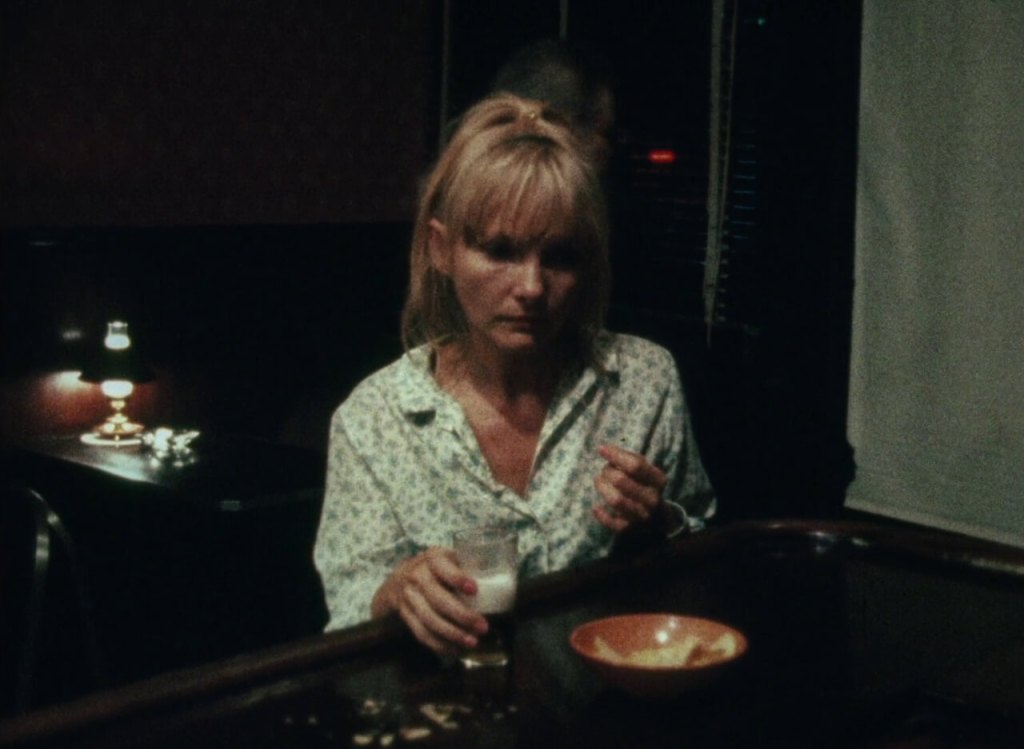
The film opens in the coal-mining region of northeastern Pennsylvania, where Wanda Goronski (Barbara Loden), a quiet and passive woman, lives a detached life marked by apathy and disconnection. Wanda has left her husband, with whom she shares children, and seems indifferent as she loses custody in court. She has no sense of stability, job, or direction and is content to drift from place to place, often finding herself in uncomfortable situations.

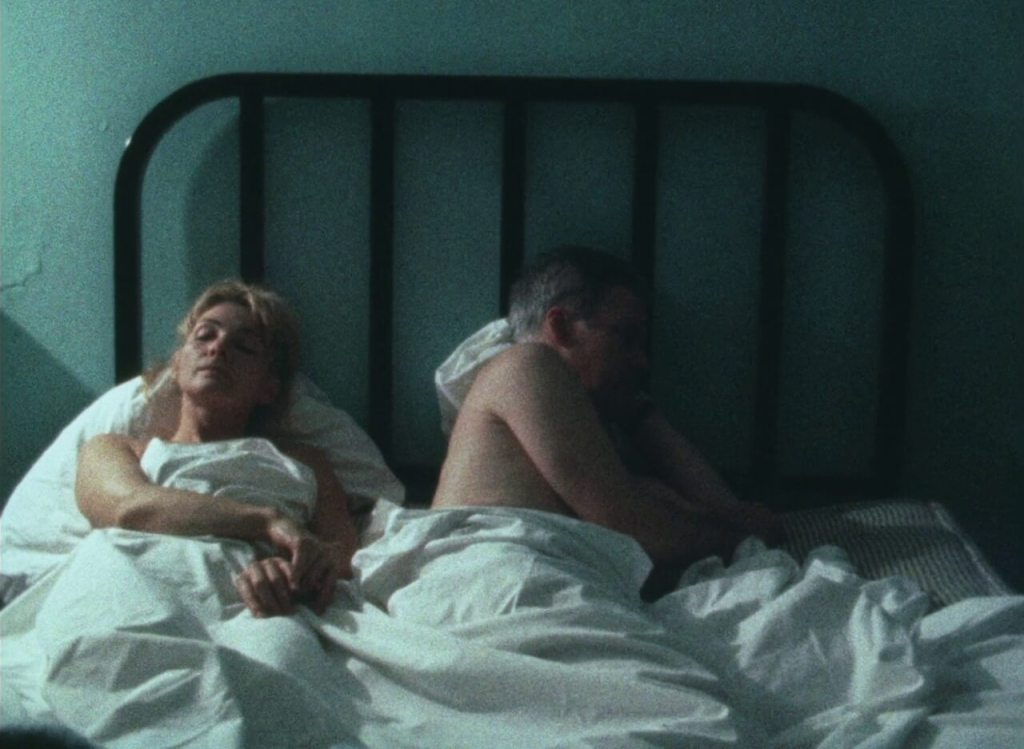

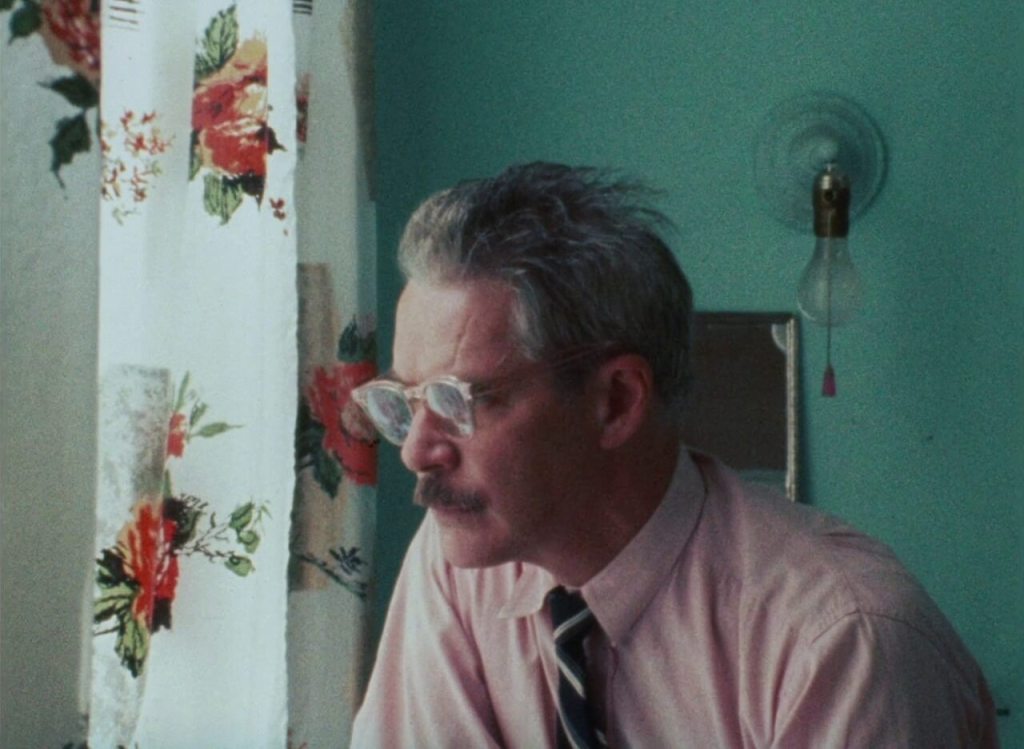


Wanda’s journey takes her to bars and motels, where she drinks and spends time with random men. One day, she falls in with a petty criminal named Norman Dennis (played by Michael Higgins). Norman is a small-time crook with dreams of making it big, but his plans are as aimless and ineffectual as Wanda’s life. Despite his volatile and controlling behavior, Wanda clings to him because she has nowhere else to go and no clear idea of what she wants.
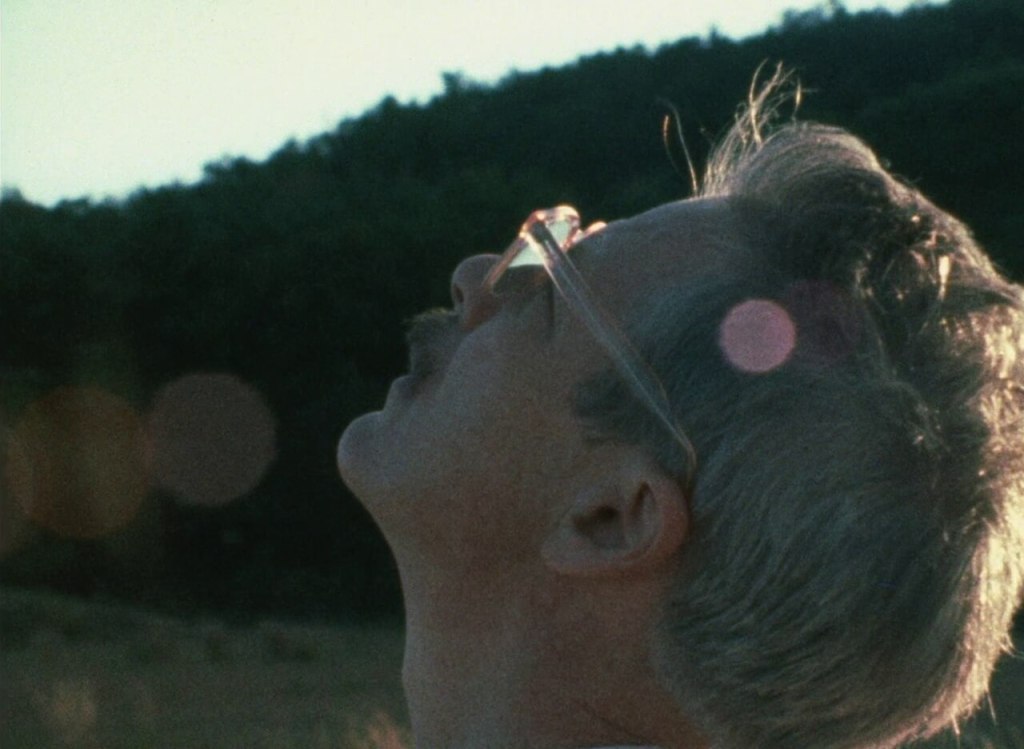
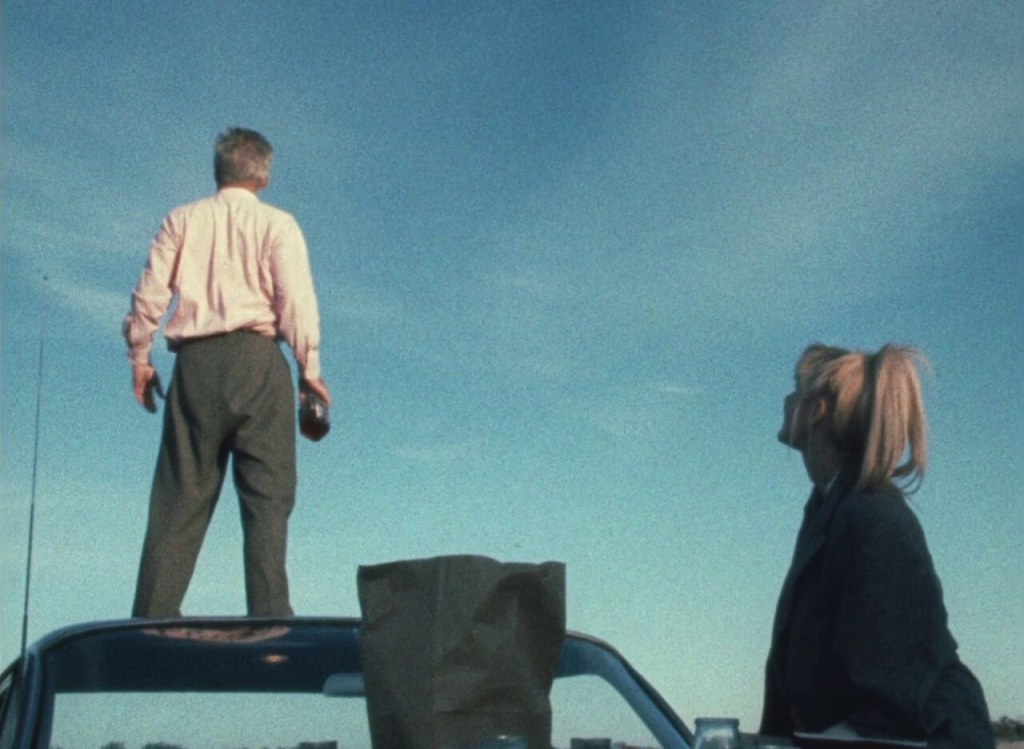

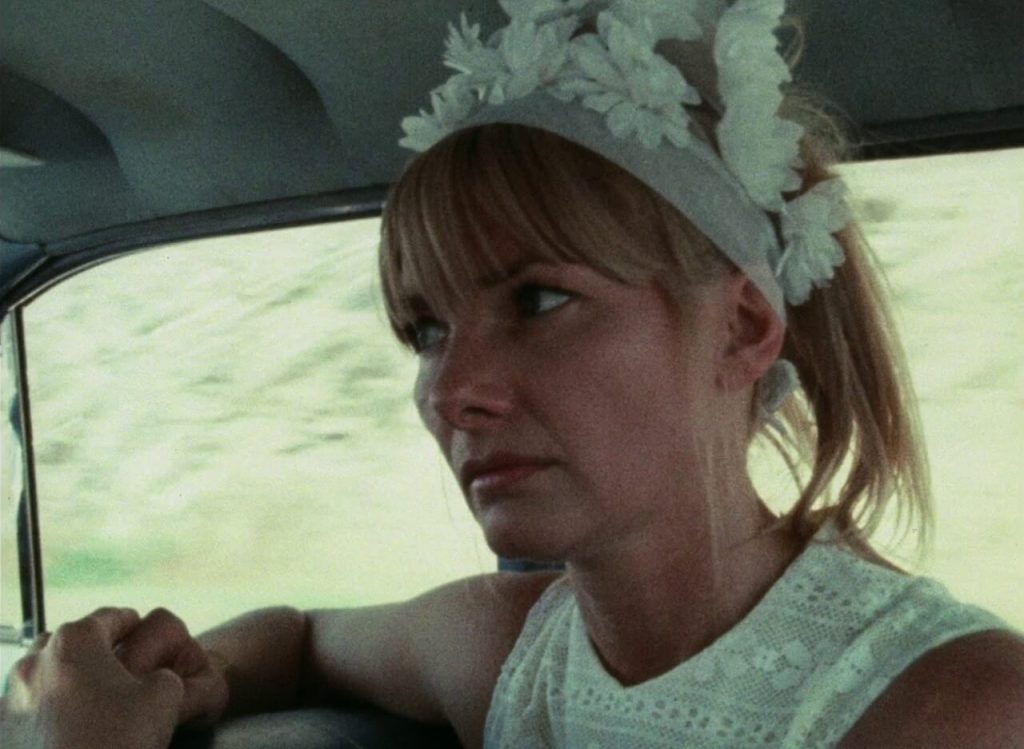


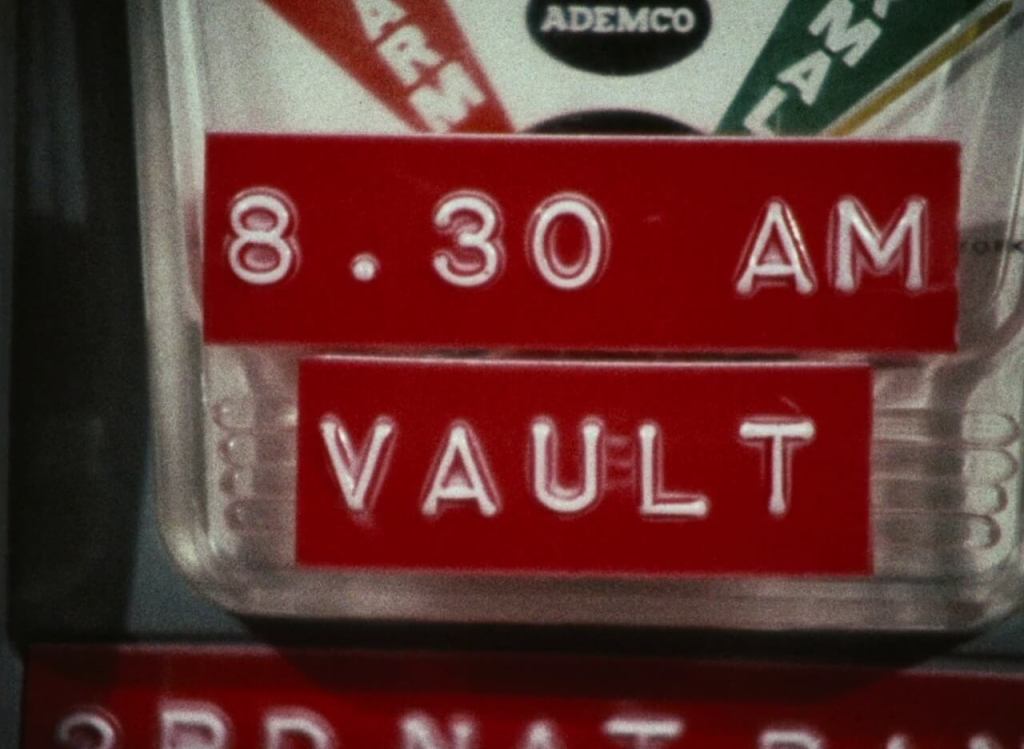
The two form a reluctant partnership, with Wanda taking on a submissive role in their makeshift relationship. They attempt a poorly planned bank robbery that ends in chaos, with Norman getting killed. After his death, Wanda is left alone again, wandering aimlessly through unfamiliar territory, symbolizing the cyclical nature of her life.
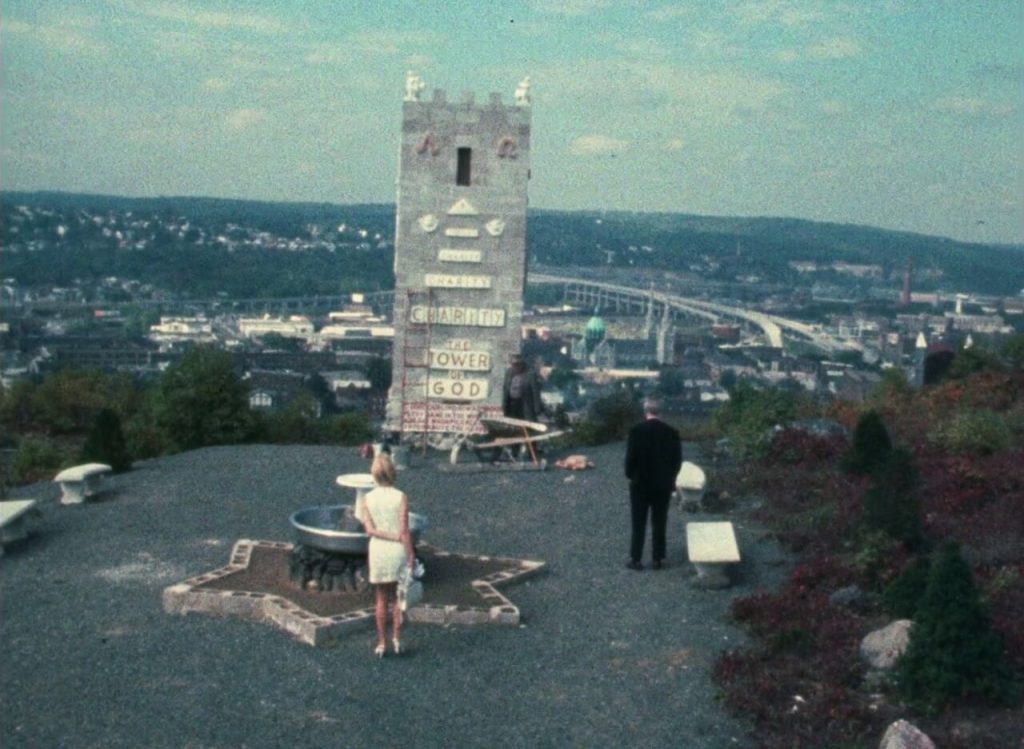



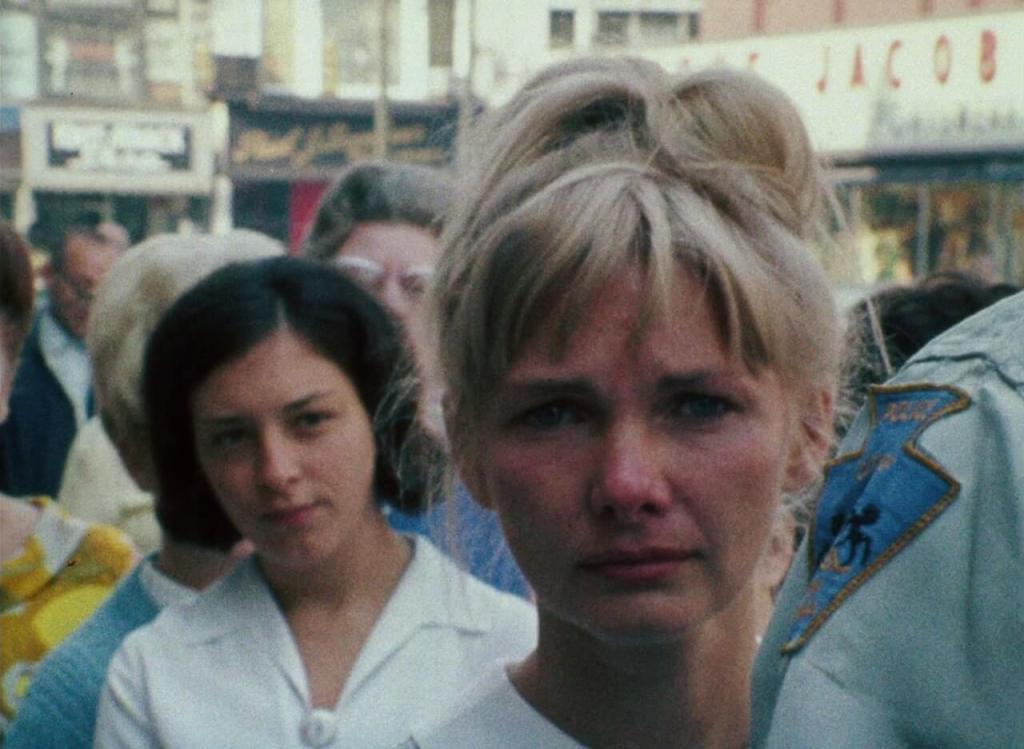
“Wanda” explores themes of loneliness, disempowerment, and societal neglect. Wanda’s character is emblematic of the marginalized women of her time—those who are voiceless, aimless, and invisible within the patriarchal structures of society. The film delves into the idea of a woman without agency, caught between the forces of capitalism and male domination, and yet, it refuses to offer redemption or resolution.


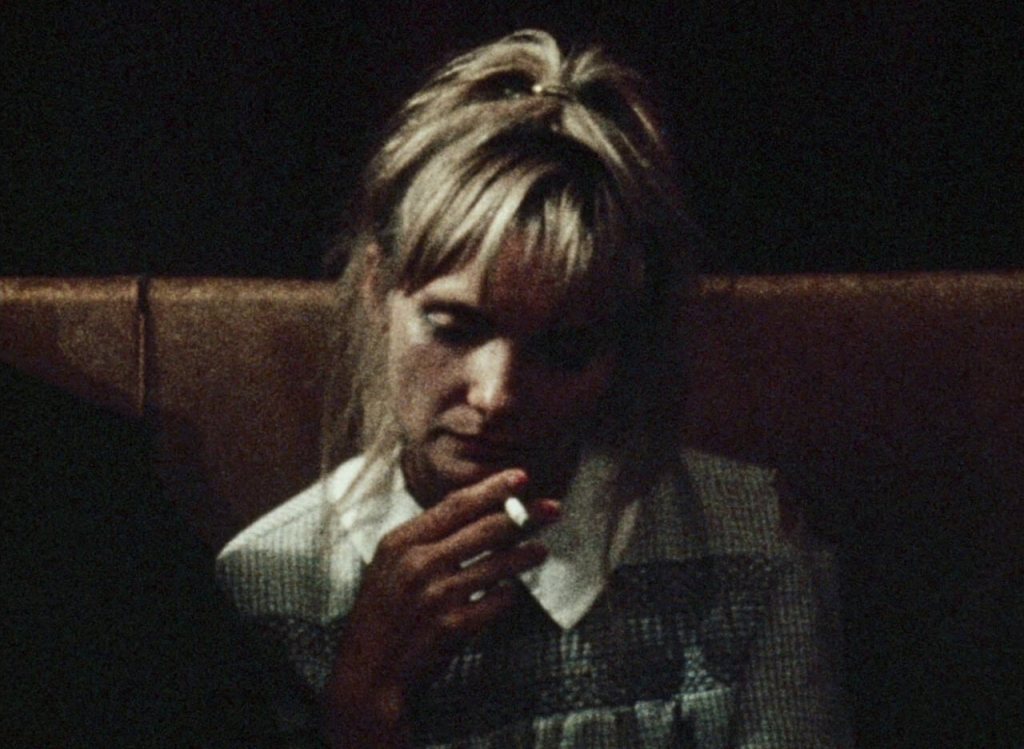
Loden’s direction captures the desolation of Wanda’s world through long, lingering shots of barren landscapes and decaying towns. The film’s realism and almost documentary-like approach give the story a profoundly personal and intimate feeling. It is an unflinching look at a woman who is adrift in her own life, neither a victim nor a heroine but simply a person trying to survive. Barbara Loden’s “Wanda” remains a stark, powerful exploration of a woman’s life on the fringes, a poignant reflection on the disconnection and alienation many women experience, and an enduring piece of American cinema.


 The Other Cinema