
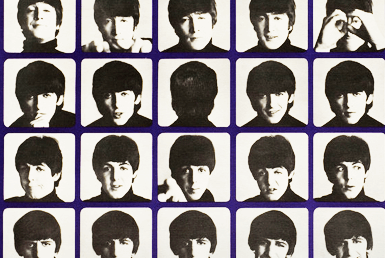
“A Hard Day’s Night” (1964) is a musical comedy film directed by Richard Lester and starring the Beatles — John Lennon, Paul McCartney, George Harrison, and Ringo Starr. The film is a semi-fictionalized account of a day in the band’s life at the height of Beatlemania. It’s widely praised for its innovative style, sharp humor, and groundbreaking approach to combining music and narrative, capturing the spirit of the 1960s and the cultural phenomenon surrounding the Beatles.

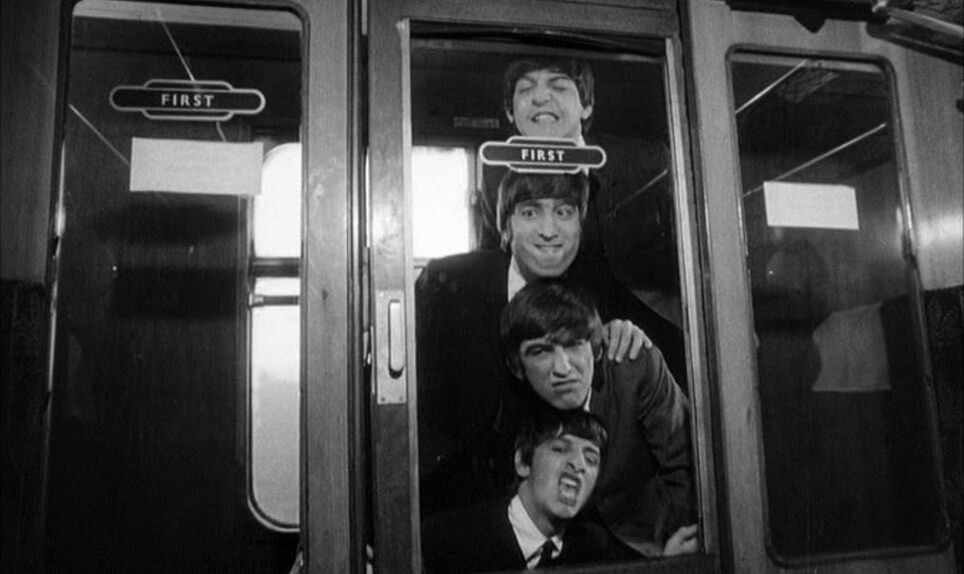
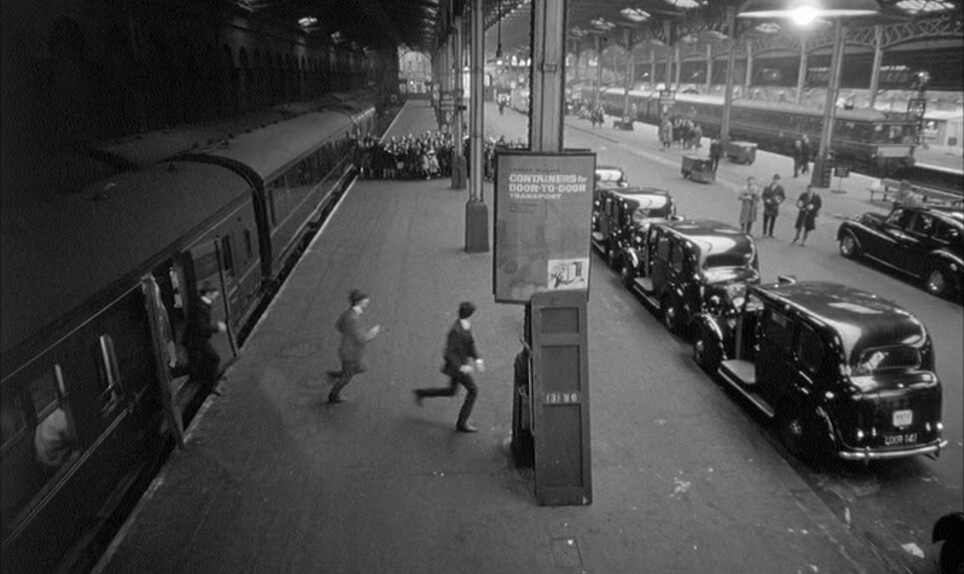

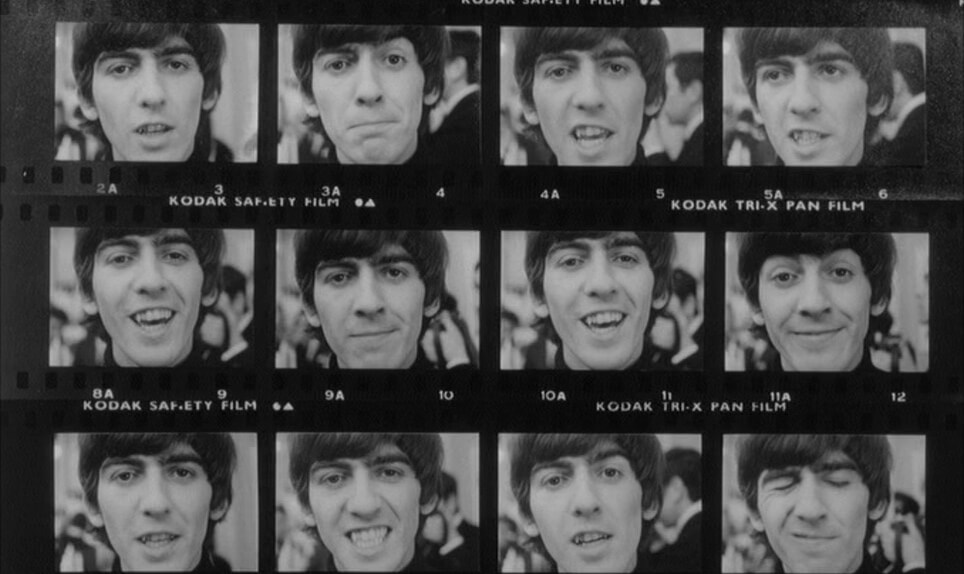
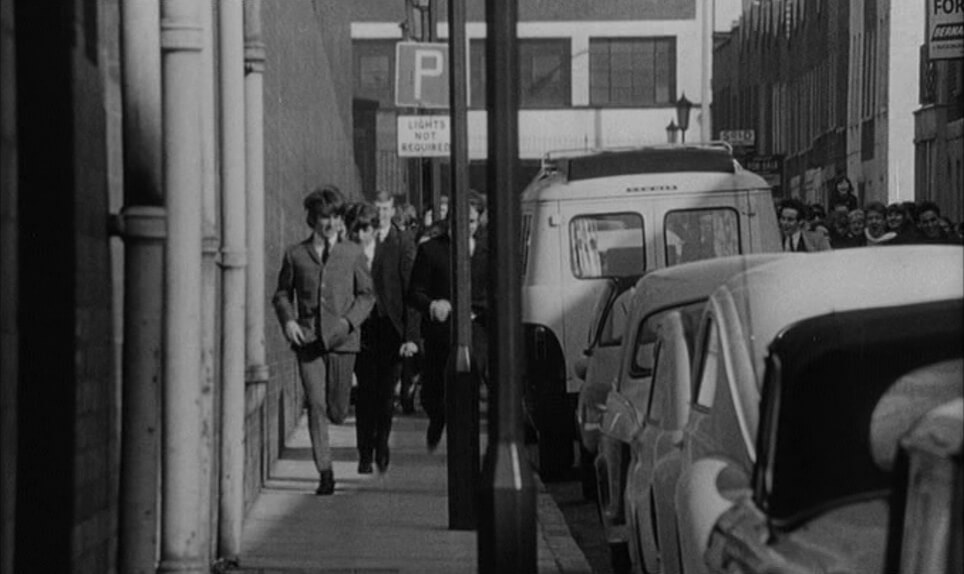
The film takes place over a chaotic 36-hour period as the Beatles prepare for a live television performance. It begins with the band—John (John Lennon), Paul (Paul McCartney), George (George Harrison), and Ringo (Ringo Starr)—trying to escape a mob of adoring fans at a train station. They board a train bound for London, where they are due to perform on a televised variety show.
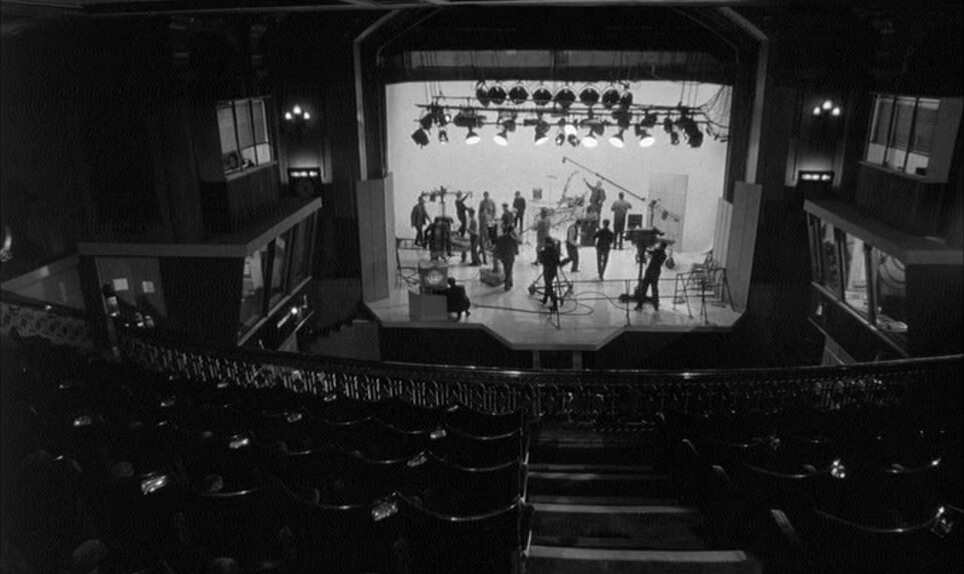
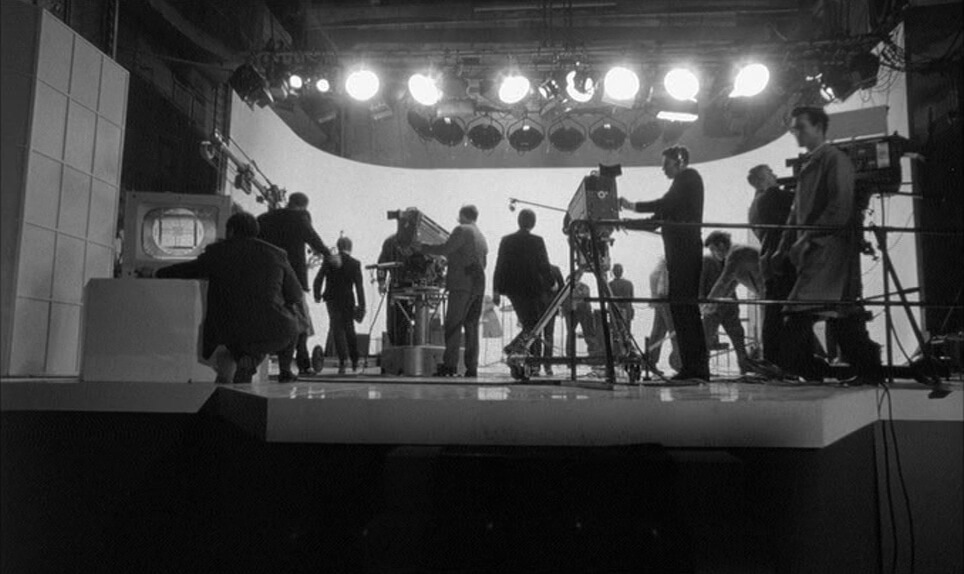


Throughout the journey, the band members encounter various comedic situations, often related to their fame and the constant presence of their fans. They are accompanied by their manager Norm (played by Norman Rossington), and their road manager Shake (played by John Junkin), who struggle to keep the band on schedule and out of trouble.

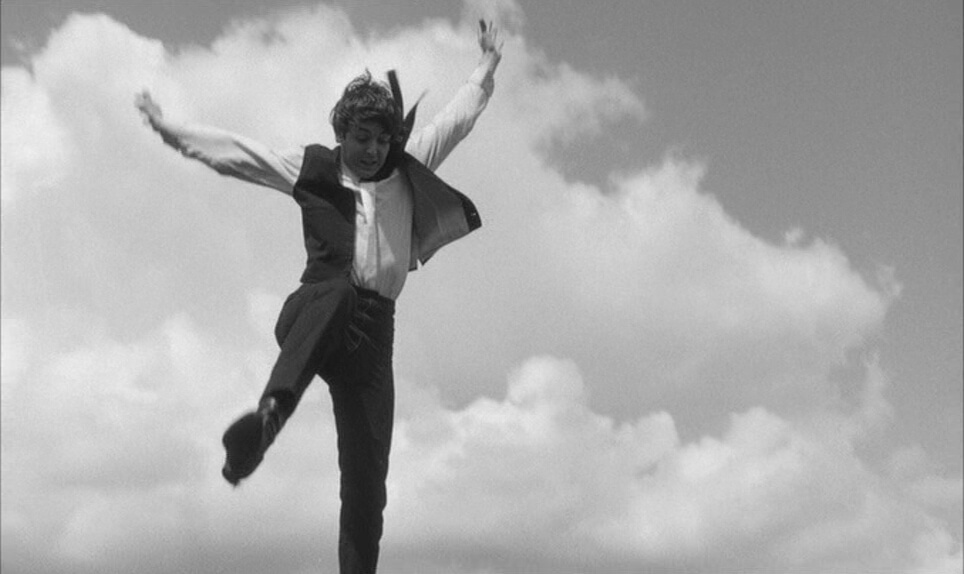
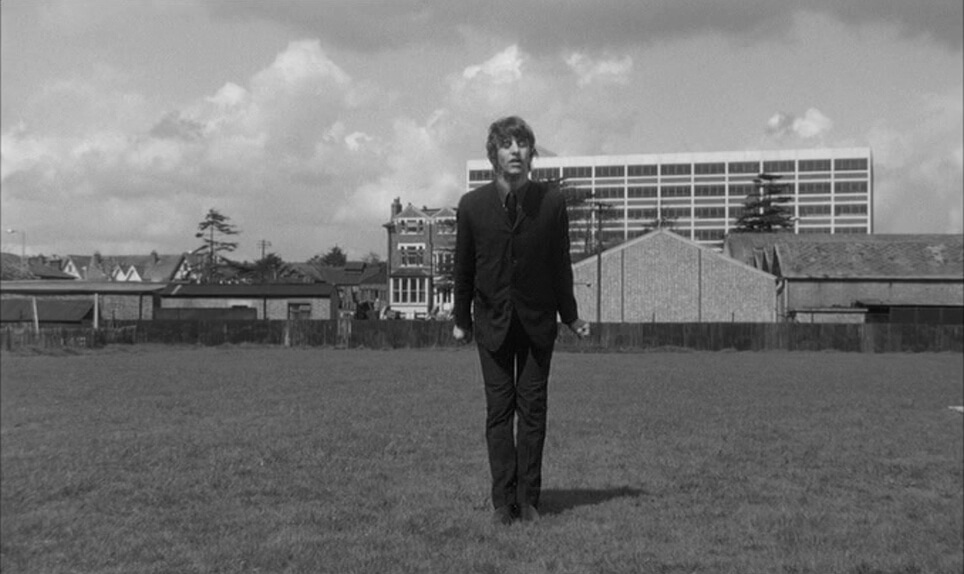

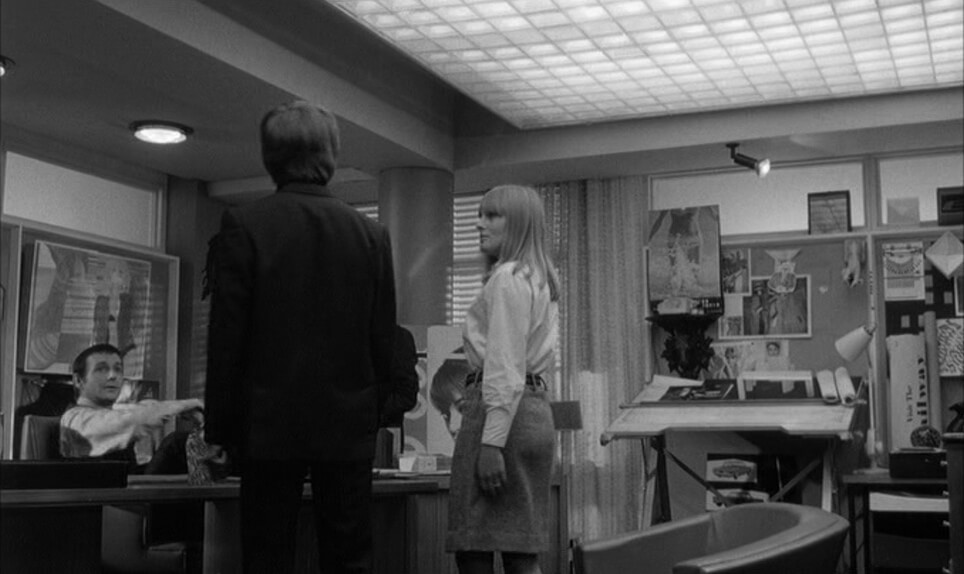
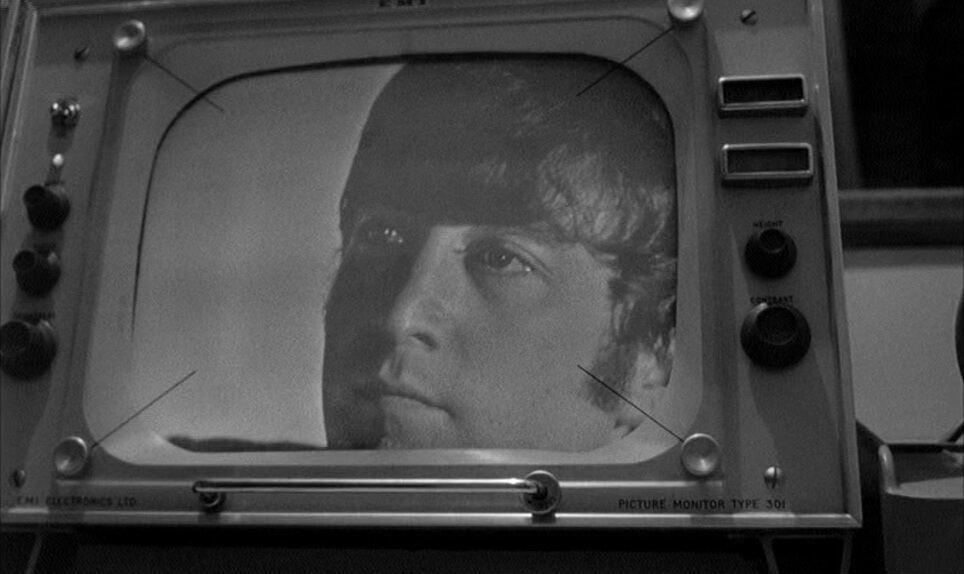
A significant subplot involves Paul’s troublemaking grandfather, John McCartney (played by Wilfrid Brambell). Paul’s grandfather referred to in the film as “a very clean old man” (in contrast to Brambell’s character in the British TV show Steptoe and Son, who was famously “dirty”), constantly causes mischief, much to the frustration of everyone around him. His antics provide much of the film’s comic relief as he schemes and manipulates those around him.
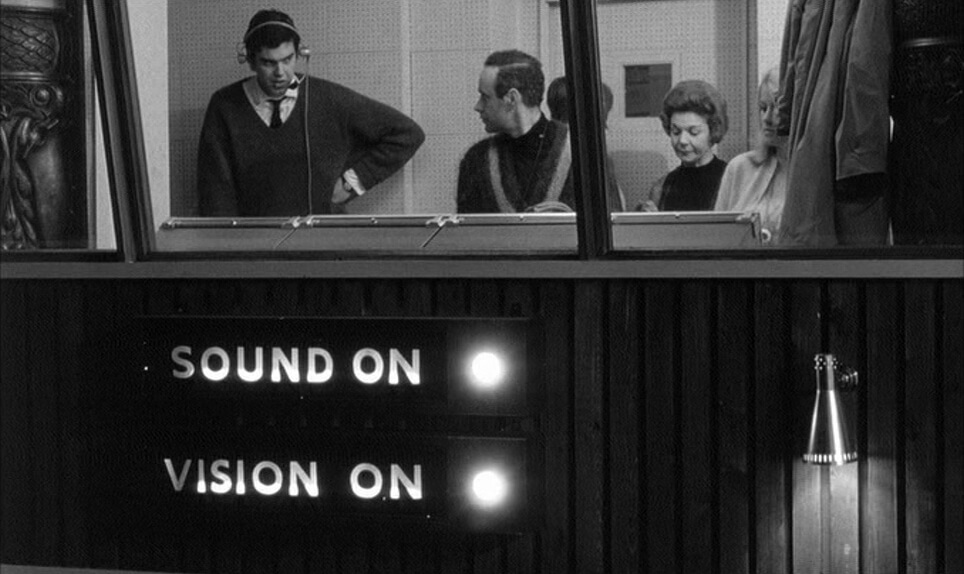
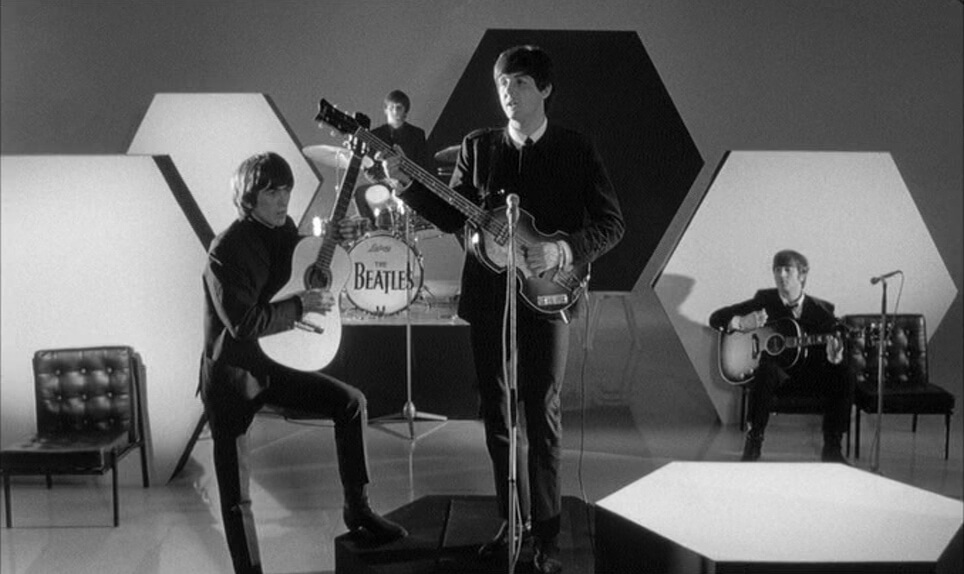
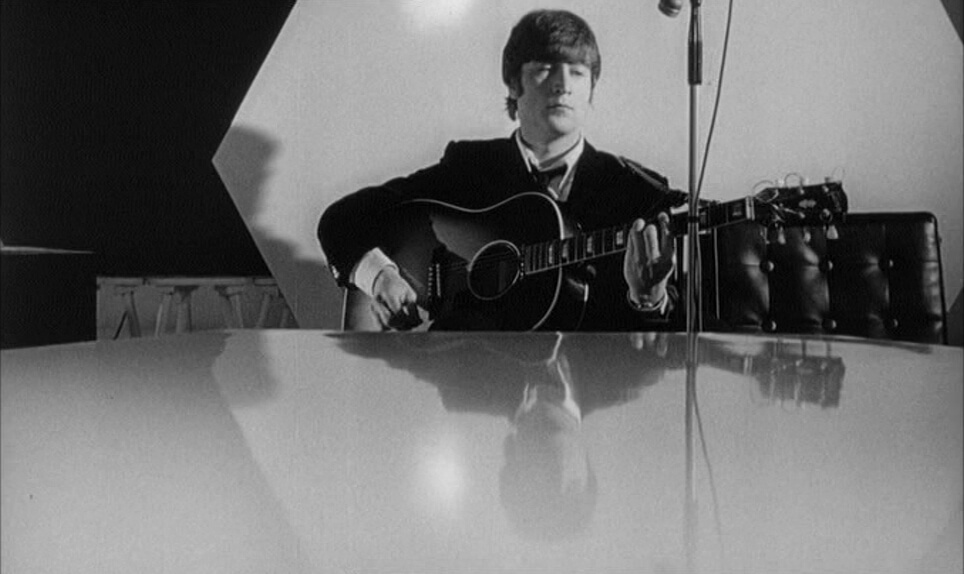
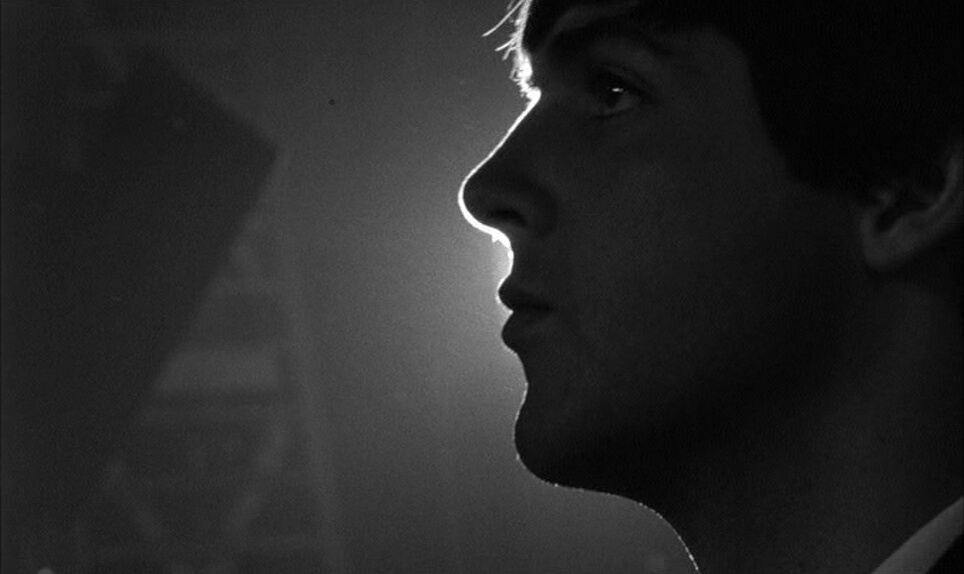
As the band arrives in London, their day becomes even more hectic. They face the pressures of rehearsing for the TV show while dodging overzealous fans, reporters, and their desire for fun and freedom. One of the film’s most memorable sequences features Ringo wandering off alone, seeking quiet time away from the chaos. His solo adventure through the streets of London, filled with quirky encounters and a sense of introspection, adds depth to his otherwise comedic role.

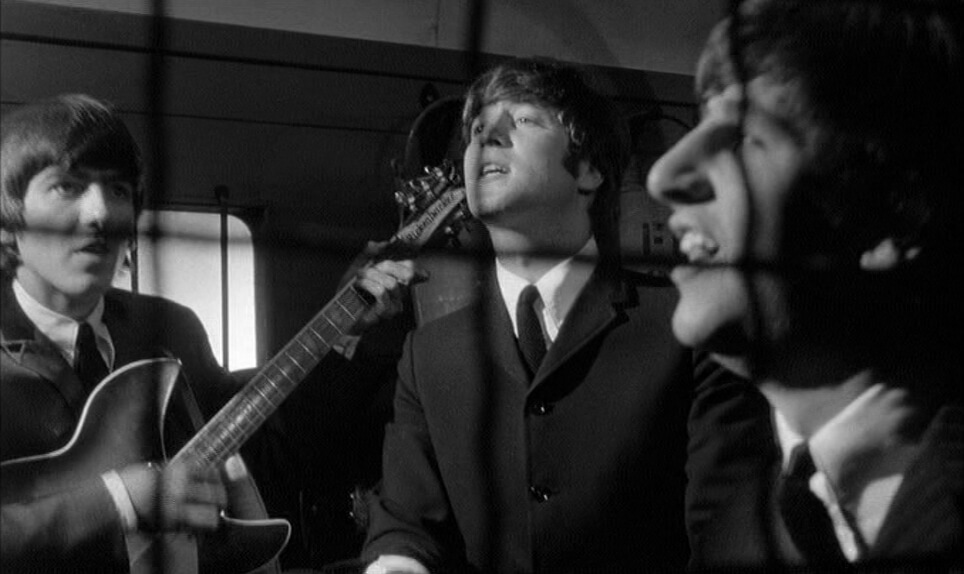
As the band races toward their live TV appearance, the film blends performance sequences with behind-the-scenes antics. The climax of the film takes place during the energetic live performance, where the Beatles play several of their songs, including “A Hard Day’s Night,” “Can’t Buy Me Love,” and “She Loves You,” to a screaming audience of fans.

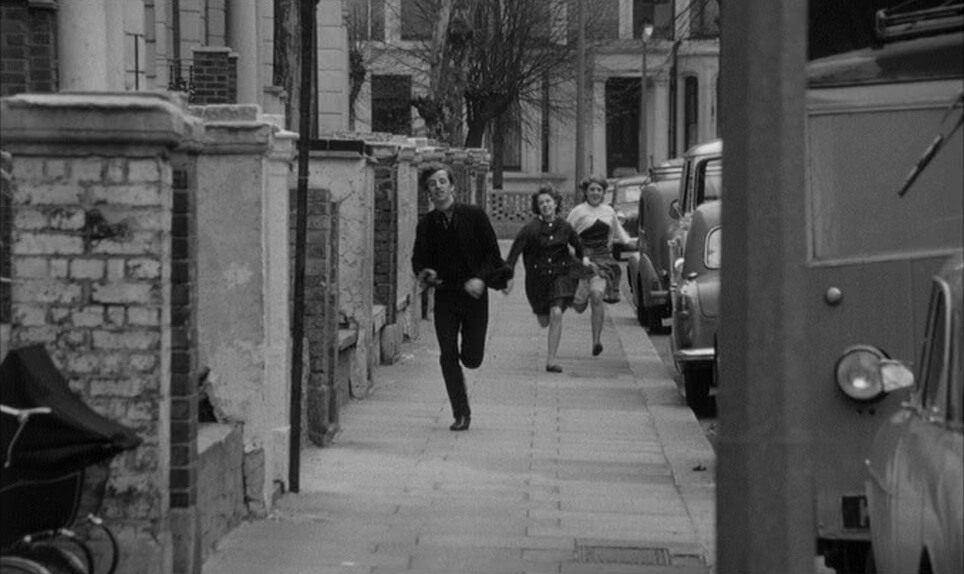

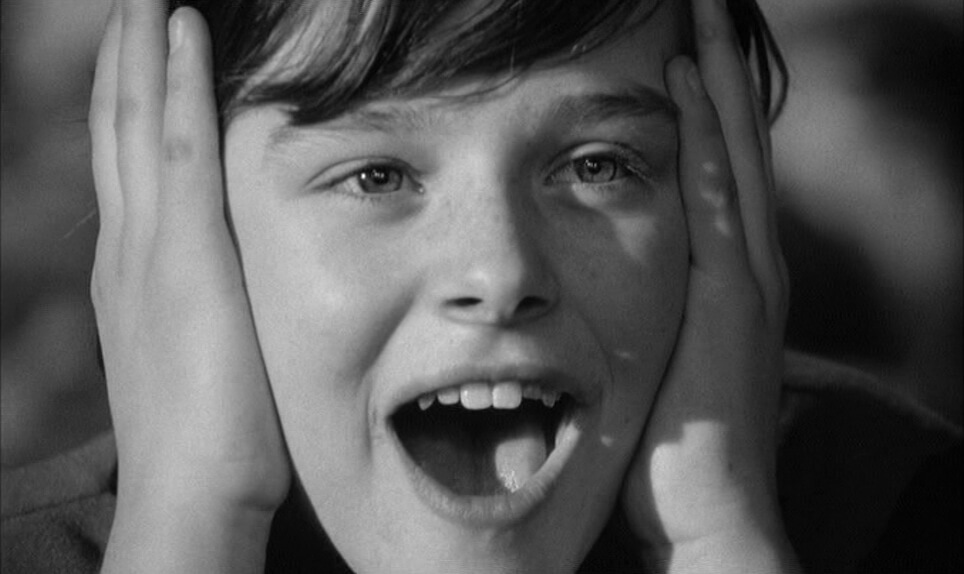
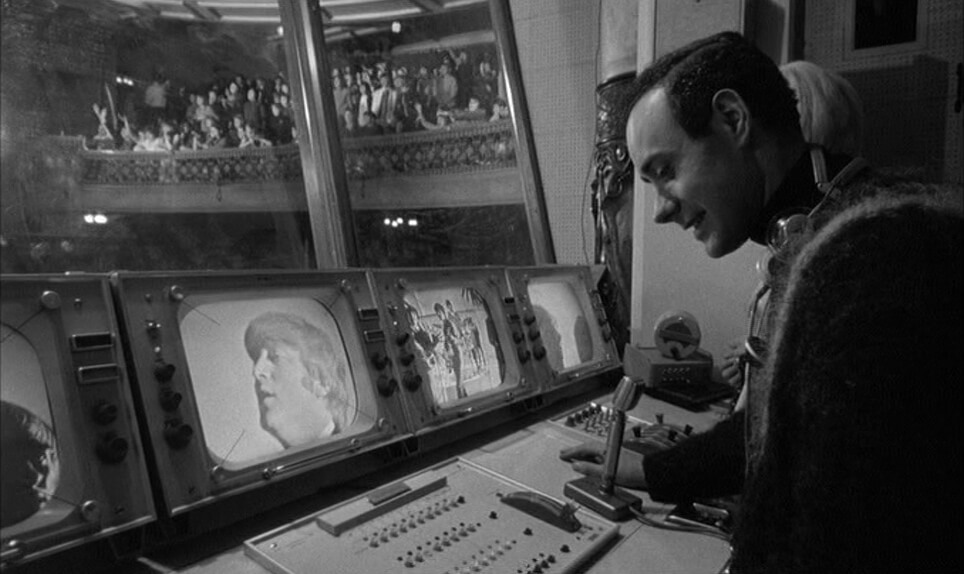
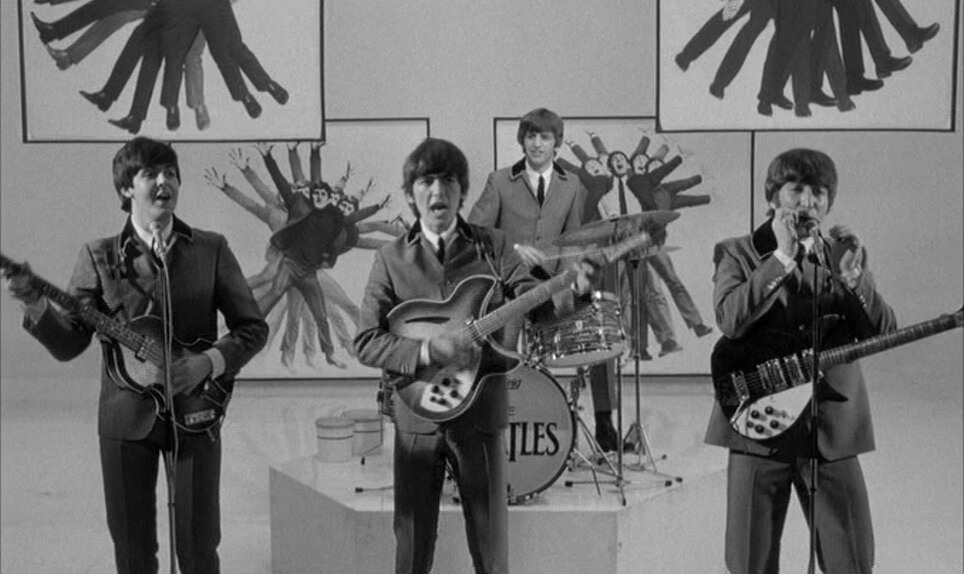
“A Hard Day’s Night” is not just a film about a rock band; it’s a playful, anarchic look at the absurdity of fame, the generation gap, and the pressures of celebrity. The film’s comedic style borrows from the Marx Brothers with its fast-paced, nonsensical humor, while its documentary-style approach gives it a sense of immediacy and realism. The Beatles’ natural charm and wit are fully displayed, making the film feel scripted and spontaneous.
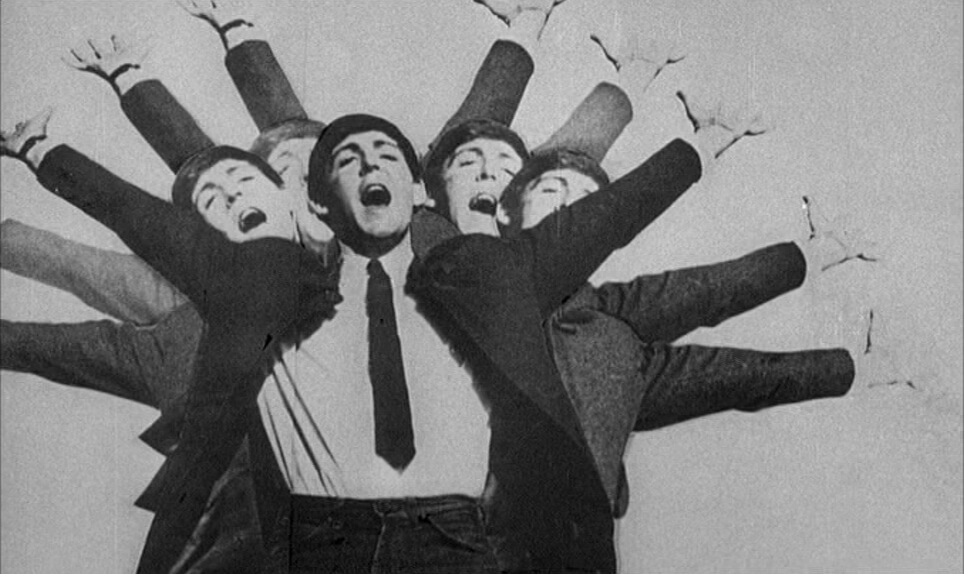
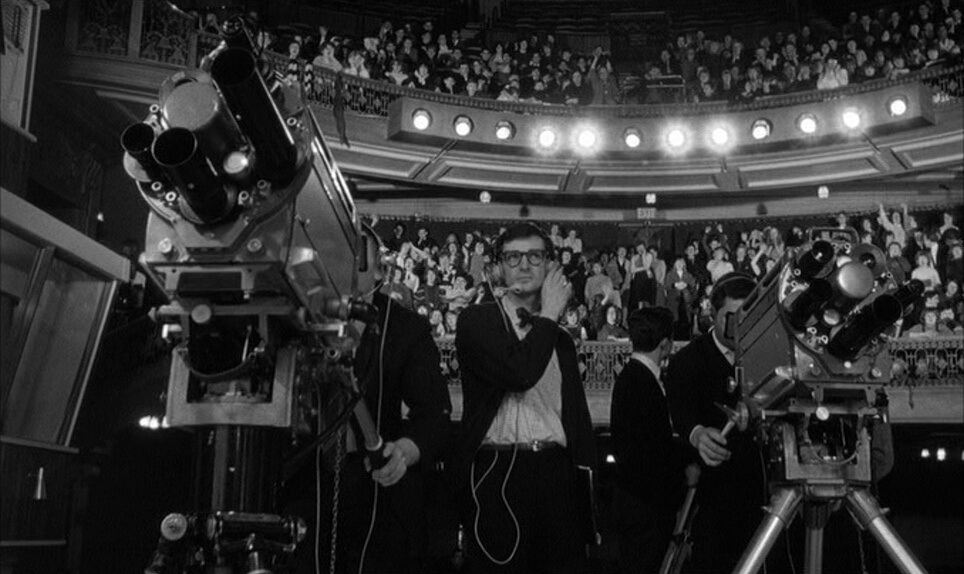

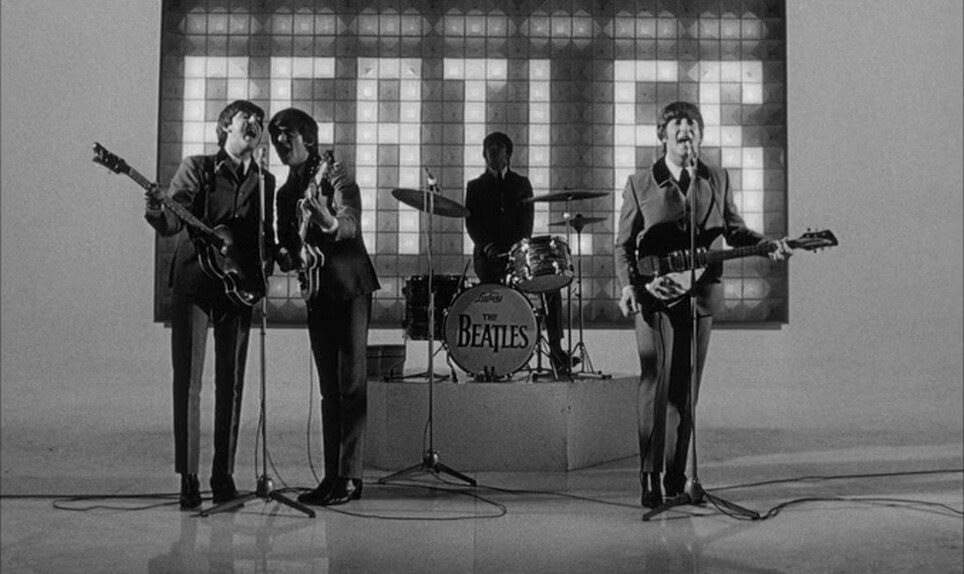
Director Richard Lester’s innovative use of handheld cameras, quick cuts, and fourth-wall-breaking moments (where the characters address the camera directly) would go on to influence music video and filmmaking techniques for years to come. The film is often credited with helping to define the visual style of 1960s pop culture with its kinetic energy, irreverent humor, and emphasis on youth.

“A Hard Day’s Night” is often cited as one of the greatest music films of all time and is seen as a precursor to the modern music video. It captured the zeitgeist of the 1960s and the joy and chaos of the Beatles’ meteoric rise to fame. Its influence is evident in the music videos and concert films that followed in the decades after.

 The Other Cinema