

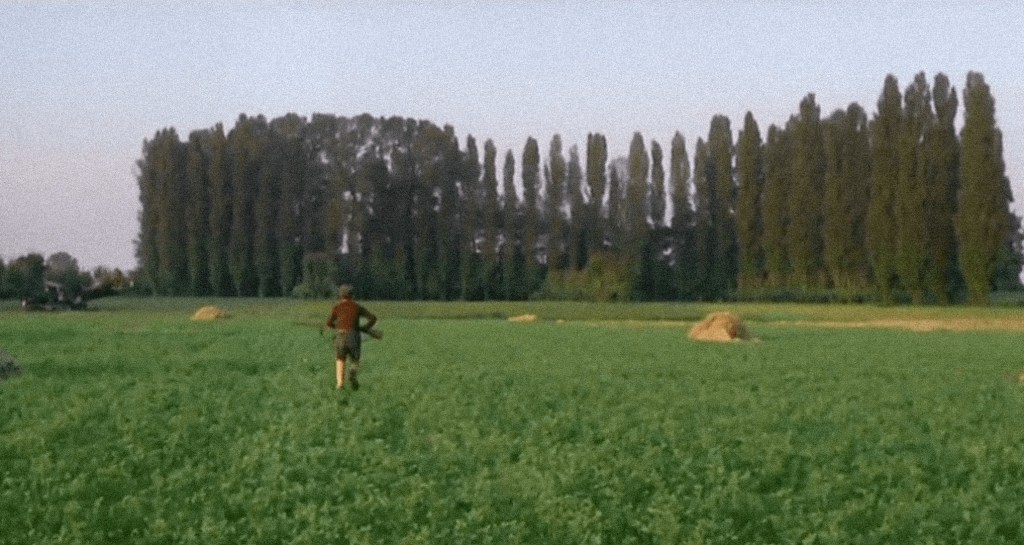
“1900” (original title: Novecento, 1976) is an epic historical drama directed by Bernardo Bertolucci. The film spans several decades in 20th-century Italy, from the early 1900s to the rise of fascism (an occurring theme in Bertolucci’s earlier films), and it explores the lives of two men from different social classes whose fates are intertwined with the tumultuous political and social changes of the era. Known for its ambitious scope, political themes, and international cast, “1900” is a grand cinematic exploration of class struggle, friendship, and history.



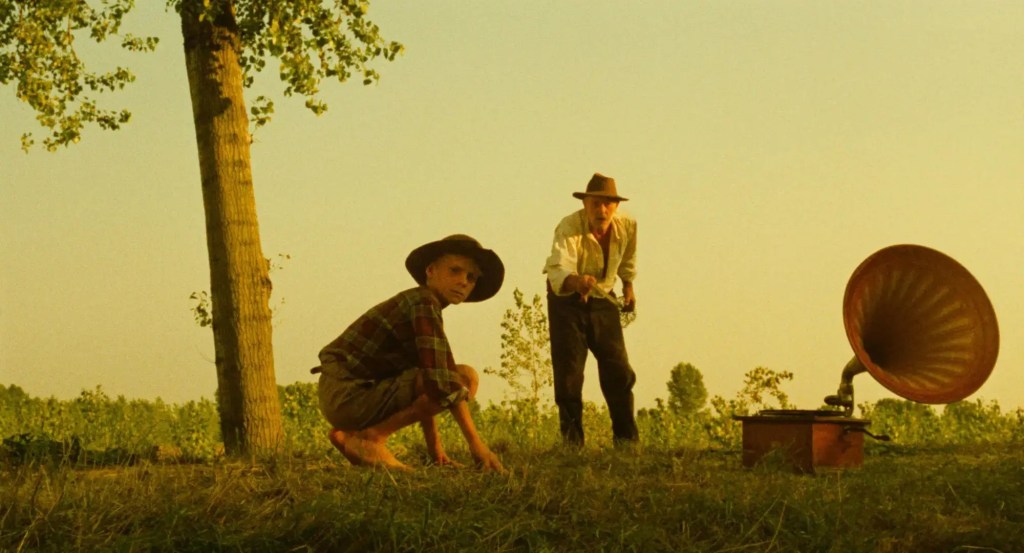
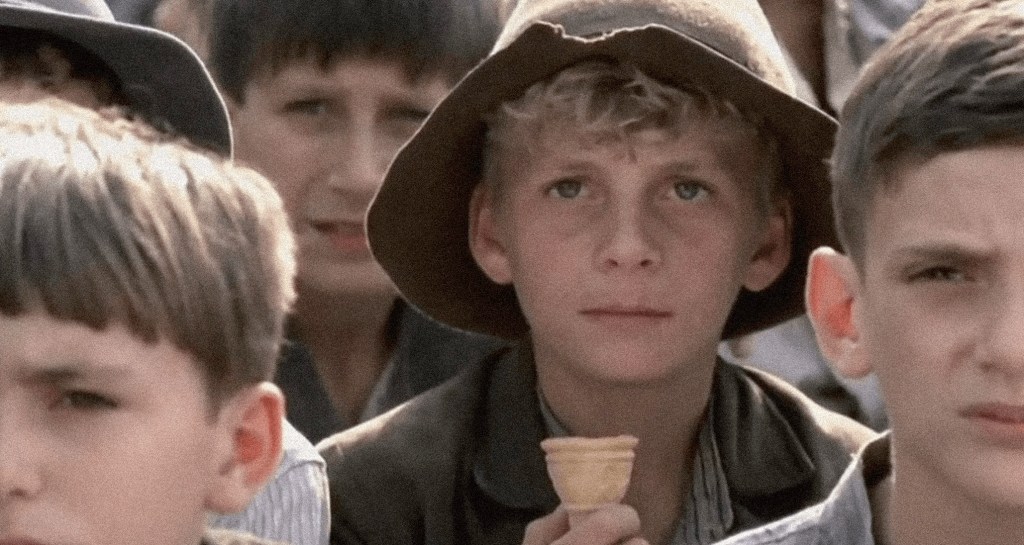

The film begins in 1901 on the day of composer Giuseppe Verdi’s death. Two boys are born on the same day: Alfredo Berlinghieri (played as an adult by Robert De Niro) and Olmo Dalcò (played as an adult by Gérard Depardieu). Alfredo is the son of a wealthy landowner, while Olmo is born into a poor family of peasants who work on the Berlinghieri estate. Despite their vastly different backgrounds, the boys grow up together, forming a bond that endures the profound changes in Italy’s political landscape, including the rise of socialism and the threat of fascism.




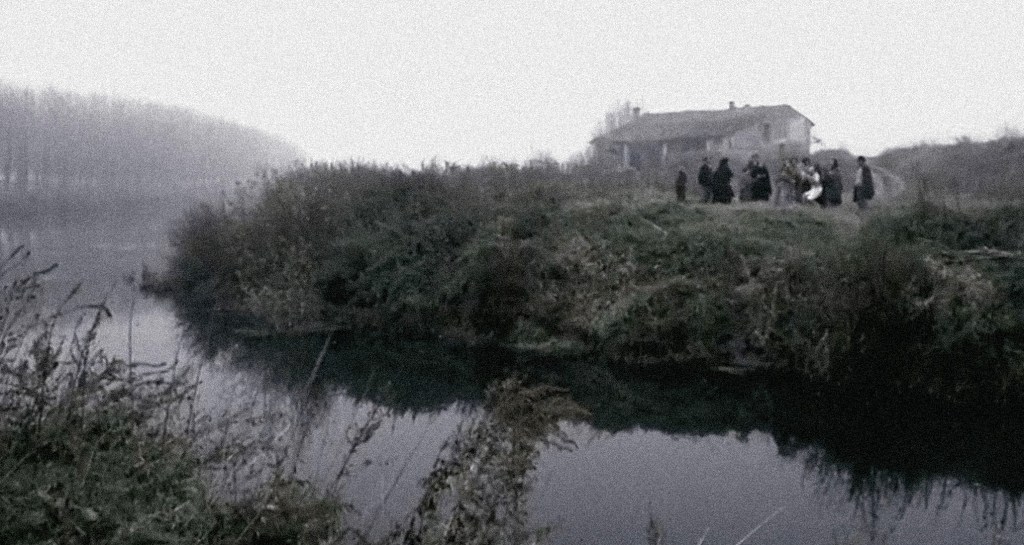
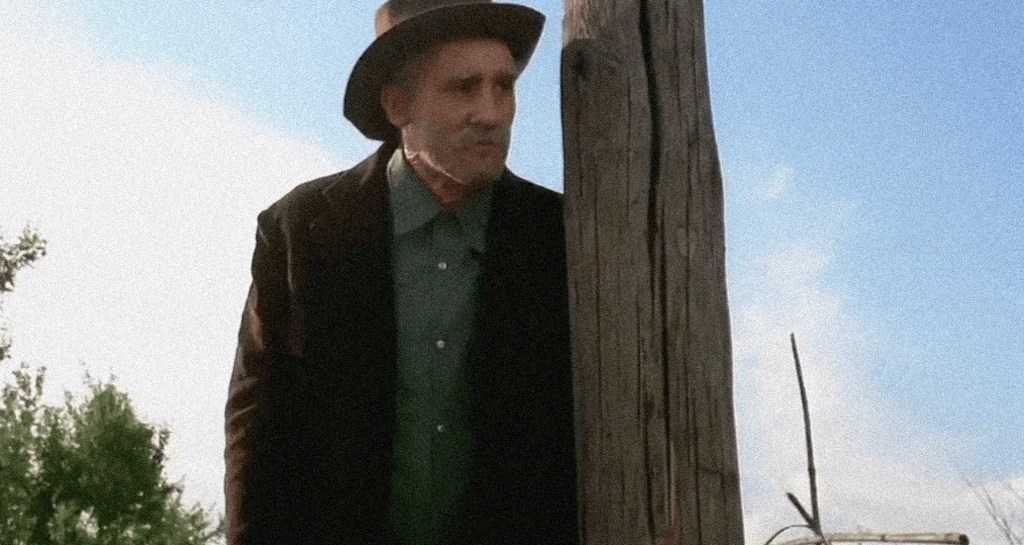
As children, Alfredo and Olmo represent two sides of Italy’s class divide. Alfredo, the heir to the Berlinghieri estate, is privileged and sheltered, while Olmo, raised by peasants, lives in poverty and works hard from a young age. The film’s early sections explore the innocence of their youth but also the beginnings of class consciousness, particularly in Olmo, whose grandfather, Leo Dalcò (played by Sterling Hayden), is a proud socialist and instills in Olmo, a sense of rebellion against the oppression of the landowners.


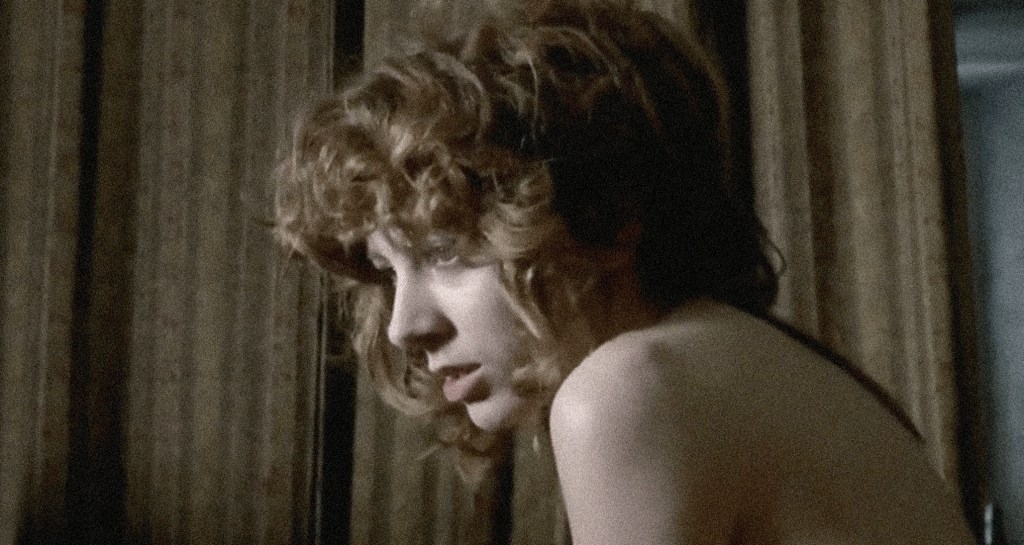
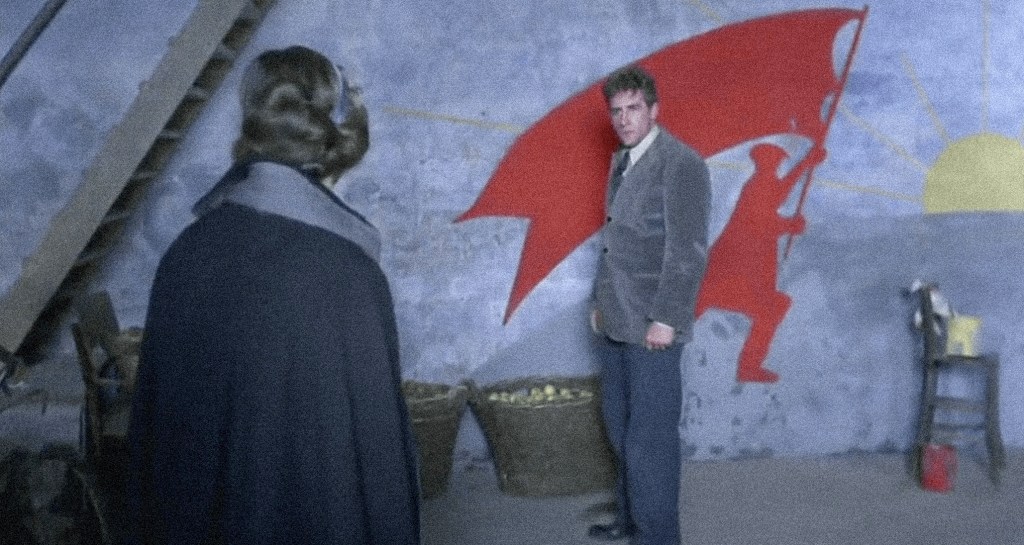

When both boys grow into men, their paths diverge even further. Alfredo inherits the family estate and becomes a detached and indifferent landowner, while Olmo becomes a passionate advocate for the rights of peasants and workers. Their friendship becomes strained as political tensions rise in Italy, particularly with the rise of fascism.

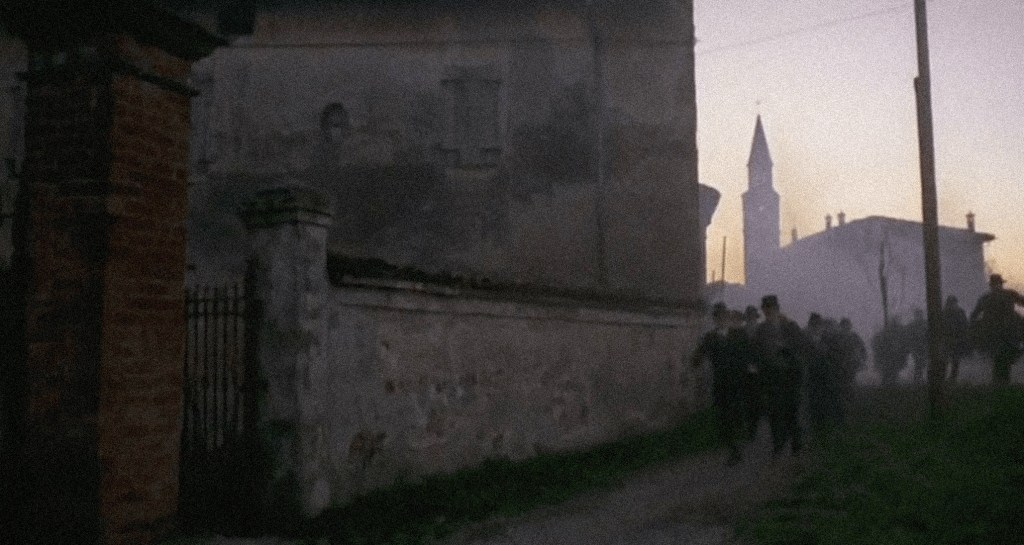
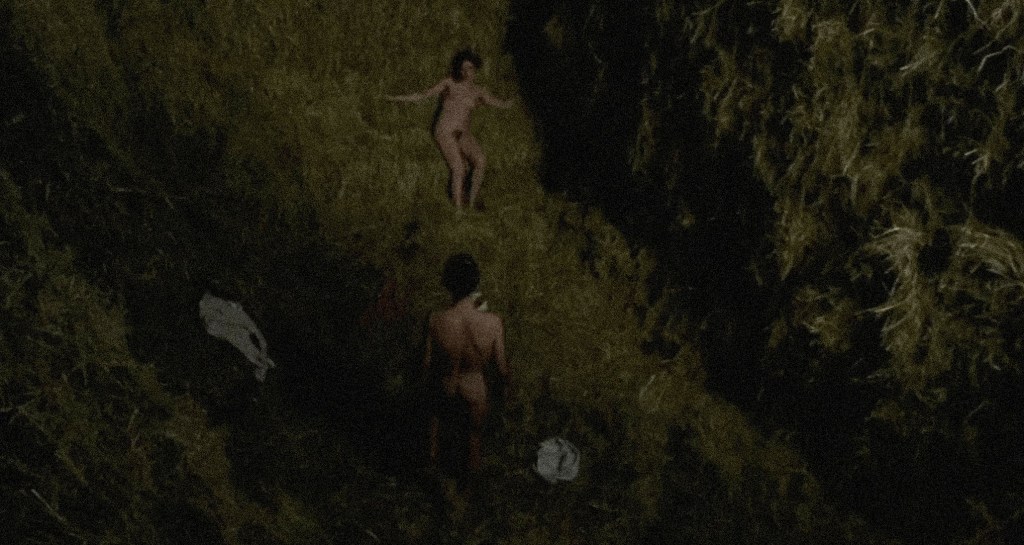
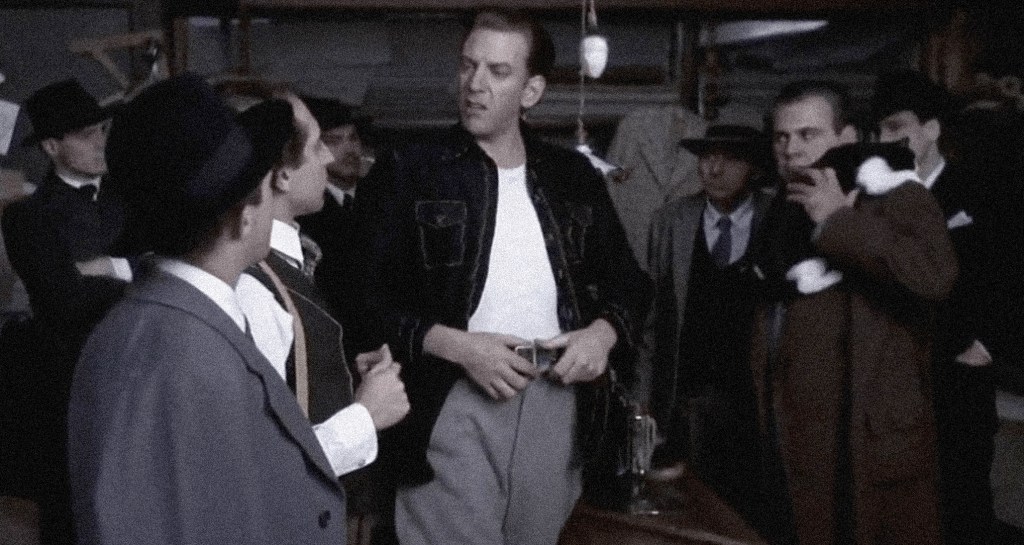
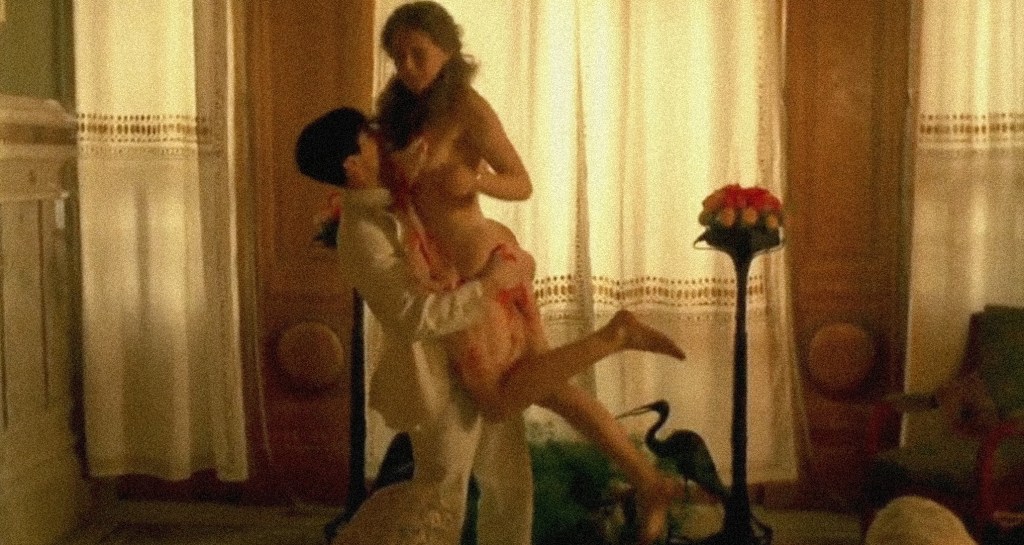
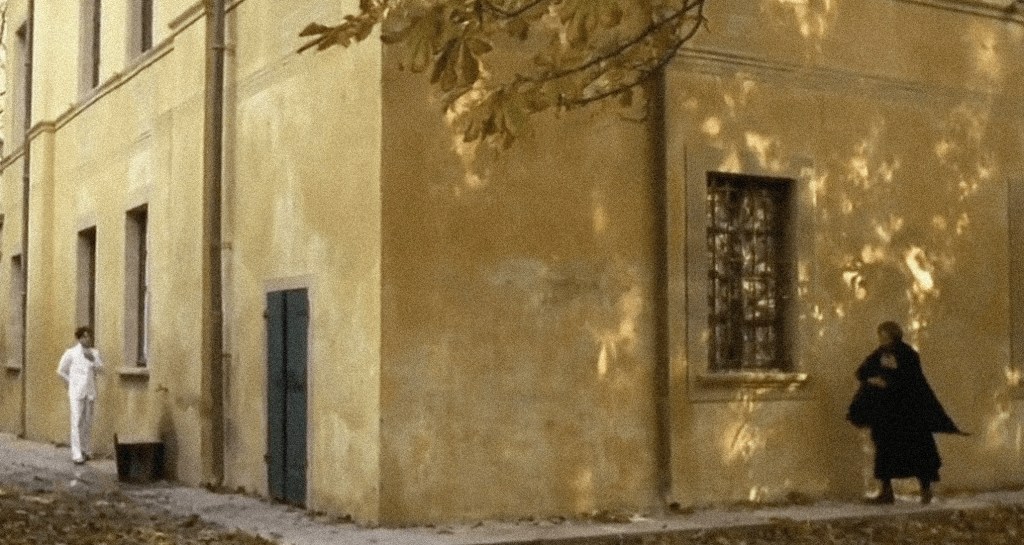
Robert De Niro plays Alfredo Berlinghieri, the wealthy Berlinghieri family estate heir. As a child, he is close to Olmo, but as he grows older, he becomes more complicit in the oppressive system that favors landowners. De Niro portrays Alfredo as a conflicted character, torn between his loyalty to Olmo and his passive acceptance of his role as a landowner. However, Olmo Dalcò, played by Gérard Depardieu, is the son of peasants who work for the Berlinghieri family. He becomes a strong advocate for the socialist cause, fighting for workers’ rights and resisting the fascists.
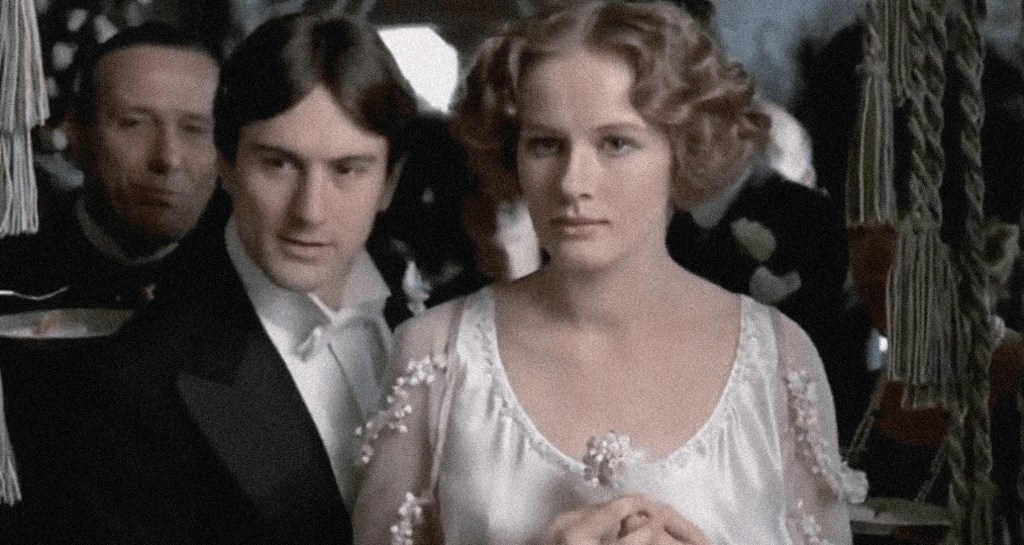

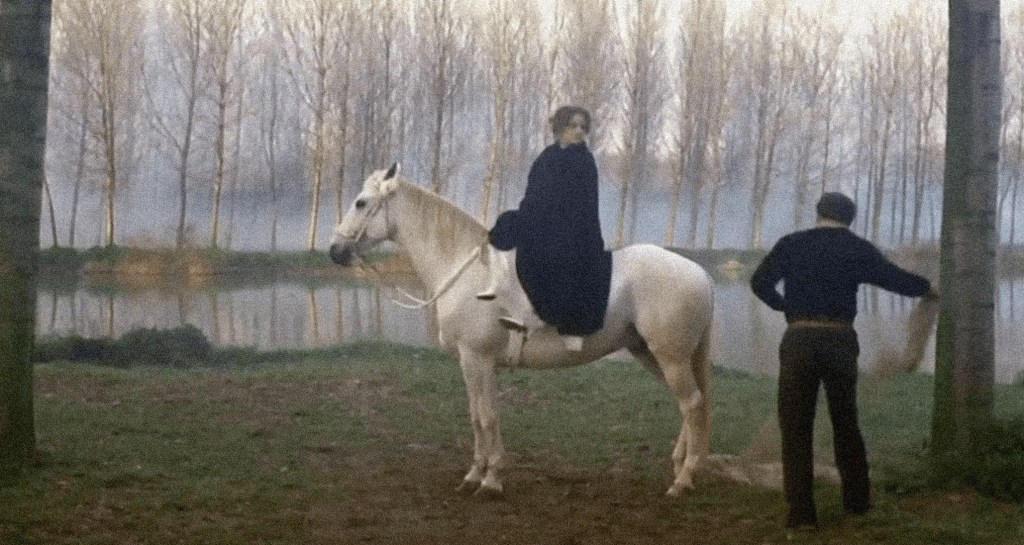
Other key roles include Dominique Sanda, who plays Ada Fiastri Paulhan. She is Alfredo’s wife, an elegant and modern woman. She becomes disillusioned with Alfredo’s complacency and detachment, and their relationship deteriorates as political tensions deepen.

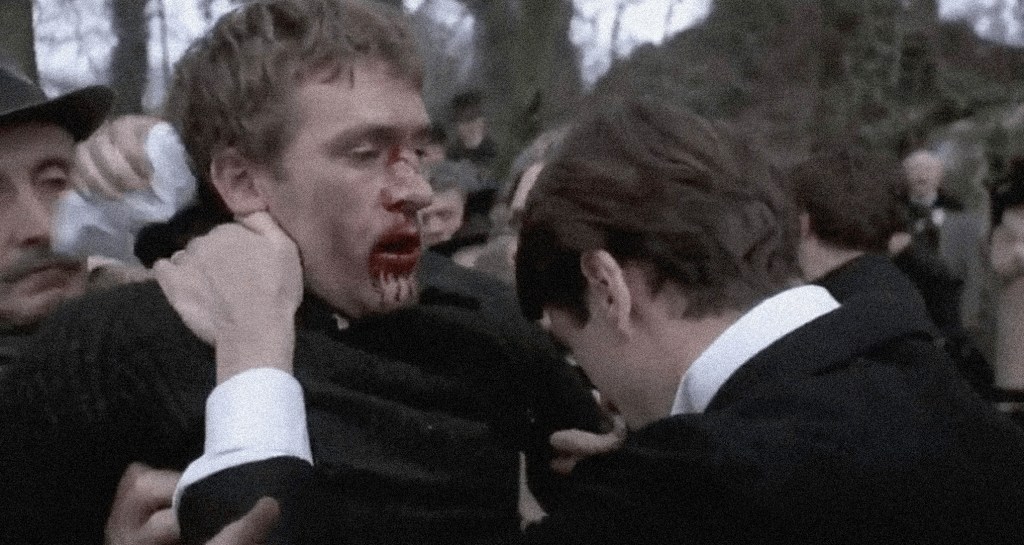


Donald Sutherland plays Attila Mellanchini, one of the film’s primary antagonists, a sadistic and brutal fascist who rises to power during the fascist regime. He is a violent enforcer of the landowners’ interests and commits heinous acts of cruelty, including murder and rape, symbolizing the ruthless brutality of fascism. Finally, Laura Betti plays Regina, a cruel and equally brutal woman who becomes Attila’s lover. She participates in many of his violent acts and represents the unchecked cruelty of fascism.
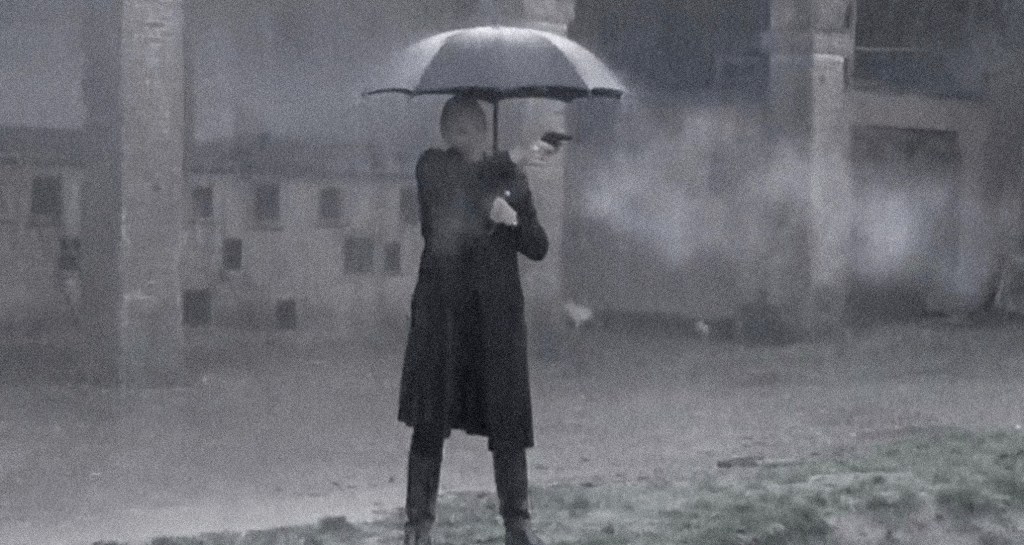


The film is structured around the shifting power dynamics between the working class and the landowners, with Alfredo and Olmo serving as symbolic figures of each side. As the socialist movement gained traction in Italy, Olmo became more involved in labor strikes and peasant uprisings. The workers begin to demand fair treatment, equality, and an end to the feudal-like system of oppression. Alfredo, meanwhile, is increasingly aloof, trapped in his role as a wealthy landowner but unable or unwilling to take a stand.
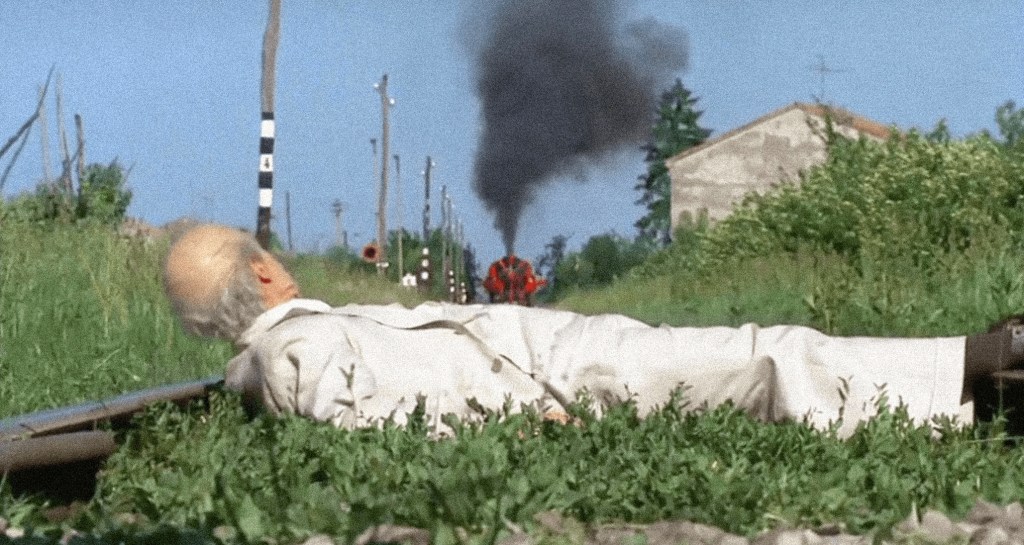
The rise of fascism, however, brings violent repression to the peasantry. Attila, hired as a foreman on the Berlinghieri estate, represents the fascist movement, which violently suppresses the socialist uprisings. He murders and terrorizes the workers, and Alfredo, although disturbed by Attila’s brutality, does nothing to stop him. This period in the film shows the devastating effects of fascism on the common people, as well as the complicity of the upper classes in allowing such horrors to occur.
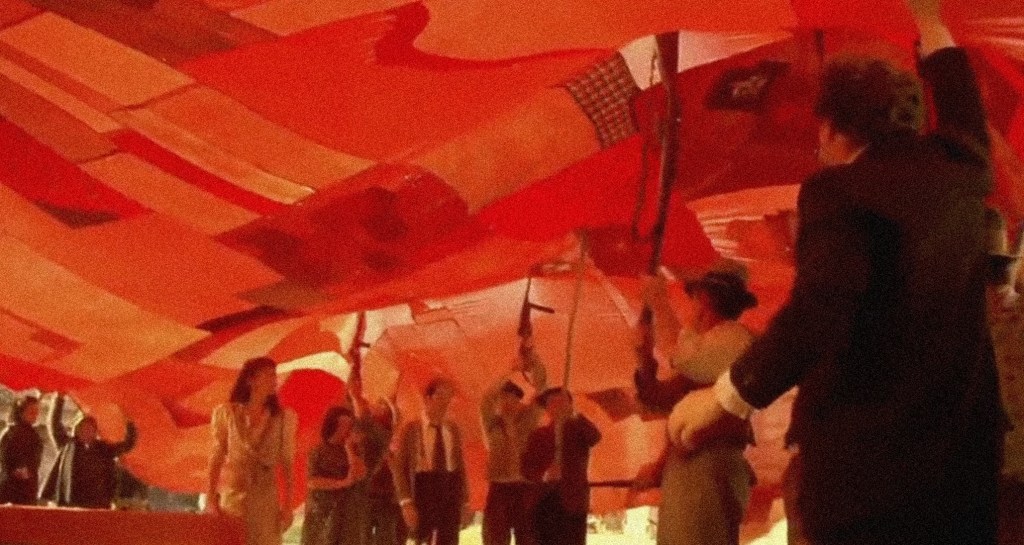
The film’s climax occurs during World War II’s end when the fascist regime collapses, and the workers rise up. Olmo and the peasants seize control of the estate and put the fascists, including Attila, on trial for their crimes. Alfredo, the heir to the estate and a symbol of the oppressive upper class, is also put on trial by the workers. However, Olmo intervenes, recognizing their friendship despite the class differences. Alfredo is spared, but the estate system that sustained him is dismantled.

“1900” is a sprawling epic that addresses multiple themes, including class struggle, political oppression, the rise of fascism, and the nature of friendship. It is a deeply political film, with Bertolucci using the relationship between Alfredo and Olmo to explore the tensions between the upper class and the working class. Their relationship reflects the broader political changes in Italy, as socialist and peasant movements challenge the old aristocracy.
The film is also a critique of fascism. The brutality and inhumanity of fascism are depicted in stark terms, particularly in scenes of violence and repression against the workers.
Bertolucci, known for his epic visual style, employs epic cinematography to capture the vast landscapes of rural Italy and the sprawling scope of the historical narrative. The long runtime (over five hours) allows for a deep exploration of its characters and themes, making the film a demanding and immersive experience for viewers.

 The Other Cinema