
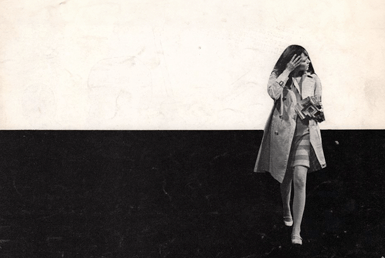
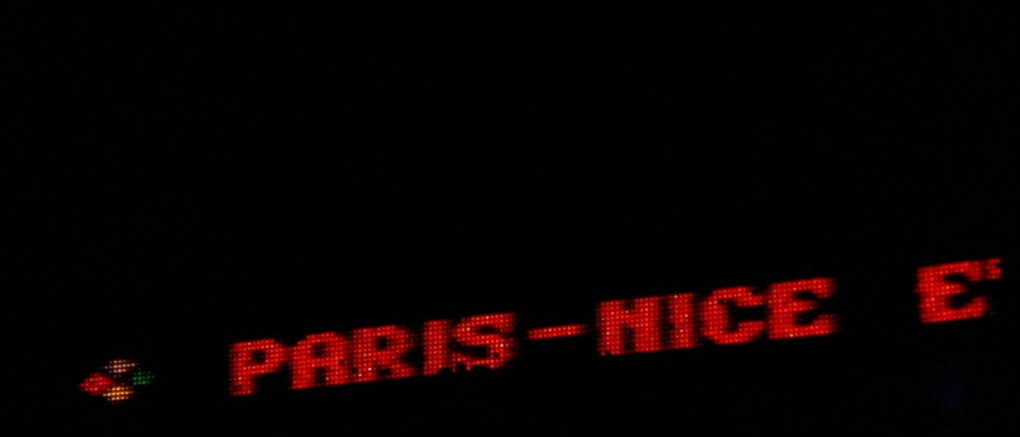
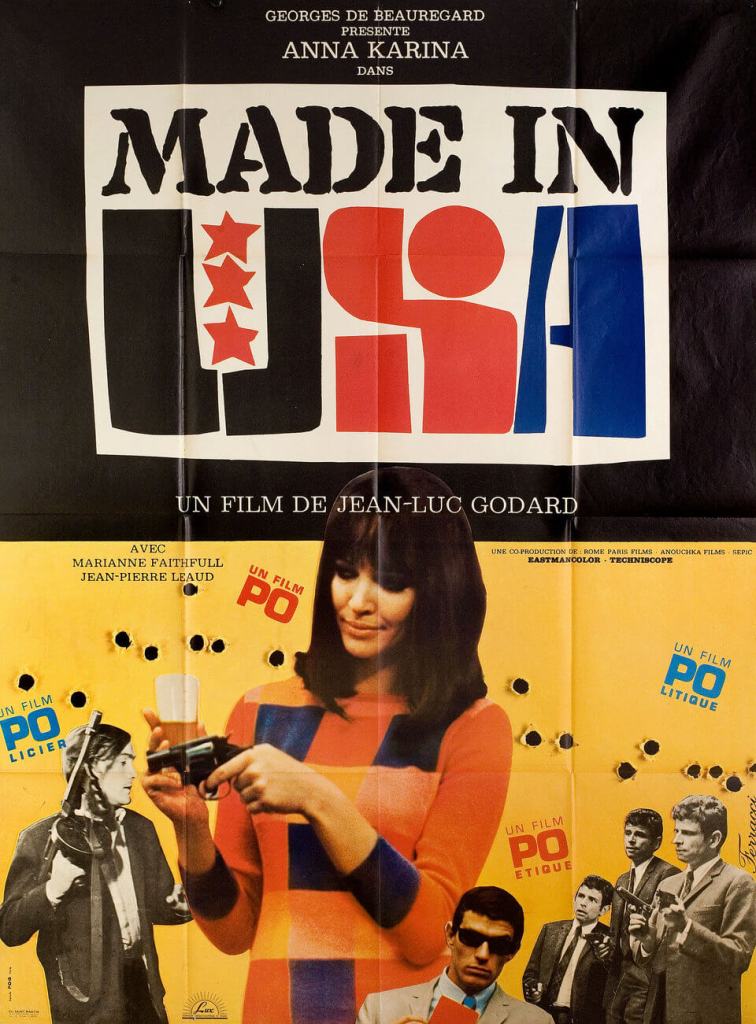
“Made in U.S.A.” is a 1966 French crime-political film directed by Jean-Luc Godard. The film is a loose adaptation of Donald E. Westlake’s novel The Jugger and combines elements of film noir, political intrigue, and Godard’s signature experimental style. It stars Anna Karina as a woman investigating the death of her lover in a labyrinthine world of conspiracies and shifting identities. The film is both a playful homage to American genre cinema and a political commentary on contemporary France, including veiled references to real-world events and figures.
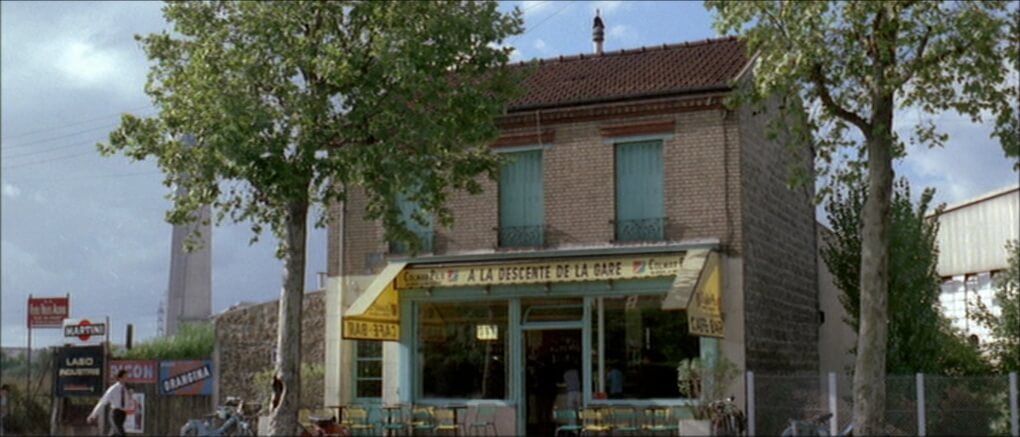
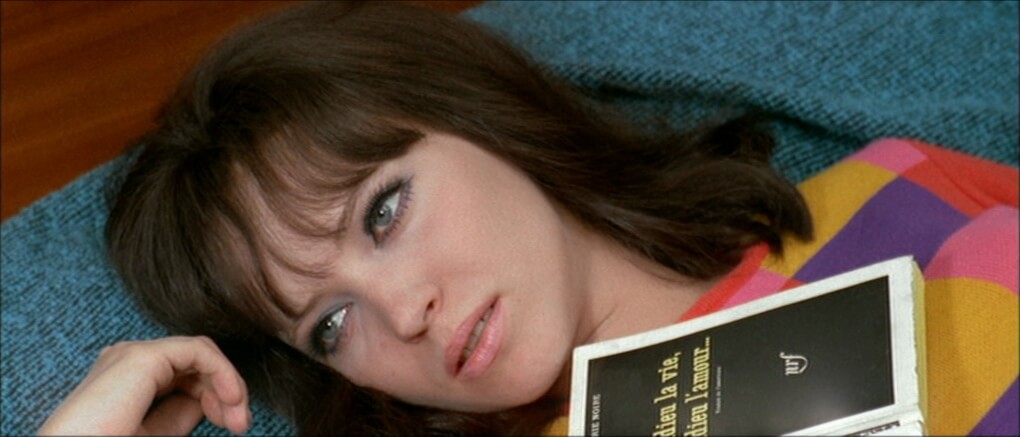

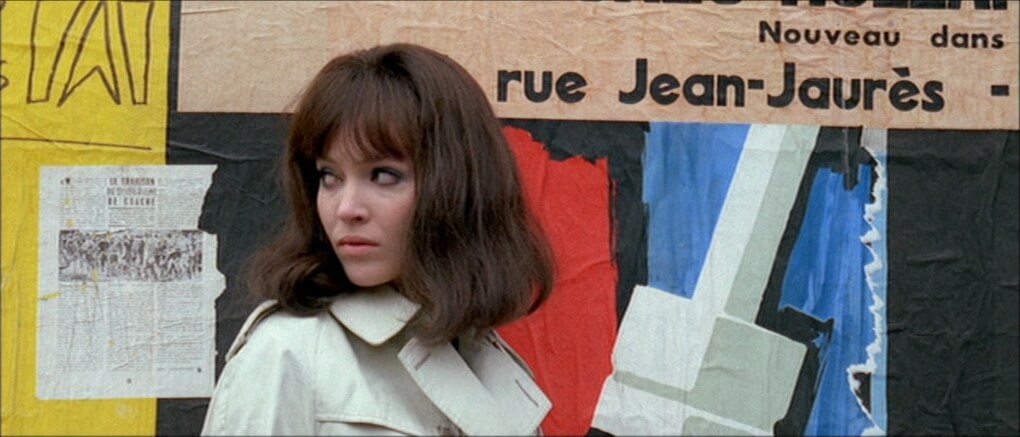
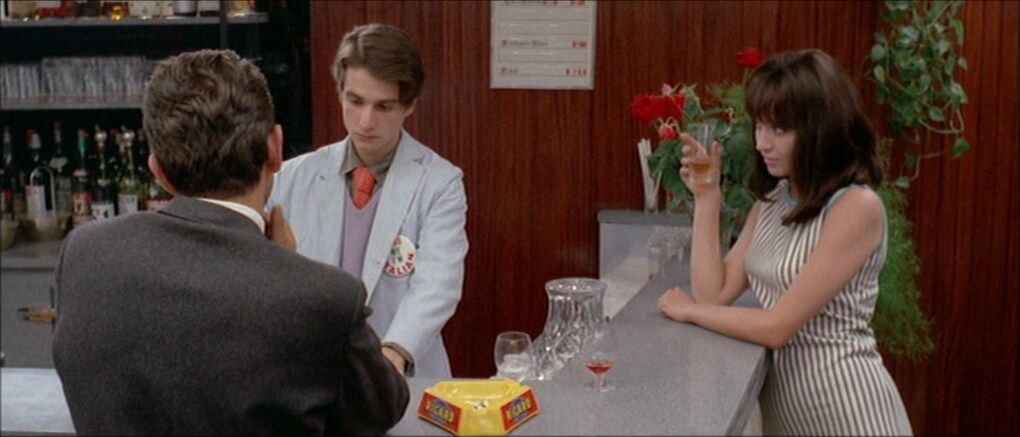
The film opens with Paula Nelson (played by Anna Karina), a journalist, traveling from Paris to the fictional town of Atlantic-Cité. Paula has been summoned to this town by her former lover, Richard Politzer, who has mysteriously disappeared. Upon arrival, she learns that Richard is dead under suspicious circumstances, and she sets out to investigate his death. As Paula begins her inquiry, she is pulled into a complex web of political and criminal intrigue.

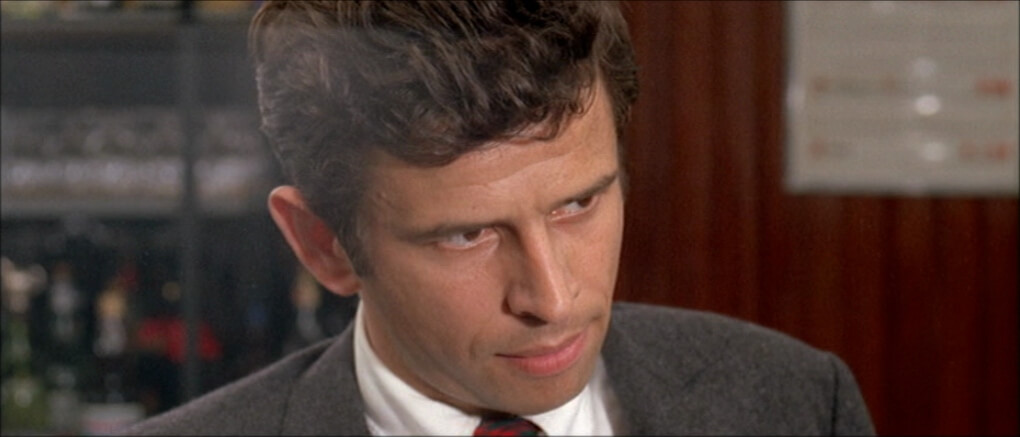
Paula’s investigation leads her to a series of enigmatic characters, including gangsters, spies, and political agents, all of whom seem to have connections to Richard’s death. Along the way, she encounters David Goodis (played by Yves Afonso), a mysterious figure with ties to the underworld, and Edgar Typhus (played by Ernest Menzer), a doctor who seems to know more than he lets on. Each interaction further complicates Paula’s understanding of the events that led to Richard’s demise, and the film unfolds with a deliberately fractured narrative structure.
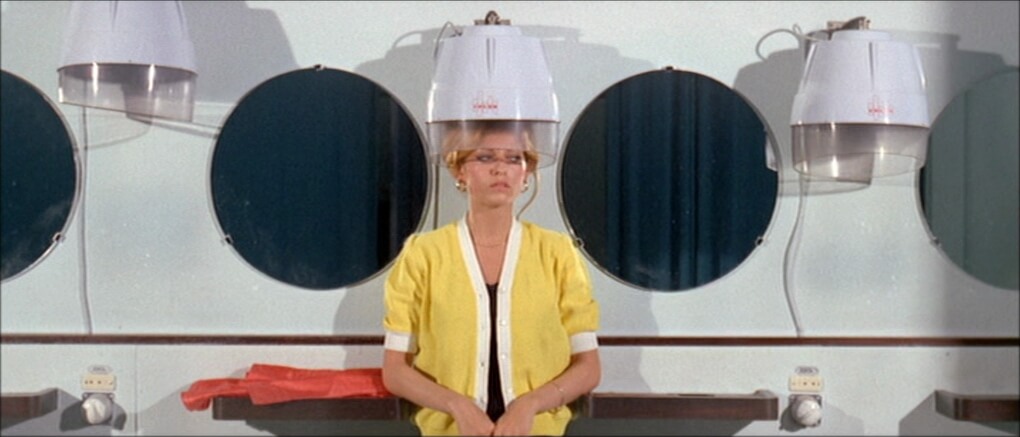

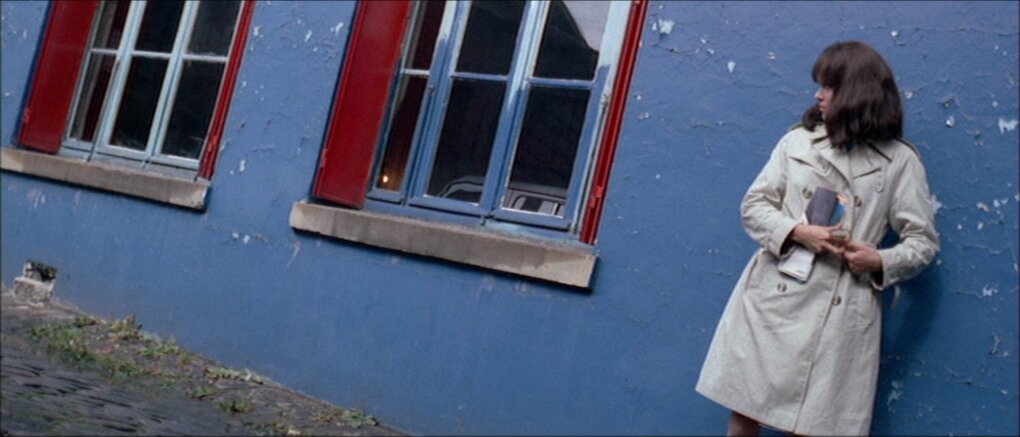
Paula navigates a world filled with violence, betrayals, and cryptic conversations. At one point, she is caught in a shootout and kills a man named Donald Siegel (a nod to the real-life American director of the same name), further blurring the line between investigator and criminal. Throughout her journey, Paula frequently speaks in monologues that reflect both her anguish over Richard’s death and her growing disillusionment with politics and morality.


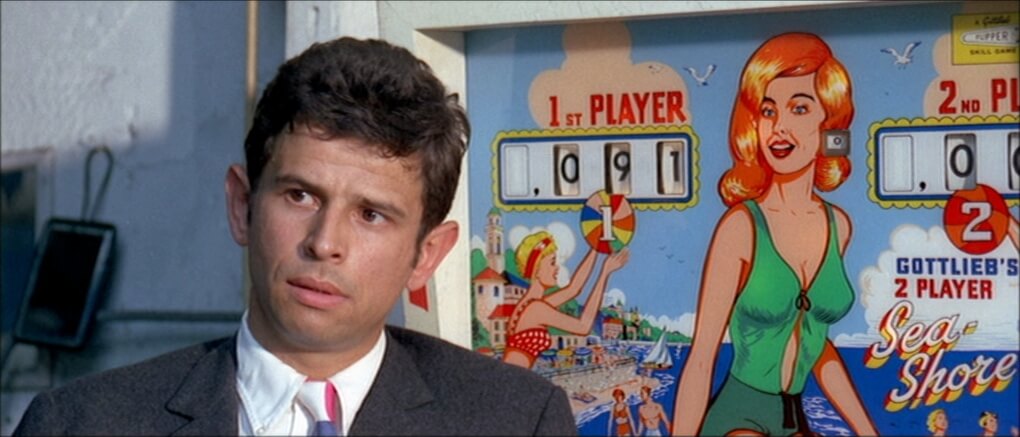
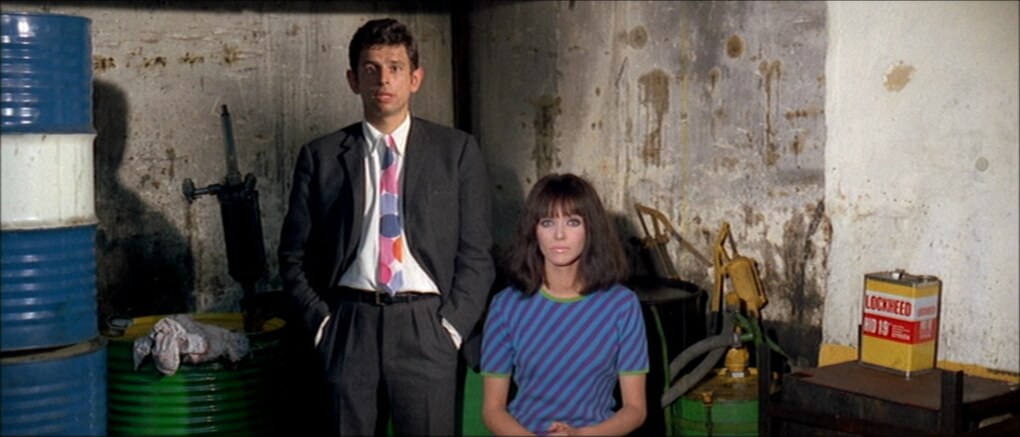


Amid the investigation, Godard incorporates a robust political undercurrent, referencing the political turmoil of France in the 1960s, particularly the Algerian War of Independence and the controversies surrounding it. Many characters are stand-ins for political factions, and Paula’s search for truth becomes a metaphor for navigating the murky waters of political ideology and personal conviction.

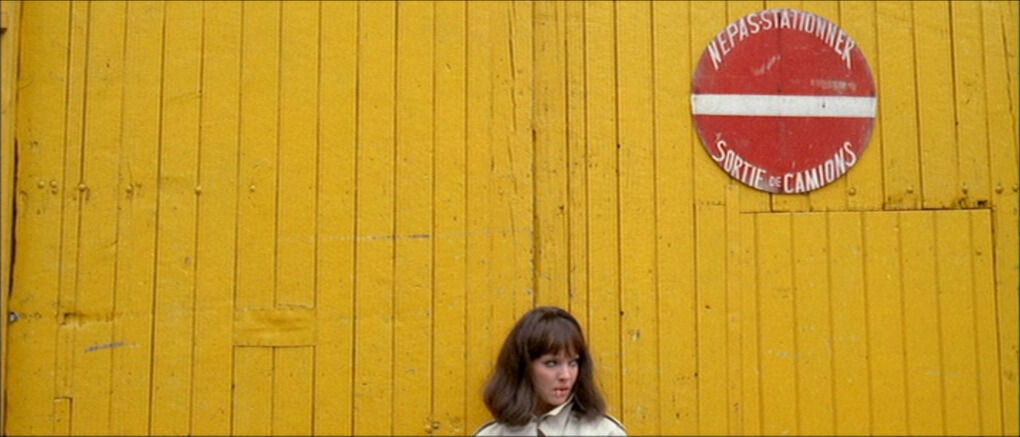
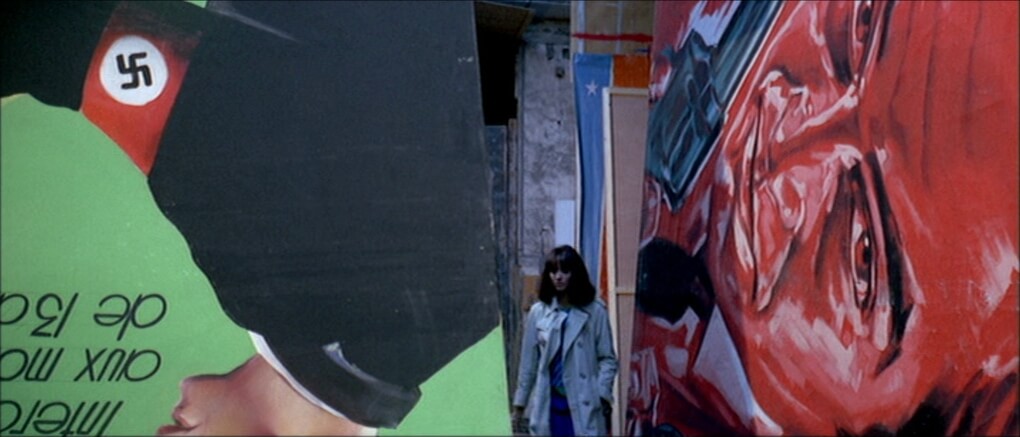
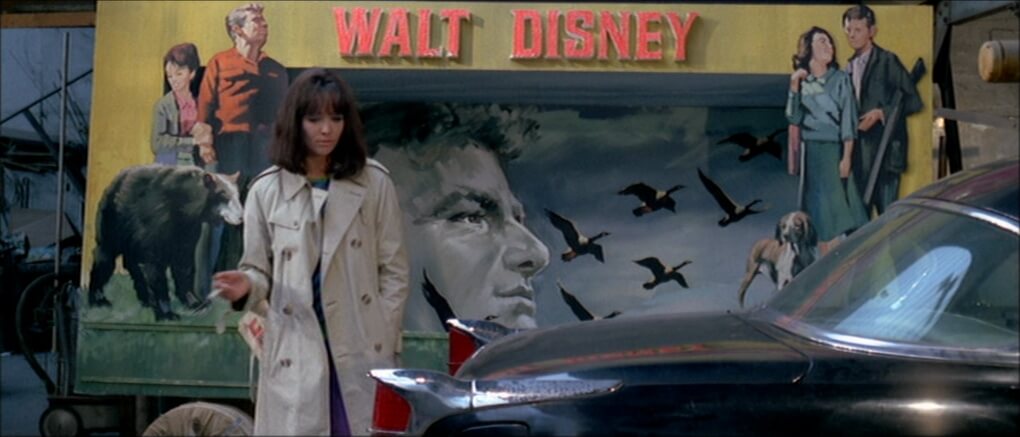
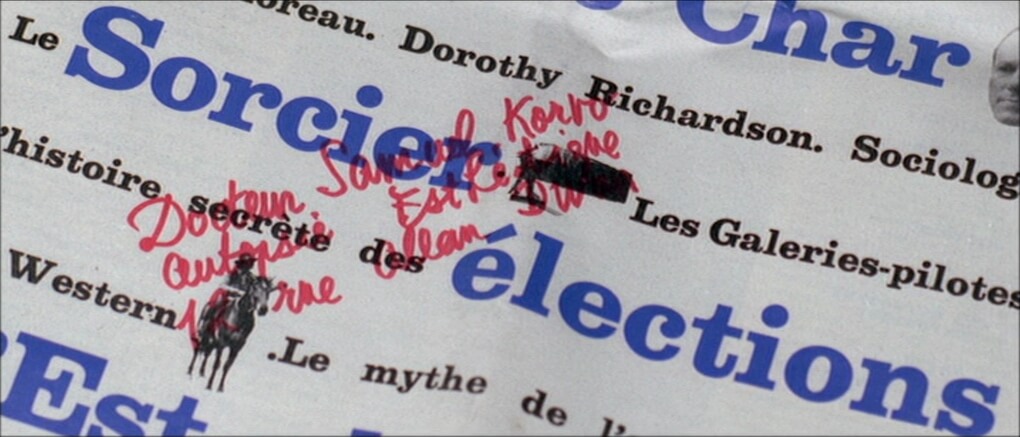
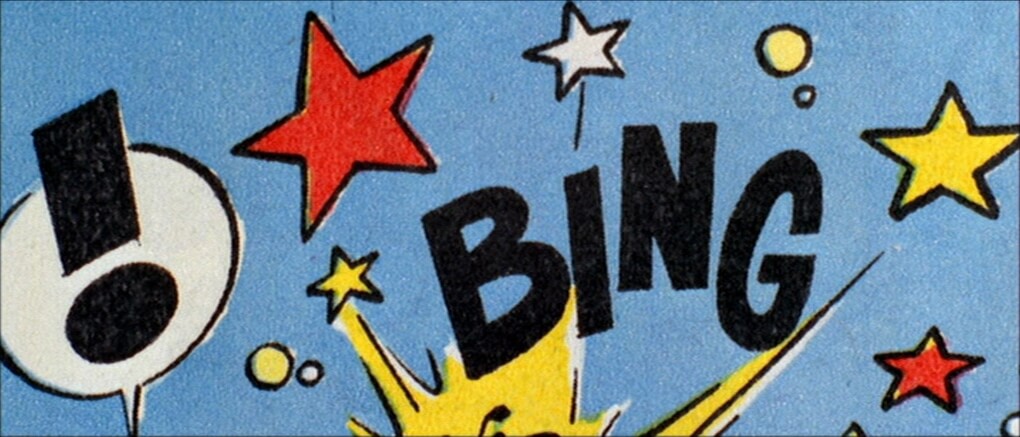
Visually, the film employs Godard’s characteristic techniques, such as bold primary colors, jump cuts, and non-linear editing. Godard frequently breaks the fourth wall, with characters addressing the audience directly or using text onscreen to underscore critical themes or commentary.

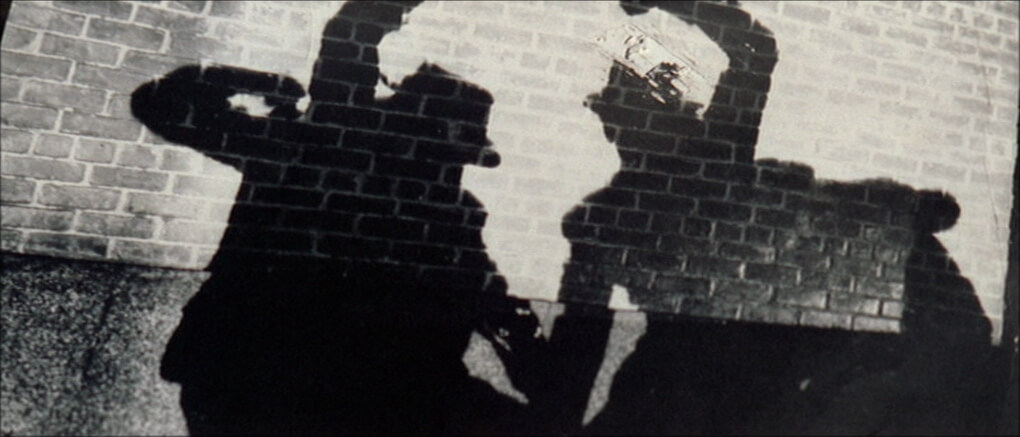
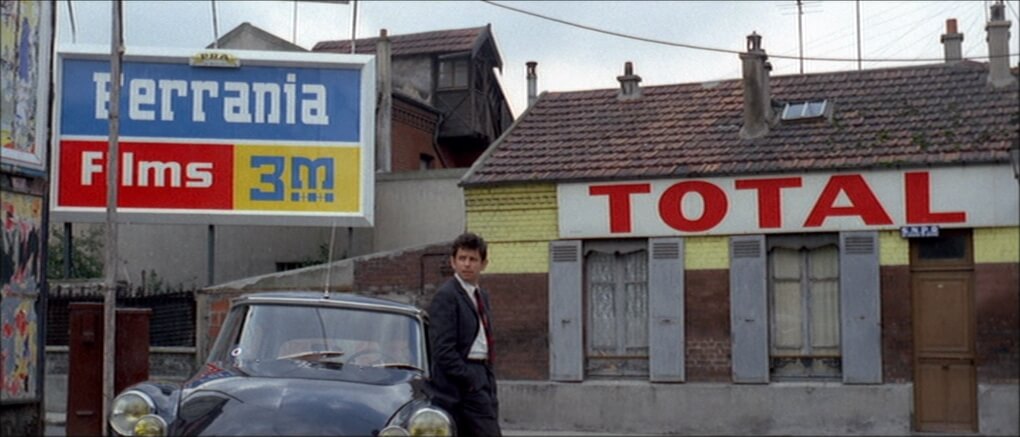
As Paula gets closer to the truth about Richard’s death, the film becomes increasingly abstract. The characters she meets are less interested in helping her than drawing her deeper into the political and personal intrigue maze. In the end, Paula discovers that Richard is involved in a conspiracy involving political figures and criminals, but the details remain elusive. The film concludes ambiguously, with Paula leaving Atlantic-Cité, still uncertain of the truth, as she reflects on the intertwining of personal betrayal and political corruption.

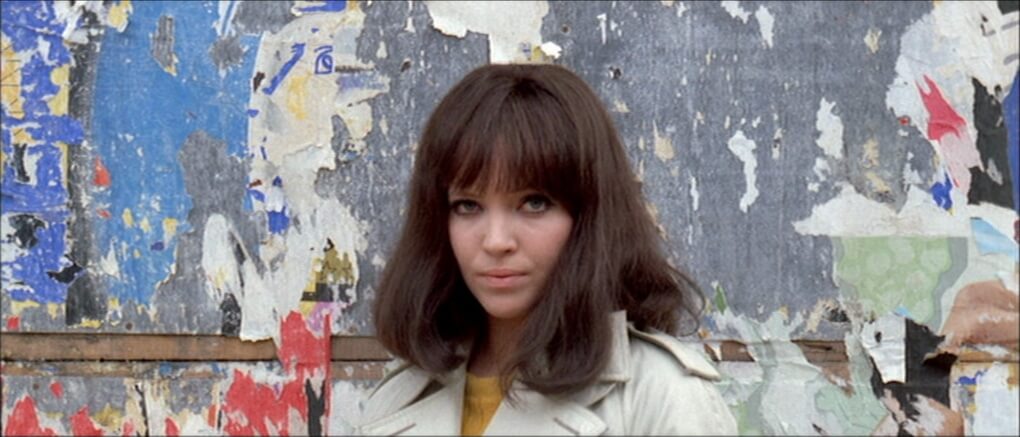
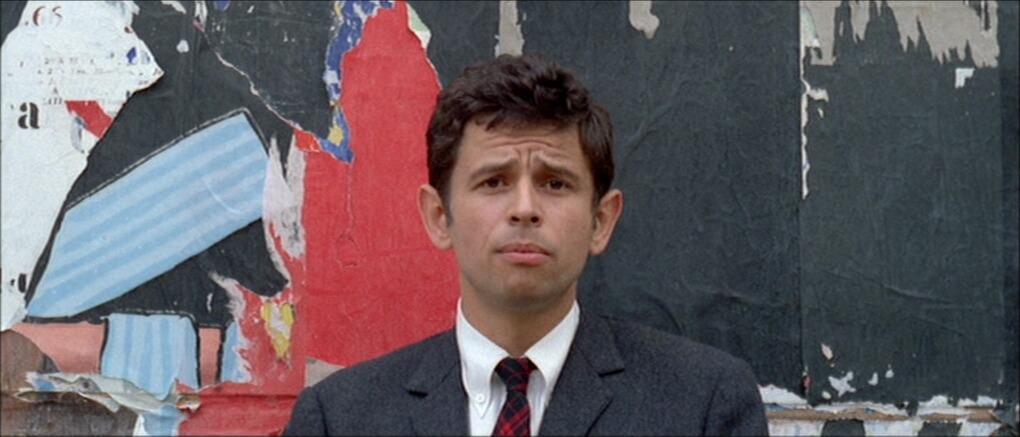
“Made in U.S.A.” is a genre-blending film incorporating film noir, political thriller, and experimental cinema elements. At its core, the film explores themes of political corruption, personal betrayal, and disillusionment. Godard critiques the moral and political confusion of the 1960s, using the crime story as a vehicle for his broader reflections on politics, ideology, and the role of cinema.
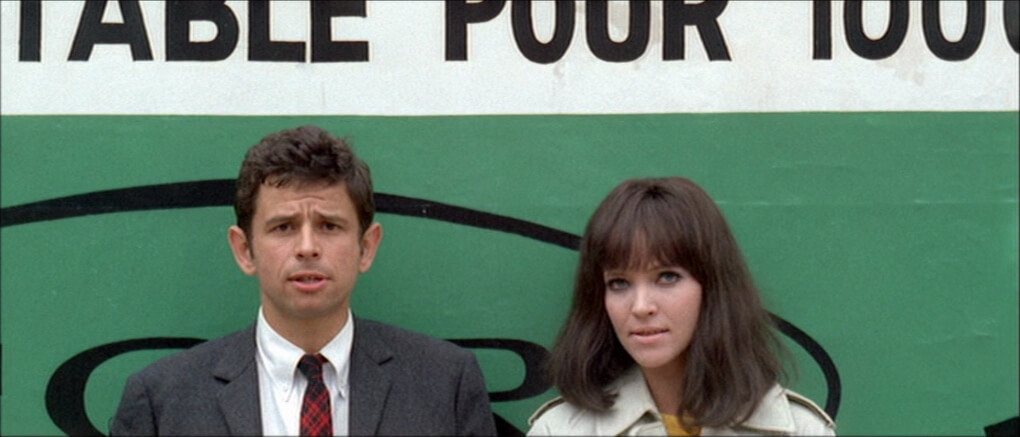
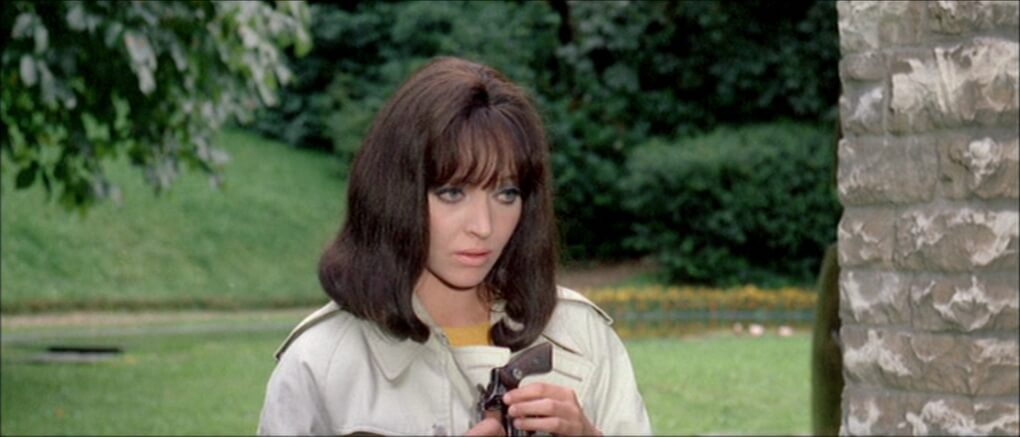
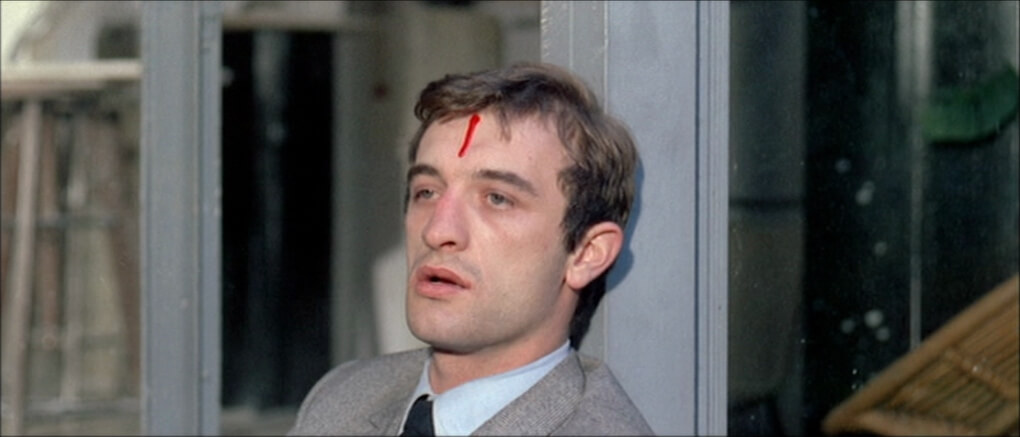
The film also serves as an homage to American cinema, particularly the noir and crime genres. Characters like Donald Siegel and David Goodis (both named after American crime writers/directors) and the film’s title evoke a fascination with American pop culture. However, Godard subverts the typical narrative conventions of those genres, offering a fragmented, non-linear story that reflects the chaotic political landscape of the time.
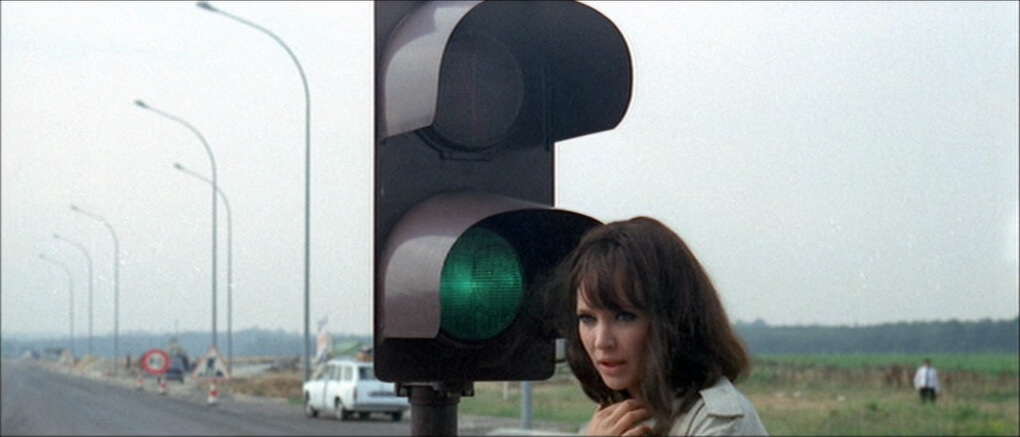
Godard’s characteristic stylistic innovations, including bold primary colors, jump cuts, and self-referential dialogue, are fully displayed in Made in U.S.A. The film often breaks the fourth wall, with characters addressing the audience directly or commenting on the narrative. Onscreen text is frequently used to comment on or disrupt the narrative flow, a technique Godard employs to further distance the audience from the traditional storytelling methods of genre cinema.

The political subtext of the film is particularly significant. Made during a time of political unrest in France, the film subtly alludes to the divisions within French society over issues like the Algerian War and post-colonial tensions. While these references are never overt, the film’s exploration of political violence and betrayal makes it a profoundly political work despite its outward appearance as a crime thriller.
The film’s narrative is intentionally disjointed, and its mixing of genres reflects Godard’s critique of cinema and politics. By blurring the lines between fiction and reality, between personal and political motivations, Godard invites viewers to question the story and the nature of storytelling itself.
“Made in U.S.A.” is a complex and richly layered film that defies traditional narrative structure. It blends elements of noir, political thriller, and avant-garde cinema.
 The Other Cinema