
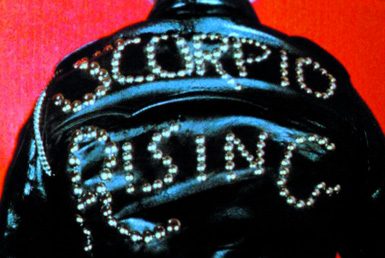

“Scorpio Rising” is a groundbreaking 1963 experimental short film directed by Kenneth Anger. The film explores themes of rebellion, sexuality, and the intersection of popular culture and subversive iconography.


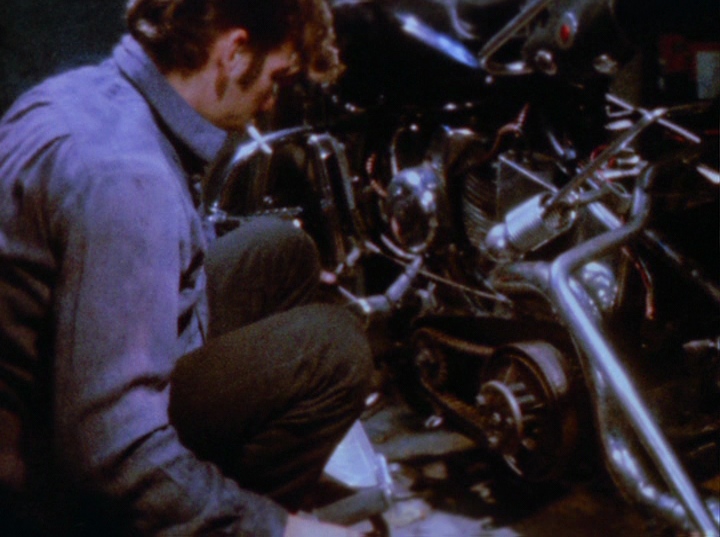

“Scorpio Rising” is a non-narrative film that conveys its themes through visual symbolism, pop music, and a provocative editing style. The film is divided into several distinct segments, each contributing to an overarching exploration of identity, power, and the subversion of mainstream values.

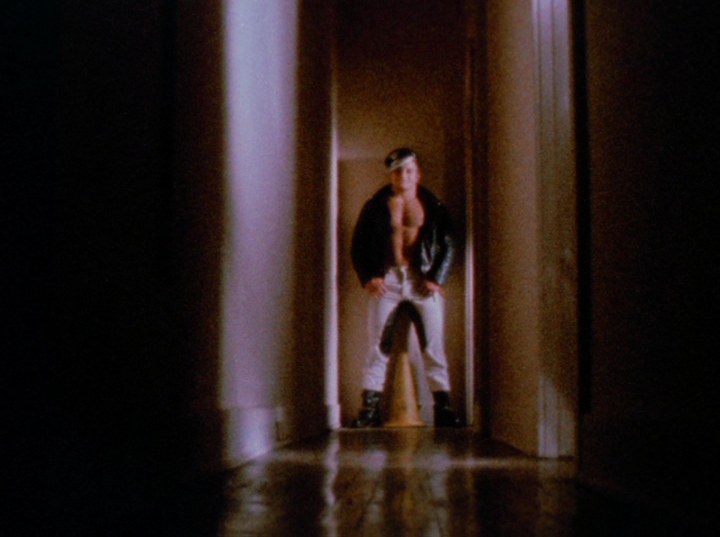

The film opens with scenes of a young biker named Scorpio (played by Bruce Byron) preparing his motorcycle. These sequences are intercut with close-ups of Scorpio’s meticulous work on the bike, emphasizing his care and pride in his machine. The attention to detail in these early scenes sets the tone for the film’s exploration of the biker subculture.
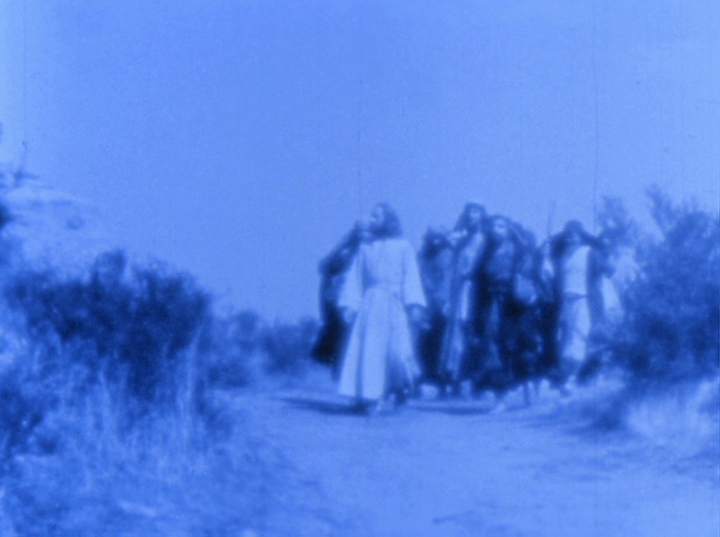


As the film progresses, Anger introduces the audience to the world of biker gangs. The bikers are shown in various activities: riding their motorcycles, engaging in rituals, and socializing. The imagery is a blend of homoeroticism and fetishism, underscored by the bikers’ leather outfits and the suggestive nature of their interactions.
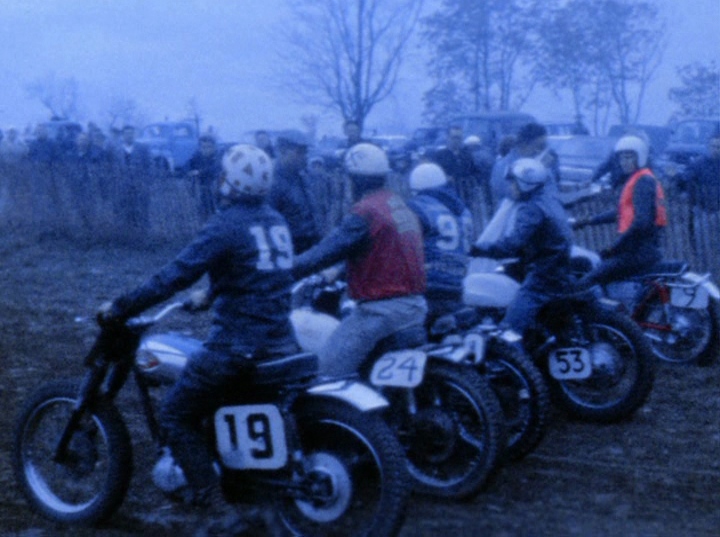


“Scorpio Rising” is rich with iconography, merging religious symbols with pop culture references. Images of Jesus Christ, skulls, and swastikas are juxtaposed with scenes of bikers and pop music. This blending of sacred and profane symbols critiques and subverts traditional values, challenging the viewer’s perceptions of good and evil, purity and corruption.


One of the film’s most distinctive features is its soundtrack, which includes a variety of 1950s and 1960s pop songs. Tracks like “Blue Velvet” by Bobby Vinton and “Torture” by Kris Jensen play over the visuals, creating a stark contrast between the nostalgic, innocent feel of the music and the rebellious, edgy imagery on screen.

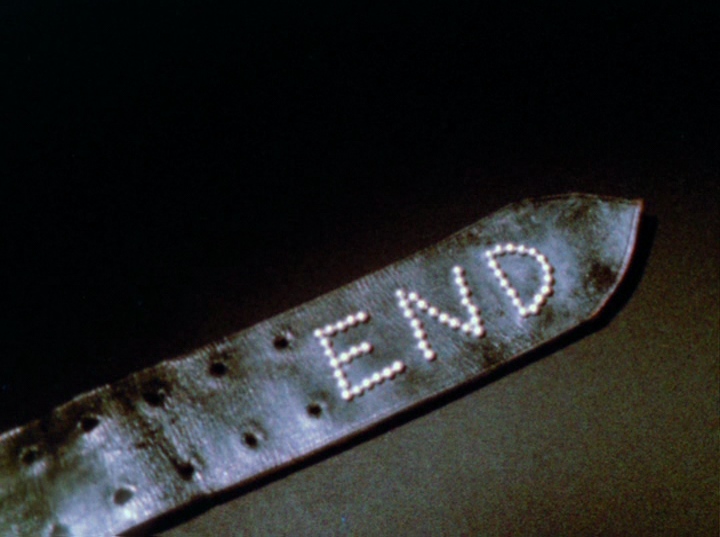
The film delves deeper into the rituals of the biker gang, depicting scenes of drug use, partying, and debauchery. These scenes are often intercut with shots of religious rituals and iconography, further emphasizing the film’s thematic contrasts. The bikers’ activities are portrayed as a form of modern paganism, with their own codes and ceremonies that reject mainstream societal norms.
In its climax, “Scorpio Rising” reaches a fever pitch of chaotic energy. The film interweaves footage of a Nazi rally, the death of a biker, and scenes from a 1950s juvenile delinquent film. This montage culminates in a frenetic, almost apocalyptic vision, suggesting the self-destructive nature of the subculture it depicts.

 The Other Cinema