
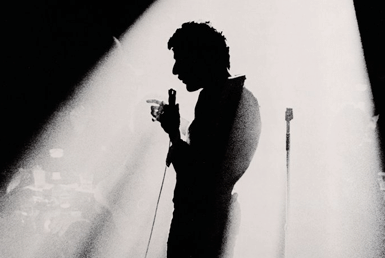
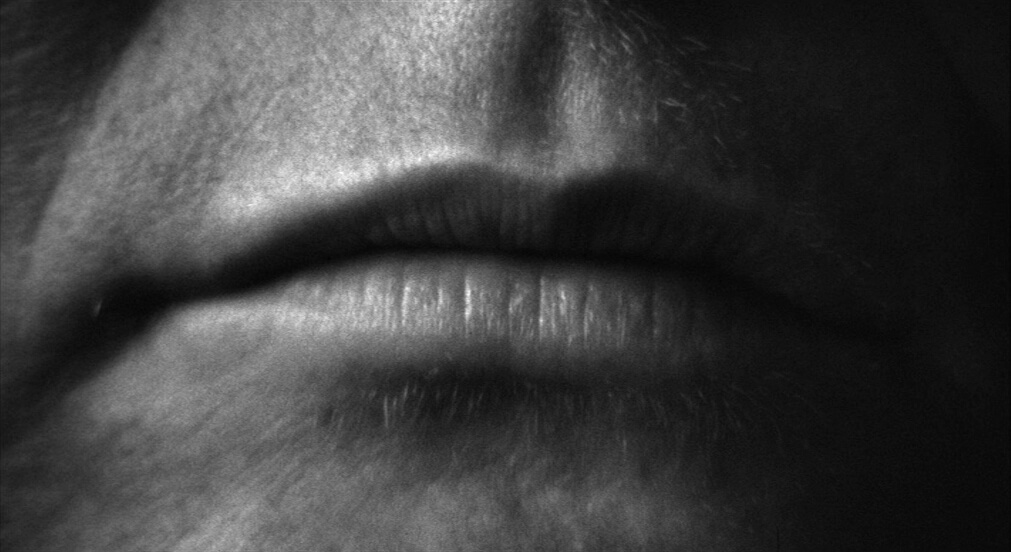
“Lenny” (1974) is a biographical drama directed by Bob Fosse. It chronicles the rise and fall of controversial stand-up comedian Lenny Bruce, known for his boundary-pushing humor and battles with the legal system over obscenity charges. The film is a poignant, gritty exploration of Bruce’s tumultuous life, his influence on comedy, and his tragic demise. It stars Dustin Hoffman in the title role, with Valerie Perrine playing his wife, Honey Bruce.
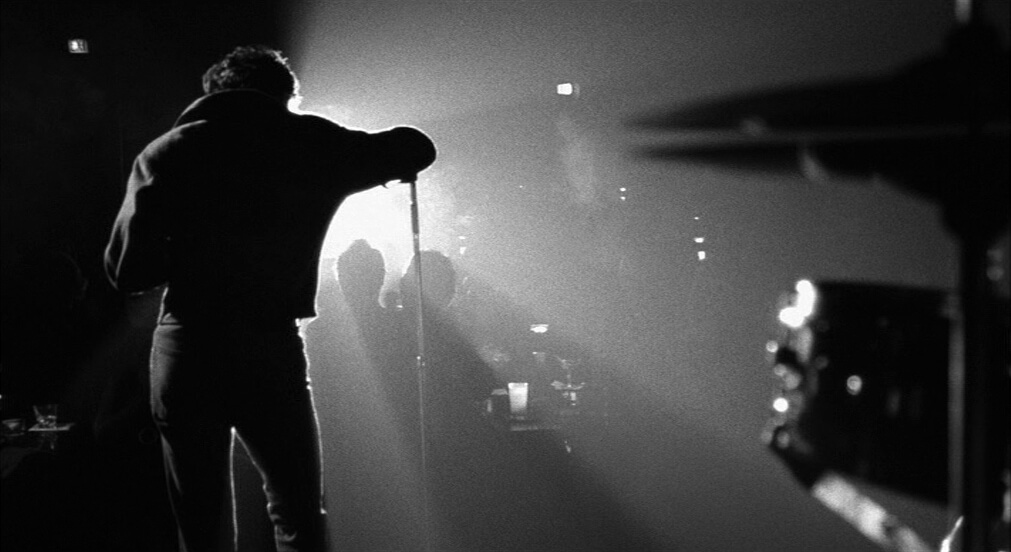

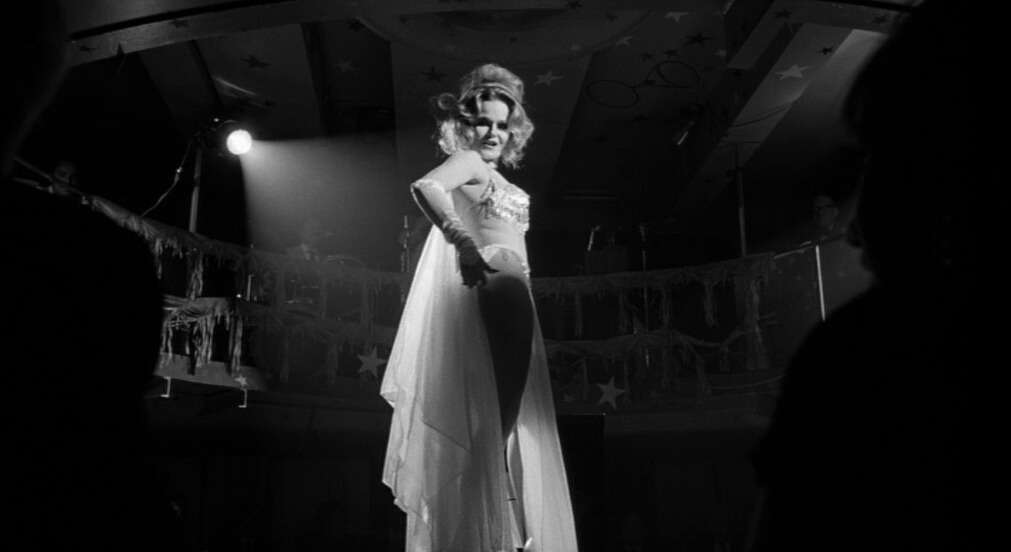

Fosse’s directorial style, known for its innovative narrative structure and stark, black-and-white cinematography, lends the film a documentary-like quality, creating an intimate portrayal of Bruce’s chaotic life.


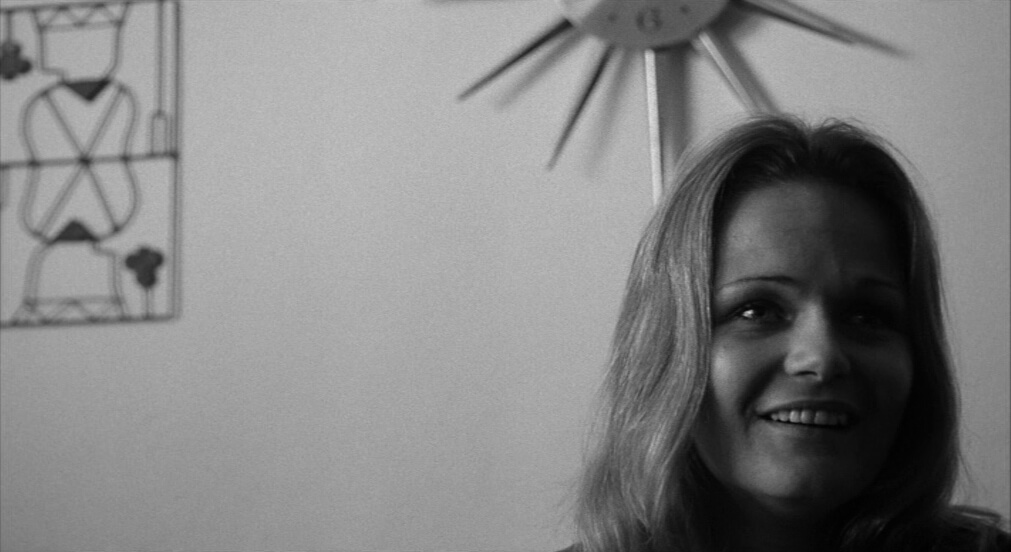
The film opens with a stark black-and-white interview format, in which people from Lenny Bruce’s life—particularly his wife, Honey Bruce—reflect on his rise to fame and eventual downfall. These interviews are a framing device throughout the film, guiding the audience through the key events in Bruce’s life.

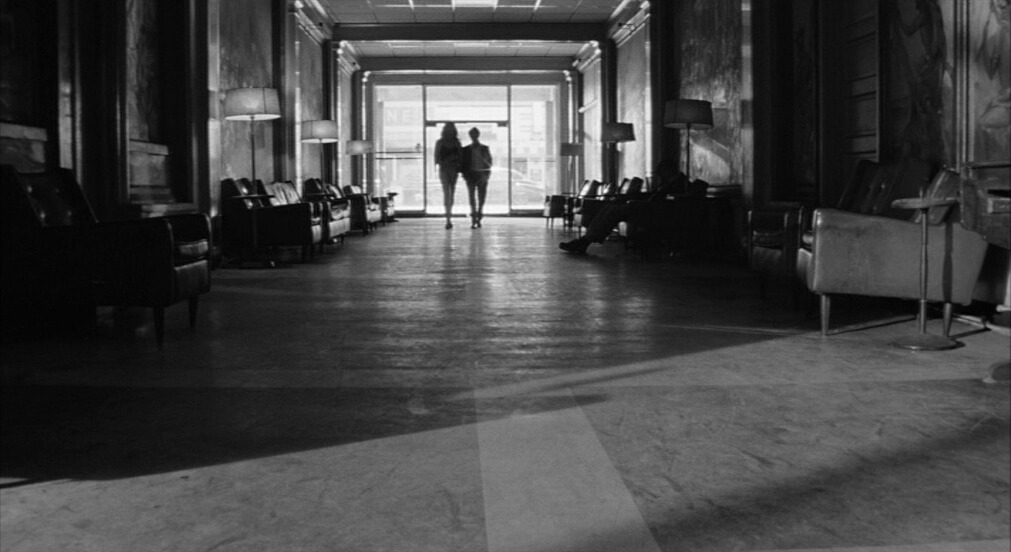
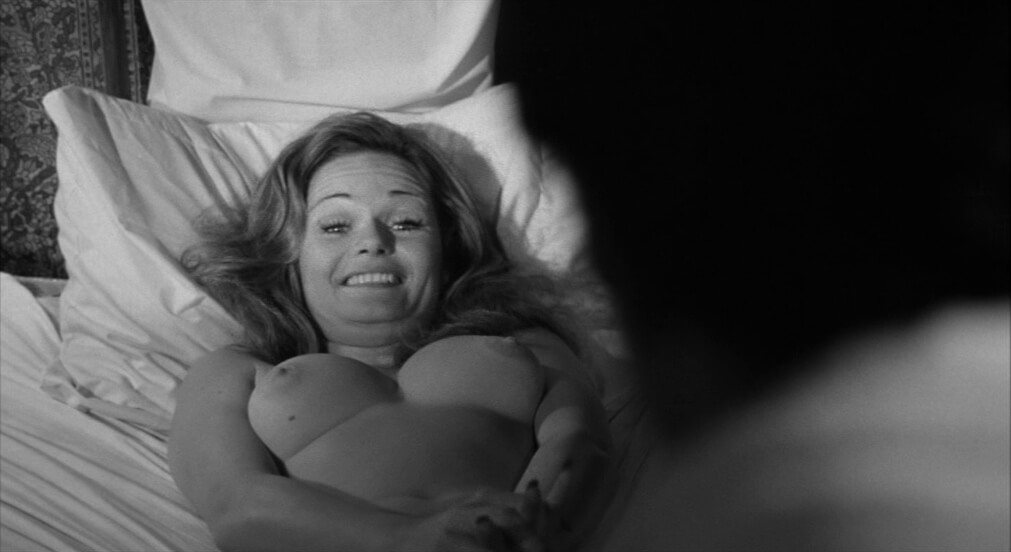
Lenny Bruce, played by Dustin Hoffman, begins his career as a struggling stand-up comedian performing tame routines in small clubs. Initially, his material is relatively conventional and safe, aiming to please mainstream audiences. However, as Lenny grows more frustrated with the limitations of the comedy world, he begins to develop a sharper, more provocative style. He starts tackling taboo subjects like sex, religion, politics, and social hypocrisy, challenging the boundaries of censorship and societal norms.


Lenny’s transformation into a bold, rebellious figure in comedy is shown through a series of performances in smoky nightclubs, where his quick wit and irreverent humor attract a following. He becomes a voice for countercultural movements, resonating with a younger, more progressive audience.
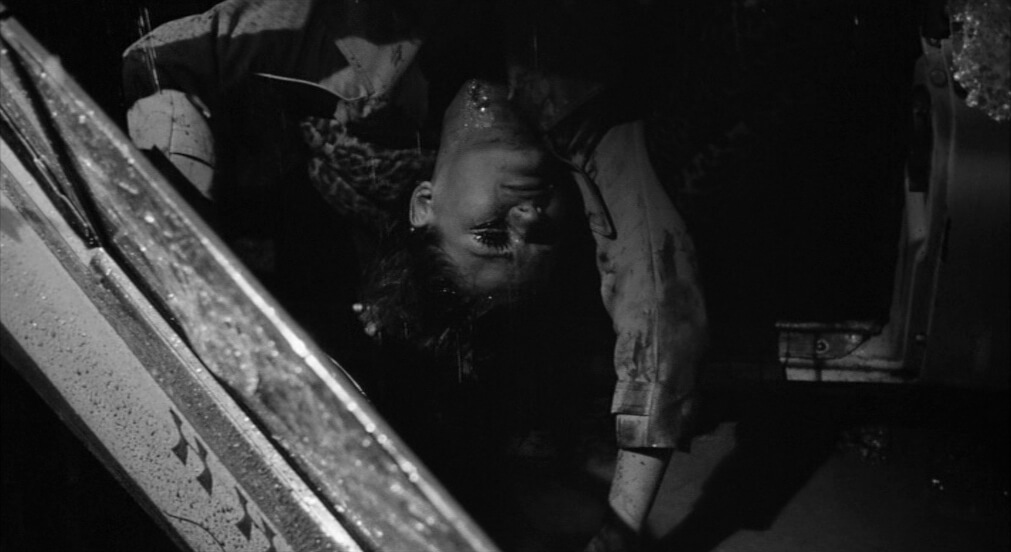

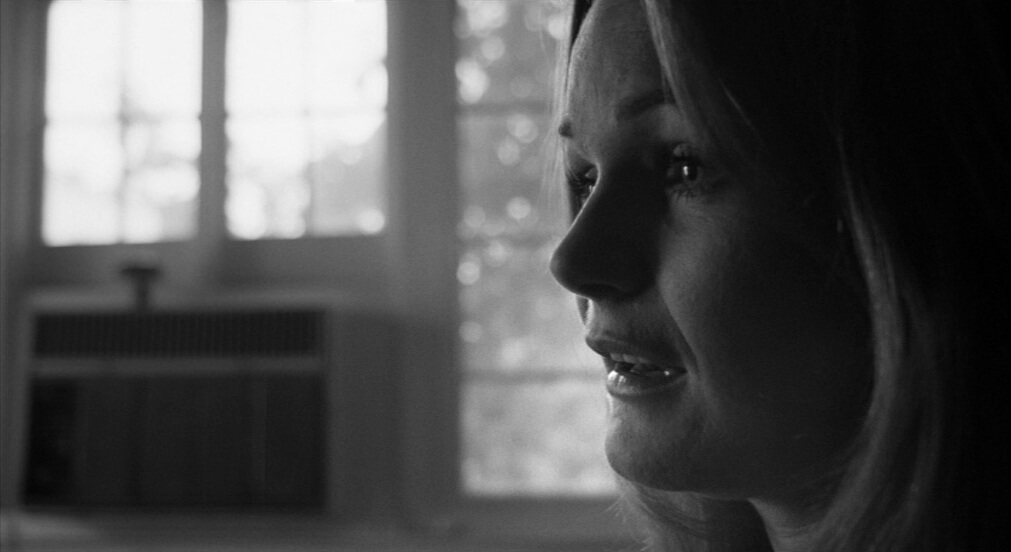
Parallel to his rise in comedy, Lenny meets Honey Harlow (played by Valerie Perrine), a stripper who becomes his wife. Their relationship is intense and passionate but also profoundly dysfunctional. Lenny and Honey’s marriage is marked by their shared drug use, emotional volatility, and Lenny’s increasing obsession with pushing boundaries—not just in his comedy but in his life as well.


Honey is both Lenny’s partner and his enabler. She supports his career, but their relationship spirals downward as they descend deeper into addiction and self-destructive behavior. Honey eventually leaves Lenny, though the two maintain a tumultuous connection throughout the film. Valerie Perrine’s performance as Honey earned her an Academy Award nomination for Best Actress, capturing the complexity of a woman both empowered and destroyed by her relationship with Lenny.

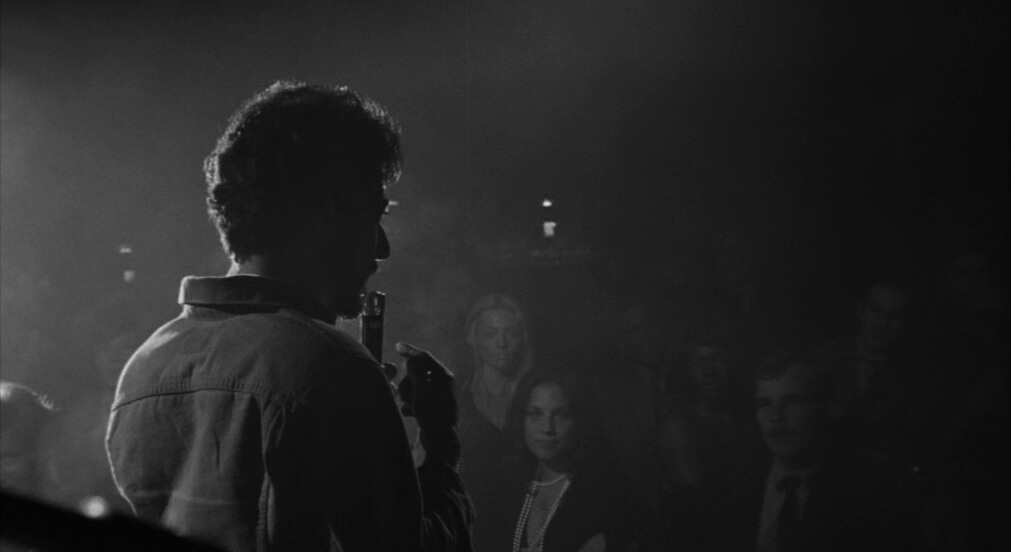

As Lenny’s career grows, so does the scrutiny of his controversial material. His performances become increasingly confrontational, and he is arrested multiple times on obscenity charges for using explicit language in his routines. These legal battles, which Lenny frames as a fight for freedom of speech, take a heavy toll on his mental health and career.
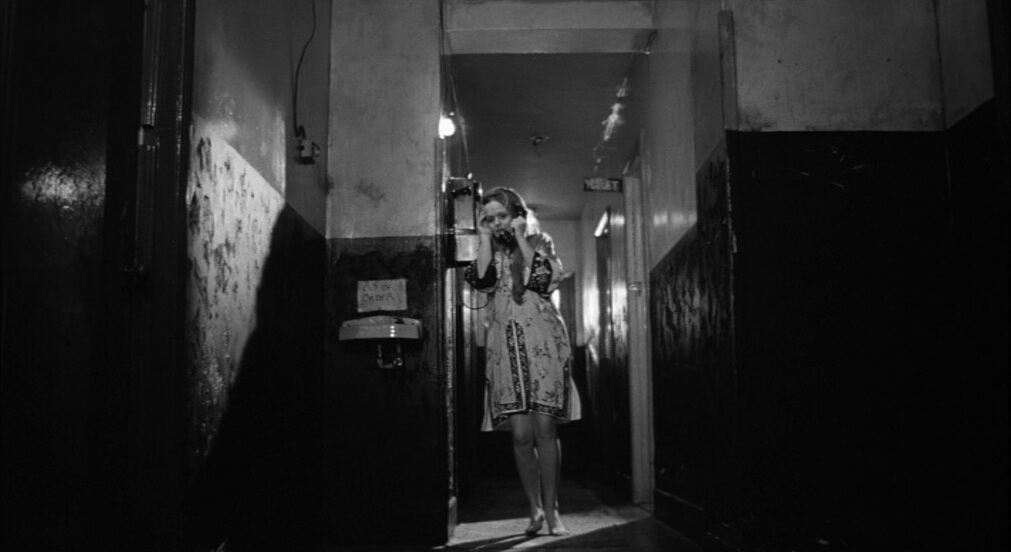
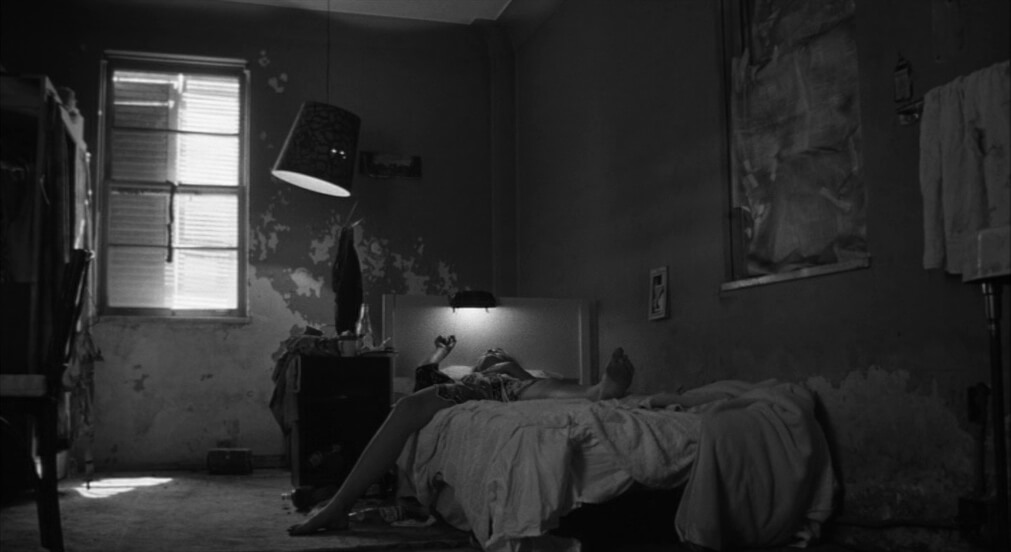
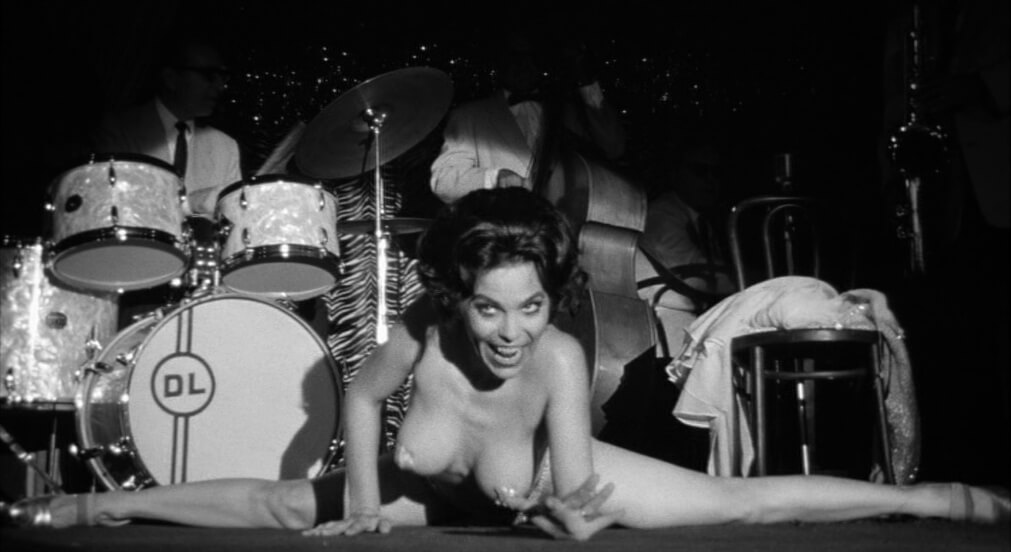
The film portrays Lenny’s trial scenes in a stark documentary style, showing how the comedian becomes consumed by the system he is fighting against. Rather than focusing solely on his comedy, Lenny’s performances become rants about his legal struggles, alienating parts of his audience. His obsession with free speech and the legal battles begin to take over his life, leaving little room for anything else.
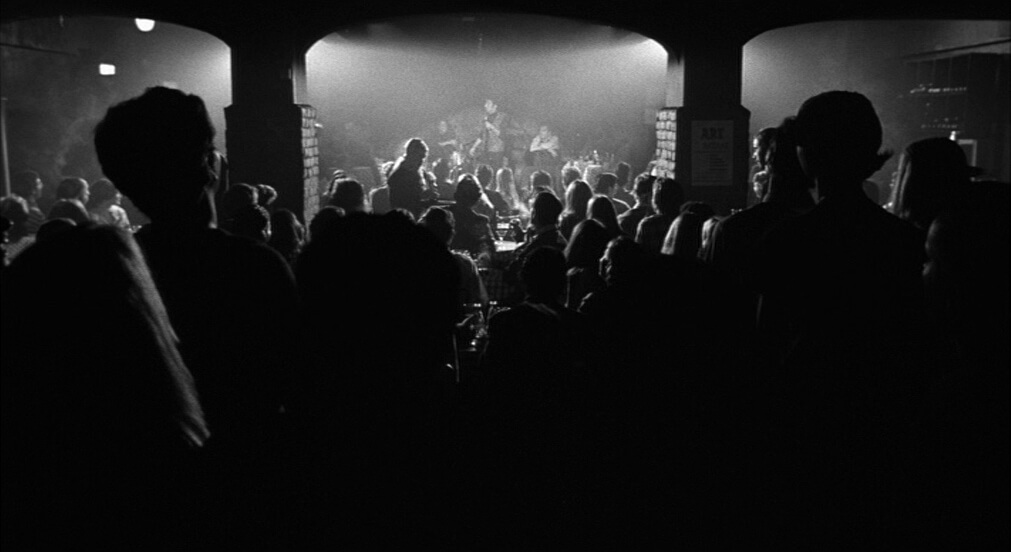
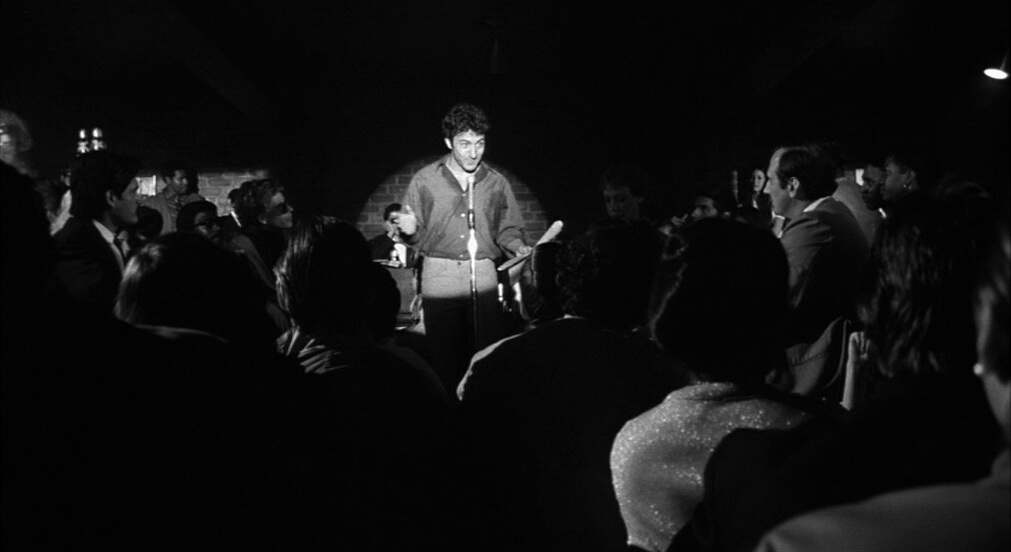

Lenny’s material grows darker, reflecting his personal turmoil and societal disillusionment. His once-sharp wit turns bitter, and his drug addiction worsens. The authorities continue to pursue him relentlessly, viewing him as a threat to public decency, while his supporters argue that he is being persecuted for expressing his ideas.

Lenny’s life becomes a tragic spiral. His legal battles drive him into debt, his career falters, and he becomes increasingly isolated. His dependence on drugs worsens, and his health deteriorates. By the film’s end, Lenny is shown performing in small, poorly attended venues, ranting about his legal problems and losing the sharpness and charm that once defined him as a comedian.
The film closes with the tragic end of Lenny Bruce’s life. In 1966, at the age of 40, Lenny died of a drug overdose. The final scenes show him alone in his apartment, surrounded by legal documents and photographs from his once-promising career. His death is depicted not as the result of a single tragic event but as the inevitable culmination of his relentless battle with the legal system and his demons.

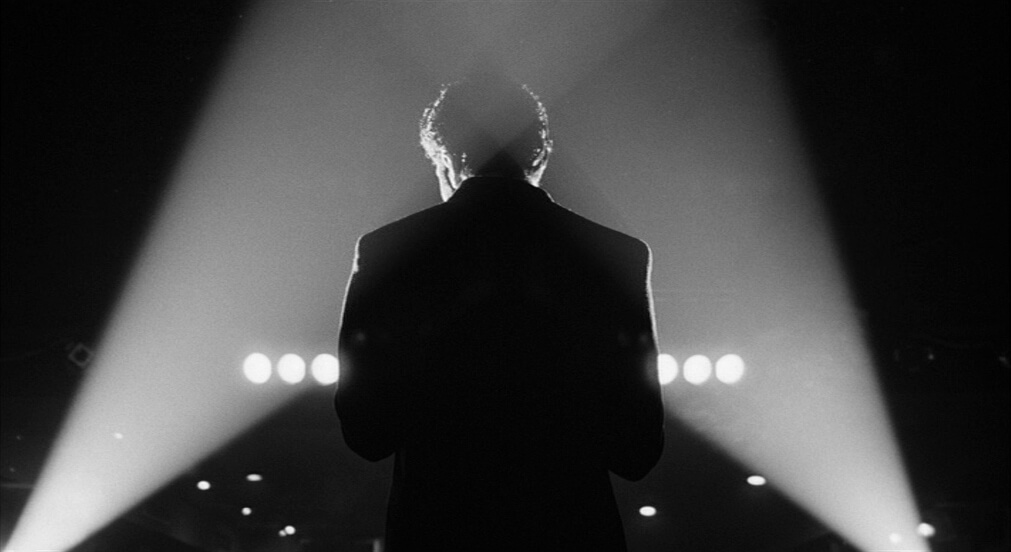
In the end, “Lenny” leaves the audience with a sense of Lenny Bruce’s profound impact on comedy and free speech while reflecting on the heavy personal toll his uncompromising attitude took on his life. The film doesn’t offer easy answers; instead, it portrays Lenny as a profoundly flawed yet pioneering figure whose legacy continues to resonate.
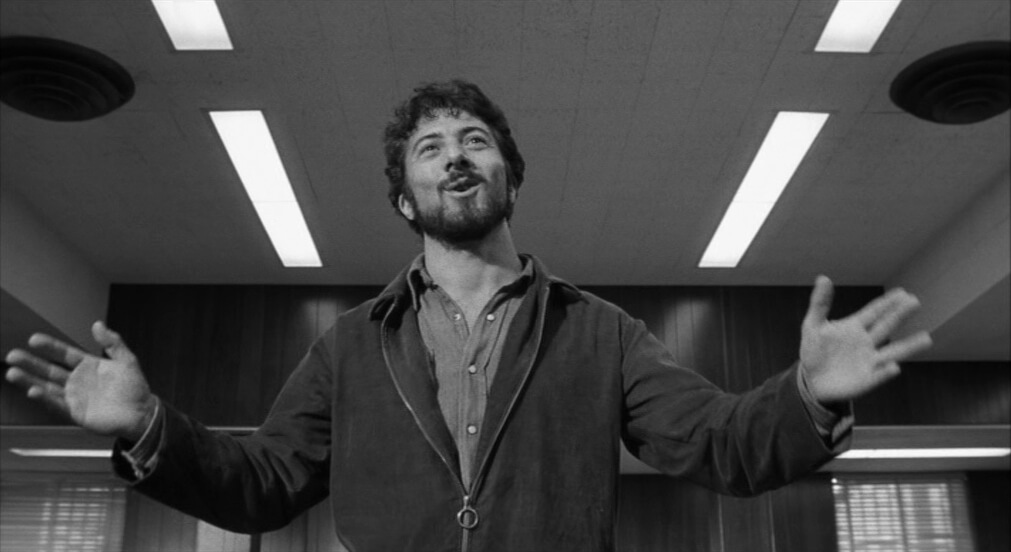
“Lenny” is a thought-provoking film that delves into the personal toll of pushing boundaries in art and life. The movie addresses themes such as freedom of speech, censorship, individual freedom, and self-destruction. Lenny Bruce’s battle against the legal system reflects the broader societal struggle over the limits of free expression, particularly in art and comedy.
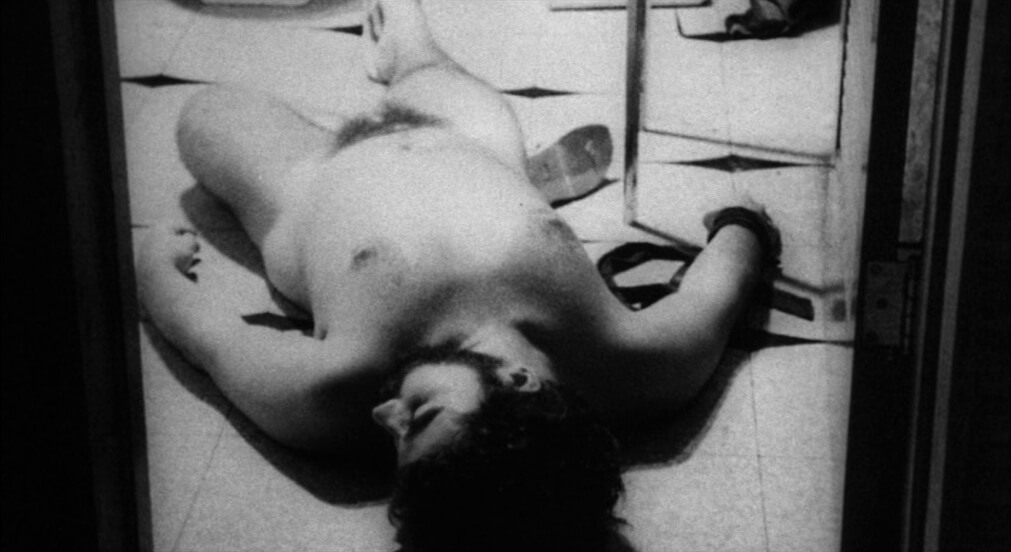
Director Fosse uses black-and-white cinematography and a fragmented narrative structure to create a stark, almost documentary-like feel. The non-linear narrative, including interviews and flashbacks, allows for a deeper exploration of Bruce’s life and legacy while maintaining an emotional distance that mirrors the audience’s increasing detachment from the protagonist’s self-destructive behavior. The film’s raw, documentary-like approach makes it not only a biopic but also a contemplation of the nature of fame, censorship, and self-destruction.

 The Other Cinema