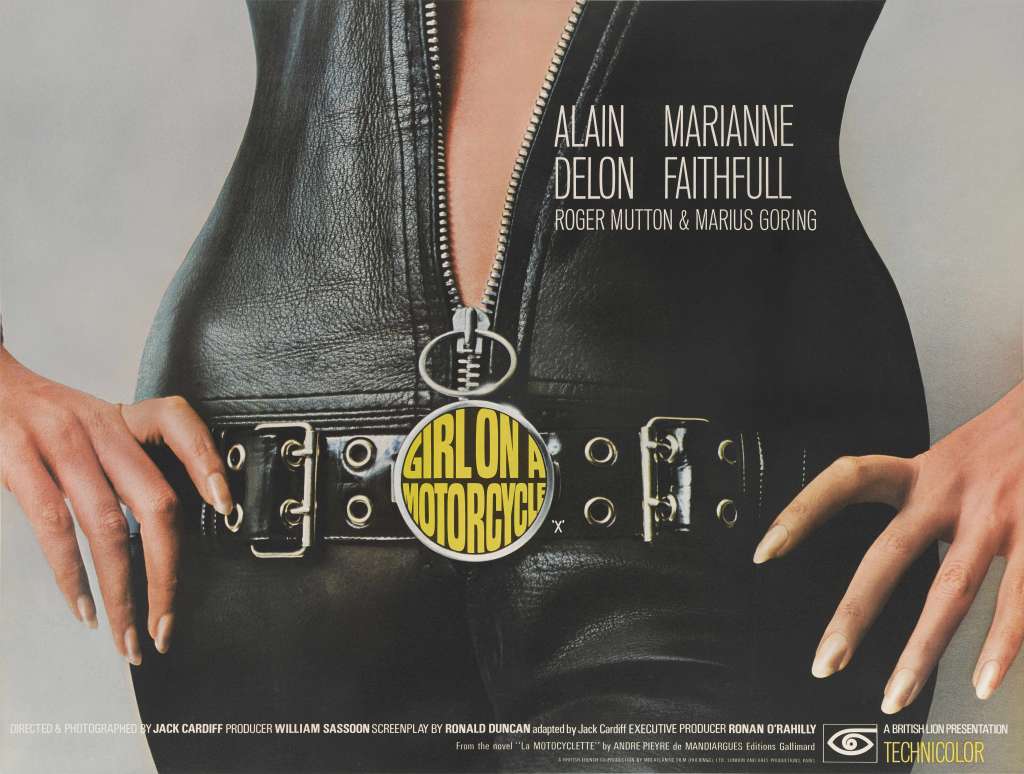
“Girl on a Motorcycle” (1968) is a psychedelic romantic drama directed by Jack Cardiff and starring Marianne Faithfull as Rebecca and Alain Delon as Daniel. The film is based on André Pieyre de Mandiargues’s novel La Motocyclette and explores themes of sexual liberation, existential longing, and rebellion, all set against the backdrop of the late 1960s counterculture.
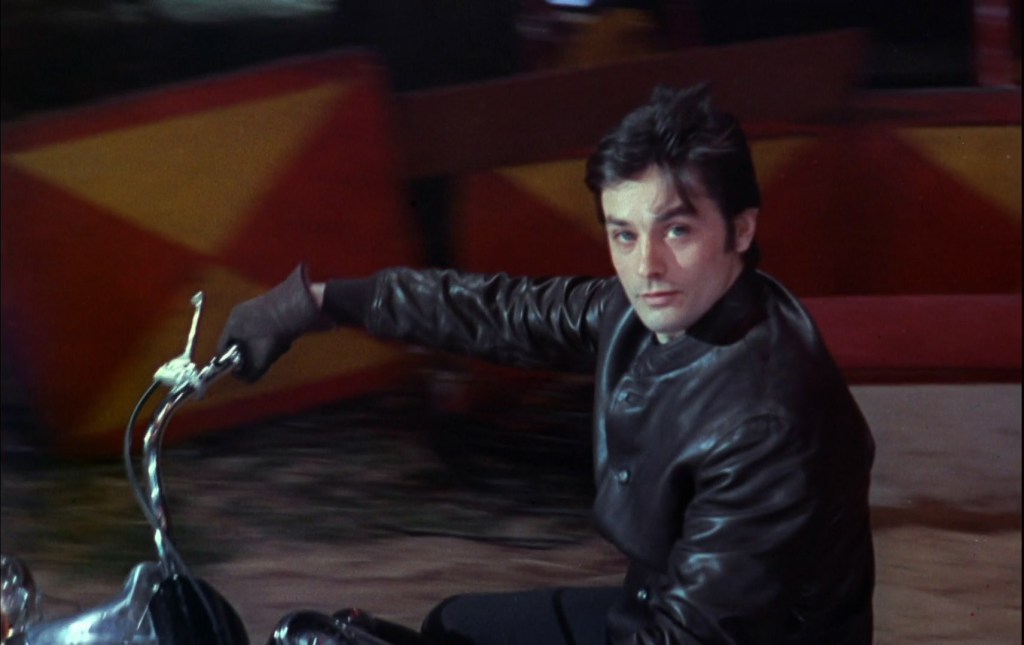
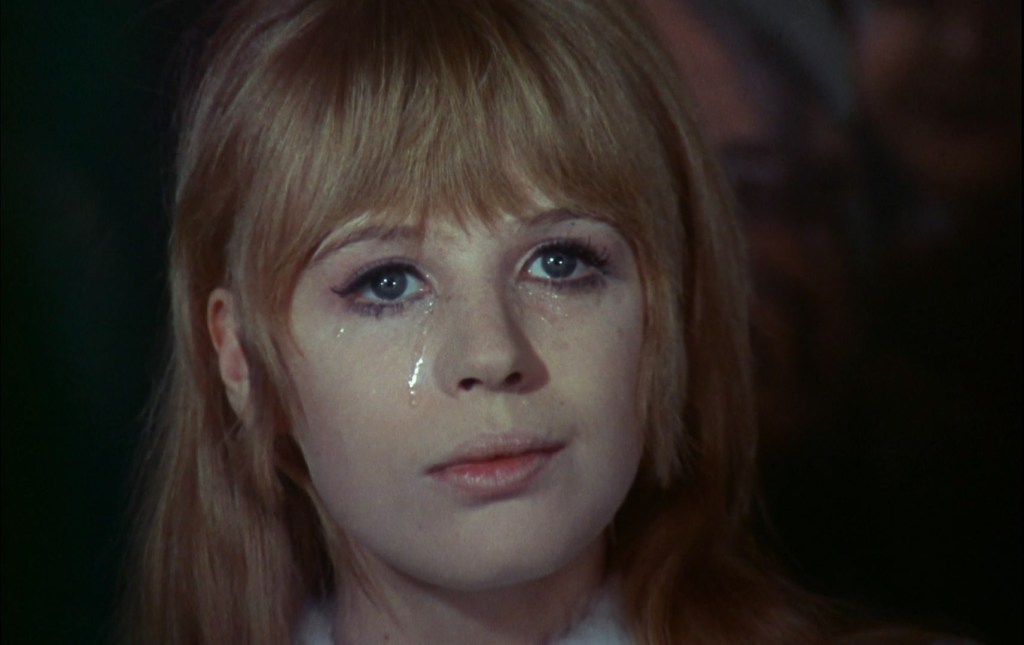
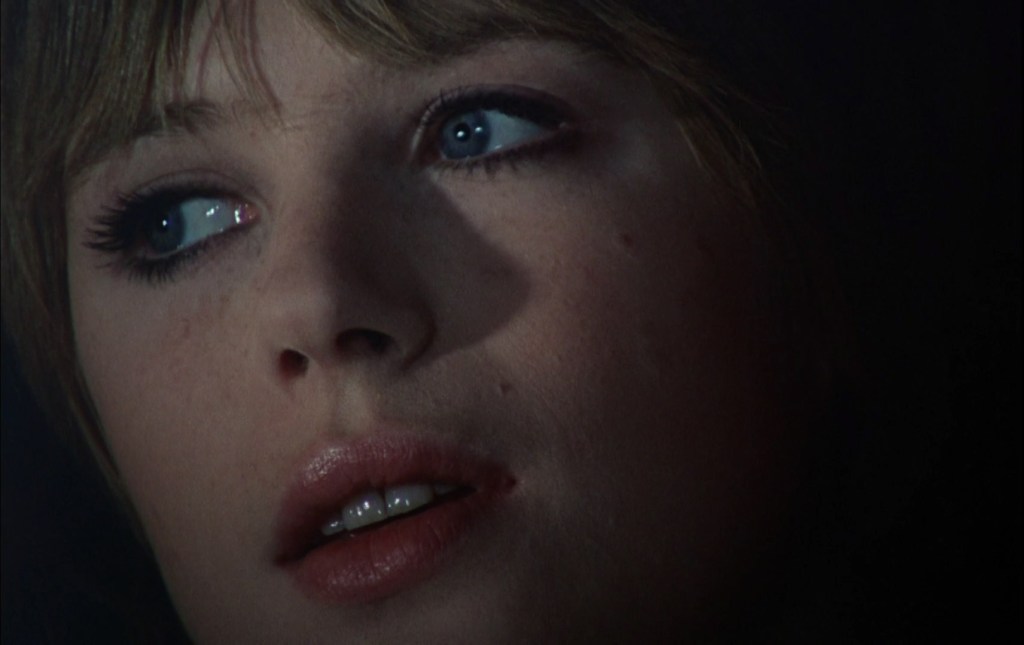
The film centers on Rebecca, a young woman caught in a passionless marriage with a schoolteacher named Raymond (Roger Mutton). Bored with her domestic life in a small Swiss village, Rebecca embarks on a wild, dreamlike journey to visit her lover, Daniel, a sophisticated and free-spirited lecturer in Heidelberg, Germany. The narrative alternates between her actual journey on her powerful motorcycle and her internal monologue, revealing the depths of her sexual and emotional desires.
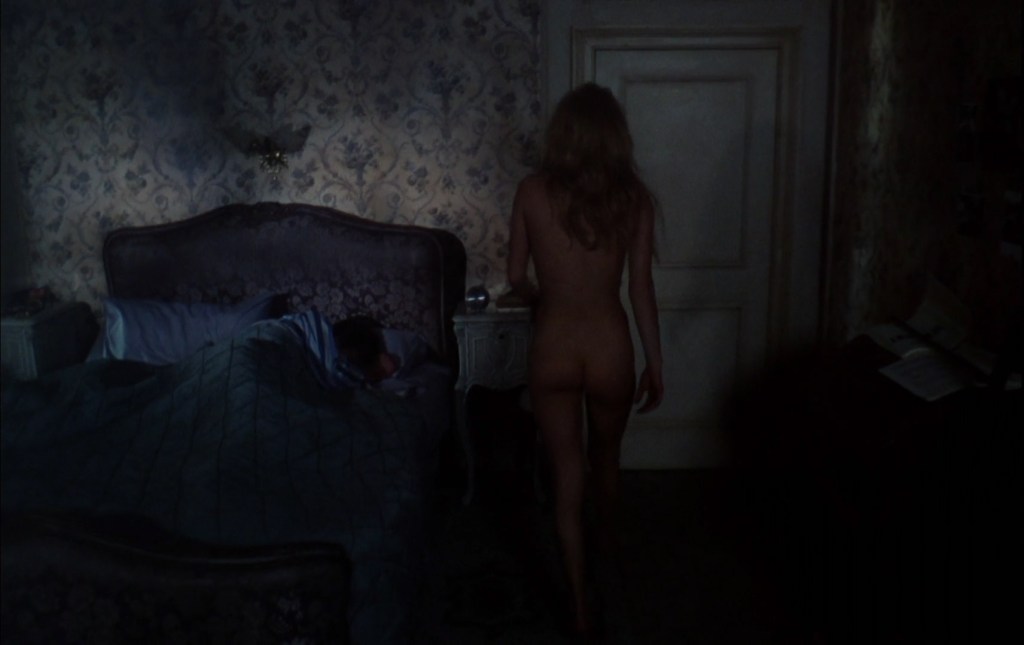
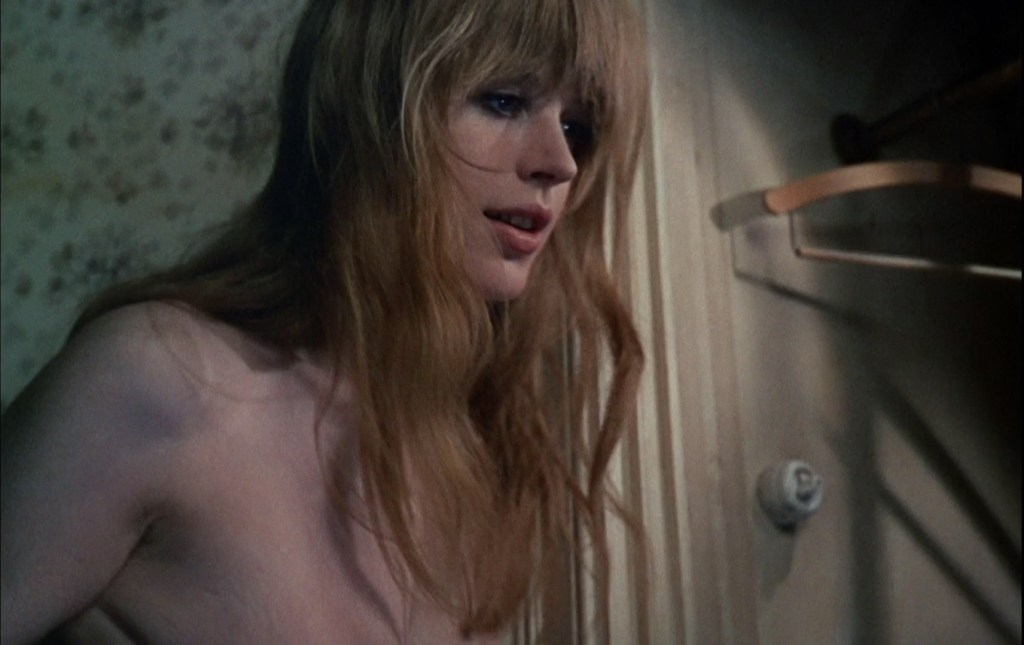
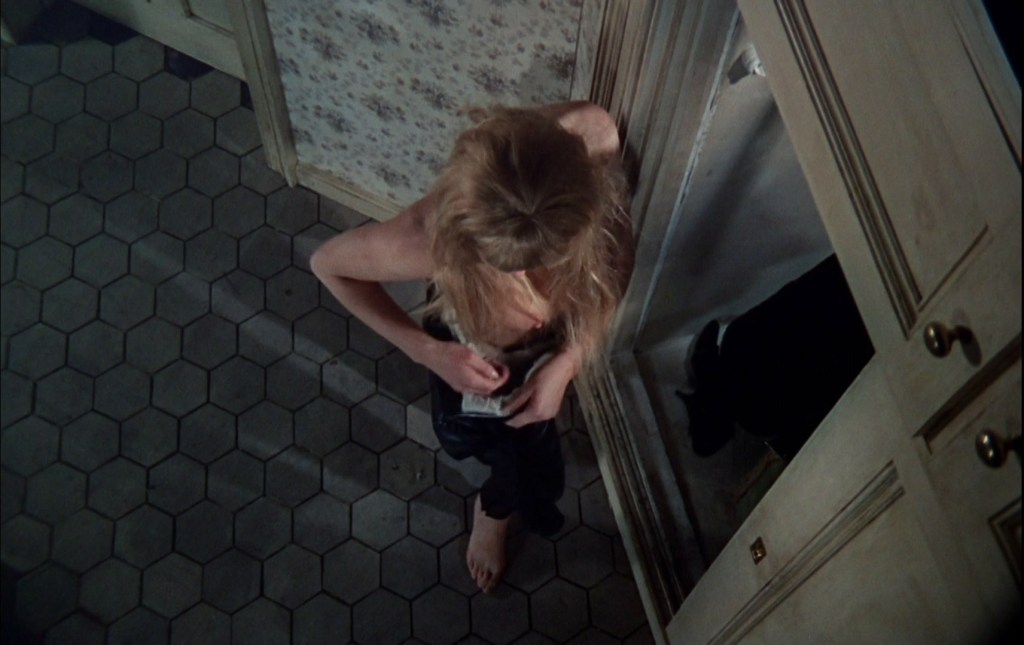
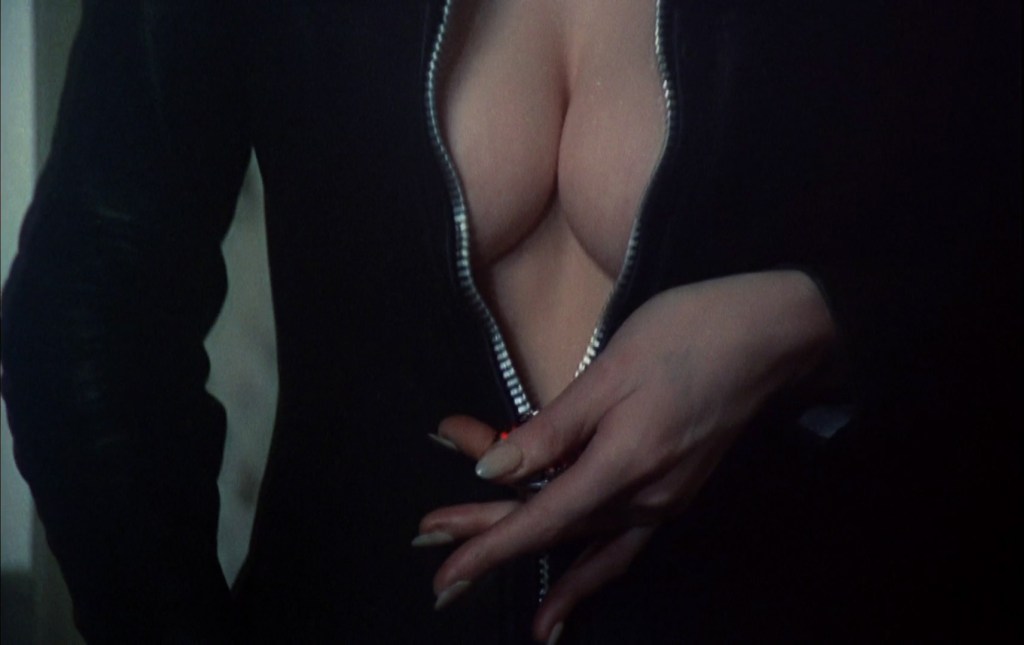
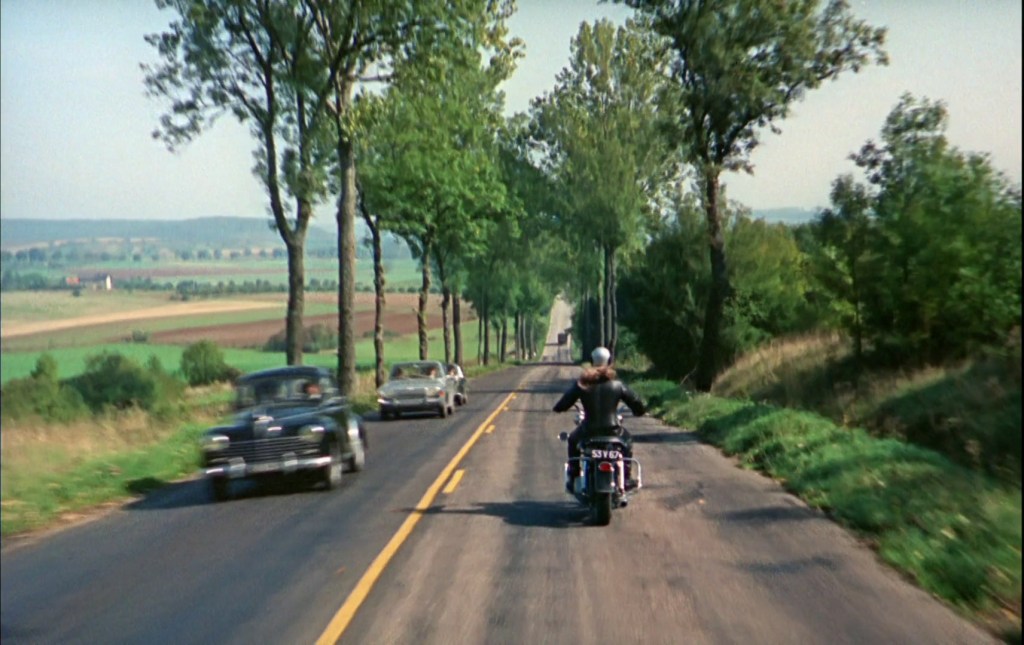
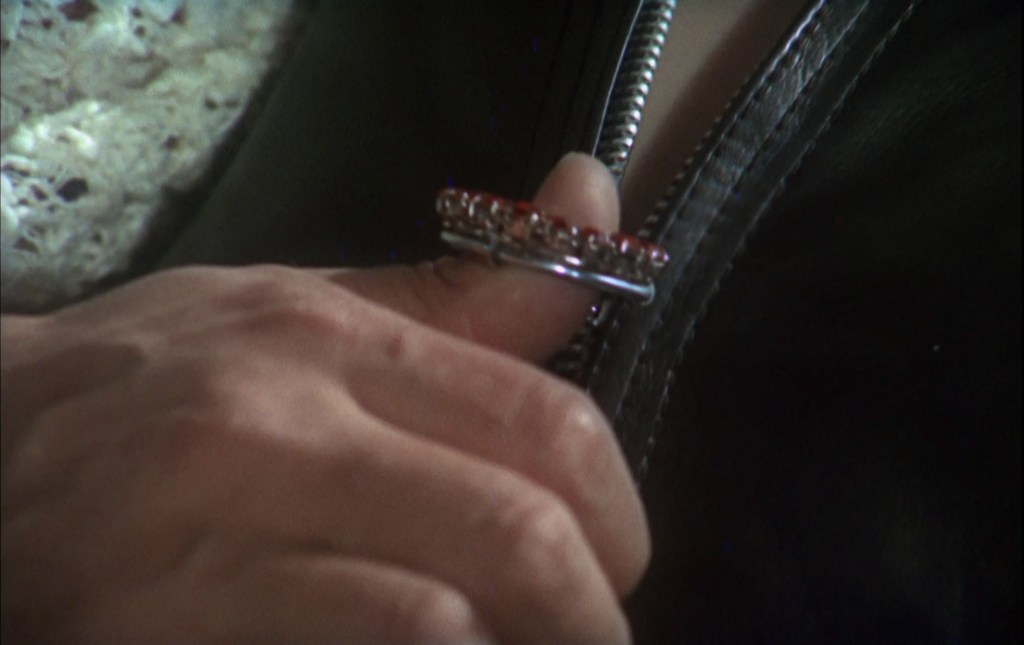
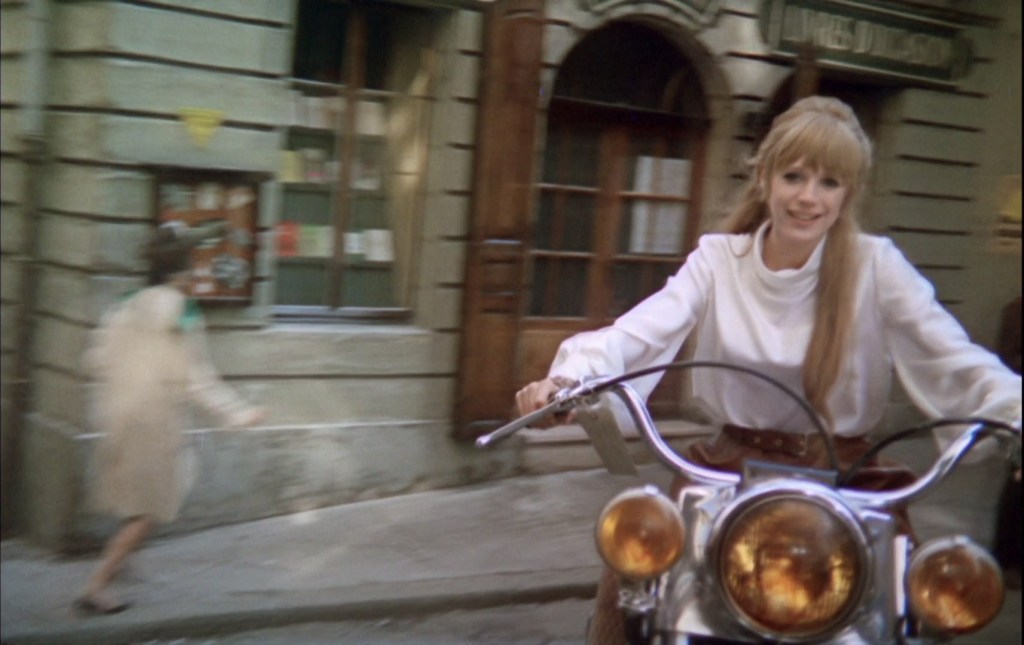
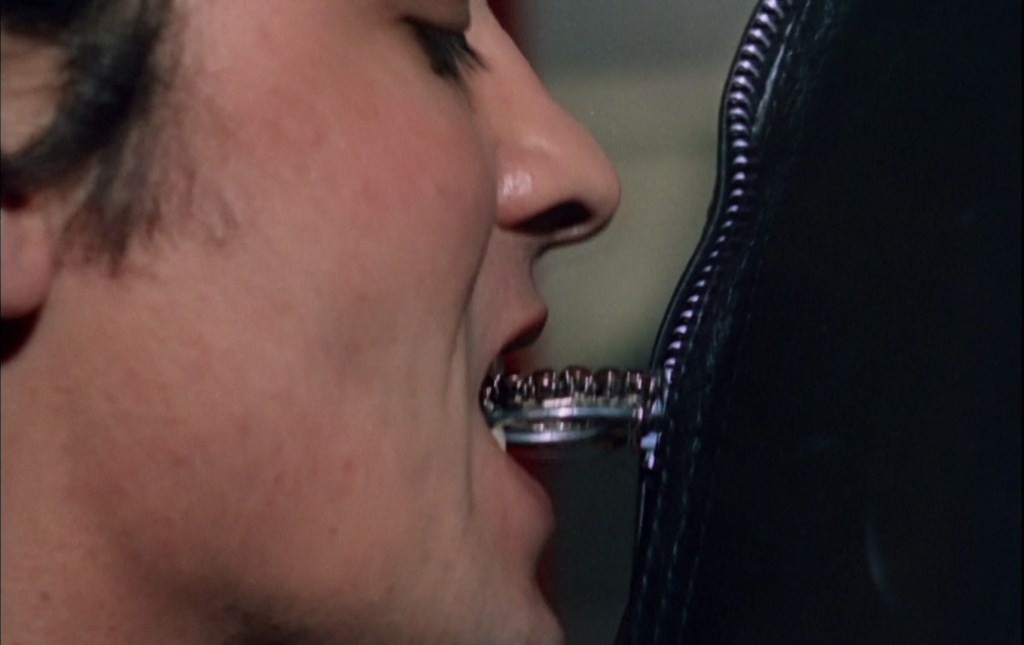
The film opens with Rebecca waking up in her home with Raymond, quietly discontent with her monotonous life. She dons a black leather catsuit—a Daniel gift—and sneaks out early in the morning, climbing onto her Harley-Davidson Electra Glide motorcycle. The motorcycle, another Daniel gift, symbolizes her liberation, freedom, and the excitement that Daniel has brought into her life. As she rides through the cold and foggy countryside, the roar of the motorcycle mirrors her inner rebellion and yearning for freedom.
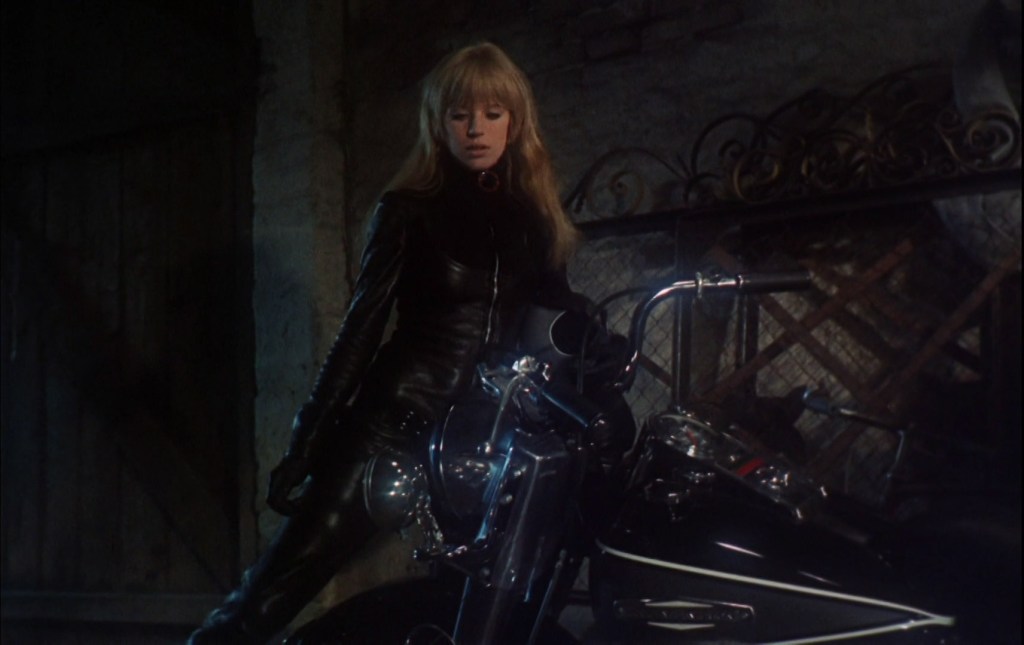
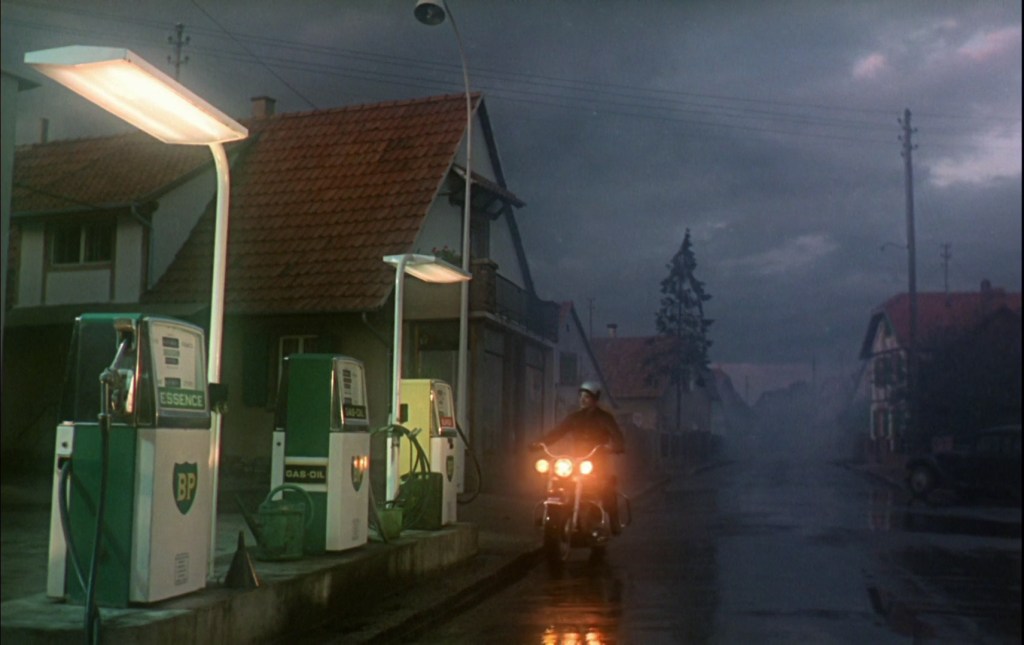
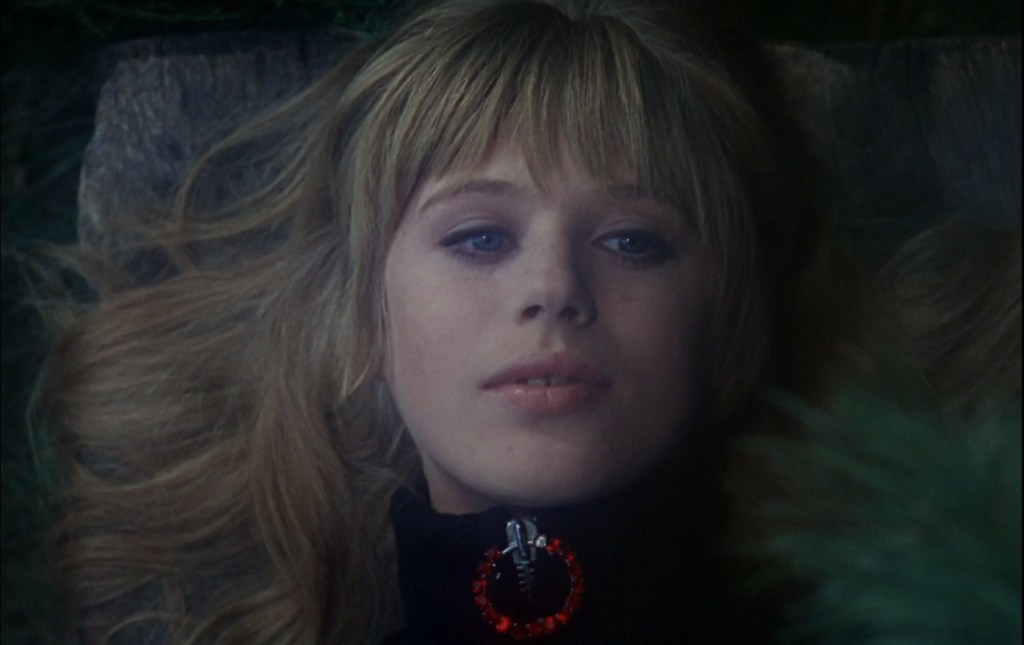
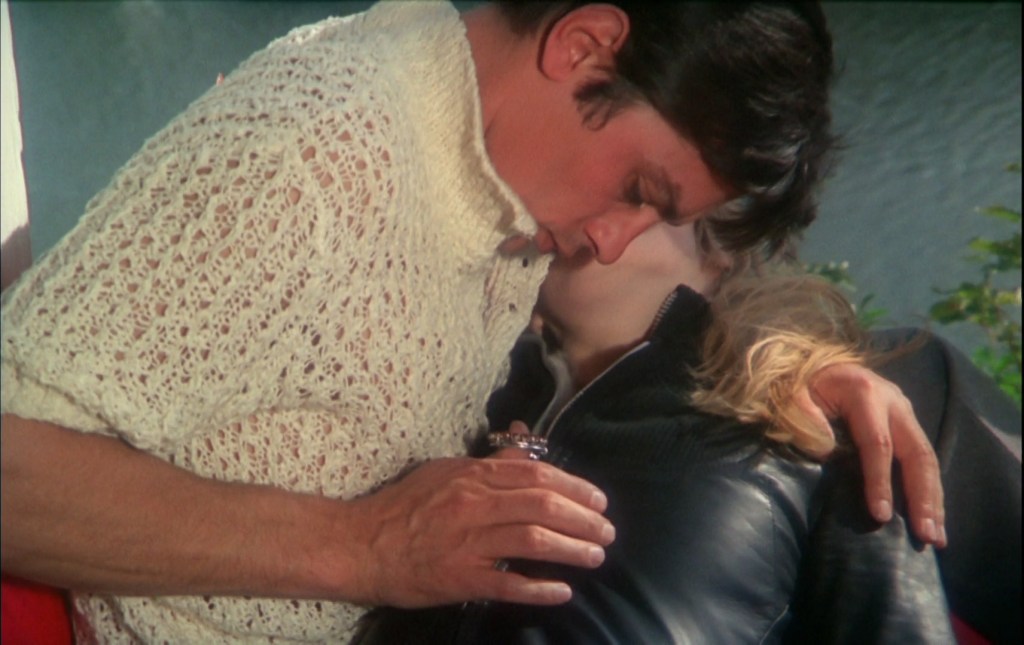
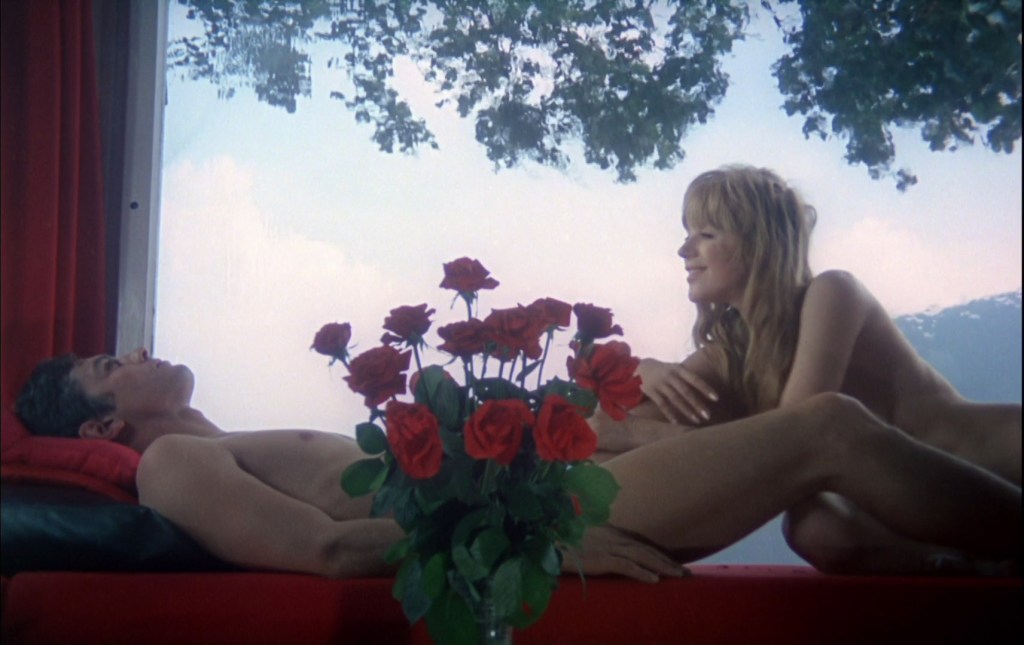
As Rebecca speeds toward Heidelberg, she reflects on her past and the events that led her to this point. Through fragmented flashbacks, we see her meeting Daniel for the first time in a bookstore and how his magnetic charm and carefree lifestyle contrasted sharply with Raymond’s safe but dull existence. Their passionate affair began with stolen moments and wild nights, as Daniel encouraged Rebecca to embrace her sexuality and throw off the chains of convention.
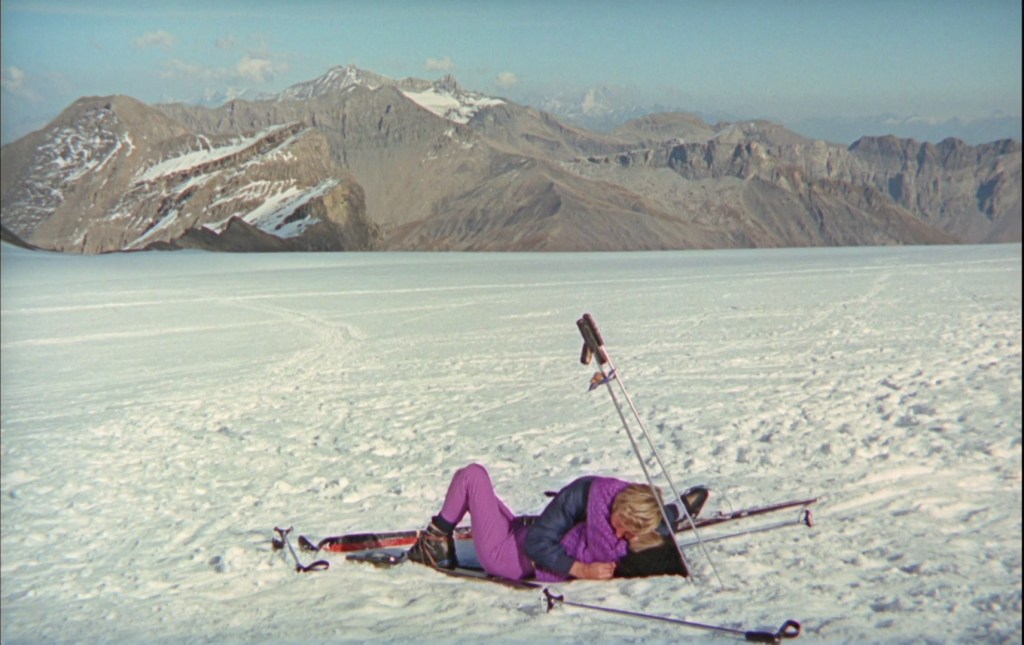
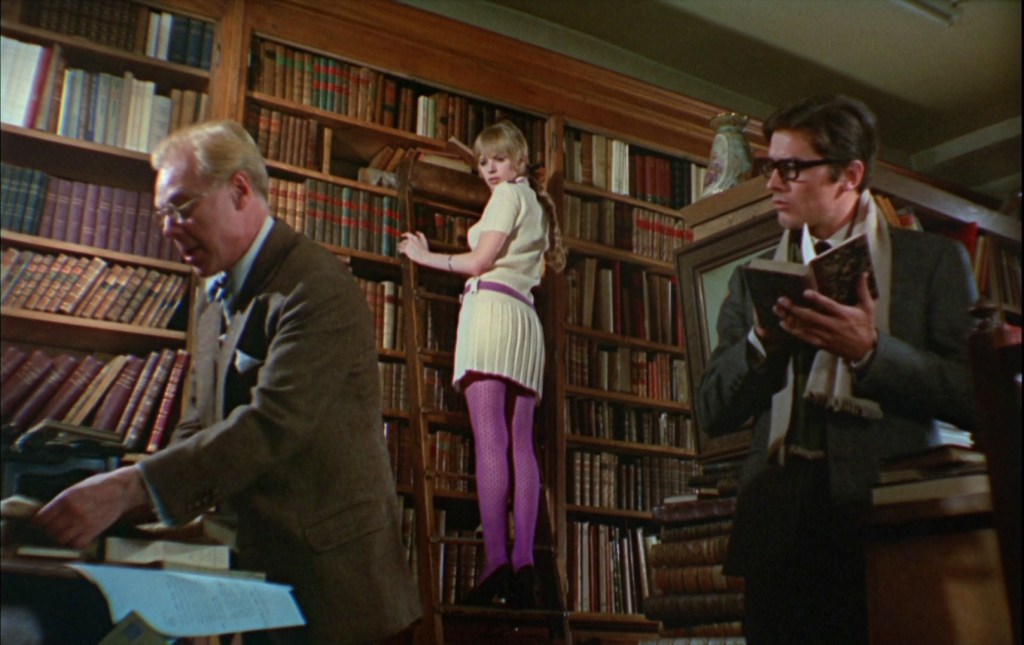
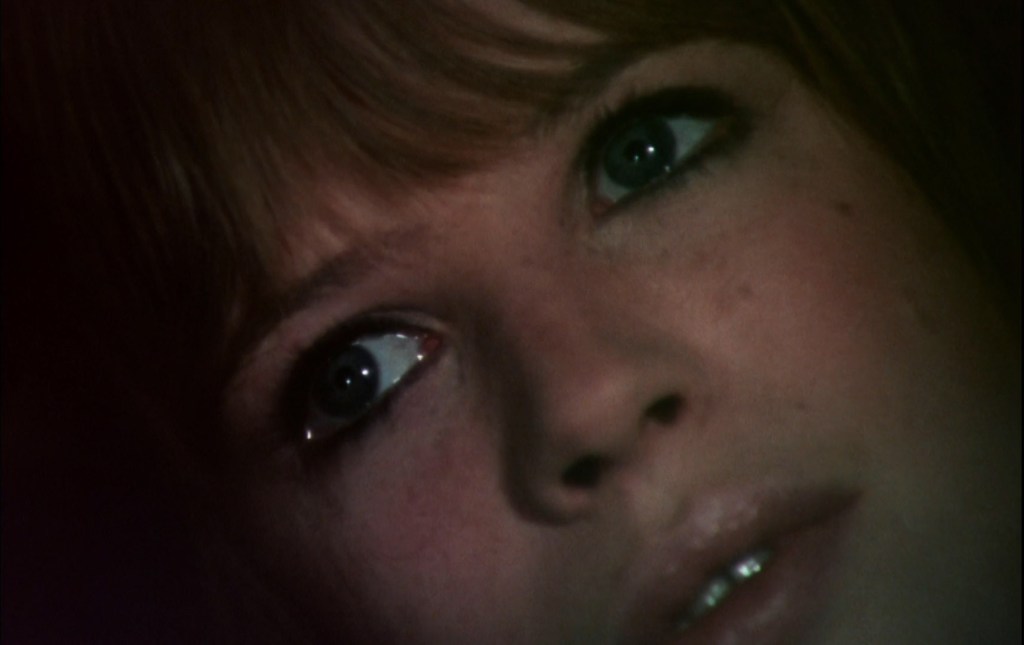
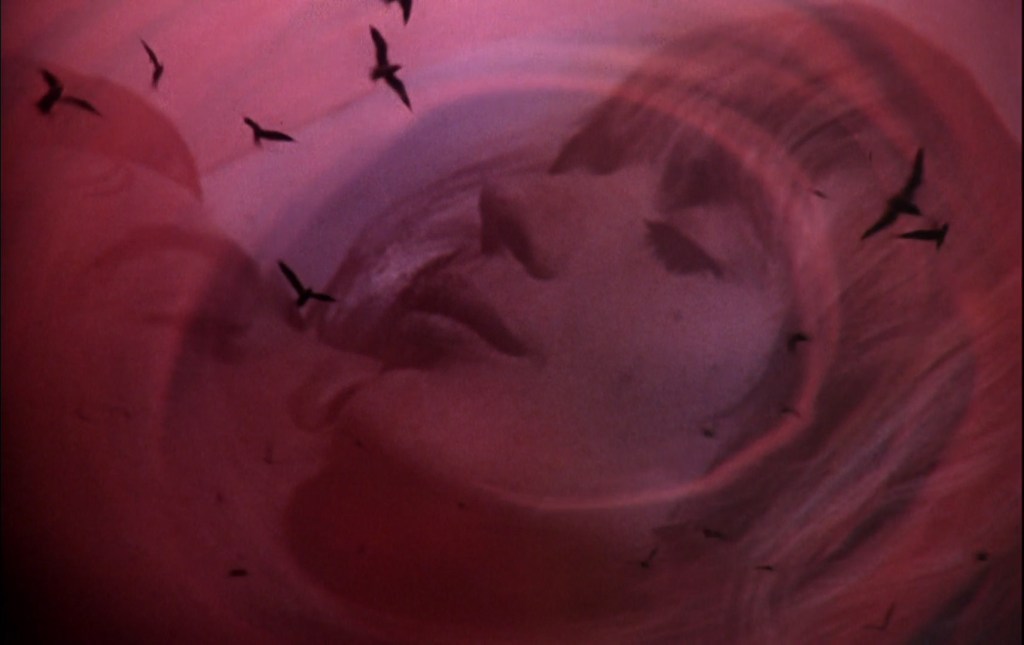
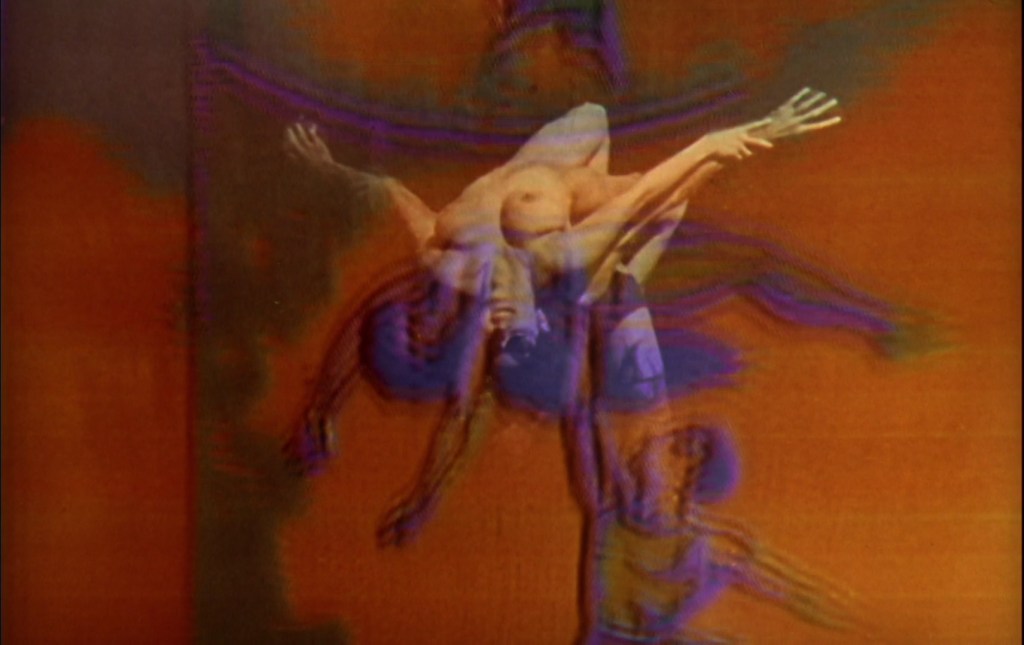
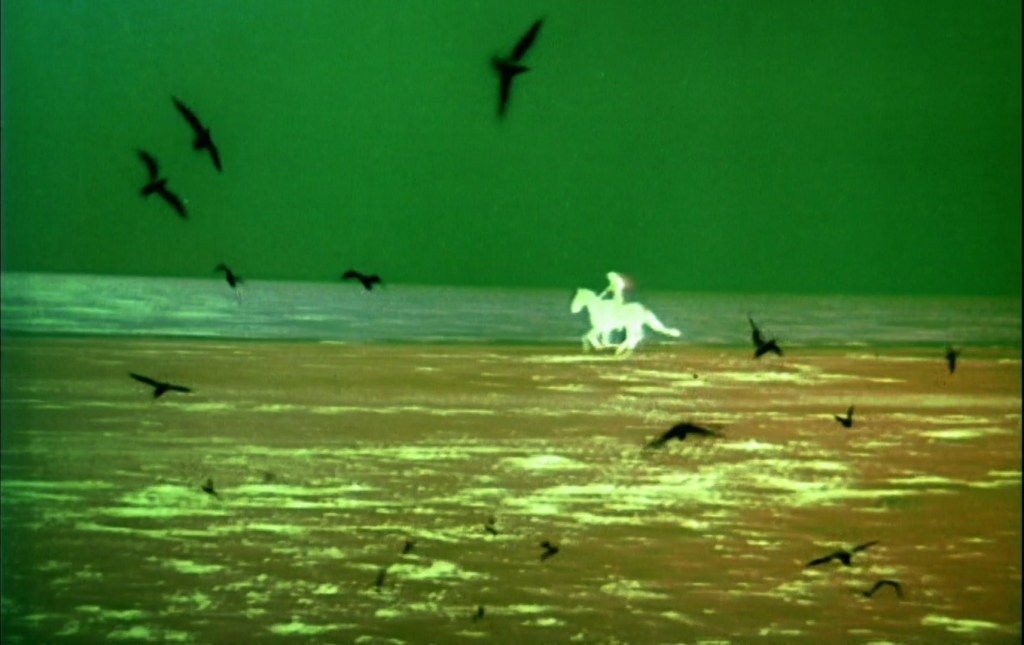
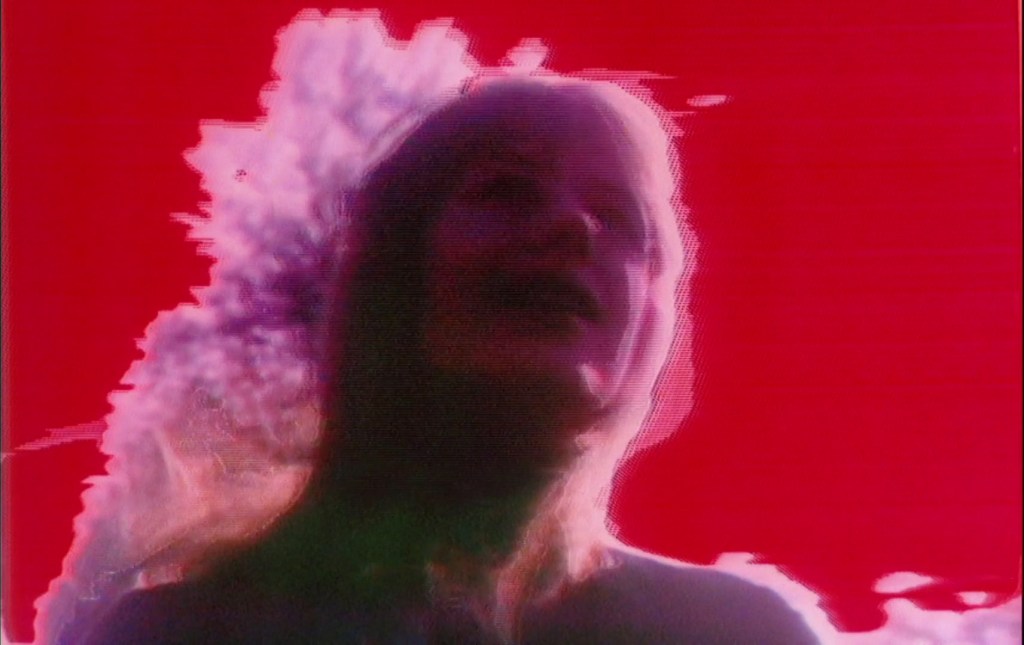
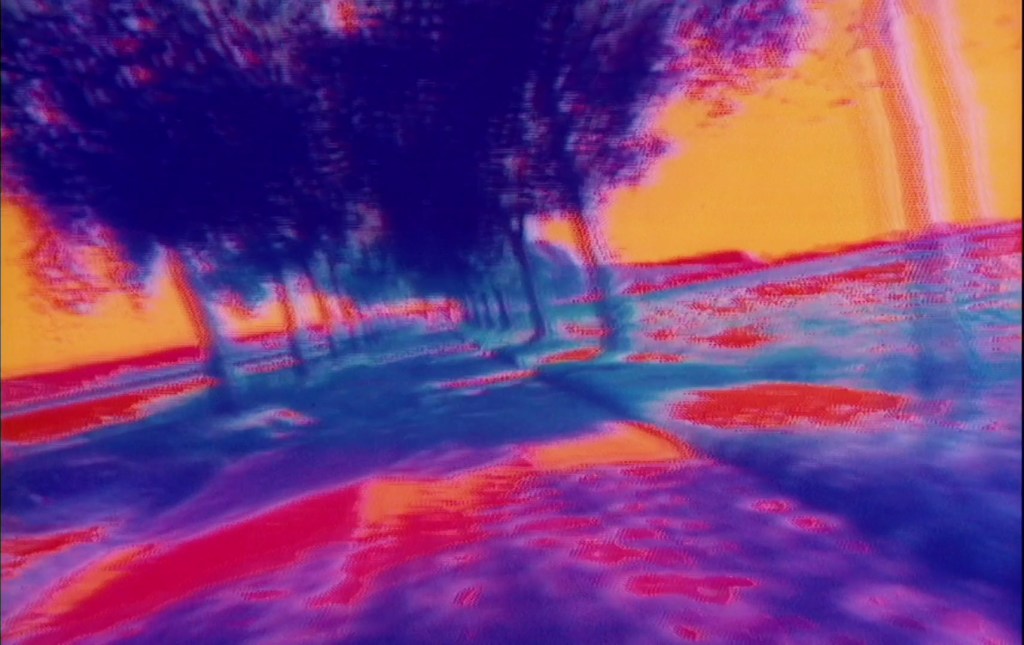
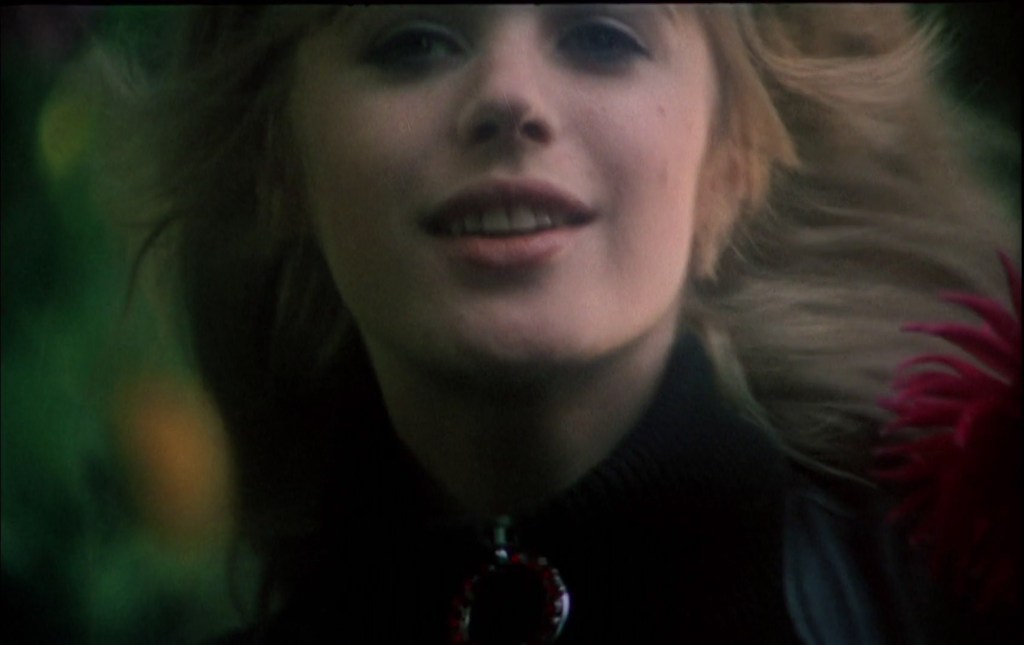
Most of the film is spent following Rebecca as she rides across France and Germany, with the camera often focusing on her in close-ups that emphasize her sense of solitude and introspection. As she weaves through landscapes—fields, forests, and highways—the film oscillates between reality and her mind’s eye. The cinematography, featuring wide-angle shots and kaleidoscopic, surreal imagery, creates a hallucinatory atmosphere. Rebecca’s thoughts are a mixture of ecstasy, fear, and confusion as she wrestles with her love for Daniel and her need for something more than what her marriage can offer.
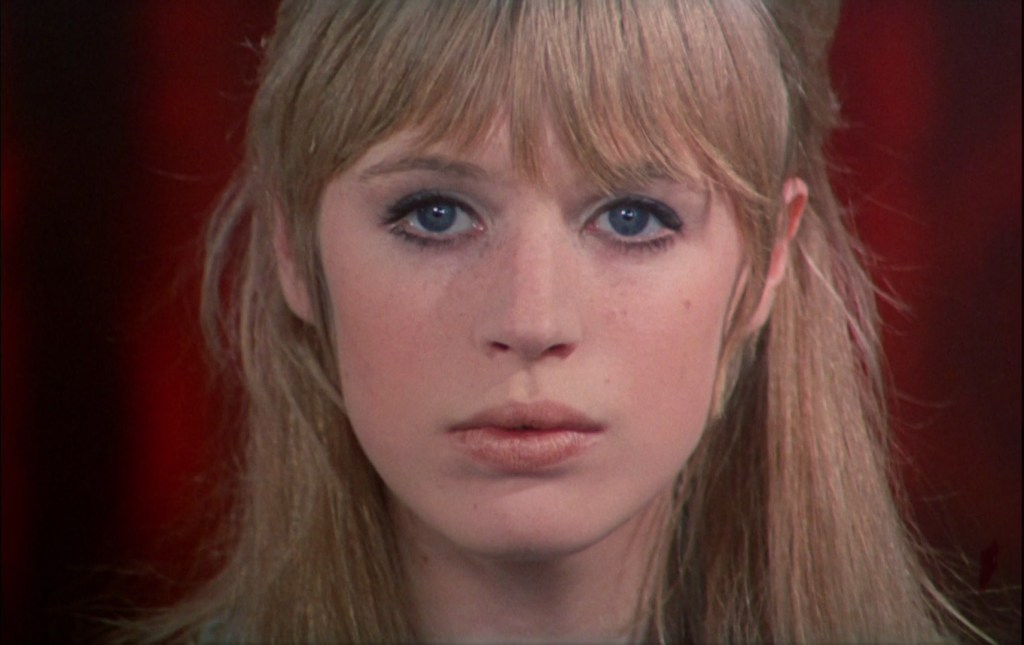
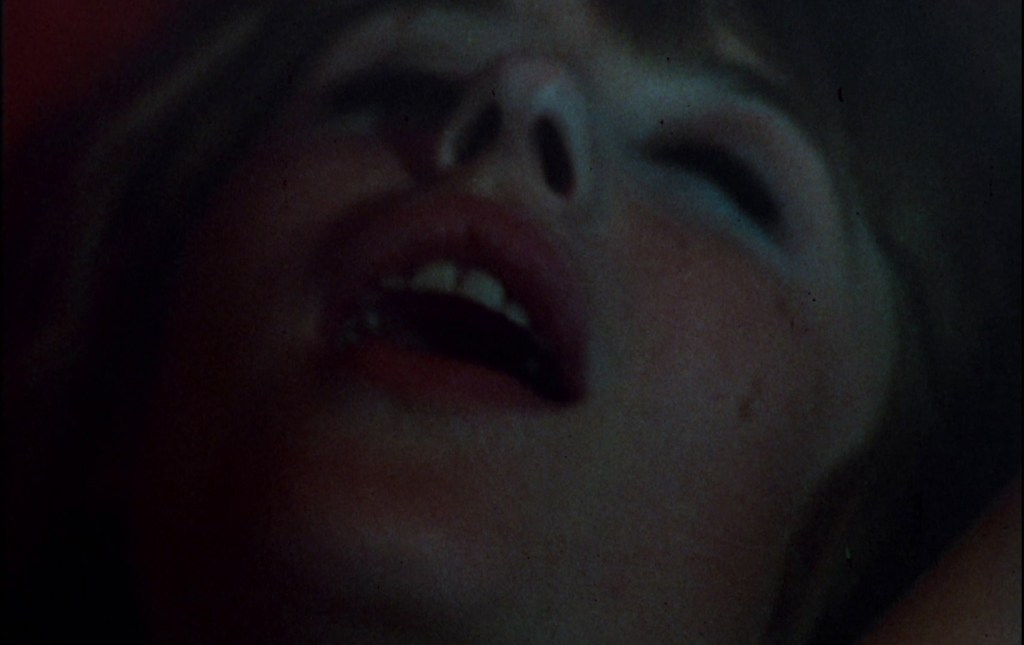
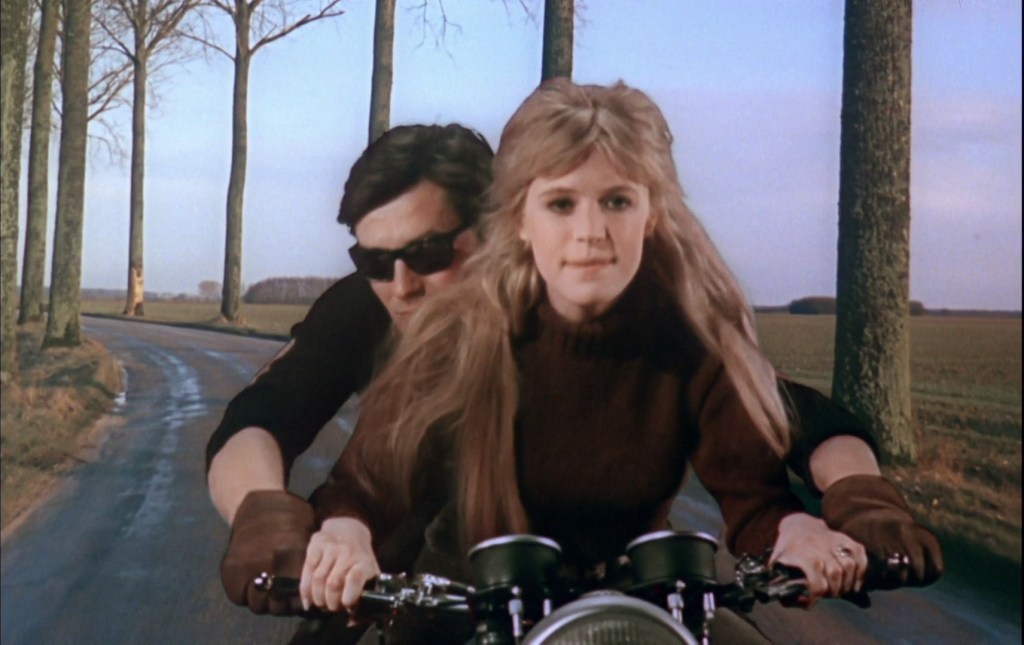
Rebecca’s sexual awakening is a central theme of the film. As she rides, she experiences vivid, erotic fantasies about Daniel. The motorcycle itself is imbued with sensuality, representing freedom and a physical connection between her body and the machine. The film pushes boundaries in its portrayal of eroticism, especially for its time, with several scenes emphasizing Rebecca’s desire for Daniel and the freedom he represents.
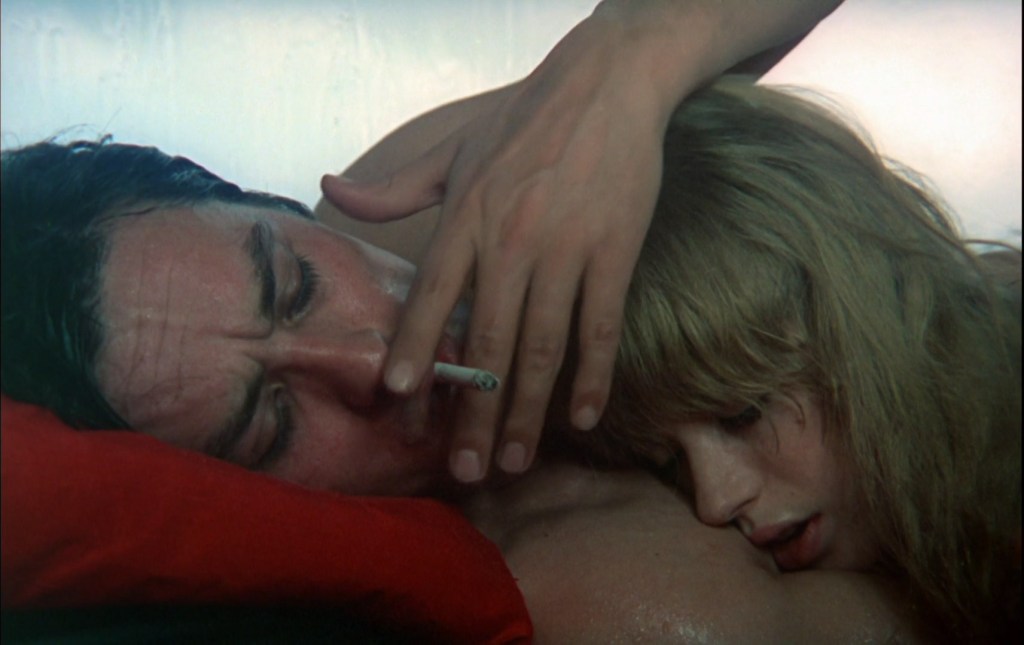
As Rebecca nears Heidelberg, her thoughts become increasingly fragmented and chaotic. Her passion for Daniel, which had once seemed so clear and invigorating, now fills her with doubt. The freedom she thought she craved comes at the cost of emotional turmoil and a growing disillusionment. While she longs for Daniel, she realizes that her quest for freedom may ultimately be self-destructive.
Rebecca accelerates the motorcycle to dangerous speeds in a climactic moment of reckless abandon. She loses control as she approaches a truck on the highway, and the film ends in a sudden, tragic crash. The final scene leaves Rebecca’s fate ambiguous, with her voice narrating her journey as the screen fades to black.
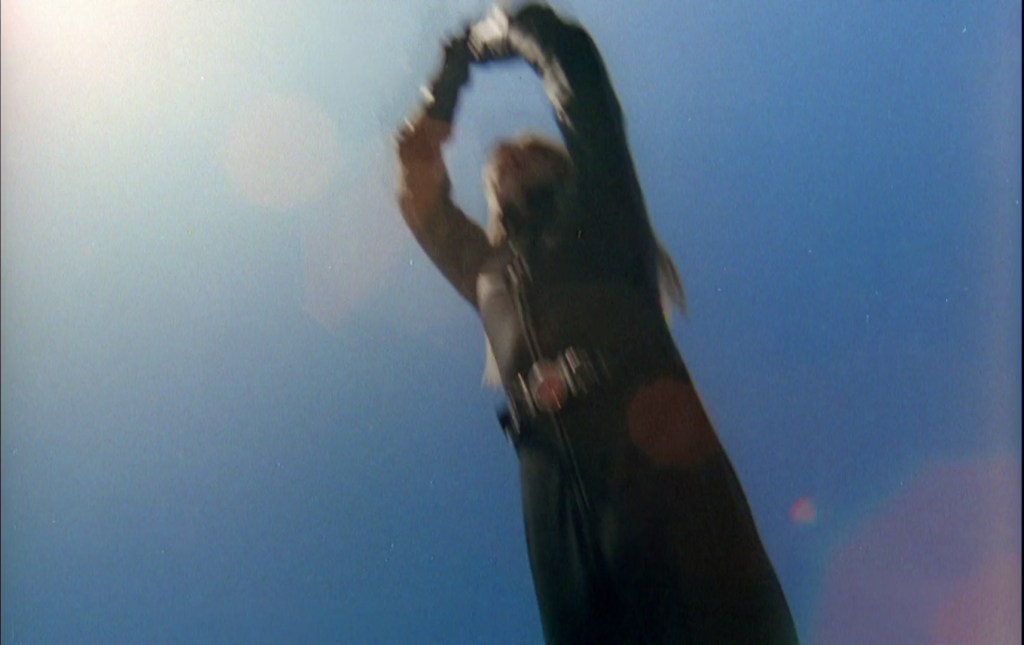
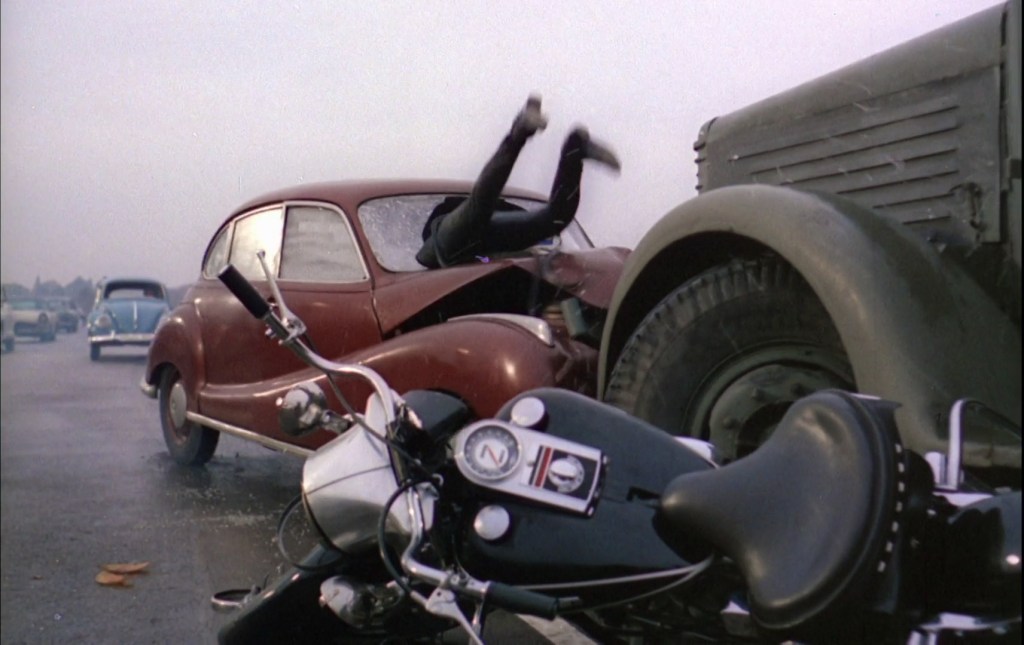
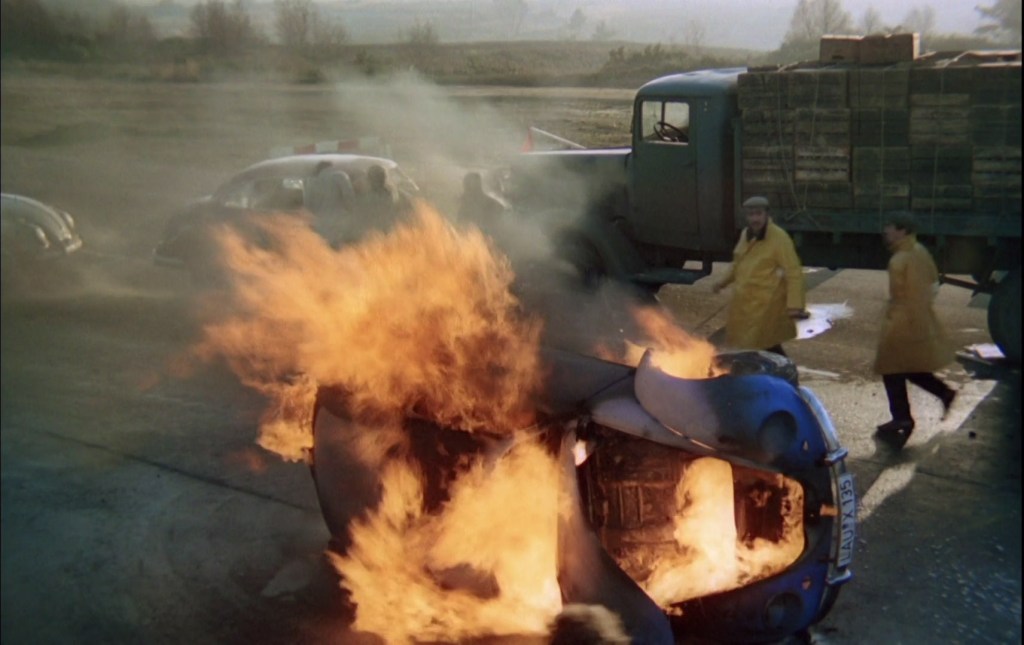
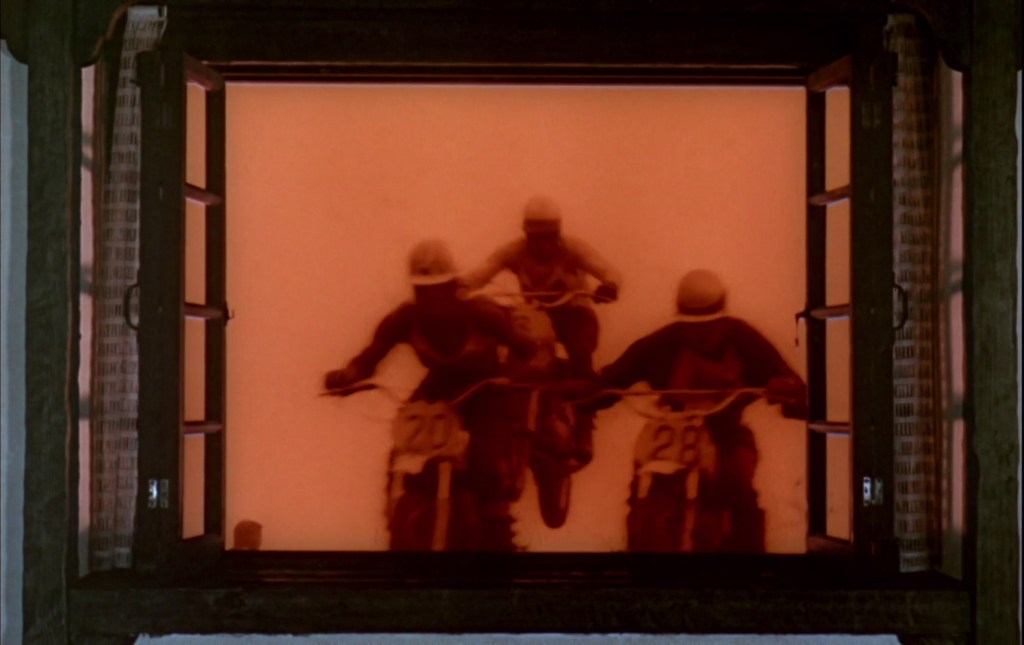
Directed by Jack Cardiff, an accomplished cinematographer (having worked on films such as ‘African Queen,’ ‘The Red Shoes’ and winning an Oscar for ‘Black Narcissus’) turned director, “Girl on a Motorcycle” is visually striking. Cardiff’s background in cinematography is evident in the film’s bold use of color, lighting, and experimental camera techniques. The movie’s psychedelic visuals reflect Rebecca’s emotional and psychological journey, with rapid cuts, distorted angles, and dreamlike sequences conveying her inner turmoil and sexual awakening.
The motorcycle scenes, filmed with sweeping panoramic shots, give a sense of movement and liberation, while the intimate close-ups of Rebecca’s face capture her isolation and self-reflection.
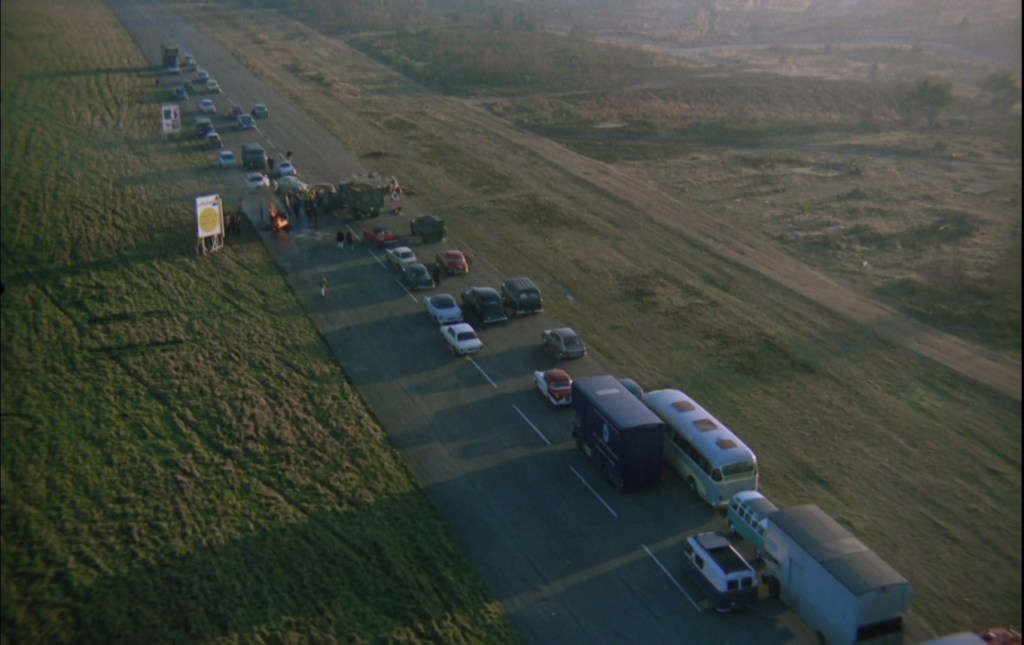
“Girl on a Motorcycle” is a product of the late 1960s counterculture, reflecting the era’s fascination with freedom, rebellion, and sexual liberation. The motorcycle, an iconic symbol of independence and power, is the perfect vehicle (literally and metaphorically) for Rebecca’s journey of self-discovery. The film delves into the psychological complexity of desire and the consequences of pursuing personal freedom at any cost.