

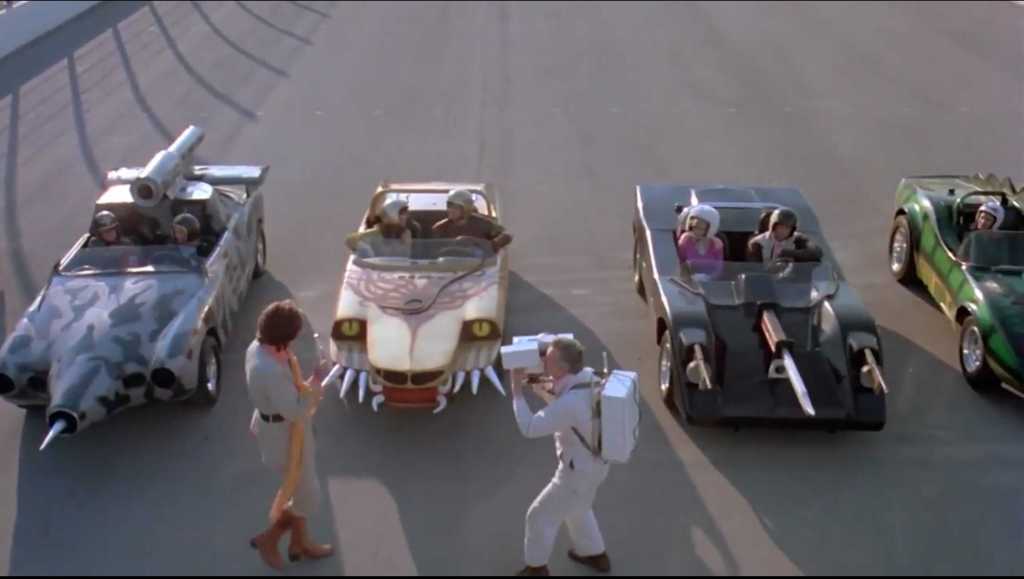
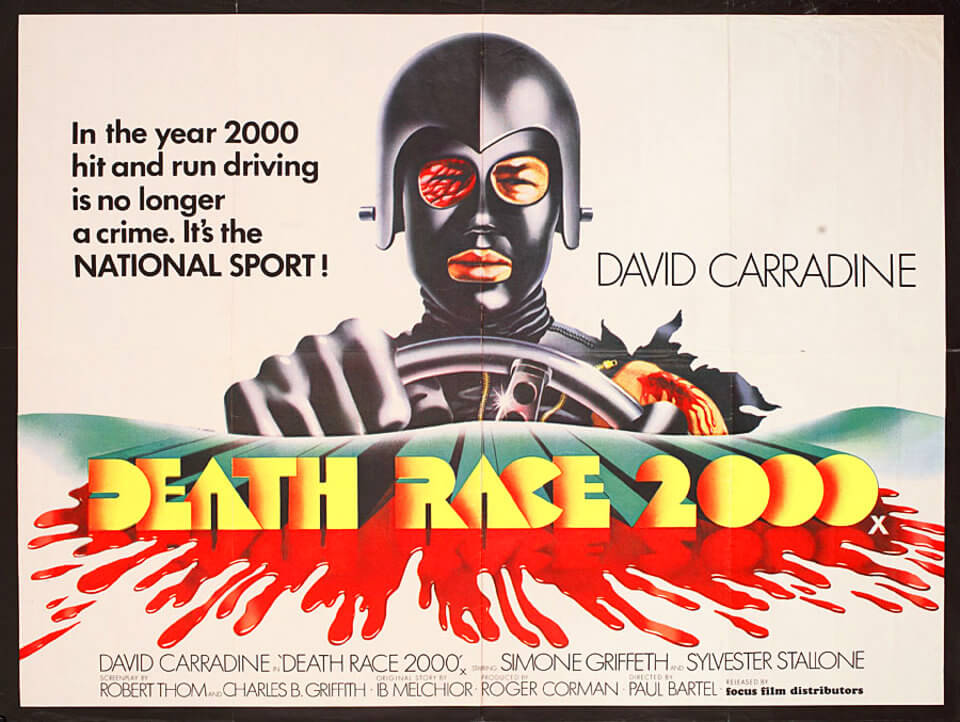
“Death Race 2000” (1975) is a cult dystopian action film directed by Paul Bartel and produced by Roger Corman, known for his low-budget exploitation films. Starring David Carradine as the enigmatic anti-hero Frankenstein and a young Sylvester Stallone as his rival Machine Gun Joe Viterbo, the film blends dark comedy, satire, and high-octane vehicular action in a future where society is obsessed with violence, spectacle, and death.
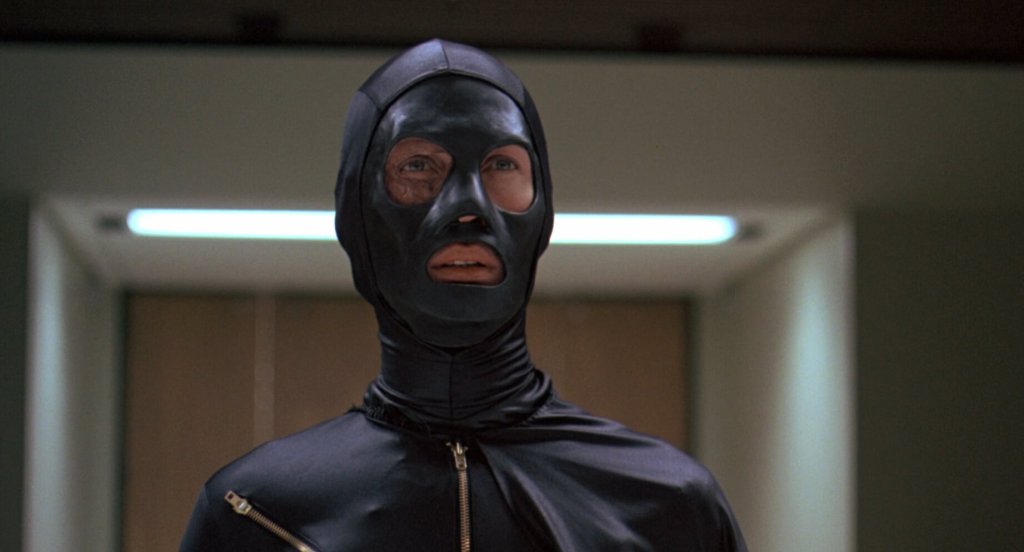
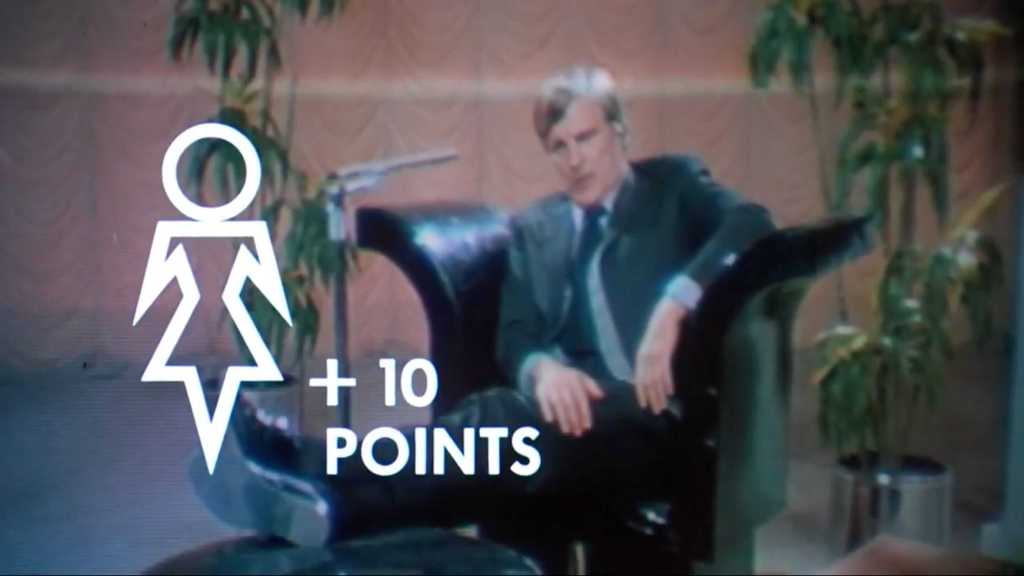
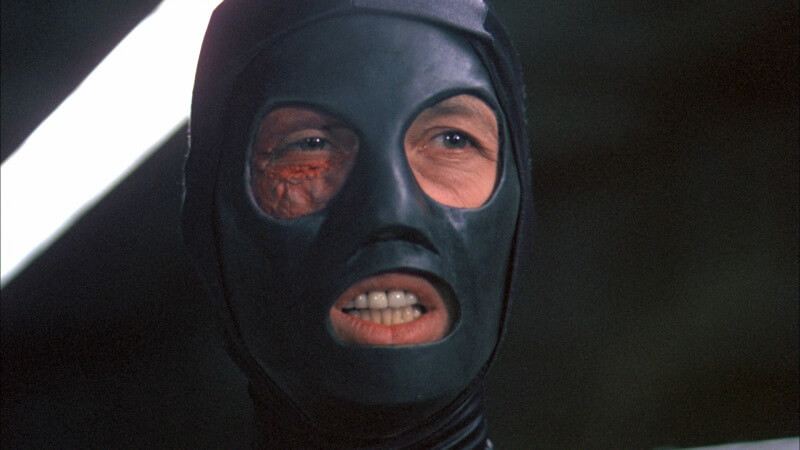
Set in the dystopian year 2000, the United States has become a totalitarian regime where the government uses brutal entertainment to distract and pacify the population. The most popular form of entertainment is the Transcontinental Death Race, a cross-country race where participants drive weaponized, custom-built cars and earn points by running over pedestrians. The bloodier the death, the higher the score. This violent spectacle is broadcast nationwide and hailed as a patriotic event, reinforcing the authoritarian state’s control over the masses. The film’s pivotal characters is Frankenstein (played by David Carradine): The film’s protagonist, Frankenstein, is the reigning champion of the Death Race and a national hero. Known for his mysterious appearance—complete with black leather, a cape, and a mask—Frankenstein is believed to have been severely disfigured in previous races, which adds to his mythic status. However, it’s revealed that he is not the same man each time but rather a series of drivers who adopt the Frankenstein persona, adding to the mystique.
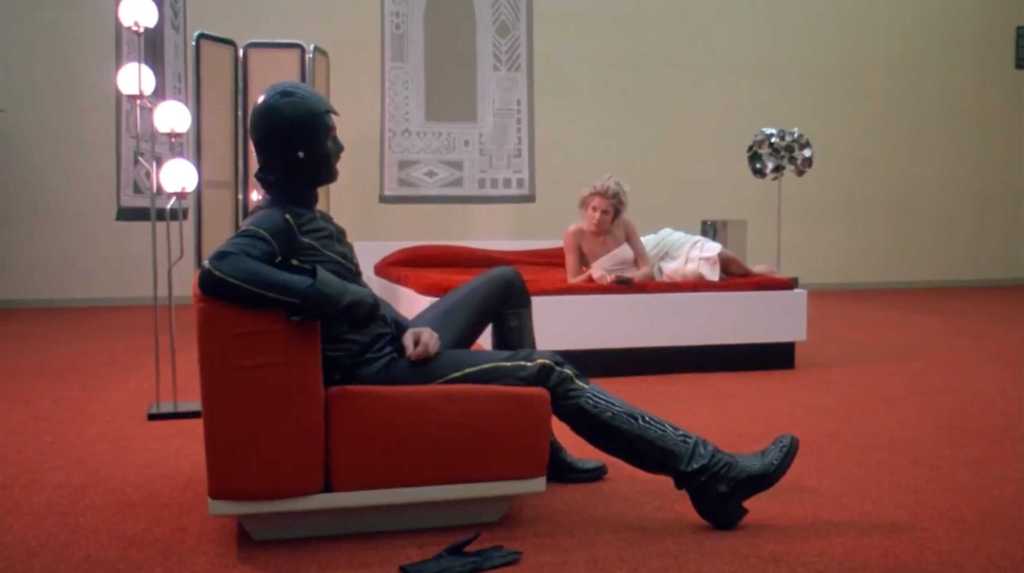
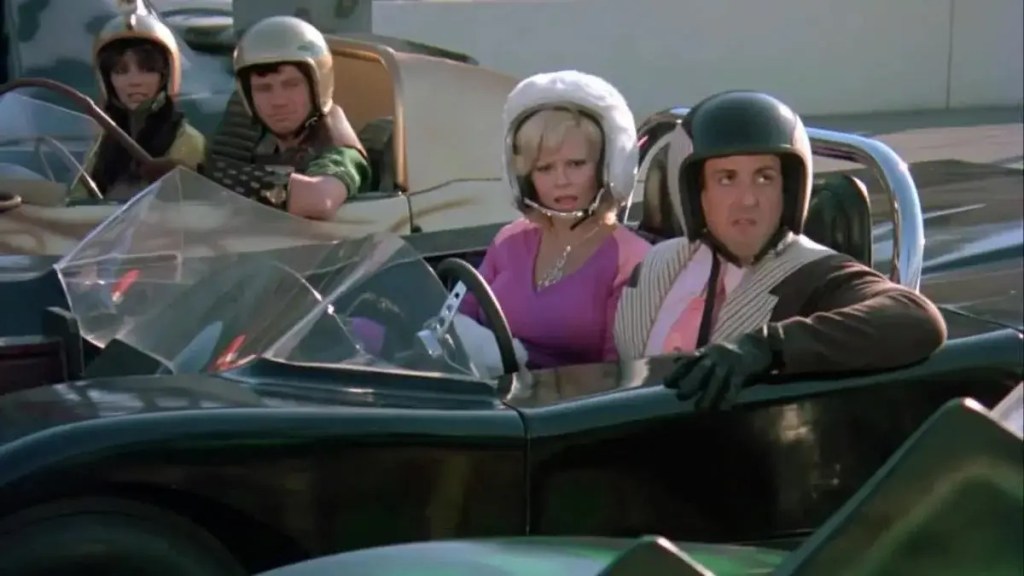
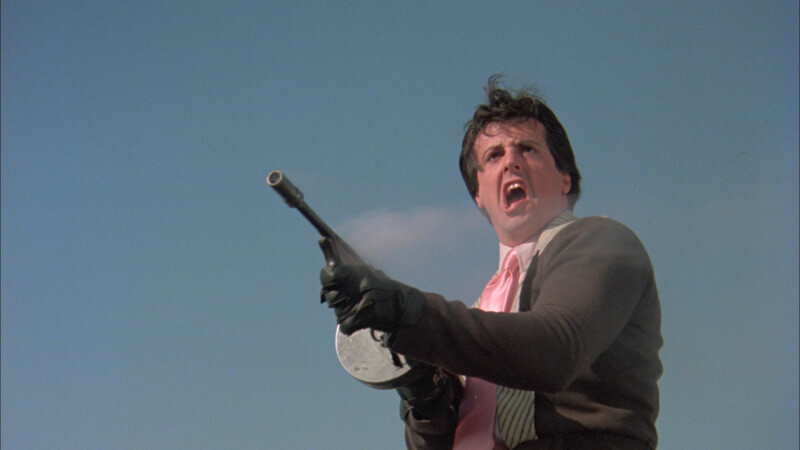
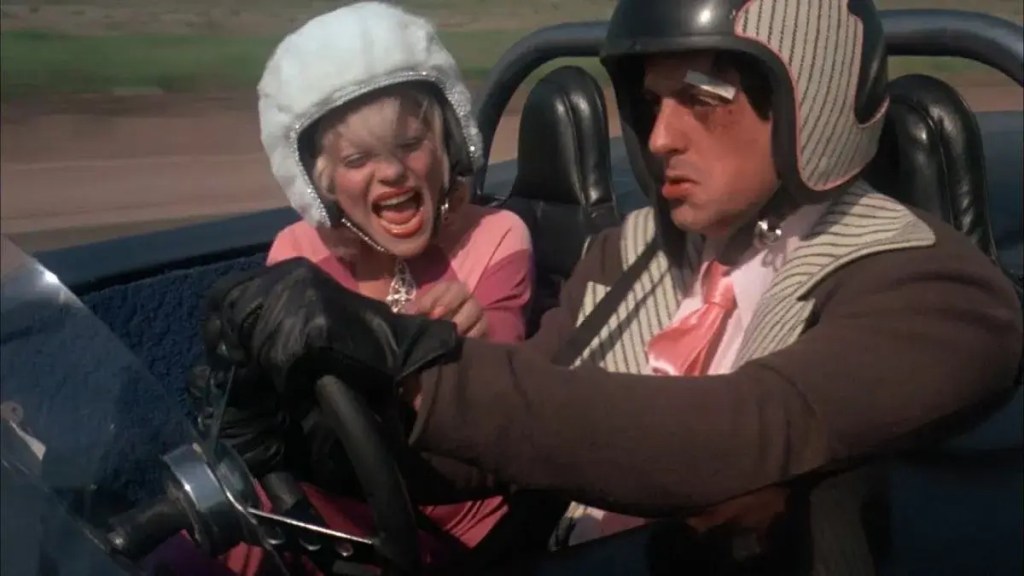
Machine Gun Joe Viterbo (Sylvester Stallone): Frankenstein’s main rival, Joe, is a loud, violent gangster determined to dethrone Frankenstein as the Death Race champion. Joe drives a car adorned with machine guns and is ruthless on and off the track. His over-the-top aggression and caricatured Italian-American machismo make him a memorable and comedic villain.
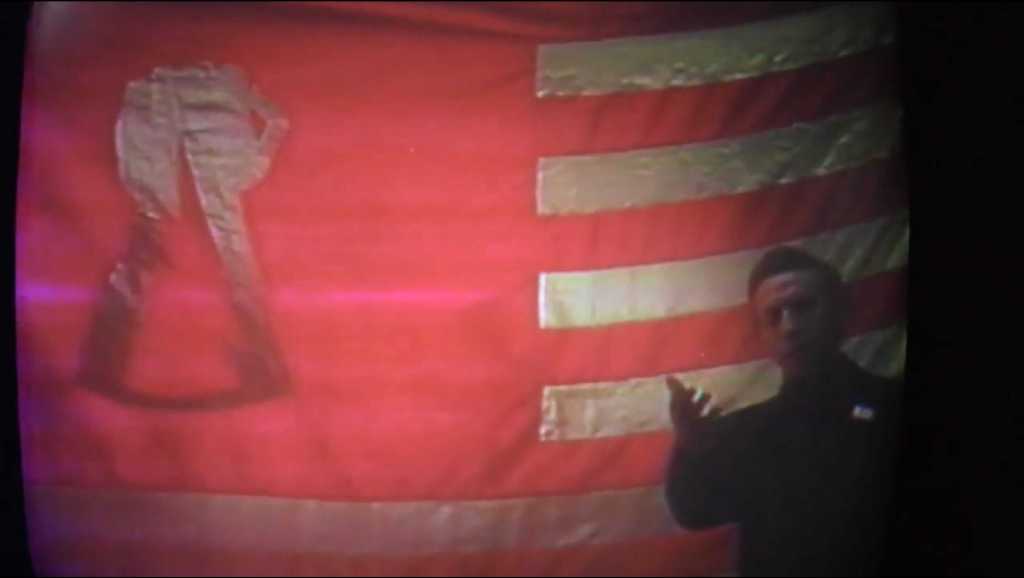

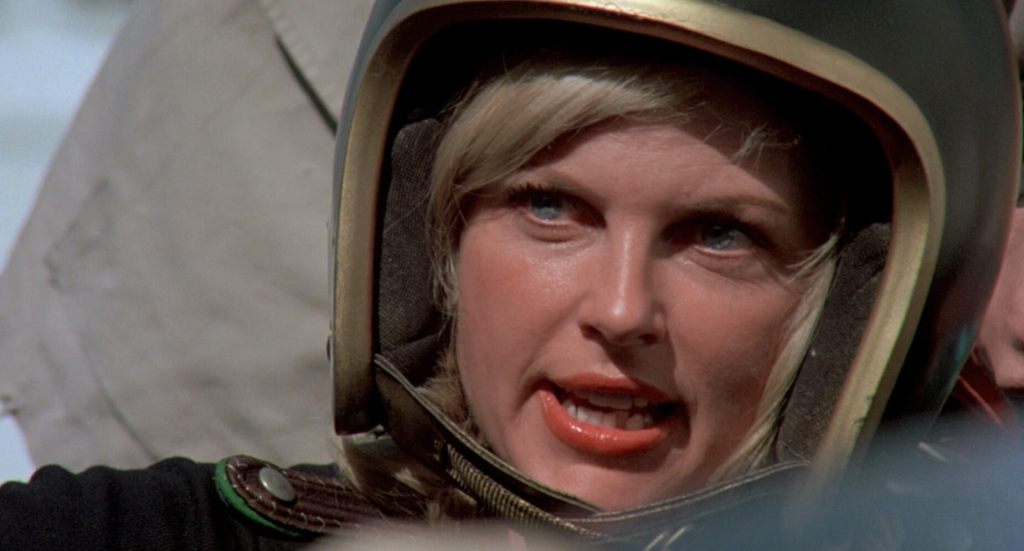
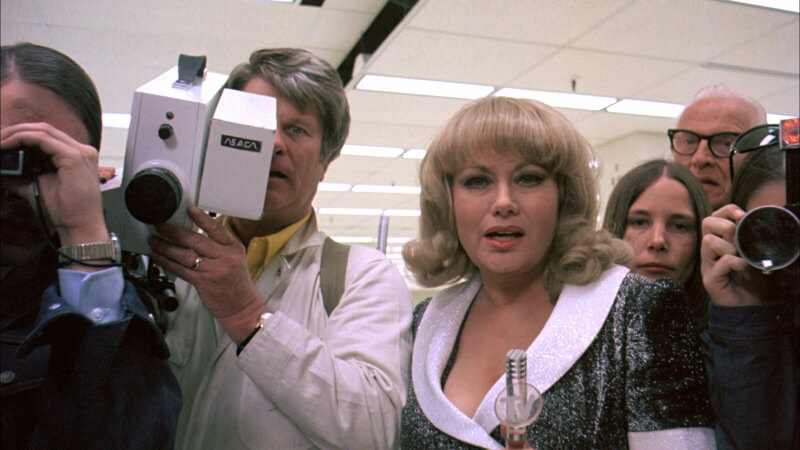
Annie Smith (Simone Griffeth): Annie is Frankenstein’s co-driver and eventual love interest. At first, she appears to be just another navigator assigned to help Frankenstein during the race. Still, it is later revealed that she is secretly a member of the Resistance, a rebel group plotting to overthrow the government. Her mission is to assassinate Frankenstein, but as the race progresses, she sympathizes with him and his hidden agenda. Junior Bruce (Don Steele), Grace Pander (Joyce Jameson), and Harold (Carle Bensen): These three serve as the race’s commentators, representing the media’s grotesque role in glorifying violence and reducing human life to entertainment. Their exaggerated enthusiasm and absurd commentary provide a satirical look at how the media sensationalizes brutality.
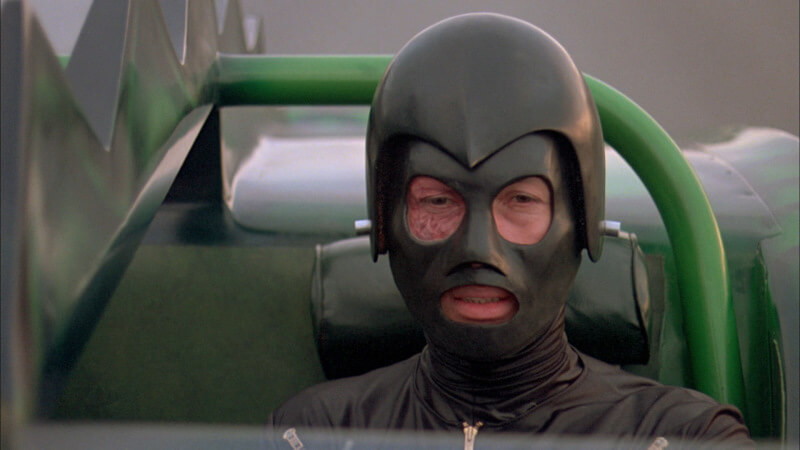
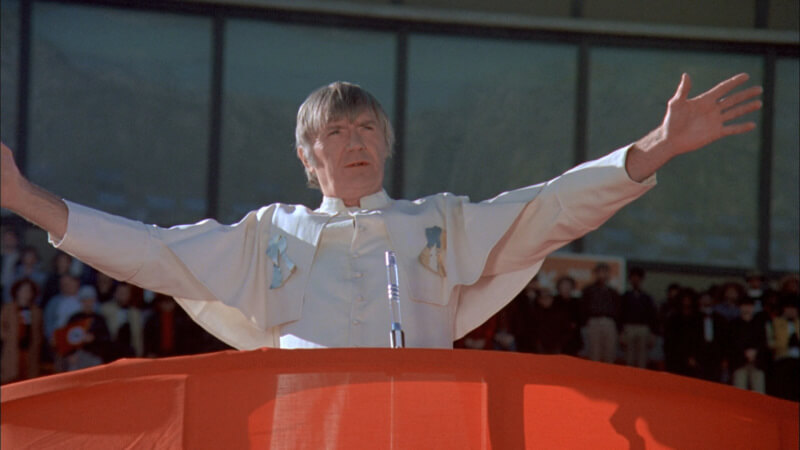
Mr. President (Sandy McCallum): The unseen authoritarian leader of the United States, Mr. President controls the nation with an iron fist. He uses the Death Race to maintain power by providing the masses with a brutal distraction. He is ultimately the target of the Resistance’s efforts to overthrow the regime.
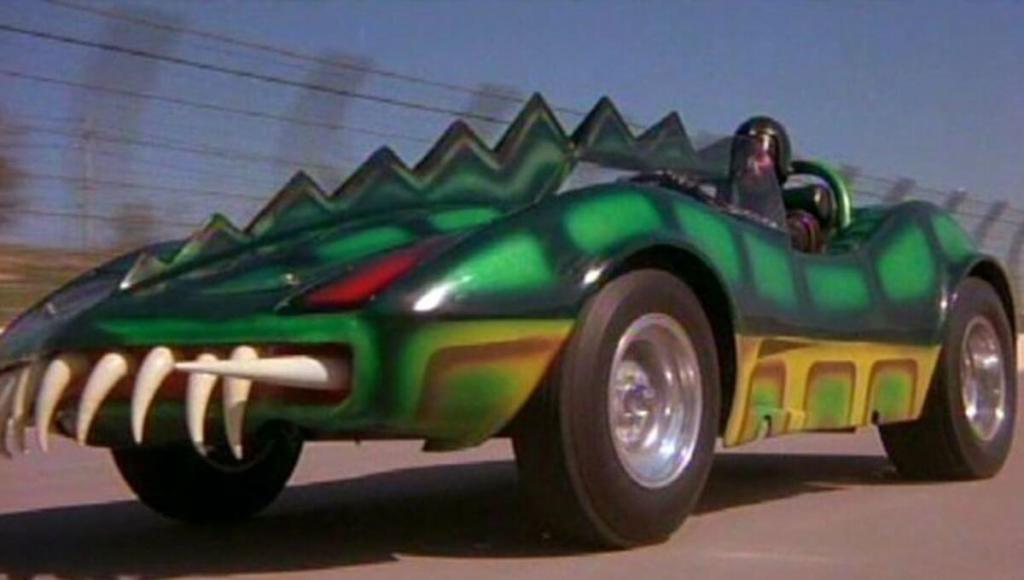
As the film opens, we are introduced to the Death Race, a government-sponsored event that pits five drivers in a deadly cross-country race from New York to New Los Angeles. Each racer drives a custom vehicle designed for destruction. The racers earn points by hitting pedestrians, with extra points awarded for killing vulnerable targets like the elderly and children. The racers are celebrated as heroes while the crowd eagerly watches the carnage unfold.

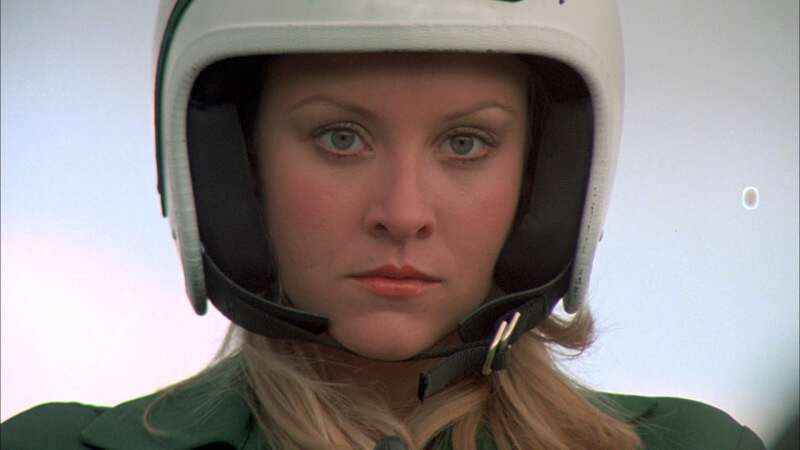
As the race progresses, it becomes clear that Frankenstein has his own agenda. Despite his public image as a soulless killing machine, Frankenstein reveals to Annie that his disfigurements are mostly fabrications designed to create a myth around his character. He is disillusioned with the race and the government that runs it. He secretly plans to win the race so he can meet Mr. President in person—and assassinate him by detonating a grenade hidden in his prosthetic hand.
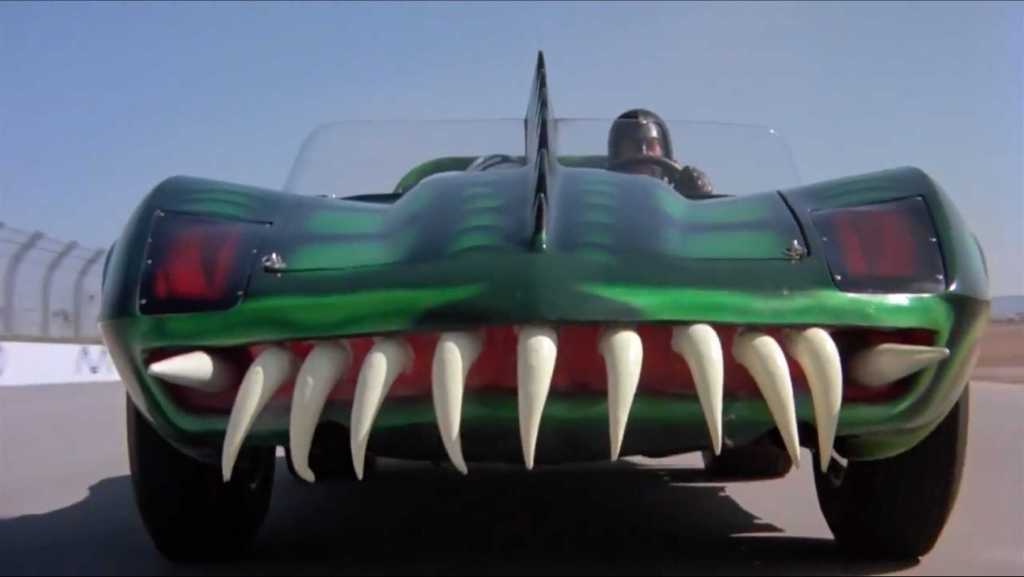
Meanwhile, the Resistance, led by Annie’s grandmother, Thomasina Paine (Harriet Medin), is actively trying to sabotage the race and bring down the authoritarian regime. They view the Death Race as a symbol of the government’s cruelty and hope to inspire a revolution by eliminating the racers and exposing the government’s corruption. Annie, who begins the race to kill Frankenstein for the Resistance, gradually learns of his rebellious intentions and becomes an ally.
As the race unfolds, the contestants cause havoc across the country, mowing down pedestrians and engaging in deadly confrontations with each other. Nero the Hero is the first to die, killed in an explosion, followed by other racers who meet gruesome ends. Machine Gun Joe becomes increasingly frustrated with his inability to surpass Frankenstein and starts taking out his rage on anyone in his path.
In the race’s final stages, the rivalry between Frankenstein and Machine Gun Joe reaches its peak. They engage in a deadly showdown on the road, with Machine Gun Joe determined to kill Frankenstein and claim victory. However, Frankenstein outsmarts Joe, leading to a high-speed chase that ends with Frankenstein killing Joe in a brutal head-on collision.
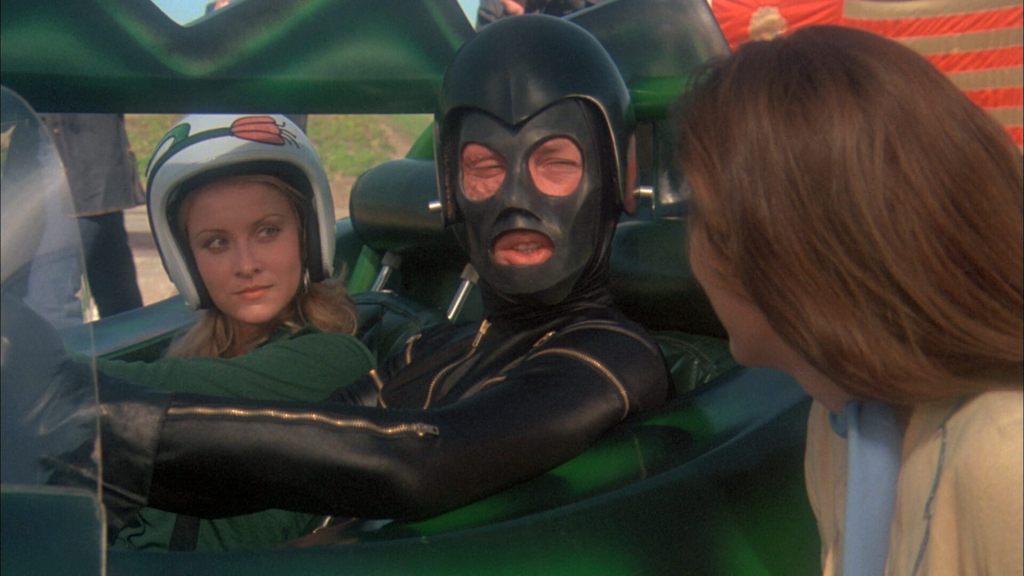
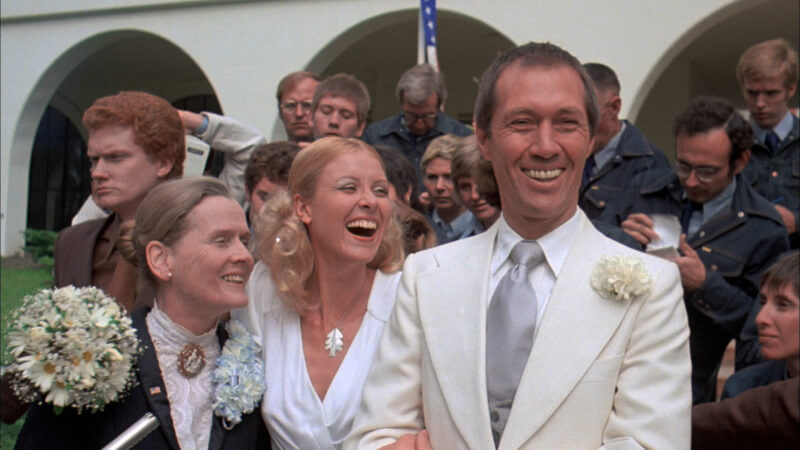
As Frankenstein approaches the finish line, the Resistance stages an ambush, hoping to use the chaos of the race’s end to overthrow the government. However, Frankenstein and Annie have their own plan. He crosses the finish line, winning the race and earning the right to meet Mr. President. In the film’s climax, Frankenstein is brought to the Presidential Palace for a victory ceremony. He takes the opportunity to confront Mr. President and reveals his plan to assassinate him. However, before Frankenstein can execute his plan, Annie takes matters into her own hands. She kills Mr. President by running him over with Frankenstein’s car, ending the regime’s reign of terror.
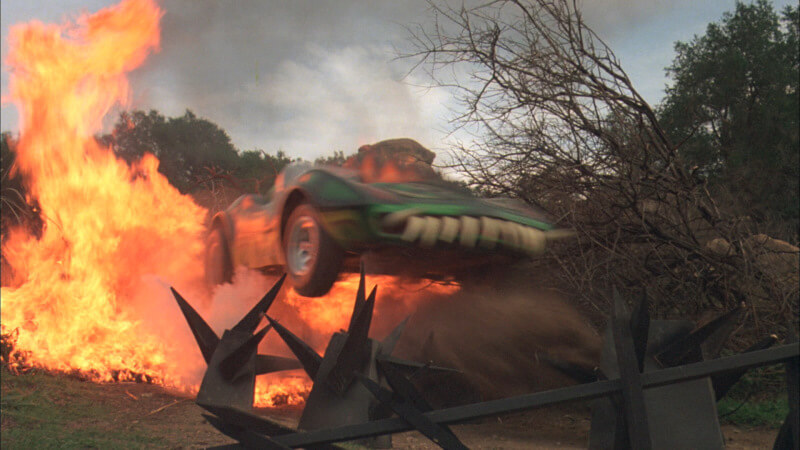
“Death Race 2000” is a biting satire of a future where society is desensitized to violence, and human life is devalued in favor of entertainment. The film critiques how media and government manipulate violence to distract and control the public, foreshadowing the increasing role of violence in real-world media and entertainment.
“Death Race 2000” became a cult classic for its blend of action, dark humor, and social commentary. Despite its low budget, the film’s outrageous concept, memorable characters, and satirical tone resonated with audiences. Its influence can be seen in later dystopian and post-apocalyptic films, and it inspired several remakes and spin-offs, including “Death Race” (2008). It remains an iconic piece of 1970s exploitation cinema and a sharp critique of media, violence, and government control.
 The Other Cinema