


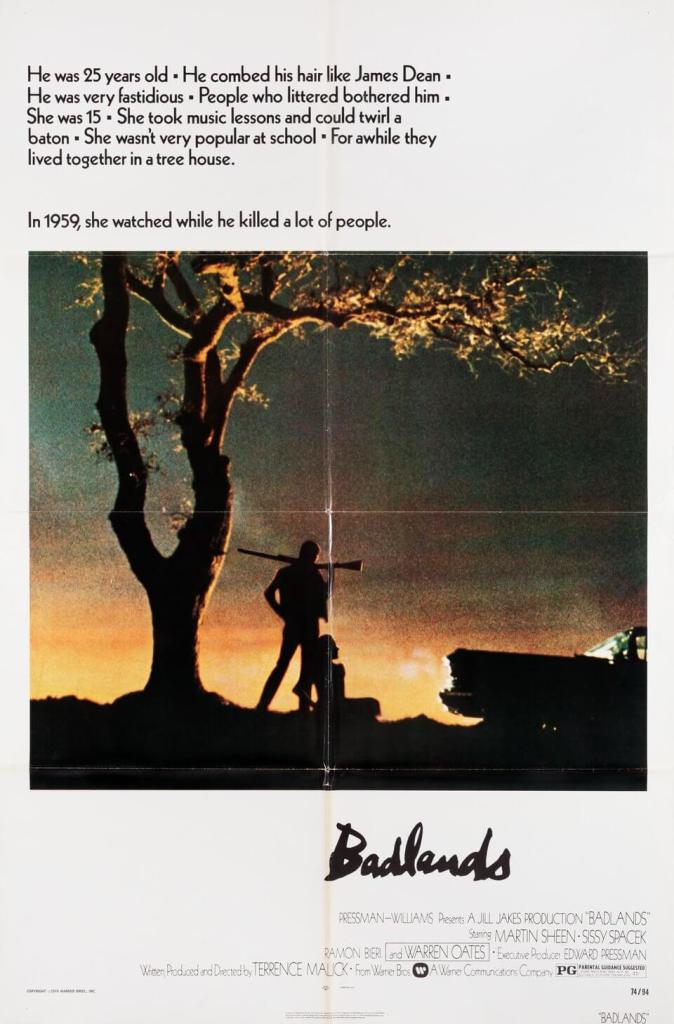
“Badlands” is a 1973 crime drama directed by Terrence Malick in his feature film debut, and it stars Martin Sheen and Sissy Spacek in leading roles. Loosely inspired by the real-life 1958 killing spree of Charles Starkweather and his teenage girlfriend, Caril Ann Fugate, the film is a haunting meditation on alienation, love, violence, and the disconnection between nature and society.
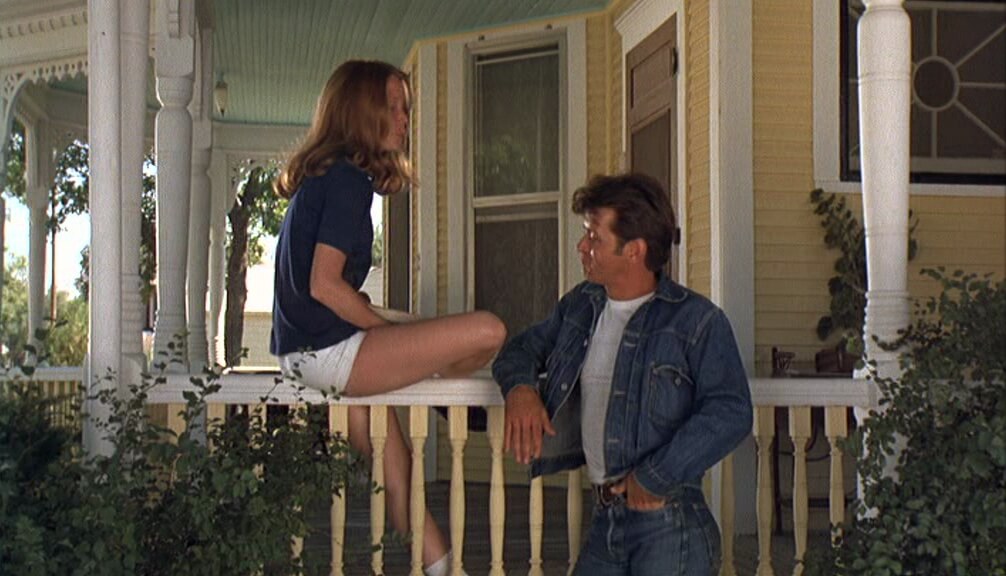


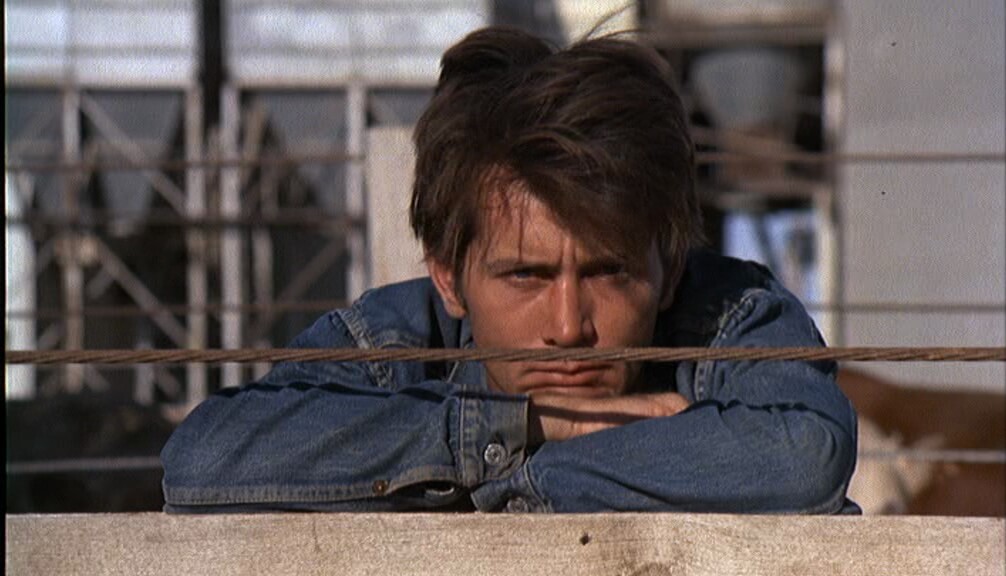
The film is set in the late 1950s in the desolate American Midwest, where two young lovers—Kit Carruthers (Martin Sheen) and Holly Sargis (Sissy Spacek)—embark on a crime spree that leaves a trail of violence across South Dakota and Montana. Told through Holly’s naïve and often detached narration, the film explores the strange, unsettling relationship between the couple and their growing detachment from the reality of their actions.
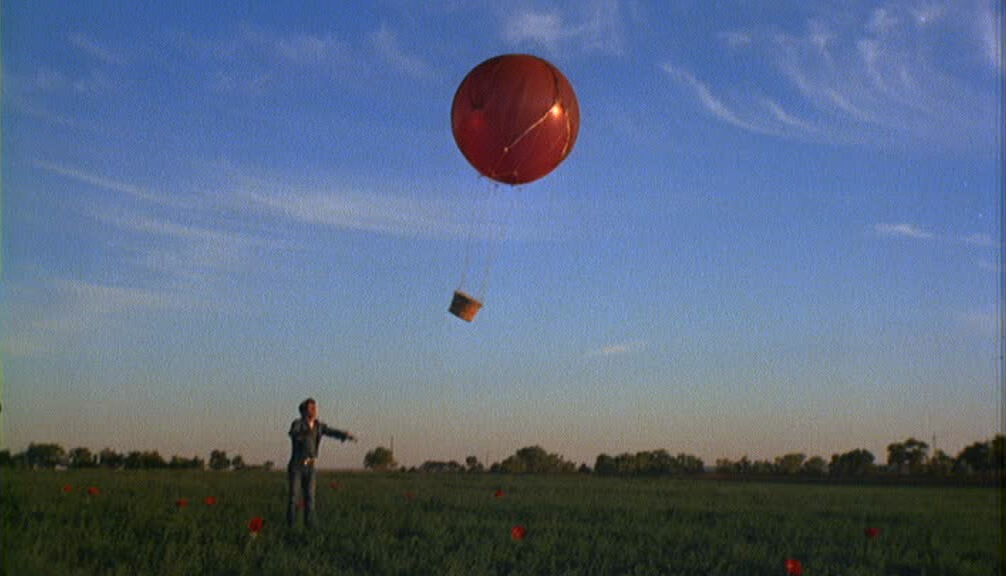
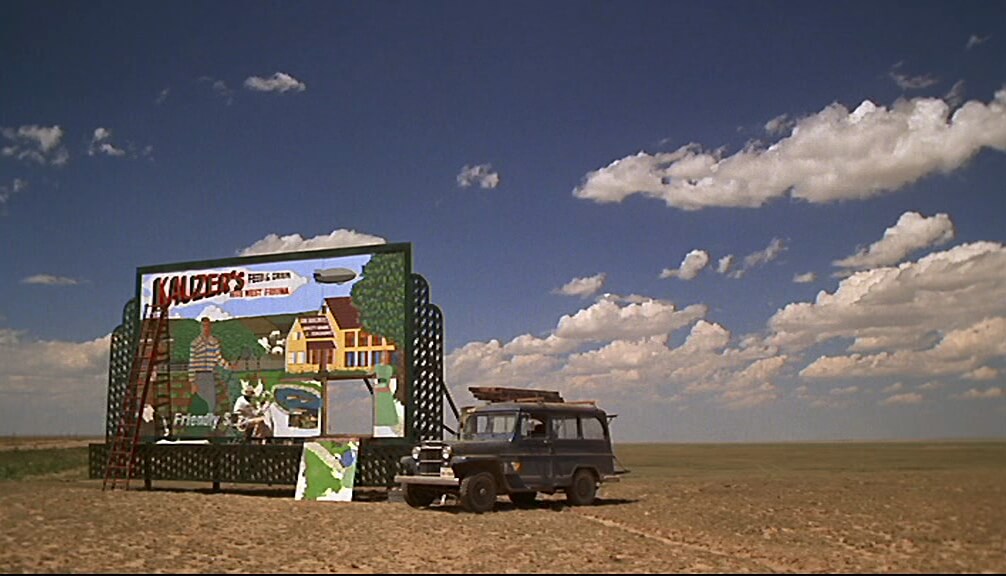

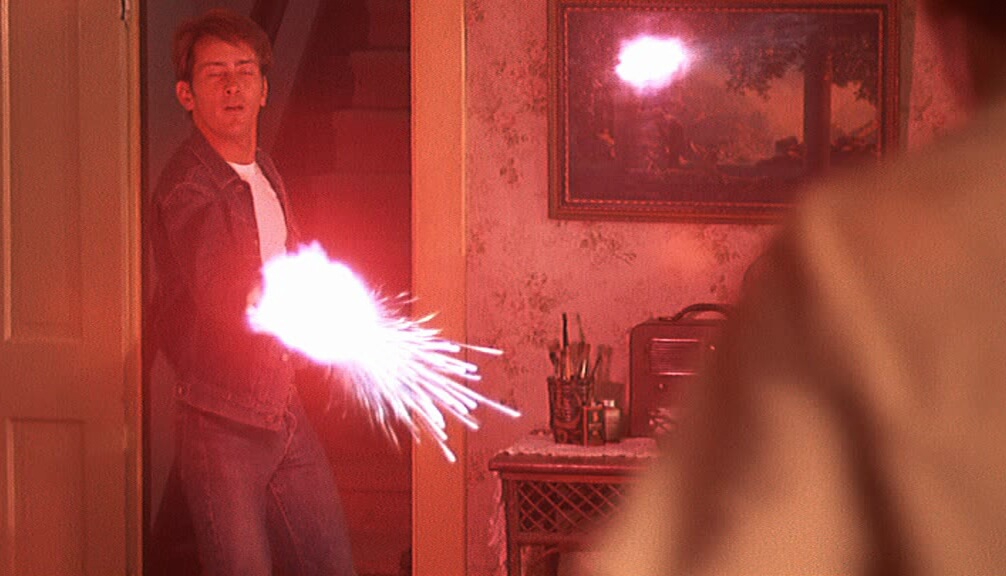
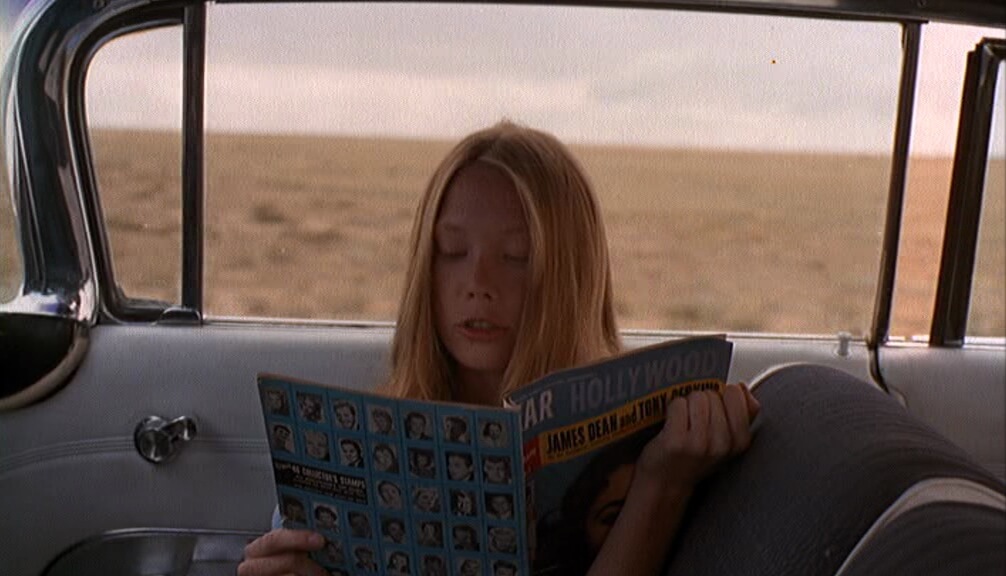
The film begins in the quiet town of Fort Dupree, South Dakota, where 15-year-old Holly Sargis lives a mundane life with her strict, widowed father (Warren Oates). She is a shy, introspective girl who daydreams and reads romance novels. One day, she meets 25-year-old Kit Carruthers, a garbage collector who resembles James Dean in both looks and attitude. Kit is a charming but aimless drifter with a rebellious streak, and Holly is immediately drawn to his confidence and charisma.



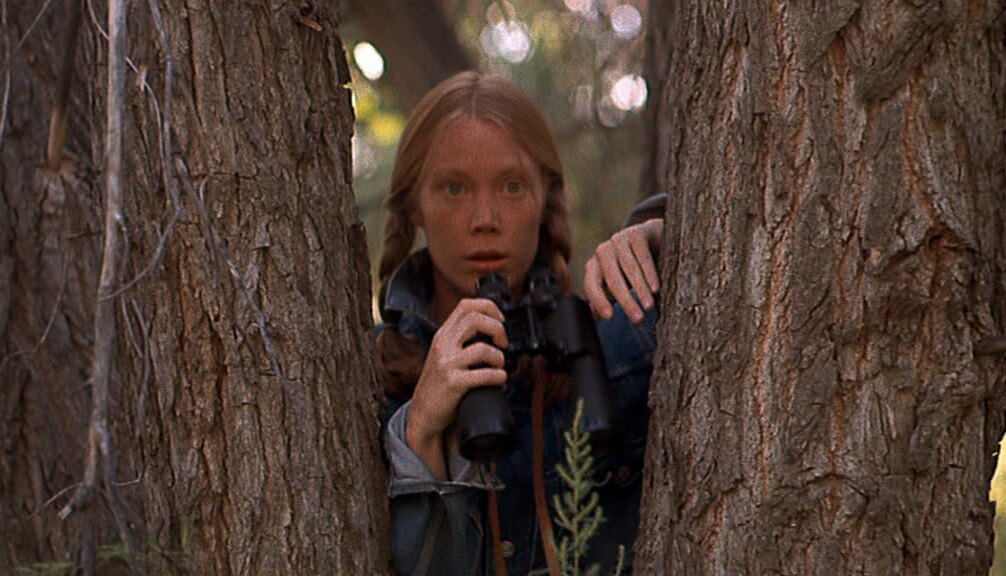
Kit quickly becomes infatuated with Holly despite their significant age difference. She is seduced by his attention and the excitement he brings into her otherwise dull existence. On the other hand, Kit sees Holly as a kindred spirit, someone who might understand his disconnection from the world around him. They begin a romantic relationship, which Holly describes in her passive, emotionally detached voice-over narration, hinting at her inability to fully comprehend the depth of what is unfolding.
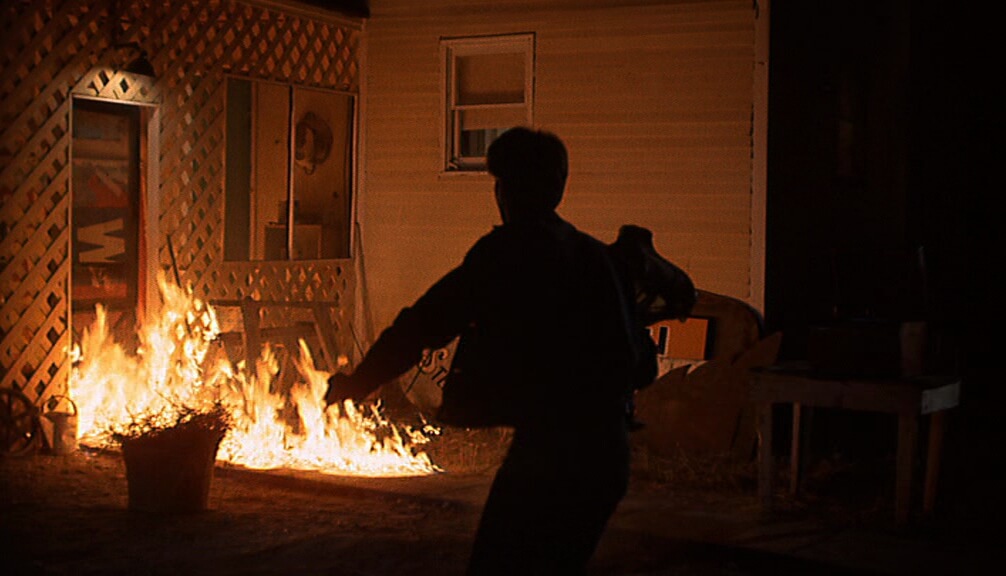
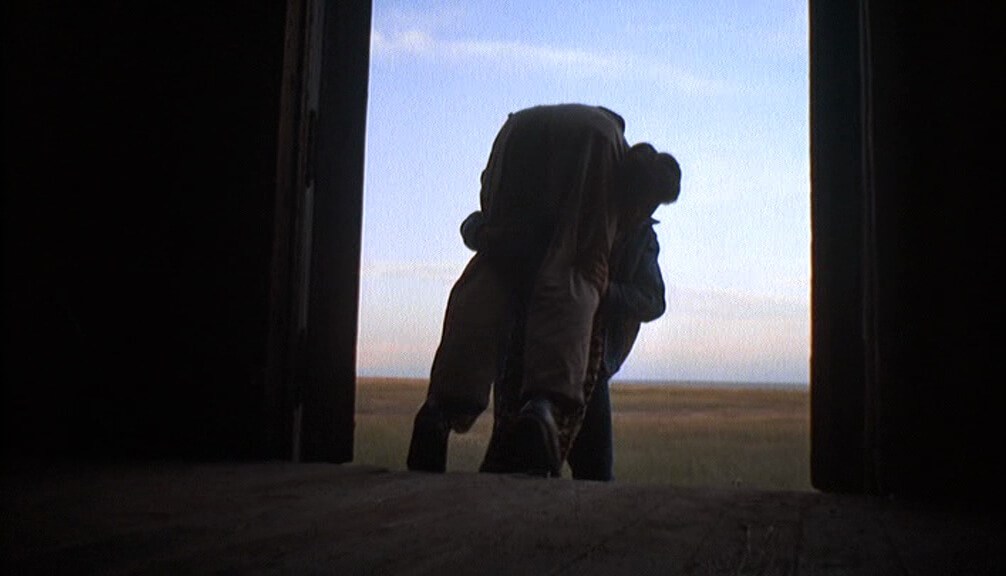
When Holly’s father discovers the relationship, he forbids her from seeing Kit and tries to isolate her from him. Kit, however, refuses to be separated from Holly. In a fit of defiance, Kit confronts her father in his home, and in a moment of impulsive violence, he shoots and kills him. Instead of reacting with horror, Holly passively agrees to go on the run with Kit, marking the beginning of their crime spree. This scene sets the tone for the film’s portrayal of violence: sudden, casual, and disturbingly disconnected from any sense of morality or consequence.
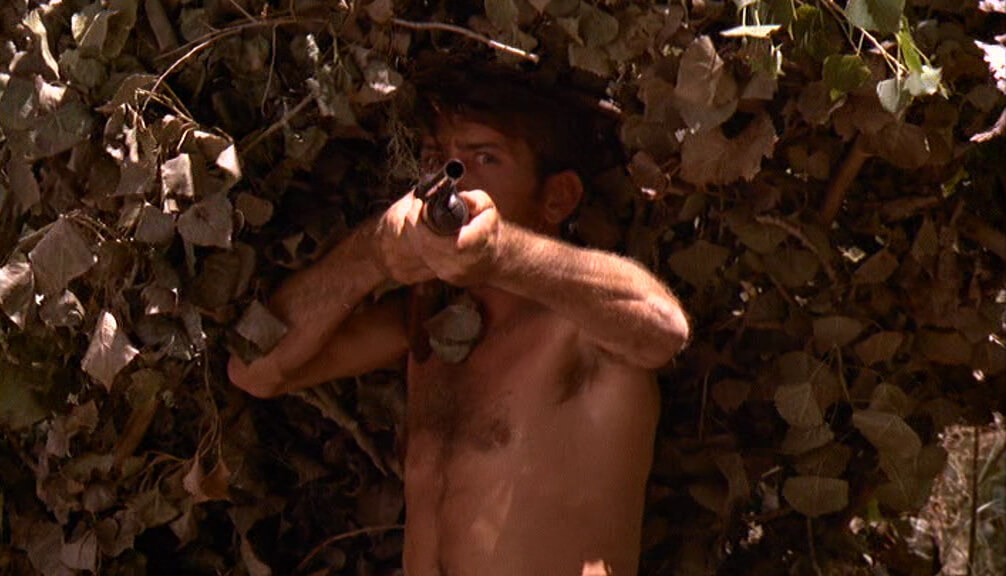
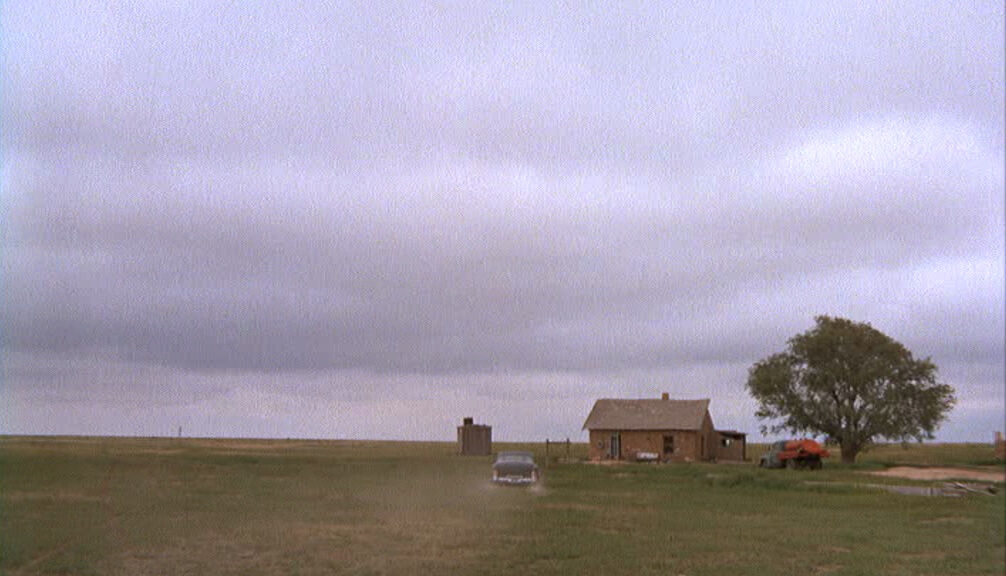

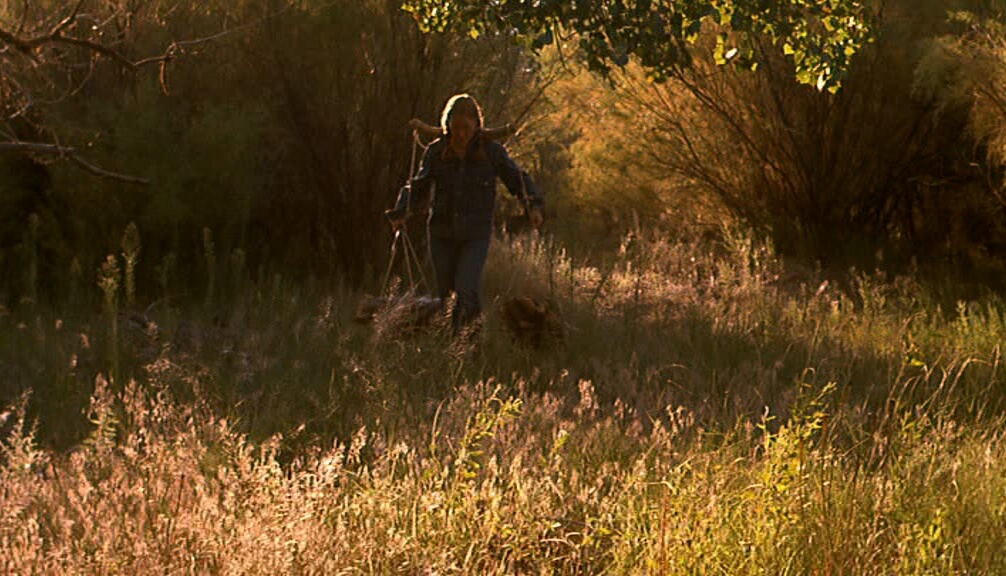
After burning down Holly’s house to cover up the murder, Kit and Holly flee into the wilderness. They hide in the woods, constructing a treehouse and living off the land in a distorted fantasy of freedom and self-sufficiency. During this time, they play house, with Kit pretending to be the head of a family and Holly content to play along. However, their idyllic existence in nature is short-lived, and the threat of capture looms over them.
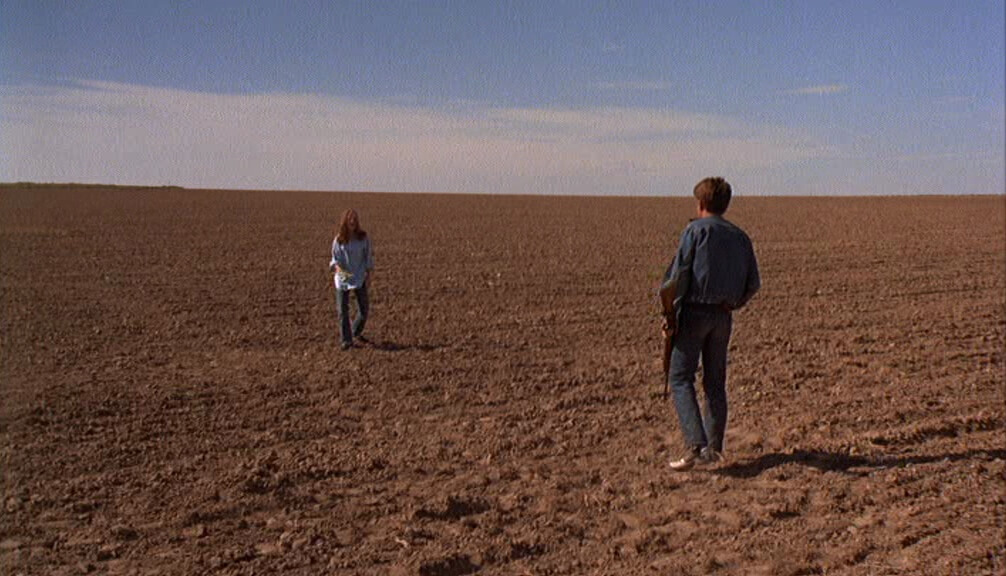
Kit and Holly’s crime spree escalates as they journey across the barren plains. Along the way, they encounter various people whom Kit kills with an eerie calmness whenever he feels threatened or challenged. Kit’s murders are spontaneous, almost casual, and Holly’s detachment becomes more pronounced. She watches the violence unfold but seems to view it through a surreal, almost dreamlike lens, neither approving nor condemning it.
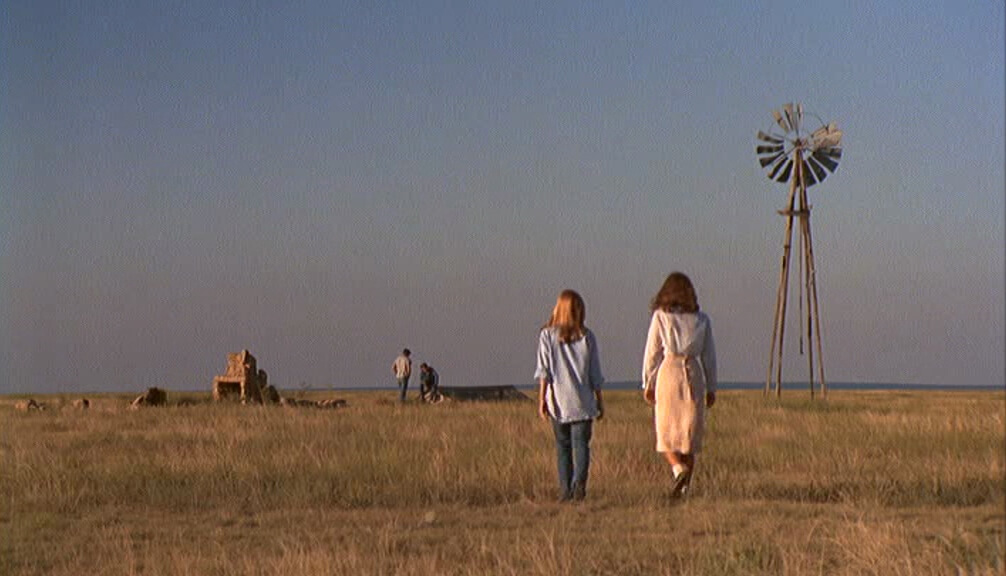
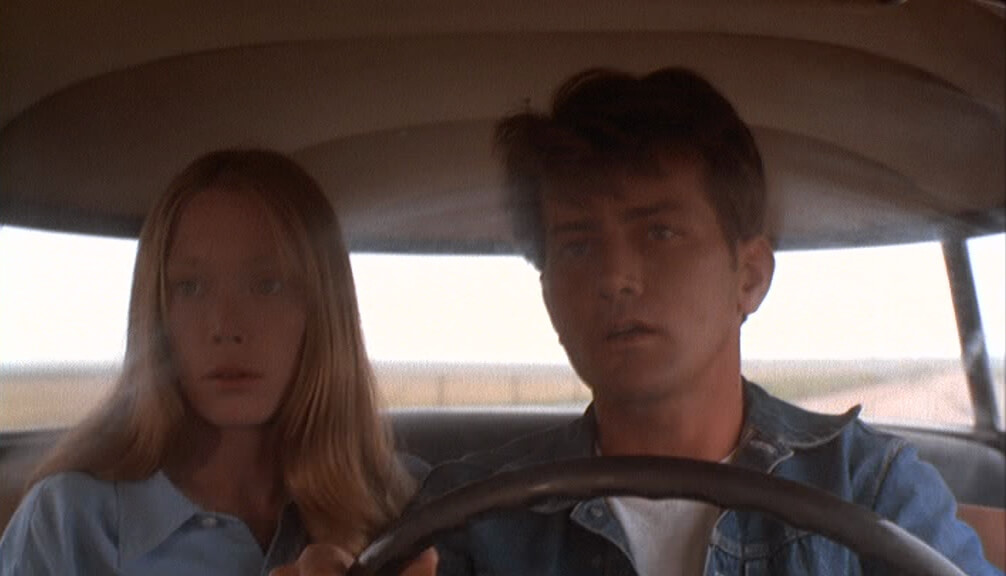
Kit’s actions start to take on a mythic quality. He begins to see himself as a kind of outlaw hero who will be remembered for his rebellion and defiance. He even leaves behind a recording of his thoughts for the police to find, reveling in the idea of being a legendary figure. Kit’s delusions of grandeur grow as the law closes in on them, and he becomes increasingly reckless. Holly, however, starts to lose interest in Kit and the life they are leading. While Kit is intoxicated by his myth-making, Holly becomes disillusioned, realizing the excitement and romance she initially felt have faded.
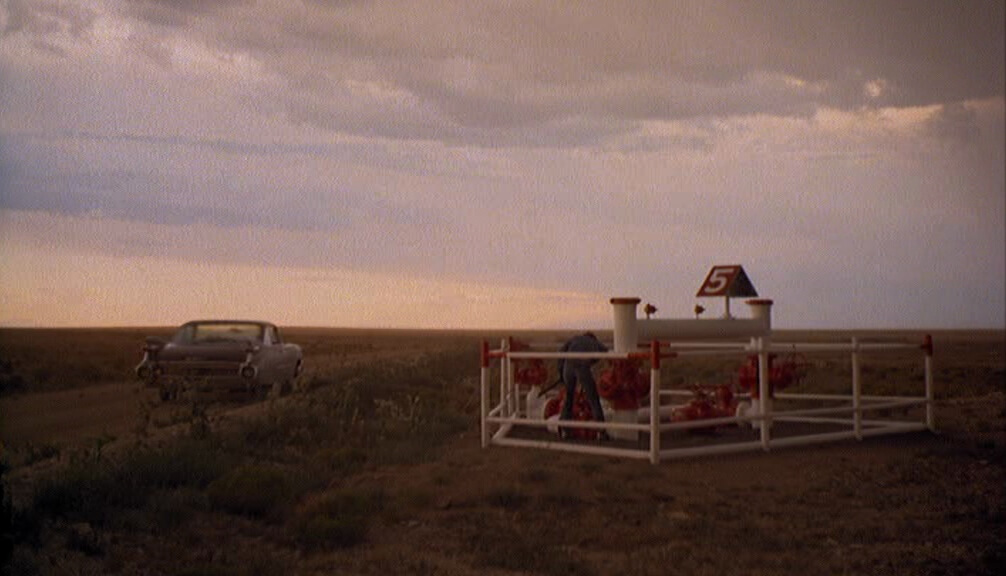
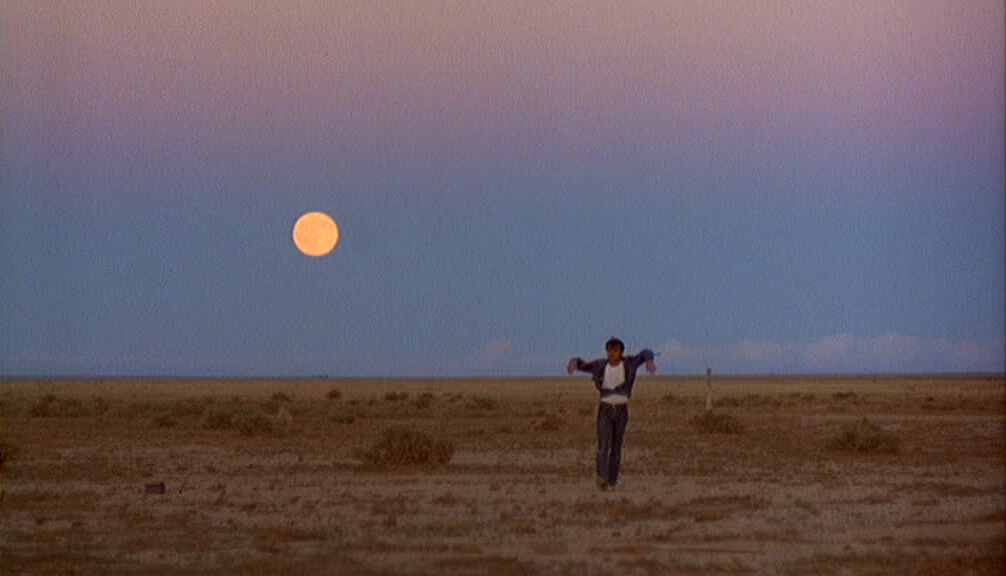
As Kit and Holly’s journey nears its end, law enforcement finally cornered them. Aware that his time is up, Kit stages a dramatic final chase, leading the police on a high-speed pursuit before surrendering without much Resistance. During his arrest, Kit’s calm and almost gleeful demeanor underscores his belief that he will be remembered as a legend. In contrast, Holly is relieved to be captured, emotionally drained, and ready for the ordeal to end.

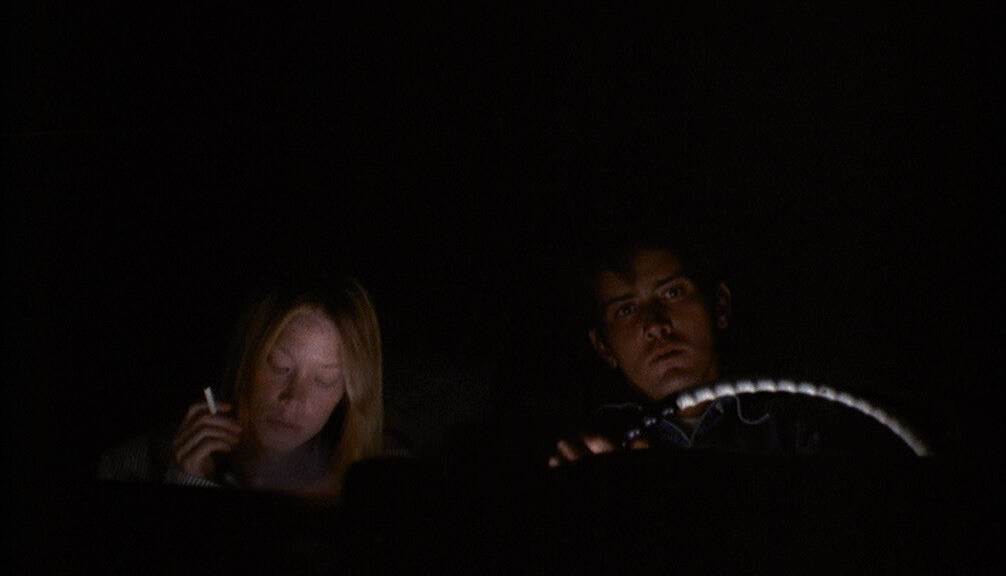

The film concludes with Kit awaiting execution and Holly reflecting on her time with him. She has moved on with her life, eventually marrying and leaving behind the events that transpired. In her final voice-over, Holly’s detachment is as strong as ever, reflecting on Kit’s fate with the same indifferent tone she used to describe their entire relationship.
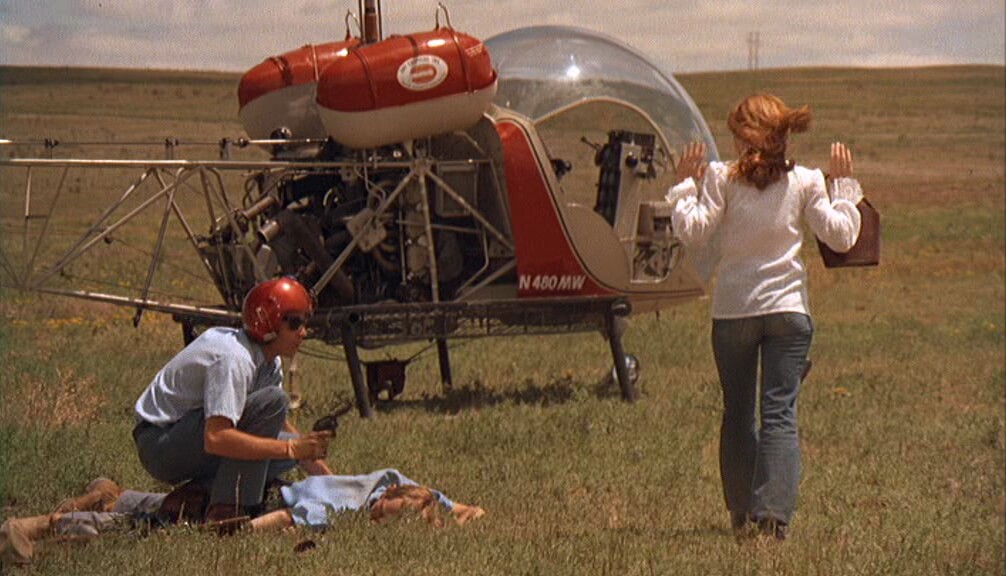
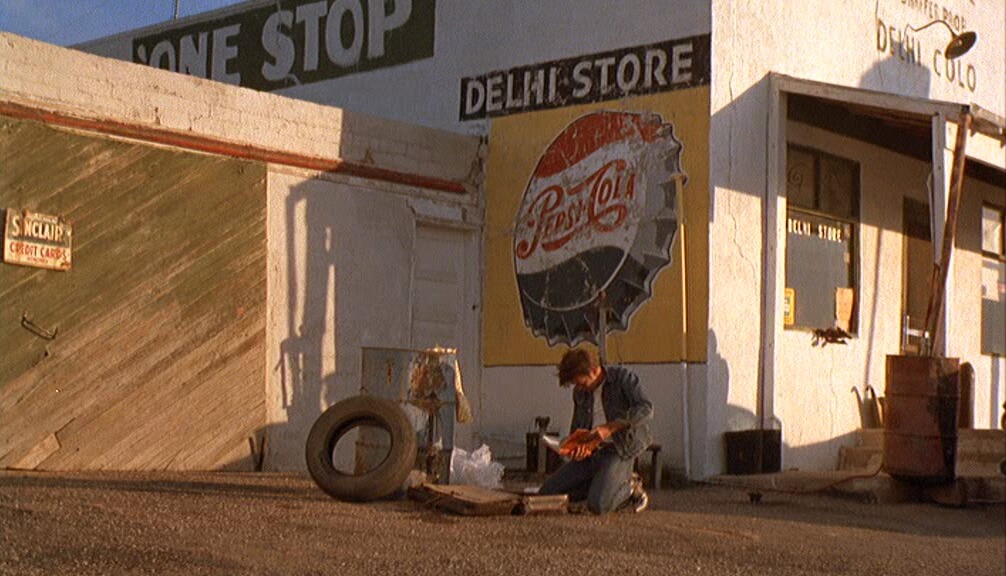
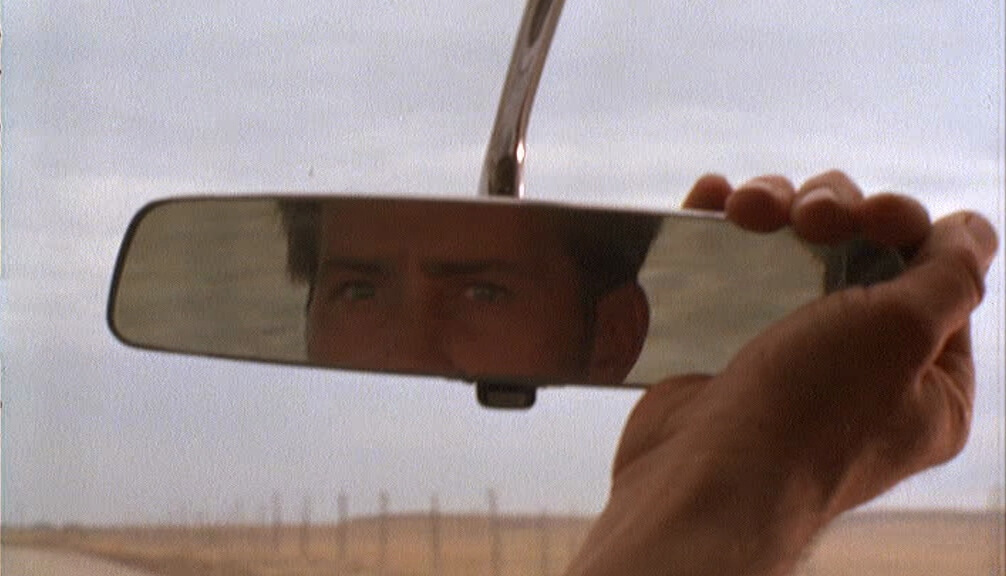
“Badlands” is a film about characters who are disconnected from the world around them. Kit and Holly both exhibit a deep sense of alienation—Kit from society and its norms and Holly from her own emotions. Their inability to engage with the consequences of their actions makes the violence in the film all the more unsettling.
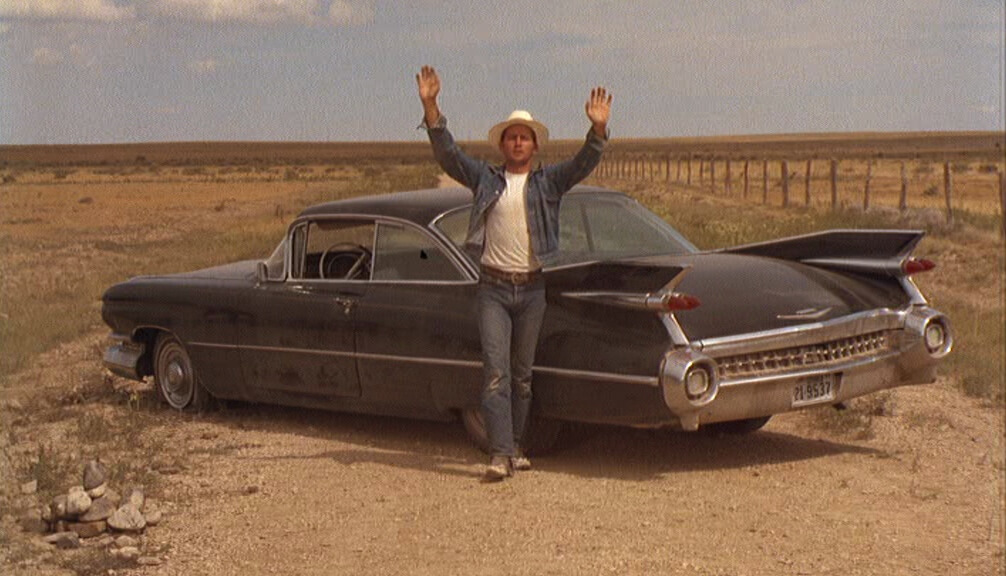
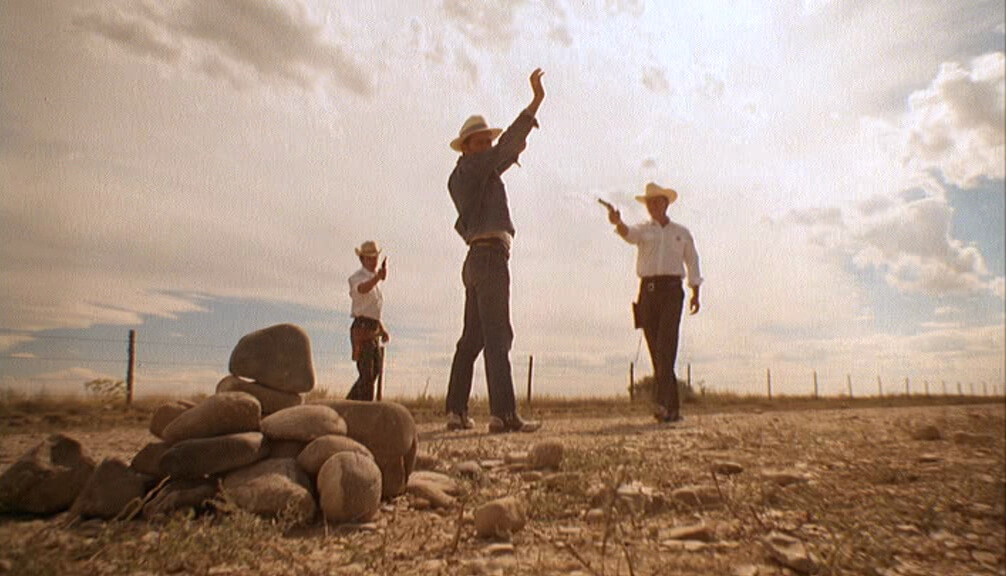

The film presents violence in a detached, almost matter-of-fact way, reflecting its characters’ emotional disconnection. Holly’s narration is particularly effective in conveying this, as she describes Kit’s murders with the same detached tone she uses to describe their time spent in nature. Kit’s desire to be remembered as a legend is a central theme of the film. He imagines himself as a larger-than-life figure, a rebel who defies the norms of society. However, this myth-making is shown to be empty and delusional, as Kit is ultimately a lost and lonely individual seeking meaning in a world that seems indifferent to him.
“Badlands” is a powerful exploration of love, violence, and alienation, made all the more unsettling by its characters’ emotional detachment from the horrific events they cause. The film stands as a landmark of 1970s American cinema, starkly reflecting the emptiness of myth and the consequences of violence.
 The Other Cinema