


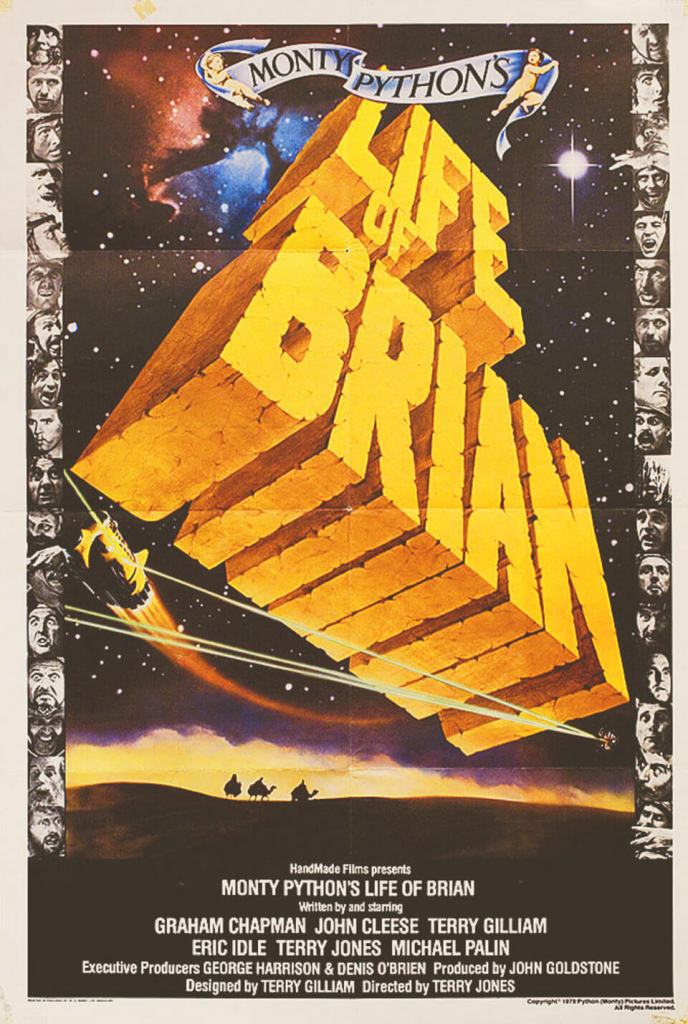
“Monty Python’s Life of Brian” (1979) is a satirical comedy directed by Terry Jones and written by the members of the British comedy troupe Monty Python (Graham Chapman, John Cleese, Terry Gilliam, Eric Idle, Terry Jones, and Michael Palin). The film is an irreverent satire on religion, political ideologies, and the absurdity of organized structures in ancient Judea. Set during the time of Jesus Christ, the film follows a hapless man named Brian Cohen, who is mistakenly worshipped as the Messiah.
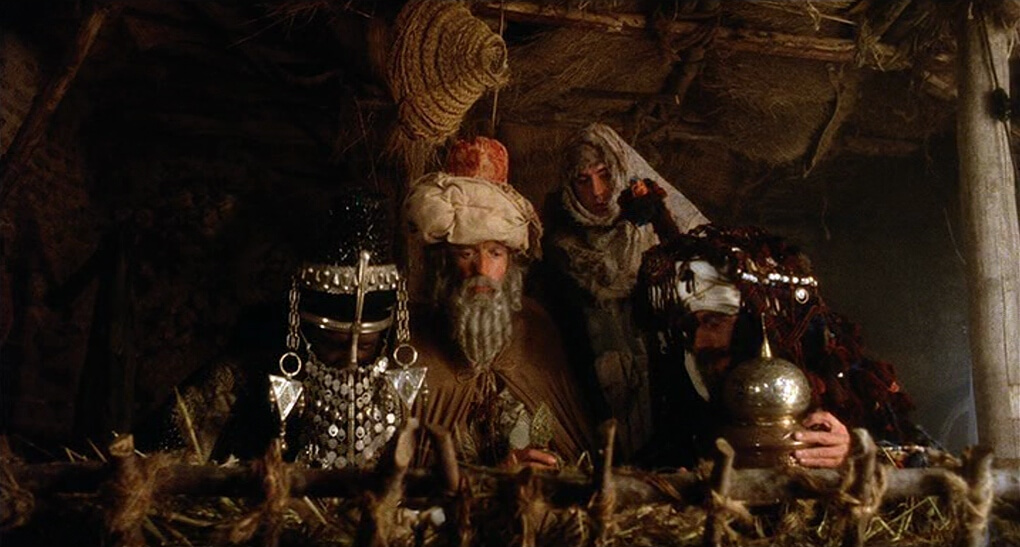
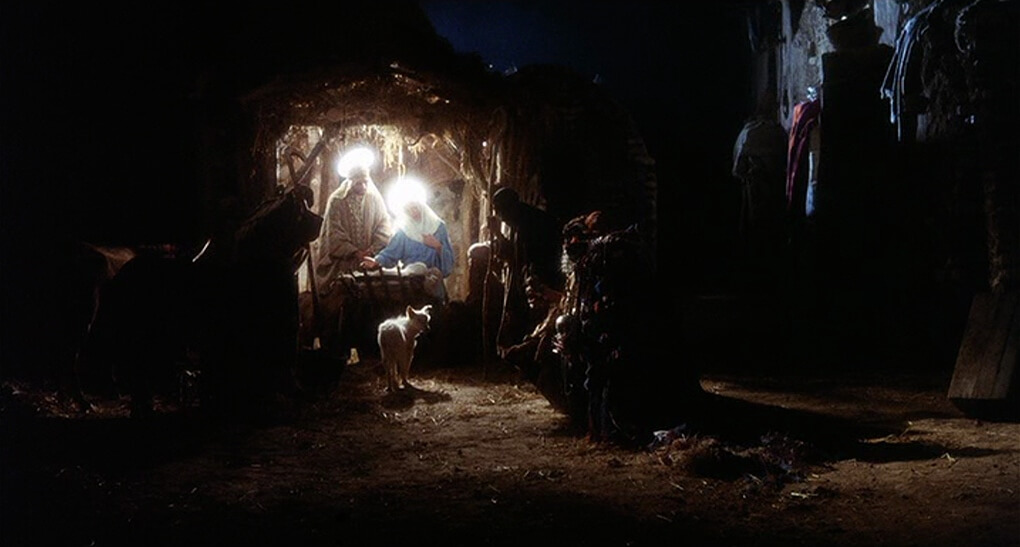
The story begins in 33 AD in Roman-occupied Judea, where Brian Cohen (Graham Chapman), an ordinary Jewish man, is born in a stable next to Jesus Christ. This early mix-up, where the Wise Men mistakenly visit baby Brian instead of Jesus, sets the tone for the film’s absurdity and comedic exploration of religious themes.
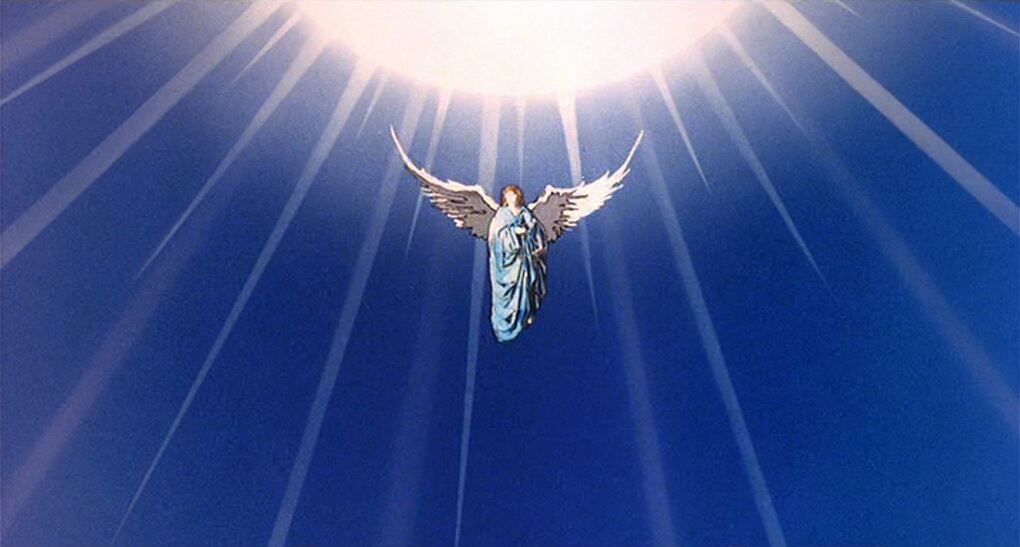
Fast-forward 33 years, and Brian is living a mundane life with his overbearing mother, Mandy Cohen (Terry Jones), in Jerusalem. He is initially uninterested in politics or rebellion, but after encountering the People’s Front of Judea (PFJ), a hapless and factionalized revolutionary group led by Reg (John Cleese), Brian becomes involved in the anti-Roman Resistance. He begins to resent the Roman occupation and wishes to join the PFJ to fight for Jewish independence.

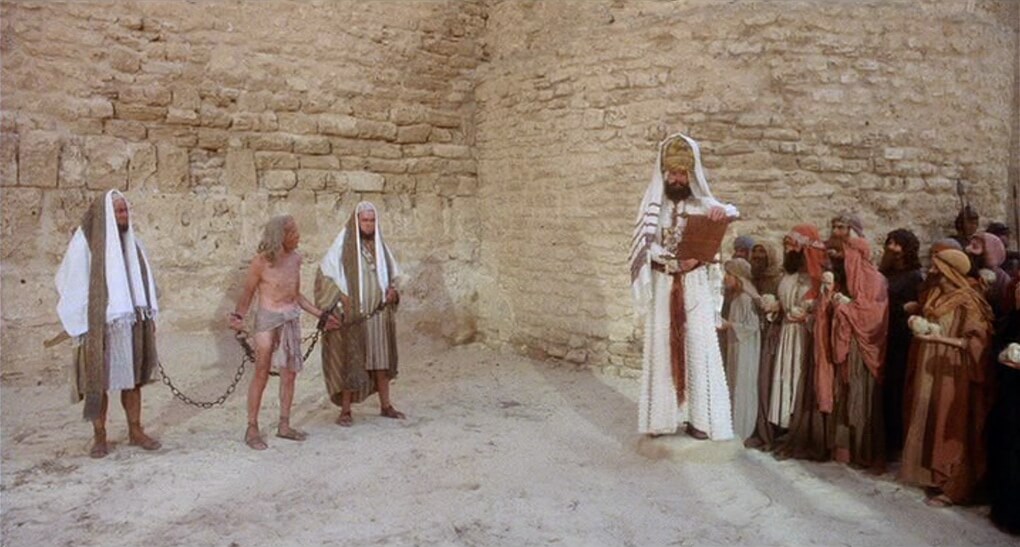
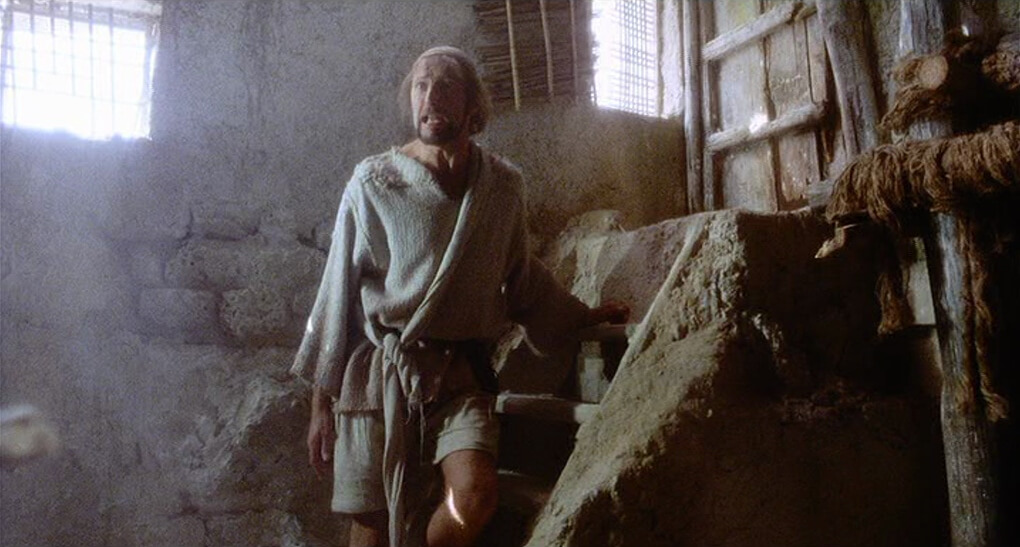
The PFJ is a parody of political groups and revolutionary movements, shown to be divided, disorganized, and more concerned with their internal rivalries than opposing the Romans. Their slogans and meetings mock the ideological posturing of fringe political groups. Brian, wanting to impress Judith (played by Sue Jones-Davies), a member of the PFJ, participates in one of their ineffectual missions, which involve acts like writing anti-Roman graffiti.
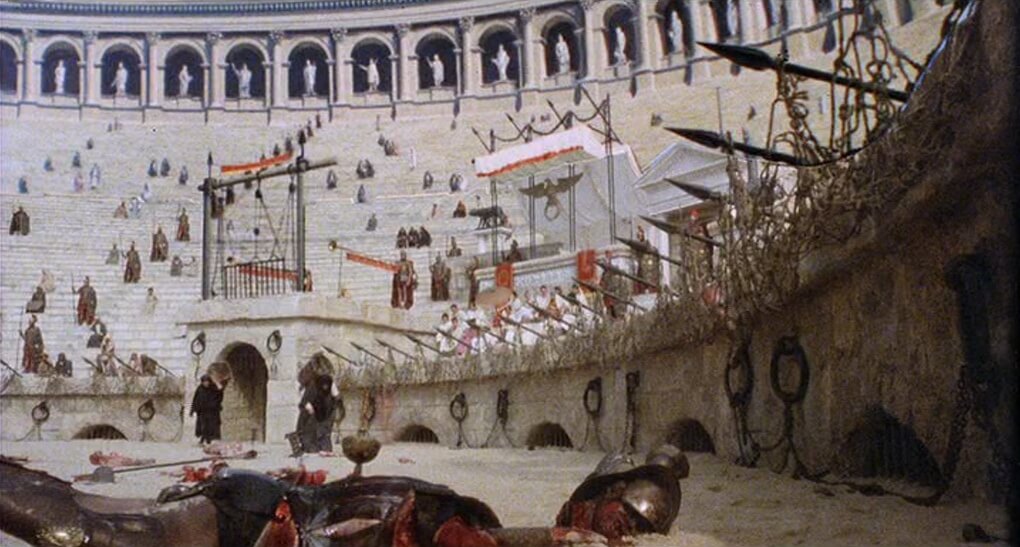
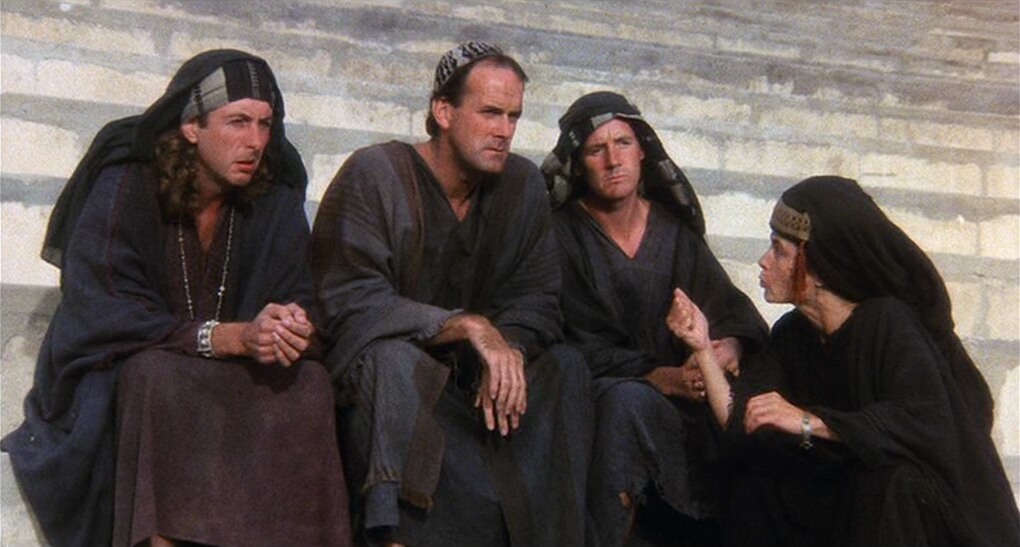
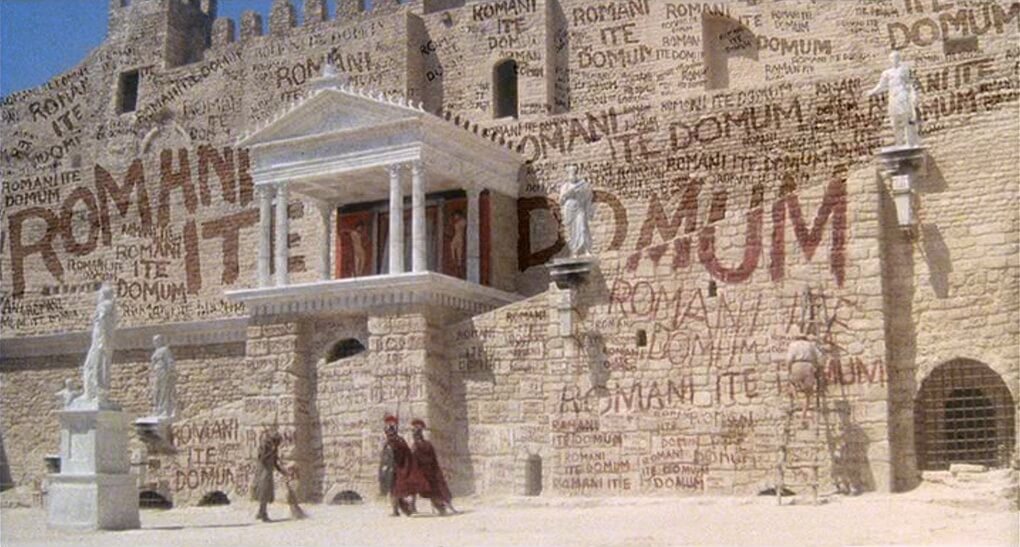
Brian accidentally preaches to a crowd while fleeing from Roman soldiers after a botched mission. His offhand remarks are interpreted as divine wisdom, and before he knows it, Brian is declared a prophet and eventually mistaken for the Messiah. The film cleverly satirizes the blind followers who latch onto Brian’s every word, ignoring his pleas that he is not the chosen one. His attempts to deny being the Messiah further prove his divinity. This leads to several hilarious encounters, including ascetic followers and various sects arguing about the meaning of Brian’s sayings, highlighting how easily religious factions can form around misunderstandings and conflicting interpretations.
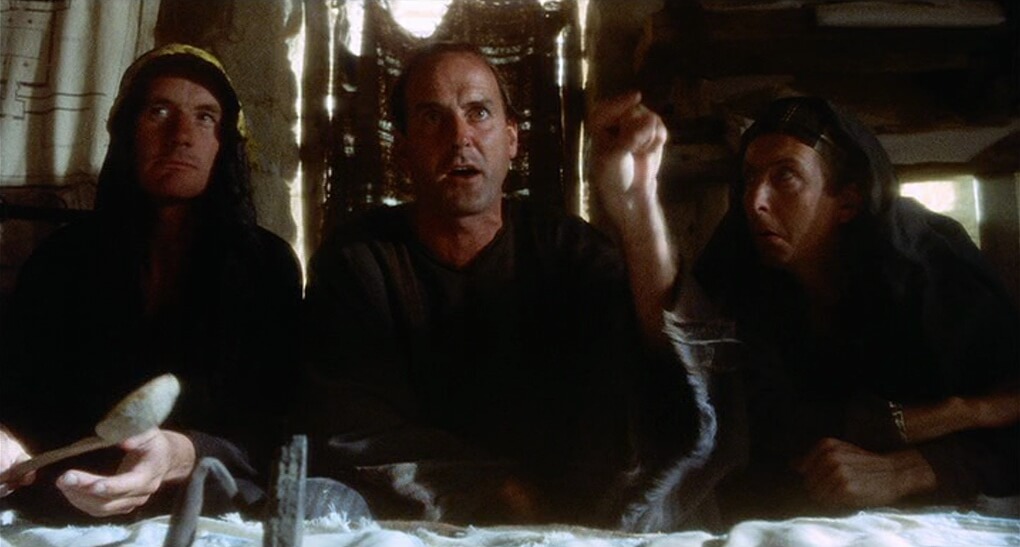
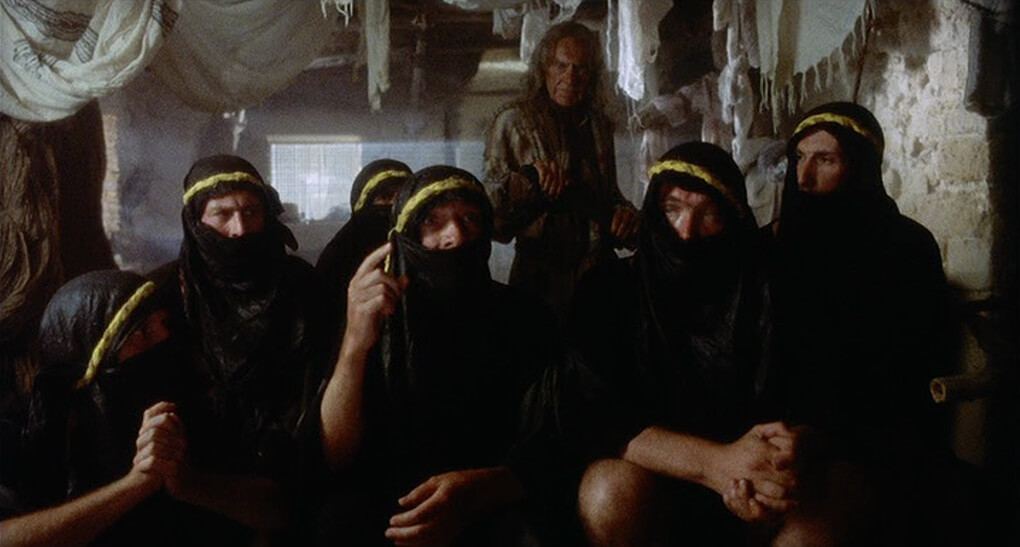
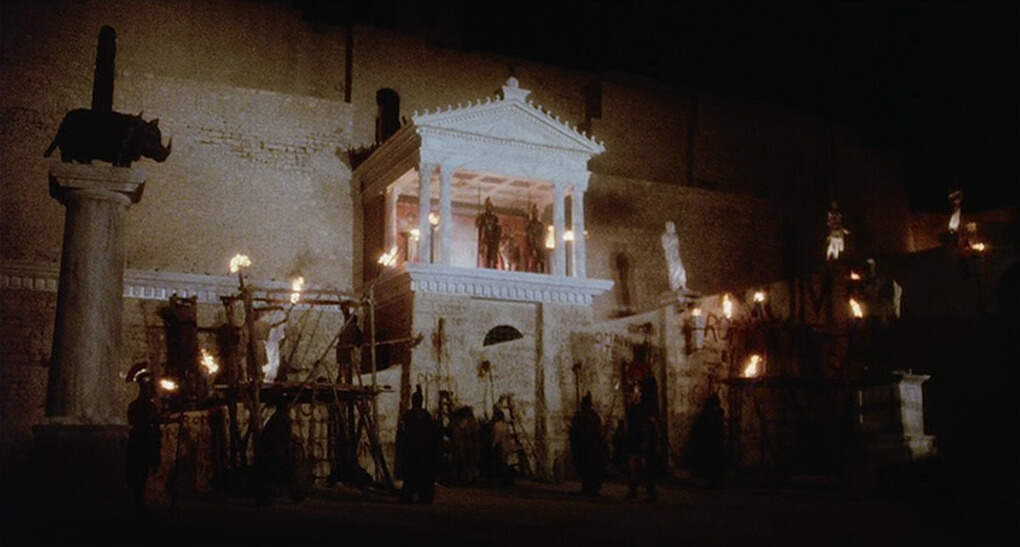
As Brian’s notoriety grows, more and more people gather to follow him, believing that he will lead them to salvation. Brian becomes a symbol of hope and rebellion for the people despite his protestations. The satirical depiction of the crowd is one of the film’s central critiques of organized religion—portraying how people can impose their beliefs and expectations on others, often to absurd extremes.

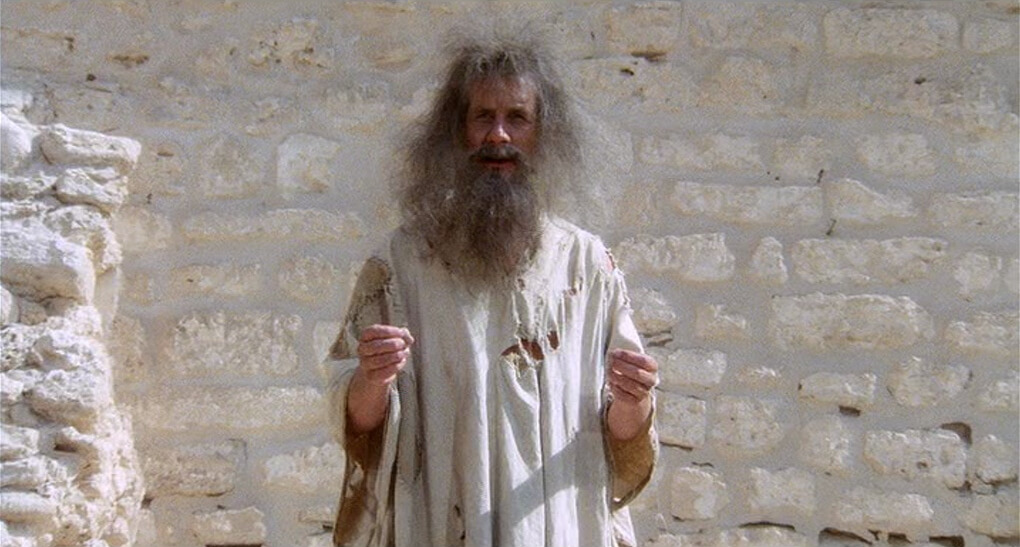
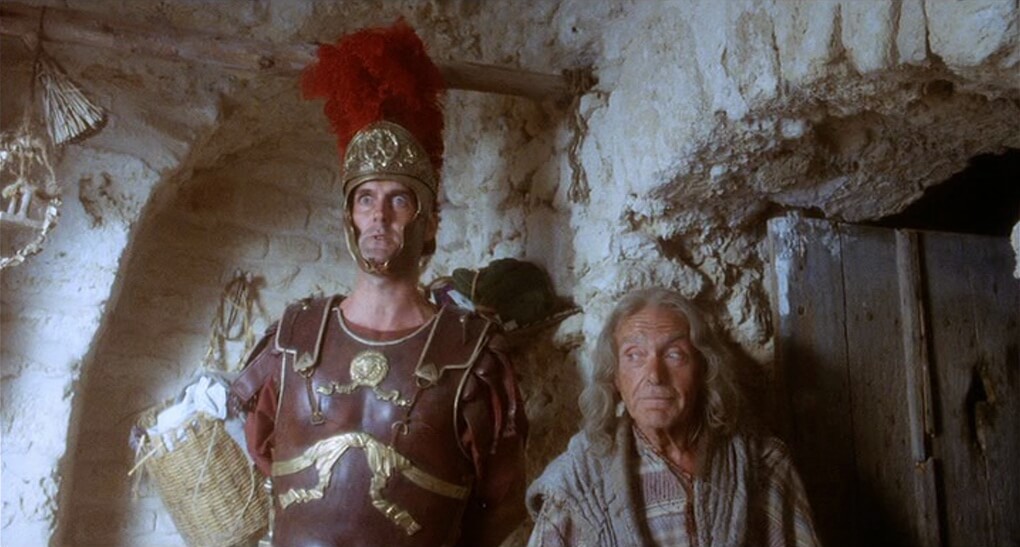

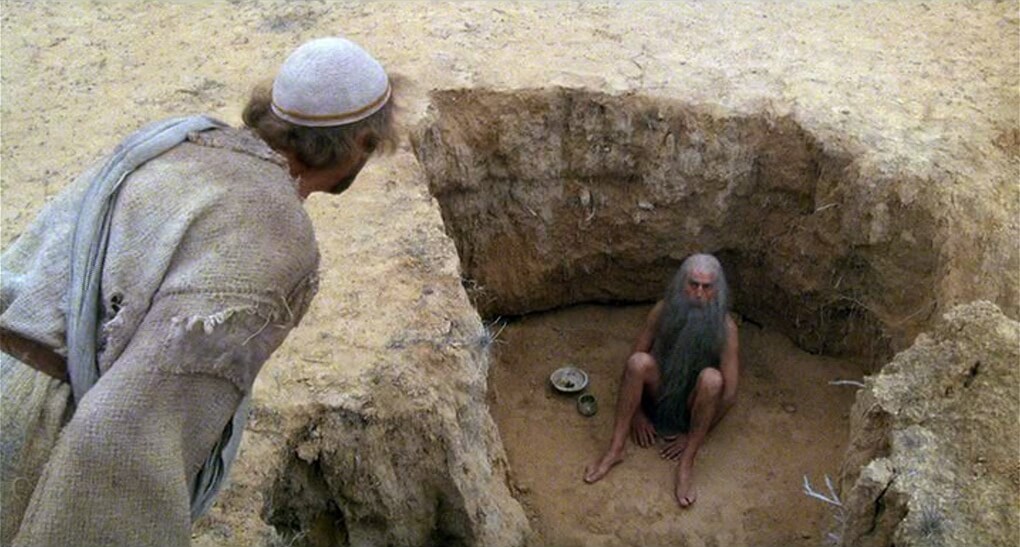
One memorable scene involves Brian trying to escape the crowds by running into the mountains, only to stumble upon a hermit who has taken a vow of silence. After inadvertently making the hermit break his silence, Brian’s troubles escalate as the crowd continues to chase him, asking for guidance and miracles.
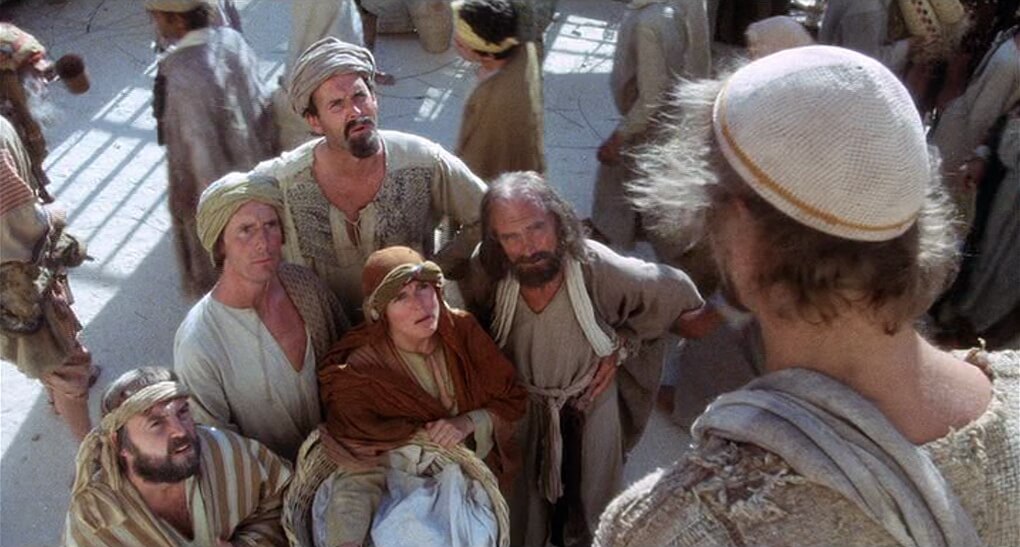

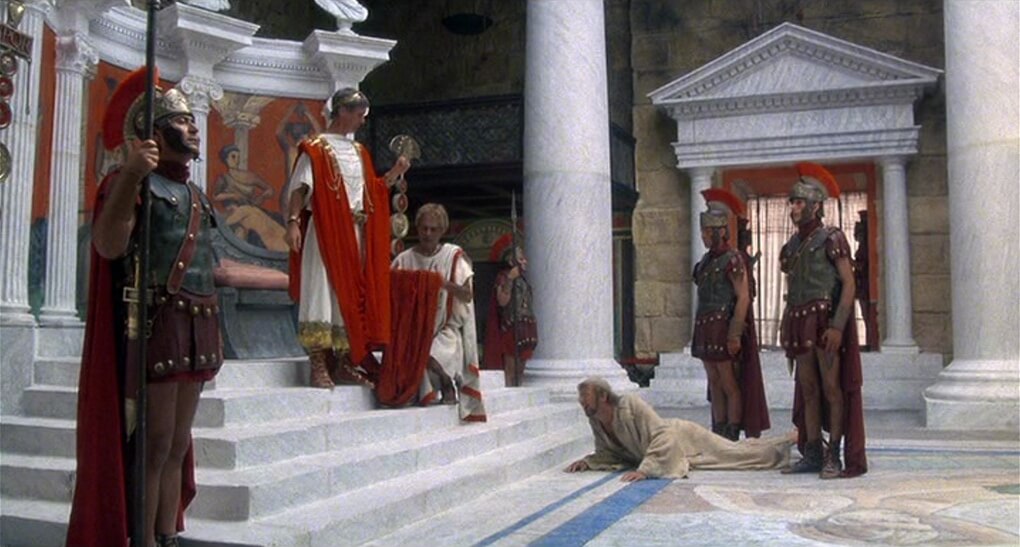
Another source of humor is the bumbling Roman authority figures, especially Pontius Pilate (Michael Palin), who has a comical speech impediment that causes him to pronounce “R” as “W,” resulting in confusion and mockery from the crowds. His attempts to maintain order are undermined by his absurdities, including a scene where the Romans try to punish Brian by crucifixion.
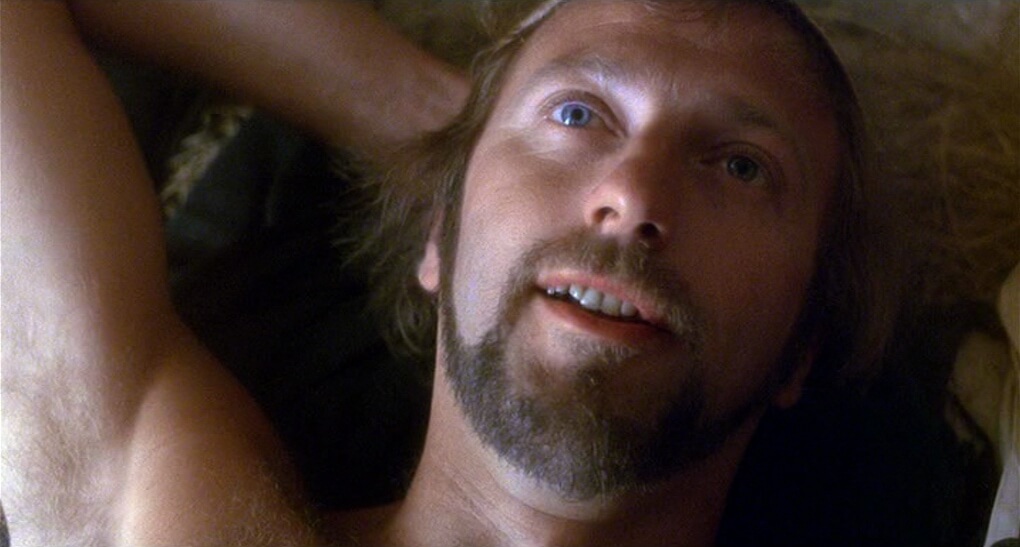
Biggus Dickus (Graham Chapman), another Roman officer, also provides comedic relief with his own speech impediment, adding to the farcical nature of the Roman administration. The scenes with Pilate and Biggus highlight the film’s skewering of bureaucratic incompetence and the ridiculousness of authority figures.
Eventually, Brian is captured by the Romans and sentenced to crucifixion, even though everyone around him seems to misunderstand his true identity and intentions. In a comedic mix-up, a series of almost-rescues occur, with Brian repeatedly on the verge of freedom, only to be left on the cross.
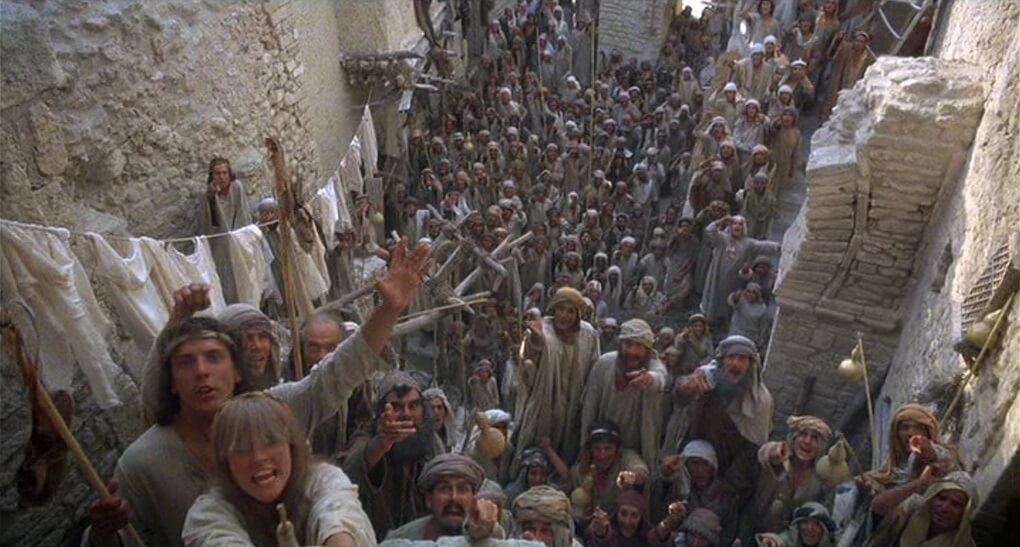
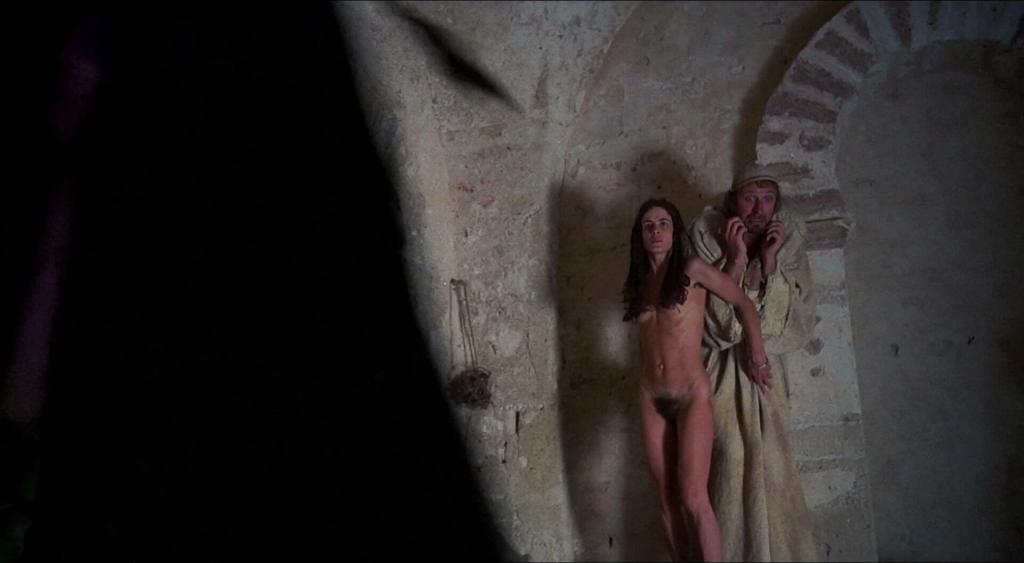
As Brian hangs on the cross, the film reaches its famous, absurd conclusion. The other crucified victims, including Brian, break into the cheery song “Always Look on the Bright Side of Life,” a final ironic twist on the grim reality of crucifixion, turning it into a bizarre, optimistic musical number. The juxtaposition of a joyful song in the face of a hopeless situation epitomizes the film’s dark, irreverent humor.
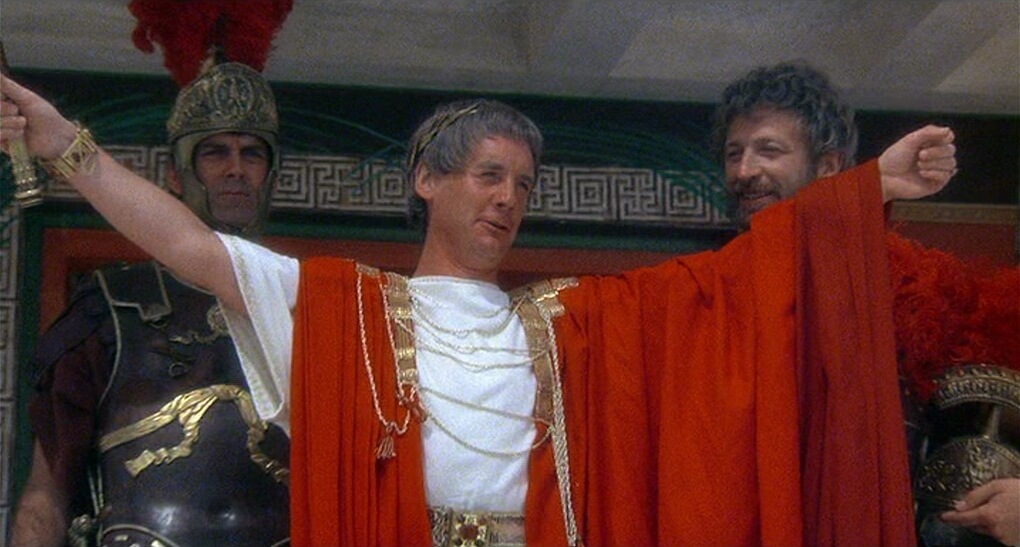

“Life of Brian” is a biting satire of religious dogma, fanaticism, and how religious figures are deified or misunderstood. It explores how people can impose their beliefs and agendas on others, often distorting original messages. The film critiques blind faith and the human tendency to follow authority or charismatic figures without question. The film mocks the absurdities of revolutionaries who spend more time fighting each other than addressing the real issues at hand.
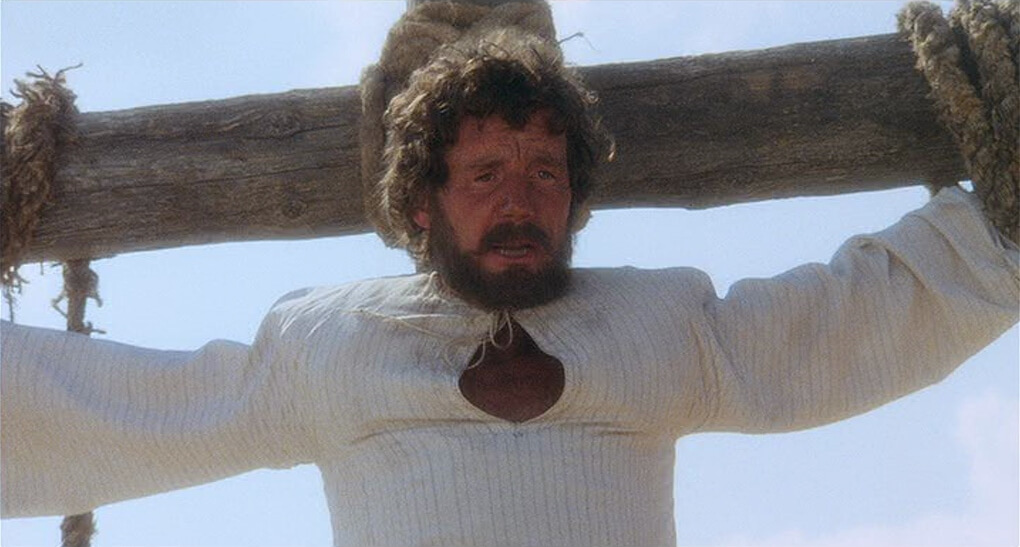
The film also questions Authority and Power, particularly through the Roman characters Pontius Pilate and Biggus Dickus, who are lampooned as ridiculous, out-of-touch, and inept figures of authority. This serves as a broader critique of power structures’ arbitrary and often absurd nature.
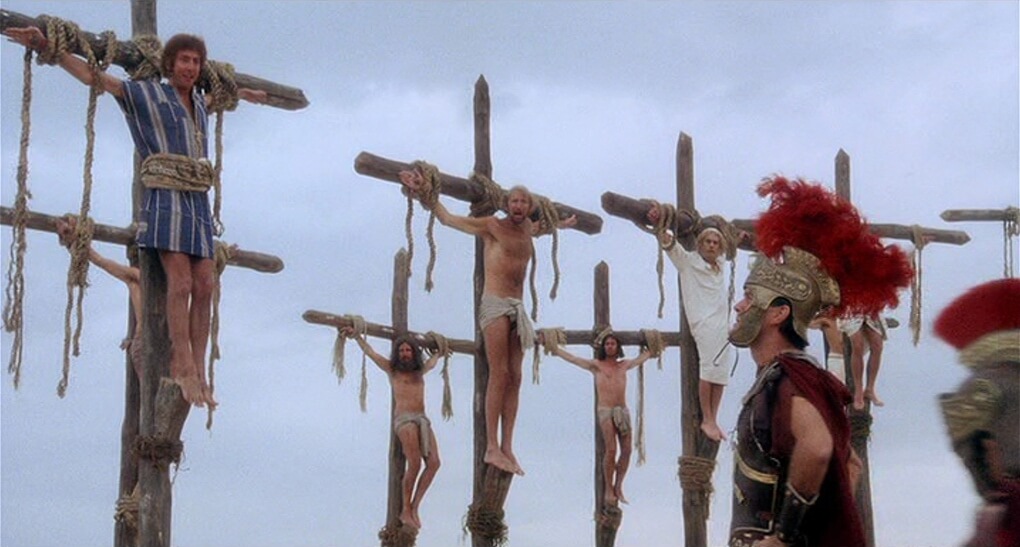
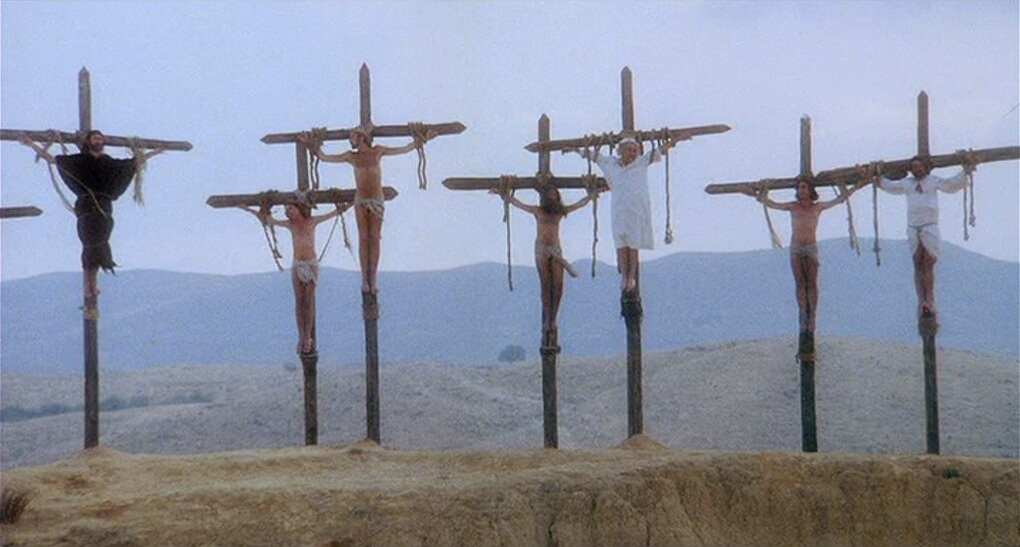
The film’s famous final scene, with the crucified victims singing “Always Look on the Bright Side of Life,” encapsulates the film’s existentialist humor. Even in the face of death, there is a sense that life is fundamentally absurd, and the best response is to face it with humor.
“Monty Python’s Life of Brian” is a masterful satire that tackles big themes like religion, politics, and authority with humor, wit, and irreverence. The film remains controversial due to its religious subject matter but is regarded as one of the greatest comedies ever.
 The Other Cinema