

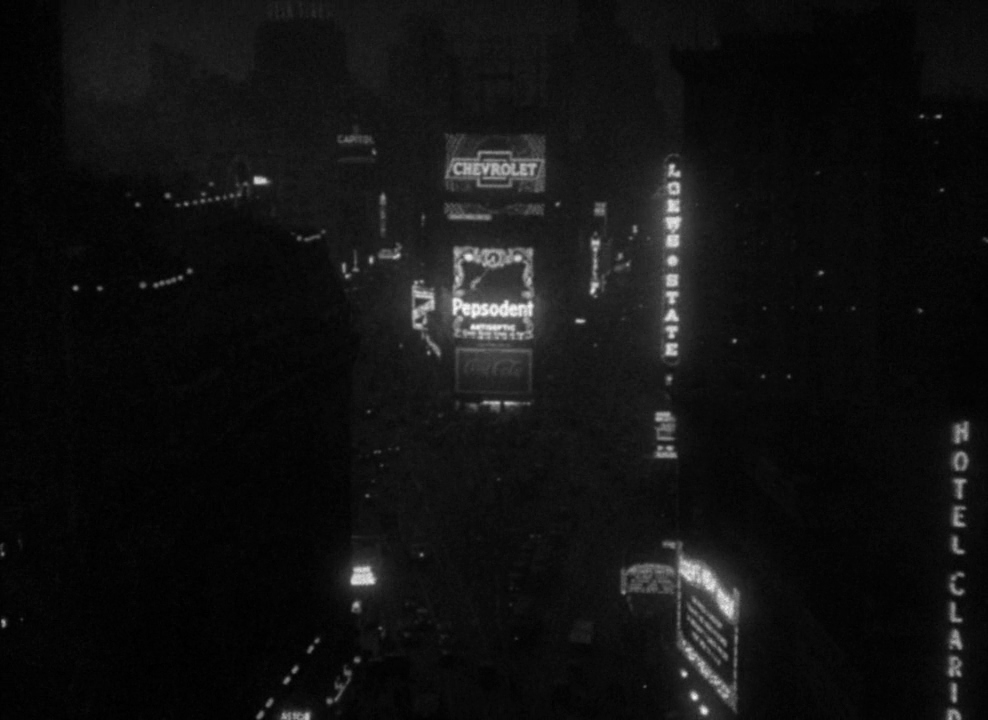
“King Kong” (1933) is a pioneering adventure and monster film directed by Merian C. Cooper and Ernest B. Schoedsack. It is a landmark in the history of cinema, especially noted for its groundbreaking special effects by Willis O’Brien and its iconic giant ape, King Kong. Blending fantasy, horror, and romance, the film explores themes of beauty, the beast, and humanity’s relationship with nature.


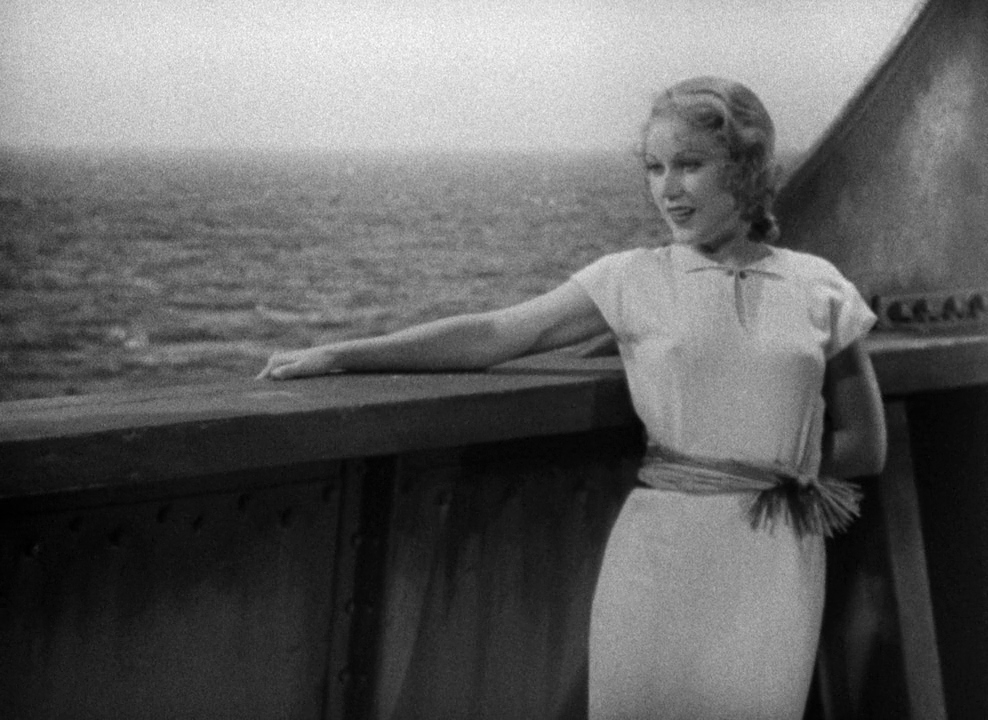
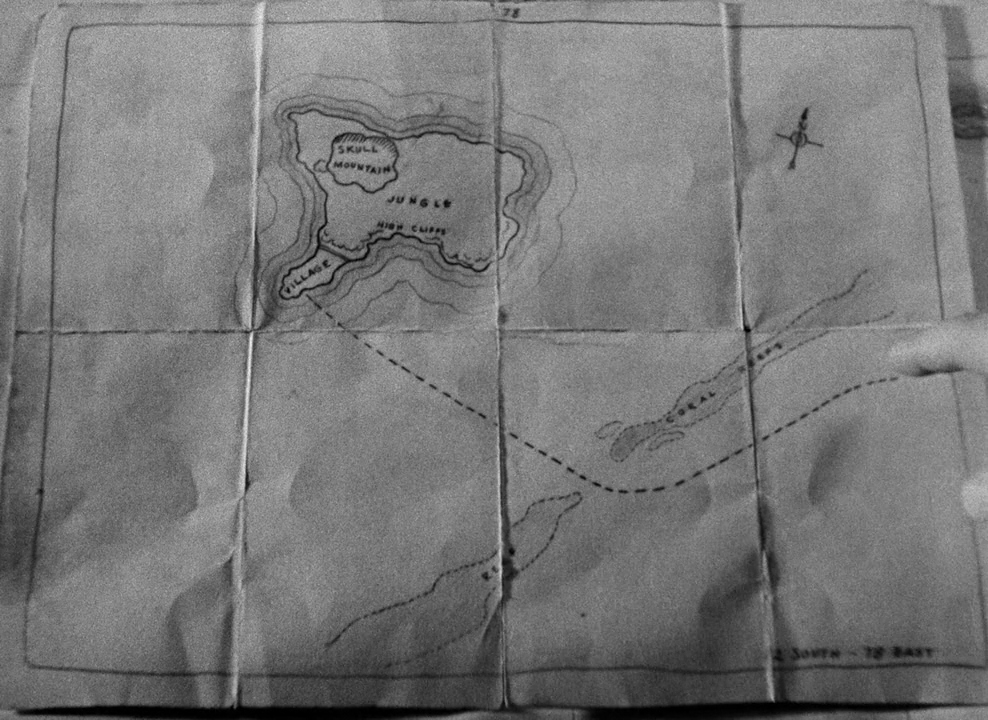
The story begins with filmmaker Carl Denham (played by Robert Armstrong), an ambitious and daring movie producer known for his dangerous, exotic film locations. Denham is planning his most ambitious project, a film shot on a mysterious, uncharted island called Skull Island. He gathers a crew and sails aboard the ship Venture to the remote location, hoping to capture footage of the unknown creatures rumored to inhabit the island.


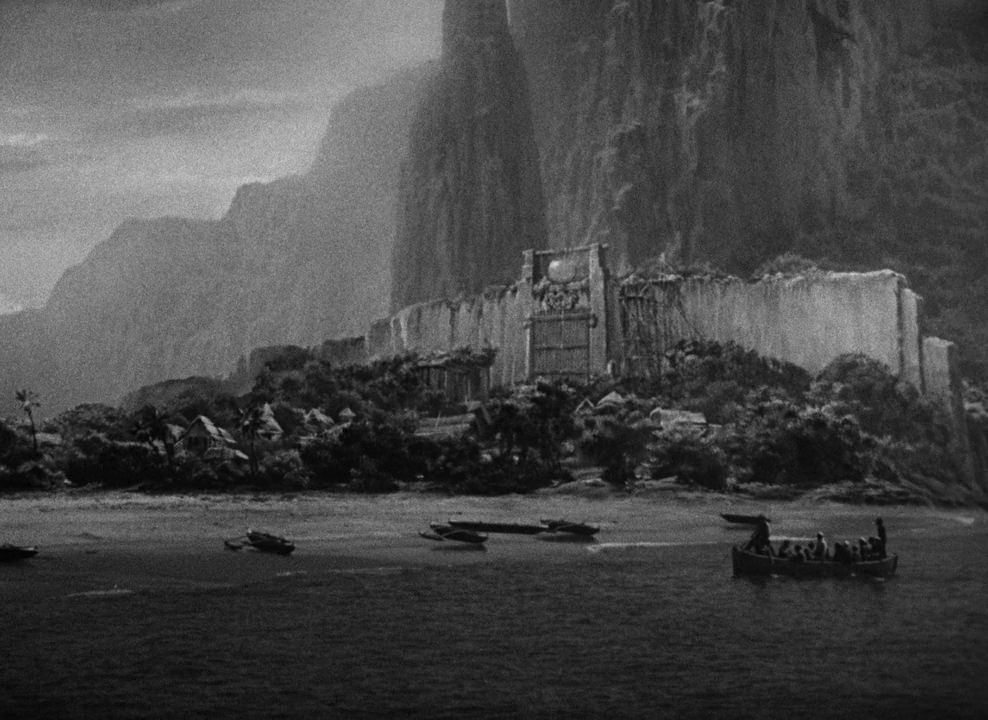
Before departing, Denham needs to find a leading lady for his film. After a frantic search through the streets of New York, he comes across the beautiful but destitute Ann Darrow (played by Fay Wray), a struggling actress. He offers her the opportunity of a lifetime to star in his adventure film, and she eagerly agrees, despite not knowing the full details of the dangerous expedition.
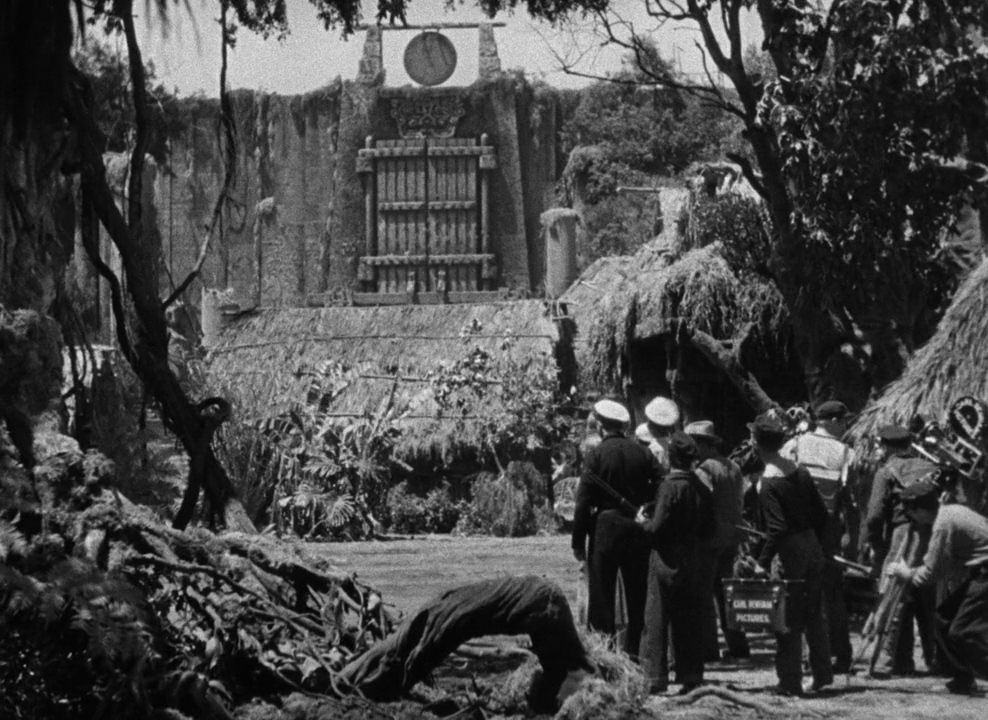

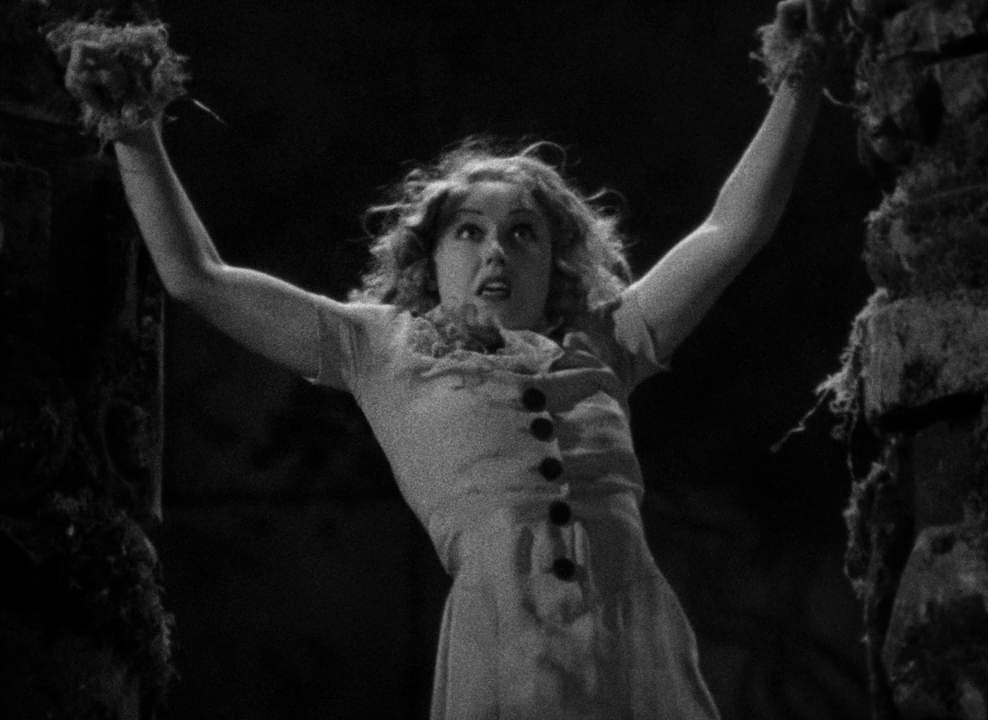

Once aboard the Venture, Ann grows close to Jack Driscoll (played by Bruce Cabot), the ship’s first mate, who is dismissive of her but later becomes her protector. As the ship nears Skull Island, the crew is intrigued and unsettled by the eerie fog and strange superstitions surrounding the island.


Upon arrival, they discover that Skull Island is home to a primitive tribe that worships a giant creature known as Kong. The island is surrounded by a massive wall built by the natives to keep Kong at bay. The tribe becomes fascinated by Ann, whom they call the “Golden Woman,” and they decide to offer her as a sacrifice to Kong.
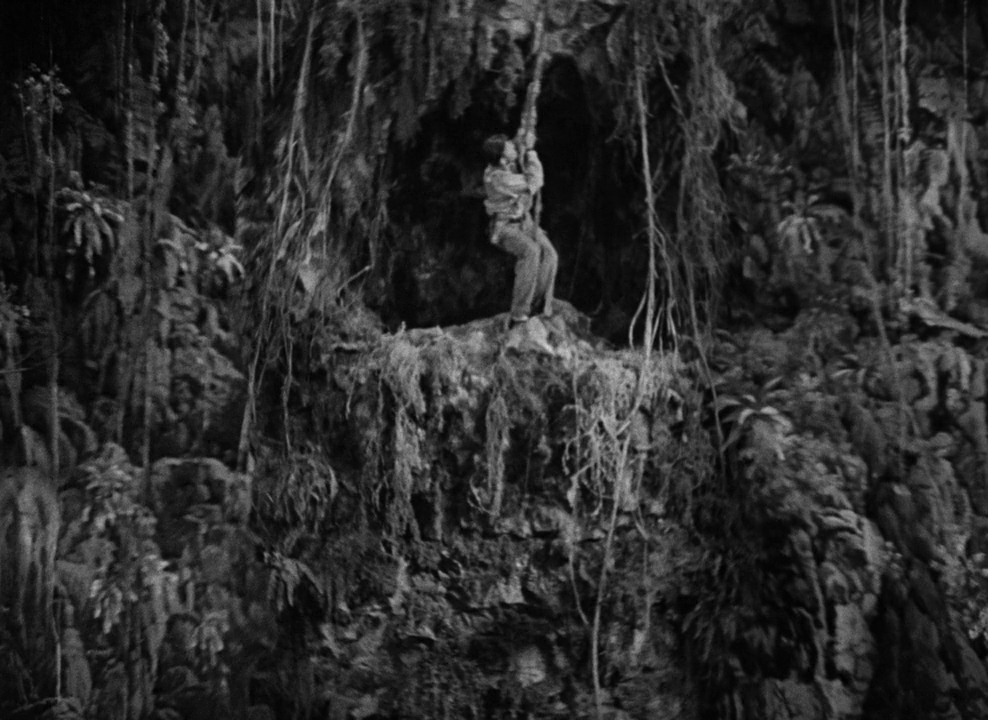
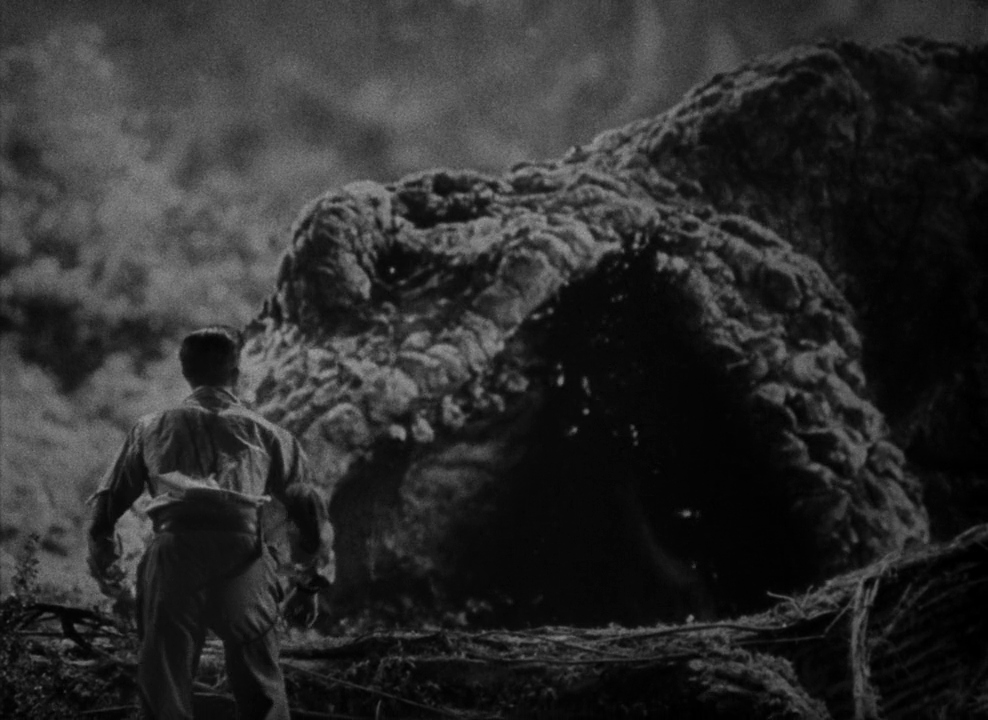

Ann is abducted by the natives and tied to an altar outside the wall, where the colossal ape, King Kong, emerges from the jungle to claim her. Kong, a massive 50-foot gorilla, takes Ann into the wilds of Skull Island. Despite her terror, Kong is protective of her, showing moments of tenderness and curiosity. Ann, in turn, is caught between fear and awe of the beast.
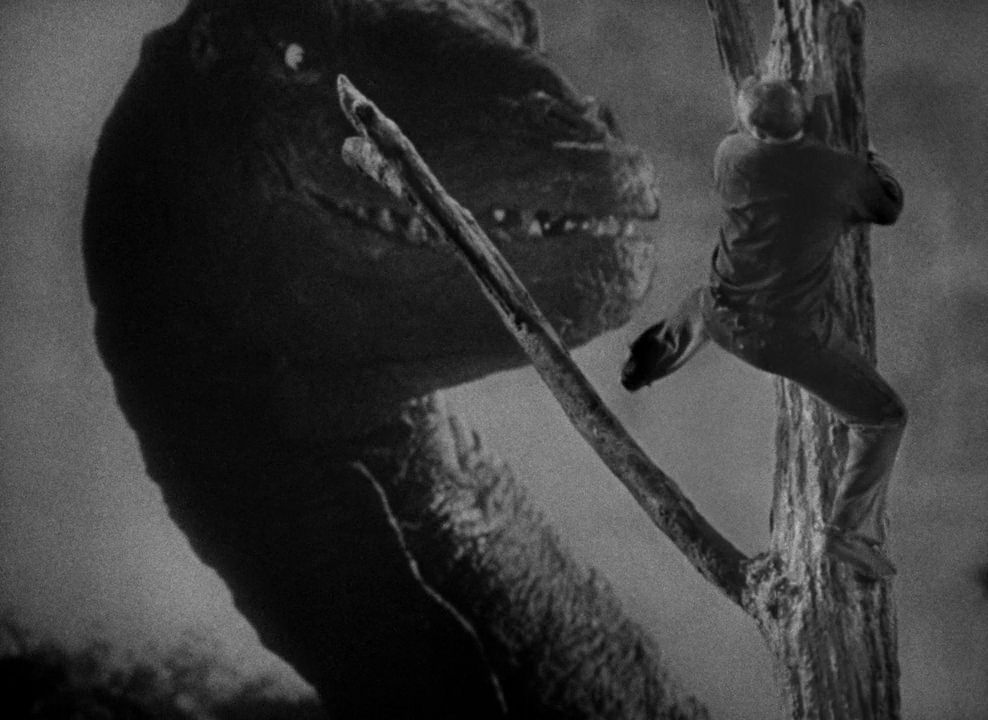
Denham, Jack, and the rest of the crew set off on a dangerous mission to rescue Ann, battling the island’s prehistoric monsters along the way. Skull Island is not only home to Kong but also to dinosaurs, giant reptiles, and other fearsome creatures, all of which pose threats to the crew. Jack pursues Kong deep into the island’s jungle, determined to save Ann from the monster’s clutches.
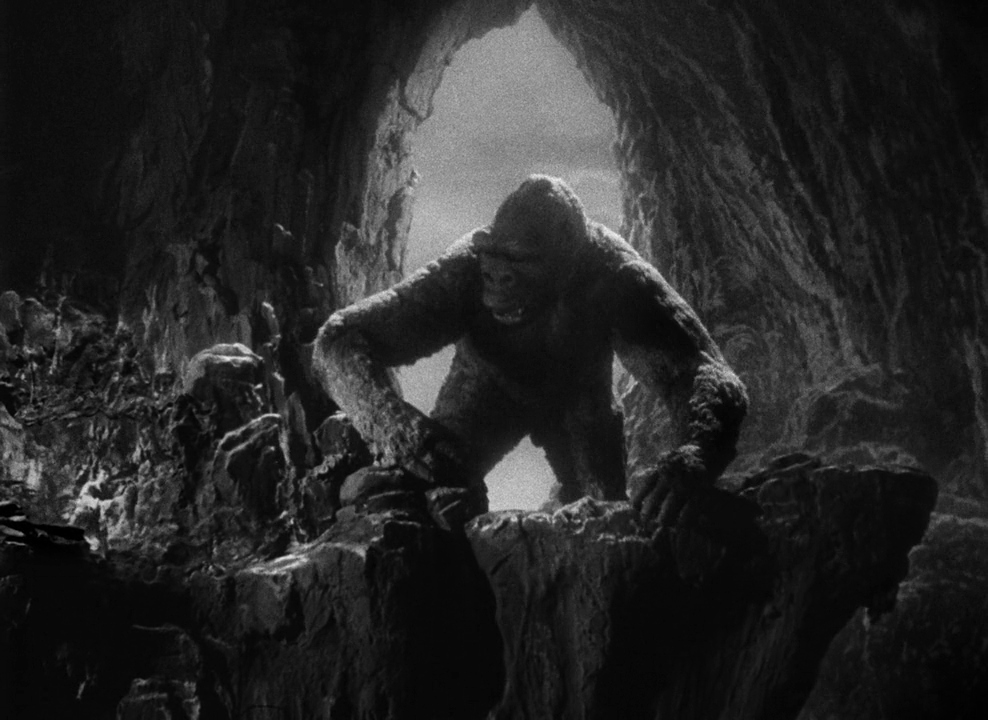


Meanwhile, Denham hatches a plan to capture Kong, realizing that the giant ape could be the ultimate attraction back in New York. Using gas bombs, the crew manages to subdue Kong and transport him back to civilization, where Denham exhibits him as “King Kong, the Eighth Wonder of the World.”
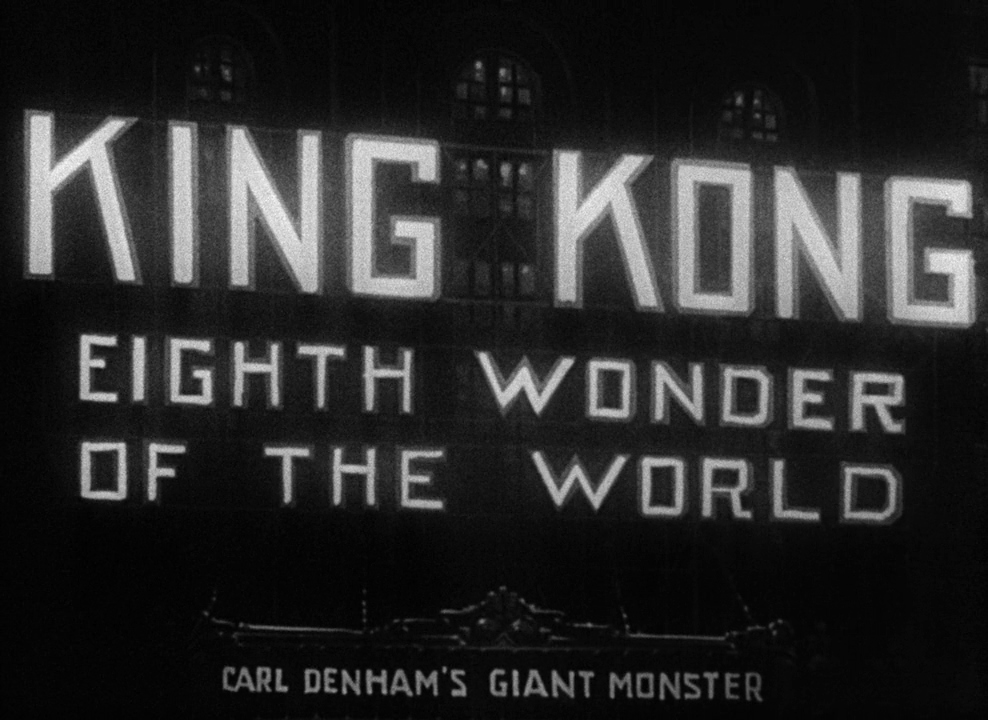
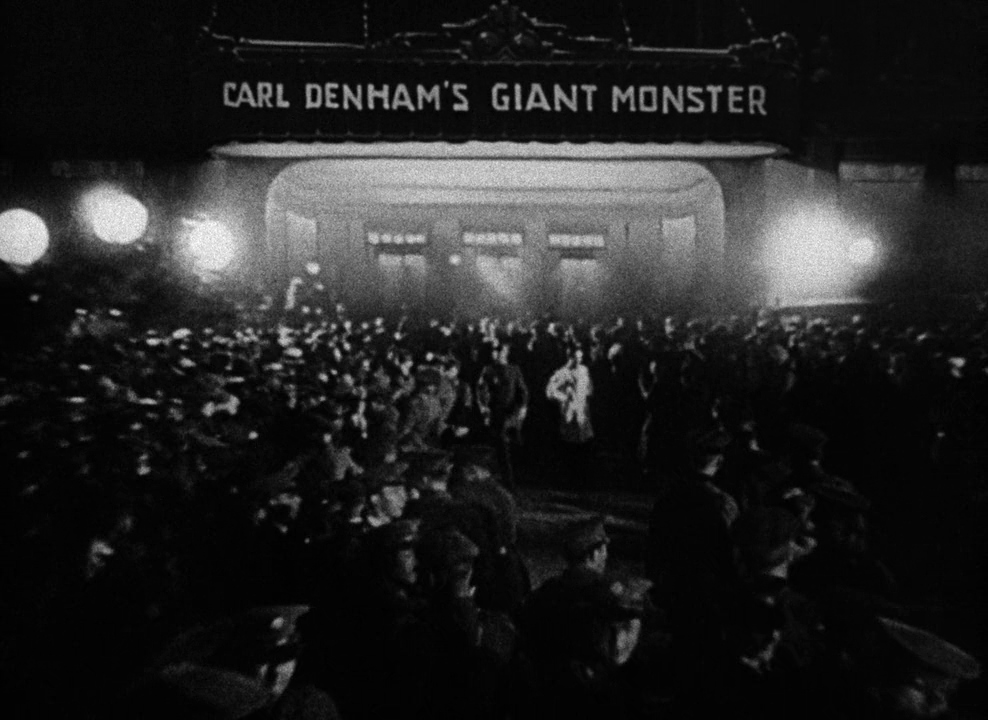
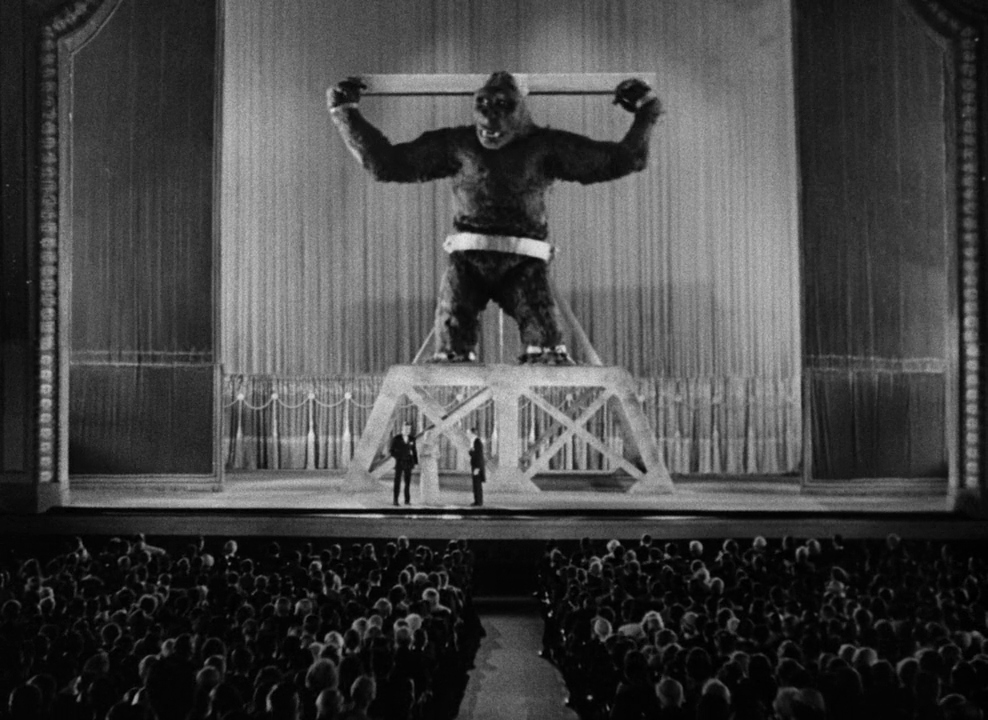
In New York City, Kong is displayed in a grand theater, but the situation soon spirals out of control. Enraged by the flashing lights from thousands of cameras, Kong breaks free from his chains and goes on a rampage through the city. He searches for Ann, whom he views as his only connection in the strange, hostile world of humans.


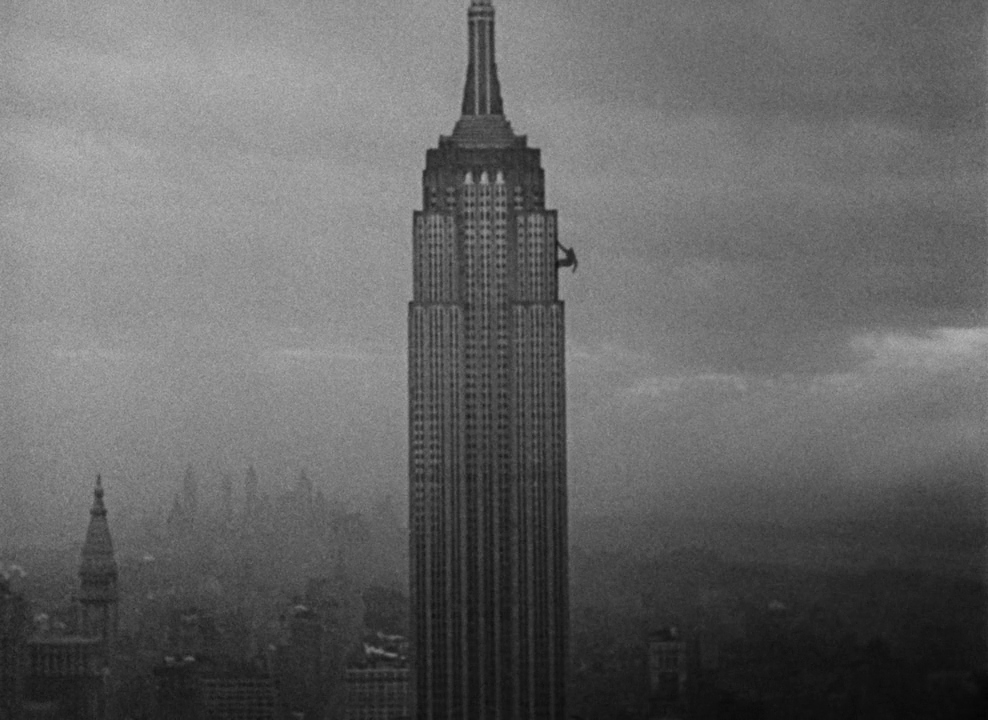
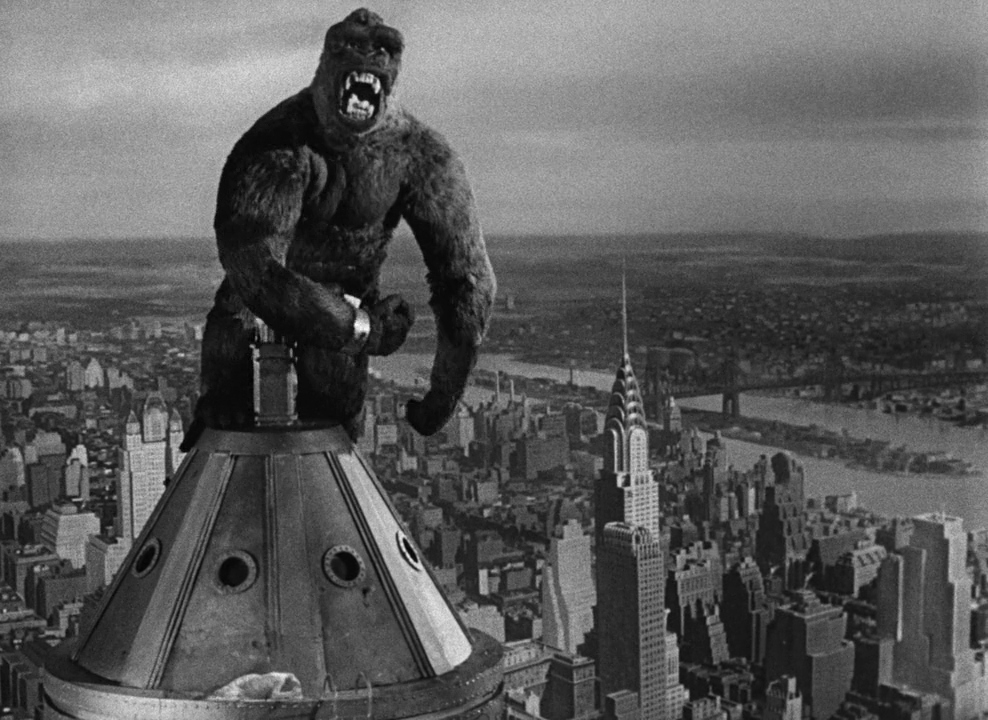
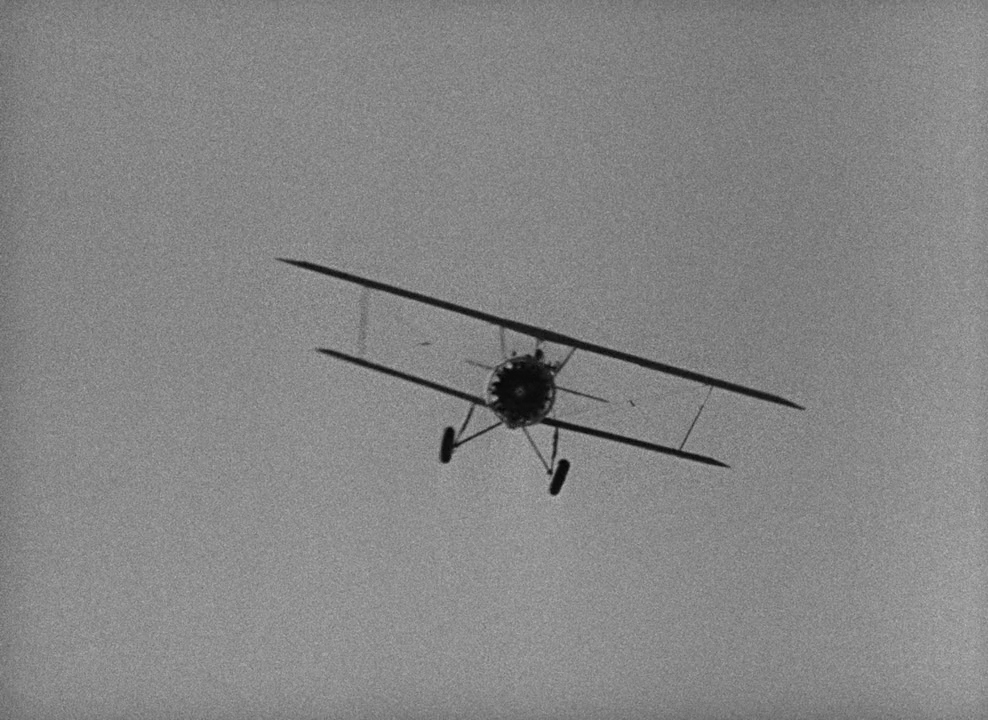
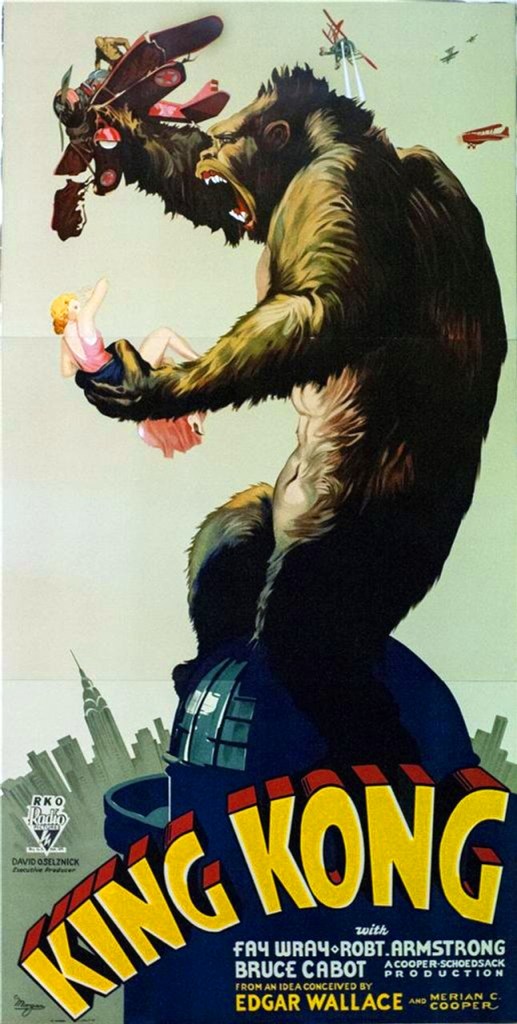
Kong eventually finds Ann and takes her to the top of the Empire State Building, leading to one of cinematic history’s most iconic scenes. Perched atop the skyscraper, Kong fights off a fleet of biplanes sent to bring him down. Despite his immense strength, Kong is ultimately overwhelmed by the planes’ gunfire. In a tragic fall, Kong plunges from the Empire State Building to his death on the streets below.
In the film’s famous closing line, Carl Denham remarks, “It wasn’t the airplanes. It was beauty killed the beast,” encapsulating the film’s central theme of the destructive power of human ambition and the tragic romance between beauty and the beast.
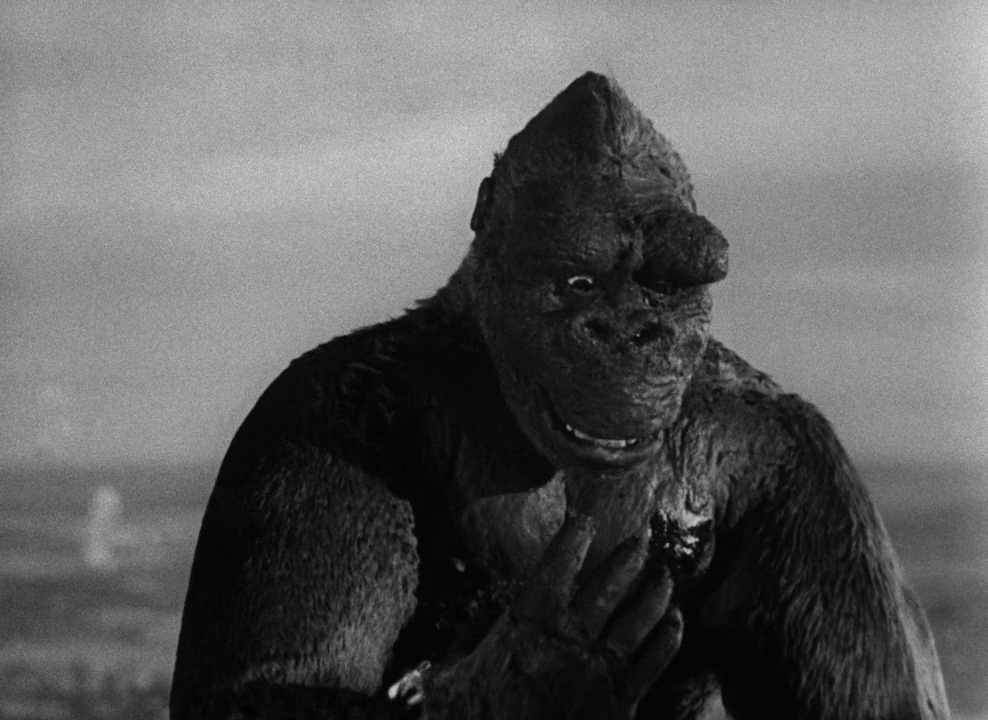
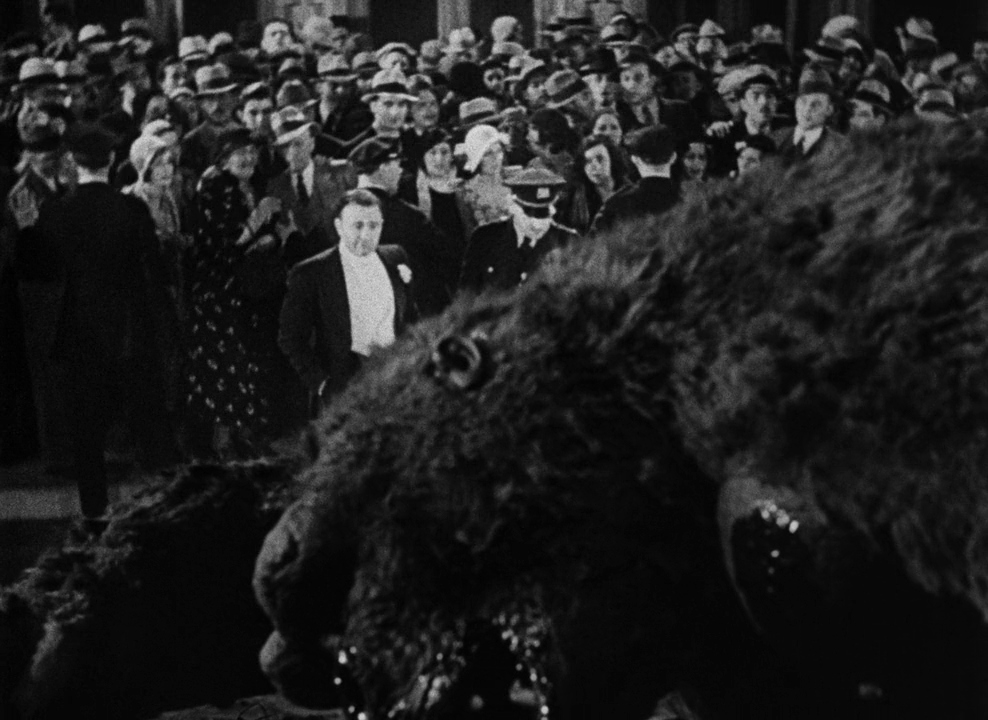
The true standout of the film is the special effects work of Willis O’Brien, whose stop-motion animation brought King Kong and the prehistoric creatures of Skull Island to life in a way that had never been seen before in cinema.
 The Other Cinema